
Spiritual practices across Africa and its global Diaspora serve as a profound bridge, connecting the living with their ancestors and the divine through intricate belief systems and mediating deities. Foundational cosmologies, such as the Yoruba pantheon of Òrìṣà and the Gbe Vodun traditions, are currently experiencing a significant global resurgence as individuals increasingly seek to rediscover and reclaim their ancestral roots. These traditions are maintained through the flexible mechanism of oral tradition, the consistent execution of sacred rituals, and the cultural practice of storytelling. Within these systems, sacred healers play a critical role in restoring cosmic balance, utilizing rituals and deep-seated ancestral wisdom to guide their communities. Furthermore, venerated artifacts and botanical treasures, such as the kola nut (Ọjị), facilitate spiritual communion and reinforce cultural identity. The enduring role of ancestral worship remains a potent contemporary expression of heritage, acting as a vital anchor for collective identity and ensuring social continuity by transmitting ethical frameworks across generations. This spiritual revival not only highlights the extraordinary resilience of African traditions despite historical displacement like the transatlantic slave trade but also encourages new generations to engage in practices that honor their unique cultural narratives and foster a deep sense of community belonging.
Across the African landscape, a singular fruit serves as a vital anchor for marital bonds, diplomatic truces, and the sacred remembrance of those who came before.
The Sacred Kola Nut examines the profound significance of Ọjị and Obi, illustrating how this botanical treasure evolved into a quintessential emblem of hospitality and divine covenant within West and Central African societies. This exploration delves into the cultural narratives of Cola acuminata and Cola nitida, the ancestral invocations of the Igbo, Yoruba, and Edo peoples, and the intricate divinatory meanings held within the fruit’s distinct lobes.
Transcending its role as a mere ceremonial offering, the kola nut facilitates the initiation of communal councils, festive celebrations, and spiritual assemblies. Through the lens of indigenous wisdom and historical continuity, this documentary reveals why traditional gatherings remain incomplete until this sacred artifact is elevated, consecrated, and distributed among the collective.
For those dedicated to rediscovering African heritage and the enduring legacy of the ancestors, this inquiry provides a transformative perspective on a foundational pillar of continental identity and spiritual resilience.
The kola nut, particularly the Cola acuminata known as Ọjị Igbo, is revered as the “king of all fruits” in West African societies. It serves as a sacred medium of communication, bridging the gap between the living, the ancestors, and the divine. In Igbo culture, the proverb “He who brings kola brings life” (Onye wetara ọjị, o wetara ndụ) underscores its role as a quintessential emblem of hospitality, unity, and peace.
The ritual of Iwa Oji (breaking the kola nut) follows strict traditional protocols:
- Presentation & Blessing: The host presents the nut to guests using two hands to signify acceptance and goodwill. An elder or title holder then offers prayers and incantations, invoking blessings for long life, prosperity, and protection. This process, often conducted exclusively in the Igbo language, is a solemn ritual of thanksgiving and supplication to the Creator (Chineke).
- Symbolism of Lobes: Upon breaking by hand—as knives are traditionally forbidden—the number of lobes (cotyledons) revealed holds profound divinatory and social meaning.
- 2 Lobes (Ọjị Ogbi): Known as the “dumb” kola, it is considered a bad omen and is typically not served in traditional Igbo rituals.
- 3 Lobes (Ọjị Ato / Ọjị Okike): Symbolizes individual achievement, success, and fecundity; it is often associated with warriors and achievers.
- 4 Lobes (Ọjị Ano / Ọjị Udo na Ngozi): Represents the four Igbo market days (Eke, Orie, Afo, Nkwo) and symbolizes peace, social justice, and balanced progress.
- 5 Lobes (Ọjị Ise): A sign of reproduction, increase, and communal fertility, traditionally offered to those with large, successful families.
- 6 or 7 Lobes (Ọjị Asa): Signifies double prosperity and outstanding blessings; in some regions, a 6-lobed nut may require a separate celebration, such as the slaughter of a goat.
- Sharing & Social Bond: Once broken, the pieces are distributed to all present, often served with a spicy peanut or pepper sauce. This act establishes a bond of oneness, sealing treaties and conflict resolutions.
Beyond its spiritual and social utility, the kola nut contains caffeine, theobromine, and kolatin, which provide natural stimulation and act as an appetite suppressant. Medicinally, it has been used to treat fatigue, aid digestion, and even combat infections. This unique combination of botanical properties and ancestral wisdom ensures that the kola nut remains an indispensable artifact in traditional West African life.
The ritual of Iwa Oji (breaking the kola nut) follows strict traditional protocols:
- Presentation & Blessing: The host presents the nut to guests to signify acceptance and goodwill. An elder or title holder then offers prayers and incantations, invoking blessings for long life, prosperity, and protection.
- Symbolism of Lobes: The number of lobes (cotyledons) revealed upon breaking holds profound divinatory meaning.
- 3 Lobes (Ọjị Ato): Represents individual achievement and good omens.
- 4 Lobes (Ọjị Ano): Symbolizes the four market days (Eke, Oye, Afo, Nkwo) and represents social justice, peace, and balance.
- 5 Lobes (Ọjị Ise): Indicates fertility, reproduction, and communal increase.
- 6+ Lobes: Signifies prosperity, double blessings, and a direct communion with the ancestors.
- Sharing: Once broken, the pieces are distributed to all present, establishing a bond of oneness and communal resilience.
Beyond its spiritual and social utility, the kola nut contains caffeine, theobromine, and theophylline, which provide natural stimulation and aid digestion. This unique combination of botanical properties and ancestral wisdom ensures that the kola nut remains an indispensable artifact in traditional ceremonies, from marriages to conflict resolution.
Support Historyinstore
The HistoryInStore channel, which has grown to over 46,000 subscribers and features more than 250 videos, is a dedicated digital platform for exploring the profound narratives and iconic events that have shaped the global landscape. For those committed to rediscovering African heritage and the enduring legacy of ancestors, this platform provides transformative perspectives on the foundational pillars of continental identity and spiritual resilience. By uncovering hidden tales and examining the incredible people of the past, the channel aims to ignite curiosity and facilitate a deeper journey through time. Recent content includes explorations of significant historical figures, such as the 13 Gods of War who influenced Africa before major global shifts.
Beyond spiritual exploration, the channel also contextualizes botanical and cultural artifacts within broader history. For instance, the study of the kola nut—the original source for the earliest cola drinks—illustrates how African exports and indigenous wisdom have influenced global commodities from the 17th century to the present day. These inquiries highlight the resilience of African traditions despite historical displacements like the transatlantic slave trade and underscore the role of these practices in fostering a deep sense of community belonging.
To follow the journey and join the community conversation, visit the official YouTube channel at:
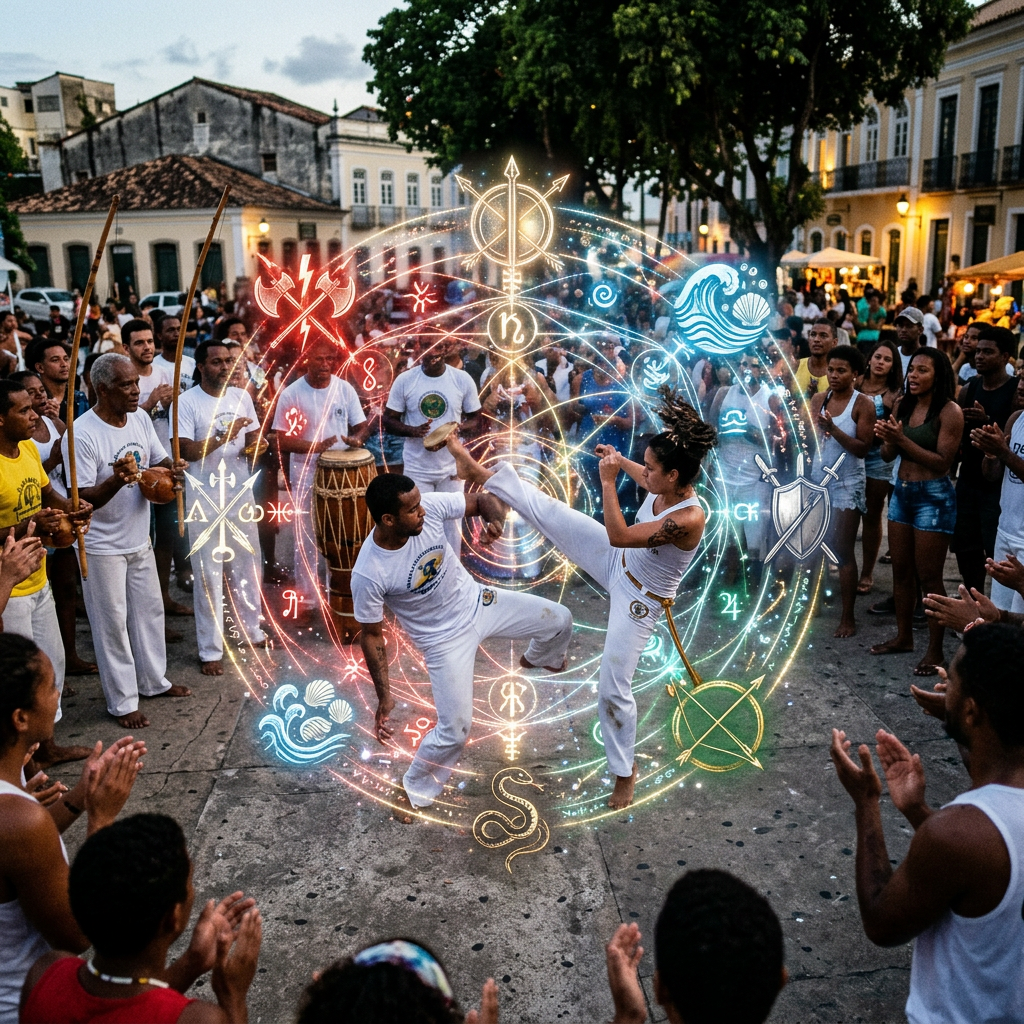





 Jogo Corpo Fechado