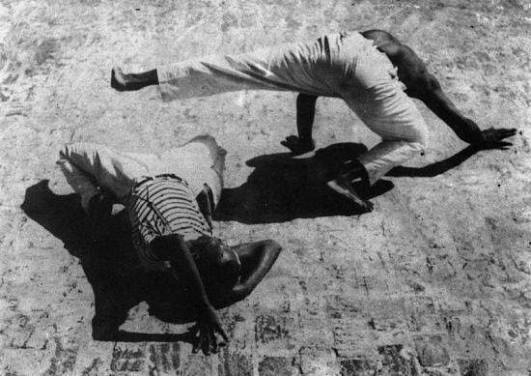
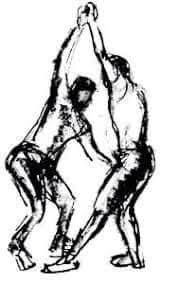
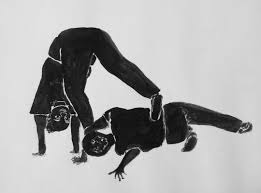
Understanding the Fake YN Phenomenon

In contemporary digital and urban slang, the phrase “The Epidemic of Fake YNs” refers to a social trend where individuals adopt the aesthetic and language of the “YN” (Young N***a) lifestyle without actually being involved in the street culture it originates from. This phenomenon is often characterized by the performative use of specific vernacular, fashion choices, and behavioral mannerisms on social media platforms to project an image of street credibility or toughness that does not align with the individual’s actual background or daily reality.

The rise of this trend is closely linked to the algorithmic nature of short-form video platforms, where curated personas can quickly gain traction. By mimicking the “YN” archetype—often associated with youth-led urban movements, specific regional rap scenes, and a distinct sartorial style—these individuals seek to capitalize on the cultural capital of the streets. This appropriation often includes the adoption of hand signs, specific slang terms, and a “crashout” persona, which implies a reckless or high-stakes lifestyle that the individual does not actually lead. Furthermore, these digital platforms create an incentive structure that rewards hyper-masculine performances and high-engagement content, often blurring the line between genuine cultural expression and strategic personal branding. As a result, the “Fake YN” phenomenon serves as a case study in how social media can facilitate the rapid adoption, commodification, and eventual dilution of organic social movements for the purpose of global entertainment consumption.

Critics and members of the communities from which this culture originates argue that this “epidemic” trivializes the real-world struggles and systemic issues inherent in the genuine “YN” experience. For those living the reality, the “YN” archetype is often born out of necessity or navigation of specific socioeconomic environments, rather than a chosen aesthetic for digital consumption. By reducing these lived experiences to a collection of trends, “Fake YNs” essentially strip the culture of its historical and social context, ignoring the gravity of the “crashout” lifestyle they attempt to emulate.

The disparity between the performative toughness displayed online and the lack of authentic lived experience often leads to accusations of “clout chasing” or being a “studio gangster”. This friction highlights a significant disconnect: while the authentic community faces the actual consequences of street-level involvement, performers enjoy the social capital without the associated risks. This dynamic frequently results in intense gatekeeping within urban subcultures as a means of protecting the integrity of their shared identity from outside commodification.

MALICIA AS A GAME OF POWER (4/14/26)

Malicia game logo with dragon, crossed swords, and medieval castle background
The Malicia game logo features a fierce dragon and medieval weaponry against a stormy backdrop.

Welcome to MALICIA AS A GAME OF POWER, a blog series that explores the strategies of human interactions, including communication, conflict resolution, negotiation, and manipulation. It discusses leadership, personal branding, and online reputation management, providing practical strategies for influence and relationship-building. Through analysis and examples, the series aims to help readers navigate interpersonal relationships successfully.

Today, We’re gonna explore Law 1 from the book, “The Laws of Human Nature” by Robert Greene. You can purchase a copy from AMAZON.COM by clicking HERE.

The Laws of Human Nature by Robert Greene is a non-fiction book that explores human psychology, teaching readers to understand unconscious motivations, master self-control, and develop empathy by analyzing historical figures and patterns of behavior. Greene outlines 18 “laws,” such as the Law of Irrationality and the Law of Narcissism, to help readers see through people’s masks, resist conformity, and gain insight into their own and others’ actions for greater success and self-improvement. 

The Law of Narcissism: Transforming self-love into empathy.

Ancient open book titled 'The Law of Narcissism' on stone pedestal in gothic library with statues and stormy sky

The Law of Narcissism: Transforming self-love into empathy. This law explores the fundamental human need for attention and the spectrum of narcissism that exists within everyone. Robert Greene argues that by recognizing our own self-absorption, we can begin to shift our focus outward, developing “Deep Empathy” to better understand the perspectives and motivations of others. This transformation allows individuals to move beyond their own masks and conformist tendencies, gaining the insight necessary for more successful interpersonal relationships and significant self-improvement.

Applying the Law of Narcissism in Capoeira Angola

The strategic framework of Capoeira Angola offers a potent system for navigating the manipulative architecture often associated with narcissistic behaviors. By utilizing the philosophical and physical principles of the roda, a practitioner can shift from being a predictable target to an active, fluid participant in emotional self-defense.

1. The Emotional Ginga: Denying Narcissistic Supply

In the roda, the ginga is a continuous, deceptive movement that keeps a player elusive. Interpersonally, this translates to maintaining emotional mobility. Narcissists thrive on predictable emotional reactions—outbursts of anger or visible distress—to gain “narcissistic supply”. By employing “Grey Rock” techniques—responding with neutral, non-committal phrases like “I understand you feel that way”—the practitioner starves the narcissist of the emotional fuel they seek.

2. Malícia and O Jogo de Dentro: Reading Intentions

Malícia is the calculated ability to read an opponent’s hidden motives. Within o jogo de dentro (the internal game), a practitioner looks past a narcissist’s superficial charm or “flamboyant aú of grandiosity” to see the insecure core beneath. Recognizing that an effusive apology might be a “hoovering” attempt allows the individual to anticipate manipulation and protect their boundaries before an attack is launched.

3. The Roda: Breaking Isolation

Narcissists often attempt to isolate targets to maintain control. The roda represents the critical need for a supportive community. By maintaining a network of trusted allies—friends, family, or therapists—the practitioner ensures they have an external reality check against tactics like gaslighting. This collective wisdom acts as an anchor for objective truth.

4. The Ultimate Saída: Strategic Disengagement

The most powerful move in Capoeira Angola is the saída—the conscious decision to exit the game. When a dynamic becomes too costly to one’s axé (life force), the masterful choice is to refuse to play. This might involve establishing a “No Contact” boundary, which functions as a rabo de arraia—a decisive, final action that ends the toxic exchange and preserves one’s internal peace.

Conclusion: Integrating the Law of Narcissism with the principles of Capoeira Angola provides a comprehensive toolkit for emotional and psychological resilience. By viewing narcissistic behaviors through the lens of a strategic game, individuals can transform from passive victims into proactive practitioners of their own well-being. This approach emphasizes that understanding human nature, including the inherent narcissism within us all, is the first step toward developing the deep empathy necessary for genuine connection and self-improvement. Ultimately, the goal is not merely to survive toxic interactions but to master the art of interpersonal dynamics, ensuring that one’s internal peace and life force, or axé, remain intact regardless of the external “players” they may encounter.

Malicia logo with dark crown above and chess pieces below on stone background

Black Men’s Struggles: Naming Racism in Professional Spaces

Black men are often told workplace racism is just a few bad moments, a rude boss, or a difficult coworker. But a lot of the mistreatment we face on the job is bigger than that; it is a pervasive, systemic issue that shapes the entire professional experience.

In this video, You tuber Cool Colas breaks down three specific systemic racist agendas used against Black men in the workplace: Minority Minion Manipulation, Nitpick Supremacy, and Advancement Blockade. These are not accidental occurrences but deliberate systems used to regulate Black men, over-evaluate our performance, use other people as pawns against us, and deny us the grace afforded to our peers. These structures are designed to keep Black men useful to the organization without ever truly providing the support or opportunity for them to rise to leadership. These systemic structures often involve psychological tactics such as fake “tough love,” rigid and often arbitrary professionalism standards, and public embarrassment, which function as coordinated tools of control.

When combined with constant over-policing and deliberate advancement blockades, these methods create a hostile and suffocating environment. The result is that Black men are left feeling confused, intentionally underpaid, and professionally isolated. The cumulative impact of navigating these agendas often leads to profound mental exhaustion and, in many cases, results in Black professionals becoming unemployed or pushed out of their industries. 

By naming these tactics—such as the weaponization of professionalism standards and the use of public embarrassment—Black men can shift the burden of responsibility from themselves back onto the coordinated systems of control that create hostile and suffocating environments. These systemic agendas are deliberate structures used to regulate and over-evaluate performance. Ultimately, this awareness serves as a crucial defense against the profound mental exhaustion and professional isolation that often lead to being pushed out of industries.

Cool Colas further elaborates on how systemic structures like fake “tough love,” rigid professionalism standards, and public embarrassment function as tools of control in the workplace. These tactics, alongside over-policing and deliberate advancement blockades, work in tandem to create a hostile environment that leaves Black men feeling confused, underpaid, and isolated. The cumulative effect of these agendas often leads to profound mental exhaustion and, in many instances, leads to Black professionals becoming unemployed.

By identifying these experiences not as isolated incidents but as interconnected parts of a designed system, individuals can begin to reclaim their professional narratives and protect their mental well-being. Recognizing these structures is a vital first step toward understanding that the failure is within the system, not the individual.

This naming process allows Black professionals to see through the psychological tactics used to keep them useful to an organization while denying them the grace or support necessary for leadership. If you do not name the system, you will keep blaming yourself for what the system was designed to do to you. Recognizing these structures is the first step toward reclaiming your narrative and mental well-being in professional environments.

Support Cool Colas!

By engaging with this content, you help highlight the systemic racist agendas used against Black men. These insights provide a necessary framework for understanding how over-policing, public embarrassment, and the denial of grace function to isolate and exhaust Black professionals.Subscribe to His channel at https://www.youtube.com/@coolcolas

Join the community to explore how professionalism standards and fake “tough love” are weaponized (among other things), and learn to identify the systems that contribute to being underpaid or unfairly targeted in the workplace.

Understanding Black Identity in Rap: Insights from ‘The Boondocks’

The landscape of modern hip-hop is a complex ecosystem, one where the pursuit of authenticity clashes daily with the imperative of performance and monetization. This essential tension, surprisingly, was articulated and dissected years ago through the lens of Aaron McGruder’s groundbreaking animated series, The Boondocks.

Using The Boondocks as an incisive analytical framework, this video documentary undertakes a deep, critical breakdown of the diverse ways in which identity—particularly Black identity—is constructed, performed, grossly misunderstood, and ultimately co-opted and reshaped within the confines of the modern rap industrial complex.

The documentary traverses a spectrum of contemporary artists, categorizing their relationship with the culture and the industry:

  1. The Authenticists (The Riley Freemans): These are the artists who emerge from a genuine cultural context, using rap not merely as an art form but as an essential gateway and a raw, unfiltered expression of their lived experience. For them, the performance is an organic extension of their identity.
  2. The Imitators (The Wuncler/Stinkmeaner Archetypes): This group comprises those who have meticulously studied the aesthetics, jargon, and performance markers of rap culture, often without possessing the foundational understanding or lived experience that birthed it. They become proficient at imitation, mistaking costume for culture, and leverage this superficial performance for commercial gain. Their success highlights a flaw in the system that rewards replication over genuine creation.
  3. The Refusers (The Huey Freemans): Representing a small but powerful contingent, these artists actively refuse the demands of the performance machine. They resist the pressure to package, sanitize, or simplify their identity for mass consumption, often prioritizing artistic integrity and message over marketability and mainstream acceptance. Their stance offers a profound critique of the entire system.

This is more than just a surface-level critique of music; it is a deeper, more sociological examination of authenticity, the necessity of performance in a media-driven world, and the powerful, often exploitative, system that is designed to reward—and extract value from—both the genuine article and the skilled façade.

The modern entertainment and cultural economy has erected a sophisticated machinery around the concept of “identity.” This machine doesn’t just passively reflect culture; it actively shapes, standardizes, and commodifies it. Authenticity is no longer an inherent state of being, but a highly effective marketing asset. The industry requires a constant, high-stakes performance from its artists, blurring the line between personal expression and a meticulously managed brand. This dynamic creates a system where genuine talent must often compromise its integrity to survive, while a manufactured persona, expertly crafted to hit market trends and demographic targets, can achieve equivalent or even greater success. The underlying mechanism is a form of cultural alchemy: turning the raw material of human experience into profitable intellectual property, regardless of its original sincerity.

We live in an age where identity itself is a commodity that can be systematically studied, meticulously replicated, and ruthlessly monetized. Global digital platforms have accelerated this trend, offering unprecedented tools for self-curation and presentation, but simultaneously subjecting every aspect of human life—from personal taste to political opinion—to metrics and market logic. In this hyper-commercialized environment, the critical line separating genuine culture from mere costume—between deep-rooted, complex expression and a superficial, market-ready aesthetic—becomes increasingly blurred. This indistinction precipitates a profound crisis of truth and meaning that Aaron McGruder’s The Boondocks foresaw with startling, prophetic clarity. The animated series, with its incisive satire, recognized that the infrastructure supporting celebrity and cultural production was fundamentally rigged, prioritizing surface-level consumption over substantive artistic merit or cultural truth.

The fundamental query has thus shifted from a moral or existential one to a purely practical and transactional one. The question is no longer “Are you real?” in the sense of possessing inherent integrity, but “Is your performance convincing enough?” This reframing highlights the victory of skilled execution over essential truth. In the spectacle of contemporary life, the reward goes not to the person who is most authentic, but to the one who can most convincingly simulate authenticity for mass consumption, thereby maximizing their value within a system designed for maximum extraction. The real tragedy is the systemic devaluation of unmarketable truth in favor of profitable illusion.

A little “Public Service Accouncement”

To all the young girls out there:

I need you to hear this clearly and to believe it in your heart. When an adult man approaches you, showers you with attention, or tries to engage you in a relationship, I can promise you with absolute certainty that it is not because you are “mature for your age.” That phrase is a common, manipulative tactic—a lie designed to flatter you, make you drop your guard, and justify predatory behavior.

Your maturity, your intelligence, or your ability to carry on a conversation are not the reason an adult is targeting you. The reason is solely about their desire to exploit a person who they perceive as vulnerable, less powerful, and less capable of fighting back or setting firm boundaries.

Please understand this crucial context:

  1. They are the adult. They have fully developed brains, life experience, and a clear understanding of the power dynamics at play. They know the difference between right and wrong and the significant age gap.
  2. You are the minor. Your brain is still developing, you are still navigating complex social situations, and you are inherently in a position of lesser power and experience.
  3. The Flattery is a Hook. Any praise they offer about your “maturity” is a calculated tool of manipulation. It’s an attempt to blur the lines of the age difference and make their inappropriate attention seem acceptable, even deserved.

Prioritizing Your Personal Safety and Comfort

Your personal safety and sense of well-being are absolutely paramount. It is not only permissible but entirely appropriate for you to experience discomfort when subjected to unwelcome or excessive attention—the kind that makes you feel uneasy, scrutinized, or harassed. This feeling of discomfort is a vital, inherent defense mechanism, and you should trust it implicitly.

Recognizing the Difference Between a Compliment and Boundary Violation

It is critical to distinguish between sincere, respectful appreciation and attention that is manipulative or predatory. Individuals who engage in inappropriate behavior often use seemingly harmless compliments or flattery as a tool to disarm you, confuse your emotional response, or minimize the seriousness of their actions.

Do not allow these verbal attempts at charm or positive reinforcement to obscure the reality of the situation. Their compliments, no matter how effusive, do not equate to approval of their underlying actions. If their actions—their persistent presence, inappropriate touching, overly intense gaze, or continuous unsolicited communication—make you feel unsafe or uneasy, those actions are inappropriate, regardless of the words they use. Your discomfort is the most reliable gauge of a boundary violation. Trust that feeling; it is your instinct protecting you.

Please stay safe. Speak up, tell a trusted adult, and know that you are strong, you are valued, and your worth has nothing to do with the inappropriate attention of an adult man. Set firm boundaries, and never feel obligated to keep a secret for an adult who is making you uncomfortable.

Exploring True Masculinity: A Guide to Personal Development

This is my second post about this subject. After watching the “Inside the manosphere” documentary, it led me to explore and post about themes of true masculinity and its place in modern society. This exploration is not about endorsing any specific ideology but rather a deep dive into the foundational qualities that contribute to a well-rounded, capable, and respected man.

Statue of a seated man holding a compass and resting a hand on an oak branch.

To truly understand and embody positive masculinity, one must cultivate a diverse and robust set of competencies that span across several domains: physical prowess, intellectual depth, and modern practical knowledge. This approach to self-improvement is about building a man who is resilient in the face of adversity, competent in various situations, and capable of earning respect not through dominance, but through demonstrated ability and impeccable character. This guide outlines a comprehensive framework for personal development, focusing on both actionable steps for mastery and the necessary mindsets required for sustained, lifelong growth.

Skills Make the Man: A Comprehensive Competency Framework

The true measure of a man lies not in his claims or his title, but in his demonstrated skills and his unwavering willingness to use them responsibly and ethically. The following areas represent the essential competencies that form the backbone of a modern, effective, and respected man.

I. Physical and Mental Fortitude: The Platform of Resilience

A strong mind requires a strong vessel. This domain focuses on the cultivation of physical and psychological robustness—the necessary foundation for high performance and endurance in all facets of life.

CompetencyDescriptionMindset & GoalActionable Step
StrengthFunctional strength is the foundation of physical competence and resilience, going far beyond mere aesthetics. This includes practical, whole-body strength required for lifting, carrying, and enduring physical hardship over time.Goal: To be useful and durable. Mindset: Consistent challenge is the path to adaptation.Implement a progressive resistance training program focused heavily on compound movements (squat, deadlift, press, pull-ups). Track and aim to increase weight or repetitions weekly.
Combat (Self-Defense)Understanding self-defense is not a choice for aggression, but a necessary form of insurance. This skill provides the confidence and capability for the measured, effective protection of oneself and loved ones should the need ever arise.Goal: Confidence through competence. Mindset: Violence is a last resort, but unpreparedness is negligence.Study a practical, pressure-tested martial art like Brazilian Jiu-Jitsu, wrestling, or Krav Maga for at least six months. Spar regularly to simulate real-world stress.
CompetitionEngaging in structured competition develops the ability to perform optimally under pressure, manage defeat gracefully with a mindset of learning, and cultivate an uncompromising strive for excellence. It is the ultimate testing ground for discipline and focus.Goal: The pursuit of excellence, not just victory. Mindset: Defeat is information; never waste a loss.Participate in a local competitive sport (e.g., amateur league, running race) or an intellectual league (e.g., chess club, debate society). Set a measurable goal for improvement.
CourageCourage is not the absence of fear, but the ability to act righteously and decisively in its presence. This encompasses both physical courage (facing danger) and moral courage (the willingness to speak the difficult truth and defend one’s core values against social pressure).Goal: Congruence between values and actions. Mindset: The right thing is often the hard thing.Practice deliberately challenging your comfort zone weekly—this could be physical (e.g., cold exposure, high-intensity exercise) or social (e.g., initiating difficult conversations, public speaking).

II. Intellectual and Communicative Depth: Navigating the Complex World

The modern world is governed by information and relationships. A capable man must be able to understand the world, process complex ideas, and articulate his thoughts with clarity and impact.

CompetencyDescriptionMindset & GoalActionable Step
Speech (Communication)The ability to articulate thoughts clearly, persuasively, and empathetically is crucial for leadership, negotiation, and building deep, lasting relationships. This includes mastery of public speaking, clear writing, and deep, active listening.Goal: To transmit ideas accurately and influence positively. Mindset: Clarity is power.Join a public speaking group like Toastmasters and practice summarizing complex technical or philosophical ideas concisely in two minutes or less.
Politics and HistoryA well-informed man understands the foundational forces that shape his society and the global community. Knowledge of history provides essential context, prevents repeating documented past mistakes, and allows for informed civic engagement and strategic thinking.Goal: Contextual understanding and informed participation. Mindset: The present is a product of the past; ignorance is a vulnerability.Dedicate time to studying primary source historical documents and analyzing current events from multiple, reputable perspectives. Develop a framework for understanding economic and geopolitical trends.

III. Practical and Creative Competence: The Pillars of the Modern Man

A comprehensive life is built not on one or two narrow strengths, but on a well-rounded set of competencies that span professional, personal, and physical domains. The following areas represent the core pillars essential for achieving genuine independence, fostering self-reliance, and contributing positively to one’s community and family.1. Industry (Vocation/Work Ethic)

A man’s capacity to contribute meaningfully to society and secure his own and his family’s welfare is paramount. This requires the continuous cultivation of valuable professional skills, a relentless work ethic, and a deep-seated commitment to lifelong learning within one’s chosen vocation. True mastery is the result of focused, deliberate practice.

  • Core Principle: Professional value is directly proportional to the scarcity and market demand of one’s skills.
  • Expansion: This pillar goes beyond merely holding a job; it encompasses the development of translatable skills such as negotiation, complex problem-solving, project management, and effective cross-functional communication. It also involves cultivating professional integrity—being known as someone who is utterly dependable, punctual, and who delivers high-quality work without exception. A strong work ethic is the discipline to execute necessary tasks with a standard of excellence, even when motivation is low.
  • Actionable Step: Identify the top 3-5 high-value, future-proof skills or knowledge areas in your profession (e.g., data analysis, systems architecture, advanced sales strategy, technical writing) and commit to a structured plan for mastering them within the next twelve months. Document weekly progress and seek feedback from experts.

2. Personal Finance

Financial literacy is the foundational skill for independence, security, and freedom of choice. This discipline involves not only the mechanics of money management but also the psychological maturity to live beneath one’s means and plan strategically for the long-term future.

  • Core Principle: True wealth is not defined by income, but by net worth and sustained financial discipline.
  • Expansion: Mastering personal finance involves four critical components: Budgeting (meticulously tracking spending and setting spending limits); Saving (establishing an emergency fund equivalent to 6-12 months of living expenses, fully liquid); Investing (using compounding interest to build long-term wealth, primarily through diversified, low-cost index funds or high-quality assets); and Debt Management (aggressively eliminating high-interest consumer debt, using leverage only strategically and productively). Financial independence is the state of having passive income cover one’s basic living expenses, granting true freedom of action.
  • Actionable Step: Create a detailed personal budget using a zero-based method. Immediately establish or refine a long-term, automated investment strategy that allocates a minimum of 15% of your gross income into diversified, tax-advantaged accounts (e.g., 401k, IRA, HSA).

3. Creativity

Creativity is the capacity for synthesis—taking existing ideas, knowledge, or materials and combining them in novel ways to solve problems, generate aesthetic value, or express complex internal states. It is a vital antidote to intellectual stagnation and a powerful tool for adaptability and innovation in a rapidly changing world.

  • Core Principle: Creativity is a muscle that must be consistently exercised through dedicated, focused practice.
  • Expansion: This does not solely refer to high art. It includes the engineer finding an elegant, efficient solution to a technical constraint, the writer structuring a persuasive argument, or the craftsman designing a functional, beautiful object. Engaging a demanding creative hobby forces the mind to work outside of its habitual, logical patterns, significantly improving lateral thinking and cognitive resilience. The act of bringing something new into the world—be it a piece of music, a refined piece of code, or a handcrafted piece of furniture—builds profound self-efficacy and ownership.
  • Actionable Step: Take up a demanding, hands-on creative hobby (e.g., narrative writing, functional woodworking, learning a musical instrument, coding an application) and dedicate a minimum of three structured, uninterrupted sessions per week to its practice. Focus on completing tangible projects, however small.

4. Culinary Competence (Cooking)

The ability to prepare nutritious, enjoyable, and diverse food is a foundational life skill that directly impacts health, long-term physical and mental performance, self-sufficiency, and the capacity for generous hospitality. It is a fundamental act of self-care and a powerful medium for nurturing relationships.

  • Core Principle: Control over one’s diet is a powerful form of control over one’s physical and mental performance.
  • Expansion: Culinary competence moves far beyond basic sustenance. It involves a practical understanding of nutrition, mastery of fundamental cooking techniques (e.g., knife skills, proper searing, emulsion and sauce-making, balancing flavors), and the ability to confidently host and cater to others. A man who can cook is never solely reliant on expensive takeout or pre-packaged foods. He can manage dietary needs, conserve money, and provide a welcoming, high-quality experience for friends and family. It is a practical skill that provides immediate, tangible rewards and a sense of nourishment.
  • Actionable Step: Master 5-10 staple, healthy, and versatile recipes (e.g., a perfect roast chicken, a flexible lentil soup, a foundational vinaigrette, a complex curry). Commit to cooking 80% of your meals at home for a designated month, prioritizing whole, unprocessed ingredients.

5. Outdoorsmanship

Competence in the natural world—encompassing basic survival skills, navigation, and environmental awareness—is a powerful generator of self-reliance, humility, and physical conditioning. It forces an individual to confront genuine challenge and adapt without the crutches of modern technology.

  • Core Principle: Understanding and respecting the forces of nature builds fundamental resourcefulness and character.
  • Expansion: Outdoorsmanship includes practical, life-saving skills such as fire-building in adverse conditions, safe and proficient use of tools (knives, axes), water purification techniques, and emergency shelter construction. Crucially, it involves the mental fortitude to remain calm, systematic, and rational under physical duress, cold, or unexpected circumstances. Learning to navigate using only a topographic map and compass is the fundamental exercise in situational awareness and trusting one’s own judgment over electronic aids. Time spent deliberately engaging with nature also acts as a necessary counterpoint to the overstimulation of the digital world, providing mental clarity.
  • Actionable Step: Learn to navigate proficiently using only a topographic map and a magnetic compass. Spend at least one full weekend a month away from urban environments, engaging in activities like hiking, camping, or fishing, actively practicing minimal-reliance skills.

IV. Character and Responsibility: The Moral Compass

Skills are only valuable when directed by an honorable character. This domain defines the indispensable moral and behavioral framework that underpins true manhood.Responsibility: The Cornerstone of Manhood

True masculinity is not a matter of bravado, superficial image, or dominance, but is fundamentally defined by the conscious, unwavering, and proactive acceptance of responsibility. This extends to every facet of a man’s life: his actions, both public and private; his spoken and written words, ensuring they are congruent with his intentions; his commitments, which must be treated as sacred obligations; and, most importantly, the welfare, security, and guidance of those who depend on him—whether family, subordinates, or community. A man who shirks responsibility is a man adrift, undermining his own character and forfeiting the trust of those around him.

  • Actionable Step: Cultivate radical ownership. Never make an excuse, deflect blame, or rationalize a failure, regardless of perceived external factors; own it completely and immediately. After accepting full responsibility, focus your entire attention on formulating and executing the solution.

Dress and Presentation: The Visual Language of Respect

Attention to one’s physical presentation is a non-verbal yet powerful form of communication. It signals respect for oneself, demonstrating discipline and self-control, and respect for others, showing that you value their time and the environment you share. Effective presentation is about being deliberate, neat, and appropriate for the specific social, professional, or cultural context—it is not an endorsement of expensive fashion trends or brand worship. The way a man presents himself acts as his calling card before he even speaks.

  • Actionable Step: Curate a small, versatile, and high-quality wardrobe. Focus on foundational pieces that are interchangeable, well-fitting (tailoring is essential), and appropriate for the various professional and social environments you navigate. This intentionality minimizes decision fatigue and maximizes impact.

The Intersection: How This Framework Connects to Capoeira Angola

The discipline of Capoeira Angola serves as a powerful, multi-faceted microcosm of this entire competency framework.

Capoeira Angola is not merely a dance or a fight; it is a holistic, demanding practice that inherently cultivates all three major domains:

  • Physical and Mental Fortitude: The demanding jogo (game) develops Strength (especially core, balance, and endurance), Combat skills (evasion, fluid movement, strategy), and Competition (performing under the pressure of the roda). It demands profound Courage—to enter the roda, to take calculated risks, and to face the unexpected movements of an opponent.
  • Intellectual and Communicative Depth: The roda requires sophisticated, non-verbal Speech (Communication), as the players communicate intent, respect, and challenge through movement. The knowledge required to lead the roda, play the instruments, and sing the songs is an exercise in cultural History and Tradition.
  • Practical and Creative Competence: Mastery of the movements requires immense Creativity and improvisation, as no two games are the same. Playing the complex rhythms on instruments like the berimbau is a hands-on, high-focus craft.
  • Character and Responsibility: The deep tradition and hierarchy of Capoeira Angola heavily enforce Responsibility—from showing up to practice to leading the roda correctly—and demand respect in Dress and Presentation through the uniform and manner of conduct.

Capoeira Angola, in essence, is a practical, living laboratory for forging the complete man outlined in this competency framework.

I’ll be making more posts about the subject of Masculinity and also femininity, delving deep into these fundamental aspects of the human experience. My intention is to explore these concepts not just through a superficial lens, but to examine the historical, psychological, and sociological contexts that shape our understanding of what it means to be a man or a woman in the modern world.

Future articles will dissect the current discourse surrounding traditional gender roles, the rise of conscious and healthy masculinity, and the empowering journey of self-discovery inherent in embracing conscious and healthy femininity. Expect a comprehensive framework that moves beyond stereotypes and seeks to identify the core competencies and skills that truly define a person’s character, irrespective of their gender.

Harmony in Duality sculpture by A. Chen blending mechanical gears with flowing organic shapes.
This striking sculpture titled “Harmony in Duality” by A. Chen masterfully blends industrial machinery with flowing organic forms.

The Shifting Sands of Manhood: A Deep Dive into Modern Masculinity

I recently had the opportunity to watch a compelling documentary on Netflix that immediately sparked a deep line of questioning about the current state of manhood.

Louis Theroux is back, delivering a thought-provoking, and arguably controversial, look into the so-called ‘manosphere.’ This feature-length documentary, titled Louis Theroux: Inside The Manosphere, follows Louis from the sun-drenched streets of Miami to the exclusive resorts of Marbella, introducing us to the figures and followers who are actively working to reshape—and in the view of many, radicalise—the fundamental ideas that young men hold about masculinity and manhood. The film premiered on March 11th and is currently available to watch on Netflix.

Watch on Netflix: https://www.netflix.com/title/81920687

A Crisis of Masculinity?

Setting aside my own critical observation that the documentary seems to miss the mark in several ways concerning an accurate portrayal of the “manosphere” as a whole, the central question it raises is unavoidable: What has truly become of masculinity in this contemporary age? It feels distinctly like a profound departure from the values and examples that shaped my own understanding—the quiet strength, responsibility, and moral compass I learned from my father, his generation of friends, and the elders who were formative influences in my life.

This widespread cultural conversation about what it means to be a man has only intensified following the documentary’s release.

Performative vs. Authentic Masculinity

Louis Theroux’s documentary, by highlighting polarizing figures such as Andrew Tate, has thrust the debate about masculinity back into the mainstream spotlight. The figures gaining the most attention are often those championing a rigid, aggressive, and often explicitly anti-feminist brand of manhood. However, I believe the core of the public discussion is fundamentally misplaced, focusing too narrowly on the symptoms of a societal malaise rather than its historical root. We are witnessing a public obsession with performative masculinity—a hollow, manufactured display—while the genuine article, authentic masculinity, remains obscured.

A closer look at history suggests that the issue is not with the concept of masculinity itself, but rather with the distorted form it has been allowed to take in a modern, disconnected world. Historically, the virtues associated with manhood—strength, courage, discipline, and protectiveness—were not divorced from morality, honor, and self-control. They were, in fact, contingent upon them.

Consider the early 19th century in Britain, where one of the most celebrated men was a legendary prizefighter named John “Gentleman” Jackson (1769–1845). Jackson was a brutal, successful combatant by trade—the bare-knuckle champion of England. Yet, he was simultaneously revered as a mentor and teacher, a man who commanded the respect and admiration of poets, politicians, and the upper echelons of society, including the renowned Romantic poet Lord Byron.

Jackson’s nickname, “Gentleman,” was earned not in spite of his profession, but because of the character he demonstrated within and outside of it. He embodied a powerful, physical form of masculinity tempered by discipline, integrity, and grace. He founded a highly respected academy for “pugilistic science” where he taught the aristocracy how to fight, not just for aggression, but as a discipline—a way to build physical fortitude and moral courage. Jackson understood that true strength required a gentle hand and a well-regulated mind. His legacy serves as a powerful reminder that the man of action and the man of character were once considered two sides of the same coin, proving that genuine power is rooted in self-mastery, not dominance over others.

The modern crisis, therefore, is not a crisis of masculinity but a crisis of character. In the absence of authentic examples, men are adopting extreme, cartoonish personas—the performative mask—to signal belonging and strength in a world that offers them few genuine rites of passage or moral frameworks. The challenge is to retrieve the historical, richer understanding of authentic masculinity, one where strength is in service of honor, and power is a tool for responsibility.

So, what accounts for the dramatic shift between Jackson’s era and our own?

The key distinction lies between performative masculinity—a superficial display often built on aggressive posturing and material wealth—and the authentic, enduring masculinity that is forged through pressure, genuine responsibility, and meaningful real-world experience.

From the raw, unscripted arenas of Georgian prizefighting, where survival depended on raw grit and honor, to the controlled, highly-regulated environments of modern combat sports like professional boxing, MMA, and jiu-jitsu, a consistent, undeniable thread of authentic masculine development exists. This profound thread connects acts of physical courage—the willingness to face a difficult opponent or challenge—with the deeper, often overlooked necessity of moral responsibility. The courage displayed in the ring must be mirrored by the integrity shown in life. The pursuit of genuine manhood is not, in my view, what the popular media—or the sensationalist documentary that seeks to define it through controversy and fleeting trends—is currently suggesting.

The genuine path to manhood is rarely found in the fleeting glow of viral videos, the performative posturing on social media, or the insular, aggressive echo chambers of online discourse. Instead, it is forged in the crucible of real-world experience: in the demanding, challenging, and often painful character-building experiences of life. It’s found in showing up when it’s difficult, honoring one’s commitments, and accepting the full weight of one’s consequences. This is a path of action, not mere assertion.

So, what is authentic masculine development? It is the conscious, continuous effort to integrate strength with discipline, courage with compassion, and capability with humility. It is the journey of transforming latent potential into reliable, ethical action.

Authentic masculine development is not a passive state, but a dynamic, lifelong process of self-cultivation. It is the conscious, continuous effort to integrate inherent strength—both physical and mental—with rigorous self-discipline, ensuring power is directed constructively and ethically. This development requires merging profound courage—the willingness to face fear and uncertainty—with genuine compassion, extending kindness and understanding outward to others and inward to oneself. Furthermore, it demands combining robust capability and competence—the honed skills and knowledge to navigate the world effectively—with deep humility, acknowledging one’s limitations and remaining open to growth and learning.

Fundamentally, this is the demanding yet profoundly rewarding journey of transforming latent potential—the raw abilities, the undiscovered strengths, and the deep, often intimidating emotional and intellectual reserves within every man—into reliable, ethical, and courageous action in the world.

It is about moving past passive contemplation to active contribution; not merely possessing good intentions, but consistently embodying them. This process is the crucible for building a resilient character, one that is emphatically not defined by outdated metrics of bravado, unearned confidence, or the need for dominance and control over others.

The modern definition of manhood is not built on outdated stereotypes of stoicism or physical dominance, but on a more robust and ethical framework anchored by three fundamental principles: Unwavering Integrity, Profound Responsibility, and The Commitment to Purpose and Service.

1. Unwavering Integrity

This is the bedrock of modern manhood. Integrity is the active and constant commitment to align one’s private reality—core values, secret thoughts, and internal moral compass—with one’s public life—spoken words, outward actions, and decisions. It is not merely the absence of deceit, but the presence of consistent moral discipline.

  • Trustworthiness and Transparency: It means being a reliable person whose word is a bond. This involves transparency in one’s dealings, sharing intentions honestly, and avoiding the creation of misleading appearances.
  • Accountability Before Coercion: A man of integrity holds himself accountable for his actions and failures before external pressure or discovery forces him to do so. This proactive ownership is a hallmark of true character, demonstrating self-respect and respect for others.
  • The Cost of Convenience: Integrity is most critically tested when it is inconvenient or costly. The modern man chooses the harder, ethical path over the easier, compromised one, even if it entails financial loss, social discomfort, or personal sacrifice.

2. Profound Responsibility

Manhood demands an active and conscious acknowledgment of one’s duties and the subsequent, vigorous effort to shoulder those burdens. It is an expansive concept of duty that extends far beyond self-interest.

  • Duty to Self and Growth: Responsibility begins with the self—to maintain one’s health, mental acuity, and moral fitness, and to continuously strive for personal development and emotional maturity.
  • The Family and Immediate Community: This involves providing stability, emotional support, and leadership within one’s family unit, and being a reliable pillar within one’s immediate circle of friends and colleagues. It is the commitment to not be a burden, but a source of strength.
  • Ownership of Mistakes and Repair: A profound sense of responsibility means taking complete ownership of one’s missteps, failures, and the consequences they create. It is not enough to simply apologize; the modern man dedicates his energy, resources, and time to the arduous process of repair, reconciliation, and subsequent behavioral growth.
  • Civic and Global Duty: Extending one’s sphere of responsibility to the wider community and the world, recognizing a duty to contribute to social justice, environmental stewardship, and the overall well-being of the broader society.

3. The Commitment to Purpose and Service

The essence of a meaningful life, and therefore of modern manhood, lies in transcending purely selfish or material pursuits. A man must find a meaningful mission that drives him, dedicating his unique gifts and energy toward its realization.

  • Identifying a Mission: This requires deep introspection to identify a purpose, mission, or cause that resonates with one’s core values—whether it is in art, business, education, or community activism. The mission acts as a moral and professional compass.
  • Contribution Over Consumption: The energy and talents developed are not merely tools for personal gain or accumulating wealth, but are deployed in service of this greater purpose. This means intentionally fostering an environment of support, opportunity, and flourishing for those within one’s influence—mentoring, building, and contributing to systems that benefit others.
  • Leaving a Legacy of Value: The ultimate aim is to leave the world, or at least one’s corner of it, better than one found it. This service-oriented mindset transforms ambition from a narcissistic pursuit into a powerful engine for collective good.

True strength, in this elevated and complex context, is fundamentally redefined. It is not measured by physical dominance or unfeeling stoicism. Instead, it is measured by self-control in the face of temptation, emotional intelligence in navigating relationships and internal conflicts, and the quiet, persistent effort—the daily grind of doing the right thing—required to maintain these high ethical standards amidst the inherent complexities, temptations, and ceaseless challenges of the modern world.

So, how does this process of authentic masculine development apply specifically to an angoleiro?

An angoleiro, as a practitioner of Capoeira Angola, embodies a role deeply rooted in tradition, community, and a nuanced understanding of self and history. The journey of masculine development for an angoleiro is intrinsically linked to the philosophy and practice of their art.

Embracing Tradition and History: Authentic masculinity, in this context, requires the angoleiro to deeply internalize the history and lineage of Capoeira Angola. This is not merely an intellectual exercise but a physical, emotional, and spiritual connection to the masters, or mestres, who preserved and developed the art. The maturity of the angoleiro is reflected in their respect for tradition, their commitment to the established rituals of the roda, and their dedication to passing this cultural heritage on to the next generation. This act of preservation is a powerful expression of responsible manhood—one that honors the past to enrich the future.

The Role of Malícia and Patience: The jogo (game) of Capoeira Angola demands qualities that mirror authentic masculine maturity. Malícia, often mistranslated as malice, is better understood as cunning, street-smarts, and psychological wisdom. A developed angoleiro uses malícia not for aggression, but for strategic self-protection and to control the flow of the game. Coupled with this is profound patience. The slow, grounded movements of Angola require the discipline to wait, to observe, and to choose the precise moment for action—a metaphor for thoughtful, measured conduct in life outside the roda.

Leadership and Community (The Roda): The roda itself is a microcosm of community and leadership. The angoleiro’s development is evident in their capacity to lead the music, maintain the energy of the roda, and ensure the safety and inclusion of all participants. True strength is demonstrated not through physical dominance, but through the ability to harmonize the group, support newer players, and humbly accept correction from elders. This sense of shared responsibility and servant leadership is a cornerstone of mature masculinity.

Groundedness and Self-Knowledge: The low, close-to-the-earth stance of Capoeira Angola symbolizes groundedness and humility. Authentic masculine development for the angoleiro involves cultivating this internal state—being rooted in one’s values, aware of one’s limitations, and connected to the immediate reality of the moment. The constant, subtle dialogue between two players in the jogo forces intense self-awareness. The angoleiro must know his own fears, strengths, and reactions to truly engage with his partner, a process that accelerates self-knowledge and emotional regulation.

In essence, for the angoleiro, authentic masculine development is a lifelong process articulated through the practice of Capoeira Angola—a commitment to wisdom over brute strength, community service over personal glory, and historical reverence over fleeting trend.

Embracing Your Destiny: The Power of Choice

The Inner War: A Call to Radical Responsibility

The human experience is, at its core, a constant and vigorous contest—not primarily with external forces, but with the complex and often contradictory landscape of one’s own soul. This reflection on identity, responsibility, and the direction of your life acknowledges a profound and inescapable truth: there is a real battle happening—not just in the world, but within every man. This internal conflict is not a metaphor; it is the daily, high-stakes crucible in which character is forged or forfeited, determining the quality and impact of one’s entire existence.

The Three Fronts of the Internal Conflict

This internal war is a ceaseless, high-stakes confrontation waged across three primary fronts, each demanding intentionality and vigilance:

1. The Battle Between Discipline and Distraction

The first front is the struggle for consistent action. A battle between discipline and distraction. Discipline, the committed, consistent action toward a defined and worthy goal, represents the high road of self-mastery. It is the arduous, yet rewarding, choice to delay gratification in favor of long-term achievement. It is the accumulated power of small, intentional sacrifices. Distraction, whether manifested as aimless consumption of media, chronic procrastination, or the strategic avoidance of necessary discomfort, is the path of least resistance. It is the insidious erosion of potential, leading inevitably to stagnation and regret. To choose discipline is to choose the future you envision; to yield to distraction is to remain trapped in the comfort of the present moment.

2. The Battle Between Purpose and Self-Sabotage

The second front concerns the direction and momentum of your life. It is a struggle between purpose and self-sabotage. Purpose provides the essential compass, the unwavering why, and the deep-seated momentum that gives weight and meaning to daily efforts. It anchors a man to a vision greater than his immediate wants. Self-sabotage, however, is often insidious and unconscious, the tendency to actively undermine one’s own success and happiness. It operates through the voices of fear, doubt, and destructive habits, ensuring that extraordinary potential remains tragically unfulfilled. This self-inflicted wound stems from a deep-seated fear of success or an unconscious belief in one’s own unworthiness, making the internal victory over self-sabotage a prerequisite for external achievement.

3. The Defining Choice: Destiny vs. Mediocrity

Most critically, this is a spiritual and existential defining choice between who God called you to be—and who you settle to become. This spiritual dimension frames the entire conflict as one of destiny versus voluntary mediocrity. The “called” self is the integrated, fully realized individual operating in alignment with their highest values, intrinsic gifts, and divine design. It is the self capable of operating at maximum influence and integrity. The “settled” self is the version of you that capitulates to ease, fear, and the low expectations of the world, choosing the temporary comfort of the familiar over the challenging, yet rewarding, covenant of their potential. The victory here is the courageous act of choosing one’s destiny over comfort.The Foundation of Radical Responsibility

A man may not choose his starting point. The circumstances of birth, the wounds of childhood, the initial resources provided—all of these are outside the sphere of his initial control. You may not control how you started. These facts are the unchangeable historical context of your life.

However, the immense and sovereign power of human agency rests entirely in the present and the future. But you are responsible for how you finish. This statement is not an accusation; it is a clarion call to radical responsibility. It demands a profound shift in perspective, moving the focus from the factors that acted upon you (victimhood) to the choices you make now (agency). Radical responsibility demands ownership not just of one’s deliberate actions, but of one’s entire life trajectory, emotional state, and spiritual condition. It is the rejection of the external blame game and the full acceptance of the power inherent in the present moment to choose differently.

The Pathway to Transformation: Alignment and Action

The pathway out of the inner war and into a life of meaning and impact begins with a deliberate, foundational shift. Alignment with God changes everything. This is not merely a passive religious sentiment, but a structural change in the mind, spirit, and life architecture. It is the deliberate decision to anchor your life to a transcendent, unwavering standard and principle, thereby gaining irrefutable clarity on what is truly important, eternal, and worth dedicating your life to. This higher standard provides the blueprint for the “called” self.

This alignment initiates the transformative process, which requires continuous, disciplined effort and commitment:

  1. When you renew your mind: This is the internal revolution, the intellectual and spiritual dismantling of the settled self. It means actively identifying and replacing old, limiting beliefs, negative self-talk, and patterns of scarcity with empowering truth. It is the daily practice of replacing the worldview shaped by fear, trauma, and culture with the truth revealed through spiritual principle and clear vision. This mental overhaul is the first battleground.
  2. Develop discipline: Discipline is the bridge between a high-minded intention and a grounded reality. It is the practiced ability to consistently do what must be done when it needs to be done, regardless of fleeting mood or inclination. It is the accumulation of small, consistent acts of fidelity to one’s defined purpose, which builds an unshakeable foundation of reliability and self-trust.
  3. And commit to growth: This is the lifelong posture of the learner, the rejection of finality, and the courageous embrace of challenge. It means actively seeking out opportunities for intellectual, emotional, and spiritual expansion. To commit to growth is to accept that you are an ongoing project, always becoming, never fully arrived, and always capable of more.

How does this apply to an Angoleiro, a practitioner of Capoeira Angola, whose very art is a profound study in the tension between internal discipline and external expression, between self-mastery and dynamic interaction?

The principles of “Radical Responsibility” demand that the Angoleiro acknowledge that the roda is a mirror of their internal state. Every movement, every chapa, every evasive coccix is not merely a physical technique, but a manifestation of their commitment, their focus, and their emotional control. If an Angoleiro enters the roda carrying fear, anger, or distraction, those internal states will manifest as clumsy footwork, predictable attacks, or a failure to read their opponent (the jogador). The internal war is fought and won not just in hours of solo training, but in the moment-to-moment decisions within the game.

Radical Responsibility means the Angoleiro takes full ownership of the quality of the game. If the music falters, it is their responsibility to sing louder. If the energy drops, it is their responsibility to invite greater connection and challenge through their movement. They do not blame their partner for a poor game, nor the mestre for a difficult challenge, nor their own lack of sleep for a slow response. Instead, they recognize that their level of presence is the only factor they can truly control. This responsibility extends beyond the technical execution of the jogo. It encompasses the cultural and historical weight of the art. An Angoleiro is responsible for upholding the integrity, respect (axé), and philosophical depth of Capoeira Angola, ensuring that their practice is a living testament to the resilience and wisdom of its Afro-Brazilian origins.
In essence, for the Angoleiro, radical responsibility is the commitment to being a vessel for axé—the vital life force and energy of the art. They understand that to truly play Capoeira Angola is to engage in a continuous, conscious practice of bringing their highest self, their most disciplined mind, and their most generous spirit into the circle.

The Consequence: A Higher Level of Living

The inevitable consequence of this transformation is a fundamental elevation of one’s existence—you step into a higher level of living. This elevated life is not defined by material wealth or societal acclaim, but by intrinsic value, integrity, and profound impact. It is characterized by three markers:

  • A life of purpose: Every action is infused with meaning, contributing to something greater than self-gratification. The man knows his why and organizes his what around it.
  • A life of responsibility: The man accepts his essential role as a steward of his gifts, his relationships, and his entire sphere of influence. He becomes reliable, dependable, and a bedrock of strength for his family, community, and those he leads.
  • A life that produces: The focus shifts decisively from passive consumption to active creation. This life generates tangible value—whether through mentorship, art, entrepreneurship, service, or dedicated family stewardship—leaving a positive and enduring legacy that outlasts the man himself.

This is discipleship. It is the comprehensive, holistic process of self-mastery under a higher standard, culminating in a life that is intentional, fruitful, and fundamentally aligned with the design of its Creator. It is the courageous act of winning the inner war and becoming the man you were always meant to be.

A heartfelt SHOUT OUT is extended to Byron Rodgers for the creation and generous sharing of this insightful video content.

For those seeking more of this valuable material, we encourage you to subscribe to the MAN OF PEACE podcast on YouTube.

This video is brought to you by the platform: MAN OF PEACE | BYRON RODGERS.

Production Credits

The high-quality Video Editing & Graphics were expertly handled by @art_production07.

Connect with Byron Rodgers and His Organizations

To access even more exclusive content and support Byron Rodgers’ work, please visit his dedicated platforms:

  • Patreon/Exclusive Content: Visit the official Byron Rodgers Patreon page for additional content and community access:  / byronr
  • Protector Nation: Explore resources and information from the Protector Nation initiative: http://www.protectornation.com
  • Bravo Research Group: Learn more about the services and training offered by the Bravo Research Group: https://www.bravoresearchgroup.com

Also, don’t forget to Go follow these important Instagram accounts for regular updates and content:

  • Byron Rodgers’ Official Account: @byronrodgers_actual

Bravo Research Group’s Account: @bravo_research_group

SELF DEFENSE SERIES (3/16/25)

The Self-Defense Series: A Holistic Blueprint for Personal Empowerment and Survival

The Holistic Path to Personal Empowerment: Beyond Mere Technique

The prevailing, and often dangerously limited, view of self-defense—which focuses narrowly on a collection of physical techniques—is fundamentally inadequate for navigating the true complexities of real-world violence. To be genuinely prepared, resilient, and confident in the face of danger requires a profound and comprehensive transformation. True readiness demands a vital, holistic path to empowerment, one that integrates and systematically strengthens the individual across four critical, interdependent domains.

The Self-Defense Series is not merely a collection of fighting tips; it is a philosophy built upon these four pillars of personal safety: physical, mental, spiritual, and legal. Our core assertion is that effective self-defense transcends the rote memorization of martial arts moves. It requires a deep, well-rounded foundation that cultivates unwavering resilience, genuine readiness, and absolute confidence, ensuring the individual is equipped not just to survive an encounter, but to thrive in its aftermath.

Today’s Essential Insight: Spotting the Hidden Danger

3 SIGNS That Man Can DESTROY You in a Fight…

In the volatile, unpredictable environment of a confrontation, the ability to rapidly assess and categorize your opponent is not merely a desirable skill—it is an absolute, critical matter of survival. The fundamental question you must answer, often in a fraction of a second, is this: How can you discern if the person standing before you is merely an aggressively posturing individual, or a genuinely trained, potentially lethal fighter… and how can you know this before you are committed to a physical situation that is already too late to escape?

The stark, sobering reality is that the vast majority of people are completely blind to the subtle, almost imperceptible signs that betray a person’s inherent combat training, psychological conditioning, and lethal readiness. Failing to recognize and interpret these crucial pre-contact cues is a common, and often catastrophic, mistake. In a high-stakes encounter, it takes only one misstep, one moment of indecision, or one missed signal to find yourself incapacitated, critically injured, or worse.

This document serves as an urgent, tactical guide, moving far beyond generalized self-defense advice. You will be systematically introduced to the advanced principles of genuine threat detection, specifically calibrated for maximum speed and accuracy.

Through this deep-dive analysis, you will master the following essential, life-saving capabilities:

  • Spotting the Hidden Dangers Fast: Learn to process non-obvious environmental and physiological cues—signs of pre-meditation, target fixation, and commitment to violence that an untrained eye simply overlooks.
  • Reading Body Language Like a Pro: Understand the universal tells of a skilled fighter versus an emotional aggressor. This includes interpreting stance, posture, hand positioning, and the absence of wasted movement—the silent language that speaks volumes about a person’s training discipline and intent.
  • Instantly Understanding the Core Difference: Acquire the knowledge to know what truly separates an ordinary, blustering man from someone who is psychologically and physically equipped to destroy you in seconds. This distinction is paramount and will dictate your entire tactical response: whether to de-escalate, flee, or commit to a defensive action.

The goal is preemptive awareness, giving you the priceless advantage of time and informed action against an individual who believes they have the element of surprise. Your life may depend on your ability to see what others cannot.

[Video Resource] We extend our sincere Shoutout to the dedicated YouTube channel FIGHT SCIENCE for creating and posting this invaluable video.—–The Intellect of Combat: Elevating Your Fight IQ

Blending Criminal Psychology and Martial Arts for Superior Self Defence

Effective self-defense is a synthesis of physical capability and intellectual acuity. It demands not just muscle memory, but a sharp, analytical mind capable of preemptive threat assessment. This critical area is illuminated by Dr. Mark Phillips, a renowned Criminal Psychologist, Security Consultant, and dedicated Martial Artist. His “No Nonsense Self Defence Tips & Tricks” presentation bridges the gap between the dojo and the dangers of the street.

Topics Covered in the Fight Science Curriculum:

  • Behavioural Risk Management: Learning to identify pre-attack indicators and situational cues that signal imminent danger, allowing for de-escalation or strategic escape before the physical fight begins.
  • Criminal Behaviour: Understanding the predatory mindset, common attack patterns, and the psychological levers criminals exploit to select and control their targets.
  • Self Defence Techniques & Street Fighting Tips: Practical, high-percentage techniques adapted for survival in non-compliant, unpredictable street environments, prioritizing effectiveness and simplicity.
  • Mindset Preparation: The crucial internal work of forging mental fortitude, controlling the fear response, and maintaining functional decision-making under extreme stress.
  • General Tips: A broad spectrum of actionable advice on personal security, situational awareness, and the legal parameters of self-defense force.

Dr. Philipps’ approach emphasizes Simple Martial Arts training with easy to follow ideas, ensuring the lessons are immediately applicable and require minimal practice time to be effective under pressure.

Stay Connected with Dr. Philipps and the Fight Science Community:

Weekly Self Defence and Martial Arts video releases are posted every Sunday, providing a consistent source of expert instruction.

For In-Depth Martial Arts Training, Visit:

ORIGIN BJJ (Brazilian Jiu-Jitsu) ►http://www.londonbjj.com

SELF DEFENSE SERIES (3/12/25)

The Self-Defense Series: A Holistic Blueprint for Personal Empowerment and Survival

The traditional view of self-defense, often limited to mere physical techniques, is fundamentally incomplete. True readiness for the complexities of real-world violence demands a vital, holistic path to empowerment, one that integrates and strengthens the individual across four critical domains. The Self-Defense Series is built upon these four pillars of personal safety: physical, mental, spiritual, and legal. Our philosophy asserts that effective self-defense transcends rote techniques, requiring a deep, well-rounded foundation to foster genuine readiness, unwavering resilience, and absolute confidence in the face of danger.

Today’s Installment: The Psychology of Conflict – Why Ego is the Enemy of Self-Preservation

Some men mistakenly believe that being loud, aggressive, and confrontationally asserting dominance makes them genuinely dangerous. They mistake performance for proficiency. In reality, the men who shout the most, whose actions are driven by visible emotional volatility and a need to prove their toughness, are often the least prepared for the true nature of real-world violence. This outward display of aggression is a critical liability.

When emotions take over, specifically the ego’s urgent need for validation or status, rational decision-making collapses. The brain’s limbic system hijacks the prefrontal cortex, leading to a state of emotional flooding where poor judgment and impulsive reactions are guaranteed. Situations escalate fast, turning minor disagreements into life-threatening confrontations.

Real self-defense isn’t about proving toughness—it’s about control, awareness, and a comprehensive understanding of the dynamics of human violence.

In a real confrontation, the difference between someone who performs toughness and someone who understands violence becomes terrifyingly clear. The person driven by ego is reacting to a personal insult or perceived challenge; their goal is “winning the argument” or “saving face.” The person who understands violence is focused solely on survival, de-escalation, and creating distance to ensure their physical safety.

This is why psychology, emotional regulation, and situational awareness play a far bigger and more definitive role in survival than most people realize. The ability to remain calm under extreme pressure is the hallmark of true competence. The men who can regulate their fear, control their anger, and maintain a state of detached observation in a crisis are the ones who truly understand what is at stake when things turn physical—it’s not about winning a fight; it’s about going home.

To deepen your understanding of conflict dynamics, street fighting psychology, situational awareness, and the mindset needed to effectively deal with real-world violence, the YouTube channel @FIGHTSCIENCE explores the behavioral patterns behind aggression, intimidation, and dominance in confrontational situations. Their content meticulously breaks down how ego, fear, and status dynamics influence conflict and can fundamentally change the way you see aggressive behavior forever.
Train hard. Stay sharp. Stay calm. Remember, the ultimate victory in self-defense is avoiding the fight entirely.