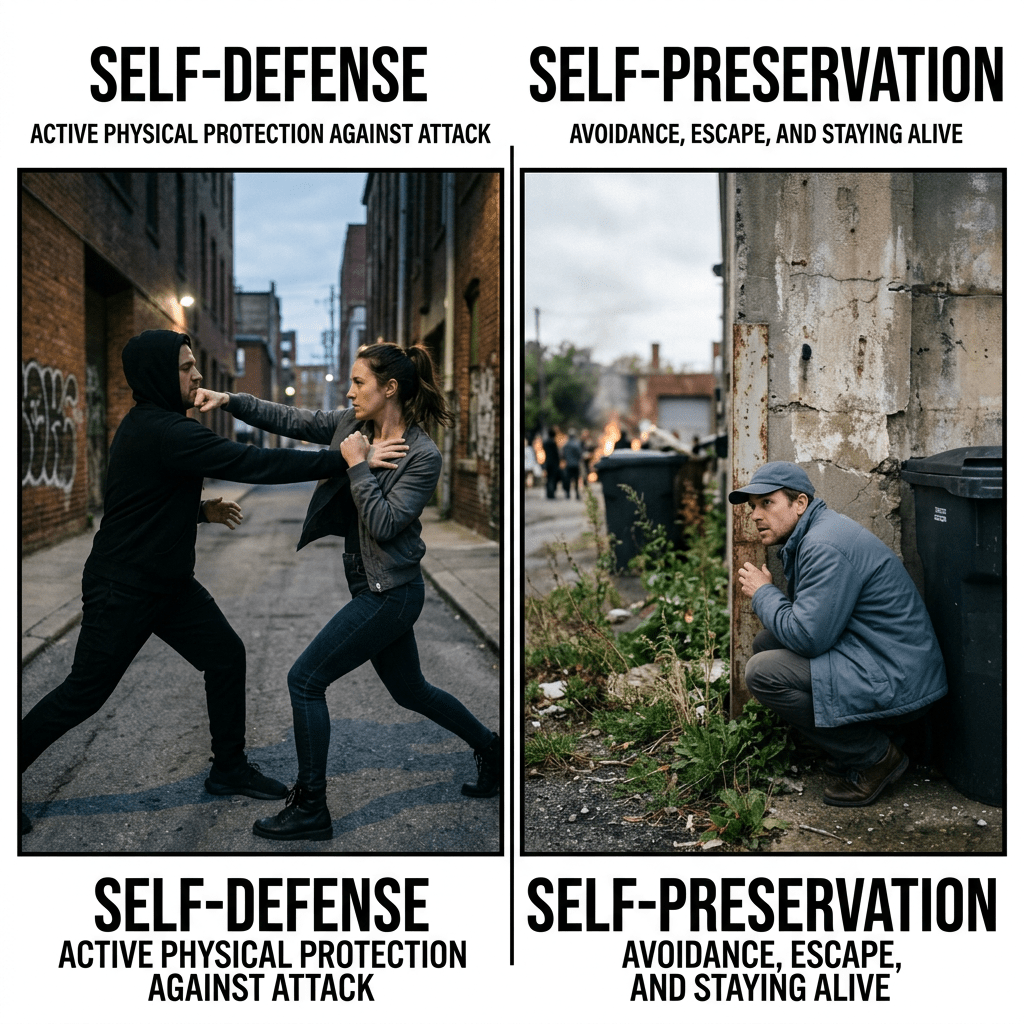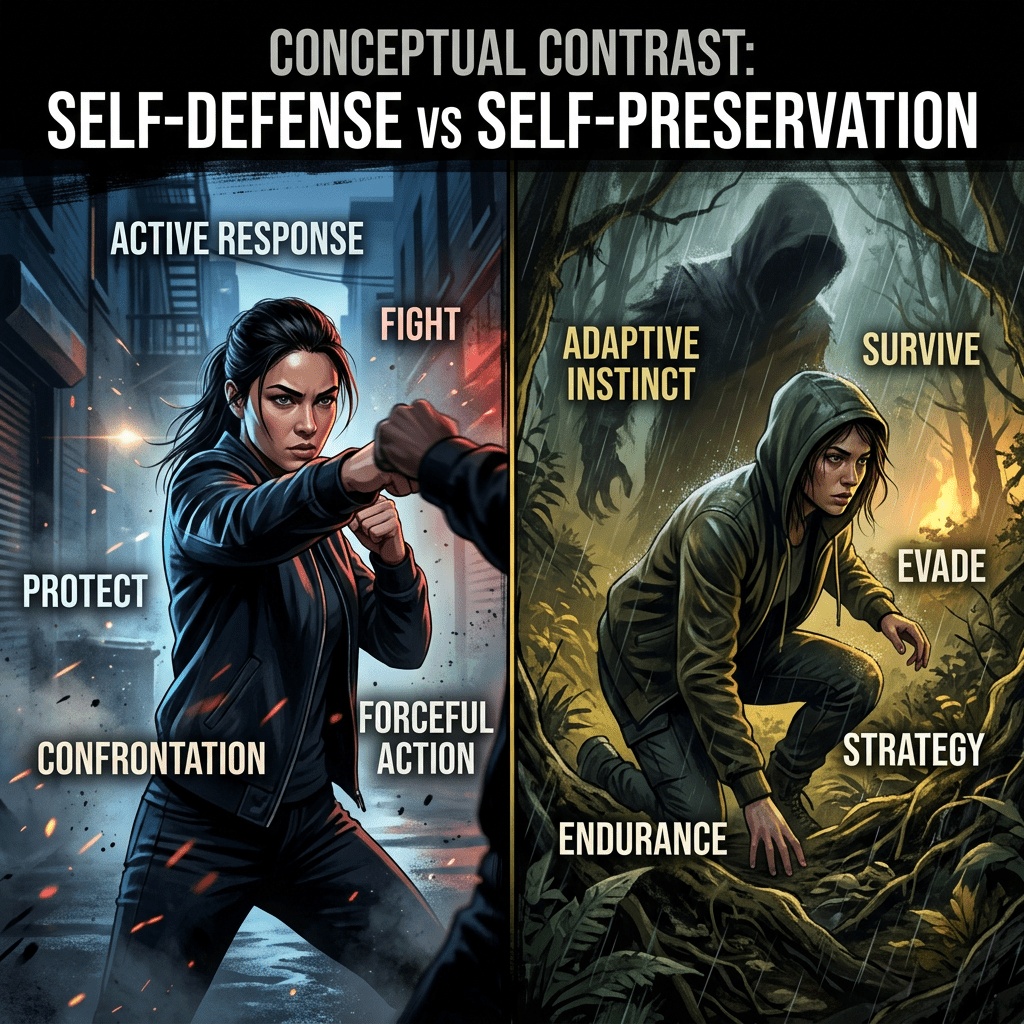
The distinction between Self-Defense and Self-Preservation is subtle yet profound, particularly when viewed through the lens of martial arts, philosophy, or survival. While often used interchangeably in casual conversation, their deeper meanings reveal different scopes of action, intent, and focus.
Self-Defense is primarily an active, reactionary measure. It is a set of physical and sometimes verbal tactics employed specifically to repel an immediate, direct, and usually physical threat to one’s well-being. Its scope is narrow and temporal, focusing on neutralizing the present danger—a mugging, an assault, or a hostile confrontation. In martial arts, self-defense techniques are taught as a means to survive an unexpected attack, emphasizing rapid, efficient, and proportionate responses aimed at disabling an aggressor long enough to escape. Philosophically, it operates within a moment of crisis, a justified and proportionate use of force to negate the imminent violation of personal space and safety. The intent is solely protective and reactive; the action ends when the immediate threat is gone.
Self-Preservation, in contrast, is a far more comprehensive, continuous, and proactive concept. It encompasses the entirety of actions, instincts, and strategies employed for the long-term survival and well-being of the individual. It is the fundamental, innate drive shared by all living organisms to maintain life and avoid harm, extending far beyond the physical confrontation. Self-preservation involves a broad spectrum of considerations, including avoiding dangerous situations entirely (situational awareness), maintaining health (nutrition, exercise), securing resources (shelter, finances), and managing psychological well-being (stress management, mental fortitude). In a survival context, it dictates the entire plan—finding water, making fire, signaling for rescue—none of which are direct defense against an attacker, but all are crucial for continued existence. Philosophically, it represents the foundational will to live, guiding all life choices toward minimizing long-term risk and maximizing stability. The intent is holistic and perpetual; it is a life-long state of being focused on minimizing vulnerability across all domains—physical, psychological, and environmental.
In essence, Self-Defense is a specific tool used in a moment of acute danger, whereas Self-Preservation is the overarching philosophy or strategy that guides all decisions to ensure long-term survival, of which Self-Defense is just one necessary component.
Self-Defense: A Legal and Ethical Justification for Force
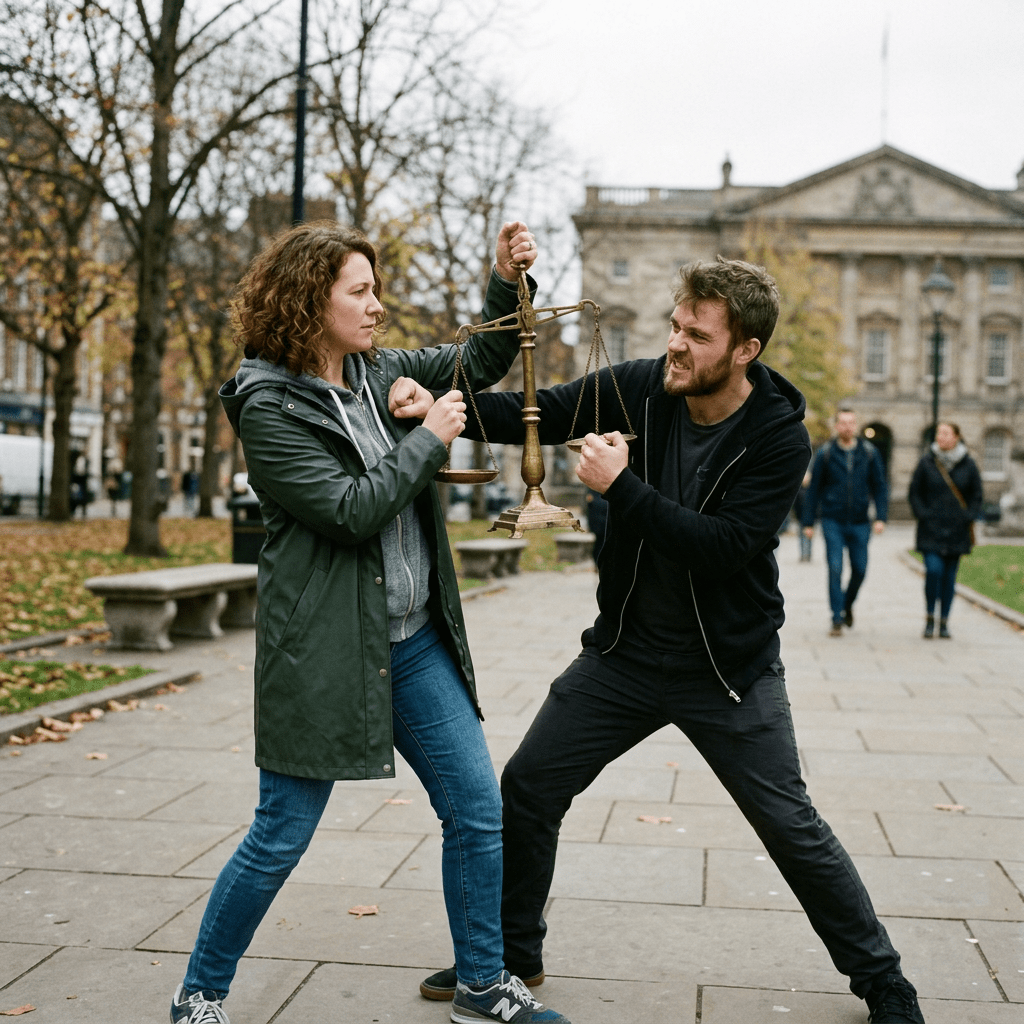
Self-defense is fundamentally defined as the deployment of proportionate and reasonable force to safeguard oneself or other individuals from a clear, present, or immediately impending threat of physical violence, unlawful restraint, or harm. It is a concept meticulously delineated within legal frameworks globally, serving as a powerful, reactive justification for the use of force. This measure is characteristically narrow in its application, focusing intensely on the precise, high-stakes moment of confrontation.
The legal and ethical foundation of self-defense rests upon the inherent right of an individual to protect their bodily integrity and life when faced with an unwarranted attack. For an act to be classified as justifiable self-defense, several critical elements must typically be met:
- Immediacy and Imminence: The threat must be actively occurring, continuous, or so close to happening that waiting for it to materialize would ensure harm. Self-defense cannot be invoked for a past offense or a future, distant possibility.
- Reasonableness of Force: The force employed must be proportional to the threat faced. This is a crucial balancing test; deadly force, for instance, is generally only legally permissible when facing a threat of death or serious bodily harm. Using excessive force—force greater than what is necessary to neutralize the threat—can negate the defense and lead to criminal charges for the defender.
- Lack of Provocation: Generally, the person claiming self-defense must not have been the initial aggressor or must have clearly and completely withdrawn from the altercation before employing force.
- Necessity: The use of force must be deemed necessary, meaning there was no safe alternative, such as retreat, when required by law (the ‘duty to retreat’ doctrine, which varies by jurisdiction).
In essence, self-defense is a strictly regulated exception to the general prohibition against violence. It is a legal shield, not an offensive weapon, intrinsically tied to the immediacy of the threat and the objective reasonableness of the defender’s response under duress.
Key aspects of Self-Defense include:
- Reactive and Immediate: It is a direct and necessary response to an existing physical or psychological threat. The threat must be actively present or undeniably imminent for the defensive action to be justified.
- Proportionality and Reasonableness: The force used must be strictly proportional to the threat faced. This is a critical legal and ethical standard; excessive force (force beyond what is necessary to neutralize the immediate threat) negates the “defense” and can transform the defender into an aggressor. The reasonableness of the defender’s perception of the threat is also a key factor.
- Legal/Ethical Justification: Self-Defense focuses on the right to resist aggression within societal and legal boundaries (e.g., the “Castle Doctrine” or “Stand Your Ground” laws in some jurisdictions). The primary objective is to prove that the use of force was unavoidable and necessary under the circumstances.
- Focus: It is primarily about neutralizing a specific attacker or threat in the present moment, typically culminating when the immediate danger has passed and the attacker is incapacitated or has retreated.
Self-Preservation
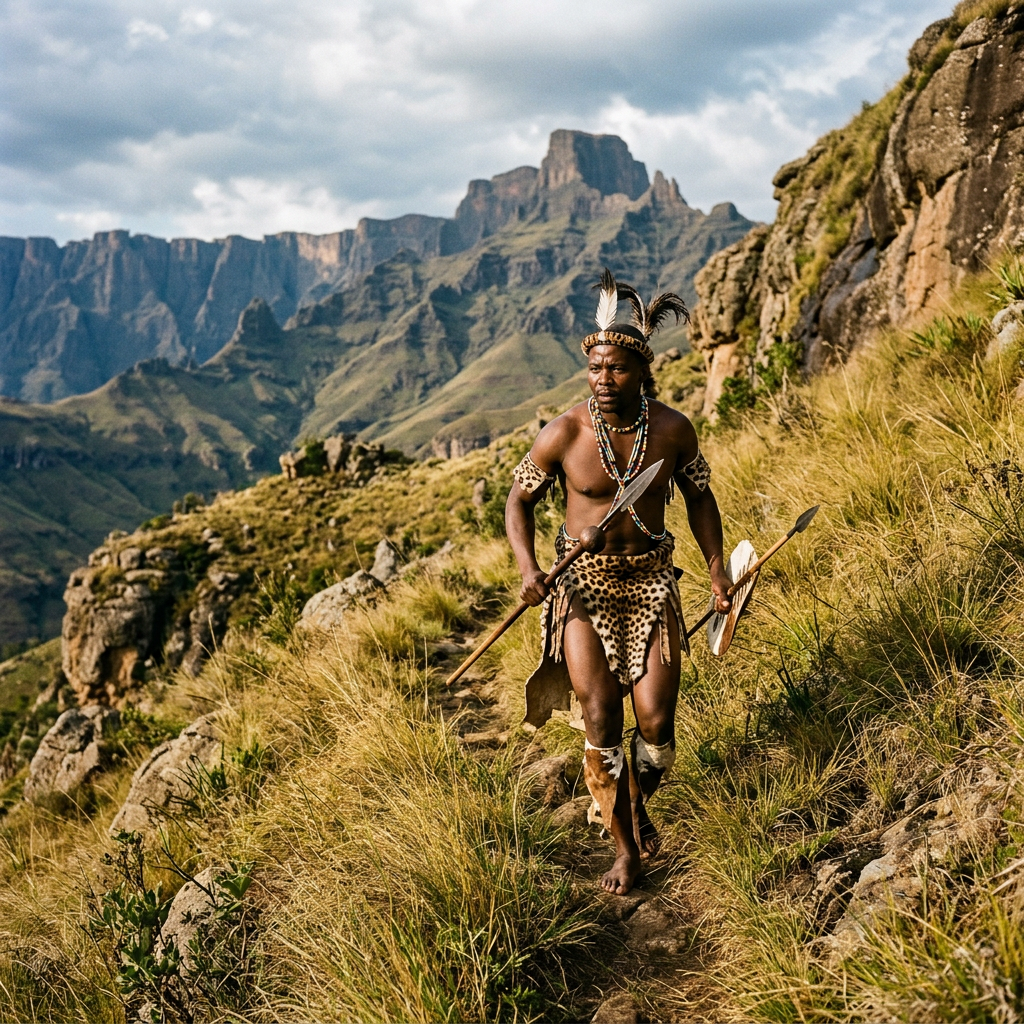
Self-Preservation, in contrast, is a far broader and more fundamental concept. It is the instinctual and often long-term drive to maintain one’s own life, health, and well-being. It encompasses all measures—physical, psychological, and situational—taken to ensure survival, whether a threat is immediate or merely potential.
Key aspects of Self-Preservation include:
- Proactive and Holistic: Unlike the reactive nature of Self-Defense, Self-Preservation is proactive. It involves a continuous state of awareness, preparation, and maintenance of health, security, and resources. This includes actions taken long before a specific attacker is encountered.
- Survival Instinct: It is an intrinsic, primal drive found across the animal kingdom. This instinct dictates not just resisting a direct attack, but avoiding dangerous situations entirely, ensuring access to food and shelter, and managing long-term risk.
- Situational Awareness and Avoidance: The highest form of Self-Preservation is avoiding the need for Self-Defense altogether. This involves continuous “soft skills” like reading a room, recognizing pre-attack indicators, and implementing strategies of de-escalation or tactical retreat.
- Broader Scope of Threats: The threats addressed by Self-Preservation are not limited to an individual assailant. They include environmental dangers (natural disasters, disease), systemic risks (financial instability, social unrest), and physical health risks (poor diet, lack of exercise).
- Focus: It is fundamentally about the long-term continuity and quality of life. The focus extends beyond the immediate moment to establishing and maintaining a sustainable state of safety and vitality.
| Feature | Self-Defense | Self-Preservation |
| Scope | Narrow, focused on an immediate confrontation. | Broad, encompassing all aspects of life and well-being. |
| Timing | Reactive; a response to an ongoing or imminent threat. | Proactive; an ongoing, continuous state of preparedness. |
| Goal | Neutralize a specific threat in the present moment. | Ensure long-term survival, health, and vitality. |
| Methods | Physical force, counter-attack, blocking, escaping. | Situational awareness, avoidance, preparation, health, and safety planning. |
| Underlying Principle | The legal and ethical right to resist unlawful force. | The primal, instinctual drive to survive. |
In essence, Self-Defense is a specific tool within the larger strategy of Self-Preservation. A master of survival prioritizes Self-Preservation, using awareness and planning to bypass confrontation. When that fails, Self-Defense becomes the necessary, last-resort action.
Self-Preservation: The Instinctual Drive for Sustained Existence

Self-Preservation, at its core, is a profound and overarching instinctual drive—an essential, innate urge present in all living organisms to actively sustain life, safeguard against harm, and perpetually avoid destruction or debilitating injury. It is not merely a reaction to an immediate threat, but rather a continuous, proactive, and holistic state of being that forms the very foundation of survival, encompassing a scope far broader than simple physical confrontation.
Key Dimensions of Self-Preservation:
1. Proactive and Continuous Mindset
Unlike the reactive nature of self-defense, self-preservation is a constant, forward-thinking process. It involves making informed choices and taking preventative actions long before a specific threat has even manifested. This includes:
- Risk Mitigation: Implementing physical security measures (e.g., locking doors, installing security systems), conducting regular safety checks, and maintaining situational awareness in various environments.
- Preventative Health: Engaging in regular exercise, adhering to a nutritious diet, seeking necessary medical care, and prioritizing adequate sleep—all actions that fortify the body against disease and general failure.
- Strategic Avoidance: Intentionally navigating away from known high-risk situations, dangerous geographical areas, or toxic relationships. The goal is to eliminate or significantly reduce exposure to potential harm, making confrontation unnecessary.
2. Holistic Scope of Well-being
Self-preservation acknowledges that “existence” is multi-dimensional. It therefore encompasses the protection and maintenance of every aspect crucial to a person’s life and function, extending far beyond the purely physical body:
- Physical Safety: The preservation of the body from immediate and long-term injury or death.
- Mental and Emotional Well-being: Protecting one’s cognitive function, psychological resilience, and emotional stability from stress, trauma, manipulation, and burnout. This involves setting boundaries and managing psychological health.
- Financial and Resource Security: Ensuring the long-term ability to acquire and maintain essential resources (shelter, food, healthcare) required for sustained existence and quality of life. Financial stability is a critical survival mechanism in modern society.
- Social/Reputational Security: Protecting one’s standing, reputation, and social network, as these elements are vital to collective security, opportunity, and support in times of crisis.
3. The Biological Imperative
This drive is fundamentally an Instinctual Drive, hardwired into the genetic and neurological makeup of every creature. It is the biological imperative that compels all life to not merely subsist, but to live and thrive. This instinct governs the body’s unconscious responses, such as the fight-or-flight response, but also informs conscious decisions driven by the inherent desire for longevity.
Focus: Ultimately, Self-Preservation is relentlessly focused on the long-term maintenance and protection of one’s existence and overall quality of life. It is the comprehensive strategy for flourishing, ensuring that one remains viable, safe, and capable across the span of a lifetime.
The Angoleiro and the Ethos of Self-Preservation
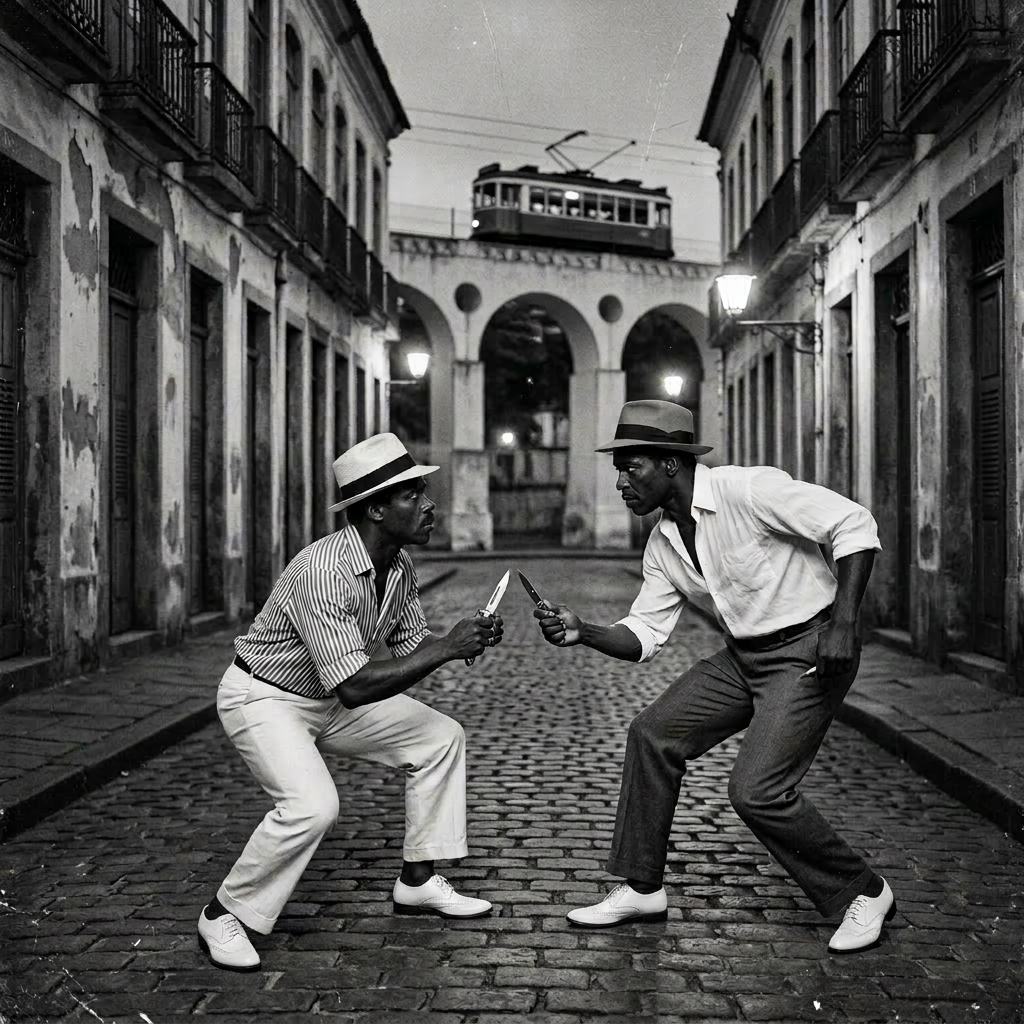
The question of whether an Angoleiro—a practitioner of Capoeira Angola, the traditional, grounded, and ritualistic style of the art—should embody the principles of Self-Preservation is not just a matter of martial philosophy; it is a direct affirmation of the style’s historical and cultural mandate. The answer is an unequivocal and resounding “Yes,” for the very essence of Capoeira Angola is deeply rooted in the necessity and ingenuity of survival. To separate the practice from the concept of self-preservation is to fundamentally misunderstand its historical context and its enduring philosophical core.
Capoeira Angola: More Than Just Combat
Capoeira Angola transcends the definition of a mere combat system. It is a profound cultural practice, a multi-layered dialogue between players, a ritualistic performance, and, most critically, a highly sophisticated survival mechanism forged by enslaved Africans in Brazil. Their movements, music, and philosophical principles were all meticulously crafted to preserve life, culture, and dignity in an environment designed to strip them of all three.
The development of Capoeira Angola was, by necessity, a covert operation. It was a physical and spiritual discipline disguised as dance and play, a brilliant act of cultural camouflage that allowed the enslaved to develop formidable fighting skills under the noses of their oppressors. Every element of the roda—the circle where Capoeira is played—from the low, evasive esquivas (escapes) to the rhythmic, strategic movements, and the protective, communal energy generated by the music of the berimbau and the chorus, served the ultimate goal of preserving the individual and the community.
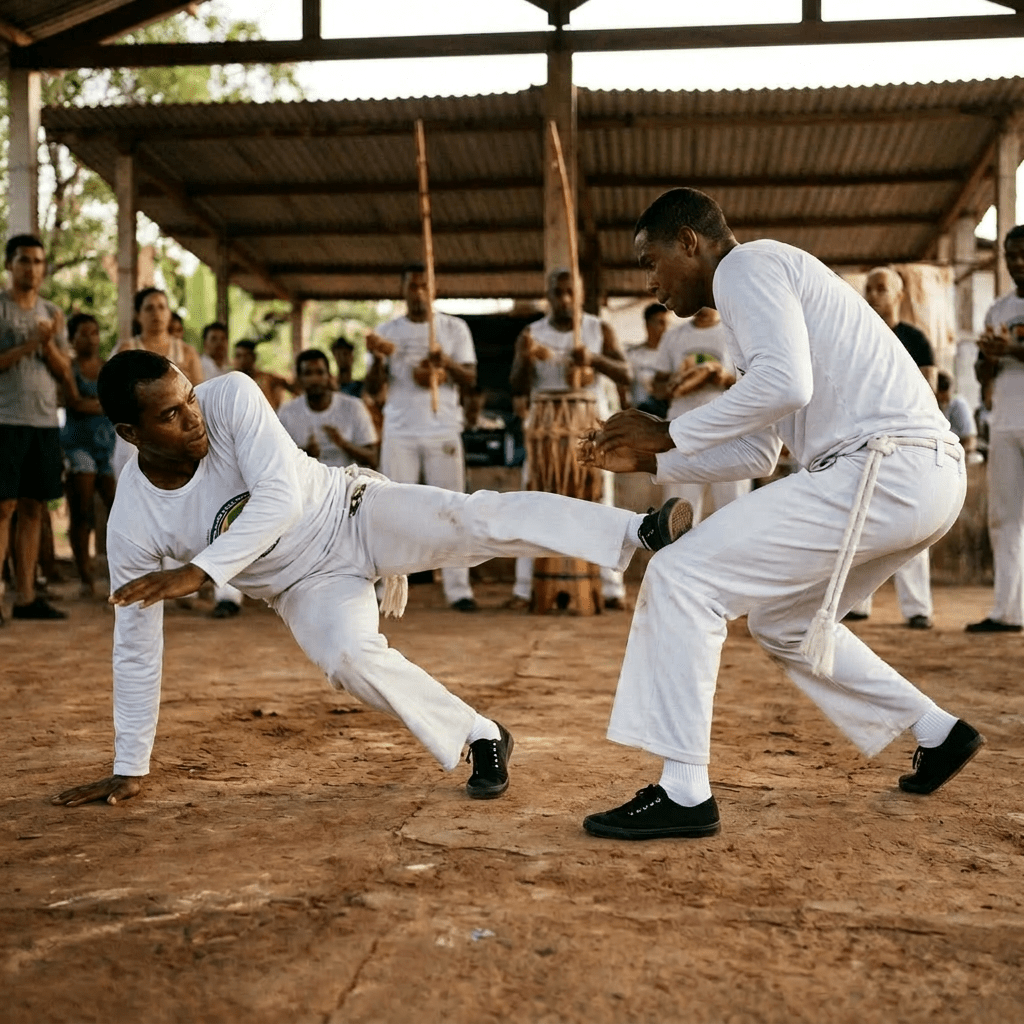
The Angoleiro’s slow, deceptive movements are not a sign of weakness, but a masterclass in strategic patience and energy conservation—a direct lesson in survival. The ability to remain low to the ground and shift weight fluidly is a practical acknowledgment of the need to evade attack and remain mobile in harsh, uneven conditions. The historical context dictates that self-preservation in Capoeira Angola is not merely the defense of the body, but the preservation of the self—the spirit, the memory, and the heritage that the oppressive system sought to eradicate. Therefore, the embodiment of self-preservation is the truest form of respect for the art’s ancestors and the highest expression of the Angoleiro’s commitment to the enduring legacy of survival.
The Mechanisms of Preservation
The distinctive characteristics of Capoeira Angola are, in effect, a curriculum in self-preservation:
- Slow, Deceptive Movements: The deliberate, almost languid pace often employed in the roda (the circle where Capoeira is played) is a psychological tool. It instills patience, forces the player to read the opponent’s intentions, and masks explosive, decisive actions. This slowness is the antithesis of reckless confrontation; it is calculated caution.
- Low-to-the-Ground Stance: The deep, grounded position (the ginga) keeps the Angoleiro centered, protected, and ready to evade strikes by dropping beneath them. Staying low reduces the target profile and mirrors the movements needed for farming, dancing, and evasion in dense underbrush—skills vital for escape and survival outside the plantation.
- The Use of Malícia (Cunning or Trickery): Malícia is the intellectual core of self-preservation in Capoeira. It is not malice, but a highly prized quality of cunning, trickery, and strategic deception. The Angoleiro is taught to use feints, unexpected shifts, and a playful demeanor to lull an opponent into a false sense of security. Historically, this meant disguising a lethal fighting art as a dance to evade the oversight of slave masters and colonial authorities. The ability to deceive, to conceal one’s true intent, was the ultimate tool for survival against a technologically and legally superior foe.
The Philosophical Mandate
For the Angoleiro, self-preservation is not a selfish act; it is a continuation of the ancestral fight for existence. Every movement, every rhythm of the berimbau (the primary instrument), and every song reinforces the lessons learned under duress. The practice reminds the student that wisdom, evasion, and strategic retreat are often more effective—and certainly more aligned with preserving one’s life and freedom—than brute force or reckless aggression. The preservation of the individual is inextricably linked to the preservation of the community and the cultural heritage itself.
The Philosophy of Self-Preservation in Capoeira Angola: A Guide for the Angoleiro
The pursuit of Capoeira Angola is not merely a physical discipline; it is an intellectual and philosophical practice rooted in the fundamental principle of Self-Preservation. For the Angoleiro—the practitioner of the traditional, slower, and more strategic style—this concept transcends simple self-defense. It is a comprehensive strategy for life, echoing the art’s origins in resistance and survival.
1. The Historical Mandate: Capoeira as an Act of Supreme Self-Preservation
Capoeira’s very existence is a testament to the prioritization of long-term survival over immediate, brute-force confrontation.
- Disguised Survival: Born from the resistance of enslaved peoples, Capoeira was ingeniously disguised as a dance and game (jogo) to conceal its lethal martial potential from the slave masters and overseers. This foundational act was the ultimate application of self-preservation: ensuring the art’s (and the community’s) continuity by rendering it invisible to the oppressor.
- Prioritizing Longevity: In honoring this history, the Angoleiro must adopt the same mindset, always prioritizing long-term survival over immediate, unnecessary conflict. The movements—low to the ground, fluid, and circular—are explicitly designed to conserve energy, confuse or trick the opponent, and allow the player to survive the entire roda (the circle where Capoeira is played), not just to “win” a single, isolated exchange. Self-defense is the instinct to fight back; self-preservation is the wisdom to make the fight unnecessary.
2. The Core Skill: Malícia as Proactive Self-Preservation
The true power of Capoeira Angola resides not in physical strength or aggressive attack, but in the cultivation of malícia (cunning, malice, or mischievous wisdom). This intellectual and psychological approach is the very definition of proactive self-preservation.
Malícia and Psychological Advantage: Malícia is the ability to read the opponent’s intentions, anticipate their movements, and manipulate the flow of the jogo. It is the art of strategic patience, luring the opponent into a vulnerable position or simply waiting for their energy to dissipate.
The Avoidance of Conflict: A true Angoleiro avoids the head-on, explosive clash that characterizes pure self-defense. Instead, they use maneuvering, feints, and deception to neutralize the threat or create a safe exit opportunity without sustaining injury or escalating the situation unnecessarily. The highest expression of malícia is to make the opponent defeat themselves, or to resolve the conflict without a single strike being thrown.
3. The Game of Life: Enduring the Jogo
The jogo in the roda is not a fight; it is an extended, metaphorical exchange—a powerful simulation and practice for the challenges of life.
The Goal is Endurance, Not Knockout: The objective is emphatically not to “knock out” the opponent, but rather to play well, demonstrate skill, elegance, and, crucially, to endure the round safely. The player must display superior control, often leaving the opponent in a compromised or difficult position (such as having their back to the roda or being off-balance) without resorting to forceful blows.
Patience and Non-Escalation: This philosophy of patience and non-escalation is a direct and practical alignment with self-preservation. It teaches the Angoleiro to manage pressure, conserve resources, and withdraw from a losing scenario gracefully. It is the maxim: Live to play another day. The art is a continuous conversation, and preservation ensures one remains a participant in that dialogue.
Preservation of the Art, Community, and Legacy
An Angoleiro’s commitment to the principle of self-preservation extends far beyond the individual and their physical safety. It is a stewardship of a cultural inheritance.
Preserving Integrity: By consistently prioritizing wisdom over rash, violent action, and by avoiding destructive, unnecessary street fights, the Angoleiro preserves the integrity and philosophy of Capoeira Angola, ensuring it is practiced as a wise, respectful, and sophisticated martial art, not merely as a combative sport.
Maintaining Continuity: By maintaining their health, avoiding debilitating injuries, and cultivating a long life, the older masters—the mestres—become the living libraries of the art. Their commitment to preservation ensures that the wisdom, history, songs, and sophisticated movements of Capoeira Angola are successfully transmitted to the community and to future generations, safeguarding the continuity and vitality of this ancient practice.
In conclusion, the relationship between Self-Defense and Self-Preservation within the philosophy of Capoeira Angola is nuanced and profound. While Self-Defense represents a necessary and vital component—a toolkit of physical and psychological techniques designed to fend off immediate aggression—it remains merely one small technique within the broader, all-encompassing strategy of Self-Preservation that truly defines the art form.
For the Angoleiro, the goal extends far beyond the mere reactive act of fending off an attack. Self-Preservation in Capoeira Angola is an active, holistic philosophy encompassing one’s entire existence. It dictates a way of life characterized by malícia (cunning and wisdom), resilience, foresight, and a deep understanding of one’s environment and opponents, both on and off the roda.
The Angoleiro seeks not just to survive a confrontation, but to live well, wisely, and fully. This commitment to holistic Self-Preservation manifests in several key aspects:
- Physical Mastery and Health: The dedication to training ensures a body capable not only of defense, but of enduring the hardships of life. The movements—the dodges, the sweeps, the inversions—are not solely for fighting, but for maintaining agility, flexibility, and overall well-being.
- Mental and Emotional Fortitude: The strategic nature of the game, the necessity of patience, and the cultivation of malícia build a mind that can navigate social complexities and threats without resorting to unnecessary violence. This mental preservation is often the truest form of defense.
- Cultural and Spiritual Continuity: By practicing and preserving the art, music, and rituals, the Angoleiro preserves a vital link to their ancestry and identity, an act of cultural preservation that is inseparable from personal survival.
Thus, Self-Defense is the emergency response, while Self-Preservation is the long-term, comprehensive life strategy. By embodying this spirit of survival inherent in Capoeira’s origins—a spirit born from oppression and the struggle for freedom—the Angoleiro achieves a state of being where the need for physical defense is minimized through constant awareness, preparedness, and a profound respect for life itself.