
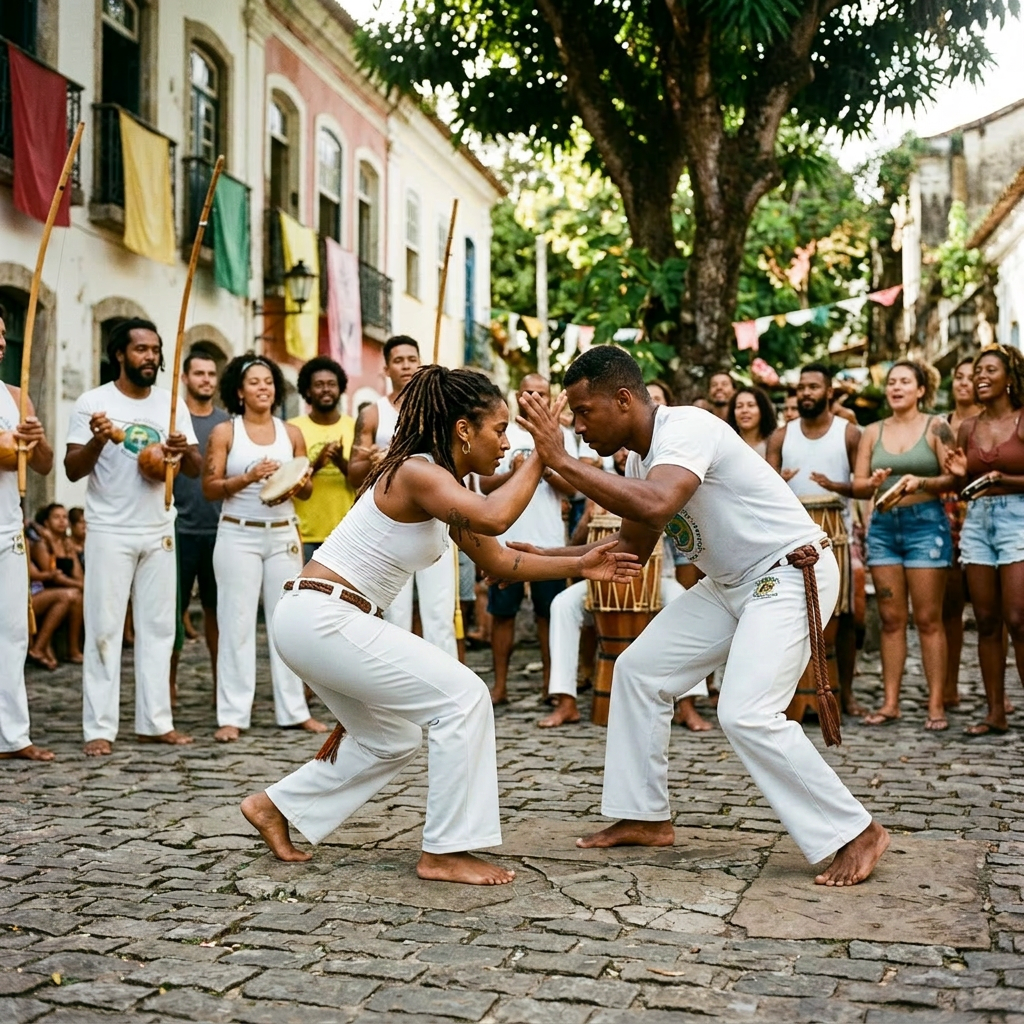
Welcome to MALICIA AS A GAME OF POWER, a blog series that explores the strategies of human interactions, focusing on themes like communication, conflict resolution, and negotiation. It aims to unveil the nuances of successful interactions, discussing leadership, personal branding, and online reputation management while offering practical strategies for enhancing influence and building authentic relationships. Through analysis and real-world examples, the series empowers readers to navigate interpersonal relationships confidently, fostering a deeper understanding of the power dynamics in daily encounters. Join us as we examine the art of interaction and its impact on our lives.
Today, we will delve into Law 12 from Robert Greene’s influential work, “The Laws of Human Nature.” This law explores the concept of gender rigidity and how our internal masculine and feminine energies influence our behavior and perceptions. You can purchase a copy of the book from AMAZON.COM by clicking HERE.
THE LAWS OF HUMAN NATURE BY ROBERT GREENE – Law #12 – The Law of Gender Rigidity
In Law #12, Greene posits that we all possess both masculine and feminine traits, regardless of our biological sex. Gender rigidity occurs when we over-identify with one side and repress the other, often due to societal pressures or upbringing, which have historically dictated strict norms about behavior and roles. This repression can lead to a lack of empathy, distorted relationships, and a narrowed perspective on the world, creating barriers to effective communication and understanding among individuals.
By recognizing and integrating these suppressed qualities, we can become more creative, adaptable, and socially intelligent individuals. Embracing both sides of our identity allows us to foster deeper connections with others, enhancing our emotional resilience. Moreover, this holistic approach to our personality not only enriches our personal lives but also empowers us to navigate complex social dynamics with greater ease and confidence, ultimately leading to a more fulfilling existence both personally and professionally. It encourages us to break free from societal constraints and engage authentically with the world around us. When we embrace the full spectrum of our identities, we not only learn to value our own experiences and emotions, but we also develop a greater empathy towards the experiences of others.
This mutual understanding establishes a foundation of trust and open communication, which can significantly improve our relationships in both personal and professional contexts. Furthermore, as we cultivate this depth of character, we become more adept at embracing change and uncertainty, which are inevitable in life’s journey. Thus, integrating these multifaceted aspects of ourselves equips us with the tools necessary to thrive in diverse environments, enriching our interactions and promoting overall well-being.
Law #12 – The Law of Gender Rigidity, an Angoleiro’s Perspective
From the perspective of an Angoleiro—a practitioner of Capoeira Angola—this law resonates deeply with the philosophy of the game. Capoeira Angola is a ritualized combat that demands a balance between strength and fluidity, aggression and trickery (malícia). An Angoleiro must navigate the roda (the circle) by being both firm and yielding, analytical and intuitive. To be rigid in one’s gender expression or tactical approach is to be predictable and vulnerable, exposing one to the whims of opponents who can anticipate moves. The beauty of Capoeira lies not only in its physicality but also in its profound strategic layers and the use of creativity to outmaneuver others. Expanding this law through the lens of malícia allows us to see how embracing our full spectrum of traits enhances our ability to play the game of power in daily life.
By integrating diverse aspects of ourselves—whether they mirror strength or subtlety—we become multifaceted players, capable of navigating the complexities of life with agility and grace. This fluidity empowers us to adapt to various circumstances, embracing the unpredictability that comes our way. As we cultivate our unique strengths and acknowledge our vulnerabilities, we foster deeper connections with others, creating an environment where negotiation and collaboration can not only exist but thrive. In essence, the practice of Capoeira Angola serves as a powerful metaphor for life itself, teaching the importance of being versatile and embracing change as we navigate our own challenges and relationships. It encourages us to find harmony between our contrasting qualities, inspiring a more profound understanding of ourselves and those around us, ultimately leading to a richer, more fulfilling experience.

