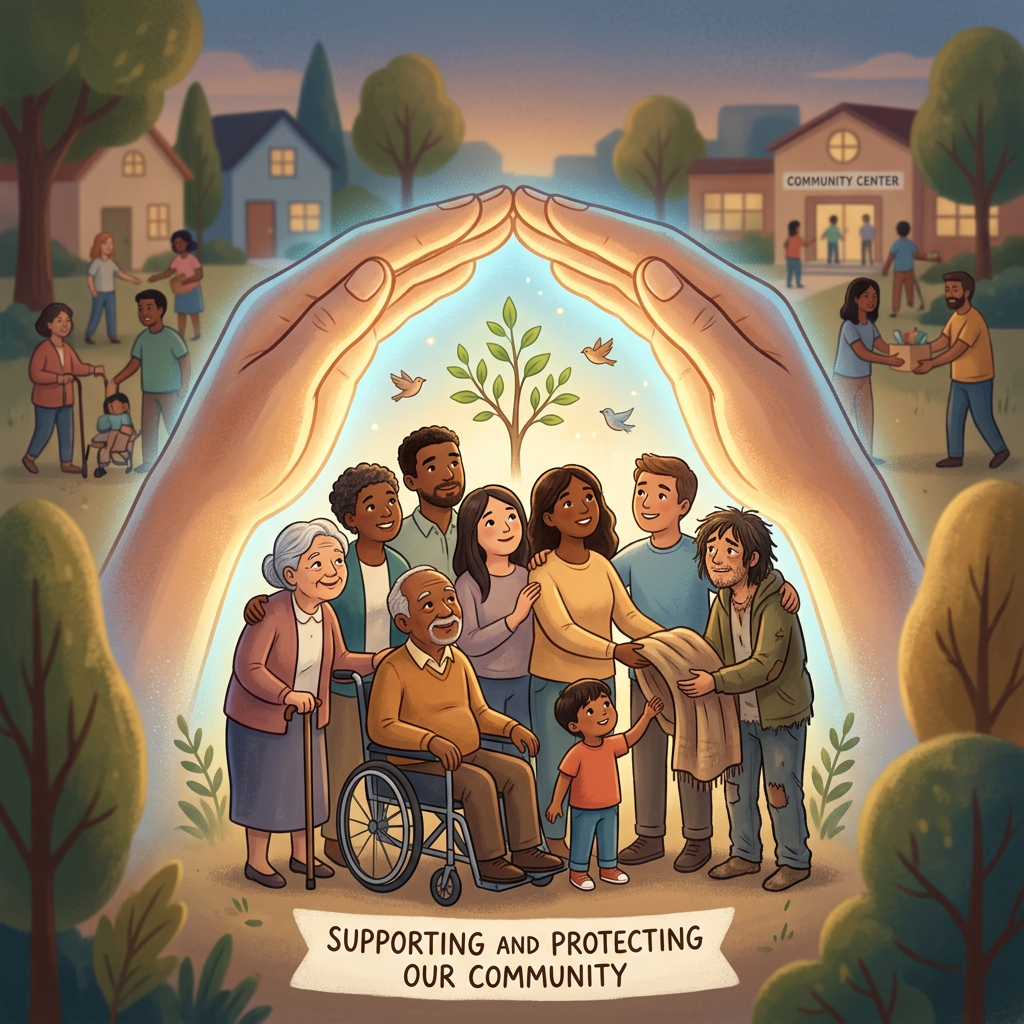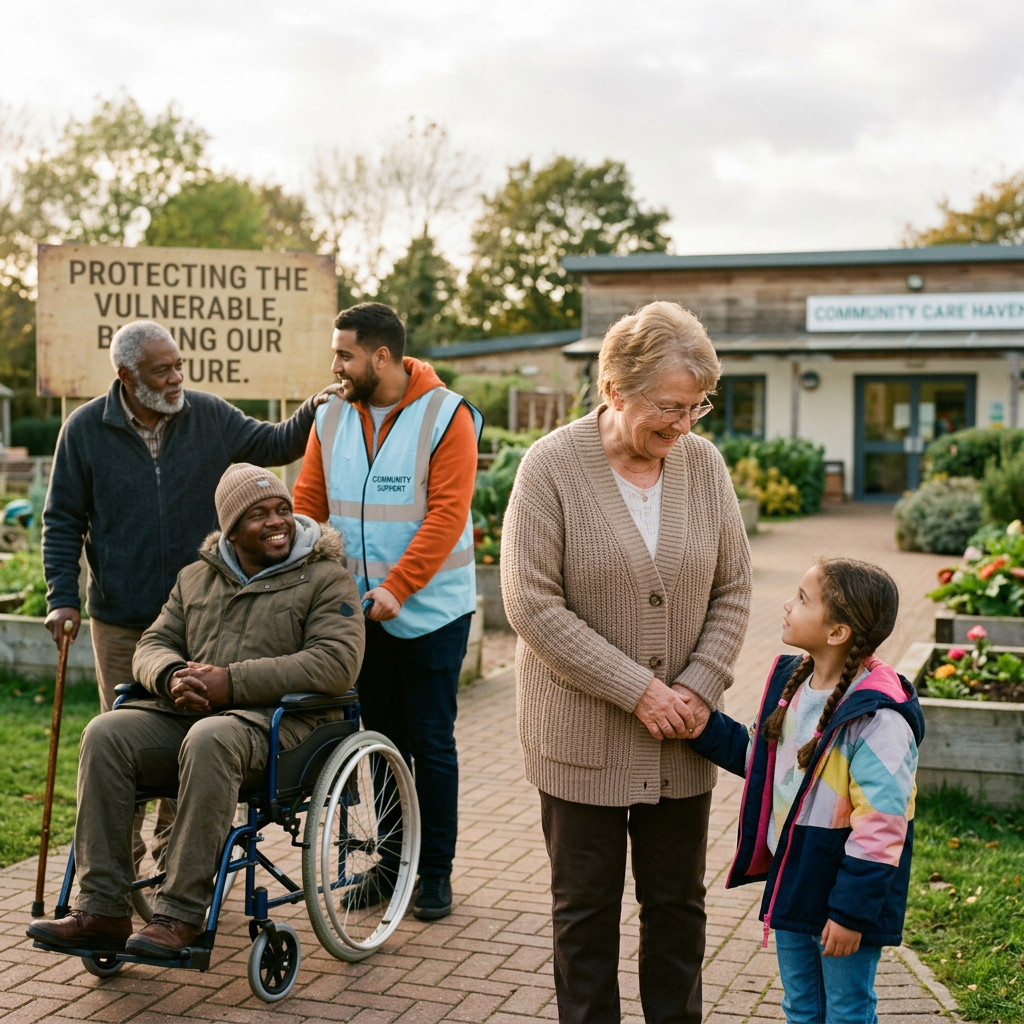
As a Capoeirista, I feel that we as a people, have a duty to serve and protect the most vulnerable people in our society, hence the name of this new blog series. This responsibility is not a peripheral concern; it is a fundamental mandate derived from the very crucible in which Capoeira Angola was forged—a secret language of survival born in the shadows of violence, oppression, and enslavement. To practice this art is to inherit a legacy of resistance and resilience that compels us to act as a functional shield for those whose humanity is under siege.
In the foundational philosophies of traditional African martial systems, the individual is understood as a vital node in a living network, where personal security is indivisibly linked to the security of the whole. To passively allow harm to fall upon others is to fracture the connections that define our own existence. This duty of protection extends to the most marginalized among us—the homeless, the exploited, and those targeted by systemic injustice—transforming the skills cultivated in the roda into a proactive commitment to community preservation and social action.
Protecting the most vulnerable members of our communities is a fundamental responsibility that requires a multi-faceted approach. Addressing this issue involves identifying those at greatest risk and implementing comprehensive support systems to ensure their safety and well-being. A truly robust strategy must shift from a traditional “charity” mindset toward one of equity and systemic change, treating essentials like healthcare, stable housing, and food security as fundamental human rights rather than privileges. By integrating protection into the social fabric, society can create a functional shield against the exploitation and discrimination that frequently target marginalized groups, including the elderly, individuals with disabilities, and those living in extreme poverty.
Protecting the most vulnerable people in our societies requires a shift from a traditional “charity” mindset toward one of equity and systemic change. This comprehensive strategy treats essentials such as healthcare, stable housing, and food security as fundamental human rights rather than privileges. By integrating these protections into the social fabric, society creates a functional shield against the exploitation and discrimination that frequently target marginalized groups, including the elderly, individuals with disabilities, and those living in extreme poverty.
Effective protection also necessitates inclusive policy design, where these communities are actively involved in creating the programs meant to serve them. Furthermore, strengthening legal protections through labor laws, anti-discrimination statutes, and accessible legal aid ensures that the law acts as a barrier against those who might exploit vulnerability. Beyond government intervention, building social capital through community networks and programs that reduce social isolation is essential for long-term resilience. Ultimately, this paradigm shift aims to dismantle structures that profit from vulnerability, moving toward a future where all individuals have the opportunity to prosper regardless of their starting point.
Key Areas of Focus Expanded Framework for Protecting Vulnerable Populations
- Access to Healthcare: Ensuring that all individuals, regardless of socioeconomic status, have reliable access to medical services and mental health support.
- Economic Security: Developing social safety nets and employment opportunities to reduce poverty and financial instability.
- Legal Protections: Strengthening laws and policies that safeguard individuals from exploitation, abuse, and discrimination.
- Robust Social Safety Nets: This means ensuring reliable access to the basics—healthcare, stable housing, and food security. When these are treated as rights rather than privileges, fewer people fall through the cracks during personal or economic crises.
- Inclusive Policy Design: Vulnerable groups (like the elderly, people with disabilities, or those in extreme poverty) are often overlooked in general lawmaking. Protection starts by involving these communities in the design of the programs meant to serve them.
- Legal Protections and Advocacy: Strong labor laws, anti-discrimination statutes, and accessible legal aid are essential. Vulnerability is often exploited by those in power, so the law must act as a functional shield.
- Community and Social Capital: Beyond government, local networks matter. Programs that reduce social isolation—like community centers or mentorship initiatives—build the “social glue” that helps people stay resilient.
A comprehensive strategy for protection requires shifting from a charity-based model to one centered on equity and systemic change. This involves treating healthcare, housing, and food security as fundamental human rights to prevent individuals from falling into crises. Furthermore, inclusive policy design must actively incorporate the perspectives of marginalized groups, such as the elderly and people with disabilities, to ensure that legal and social programs are effective and representative. By strengthening labor laws and providing accessible legal aid, society can create a functional shield against exploitation, while community-led initiatives foster the social capital necessary for long-term resilience.
So, every week, I’m gonna make blog posts on these issues that truly matter to our society—the homeless, missing children, the elderly, and anyone and EVERYONE who feels forgotten or overlooked. I want to shine a light on their stories, to give a platform to those who have no hope and NO VOICE, allowing them to be seen and heard in a world that often turns a blind eye. Through these posts, I aim to create awareness, spark conversations, and encourage action, fostering compassion and understanding among readers. This website will serve as a beacon of hope and a call to action for all of us to reflect on our responsibilities toward those less fortunate in our communities.
Ultimately, it’s about shifting from a “charity” mindset to one of equity, where society is structured to support everyone regardless of their starting point. This paradigm shift requires moving beyond temporary aid toward systemic changes that treat healthcare, stable housing, and food security as fundamental rights rather than privileges. When protection is integrated into the social fabric, it acts as a functional shield against the exploitation and discrimination that often target marginalized groups. True equity involves not only robust social safety nets but also inclusive policy design that actively incorporates the voices of the elderly, people with disabilities, and those in extreme poverty to ensure programs effectively serve those they are meant to protect. By fostering community resilience and dismantling the structures that profit from vulnerability, society can move toward a future where all individuals are safe and have the opportunity to prosper.