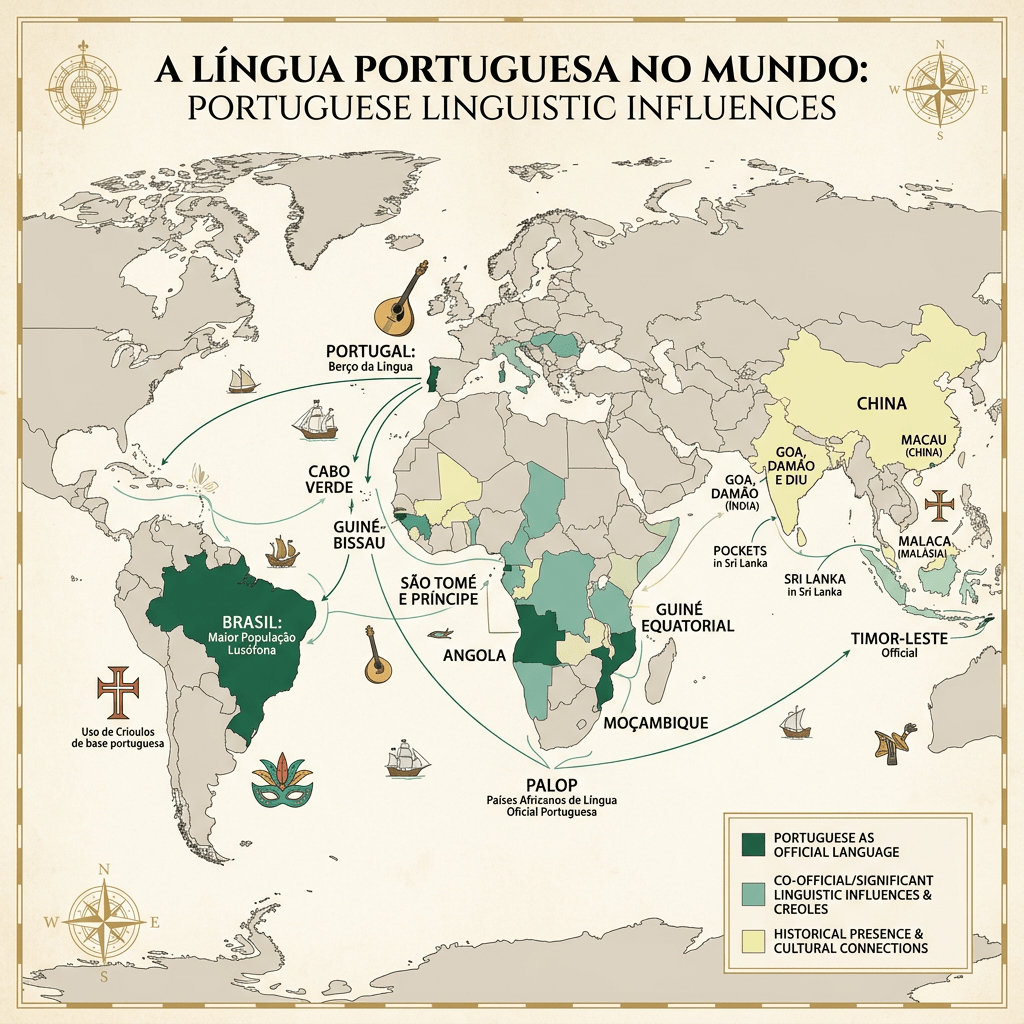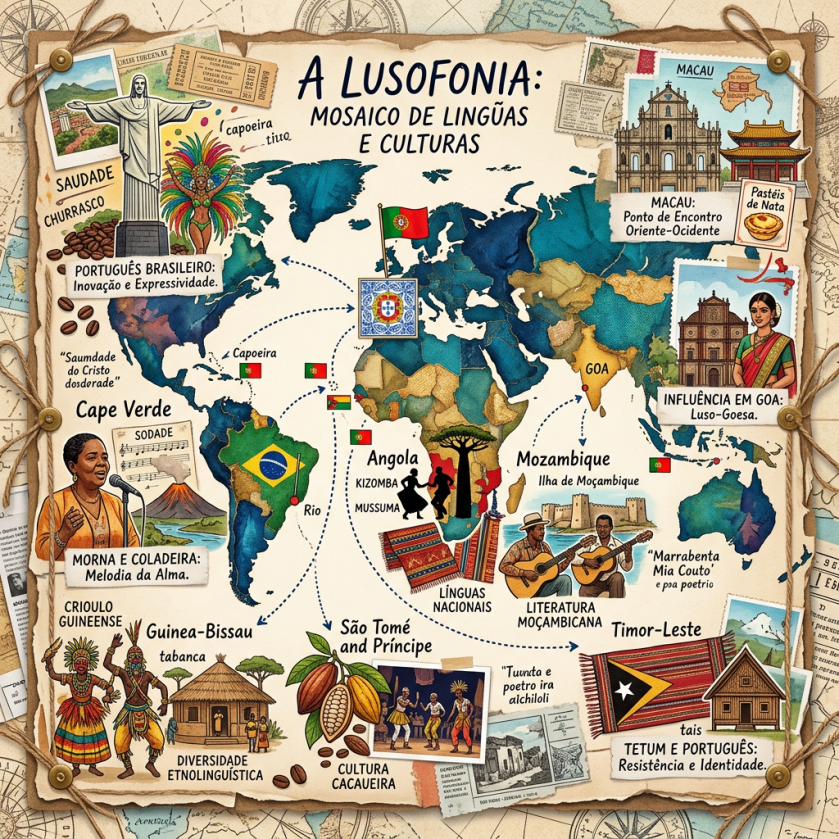
The Portuguese language has been profoundly shaped by a rich, complex historical tapestry, particularly through its intersection with the world of Capoeira and the broader Afro-Brazilian heritage.
While essentially a Romance language, its evolution in Brazil includes significant contributions from various African and indigenous cultures that have sculpted the nation’s unique identity.
The divergence between European and Brazilian Portuguese is a primary area of interest, often highlighted in linguistic studies and immersion programs. While European Portuguese remains the metropolitan root, Brazilian Portuguese has absorbed a massive array of mixtures through a process of creolization, relocating particular practices into new, encompassing manifestations. This evolution was driven by the encounter between Portuguese colonial culture, indigenous groups, and millions of enslaved Africans transported during the transatlantic slave trade.
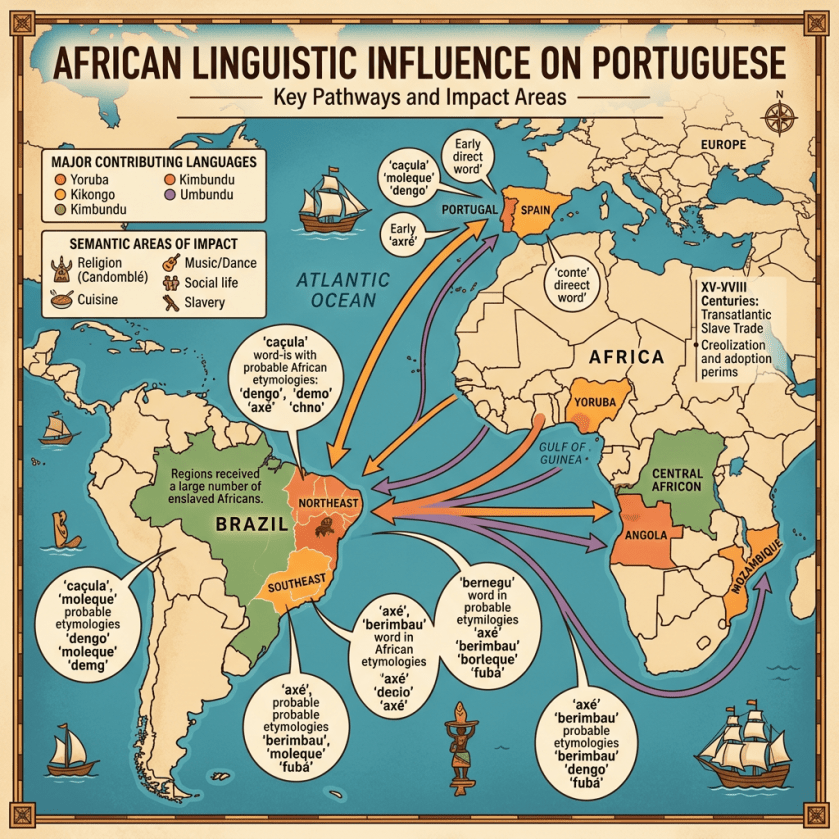
African Linguistic Roots
The language is intricately interwoven with diverse African influences, specifically from languages such as Yoruba, Kikongo, Umbundu, and Kimbundu. These roots are especially evident in the traditional songs and chants of Capoeira Angola, where the oral tradition preserves ancestral connections through its lyrics. In the historical context of Bahia, capoeira was frequently associated with slaves generically known as “Angolas” (primarily from Kongo and Angola regions) and their descendants.
Some practitioners even advocate for the incorporation of African languages directly into the musical repertoire to better relate to specific cultural concepts of the African community. These linguistic contributions are not merely aesthetic; they represent a form of “epic memory” and historical resistance against the “whitening” ideologies that historically attempted to diminish the African origins of Brazilian culture.
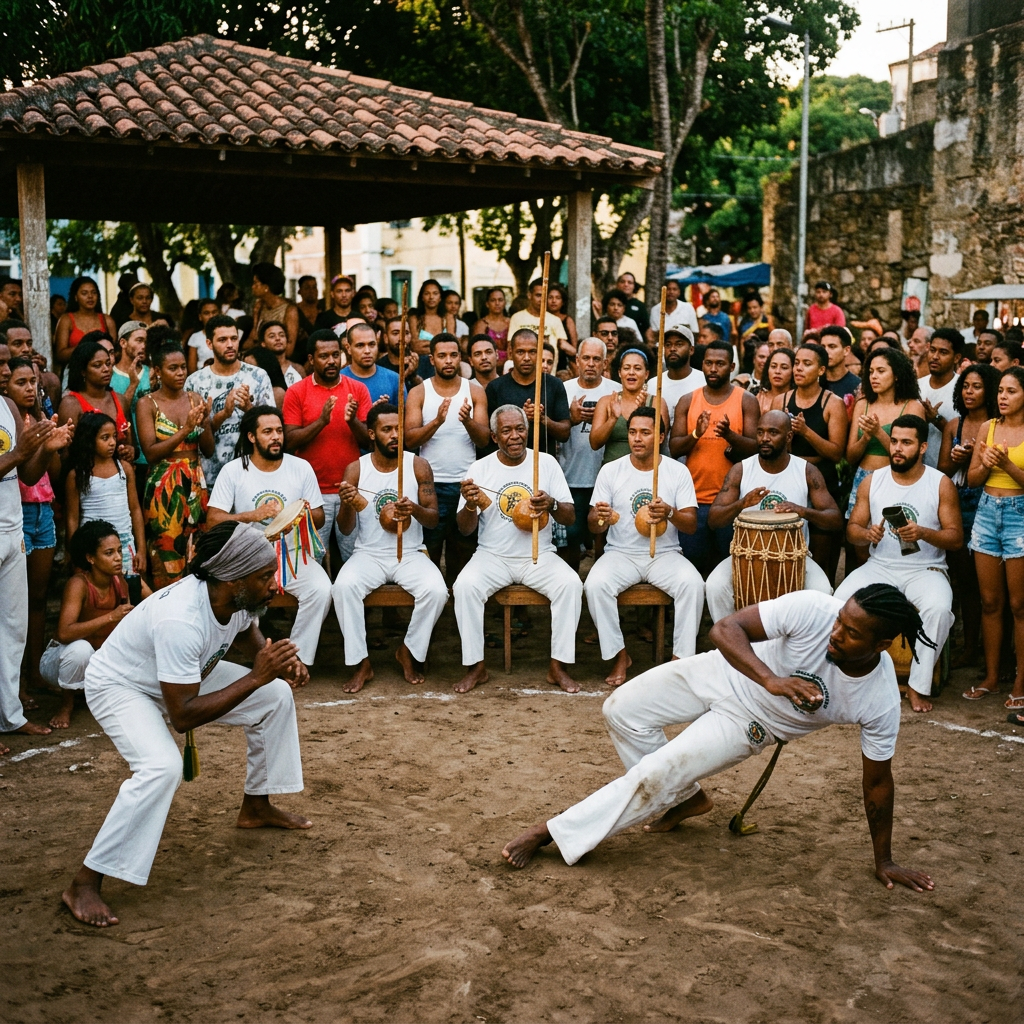
Portuguese as the Essential Tongue of Capoeira
Despite these diverse roots, Portuguese remains the essential tongue for understanding the deepest cultural nuances of Capoeira. It serves as a “linguistic wavelength” that connects practitioners globally, fostering a shared identity and camaraderie among them. Mastering the art form requires engaging with its complete ecosystem, which includes not only the intricate physical movements and rhythmic musicality but also the rich philosophical underpinnings and the Portuguese language itself, which carries the weight of historical significance and cultural storytelling. Relying on translation is often viewed as a barrier to the fluid, intuitive integration of these traditions, as the subtleties and emotions embedded in the original language can be lost or misinterpreted. This deep connection between language and practice underscores the importance of immersing oneself in the linguistic aspects of Capoeira, enriching the overall experience and understanding of this beautiful cultural expression.
Practical Language Dynamics and Learning
In practical use, Brazilian Portuguese requires attention to specific grammatical structures, such as definite articles (o, os, a, as) and tricky prepositions like “por” or those used with the verb “sonhar”. These elements can be challenging for learners, as they contribute significantly to the meaning and correctness of sentences. For those looking to immerse themselves further, structured resources such as PortuguesePod101, Duolingo, and the book “Portuguese for Capoeiristas” offer effective ways to engage with the language through popular songs, videos, and interactive exercises that enhance learning and retention. Additionally, language exchange meetups and online communities could provide practical conversational practice, further solidifying one’s grasp of the intricacies of the language. Mastering these nuances is key for practitioners seeking a deeper connection to the history, philosophy (including malícia and mandinga), and community of the art form, as they reflect the rich cultural tapestry of Brazil and embody the values and traditions that have been passed down through generations. Understanding such aspects enhances not only language skills but also appreciation of the cultural context in which Brazilian Portuguese thrives.