
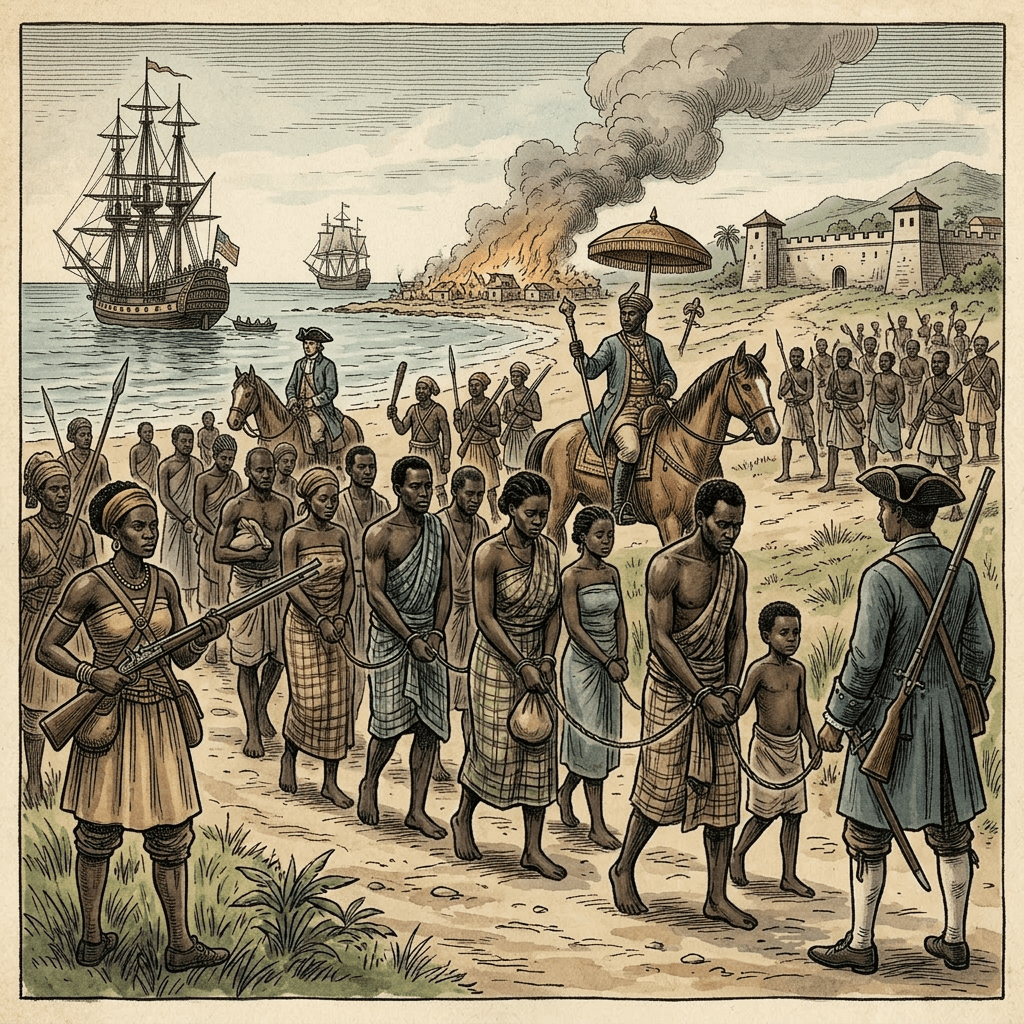
I recently came across this video which I posted below, which talks about the African’s role in the Atlantic slave trade, like this wasn’t widely known. This fact is used by certain people to either lessen, or outright deny the European’s role in the slave trade, saying things like “Africans did it to themselves first,” or whatever. This historical complexity, while true, is often stripped of its context to minimize the catastrophic impact of European colonization and the industrial scale of the Maafa.
The transatlantic slave trade involved a complex web of involvement where various European countries established a system of trafficking African people into Colonial America starting around 1500. While West African cultures existed long before enslavement, the development of European enslavement practices in the 18th century transformed these dynamics into a global economic engine. For nearly 500 years, the consequences of this trade have shaped the modern world, impacting the architecture, wealth, and social structures of cities like Liverpool and the broader Western Hemisphere.
Africa has never been a single, unified nation; rather, it is a vast continent characterized by immense ethnic, linguistic, and political diversity. Long before European contact, the continent was home to numerous powerful states and sophisticated empires, such as GHANA, MALI, and SONGHAI, which exercised significant regional influence. In this complex sociopolitical landscape, various forms of indigenous slavery and involuntary servitude existed across many African societies for over a millennium. These systems often involved the capture of rivals, enemies, or weaker populations during conflicts to be integrated into the victor’s labor force or sold.
It is critical to recognize that these internal practices predated European arrival, continued throughout the era of colonization, and in some instances, persisted long after colonial powers departed. The legacy of these historical structures remains a contemporary challenge, as modern forms of slavery and human rights abuses continue to be documented in certain countries, most notably in MAURITANIA and SUDAN. These ongoing realities underscore how deeply rooted historical practices can continue to impact the lives and freedoms of individuals in the present day.
Okay, I went into this on the “A History of Capoeira Angola” page, but I feel that I should go into this again.
ONCE AGAIN, let’s make this CRYSTAL CLEAR: Africa was NEVER a single, unified nation!
Instead, it is a CONTINENT rich in diversity, consisting of numerous powerful states and empires, such as the Ashanti and Dahomey, which frequently captured rivals, enemies, and weaker populations to sell. This complex landscape resulted in various forms of slavery that existed across many African societies for over a millennia before Europeans arrived. It’s important to note that these practices were not only present during the time Europeans colonized the continent but also persisted long after their departure. Disturbingly, slavery still exists today in certain countries like MAURITANIA and SUDAN, revealing the harsh reality that the legacies of the past continue to affect modern-day lives.
Furthermore, understanding this historical context is crucial for addressing contemporary social justice issues in Africa and beyond, as it highlights the need for awareness and action against ongoing human rights violations in the region.
Anyway, what I blame Europeans for is their overwhelming demand for enslaved labor, which radically transformed the slave trade in Africa. This insistent demand significantly reshaped the social and economic landscape of the African continent, leading to profound and lasting impacts. While some African elites and middlemen profited in the short term from the trade, the ultimate infrastructure, financing, and staggering wealth accumulation of the Transatlantic Slave Trade belonged to European and American powers.
Their relentless demand created an “Arms Race,” where European traders offered coveted goods like firearms, textiles, and alcohol, among other items. African leaders and merchants often traded captives for these weapons to protect their own territories and expand their kingdoms. This not only created a cycle of dependency on European goods but also kept West Africa in a perpetual state of conflict and instability.
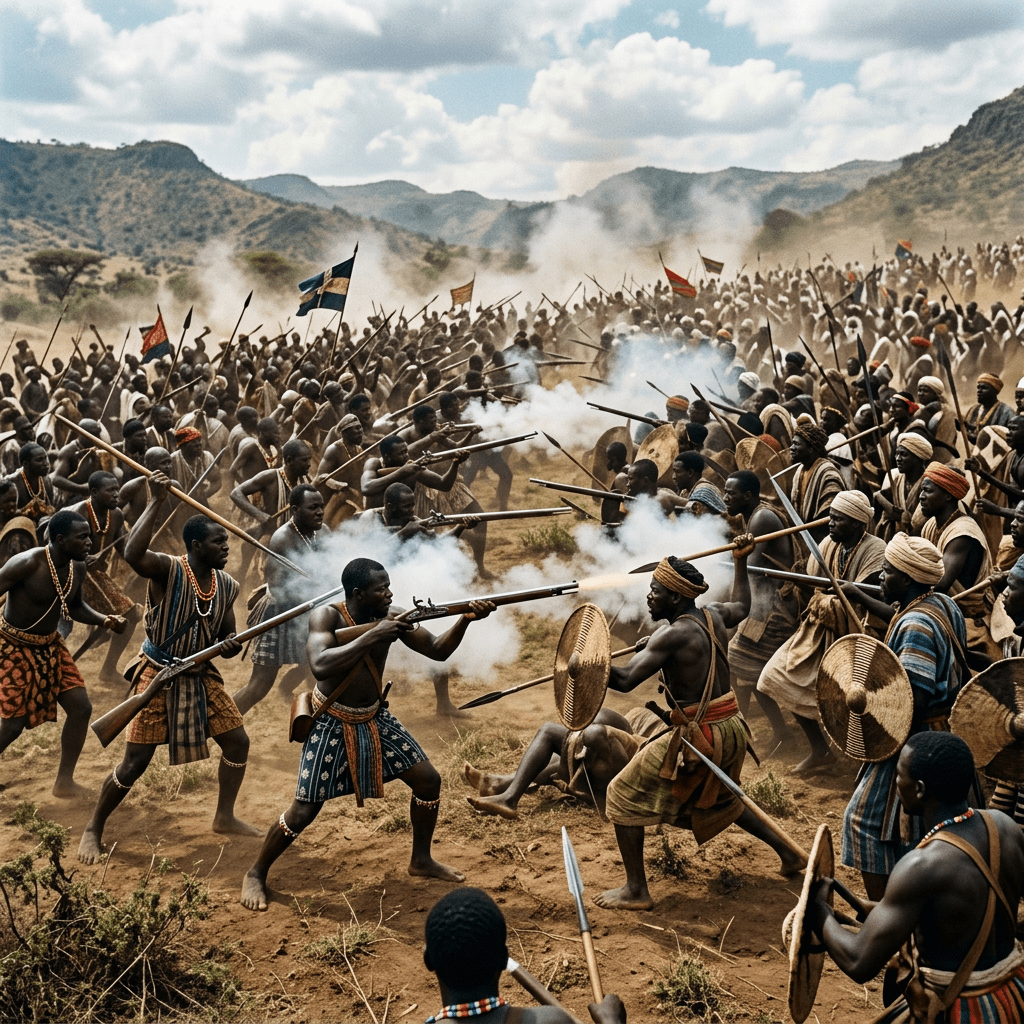
The dynamics of warfare shifted significantly, causing once-flourishing civilizations to deteriorate as they became embroiled in struggles for power and control, turning what had been recognized as one of the most advanced regions into a backwater by the 19th century. This unfortunate transformation opened them up to being conquered by various European nations, leading to colonization and further exploitation well into the 20th century, which deeply affected the cultural and political development of the continent for generations to come.
The Transatlantic Imbalance: This systemic process dismantled countless communities across the African continent, causing deep cultural disruptions and the loss of ancestral heritage. European nations initiated and expanded the trade, while colonies fueled their economies on the backs of enslaved labor, creating immense fortunes that still resonate in today’s global economy and perpetuate systemic inequalities.
Despite this dark history, the resilience and resistance of the enslaved remained indomitable, demonstrating an unyielding spirit against oppression. From open rebellions that shook the foundations of the enslavers’ power to subtle acts of defiance, such as furtive gatherings to share knowledge and maintain cultural practices, the enslaved found ways to assert their humanity. The development of Capoeira Angola in Brazil, for instance, emerged not only as a martial art but as a profound expression of identity, blending elements of dance, music, and acrobatics borne from the rich cultural heritage of those enslaved.
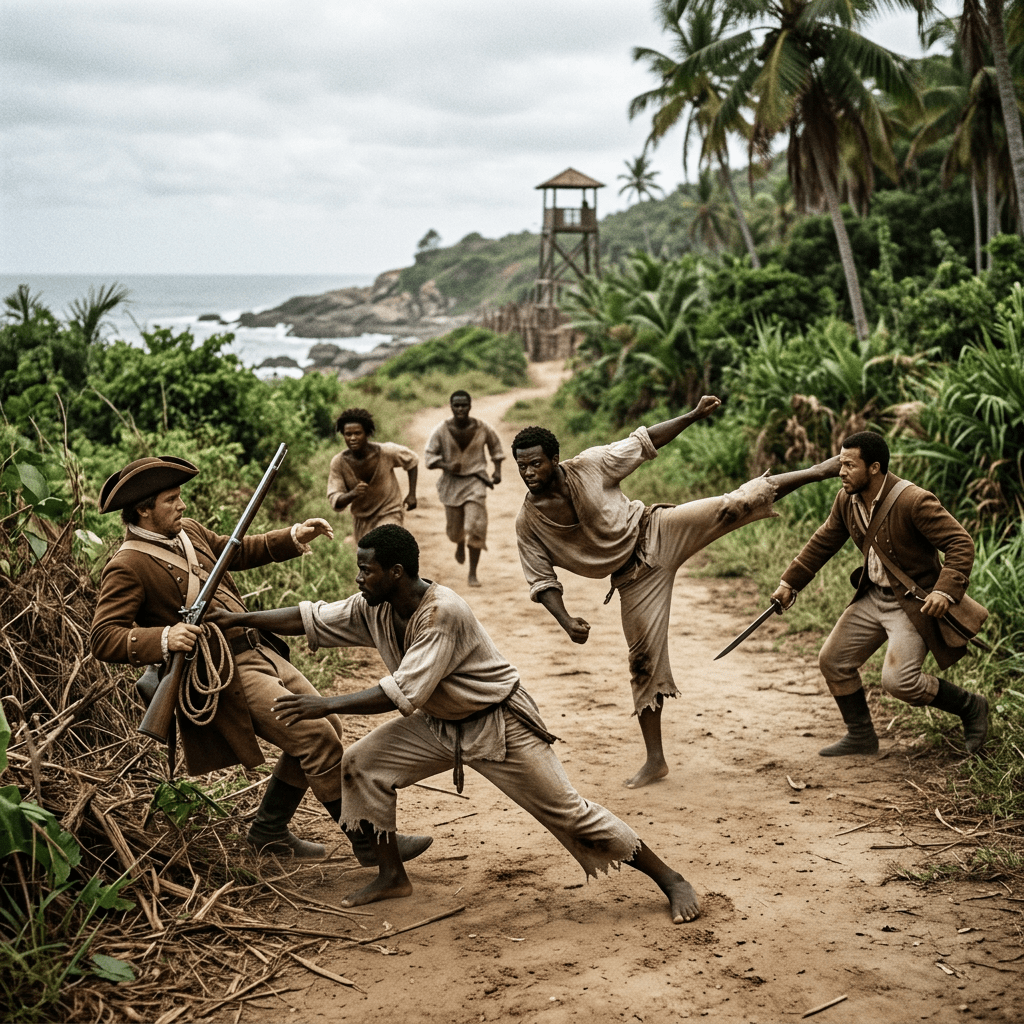
This practice allowed individuals to (supposedly) disguise combat training as a harmless performance, effectively preserving defensive skills under the watchful eyes of overseers. Beyond mere physical defense, this unique art form served as a vital means of communication, solidarity, and cultural preservation in the face of relentless dehumanization, reflecting the profound resilience of those who created it. These creative expressions were not merely aesthetic but acted as vital conduits for clandestine messaging and communal strength, allowing for the maintenance of ancestral traditions that European nations sought to dismantle.
This unique art form served as a means of communication, solidarity, and cultural preservation in the face of relentless dehumanization, reflecting the profound resilience of those who created it. These creative expressions were not merely aesthetic but acted as vital conduits for clandestine messaging and communal strength. Additionally, acts of resistance, including the formation of autonomous maroon communities or QUILOMBOS, underscore a collective struggle for dignity and justice that remains relevant throughout history. These enclaves, where formerly enslaved individuals established their own societies, became powerful symbols of autonomy and hope, thriving despite the oppressive circumstances that sought to undermine their existence. By creating these independent spaces, they physically and ideologically challenged the systems of exploitation that defined the Transatlantic imbalance. Their leaders crafted unique governance systems, cultural practices, and communal bonds that fortified their resolve against external pressures. The legacy of these communities and their vibrant expressions continues to influence movements for equality today, inspiring contemporary activists to pursue justice while honoring the sacrifices and tenacity of those who came before them. Furthermore, the ongoing relevance of these historical struggles highlights the importance of recognizing cultural preservation as a form of active resistance against systemic erasure. Such efforts ensure that the heritage and agency of marginalized populations are not dismantled by historical or modern economic structures built upon exploitation.
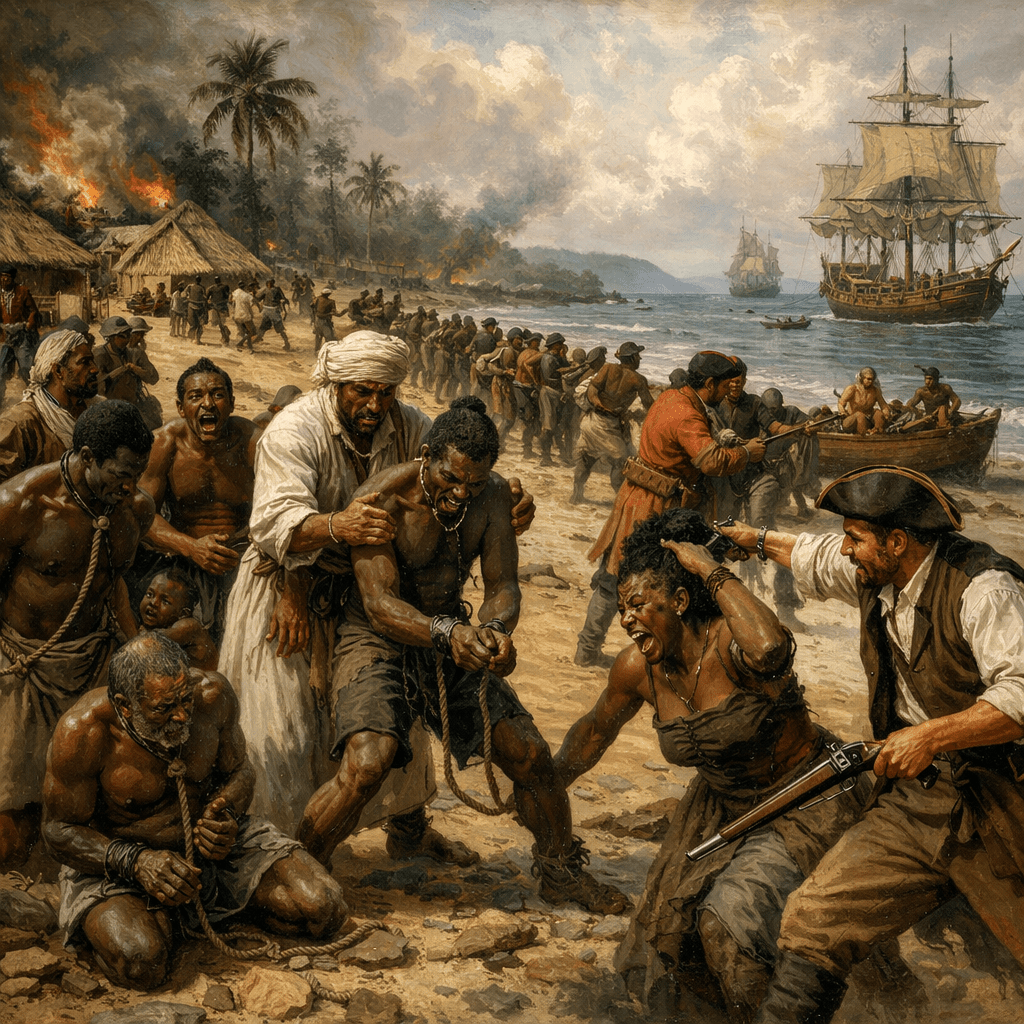
In a world still grappling with issues of systemic inequality and social injustice, the lessons learned from these histories resonate strongly, reminding us of the enduring spirit of resistance and the importance of community in the fight for human rights. This legacy of resilience is exemplified by the indomitable spirit of the enslaved who, despite facing a systemic process that dismantled communities and caused deep cultural disruptions across the African continent, found profound ways to assert their humanity.

