
Healing = noun or adjective ‘process that brings about/ amends wholeness to health and wellness’
The Indispensable Role of Physical Fitness in Self-Defense and Martial Arts
When embarking on the serious study of self-defense, moving beyond the casual pursuit of a weekend hobby or a purely theoretical interest, a fundamental and undeniable truth quickly emerges: physical preparedness is not merely an advantage or a supplementary skill, but an absolute and foundational necessity. It is insufficient to merely intellectually grasp techniques, to understand the mechanics of a block, a strike, or a submission hold in an abstract sense. Instead, one must possess the inherent physical capacity—strength, endurance, flexibility, agility, and coordination—to execute these techniques effectively and with precision, especially under the immense pressure and stress of a real-world confrontational scenario. Without this bedrock of physical readiness, even the most intricate and theoretically sound self-defense strategies remain largely academic and ineffective when faced with genuine threats.
The Unwavering Demand for Fitness
The equation is strikingly simple: to be proficient in self-defense, one must be fit. This imperative extends to every facet of our physical well-being. We need to cultivate a body that is optimally fueled and structured through a diet rich in essential nutrients. We must engage in consistent exercise to build strength, enhance endurance, and accelerate recovery from the inevitable strains and injuries that accompany rigorous training.
Our lives are a series of ongoing battles, extending far beyond the immediate threat of a physical assailant. We are engaged in a silent, yet relentless, war against the insidious forces of modern health adversaries. These include, but are not limited to, the escalating prevalence of diabetes, the pervasive threat of cardiovascular disease, the myriad forms of cancer, and a debilitating array of other chronic conditions. These ailments are not random occurrences; rather, they are frequently the direct consequence of lifestyles that have, tragically, drifted away from a foundational focus on health and fitness. The sedentary habits ingrained in contemporary society, coupled with widespread nutritional deficiencies, have created a fertile ground for these diseases to flourish.
Therefore, to truly embody effective self-defense, and to genuinely apply the skills and principles we painstakingly learn, the integration of comprehensive physical fitness into our training regimen is not merely advantageous, it is absolutely paramount. This critical understanding compels us to acknowledge that our struggle transcends the traditional, often narrow, definition of confronting physical adversaries. It encompasses a far wider spectrum of health concerns that are deeply rooted in the aforementioned sedentary habits and poor nutrition.
By proactively addressing these interconnected elements – physical conditioning, mindful nutrition, and a holistic approach to well-being – we achieve a multi-faceted victory. Not only do we significantly bolster our ability to protect ourselves against external threats, but we also contribute profoundly to our overall well-being, fostering a more resilient, robust, and health-conscious society. This expanded perspective transforms our training from a purely combative endeavor into a holistic practice of self-preservation and communal health, where every movement, every healthy choice, is a step towards a stronger, more capable future.
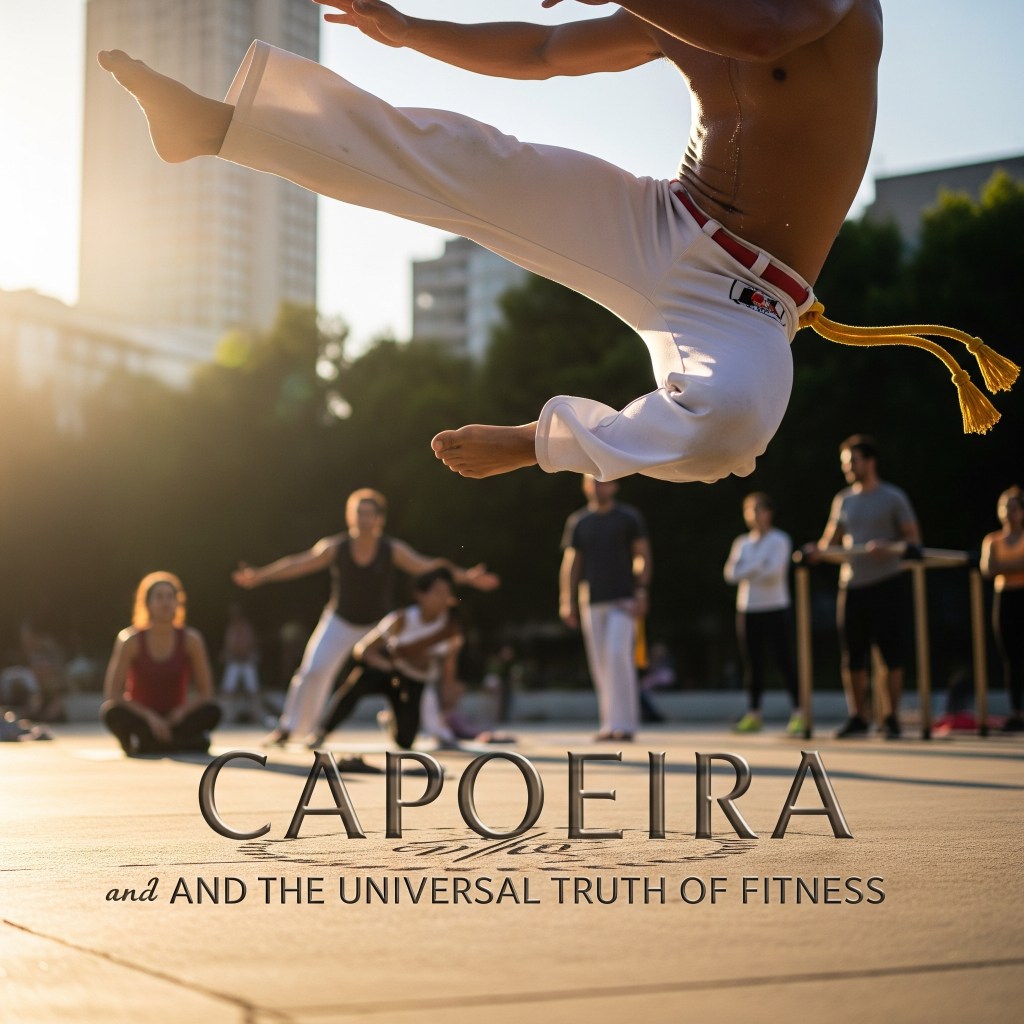
It is a harsh reality, but the ability to perform Capoeira, or any other martial art (M.A.) or self-defense system, is inextricably linked to one’s level of physical fitness. Physical fitness is undeniably a crucial factor in excelling at Capoeira or any martial art and self-defense system. Engaging in regular fitness training can significantly enhance one’s agility, strength, flexibility, and endurance – all vital attributes for executing the intricate movements and swift maneuvers characteristic of Capoeira. A strong and well-conditioned body also contributes to improved stamina, enabling practitioners to sustain their performance over extended periods, whether in a roda or a real-world confrontation.
Furthermore, physical fitness plays a pivotal role in injury prevention. A fit body is inherently better equipped to withstand the rigorous demands of Capoeira training, minimizing the risk of strains, sprains, or overexertion. Consequently, individuals aspiring to master Capoeira or any martial arts discipline should prioritize maintaining their physical fitness through a balanced regimen encompassing cardiovascular exercises, strength training, and flexibility-enhancing activities.
In essence, while skill and technique are undeniably paramount in Capoeira, the significance of physical fitness cannot be overstated. By prioritizing one’s fitness and overall well-being, aspiring practitioners can dramatically enhance their capabilities and elevate their performance in this captivating martial art.
Technique Alone is Insufficient
Techniques certainly provide an advantage, offering strategic approaches and efficient movements. However, even the most sophisticated techniques are ultimately predicated on an underlying foundation of physical skills. In other words, technique alone is simply not enough.
We must possess the physical capacity to generate speed and power, delivering strikes or evasions with maximum impact and efficiency. We need the endurance to withstand the demanding nature of training sessions and to apply our techniques at full speed, repeatedly. Moreover, real-world self-defense scenarios can be unpredictable and arduous, requiring the stamina to contend not only with a single attacker but potentially multiple assailants. At the very least, the ability to run fast is crucial for escape, but the more challenging reality is often the need to fight and run fast, all within the same incident.
It is a concerning trend to hear individuals claim their techniques are so “deadly” that they negate the need for significant physical conditioning. In reality, such statements often betray inexperience and a dangerous lack of preparation. While a trained individual may certainly fare better than the average person on the street (unless that person also has martial arts experience), one cannot discount the possibility of encountering someone simply stronger. In such a scenario, relying solely on underdeveloped techniques risks not only a bruised ego but also significant physical harm.
Most individuals who initiate physical confrontations, regardless of their size, tend to be confident in their abilities. They often have something to prove and rarely instigate fights they believe they will lose. Conversely, those they believe they can easily overpower are often the ones who seek to avoid conflict in the first place.
The fundamental truth is that effective self-defense training should equip you to protect yourself
even against a trained fighter. This necessitates a smart approach to training, where physical conditioning is seamlessly integrated with technical instruction to forge a strong, resilient body capable of confronting whatever challenges may arise.Capoeira Angola: A Holistic Healing Art
Beyond its captivating movements and martial applications, Capoeira Angola emerges as a profound and multifaceted healing art. This ancient Afro-Brazilian practice, deeply rooted in traditions of resistance and vibrant cultural expression, offers a unique and transformative pathway to self-discovery and inner peace. It holistically nurtures the physical, emotional, and spiritual dimensions of well-being, providing a comprehensive approach to personal growth and restoration.
Through its intricate blend of rhythmic movements, rich musicality, and synchronized interactions, practitioners engage in a dynamic dialogue that extends far beyond mere physical exertion. The continuous flow of the roda (the circle in which Capoeira is played) not only strengthens the body, building flexibility, endurance, and coordination, but also significantly enhances mental acuity and emotional resilience. The call-and-response songs, the percussive rhythms of instruments like the berimbau, and the strategic movements of the game demand heightened focus, quick decision-making, and an ability to adapt and respond intuitively, thereby sharpening cognitive functions and fostering emotional intelligence. This intricate interplay cultivates a profound sense of self-awareness and presence, allowing individuals to connect with their bodies and minds in a deeply meaningful way. The communal aspect of the roda also fosters a sense of belonging and mutual respect, contributing to emotional healing and personal empowerment.
Beyond the individual transformation it facilitates, Capoeira Angola fosters a strong and vibrant sense of community among its practitioners. It creates a supportive and inclusive environment where collective growth is not just encouraged, but actively celebrated. Each session becomes a dynamic gathering of friends and allies, a space where stories are shared, cultural heritage is honored and revitalized, and personal and collective experiences are deeply enriched. This communal aspect strengthens bonds that transcend individual differences, building a network of mutual respect and understanding.
The intricate interplay of movement and music, which lies at the heart of Capoeira Angola, serves to reinforce a profound philosophy of unity and respect. The synchronized movements, the shared rhythms, and the collective energy within the roda echo the ancestral wisdom that underpins this captivating art form. It teaches practitioners about collaboration, empathy, and the interconnectedness of all beings, ultimately guiding them towards a deeper understanding of themselves and their place within a larger, harmonious community. In essence, Capoeira Angola offers not just a path to physical prowess, but a journey towards holistic healing, cultural connection, and a profound sense of belonging.
Connecting Body, Mind, and Spirit
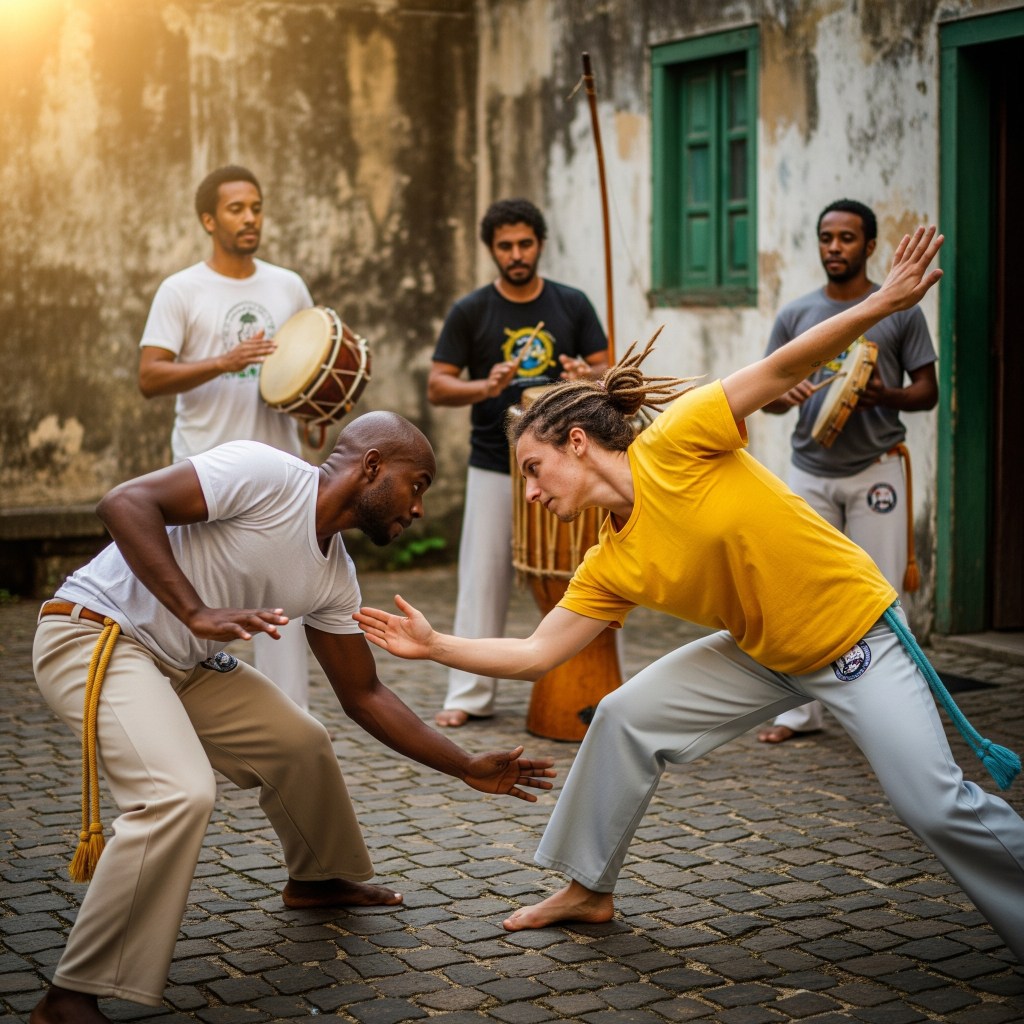
Capoeira Angola, far more than just a martial art or dance, stands as a profound healing art that meticulously integrates the physical, emotional, and spiritual dimensions of human experience. Through its characteristic fluid, dynamic movements, individuals are not merely exercising their bodies but are instead engaging in a deeply meaningful and intuitive dialogue with their physical selves. This intrinsic connection is nurtured by the rhythmic pulse of its rich musical accompaniment, creating an immersive environment that stimulates both the body and the mind.
The tangible benefits of this practice are multifaceted. Physically, Capoeira Angola rigorously promotes exceptional fitness, fostering enhanced agility, strength, and coordination. Participants develop a remarkable proprioception and control over their bodies, which translates into greater physical confidence and capability. Beyond the physical, the practice serves as a powerful and cathartic outlet for emotional release. The expressive nature of the movements, coupled with the emotional resonance of the music, allows for the processing and liberation of pent-up feelings, anxieties, and stresses. This emotional catharsis is a crucial component of its healing power, enabling individuals to achieve a greater sense of inner peace and emotional balance.
The interplay of movement and music actively cultivates a state of heightened mindfulness and awareness. Participants learn to be fully present in their bodies and in the moment, attuned to both their internal sensations and the external environment. This cultivated awareness extends beyond the roda (the Capoeira circle), equipping individuals with an invaluable set of life skills: grace, adaptability, and resilience. These qualities are not just physical attributes but are deeply ingrained mental and emotional capacities that empower individuals to navigate life’s inevitable challenges with greater ease, poise, and an unwavering sense of presence. The ability to adapt to unexpected movements in the roda mirrors the ability to gracefully adjust to unforeseen circumstances in daily life, fostering a profound sense of psychological fortitude.
Capoeira Angola stands as a profound and multifaceted discipline, offering a comprehensive and integrated pathway to holistic health. It masterfully interweaves the raw essence of physical prowess—encompassing the strength, agility, coordination, and control meticulously honed through dedicated practice—with a deeper, introspective exploration of one’s identity, cultural heritage, and spiritual core.
The historical and cultural roots of Capoeira Angola provide an extraordinarily rich and intricate tapestry for self-discovery. Through engaging with its traditions, practitioners are afforded the unique opportunity to connect profoundly with a legacy steeped in resistance, resilience, and the enduring spirit of community. This journey of self-unveiling and personal growth is not a solitary endeavor; rather, it is inherently a collective enterprise, nurtured within the embrace of shared experience.
Capoeira Angola extends an open and unreserved invitation to everyone, without distinction of background, prior experience, or perceived limitations. It encourages all to partake in a shared journey toward achieving harmony, experiencing profound joy, and realizing their fullest self-potential. Within its vibrant embrace, a powerful sense of community is cultivated, fostering mutual respect, understanding, and a unified sense of purpose. Individuals are not merely participants but active supporters of one another, contributing to both personal growth and the collective well-being of the group. This intricate dance of individual development within a supportive collective truly embodies the spirit of Capoeira Angola as an unparalleled healing art, offering benefits that extend far beyond the physical realm into the emotional, mental, and spiritual dimensions of human experience..
Capoeira Angola as a Masterful Embodiment of Healing Arts
The compelling notion that all traditional human practices involving musicality, singing, dancing, spoken literature, writing, and various forms of artistic expression (such as pantomime, play, and drama) are inherently healing art forms resonates deeply across cultures and throughout human history. Capoeira Angola, in particular, stands out as a unique and exceptional form of human expression that masterfully embodies most of these disciplines. It skillfully integrates them into a powerful and multifaceted methodology for personal change and development that transcends mere physical movements, engaging the whole person.
Capoeira Angola, far beyond a mere physical discipline, stands as a profound art form that intricately weaves together the tangible and the intangible. Its vigorous movements, disciplined practice, and inherent physicality are readily observable, a testament to the rigorous training and dedication it demands. However, to truly grasp its essence, one must move beyond the role of a passive observer and engage in active, embodied participation. This immersion reveals an incorporeal dimension, a spiritual and emotional depth that can only be accessed through direct experience.
Through this deep engagement, individuals embark on a journey of self-discovery and interpersonal connection. The intricate dance of Capoeira Angola, with its dynamic interplay of music, rhythm, and acrobatic grace, fosters a unique environment for emotional growth. Participants are encouraged not only to connect with their own inner emotional landscape but also to cultivate empathy and understanding for the feelings and experiences of others. This profound emotional resonance contributes significantly to overall well-being, moving beyond surface-level physical fitness to nurture a holistic sense of self.
Furthermore, Capoeira Angola is a powerful conduit for social connectivity. The communal aspects of its practice, including the roda (the circle where the game is played), the call-and-response singing, and the shared rhythms, build strong bonds among practitioners. This collective experience fosters a sense of belonging and mutual support, vital components for psychological health and social cohesion.
The transformative impact of Capoeira Angola extends far beyond mere physical development, although it undeniably excels in enhancing a wide range of physical attributes. Practitioners experience significant improvements in strength, flexibility, endurance, balance, and coordination, refining their motor skills and spatial awareness. However, the true essence of Capoeira Angola’s power lies in its capacity to instigate a profound internal shift within individuals. It serves as a crucible, challenging participants to relentlessly push and redefine their perceived boundaries, not just physically but also emotionally and mentally. This constant process of self-exploration and overcoming leads to a heightened sense of self-awareness, fostering introspection and a deeper understanding of one’s own capabilities and limitations. Furthermore, the resilience cultivated through consistent engagement with the art form equips individuals with invaluable coping mechanisms and a fortified spirit, enabling them to navigate life’s challenges with greater fortitude and adaptability.
To genuinely grasp and appreciate the intricate depth and multifaceted nature of Capoeira Angola, passive observation is insufficient; active immersion is not just encouraged, but unequivocally demanded. It extends an urgent invitation to participants to wholeheartedly step into a living, breathing, and continuously evolving tradition. By doing so, individuals transcend the role of mere spectators, becoming an integral and indispensable part of the ongoing dialogue that dynamically interweaves its rich historical roots with contemporary innovation. This dialogue is, in fact, the very lifeblood that defines Capoeira Angola’s persistent existence and ensures its continued relevance. Through this profound engagement, individuals are not simply acquiring a series of choreographed movements or techniques; they are embarking on a transformative, holistic journey where the boundaries of self-expression and profound healing beautifully and inextricably intertwine.
This profound and active engagement ultimately facilitates a deeper and more comprehensive understanding, not only of the art form itself with its vibrant cultural heritage, intricate philosophy, and historical narratives, but also of one’s own intricate inner landscape. It acts as a powerful catalyst, forging a robust and harmonious connection between the mind, the body, and the spirit. This holistic integration is absolutely paramount to well-being, fostering a profound sense of inner peace and unity that resonates deeply within an individual. It is precisely within this vibrant crucible of active participation – through the rigorous and disciplined physical training that hones the body, the rich communal interactions that build strong bonds and mutual respect, the intricate musicality that enlivens the spirit, and the profound philosophical underpinnings that offer guidance and perspective – that the true, multifaceted healing power of Capoeira Angola is progressively unveiled.
Capoeira Angola, in its essence, offers a distinct and empowering pathway to holistic well-being, promoting not only exceptional physical health, marked by increased strength, flexibility, and coordination, but also fostering remarkable mental clarity, allowing for sharper focus and reduced stress. Furthermore, it cultivates a deep sense of emotional balance, helping practitioners navigate life’s challenges with resilience and grace, and encourages significant spiritual growth, connecting individuals to a larger purpose and community. The culmination of this deeply transformative journey is a richer, more authentically connected, and more profoundly lived existence, characterized by a profound sense of belonging within a supportive community and an expanded capacity for experiencing joy, fulfilling one’s potential, and achieving true self-realization.
Healing Through Song and Movement: A Journey of Collective and Individual Growth
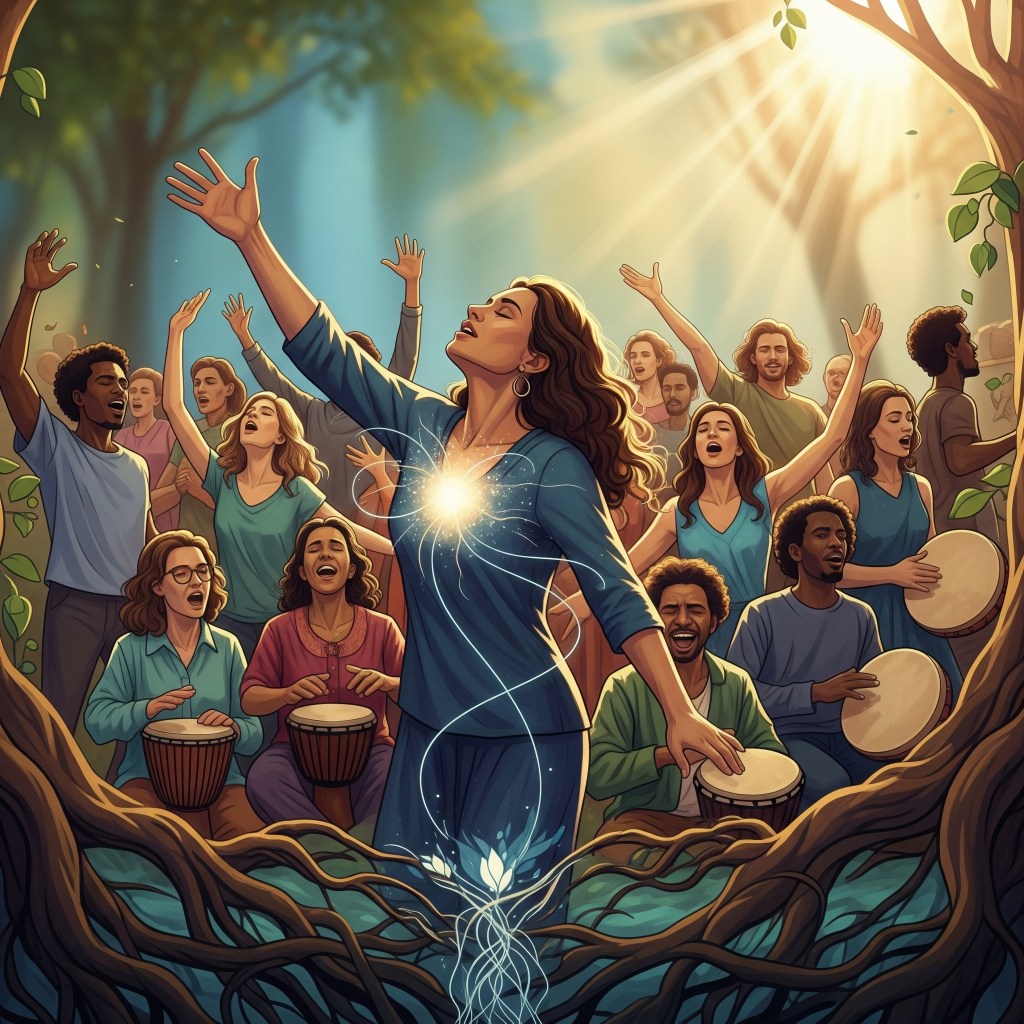
Capoeira Angola, deeply rooted in Afro-Brazilian culture, offers a profound pathway to healing, particularly through its music. For individuals of African descent, the melodies and lyrics of Capoeira songs are far more than mere artistic expressions; they are living repositories of history. These songs possess a profound capacity to evoke historical legacies of trauma, bringing them into the present moment. This process, while potentially difficult, is crucial for acknowledgment, processing, and ultimately, healing. As these narratives unfold through song, they serve as powerful reminders of the unimaginable struggles faced by ancestors, while simultaneously illuminating the enduring resilience, unwavering spirit, and indomitable strength that have emerged from such histories. It is a journey of confronting pain to unearth profound sources of power and endurance.
The transformative power of Capoeira Angola’s music extends beyond specific historical contexts, resonating deeply with a broader audience. For those of non-African descent, the songs can touch the soul through their raw emotional depth, the universal human experiences they convey, or the compelling narratives of struggle and triumph. This universal appeal bridges cultural gaps, fostering a greater understanding of the shared human experience and promoting empathy across diverse backgrounds. In either case, Capoeira Angola consistently provides a powerful opportunity for healing past traumas, learning invaluable lessons about human endurance and spirit, and transcending the narratives embedded within the songs, moving beyond them into a space of growth and liberation.
Beyond its individual impact, the practice of Capoeira Angola warmly invites individuals from diverse backgrounds to partake in a collective journey of introspection and growth. Through shared engagement with the rhythmic movements, evocative melodies, and communal energy, the practice actively encourages empathy and solidarity. Participants are not merely observers but active co-creators of a shared space, where understanding deepens through shared experience and mutual respect. This fosters a sense of unity and shared humanity, transcending differences and building bridges between people.
Ultimately, Capoeira Angola transforms into something far more significant than just a physical art form or a series of movements. It evolves into a vibrant, inclusive community space where stories are not only shared but also truly heard and honored. Histories, both personal and collective, are acknowledged and respected. Within this supportive and understanding atmosphere, personal and collective healing can flourish, nurtured by an environment of mutual respect, active listening, and profound understanding. It becomes a sanctuary where the past is confronted, lessons are learned, and a stronger, more connected future is built, one rhythm and movement at a time.
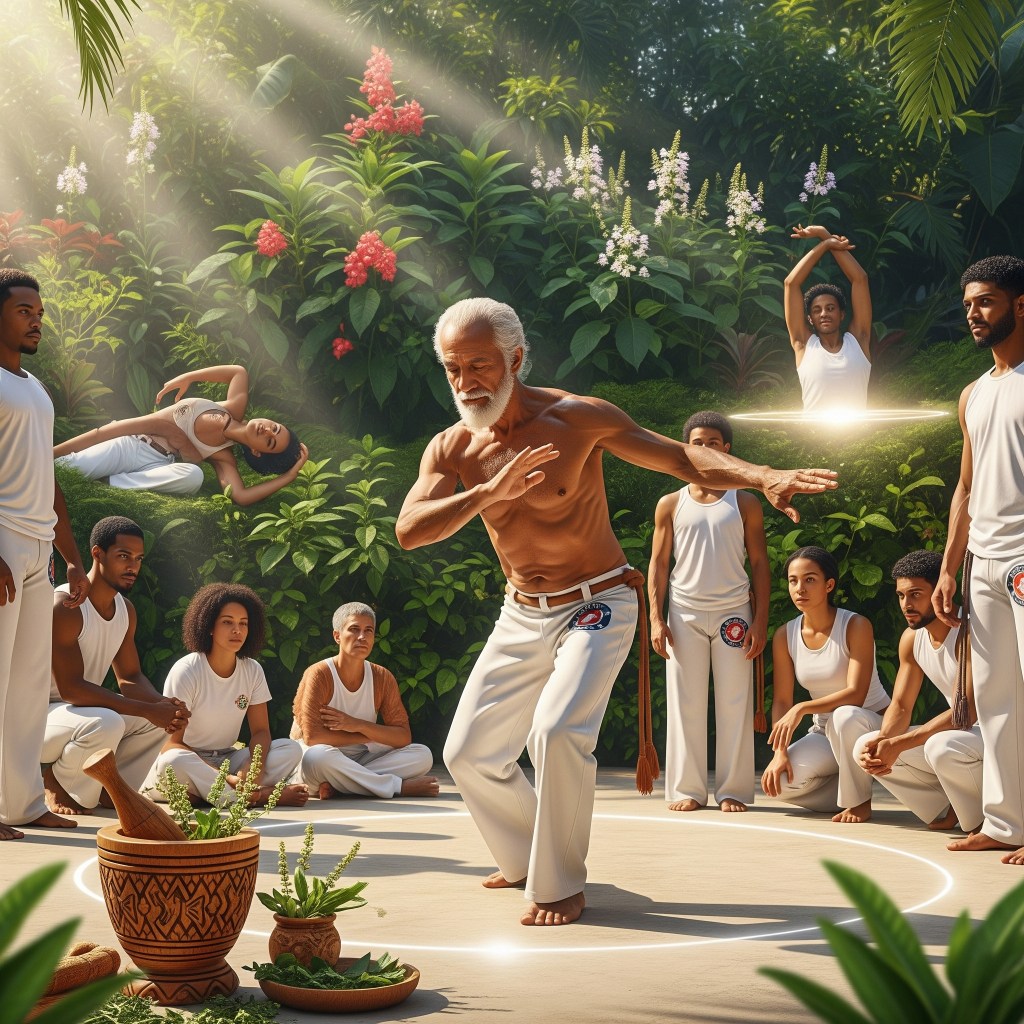
This principle extends profoundly to the distinctive movements of Capoeira Angola. The specific ‘methodology’ of its movements is replete with layered meaning, often contemplative in nature, and performed in a spirit of cooperation gracefully balanced with competitive playfulness. Each movement tells a story, reflecting the history, struggles, and triumphs of those who practiced it, while promoting a profound connection and non-verbal communication between its practitioners. The primary impact and overarching goal of these movements are inner change and heightened awareness, which undeniably contribute significantly to overall wellness, holistic health promotion, and profound healing at multiple levels. This transformative process goes beyond mere physical prowess, fostering deep emotional resilience and mental clarity, while also actively creating a vibrant community that uplifts individuals through shared experiences and mutual support in every Roda.
Capoeira Angola’s movements are not merely physical exercises; they are a living archive of a people’s journey. Each sway, kick, and dodge carries the echoes of generations, expressing the pain of slavery, the yearning for freedom, and the joy of cultural survival. The fluidity and unpredictability of the movements mirror the challenges and adaptations faced by its originators. Through its intricate choreography, practitioners engage in a silent dialogue, understanding and responding to each other’s intentions without words. This non-verbal communication builds trust and empathy, deepening the bonds within the Capoeira community.
The emphasis on inner change and heightened awareness is central to Capoeira Angola’s therapeutic power. The deliberate, often slow and grounded, movements encourage introspection and mindfulness, allowing practitioners to connect with their bodies and emotions on a deeper level. This practice cultivates a sense of presence and self-awareness, which can lead to significant reductions in stress and anxiety. The physical demands of Capoeira, while challenging, are always tempered by the understanding that the true goal is not domination but self-mastery and personal growth. This holistic approach supports physical health through improved strength, flexibility, and coordination, while simultaneously nurturing mental well-being by fostering discipline, focus, and emotional regulation.
Furthermore, the communal aspect of Capoeira Angola is a cornerstone of its healing potential. The roda serves as a sacred space where individuals come together to share, learn, and support each other. Within this circle, hierarchical structures often dissolve, and a sense of egalitarianism prevails. The shared experience of playing Capoeira, with its blend of challenge and camaraderie, fosters a powerful sense of belonging and mutual respect. This supportive community provides a vital network for individuals, offering encouragement during difficult times and celebrating successes together. The collective energy of the roda can be profoundly uplifting, creating an environment where individuals feel seen, valued, and empowered to express themselves authentically. This interwoven tapestry of historical narrative, mindful movement, and communal support makes Capoeira Angola a truly unique and potent healing art, offering a path to holistic well-being and profound personal transformation.
Psychological Foundations: Capoeira as Somatic and Liberation Therapy
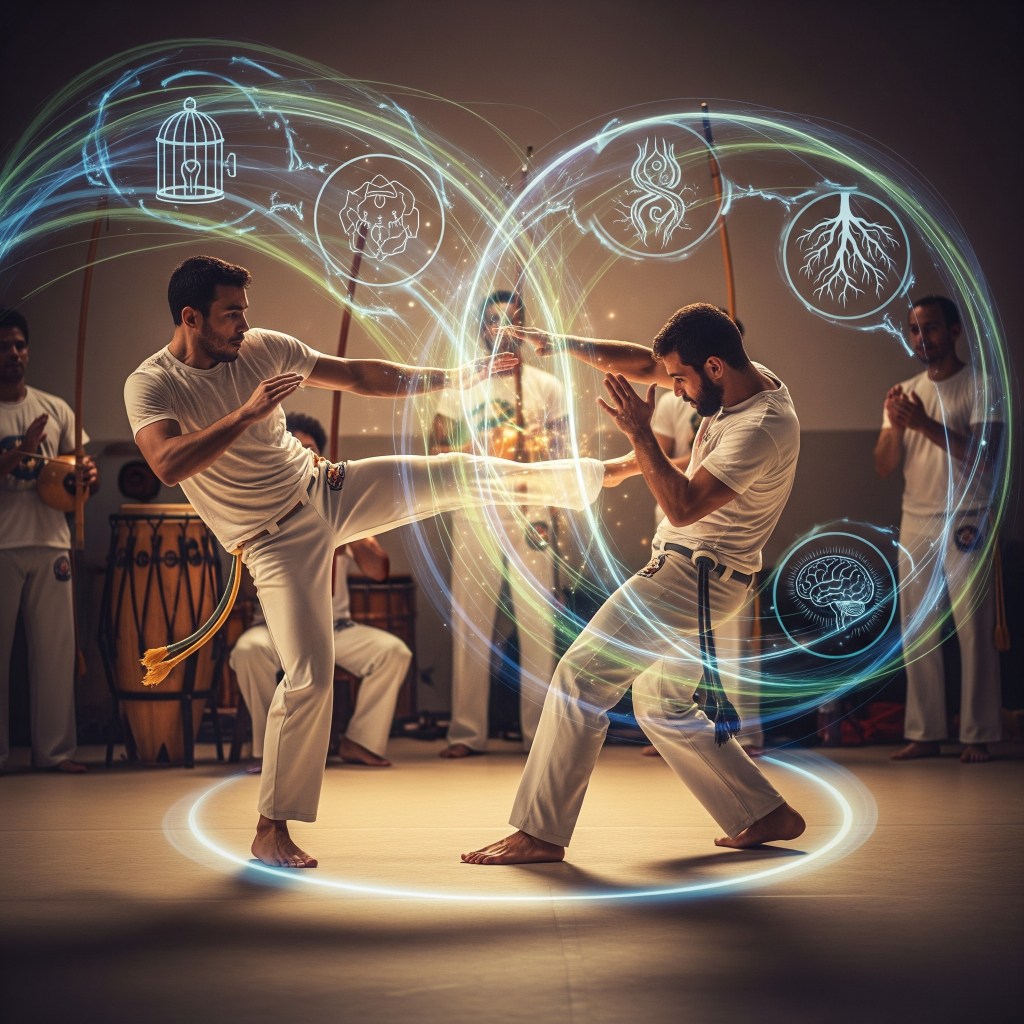
From a psychological perspective, Capoeira was ingeniously developed as a profound response to trauma. It actively engages the limbic system, a crucial part of the brain that plays a vital role in activating the flight-or-fight response to fear and stress. By engaging and safely navigating these primal responses within a controlled and supportive environment, Capoeira offers a unique therapeutic outlet. Furthermore, extensive research in neuropsychology and neurobiology highlights the significant importance of play in helping individuals heal from traumatic experiences and various mental and physiological health-related symptoms. The movements themselves act as a powerful form of somatic therapy, allowing individuals to release stored tension and trauma through physical expression, while the music functions as an equally powerful form of music therapy, stimulating emotional release and cognitive processing. Considered as a comprehensive whole, Capoeira Angola is also a vital component of liberation therapy, which, as a decolonizing psychological approach, specifically aims to heal deeply embedded “soul wounds”—a profound concept explored in depth in influential books such as “Healing The Soul Wound” by Eduardo Duran and Bonnie Duran.
The Spiritual Dimension: Ceremonial Aspects and Collective Healing
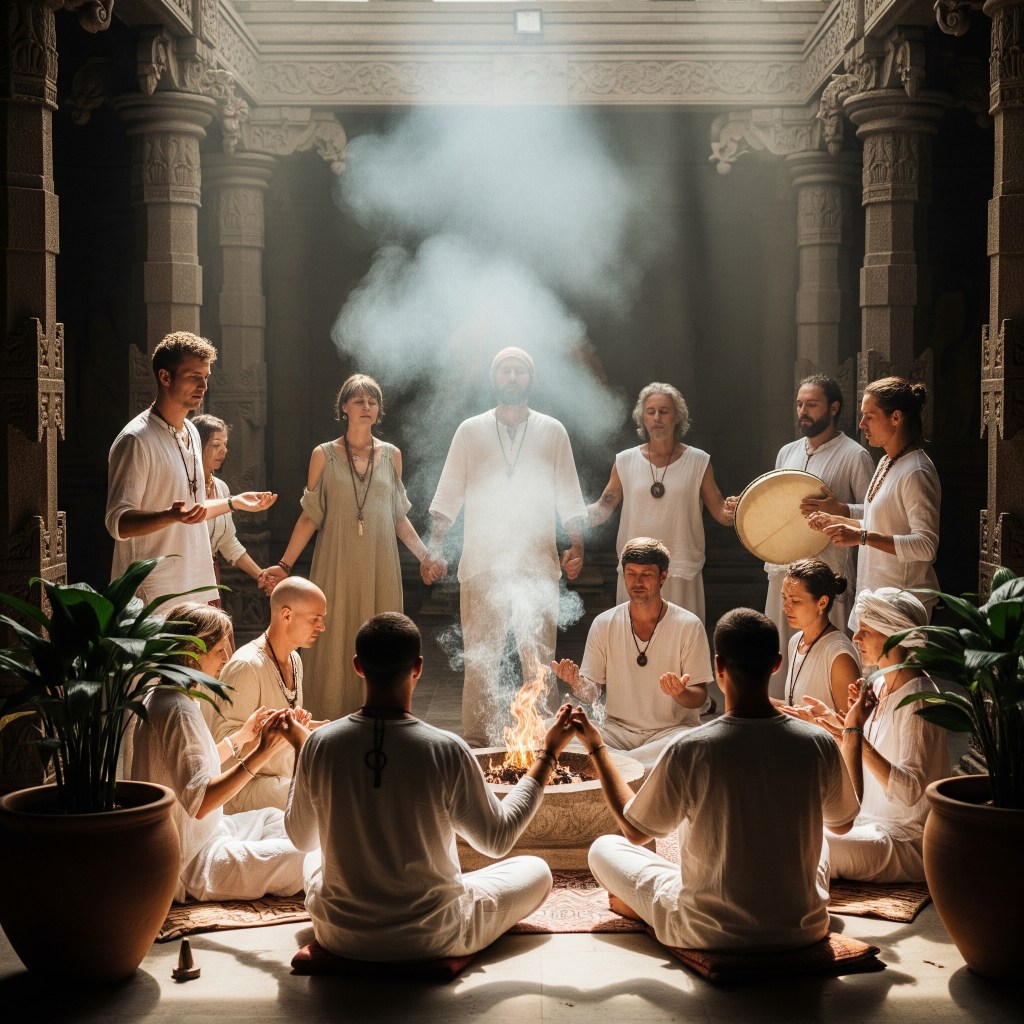
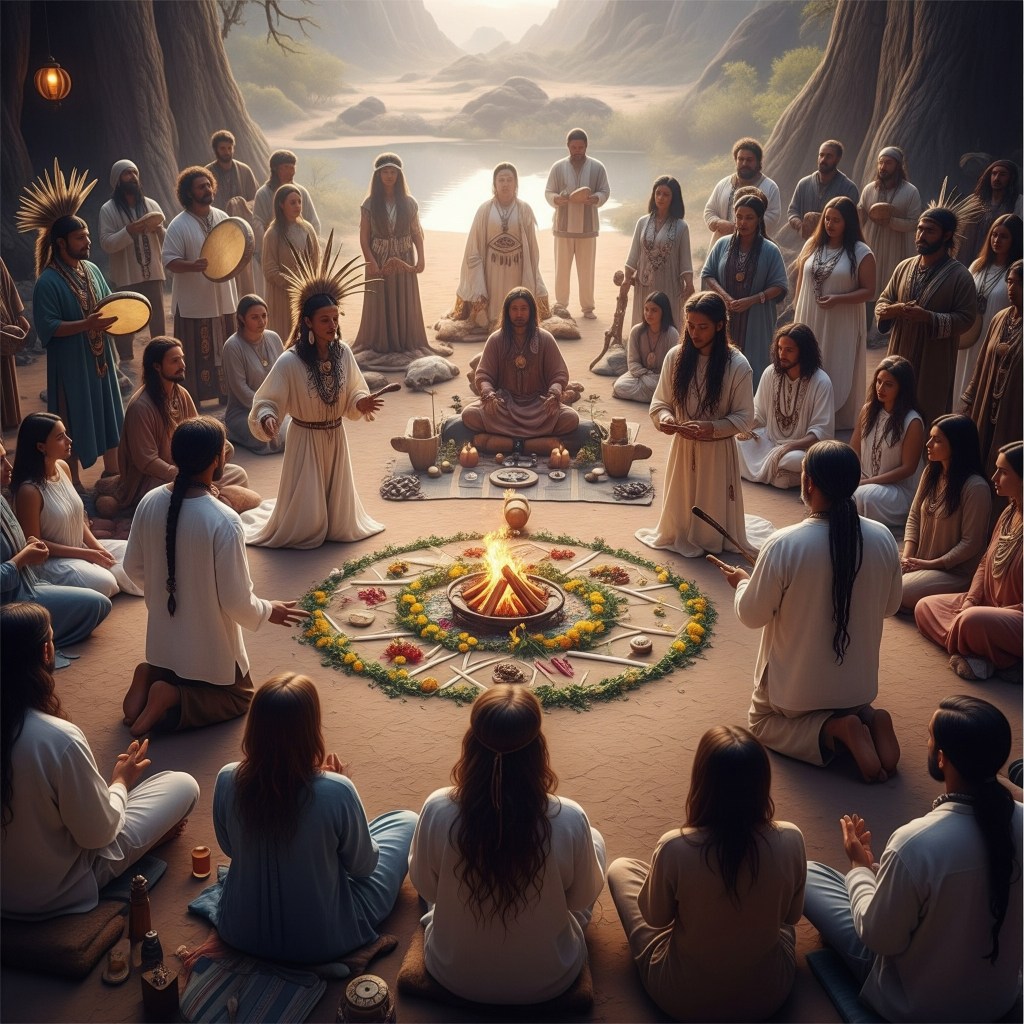
Beyond the physical and psychological realms, there is a significant and deeply ingrained spiritual dimension to healing within Capoeira Angola, powerfully evident in its ceremonial aspects and collective group healing practices. The rituals, traditions, and symbolic elements incorporated into the practice foster a deep sense of community and shared purpose, where participants share not only their struggles and vulnerabilities but also their triumphs and joys, reinforcing bonds that transcend mere physical interaction. This comprehensive approach underscores the art form’s profound therapeutic capabilities, allowing individuals to connect on a spiritual level, promoting emotional resilience, empathy, and unity as they engage in movements and rituals that echo their cultural heritage and ancestral wisdom. As practitioners immerse themselves in the rhythm and flow of Capoeira, they often find a profound source of strength, solace, and healing that revitalizes both the body and soul, illustrating the art’s unique and powerful ability to heal holisticallyBeyond the physical and psychological realms, Capoeira Angola embraces a significant and deeply ingrained spiritual dimension to healing. This is powerfully evident in its ceremonial aspects and collective group healing practices, which form the heart of its therapeutic power. The rituals, traditions, and symbolic elements woven into the practice are not mere adornments; they are fundamental components that foster a deep sense of community and shared purpose. Within this sacred space, participants are encouraged to share not only their struggles and vulnerabilities but also their triumphs and joys, reinforcing bonds that transcend mere physical interaction. This comprehensive approach underscores the art form’s profound therapeutic capabilities, allowing individuals to connect on a spiritual level.
Capoeira Angola, at its core, transcends mere physical exercise, emerging as a potent healing art deeply rooted in spiritual connection. This profound link cultivates emotional resilience, fosters empathy, and strengthens the bonds of unity among its practitioners. Through movements and rituals that meticulously echo their rich cultural heritage and ancestral wisdom, individuals are not merely participating in an activity; they are engaging in a living history.
The intricate and rhythmic interplay of music, movement, and song within Capoeira Angola gives rise to a trance-like state. This is not simply an altered consciousness, but a powerful conduit through which individuals can access deeper parts of themselves, delving into their personal narratives and their collective history. This immersion in the rhythm and flow of the roda—the sacred circle where Capoeira is played—often transforms into a profound wellspring of strength, solace, and holistic healing. It revitalizes not only the physical body, but also the often-neglected aspects of the soul and spirit.
The call and response dynamics, the communal singing that reverberates through the space, and the shared experience of the roda itself collectively contribute to an overwhelming sense of belonging and mutual support. This communal embrace is deeply restorative, addressing the intrinsic human need for connection and acceptance. Within this rich and vibrant tapestry of cultural expression and communal engagement, Capoeira Angola unequivocally illustrates its unique and powerful ability to heal holistically. It masterfully addresses the spiritual needs of individuals, offering a profound sense of purpose and connection, alongside their physical and psychological well-being, demonstrating a truly integrated approach to health and personal growth. The practice becomes a sanctuary, a place where individuals can confront their vulnerabilities, release emotional burdens, and find renewed vigor in the shared energy of the community.
Guidance and Wisdom: The Role of Mestres as Healers
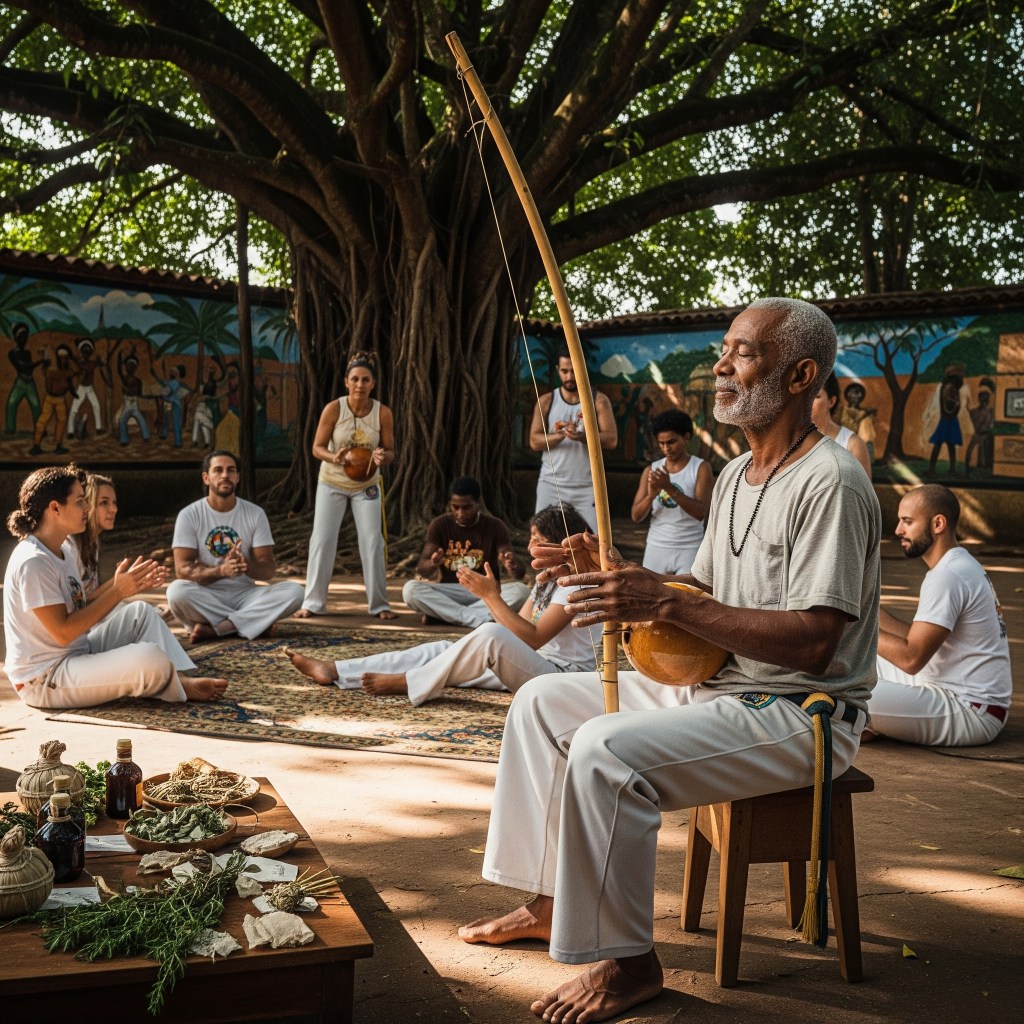
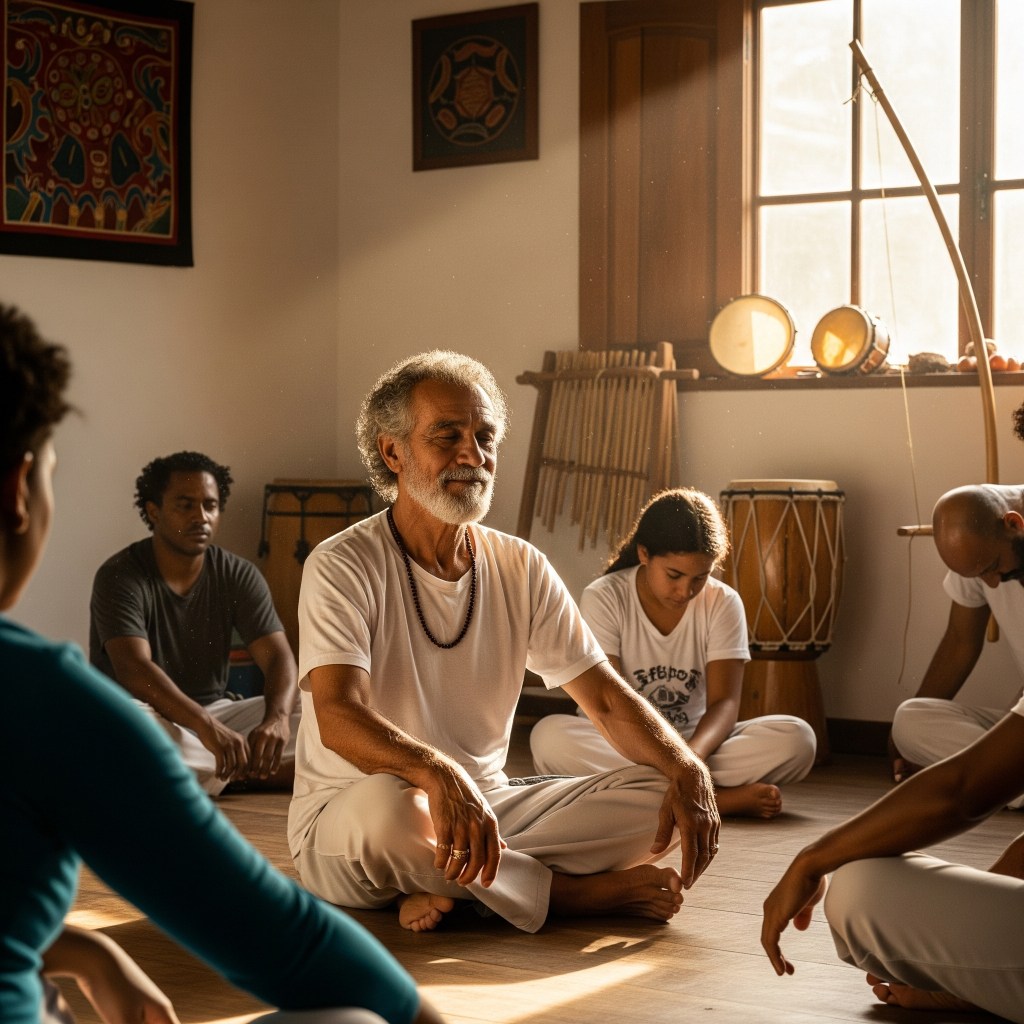
In the rich tradition of Capoeira Angola, the presence of esteemed figures such as the Mestre (Master), Contra Mestre (Counter Master), Professor, and Treinel (Instructor) holds a significance that profoundly mirrors the critical role played by therapists or spiritual guides in a Western healing paradigm. Within both contexts, expert guidance, profound wisdom, and a compassionate understanding are not merely beneficial but are pivotal to an individual’s journey toward healing and self-discovery.
When the intricate practices of Capoeira Angola are executed with utmost integrity and precision, these experienced and deeply respected guides become the conduits through which the ancient ‘technology’ of Capoeira is brought to life. This profound knowledge, meticulously passed down through generations, empowers them to access and thoughtfully address the multifaceted needs of their ‘subjects’ or students. The depth of their understanding allows for a holistic approach, recognizing that true well-being encompasses more than just the physical.
Capoeira Angola, guided by the profound wisdom and dedicated teachings of its revered masters, initiates a deeply transformative process that extends far beyond mere physical exertion. These influential figures serve not only as instructors but as unwavering mentors, their presence and the very act of engaging in the art form itself fostering a holistic development.
Capoeira Angola, at its core, is a demanding and transformative physical discipline. Participants dedicate themselves to a rigorous and ongoing process of physical mastery and refinement. This journey involves countless hours of dedicated practice, during which they meticulously hone their bodies, cultivating an impressive array of physical attributes. Strength, flexibility, agility, and endurance are not merely developed but pushed to their absolute limits.
Every movement within Capoeira Angola, from the foundational, fluid ginga (the continuous, swaying motion that underpins the art) to the explosive, powerful kicks and the intricate, deceptive evasions, is refined to a level of profound artistry. This demands an extraordinary degree of precision and control from the practitioner. The development of these physical capabilities, however, is not an end in itself. Instead, this intensive physical conditioning serves as a crucial foundation, preparing the body and mind for the deeper, more holistic aspects of the art, which encompass elements of self-expression, cultural heritage, and strategic thinking.
Cultivation of Emotional Resilience:
Beyond the purely physical benefits, Capoeira Angola functions as a profound crucible for forging emotional resilience. The very nature of the practice, with its demanding movements, intricate strategic interactions with partners, and the relentless encouragement to overcome perceived limitations, cultivates an environment where individuals are compelled to confront their fears and weaknesses. This journey of self-discovery and challenge, repeatedly navigated within the safe confines of the roda, builds an inner fortitude.
This burgeoning resilience is not merely an individual endeavor but is significantly solidified and amplified through the powerful sense of camaraderie and mutual support that intrinsically defines the Capoeira Angola community. The shared experience of effort, vulnerability, and triumph creates deep bonds, fostering a collective strength. Within this nurturing and supportive framework, practitioners gain the mental and emotional fortitude necessary to navigate adversity, both within the dynamic and sometimes challenging environment of the roda and, crucially, in the broader context of their daily lives. Through this continuous process of confronting challenges, receiving support, and achieving personal growth, individuals emerge stronger, more self-assured, and equipped with a heightened capacity to adapt and thrive in the face of life’s inevitable obstacles. The emotional discipline and self-awareness cultivated in Capoeira Angola translate directly into a more centered and resilient approach to all aspects of existence.
Heightened Self-Awareness and Personal Healing:
Capoeira Angola serves as a profound and multifaceted discipline that guides individuals toward a deeply enriched sense of self-awareness. This journey is meticulously cultivated through a process of rigorous introspection and the deliberate cultivation of a deep, resonant connection between the mind and body. As practitioners engage with the art form, they progressively gain an unparalleled clarity regarding their inner workings—unveiling their inherent strengths, acknowledging their areas for necessary growth, and understanding the intricate interplay of their thoughts and emotions.
This profound introspective journey facilitates a deeply personal and, for many, a truly transformative healing experience. This healing is not confined to the superficial but rather transcends the purely physical realm. It comprehensively addresses not only bodily ailments and the tensions they create but also delves into the complex landscape of emotional wounds that often lie unacknowledged, and the subtle spiritual imbalances that can disrupt one’s inner harmony. Capoeira Angola touches the very core of an individual’s being, fostering a holistic sense of wholeness that permeates every aspect of their existence. This wholeness is accompanied by a renewed sense of purpose, guiding practitioners toward a more meaningful engagement with their lives, and an enduring inner peace that resonates through all their actions and interactions.
Capoeira Angola, therefore, transcends the conventional definitions of a mere martial art or a simple dance form. It stands as a powerful, dynamic, and multifaceted vehicle for profound self-discovery, continuous personal growth, and comprehensive holistic well-being. This isn’t just a physical practice; it’s a living tradition, rich with history and cultural significance, offering a deeply transformative pathway.
Capoeira Angola, far more than a mere martial art or dance, stands as a profound system for self-discovery and holistic well-being. Its intricate tapestry of movements, rhythms, and philosophical underpinnings serves as a powerful guide, leading practitioners on a transformative journey toward understanding themselves on a deeper, more authentic level. This practice provides a truly unique and invaluable space for individuals to confront a myriad of challenges, spanning both the physical and mental realms. Through this confrontation, Capoeira Angola actively fosters the development of profound resilience and acute self-awareness, enabling individuals to navigate life’s complexities with greater strength and clarity.
Furthermore, Capoeira Angola emerges as a remarkably potent tool for the healing of past wounds, whether these are emotional scars, psychological burdens, or even spiritual disconnections. The inherent communal aspect of the practice, particularly the shared energy that pulsates within the roda – the circle where Capoeira Angola is played – creates an almost sacred environment. This collective energy, combined with the expressive freedom that is foundational to the practice, contributes significantly to a profound healing process. Within this supportive and accepting environment, individuals feel empowered to release inhibitions, explore vulnerabilities, and ultimately, find solace and integration. The rhythmic interplay, the call-and-response songs, and the fluid movements all combine to create a cathartic experience that can gently yet powerfully address deeply rooted pain.
Looking ahead, Capoeira Angola acts as a dynamic force, empowering individuals to cultivate a future firmly rooted in balance, strength, and an enduring sense of inner harmony. The rigorous discipline instilled through consistent practice is a cornerstone of this empowerment, teaching individuals patience, perseverance, and dedication. The strategic thinking required during the “play” within the roda, where practitioners engage in a dynamic dialogue of movement, sharpens cognitive abilities and encourages quick, intuitive decision-making. Moreover, the profound emphasis on respect – for oneself, for fellow practitioners, and for the rich history and traditions of Capoeira Angola – cultivates a deep sense of interconnectedness and empathy. This respect, coupled with the strong communal bonds, all contribute to the gradual building of a more grounded, self-assured, and socially conscious individual. Capoeira Angola is not a destination but rather a continuous journey of evolution, where each carefully executed movement, each heartfelt song sung, and each authentic interaction within the Capoeira Angola framework contributes incrementally to the forging of a more complete, integrated, and harmonious self. It is a path of ongoing self-refinement, leading to a life lived with greater purpose and inner peace.
A Lifetime of Dedication: The Profound “Technology” of Capoeira Angola
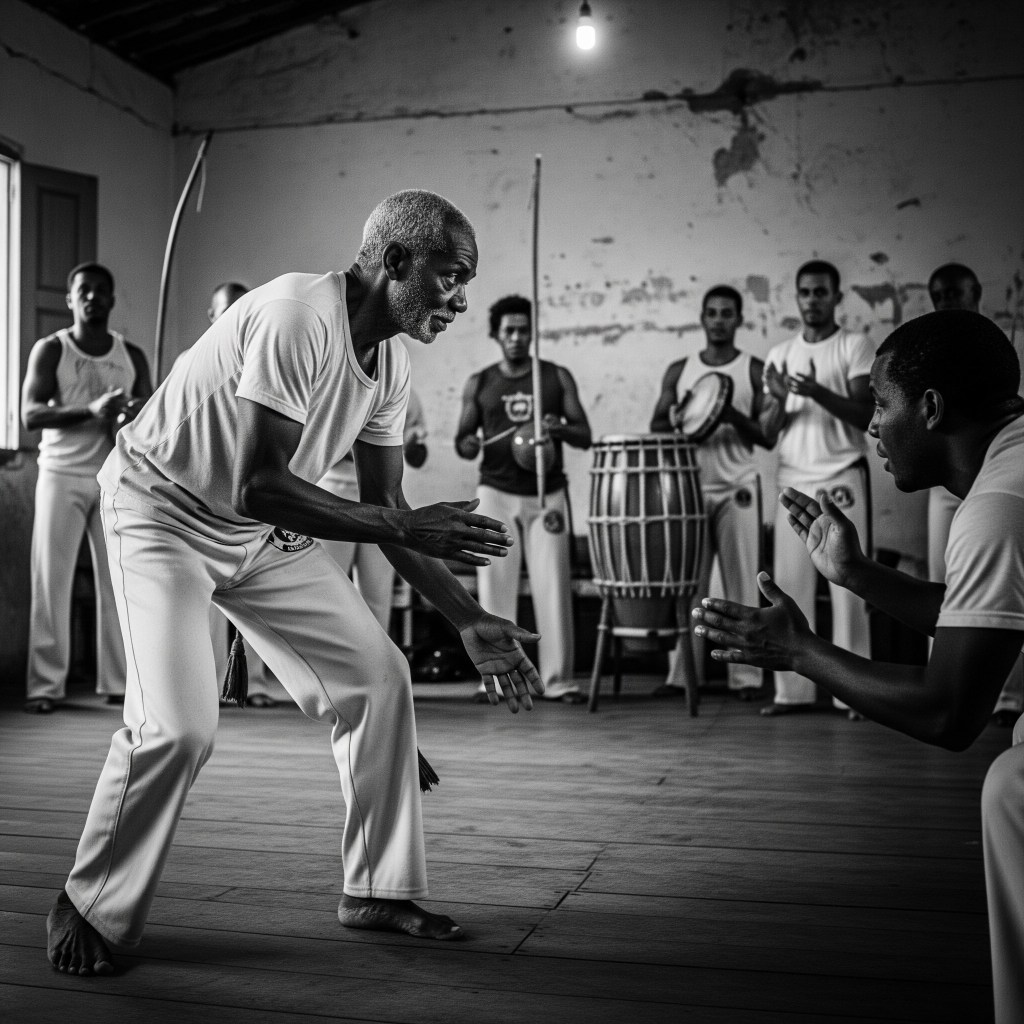
Politics aside, this is precisely why this profound “technology” of Capoeira Angola requires approximately 20 years of dedicated and rigorous study under a graduated master. Such an extensive commitment ensures that the intricate teachings are not only learned intellectually but also deeply understood, authentically embodied, and ethically applied. As a truly profound healing art, Capoeira Angola is undeniably more profound and transformative than many realize, as it intricately melds movement, rhythm, music, and a strong sense of community, offering a comprehensive pathway to holistic well-being and personal liberation. Through this intricate dance, participants navigate their inner landscapes, confronting challenges with courage and celebrating triumphs with joy, ultimately leading to a richer understanding of self and a deeper connection with others in their continuous journey toward holistic health and spiritual fulfillment.

