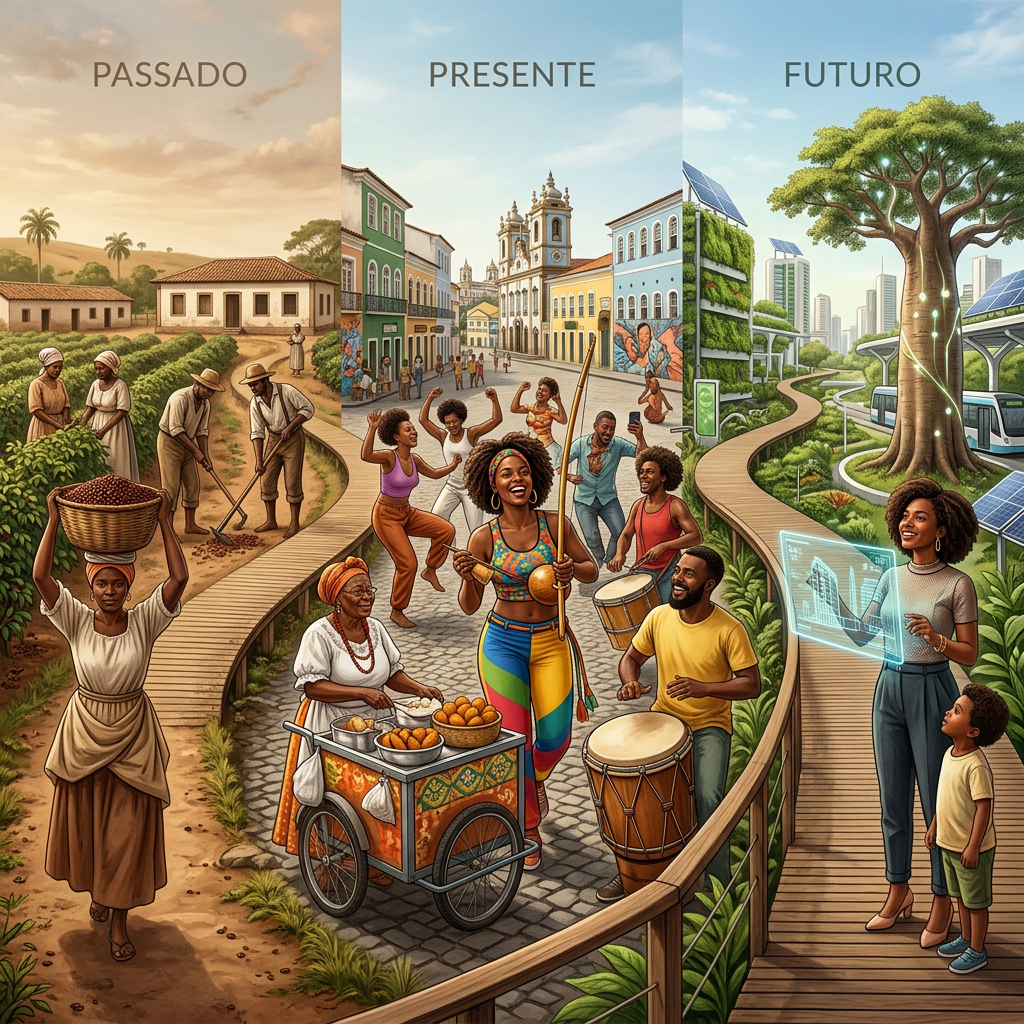
Afro-Brazilians are individuals of predominantly or total sub-Saharan African ancestry living in Brazil, representing a significant portion of the population. Their history is inextricably linked to the transatlantic slave trade, which forcibly transported millions of Africans primarily from the Yoruba, Bantu-speaking, and Fon regions to Brazil over nearly three centuries. Despite the brutal conditions of slavery, these individuals maintained and adapted their cultural heritage, creating a unique syncretism that fundamentally sculpted Brazil’s national identity.
Historical Roots and Resistance
The foundations of Afro-Brazilian culture emerged as mechanisms for survival and resistance. Enslaved Africans ingeniously wove their ancestral heritage into new forms practiced under oppression. Central to this was the concept of the quilombo—communities of escaped enslaved people like Palmares, led by Zumbi, which served as beacons of democracy and cultural autonomy. This legacy of resilience is honored annually on November 20th, Black Consciousness Day.
Cultural Pillars: Spirituality, Music, and Martial Arts
The Afro-Brazilian experience is defined by interconnected pillars that form a single cultural matrix:
- Spirituality: Religions like Candomblé and Umbanda preserved African cosmology by associating African deities (Orixás) with Catholic saints. Central to this worldview is Axé, a sacred life force or spiritual energy channeled through ritual and community.
- Capoeira: An Afro-Brazilian martial art disguised as a dance, developed as a tool for liberation. It integrates movement, music led by the berimbau, and strategy (malícia) within a communal circle known as the roda.
- Music: From the syncopated rhythms of Samba and Maracatu to the 1970s Black Rio movement pioneered by Banda Black Rio, music has remained a powerful expression of identity and global cultural fusion.
- Cuisine: Iconic dishes like feijoada, acarajé, and moqueca showcase African culinary techniques and ingredients like dendê oil and okra.
Contemporary Realities and Future Perspectives
Today, Brazil operates on a nuanced racial spectrum, often complicated by the mythology of “racial democracy,” which suggests that racial harmony prevails and that class, not color, is the primary societal divider. This cultural narrative often obscures deep, systemic inequalities and a pervasive racism that continues to shape the lives of Afro-Brazilians. While Afro-Brazilian culture is celebrated as a defining aspect of national identity, these individuals—who constitute over half the population—face disproportionate social exclusion, limited access to higher education, and represent a staggering majority of victims of police brutality. Practitioner of Afro-Brazilian religions face disproportionate persecution, termed “religious racism,” a form of systematic targeting driven by deep-seated racial prejudice against traditions with African origins. This phenomenon is particularly visible in the Federal District, where Candomblé followers make up only 0.2% of the population but represent 59% of registered victims of religious intolerance. Despite these challenges, contemporary thinkers and custodians continue to promote decolonial knowledge and ancestral pride.
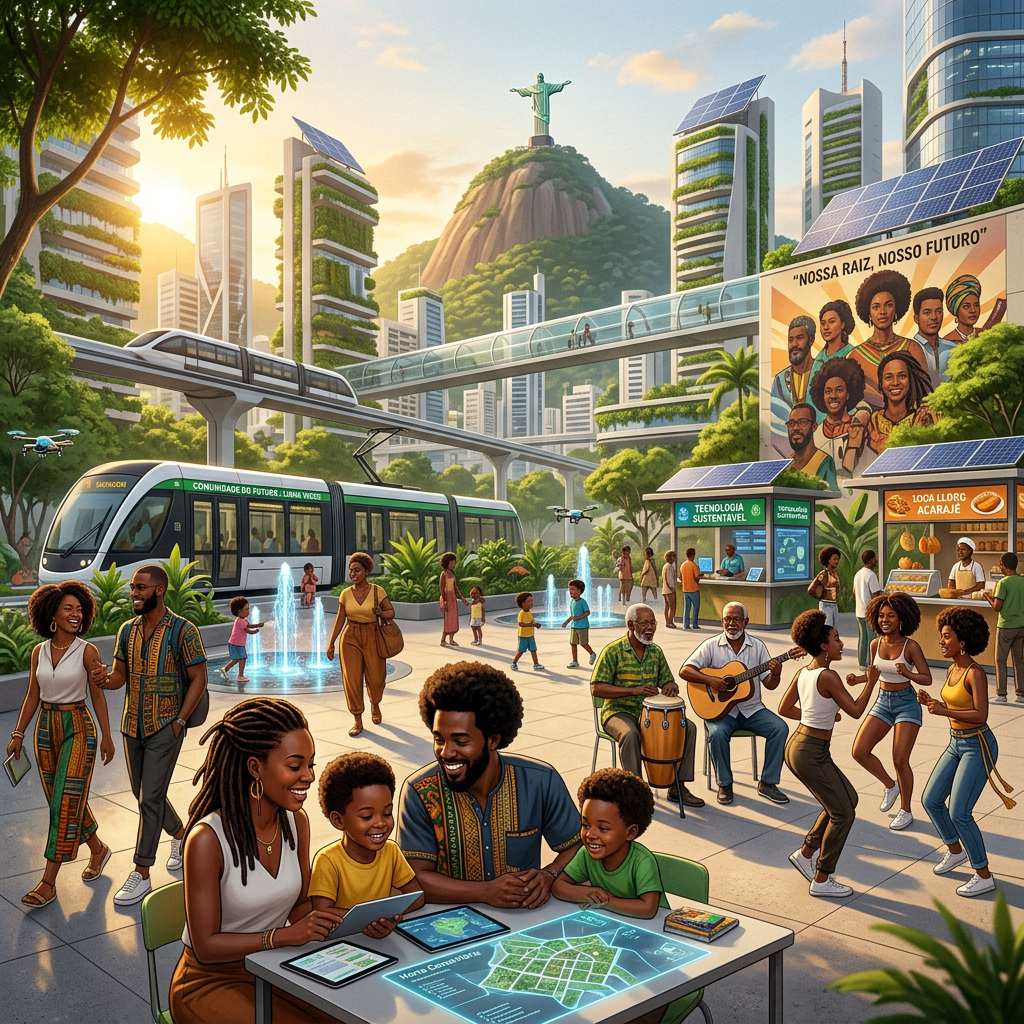
The future of the Afro-Brazilian people is one of continued advocacy for rights, where their rich heritage and identity are recognized and celebrated. This involves not only the celebration of contributions through vibrant festivals like Nego Fugido, which showcase the dynamic artistry and history of the community, but also the ongoing efforts to educate broader society about the significance of these cultural expressions. Moreover, the global dissemination of their resilient cultural genius is essential, as it fosters a deeper understanding and appreciation that transcends borders and resonates with diverse audiences. This cultural exchange is anchored in a lifelong pursuit of personal and communal sovereignty, where Afro-Brazilian individuals and communities strive to reclaim their narratives, rights, and spaces within the societal framework, ensuring that their voices are heard and their stories are told for generations to come.