Welcome to MALICIA AS A GAME OF POWER, a blog series that explores the strategies of human interactions, focusing on themes like communication, conflict resolution, and negotiation. It aims to unveil the nuances of successful interactions, discussing leadership, personal branding, and online reputation management while offering practical strategies for enhancing influence and building authentic relationships. Through analysis and real-world examples, the series empowers readers to navigate interpersonal relationships confidently, fostering a deeper understanding of the power dynamics in daily encounters. Join us as we examine the art of interaction and its impact on our lives.
Today, We’re gonna explore Law 11 from the book, “The Laws of Human Nature” by Robert Greene. You can purchase a copy from AMAZON.COM by clicking HERE.
THE LAWS OF HUMAN NATURE BY ROBERT GREENE- Law #11 – The law of grandiosity
The Law of Grandiosity focuses on the human tendency to overstate our own importance and abilities, often leading to a loss of contact with reality. According to Robert Greene, this law is about “knowing your limits” and understanding the dangers of an inflated ego that can cloud judgment and lead to self-sabotage. When individuals fail to recognize their limitations, they may find themselves taking on challenges far beyond their capacity, resulting in significant failures and setbacks.
This distortion of self-perception not only affects personal relationships but can also impact professional pursuits, as overconfidence can lead to miscalculations and poor decision-making. To counteract this inclination, Greene emphasizes the importance of self-awareness and soliciting feedback from others, encouraging individuals to remain grounded in their pursuits and to continually reassess their capabilities and aspirations. Ultimately, cultivating humility and a realistic self-image is integral to achieving true success and maintaining rewarding connections with others.
The law of grandiosity, through the eyes of an angoleiro
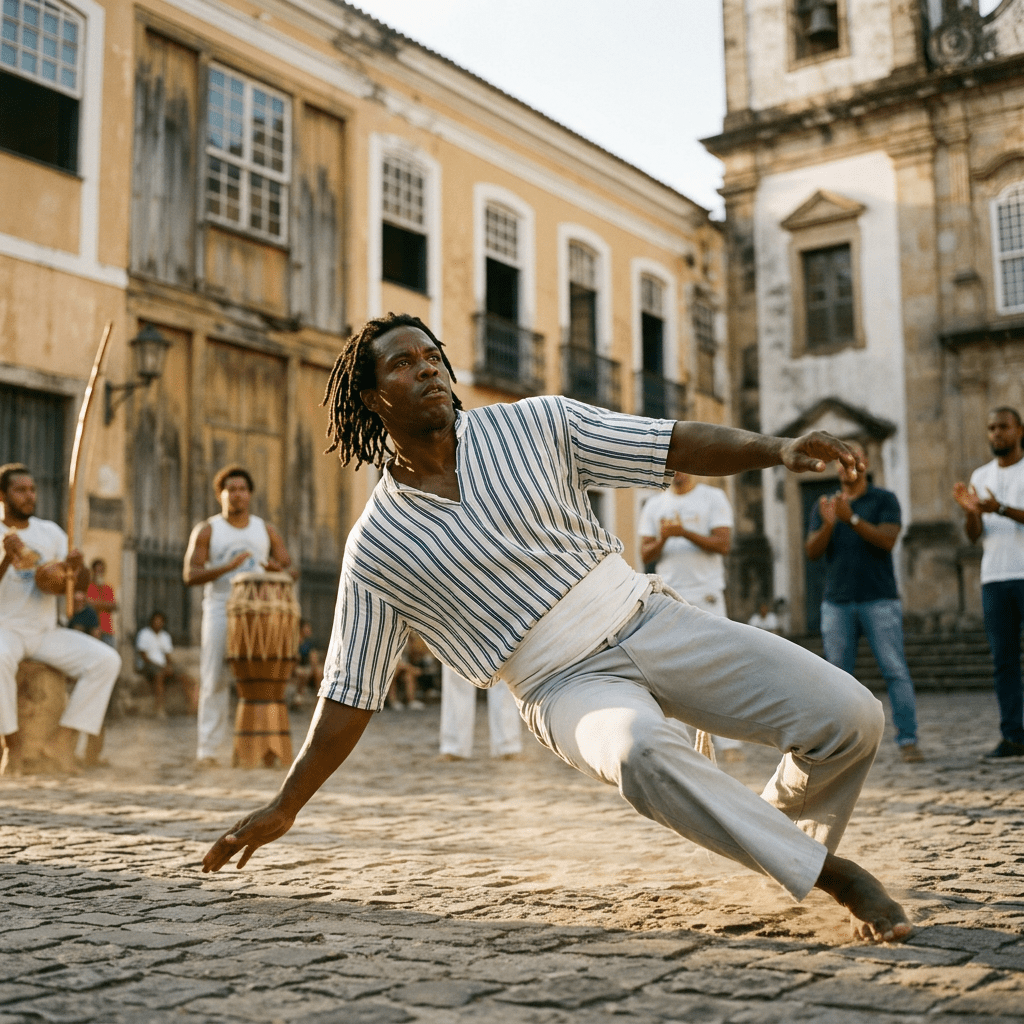
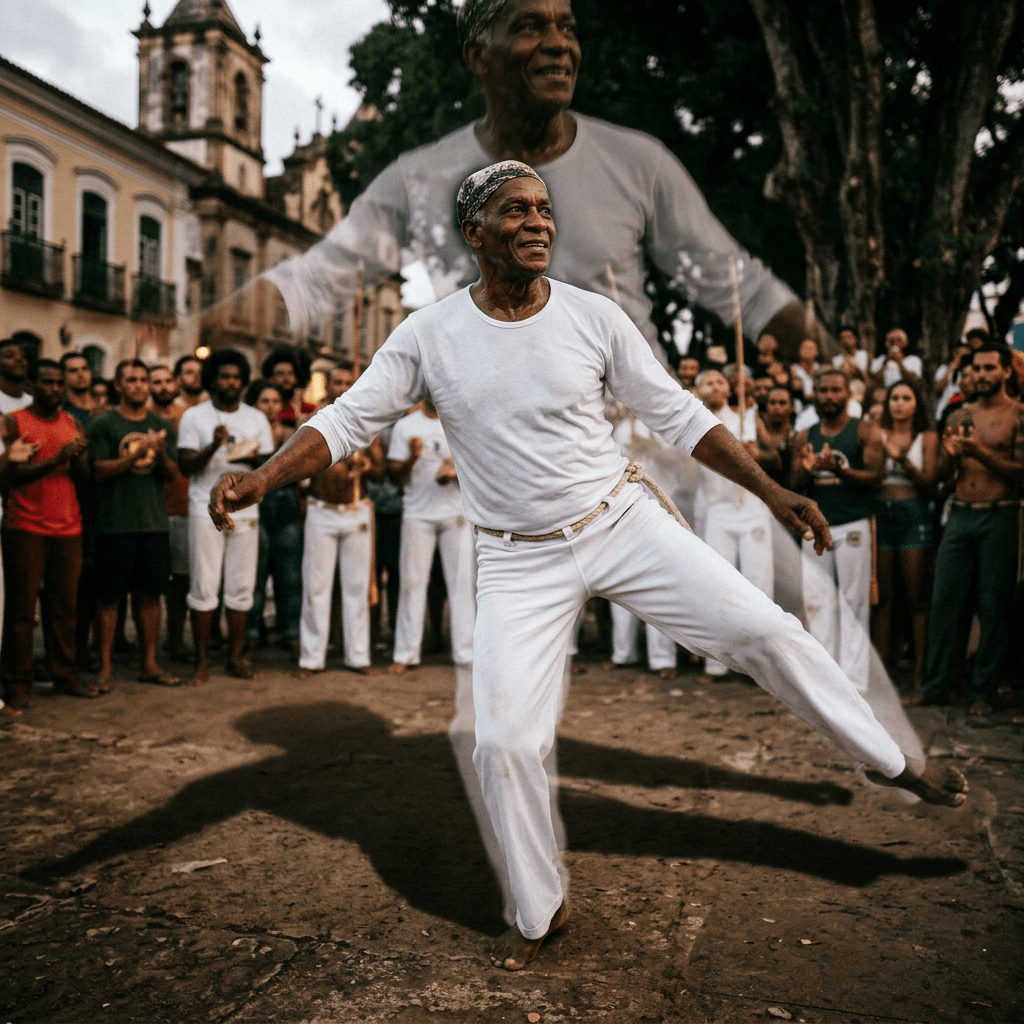
In the context of an “angoleiro,” grandiosity is particularly dangerous because interpersonal interactions require a grounded understanding of power dynamics. For a practitioner of Capoeira Angola, the roda serves as a microcosm of society where power dynamics, deception, and ultimate dominance are negotiated in real-time through the language of movement. Successful interaction strategies—such as communication, conflict resolution, and negotiation—rely on authentic relationships and a realistic assessment of one’s influence.
When grandiosity takes over, an individual may ignore practical strategies for personal branding and reputation management, instead falling victim to the illusion of their own superior status. In the roda, this is akin to the “flamboyant aú of grandiosity,” where an individual performs flashy moves to steal the spotlight, believing they are superior or “special”. This inflated sense of self-importance can lead to a “rigid stance”—a refusal to bend or yield space to others.
To counter this, the San culture employs a social technology called “insulting the meat” to prevent unchecked ego from destroying the community. By downplaying achievements and cooling the heart, they ensure no individual rises above the group, maintaining a fiercely egalitarian society. Robert Greene suggest that by recognizing the signs of grandiosity and “knowing your limits,” individuals can navigate social encounters with greater confidence and a more profound understanding of actual power dynamics.