
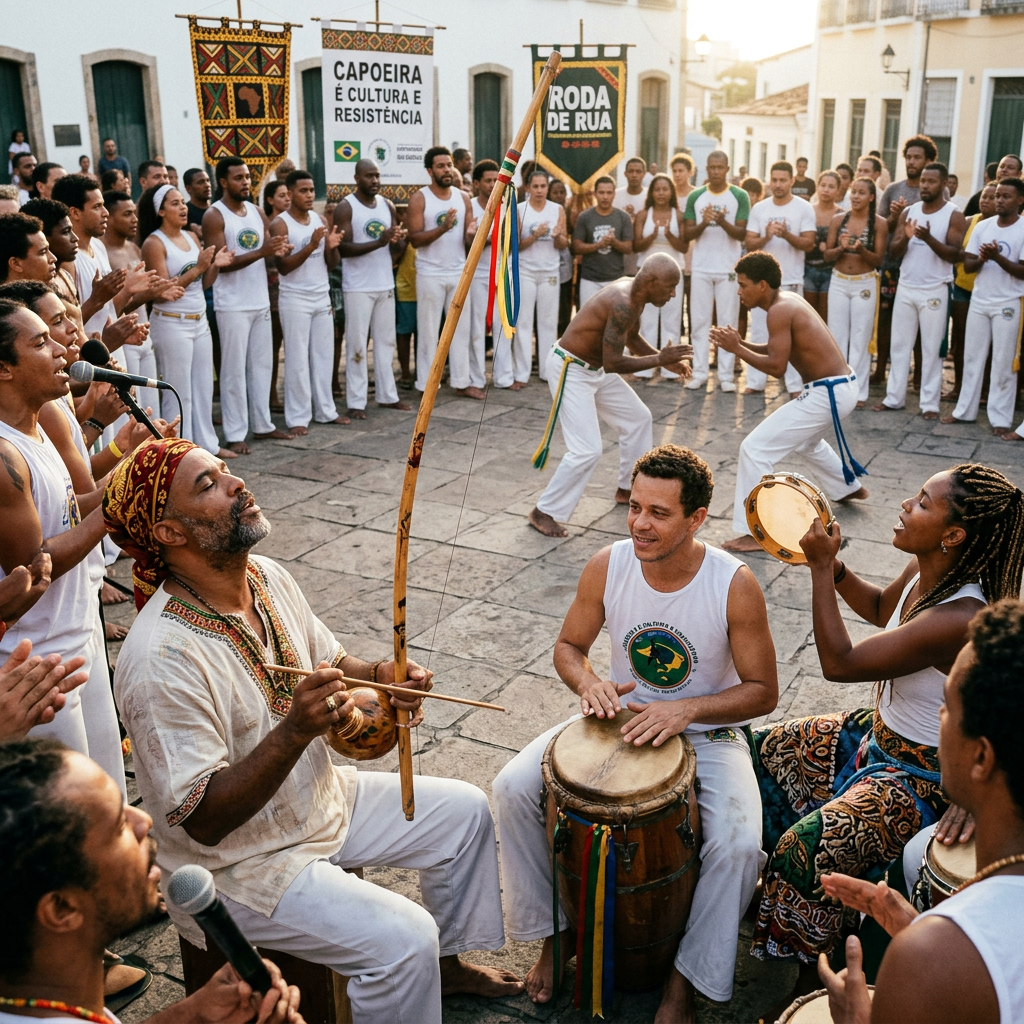
Capoeira songs serve as a living archive of Afro-Brazilian heritage, reflecting a complex cultural synthesis forged in the crucible of colonial Brazil. While the core of these songs is rooted in West African cultural traditions—including polyrhythms, syncopation, and the pentatonic scale—they also bear the indelible imprint of European and Native Brazilian influences. This melding of musical styles creates a rich tapestry that not only tells the story of resilience and creativity in the face of oppression but also celebrates the communal spirit integral to Capoeira itself. The lyrics frequently convey themes of struggle, identity, and unity, inviting participants to engage both physically and spiritually through movement and song. Moreover, the performance of these songs in a rodas—circular gatherings where Capoeira is played—further enhances their significance, transforming each session into a vibrant expression of cultural identity and heritage that continues to resonate across generations.
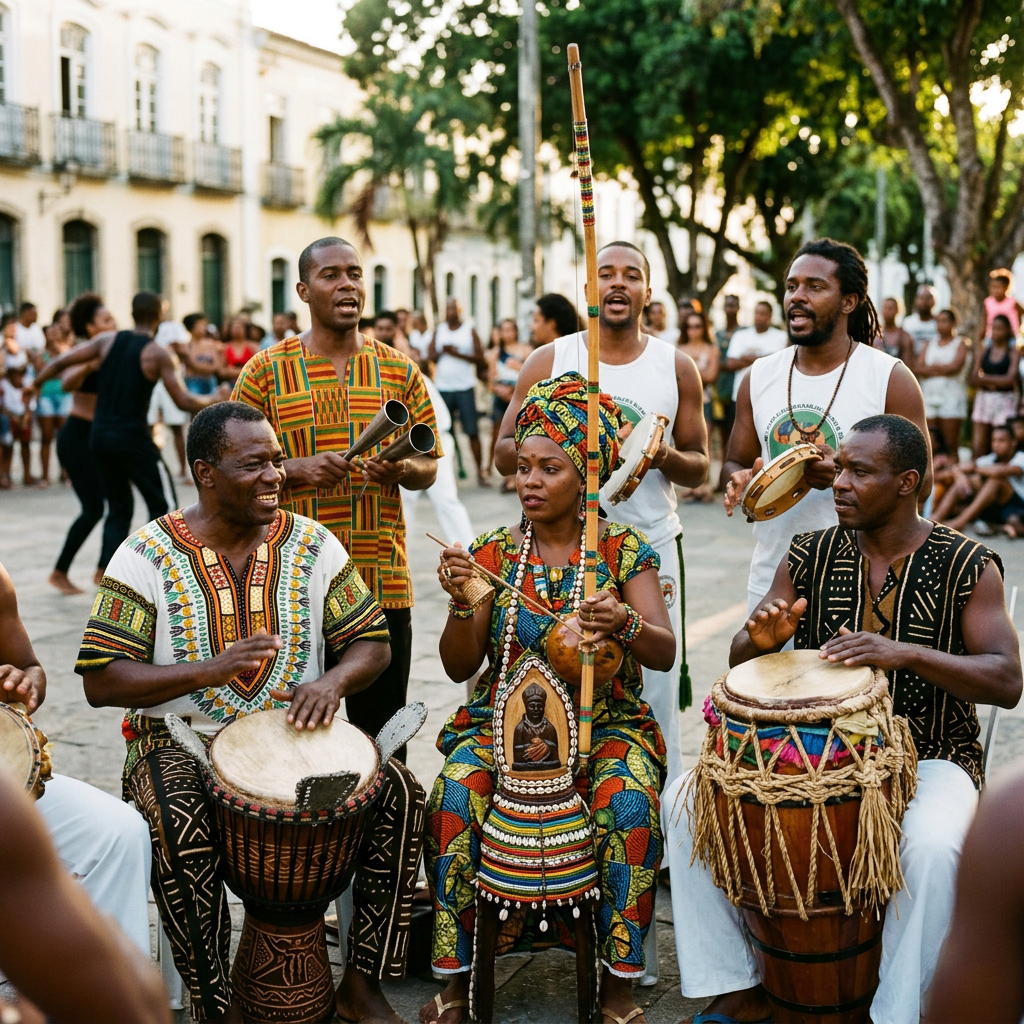
The African Influence in Capoeira Songs
The music of Capoeira serves as a vital archive of Afro-Brazilian heritage, acting as the heart and guiding spirit of the art form. These songs are deeply rooted in West African cultural traditions, particularly from Bantu-speaking regions of Central and West Africa. This influence is manifested through several key musical and structural elements:
Musical Foundations: Capoeira music incorporates African-derived polyrhythms, syncopation, and the pentatonic scale. The instrumentation, including the atabaque and agogô, directly links the practice to its ancestral roots.
Call-and-Response Structure: A hallmark of traditional African singing, the call-and-response format (as seen in corridos and louvaçãos) facilitates a communal vocal dynamic. This interactive mechanism fosters unity and collective identity within the roda.
Oral Tradition and Wisdom: Songs function as a living library, transmitting oral history, ethical principles, and generational wisdom. They recount stories of slavery, resistance, and the spiritual fortitude of ancestors.
Linguistic and Spiritual Legacy: While primarily sung in Portuguese, many lyrics incorporate archaic African-derived terms and invoke Orixás or ancestral spirits. This spiritual dimension transforms the roda from a secular space into a sacred arena.
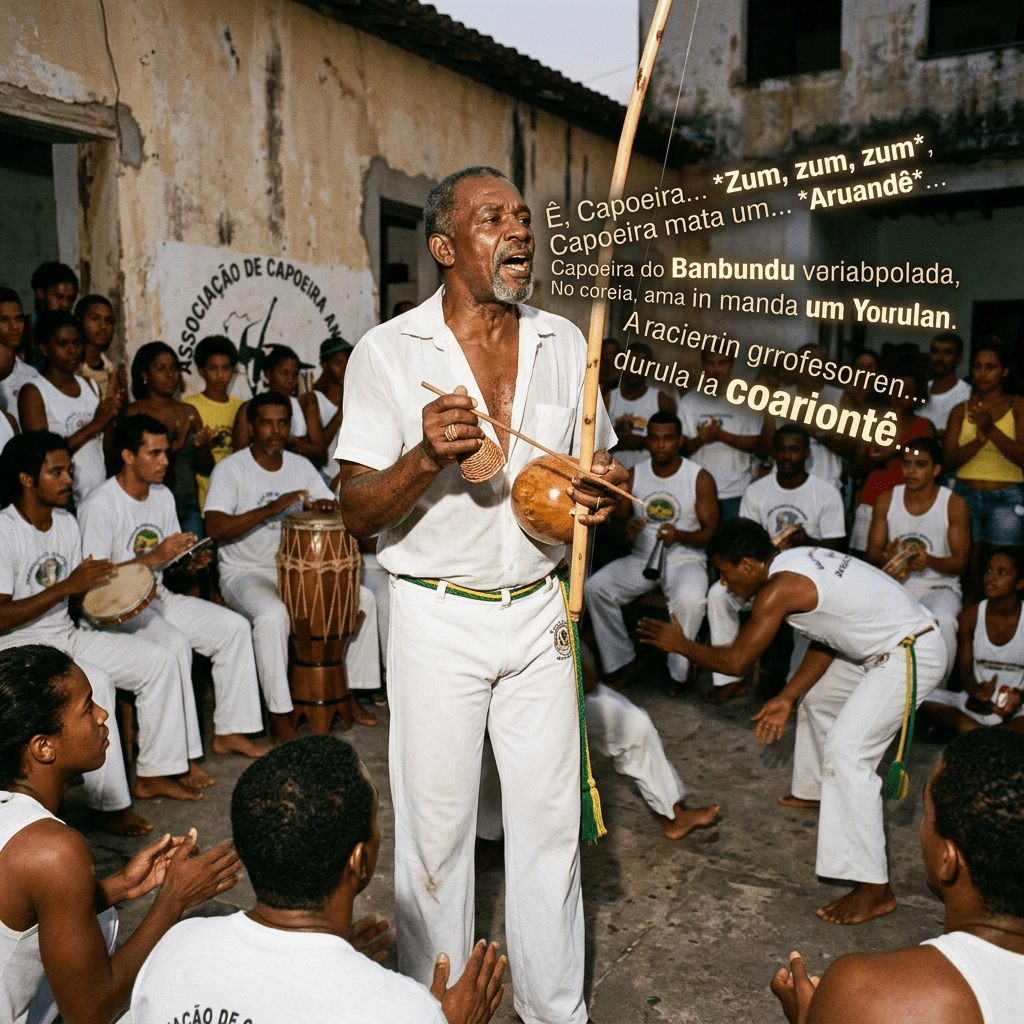
Exploring African Terms in Capoeira Lyrics
Capoeira songs serve as a primary medium for preserving the history and philosophy of the art form. The lyrics frequently incorporate terms from various African languages, reflecting the heritage of the enslaved populations in Brazil. These songs are not merely artistic expressions; they are narratives that convey the struggles, hopes, and cultural identity of the communities from which capoeira originated.
Each verse tells a story, often invoking images of resistance and resilience, while simultaneously celebrating joyful moments of community and unity. As practitioners sing these songs during their practice, they connect with generations of ancestors, fostering a sense of belonging and continuity. Moreover, the rhythmic cadences and call-and-response structures of the music enhance the experience, allowing participants to engage physically and spiritually with the art form’s rich legacy.
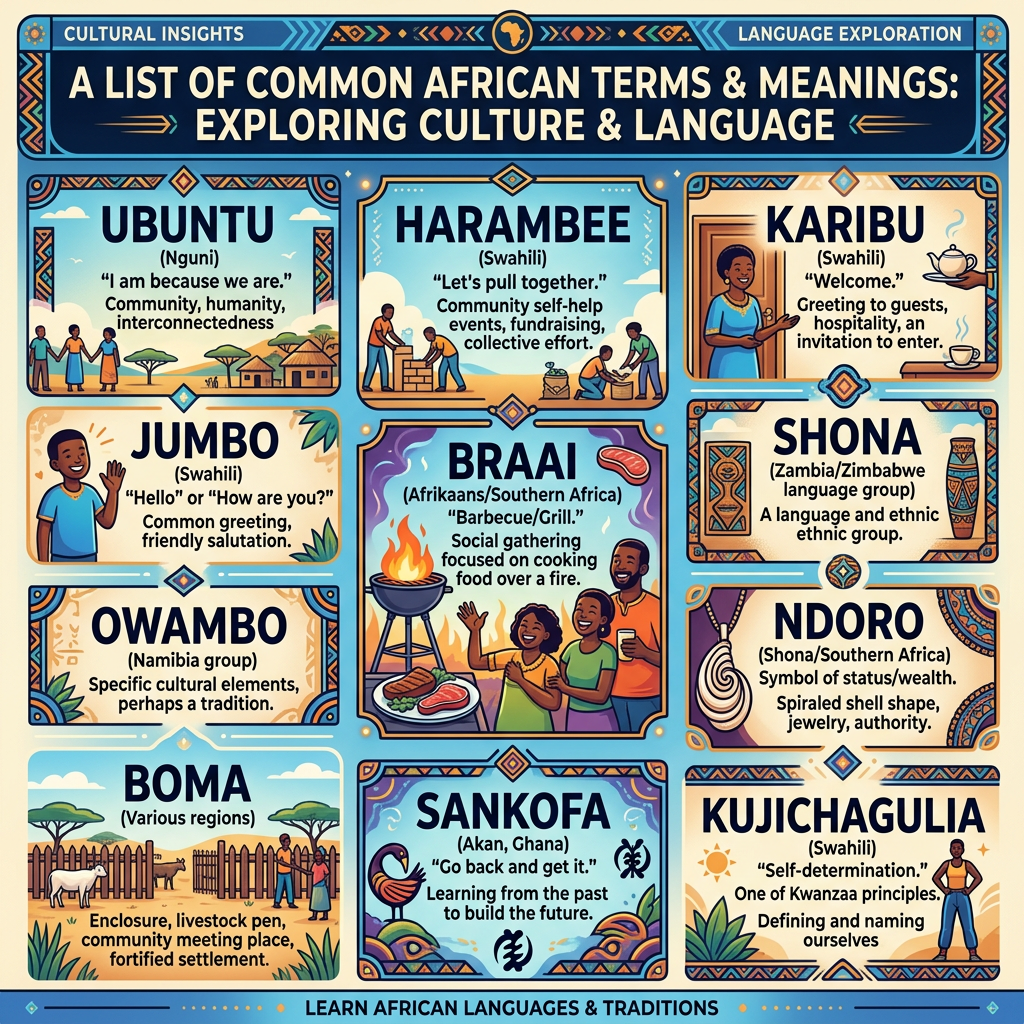
Common African Terms and Meanings
- Axé (Yoruba): This term refers to a sacred life force or energy. In the context of Capoeira, it is often used to describe the positive energy and spirit within the roda.
- Aruanda (Kimbundu/Kongo): A mythical land or paradise. In lyrics, it often represents a spiritual home or a place of freedom and ancestral peace.
- Berimbau (Quimbundo influence): While describing the primary musical instrument, the name itself has roots in African linguistic traditions, specifically from the Bantu language group.
- Camará (Kongo/Kimbundu): Meaning comrade or companion. It is a fundamental term used in call-and-response patterns to address the other participants.
- Moleque (Kimbundu/Quimbundo): Derived from “mu’leke,” meaning a young boy. In Capoeira lyrics, it often refers to a street youth or a clever, agile practitioner, sometimes carrying the connotation of a “trickster” or “rascal” who possesses great skill in the game.
- Gunga (Kimbundu influence): Refers to the berimbau with the largest cabaça (gourd) and the deepest tone. It is the lead instrument in the bateria, dictating the pace and style of the roda.
Cultural Significance
The inclusion of these African words in Capoeira song lyrics is not merely stylistic; it is an act of resistance and cultural preservation that carries deep significance. By consciously maintaining this vocabulary, practitioners honor the origins of the art, ensuring that the stories and traditions tied to their ancestors are not forgotten. This linguistic connection serves as a reminder of the rich history of Capoeira, rooted in the struggles of enslaved Africans who used music and movement as a means of expressing their identity.
Furthermore, it fosters a sense of community among practitioners, creating a shared cultural heritage that transcends generations. By keeping these words alive in song, they not only celebrate their roots but also inspire future generations to continue this tradition, reinforcing the importance of cultural awareness and resilience in a modern context. This vibrant practice serves as a bridge between the past and present, inviting members of the community to participate in storytelling that honors their ancestors while also adapting to contemporary influences. Through festivals, gatherings, and social events centered around these songs, a dynamic exchange of ideas and experiences occurs, enriching the community’s identity and strengthening bonds among its members. As they gather to share their stories and melodies, they cultivate a collective memory that nurtures their sense of belonging, ensuring that the cultural fabric remains vibrant and alive for years to come.
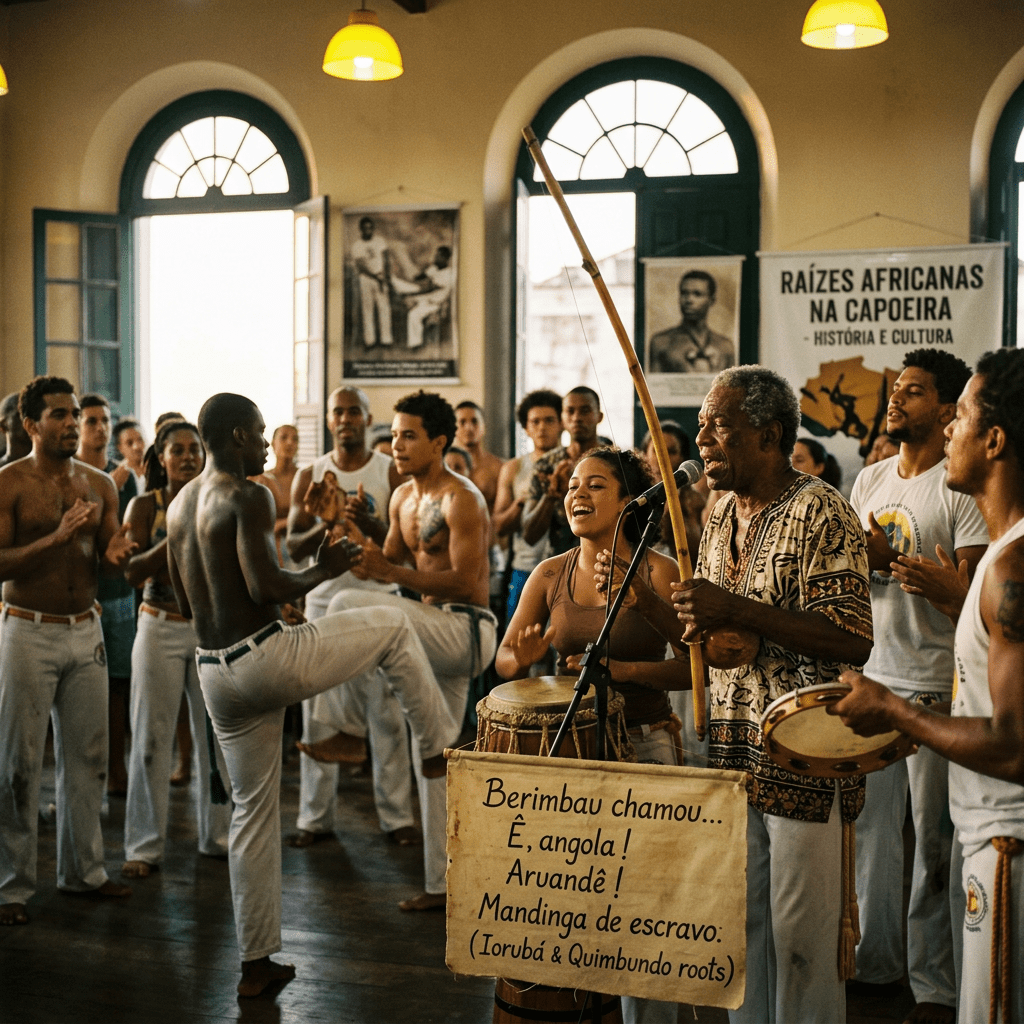
Ultimately, the African influence ensures that Capoeira songs remain a powerful tool for cultural preservation and a continuous dialogue between the past and present. As these songs echo the rhythms and traditions of African heritage, they not only serve to entertain but also educate newer generations about their roots. Through the vibrant melodies and poignant lyrics, practitioners and enthusiasts alike engage in a profound exchange of history, identity, and community values. This dynamic interplay fosters a sense of belonging and encourages participants to reflect on their ancestry, creating a rich tapestry of cultural expression that continues to evolve while honoring its origins. By weaving together aspects of storytelling, resistance, and celebration, Capoeira songs play an integral role in keeping alive the stories of those who came before, paving the way for future generations to embrace their cultural legacy with pride.
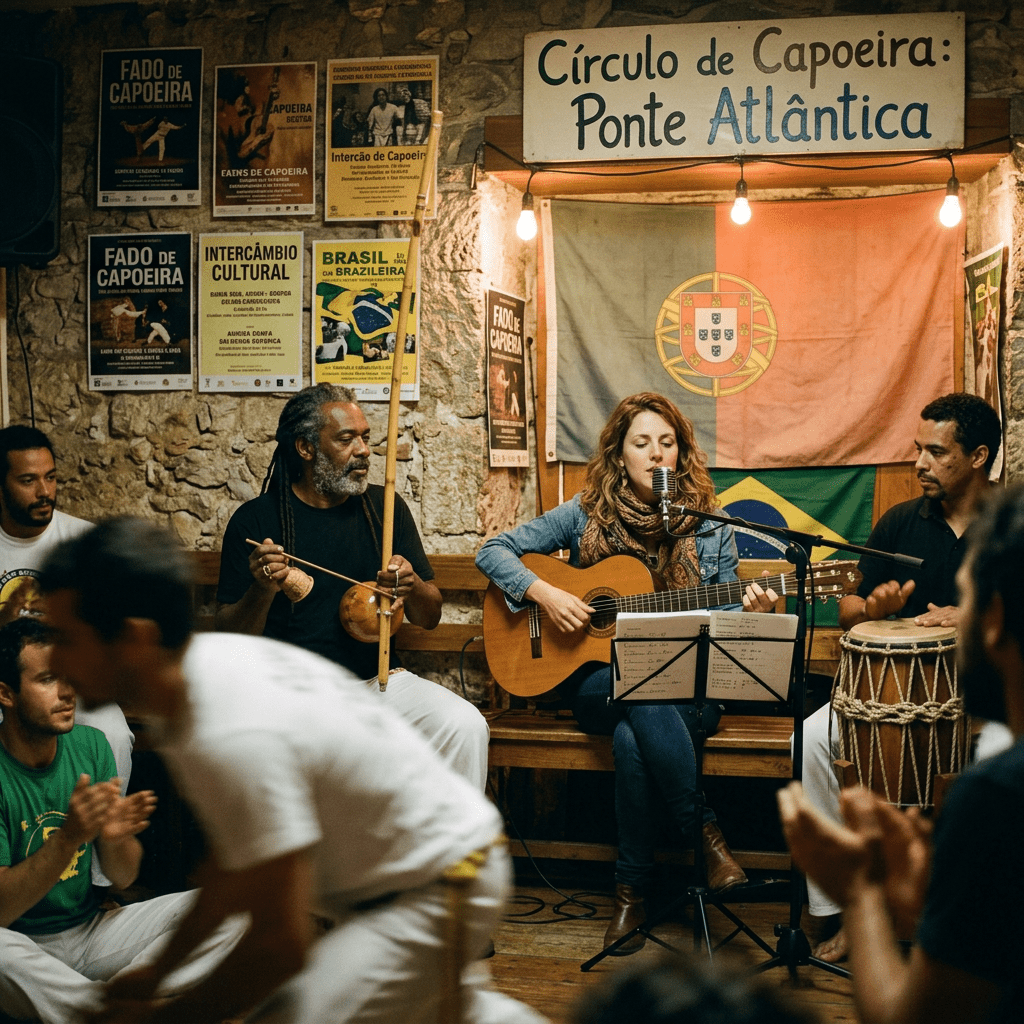
European Influences
The most prominent European influence is the Portuguese language itself, which is the primary medium for virtually all traditional Capoeira lyrics, serving as a vital connection to the cultural heritage and historical narratives of the Brazilian society. Beyond language, European traditions contributed to the development of specific song formats, such as the Ladaínha (litany), which reflects early colonial religious and musical structures, allowing for a unique fusion of spiritual and rhythmic expressions that resonate within the Capoeira community. Furthermore, centuries of intermixing between African and European populations in Brazil not only contributed to a diverse cultural heritage that informs the melodic and thematic elements of the music, but also created an intricate tapestry of social interactions that influenced the evolution of Capoeira as both an art form and a means of resistance. This rich blend of influences is evident in the rhythms, movements, and communal gatherings that characterize Capoeira, making it an emblematic representation of Brazil’s vibrant cultural landscape, where the past and present continually intertwine.
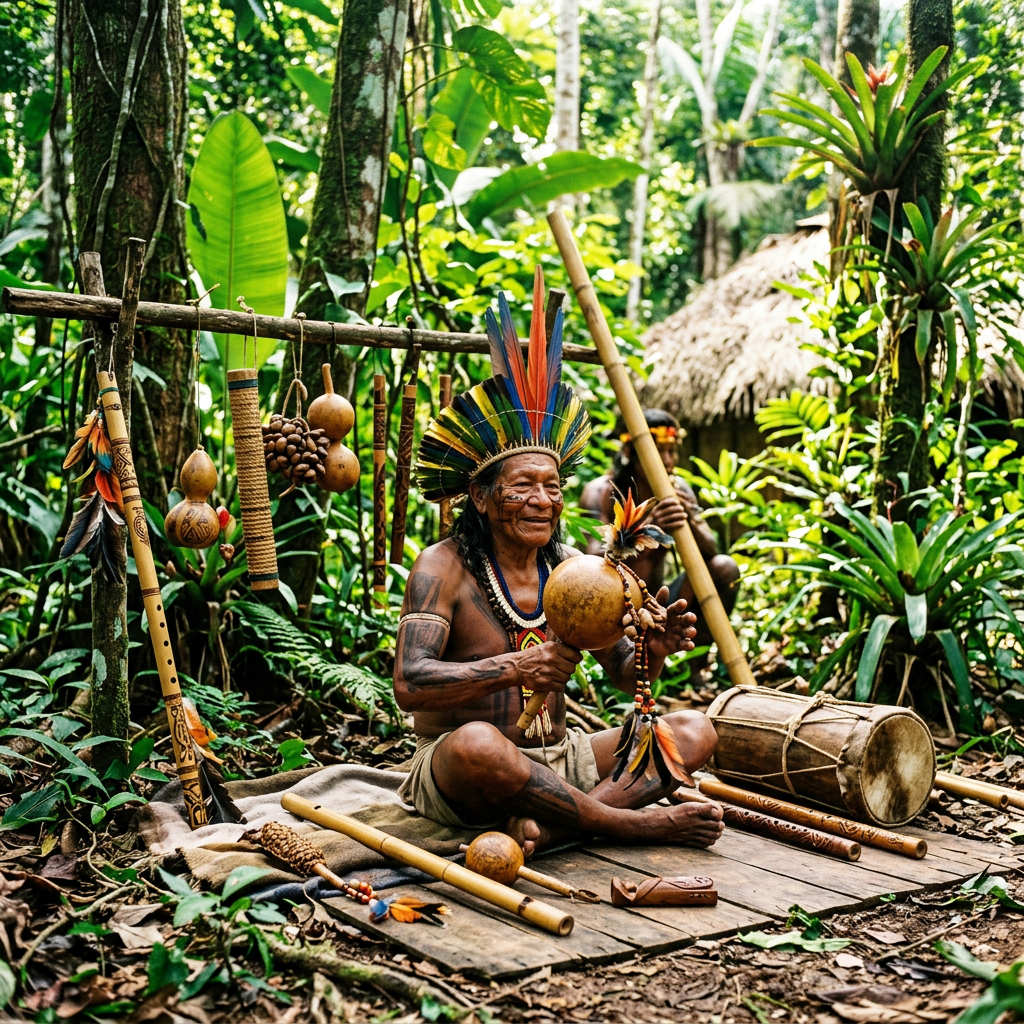
Native Brazilian Influences
The influence of Native Brazilian (Indigenous) culture is most visible in the survival strategies and resource knowledge shared with escaped enslaved people who formed quilombos. This exchange often included:
Subsistence techniques and agricultural practices used to sustain the independent communities where Capoeira was developed were diverse and deeply rooted in the local environment. In these communities, a combination of traditional farming methods and foraging played a crucial role in ensuring food security and cultural resilience. Farmers cultivated staple crops like cassava, maize, and beans, while also relying on seasonal fruits, nuts, and wild plants to supplement their diets. Additionally, fishing and hunting provided valuable protein sources, allowing for a balanced nutrition that supported the physical demands of Capoeira training. These practices not only nourished the community but also fostered a sense of collaboration and shared identity, as members often worked together
A shared history of resistance against colonial forces, which solidified the role of Capoeira as a tool for reclaiming identity and sovereignty, has profoundly shaped the cultural landscape of Brazil. This unique martial art form, often characterized by its fluid movements and rhythmic music, emerged from the experiences of enslaved Africans who sought to preserve their heritage amid oppression. Over time, Capoeira evolved into a powerful symbol of resilience and unity, transcending social and racial barriers, and fostering a collective identity rooted in the struggle for freedom. Its practice not only serves as a means of self-defense but also acts as a vibrant expression of cultural pride and historical memory, reinforcing the importance of communal bonds in the ongoing fight against marginalization and injustice.
In modern Capoeira, these diverse influences continue to evolve, blending traditional melodies with contemporary narratives to mirror the changing landscape of Brazilian society. This dynamic fusion not only preserves the rich heritage of Capoeira but also infuses it with modern elements that resonate with younger generations. As artists and practitioners experiment with new rhythms and styles, they create a vibrant tapestry that reflects the complexities of urban life, social issues, and cultural identity in Brazil today. The result is a continually shifting art form that engages audiences both locally and globally, allowing Capoeira to serve as a powerful medium for expression, community building, and the exploration of Brazil’s multifaceted history.
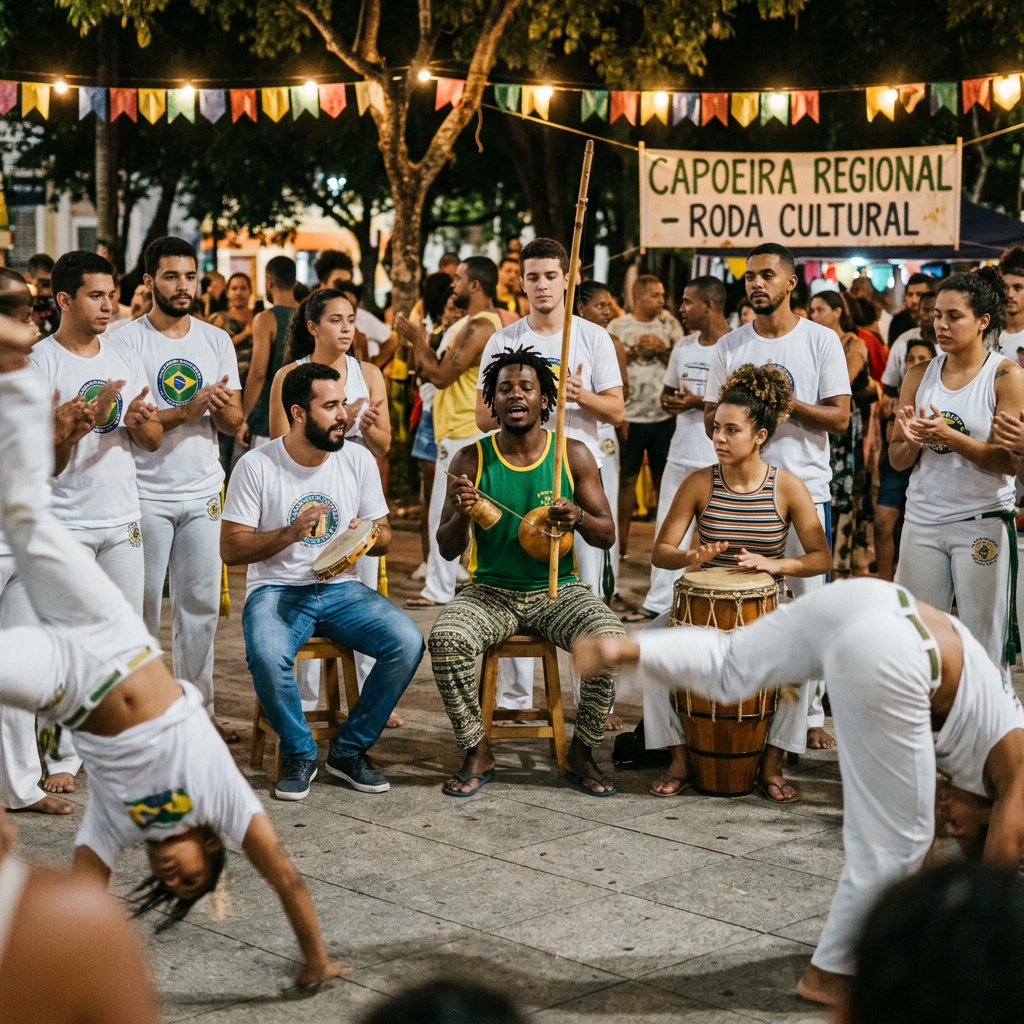
 Jogo Corpo Fechado