“The Friday Crime Report,” hosted by PROFESSOR BLACK TRUTH, delivers a critical and comprehensive examination of the complex societal, judicial, and economic forces affecting the Black community. Far beyond offering standard crime news updates, the weekly broadcast delves into key historical roots and modern socio-economic conditions. By providing deeper contextual understanding, the program aims to foster meaningful community engagement, heighten awareness, and mobilize grassroots advocacy in support of social equity and systemic justice.
In doing so, the show directly confronts and dismantles conventional mainstream media narratives around systemic violence. Through rigorous analysis, thematic synthesis, and the inclusion of lived experiences, Professor Black Truth works to empower his audience, transforming passive viewers into informed, active proponents for institutional reform and community-driven safety initiatives.
Today’s broadcast features an in-depth, dual-part investigative report focused on recent events in South Carolina. The initial segment examines a severe case of child endangerment and exploitation, detailing an instance where a mother permitted strangers access to her four- and seven-year-old children in exchange for illicit substances. This alarming situation underscores the horrifying lengths to which severe substance dependency can erode parental duty and endanger vulnerable youth. The second segment turns to the systemic challenges of substance abuse and severe neglect, highlighting a case involving two parents battling severe addiction who forced their children to reside in an abandoned, vermin-infested property. By exposing these perilous living conditions, the report illustrates the extreme domestic instability caused by unchecked addiction. Together, these reports underline urgent broader questions regarding community safety nets, parental accountability, and social support structures. They highlight the critical need for proactive intervention, robust child protective services, and effective local support networks to prevent such severe tragedies and protect innocent children from systemic failure.
Racial disparities in healthcare remain a critical issue in the United States, particularly regarding maternal and infant health outcomes.
Studies and national data show that Black mothers and infants face significantly higher risks of adverse health outcomes, severe morbidity, and mortality compared to their white counterparts:
Maternal Mortality: Black women in the U.S. are over three times more likely to die from pregnancy-related causes than white women, with a vast majority of these deaths determined to be preventable.
Infant Mortality: The infant mortality rate for Black babies is more than double the rate for white babies, driven in large part by higher instances of preterm birth and low birthweight.
Socioeconomic Factors: These disparities persist across all income and education levels. High-income Black mothers and their infants still experience worse outcomes than low-income white mothers and infants, underscoring the influence of structural racism and systemic bias within the medical system.
Care Denial and Bias: Nearly one in four Black women report experiencing mistreatment, dismissal of concerns, or denial/delay of care by healthcare providers.
To address these systemic issues, advocates propose accountability measures—such as standardized tracking systems and public databases modeled after accountability lists in law enforcement—to identify pattern behavior, track systemic care denials, and advocate for higher standards of medical care.
To address these systemic issues, healthcare advocates and researchers propose comprehensive accountability measures and structural reforms. Key among these proposals is the implementation of standardized tracking systems and public databases—modeled after accountability lists used in law enforcement—to identify patterns of substandard care, track systemic denials or delays of medical treatment, and enforce higher standards of clinical practice. Expanding patient navigation, increasing access to doulas and midwives, and requiring implicit bias training for healthcare professionals are additional strategies aimed at ensuring Black mothers receive equitable, respectful, and high-quality care. Addressing these persistent gaps in maternal care is essential not only for saving lives and restoring healthy life-years, but also for yielding substantial economic benefits and savings in preventable healthcare costs.
“The Friday Crime Report,” hosted weekly by PROFESSOR BLACK TRUTH, is a vital program offering critical insights into the multifaceted challenges faced by marginalized groups in society. Each episode serves as an illuminating platform for an analytical exploration of the societal, judicial, and economic forces that disproportionately affect the Black community. Delving deep into the systemic issues at play, the program highlights not only the immediate repercussions of crime but also the historical and cultural contexts that give rise to such disparities. The discussions facilitated by Professor Black Truth go beyond a standard news broadcast; they provide a profound call for sustained awareness and corrective action, urging listeners to engage thoughtfully with the information presented and to participate actively in the pursuit of equity and justice for all. In doing so, “The Friday Crime Report” fosters an informed community capable of effecting change, empowering individuals to challenge the status quo and advocate for policies that uplift and represent the interests of the Black community.
The show challenges mainstream media’s portrayal of systemic violence by using in-depth analysis and personal narratives to inspire community activism, with Professor Black Truth skillfully transforming listeners into informed advocates for social justice.
This week we have two cases of pedophiles abducting children and then hiding them, one in a cardboard box, the other in a clothes dryer! And both of them use the same lies and excuses when confronted by the police. Recent news reports highlight two troubling cases where individuals were charged with kidnapping and sexual crimes after hiding missing teenage girls inside their homes.
In Oakdale, Minnesota, police investigating a missing 14-year-old girl searched the home of Angeline and Andrew Olson. Although Angeline Olson initially told officers the teenager was not present, police later discovered the missing girl hidden inside a cardboard box under a pile of clothes in the bedroom. Both adults were taken into custody and face charges including soliciting a child for sexual conduct and first-degree criminal sexual conduct after explicit material involving the teen was discovered.
In a separate incident in Key Largo, Florida, 53-year-old Christopher Michael Veit was arrested after a teenage girl called 911 to report that she was being held hostage. When law enforcement deputies arrived at the residence, they located the victim restrained and hidden inside a clothes dryer. Veit was subsequently charged with kidnapping, false imprisonment, and unlawful sexual activity with a minor.
In both cases, law enforcement encountered evasive behavior, denial, and obstruction from the suspects when questioned regarding the whereabouts and safety of the missing teenagers.
Case Details & Findings:
In the Minnesota investigation involving Andrew and Angeline Olson, Maplewood police were first notified after the 14-year-old left school without permission. Police were dispatched to the Olson residence after learning the victim might be visiting a friend who lived there. Although Angeline Olson initially denied knowing where the girl was, officers returned early the following morning after a neighbor reported seeing the teenager outside barely clothed alongside the adults. When officers executed a search of the residence, they found the teen concealed in a cardboard box under clothing in the Olsons’ bedroom. Subsequent searches of digital devices recovered sexually explicit videos documenting abuse of the victim, leading to multiple counts of criminal sexual conduct and child sexual abuse material possession.
In the Florida case, 53-year-old Christopher Michael Veit was taken into custody after the teenage victim surreptitiously used his phone to place a 911 call indicating she was being held against her will. When deputies arrived at the Key Largo home, Veit claimed no female was present, but officers confirmed the emergency call originated from the address. Upon entering, deputies discovered the teen trapped inside a laundry dryer with the door closed. Investigators revealed that Veit and the teenager had maintained a secret sexual relationship spanning roughly two years after initially connecting online. Additionally, law enforcement recovered sheets of counterfeit currency on the premises, resulting in the involvement of the U.S. Secret Service alongside felony charges of kidnapping, false imprisonment, and sexual battery.
Conclusion: Both of these cases highlight alarming trends in child exploitation, where perpetrators use domestic spaces to hide victims and employ evasive tactics to mislead law enforcement. The incidents involving Andrew and Angeline Olson in Minnesota and Christopher Michael Veit in Florida underscore the severe dangers minors face and the critical importance of immediate police intervention and ongoing public vigilance. Beyond the immediate charges of kidnapping and sexual assault, such investigations often reveal complex patterns of abuse and additional criminal activity. Ultimately, these cases emphasize the urgent necessity for community awareness, robust law enforcement strategies, and proactive safeguards to protect vulnerable youth from exploitation.
Keep your eyes out and stay on alert, because there’s a lot more monsters out there than the white media chooses to show you.
The conversation surrounding immigration and the lack of visible, widespread involvement from Black Americans in anti-deportation movements is complex. Many observers point out that the political, social, and economic priorities of Black American communities often center on systemic local issues such as civil rights, criminal justice reform, economic equity, and historical advocacy efforts that directly impact their own immediate communities. This baseline of domestic advocacy forms a distinct focus, leading some to question the premise that the reasons for lower involvement are mysterious or difficult to comprehend. Understanding this dynamic requires looking closely at how different historically marginalized groups navigate their unique sociopolitical challenges within the domestic landscape.
Historically, immigration policies in the United States have been shaped by anti-Black frameworks of exclusion and punishment, dating back to laws that denied legal personhood and citizenship to enslaved Africans. In recent decades, legislation like the 1994 Crime Bill and the Illegal Immigration Reform and Immigrant Responsibility Act (IIRIRA) of 1996 further entrenched these disparities by connecting the criminal justice system with immigration enforcement. Because Black communities face disproportionate rates of over-policing and criminalization, Black immigrants are funneled into the deportation pipeline at significantly higher rates. Although Black immigrants account for only a small percentage of the undocumented population, they represent a starkly disproportionate share of those facing detention and removal proceedings on criminal grounds.
Furthermore, advocacy groups have documented that Black migrants experience higher rates of abuse, longer periods of detention, and a greater likelihood of being placed in solitary confinement compared to non-Black migrants. Despite these steep challenges, Black-led grassroots organizations and activists continue a long tradition of resistance—drawing connections between systemic state violence, local law enforcement, and border control—while calling for greater solidarity across racial and immigrant rights movements to challenge these intersecting systems of oppression.
Spiritual practices across Africa and its Diaspora establish profound connections between the living, the divine, and the ancestors (Egún) through highly intricate cosmologies and varied deities. Foundational traditions, such as the Yoruba Òrìṣà and Gbe Vodun, are currently experiencing a significant contemporary global resurgence as individuals actively seek to reclaim their cultural heritage and identity. By being dynamically revitalized and blended with modern practices, these enduring traditions create vibrant expressions of spirituality that deeply resonate with younger generations. Maintained continuously for centuries through oral history, sacred rituals, and traditional storytelling, they serve as vital anchors for collective identity, belonging, and social continuity. Ultimately, the essential role of community within these systems fosters both personal growth and collective healing, effectively enabling individuals to navigate modern challenges while staying firmly grounded in their rich cultural histories.
Rather than possessing a single universal pantheon, the African continent gave rise to diverse civilizations that developed their own distinct sacred universes. Each separate tradition provided its own unique answers to fundamental questions regarding creation, death, justice, destiny, nature, morality, and divine power. These complex sacred systems functioned distinctively across numerous historical regions, including Ancient Egypt, Kush, Yorubaland, the Akan, the Igbo, the Kongo, as well as East African and Southern African traditions. Within these frameworks, supreme creators, gods, goddesses, ancestors, and spirits governed the relationship between the visible and unseen worlds. Specific regional manifestations include Amun, Ra, Isis, Osiris, Horus, Sekhmet, and Apedemak in Egypt and Kush; Olódùmarè, Ògún, Ṣàngó, Ọ̀ṣun, Orí, and Ifá in Yoruba spirituality; Nyame and Asase Yaa in Akan traditions; Chukwu and Ala in Igbo religion; Fon and Ewe Vodun; and Nzambi a Mpungu, Bisimbi, minkisi, and Kalunga in Kongo spirituality.
Spiritual practices across Africa and its Diaspora establish profound connections between the living, the divine, and the ancestors (Egún) through highly intricate cosmologies and varied deities. Foundational traditions, such as the Yoruba Òrìṣà and Gbe Vodun, are currently experiencing a significant contemporary global resurgence as individuals actively seek to reclaim their cultural heritage and identity. By being dynamically revitalized and blended with modern practices, these enduring traditions create vibrant expressions of spirituality that deeply resonate with younger generations. Maintained continuously for centuries through oral history, sacred rituals, and traditional storytelling, they serve as vital anchors for collective identity, belonging, and social continuity. Ultimately, the essential role of community within these systems fosters both personal growth and collective healing, effectively enabling individuals to navigate modern challenges while staying firmly grounded in their rich cultural histories.
Rather than possessing a single universal pantheon, the African continent gave rise to diverse civilizations that developed their own distinct sacred universes. Each separate tradition provided its own unique answers to fundamental questions regarding creation, death, justice, destiny, nature, morality, and divine power. These complex sacred systems functioned distinctively across numerous historical regions, including Ancient Egypt, Kush, Yorubaland, the Akan, the Igbo, the Kongo, as well as East African and Southern African traditions. Within these frameworks, supreme creators, gods, goddesses, ancestors, and spirits governed the relationship between the visible and unseen worlds. Specific regional manifestations include Amun, Ra, Isis, Osiris, Horus, Sekhmet, and Apedemak in Egypt and Kush; Olódùmarè, Ògún, Ṣàngó, Ọ̀ṣun, Orí, and Ifá in Yoruba spirituality; Nyame and Asase Yaa in Akan traditions; Chukwu and Ala in Igbo religion; Fon and Ewe Vodun; and Nzambi a Mpungu, Bisimbi, minkisi, and Kalunga in Kongo spirituality.
Crucially, these traditional structures operate as complete, interconnected systems rather than simple lists of standalone African gods. They explain the underlying dynamics of how supreme creators, divine powers, ancestors, spirits, landscapes, morality, and ritual action systematically connect the human world directly with the sacred realm. This comprehensive sacred network includes components such as Abosom, Alusi, Ifá divination, sacred symbols, temples, and shrines. Across the continent, these systems are actively maintained through Waaqa, Mwari, Modimo, territorial spirits, rainmaking practices, spirit mediums, priests, priestesses, diviners, offerings, and designated sacred spaces. Together, these elements reflect the deep civilizations, sacred knowledge, and living heritage of Africa.
Crucially, these traditional structures operate as complete, interconnected systems rather than simple lists of standalone African gods. They explain the underlying dynamics of how supreme creators, divine powers, ancestors, spirits, landscapes, morality, and ritual action systematically connect the human world directly with the sacred realm. This comprehensive sacred network includes components such as Abosom, Alusi, Ifá divination, sacred symbols, temples, and shrines. Across the continent, these systems are actively maintained through Waaqa, Mwari, Modimo, territorial spirits, rainmaking practices, spirit mediums, priests, priestesses, diviners, offerings, and designated sacred spaces. Together, these elements reflect the deep civilizations, sacred knowledge, and living heritage of Africa.
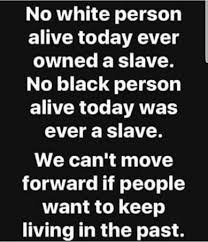
I’ve heard some version of this message in my life so many times, especially when talking about His-Story, and it pisses me off. The distortion and marginalization of African American history in the broader American narrative has long served to obscure the deep realities of a shared past.
This is for my white brothers and sisters in the world, who wonders why they might feel some type of way when feeling a little “Left out” around black spaces… Understanding this requires looking closely at the historical and contemporary divide between black and white Americans, particularly regarding perceptions of race and structural inequality.
The historical divide between Black and white Americans is deeply rooted in centuries of institutionalized oppression and systemic inequality. The marginalization and distortion of African American history within the broader American narrative have long obscured the deep realities of a shared past. For generations, structural frameworks designed around white supremacy, economic exploitation, and institutionalized subjugation have directly dictated the lived experiences and societal positioning of Black communities. From the onset of colonial chattel slavery through the oppressive legal framework of Jim Crow laws, formal and informal state and social systems have systematically restricted the political, social, and economic self-determination of Black Americans.
During the era of slavery, legal mechanisms like “Slave Codes” and subsequent federal statutes explicitly codified Black people as property, stripping them of fundamental human rights, economic agency, and the freedom of movement or literacy. Even following emancipation and the brief promises of the Reconstruction era, where the 14th and 15th Amendments granted citizenship and voting rights, a violent white nationalist backlash led to the establishment of Jim Crow segregation. This racial caste system relegated African Americans to second-class citizenship, enforcing strict public segregation through dynamic state statutes and local ordinances. These laws legally mandated separated public facilities, transportation, and education, while criminalizing low-income Black residents through vagrancy laws and convict leasing systems that effectively re-enslaved individuals for unpaid labor.
Furthermore, the justice system actively legitimized these inequalities. Landmark rulings like Plessy v. Ferguson formalized the “separate but equal” doctrine, providing constitutional shelter for pervasive discrimination. This systemic oppression extended well into the 20th century, manifesting as pervasive economic discrimination, occupational segregation, and exclusionary housing practices such as redlining and restrictive covenants. These practices effectively barred Black families from asset accumulation, homeownership benefits, and equitable job opportunities.
Although the mid-1950s and 1960s American civil rights movement achieved historic breakthroughs by utilizing nonviolent protests, civil disobedience, and major litigation to dismantle formal segregation and secure voting protections, national opposition to integration remained fierce and deeply organized. This opposition included political backlash, the formation of segregationist groups, and even violent confrontations with civil rights activists, all of which sought to undermine the progress made during this transformative period. Decades after these legislative milestones, the enduring legacy of these deeply embedded historical injustices continues to fuel profound socioeconomic disparities, persistent structural racism, and a distinct cultural divide across contemporary American society.
These disparities manifest in various forms, including unequal access to education, healthcare, and housing, further perpetuating cycles of disadvantage among marginalized communities. As the nation grapples with these ongoing challenges, it becomes increasingly clear that the struggle for true equality and justice remains unfinished, urging new generations to continue the work that those before them bravely initiated.
“The Friday Crime Report,” a program of paramount importance and consistently powerful insight, is hosted weekly by PROFESSOR BLACK TRUTH. It serves as an essential, critical platform dedicated to a deep, analytical, and uncompromising exploration of the intricate societal, judicial, and economic forces that disproportionately and often devastatingly impact the Black community. The program is meticulously designed to be far more than just a news broadcast; it operates as a profound call to sustained awareness and a resolute demand for corrective action.
By offering a rigorous counter-narrative to mainstream media outlets, which frequently treat systemic violence as isolated anomalies rather than part of a continuous struggle, the show utilizes detailed analysis and poignant personal stories to catalyze community action and advocate for a more equitable and just society. Professor Black Truth expertly weaves together factual evidence and academic rigor to move every listener from the role of a passive observer into a passionate, educated, and effective advocate for social justice.
In this installment, we examine two tragic Father’s Day homicides that have faced significant marginalization within corporate media narratives. These cases include a calculated filicide and a devastating double-murder suicide, both requiring the rigorous scrutiny necessary to understand the broader societal implications. These events are not isolated tragedies but reflections of systemic failures that Professor Black Truth seeks to dismantle.
By providing a counter-narrative to mainstream media, the report aims to highlight how such cases are often ignored or misrepresented when they occur within the Black community, further perpetuating cycles of economic inequality and institutional neglect. This deep dive explores the intersections of family dynamics, societal pressures, and the lack of accessible support systems that contribute to such extreme outcomes. This critical analysis is intended to move beyond simple reporting, serving as a catalyst for community action and advocacy for a more equitable justice system.
.
Support Professor Black truth’s independent activism and investigative journalism, which directly fund the rigorous research required to document critical issues facing the community. Contributions can be made through the following verified platforms:
I tried to make this post sound like a DRAMATIC STORY, filled with suspense and unexpected twists, so I hope you like it. As I poured my thoughts onto the page, I envisioned each word weaving a tapestry of emotion and intensity, drawing you in and holding your breath captive as the tale unfolds before your eyes. The stakes rise with each sentence, creating an atmosphere that pulsates with energy and anticipation, ultimately aiming to leave you not just entertained, but profoundly moved by the journey I’ve crafted within this narrative.
Antonio sat in the dim light of his studio, the weight of the digital world pressing against him. Surrounded by glowing monitors, he wasn’t just looking at cold numbers; he was dismantling a narrative that had been used to cage an entire community for decades. He began his broadcast by tackling the phantom of the ’13/50′ statistic, a figure often weaponized in bad-faith digital spaces. To many, it was a shorthand for inherent criminality, but Antonio peeled back the layers to show it for what it truly was: a misleading collection of arrest data from 2019, far removed from the finality of convictions or the actual commission of crimes.
As his screen flickered with heat maps of urban centers, he spoke of the systemic shadows that skewed these figures from the outset. He described neighborhoods where over-policing was as common as the morning sun, creating a self-fulfilling prophecy of data points. He explained how this environment led to a cycle of racial profiling that turned raw data into a weapon against the marginalized. To ground his argument in human cost, he pointed to the National Registry of Exonerations, a somber ledger of those whose lives were paused or destroyed by wrongful convictions. This serves as a haunting reminder to his audience that being caught in the gears of the system was never a simple proof of guilt.
Shifting his focus, Antonio turned the lens toward a different, often ignored truth that challenged the status quo. He introduced the ’31/71′ figures, highlighting that White men, while representing a third of the population, accounted for the vast majority of documented abuse cases. It was a jarring counter-narrative, specifically designed to expose the hypocrisy of those who used their platforms to spread selective, harmful rhetoric. By presenting these figures, he aimed to dismantle the double standards that ignore the complexities of crime across all demographics while hyper-focusing on others.
The broadcast became deeply personal then, as Antonio reflected on the historical trauma that lingered in the marrow of Black Americans, passed down through generations of systemic exclusion. He spoke not of defeat or victimhood, but of the absolute necessity for community strength and self-reliance in the face of persistent inequality. His voice grew steady and resonant as he concluded, calling for a collective resilience that could withstand the persistent noise of misinformation. He urged his viewers to build a future rooted in shared power, critical thinking, and an unshakeable understanding of their own history.
I should have posted this yesterday, but I have a big project that I’m working on, and didn’t get time to.
Since the acquittal in the murder case of 14-year-old Cyrus Carmack-Belton, a tragedy that has sparked profound national discourse, there have been increasing calls to initiate strategic boycotts against businesses perceived as racist. This growing movement seeks to address the systemic devaluation of Black lives, underscoring the urgent need for societal change and enhanced accountability within various sectors. Activists advocate for these boycotts as a means to apply economic pressure, highlighting the profound impact of financial decisions on corporate behavior.
Essays such as “A Black Life Should Be Worth More Than a Bottle of Water” by Allison Wiltz poignantly illustrate the stark disparities faced by Black individuals in daily life, reinforcing the belief that true justice must extend beyond legal acquittals to include comprehensive societal reform and the elevation of all Black voices. As this conversation unfolds, community leaders emphasize the importance of solidarity and sustained action, urging citizens to consider their purchasing power as a crucial tool for fostering equity and justice.
This analysis will delve into the historical and structural reasons why such widespread economic mobilization has faced significant hurdles in the past, including systemic inequalities, entrenched power dynamics, and socio-political barriers that have often muted the voices of those advocating for change. Furthermore, we will outline the critical components required to transform these calls for action into an effective and sustainable boycott of anti-Black racist businesses, emphasizing the importance of community organization and economic leverage.
This includes fostering strong alliances among various community stakeholders, utilizing strategic communication to raise awareness, and implementing creative tactics to ensure a unified front that can exert pressure on targeted businesses. By examining both past failures and successful initiatives, we aim to provide a comprehensive understanding that can guide future efforts in achieving meaningful economic justice and equity.
Support the professorthrough the following platforms:
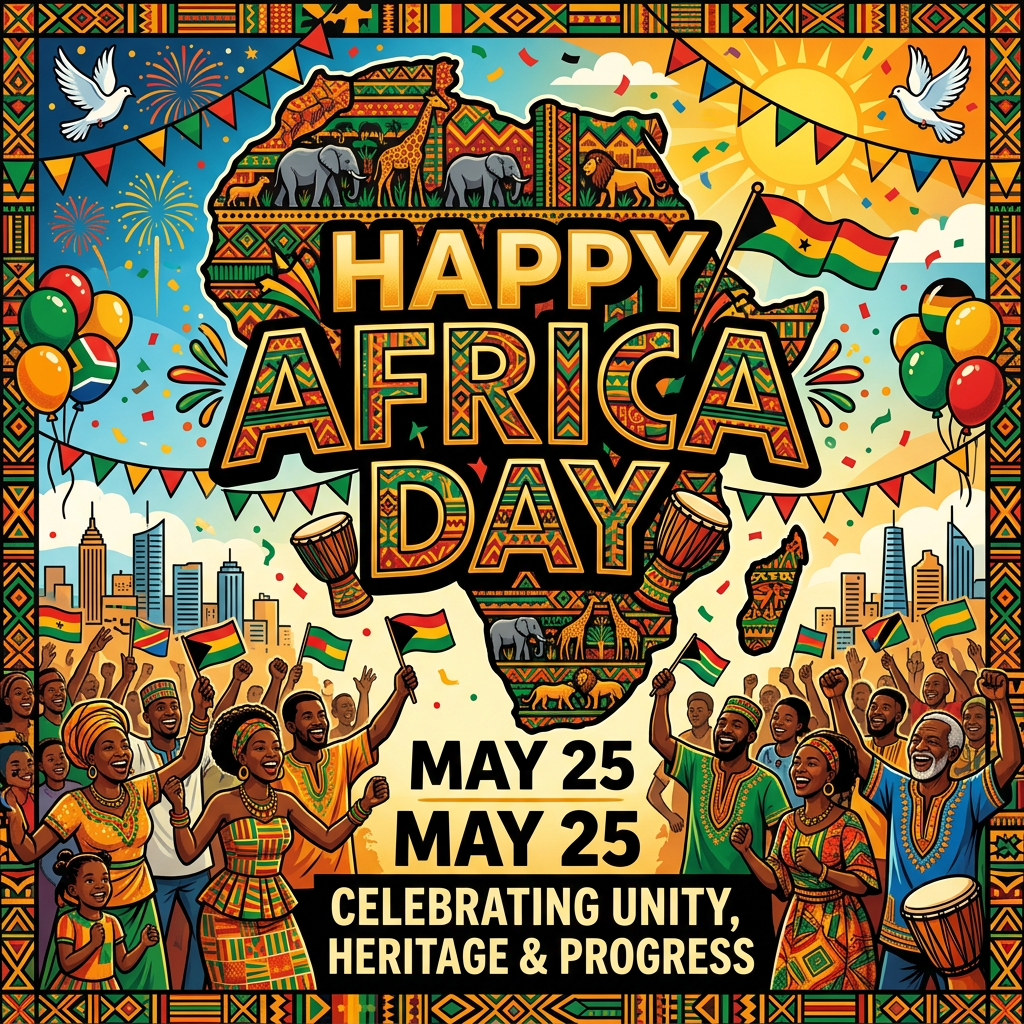
Africa Day is the annual worldwide commemoration of the founding of the Organization of African Unity (OAU), which took place on May 25, 1963.
This historic event occurred in Addis Ababa, Ethiopia, where leaders from 32 independent African states gathered to sign the foundational charter, marking a monumental step toward decolonization and continental sovereignty. The OAU’s establishment was driven by a shared vision of unity, solidarity, and cooperation among African nations, aimed at addressing the continent’s challenges such as colonialism, apartheid, and economic dependency. Over the years, Africa Day has evolved into a celebration of African culture, pride, and achievements, and serves as a reminder of the importance of collaboration in building a more prosperous and equitable future for all African people. Each year, various events, discussions, and activities are organized across the globe to honor the rich diversity of the continent, highlighting its potential and the ongoing journey towards greater autonomy and self-sufficiency.
The OAU was established with the primary mission of promoting cooperation among African states, safeguarding their territorial integrity, and eradicating all forms of colonialism from the continent. This organization plays a crucial role in facilitating dialogue among member countries, fostering peace, and addressing conflicts that threaten regional stability. It is celebrated globally to honor African unity, highlight the continent’s rich cultural diversity, and reflect on the ongoing progress and challenges faced by African nations in their pursuit of self-determination and economic stability. Furthermore, the OAU seeks to empower African nations to develop sustainable economic practices while fostering a spirit of solidarity that can inspire generations to come. By addressing issues such as healthcare, education, and infrastructure development, the organization aims to create a brighter future for all Africans, ensuring that the continent’s vast potential is realized and that its voices are heard in the global arena.
Today, Africa Day serves as a vital platform to acknowledge the significant transition from the Organization of African Unity (OAU) to the African Union (AU) in 2002, a transformative move intended to accelerate socio-economic integration across the continent. This pivotal change aimed not only to enhance political collaboration among African nations but also to address pressing challenges, fostering a sense of unity and purpose that transcends borders. It continues to reinforce the collective vision for an integrated, prosperous, and peaceful continent as outlined in frameworks like Agenda 2063, which sets ambitious targets for sustainable development and economic growth. By celebrating the resilience and potential of Africa’s people, this day highlights the rich cultural diversity and shared aspirations of the continent, while emphasizing the importance of collaboration and innovation in achieving a brighter future for generations to come.