What does it take to shake the very foundations of modern politics? Is it decades of institutional experience, high-level connections with powerful political elites, or unlimited financial resources? Not if you are Hana-Rāwhiti Maipi-Clarke, a 22-year-old New Zealand Member of Parliament representing Te Pāti Māori, who is making history not with traditional rhetoric alone, but through decisive, embodied cultural action. Elected at the age of 21 as the youngest MP in New Zealand in 170 years, Maipi-Clarke has rapidly emerged as a prominent voice for indigenous sovereignty and youth representation.
During the first reading of the controversial Treaty Principles Bill—a proposed piece of legislation introduced by the right-wing ACT party aimed at reinterpreting the foundational 1840 Treaty of Waitangi—Maipi-Clarke took an uncompromising stand on the floor of the House of Representatives. Stating her party’s six votes in opposition, she dramatically tore a copy of the bill in two and launched into a powerful execution of the iconic Ka Mate Haka. Composed in 1820 by Ngāti Toa chief Te Rauparaha, the Ka Mate Haka speaks to themes of survival and the triumph of life over death, serving as a fitting expression of indigenous defiance.
Her protest was immediately joined by fellow opposition MPs and members of the public gallery, creating an outpouring of unified voice that echoed through the legislative chamber. The disruption led the Speaker of the House, Gerry Brownlee, to temporarily suspend parliamentary proceedings, order the gallery to be cleared, and issue a 24-hour suspension to Maipi-Clarke. Despite the disciplinary actions inside Parliament, footage of the haka quickly became a global viral phenomenon, capturing international headlines and generating hundreds of millions of views across digital platforms worldwide.
Her actions drew widespread attention, particularly in regions across Africa and the global South where indigenous struggle and anti-colonial sentiment resonate deeply.
Now, why does a story about New Zealand resonate so deeply in Africa? It is simple: the overarching struggle is shared. Indigenous and historically marginalized communities in both regions continue to navigate the heavy legacies of colonialism, systemic economic exploitation, and the erasure of cultural identity. The Treaty Principles Bill itself was viewed by critics and Māori groups as an attempt to strip away long-standing Treaty rights, undermine traditional land and language protections, and reverse decades of progress toward indigenous self-determination. While Maipi-Clarke boldly used her platform to confront legislative overreach—facing subsequent parliamentary suspensions alongside her party leaders—her stance highlights a contrast that many observers draw with political leaders globally and across Africa who fail to challenge entrenched systems or address the pressing needs of their own citizens.
But there is something larger at play here. This event was more than a singular parliamentary protest or viral moment; it formed part of a wider, organized movement that included a nine-day nationwide hīkoi (protest march) across New Zealand to defend Māori rights. Elected at just 21 years old as the youngest MP in New Zealand in 170 years, Maipi-Clarke represents a rising generation of youth leaders who refuse to adhere strictly to traditional political decorum when fundamental rights are on the line. Her willingness to take an uncompromising stand where seasoned politicians might hesitate raises fundamental questions about the role of cultural identity, youth leadership, and direct action in modern democracies. How did this pivotal moment come to pass, and what does it signal for the future of indigenous rights and political activism globally?
At first glance, a parliamentary protest in New Zealand and the Afro-Brazilian art of Capoeira Angola may seem worlds apart, but they are deeply bound by a shared philosophy: the use of sacred cultural expression as an active, living tool of resistance against colonial oppression and systemic erasure. Just as Hana-Rāwhiti Maipi-Clarke invoked the Ka Mate Haka to disrupt legislative proceedings and reclaim indigenous space, Capoeira Angola was forged in the 16th century by enslaved Africans and Indigenous groups in Brazil as an embodied mechanism for survival, spiritual freedom, and anti-colonial defiance. This fusion of movement, music, and storytelling in Capoeira served not only as a means of physical defense but also as a powerful assertion of identity and heritage, creating a lineage of resistance that resonates through generations. In the same vein, the traditions upheld by those participating in protests today echo this commitment to collective memory and cultural revitalization, showcasing how indigenous and marginalized voices actively reclaim their narratives in the face of historical injustices. Both practices illustrate the enduring power of art and expression as tools of empowerment, galvanizing communities toward a united front against ongoing oppression, thereby weaving a rich tapestry of resilience that transcends geographic and temporal boundaries.
In both traditions, bodily movement, song, and ritual are not merely performance or art for entertainment; they are strategic technologies of liberation that serve as powerful expressions of resilience and identity. Under the brutal violence of slave masters and subsequent state criminalization, practitioners of Capoeira Angola (capoeiristas) cleverly disguised combative self-defense kicks, sweeps, and takedowns beneath playful acrobatics, fluid dance-like swaying (the ginga), and polyrhythmic music led by the berimbau. These elements are not only physical feats but also transformative acts that embody a deep cultural heritage and an unwavering spirit of resistance. This strategic wit and cunning deception—known as _malícia—allowed marginalized communities to creatively challenge hostile, dominant power structures from a position of material disadvantage, fostering a sense of solidarity and communal strength among those who participated. The art form thus becomes not just a means of survival, but a celebration of life and a demonstration of the indomitable will to reclaim agency and dignity in the face of oppression.
Ultimately, both the Haka in the halls of Parliament and Capoeira inside the ritual circle (the roda) demonstrate how indigenous and diaspora cultures preserve ancestral memory, heal historical trauma, and assert autonomy when formal institutional channels fail. These vibrant expressions of identity not only reflect the rich heritage of their respective communities but also symbolize the resilience and perseverance of their people in the face of adversity. They reveal that direct cultural action remains one of the most potent ways for oppressed peoples globally to challenge entrenched authority and demand self-determination. Moreover, through these practices, individuals create a powerful sense of belonging, fostering solidarity among diverse participants while raising awareness of their struggles and aspirations. By engaging in these cultural forms, they affirm their right to exist and thrive, allowing them to reclaim their narratives and foster deeper connections within and beyond their communities.
Welcome to O VIDEO DO DIA DA CAPOEIRA ANGOLA! We invite you on a journey through the curated digital archives of Capoeira Angola—a vibrant celebration of a profound heritage that continues to inspire practitioners across the globe.
Historical Roots and Origins
Capoeira Angola is the traditional style of capoeira, an Afro-Brazilian martial art whose history is deeply intertwined with the beginning of African slavery in Brazil. Starting in the 16th century, Portuguese colonists forcibly transported enslaved Africans to Brazil, with a significant portion arriving from West and Central-West Africa, particularly Angola. Enslaved Africans and Indigenous groups developed capoeira as a tool for survival, self-defense, and cultural resistance against their oppressors. By embedding elements of music, dance, and ritual into the practice, they disguised its combative nature from slave masters, allowing them to secretly preserve their traditions and hone their martial skills. Historical and oral traditions connect the discipline to traditional African rituals, notably the “n’golo” or zebra dance—a combat ritual practiced in southern Angola. During the post-abolition period, capoeira faced intense criminalization and police repression in Brazil, forcing practitioners to use nicknames (apelidos) and specific musical rhythms to evade authorities.
Philosophy, Style, and the Lineage of Masters
Unlike the faster and more aggressive Capoeira Regional developed by Mestre Bimba, Capoeira Angola stands out as a rhythm of resistance that prioritizes rituals, oral tradition, and a close connection to its African roots. It is characterized by a strategic, deceptive, and conversational style, often played low to the ground, utilizing a rich variety of speeds, counter-attacks, feints, and acrobatic movements. Vicente Ferreira Pastinha, known as Mestre Pastinha, is widely regarded as the father of modern Capoeira Angola. In 1941, he formalized and elevated the practice by founding the Centro Esportivo de Capoeira Angola (CECA) in Pelourinho, Salvador, establishing a legacy of cultural preservation carried forward by historical masters like Mestre Waldemar da Paixão and Mestre João Grande, as well as contemporary groups today. Inside the roda (circle), the game is guided by a traditional band of instruments—most importantly the berimbau, alongside the pandeiro, atabaque, and agogô—which collectively dictate the energy, polyrhythmic patterns, and spiritual depth of the dialogue.
Today’s featured video highlights historical footage from a 1984 Philadelphia television program showcasing Master Moraes and Master Cobra Mansa.
This broadcast captured a historic milestone, marking their very first visit to the United States and the profound impact it had on the martial arts community. The monumental trip was organized and realized through the formal invitation of Professor Ken Dossar, whose dedication to promoting authentic martial arts led to this significant event. Attendees had the unique opportunity to witness live demonstrations of Capoeira Angola, a traditional Afro-Brazilian martial art whose history is deeply intertwined with the beginning of African slavery in Brazil starting in the 16th century.
As a rhythm of resistance that prioritizes rituals, oral tradition, and a close connection to its African roots, Capoeira Angola stands out for its strategic, deceptive, and conversational style. Played low to the ground, it utilizes a rich variety of speeds, counter-attacks, feints, and acrobatic movements. Through this broadcast, viewers can appreciate the skills that have been passed down through generations, enriching their understanding of the art. The rare archival footage itself, a testament to a pivotal moment in martial arts history, has been meticulously preserved and provided courtesy of Prof. Daniel Dawson, ensuring that this extraordinary experience can be shared with future generations.
Capoeira Angola represents more than just a physical discipline; it stands as a profound testament to cultural resilience, ancestral wisdom, and historical endurance. From its foundational roots forged as a tool for survival and identity preservation by enslaved Africans and Indigenous groups in 16th-century Brazil, to its codification and global expansion spearheaded by legendary figures like Mestre Pastinha, Master Moraes, and Master Cobra Mansa, this Afro-Brazilian art form continues to inspire and educate communities worldwide. By merging music, strategic dialogue, and deceptive physical movement, Capoeira Angola preserves a rich heritage that honors its African roots and ensures that its legacy remains a vibrant, living practice for future generations.
Spiritual practices across Africa and its global Diaspora serve as a profound bridge, connecting the living with their ancestors and the divine through intricate belief systems and mediating deities. Foundational cosmologies, such as the Yoruba pantheon of Òrìṣà and the Gbe Vodun traditions, are currently experiencing a significant global resurgence as individuals increasingly seek to rediscover and reclaim their ancestral roots. These traditions are maintained through the flexible mechanism of oral tradition, the consistent execution of sacred rituals, and the cultural practice of storytelling. Within these systems, sacred healers play a critical role in restoring cosmic balance, utilizing rituals and deep-seated ancestral wisdom to guide their communities. Furthermore, venerated artifacts and botanical treasures, such as the kola nut (Ọjị), facilitate spiritual communion and reinforce cultural identity. The enduring role of ancestral worship remains a potent contemporary expression of heritage, acting as a vital anchor for collective identity and ensuring social continuity by transmitting ethical frameworks across generations. This spiritual revival not only highlights the extraordinary resilience of African traditions despite historical displacement like the transatlantic slave trade but also encourages new generations to engage in practices that honor their unique cultural narratives and foster a deep sense of community belonging.
Across the African landscape, a singular fruit serves as a vital anchor for marital bonds, diplomatic truces, and the sacred remembrance of those who came before.
The Sacred Kola Nut examines the profound significance of Ọjị and Obi, illustrating how this botanical treasure evolved into a quintessential emblem of hospitality and divine covenant within West and Central African societies. This exploration delves into the cultural narratives of Cola acuminata and Cola nitida, the ancestral invocations of the Igbo, Yoruba, and Edo peoples, and the intricate divinatory meanings held within the fruit’s distinct lobes.
Transcending its role as a mere ceremonial offering, the kola nut facilitates the initiation of communal councils, festive celebrations, and spiritual assemblies. Through the lens of indigenous wisdom and historical continuity, this documentary reveals why traditional gatherings remain incomplete until this sacred artifact is elevated, consecrated, and distributed among the collective.
For those dedicated to rediscovering African heritage and the enduring legacy of the ancestors, this inquiry provides a transformative perspective on a foundational pillar of continental identity and spiritual resilience.
The kola nut, particularly the Cola acuminata known as Ọjị Igbo, is revered as the “king of all fruits” in West African societies. It serves as a sacred medium of communication, bridging the gap between the living, the ancestors, and the divine. In Igbo culture, the proverb “He who brings kola brings life” (Onye wetara ọjị, o wetara ndụ) underscores its role as a quintessential emblem of hospitality, unity, and peace.
The ritual of Iwa Oji (breaking the kola nut) follows strict traditional protocols:
Presentation & Blessing: The host presents the nut to guests using two hands to signify acceptance and goodwill. An elder or title holder then offers prayers and incantations, invoking blessings for long life, prosperity, and protection. This process, often conducted exclusively in the Igbo language, is a solemn ritual of thanksgiving and supplication to the Creator (Chineke).
Symbolism of Lobes: Upon breaking by hand—as knives are traditionally forbidden—the number of lobes (cotyledons) revealed holds profound divinatory and social meaning.
2 Lobes (Ọjị Ogbi): Known as the “dumb” kola, it is considered a bad omen and is typically not served in traditional Igbo rituals.
3 Lobes (Ọjị Ato / Ọjị Okike): Symbolizes individual achievement, success, and fecundity; it is often associated with warriors and achievers.
4 Lobes (Ọjị Ano / Ọjị Udo na Ngozi): Represents the four Igbo market days (Eke, Orie, Afo, Nkwo) and symbolizes peace, social justice, and balanced progress.
5 Lobes (Ọjị Ise): A sign of reproduction, increase, and communal fertility, traditionally offered to those with large, successful families.
6 or 7 Lobes (Ọjị Asa): Signifies double prosperity and outstanding blessings; in some regions, a 6-lobed nut may require a separate celebration, such as the slaughter of a goat.
Sharing & Social Bond: Once broken, the pieces are distributed to all present, often served with a spicy peanut or pepper sauce. This act establishes a bond of oneness, sealing treaties and conflict resolutions.
Beyond its spiritual and social utility, the kola nut contains caffeine, theobromine, and kolatin, which provide natural stimulation and act as an appetite suppressant. Medicinally, it has been used to treat fatigue, aid digestion, and even combat infections. This unique combination of botanical properties and ancestral wisdom ensures that the kola nut remains an indispensable artifact in traditional West African life.
The ritual of Iwa Oji (breaking the kola nut) follows strict traditional protocols:
Presentation & Blessing: The host presents the nut to guests to signify acceptance and goodwill. An elder or title holder then offers prayers and incantations, invoking blessings for long life, prosperity, and protection.
Symbolism of Lobes: The number of lobes (cotyledons) revealed upon breaking holds profound divinatory meaning.
3 Lobes (Ọjị Ato): Represents individual achievement and good omens.
4 Lobes (Ọjị Ano): Symbolizes the four market days (Eke, Oye, Afo, Nkwo) and represents social justice, peace, and balance.
5 Lobes (Ọjị Ise): Indicates fertility, reproduction, and communal increase.
6+ Lobes: Signifies prosperity, double blessings, and a direct communion with the ancestors.
Sharing: Once broken, the pieces are distributed to all present, establishing a bond of oneness and communal resilience.
Beyond its spiritual and social utility, the kola nut contains caffeine, theobromine, and theophylline, which provide natural stimulation and aid digestion. This unique combination of botanical properties and ancestral wisdom ensures that the kola nut remains an indispensable artifact in traditional ceremonies, from marriages to conflict resolution.
Support Historyinstore
The HistoryInStore channel, which has grown to over 46,000 subscribers and features more than 250 videos, is a dedicated digital platform for exploring the profound narratives and iconic events that have shaped the global landscape. For those committed to rediscovering African heritage and the enduring legacy of ancestors, this platform provides transformative perspectives on the foundational pillars of continental identity and spiritual resilience. By uncovering hidden tales and examining the incredible people of the past, the channel aims to ignite curiosity and facilitate a deeper journey through time. Recent content includes explorations of significant historical figures, such as the 13 Gods of War who influenced Africa before major global shifts.
Beyond spiritual exploration, the channel also contextualizes botanical and cultural artifacts within broader history. For instance, the study of the kola nut—the original source for the earliest cola drinks—illustrates how African exports and indigenous wisdom have influenced global commodities from the 17th century to the present day. These inquiries highlight the resilience of African traditions despite historical displacements like the transatlantic slave trade and underscore the role of these practices in fostering a deep sense of community belonging.
To follow the journey and join the community conversation, visit the official YouTube channel at:
Welcome to O VIDEO DO DIA DA CAPOEIRA ANGOLA, where we curate digital archives of Capoeira Angola to celebrate its profound heritage.
Online Capoeira Angola videos serve as essential cultural archives, documenting the fusion of music, movement, and history. These digital resources preserve traditional songs—including narrative ladainhas and call-and-response corridos—the specific rhythmic patterns of the bateria, and the physical dialogue of the roda. Core concepts like mandinga (strategy and spiritual power), ritual, and malícia (cunning deception) are safeguarded within these digital repositories, ensuring that the art’s sophisticated psychological warfare and ancestral wisdom remain accessible to a global audience.
Today, we have a Capoeira Angola roda held on April 18, 2026, at the Municipal Park in downtown Belo Horizonte. This event, celebrating its 19th anniversary, was organized by Terrêru de Capoeira Angola and took place near the Ficus tree, next to the Ferris wheel. This gathering represents a vital return of the art to the streets, its place of origin, reinforcing the philosophy that Capoeira is never done alone and is intended “for the people.” Led by Professors Mayumi and Maíra, the circle occurs regularly on the third Saturday of each month.
The practice of Capoeira Angola serves as a living archive of Afro-Brazilian identity and a philosophy of resistance born from the historical struggle against colonial oppression. Beyond its physical applications, it is a profound healing art that holistically nurtures physical, emotional, and spiritual well-being. Through the ritual of the roda, practitioners engage in a “non-verbal dialogue” that fosters resilience, self-determination, and a deep connection to ancestral wisdom.
A central element of this ritual is the bateria, or musical ensemble, which serves as the heart and soul of the roda. It includes instruments such as the berimbau (the conductor of the roda), atabaque, and pandeiro, which create a rhythmic tapestry that dictates the tempo and intensity of the game. The songs performed—including narrative ladainhas and call-and-response corridos—transmit the history, ethical principles, and spiritual resonance of the art form.
Essential concepts guiding the practitioners include:
Mandinga: The integration of strategy, spiritual power, and connection to the invisible.
Malícia: The use of cunning deception, wisdom, and strategic positioning to navigate both the game and life’s challenges.
Ginga: The fundamental, fluid, and swaying movement that serves as a metaphor for navigating life’s fluctuations and maintaining balance amidst chaos.
By documenting these gatherings and technical instructions, practitioners preserve the wisdom of elder masters like Mestre Pastinha, Mestre João Pequeno, and Mestre João Grande. This dedication ensures that Capoeira Angola remains a living methodology for resilience, empowerment, and communal growth, bridging generational gaps and safeguarding a sophisticated cultural legacy.
Memorial Day didn’t begin with parades—it began with freed Black Americans in 1865, honoring Union soldiers who died fighting for their freedom. Following the fall of Charleston, South Carolina, formerly enslaved people reorganized a mass grave at a local racetrack that had been used as a Confederate prison. They worked to provide a proper burial for the Union soldiers who had perished there, recognizing them as the “Martyrs of the Race Course”.
On May 1, 1865, in war-torn Charleston, they held a powerful and poignant ceremony of remembrance and resistance amidst the ravages of the Civil War. Thousands of Black residents, bolstered by the steadfast support of white missionaries and Union troops, gathered and marched with purpose around the racetrack, each step echoing the struggles of their past. The procession was led by approximately 3,000 spirited Black schoolchildren, who proudly carried armloads of fragrant roses while singing exuberantly patriotic songs that resonated with hope and freedom. This historical event served not only as a public declaration of their newly won liberty but also as a solemn tribute to those brave souls who sacrificed their lives to secure it, reminding all present of the enduring fight for justice and equality. As the afternoon sun cast a warm glow on their faces, the atmosphere was charged with emotions, uniting the community in a shared vision for a brighter future while honoring the memories of those who had come before them.
Despite its historical significance, it’s a story left out of most history books. For decades, the narrative of Memorial Day was centered on later commemorations in the North and South, often obscuring this early act of devotion by freed people who risked everything to honor those who fought for their freedom. This poignant event, which unfolded in the aftermath of the Civil War, symbolizes the struggle for recognition and the deep emotional ties forged in the face of loss. Understanding this event is essential to recognizing the full legacy of the holiday, as it highlights the contributions and sacrifices made by African Americans, often overlooked in mainstream accounts. It’s the story of the first Memorial Day—a profound moment that not only commemorated fallen soldiers but also marked the beginning of a broader societal acknowledgment of the importance of remembrance in healing a fractured nation.
Now having typed all of that, I wish to give a heartfelt THANK YOU to all the men and women who have made the ULTIMATE SACRIFICE for our country, the United States of America.Now having typed all of that, I wish to give a heartfelt THANK YOU to all the men and women who have made the ULTIMATE SACRIFICE for our country, the United States of America.
We stand in profound gratitude for those courageous individuals who laid down their lives to preserve the liberties we enjoy today. Their unwavering commitment to the ideals of freedom and democracy serves as an enduring inspiration to us all, and we honor the legacy of service they have left behind.
The Vital Role of Digital Archives in Capoeira Angola
Online Capoeira Angola videos serve as vital cultural archives, functioning as a robust digital repository for preserving historical documentation, musical recordings, and interviews with senior masters (Mestres). These archives overcome geographical barriers, ensuring that the ancestral art form’s deep cultural nuances—including lessons on traditional toques, instrument construction, and complex movement sequences—are accessible to a global community.
Beyond simple documentation, these digital platforms act as a “living archive” that bridges the past and the present. They document the evolution of Capoeira Angola from its origins as a form of resistance against oppression to its modern global recognition, capturing the spirit of communal participation found in the roda. By preserving the specific kinematics of various lineages and the wisdom contained in traditional songs, digital archives ensure the art remains vital and connected to its Afro-Brazilian roots.
Furthermore, virtual exchanges and online classes allow for a constant flow of knowledge across the African diaspora, fostering a sense of shared identity and resilience. Even though it’s better to learn one on one, these resources also serve as authoritative tools for academic research and cultural immersion, encouraging practitioners to engage directly with the authentic expressions of the art.
Today, we have a special treat,
This specific recording captures a profound moment of transmission and dialogue within the Capoeira Angola Center. Mestre Joao Grande, a legendary figure in the art, engages in a jogo with Now Mestre Salim when he was a Professor, illustrating the intricate kinematics and movement sequences characteristic of their lineage. As they move in harmony, each gesture resonates with the rich history and philosophy embedded in Capoeira, reflecting not just physical skill but also a deep cultural narrative that has transcended generations. Such footage serves as a prime example of the “living archive,” where the wisdom of senior masters is preserved through complex movement sequences and communal participation that fosters a sense of unity and belonging among practitioners.
By documenting these authentic expressions, digital platforms ensure that the deep cultural nuances and the spirit of resistance inherent in the practice are not only preserved but also celebrated, allowing future generations to glean insights into the enduring legacy of Capoeira Angola. This interplay between tradition and modernity underscores the vital role of technology in cultural preservation, making it accessible to a worldwide audience eager to connect with these time-honored practices and their profound significance.
Da’Mon Stith of Austin Warrior Arts recently posed a series of thought-provoking questions on his Facebook page regarding the resilience of martial traditions. These inquiries struck a chord with me, prompting a deep reflection on the nature of our practice. I felt it was essential to move beyond a simple social media reply and instead craft this blog post to thoroughly explore the implications of his questions.
Allright, let’s do this.
If capoeira were illegal to practice, would you still practice it?
Short answer: Hell yeah!
Long answer: Honestly, it took me a significant amount of time to reach a definitive conclusion. One might wonder why anyone would dedicate themselves to studying an illegal martial art when there is a plethora of legal alternatives available that could arguably make you just as effective a “fighter.”
However, after much consideration, I realized that capoeira’s value transcends legality.
The choice to continue practicing, even under the threat of illegality, stems from the realization that capoeira is far more than a mere sport or physical activity. For those of African descent, it represents a unique lineage of skills, power, and hope, embodying the resilient spirit of a warrior that has historically survived through periods of intense suppression. Beyond its immense cultural significance, the art provides vital health benefits, effective self-defense capabilities, and a profound pathway toward self-knowledge and spiritual grounding. This dedication to preservation is reflected in the work of practitioners like Da’Mon Stith of Austin Warrior Arts, who explores various Historical African Martial Arts (HAMA) to keep these traditions alive.
If so, why would you continue to practice, and how would you go about practicing it?
Practicing an illegal art in a modern context would necessitate a strategic transition to a sophisticated underground network, effectively reviving the historical “malandragem”—the art of deception and survival—that once protected capoeira during its years of prohibition in Brazil. Following the clandestine example set by the Old Mestres, I would seek out secluded, out-of-the-way locations such as dense woods, private basements, or forgotten urban corners to train with a tightly-knit, trusted circle of capoeiristas, all of whom share a deep understanding of the stakes involved. This hidden environment would require a heightened level of collective intuition and deep communal trust, as every roda would become a deliberate and dangerous act of cultural resistance, an intimate gathering where we would not only hone our physical skills but also share stories, music, and the rich heritage that binds us together. As we moved in sync to the pulsing rhythms of the berimbau, each kick and dodge would resonate with the legacy of those who fought to keep capoeira alive. In these moments, our training would transcend mere self-defense; it would transform into a powerful statement against oppression, allowing us to reclaim our identity and resist the encroachment of cultural erasure in an increasingly homogenized world. The very act of practicing in secrecy would reinforce our solidarity, reminding us of the weight of our ancestors’ struggles, and each session would further solidify our commitment to preserving this vital form of expression.
In my public life, I would ensure my martial knowledge remains carefully concealed, preserving the art’s most potent secrets through coded movements and subtle discipline, ensuring that the essence of capoeira survives even if its outward expression is forced into the shadows. Ultimately, the practice would serve as a vital engine for community empowerment, acting as a beacon of resilience amidst adversity. By cultivating personal strength and a warrior’s heart, I would aim to provide tangible security and spiritual inspiration to my family, friends, and neighbors, thereby creating a supportive network that thrives on mutual respect and shared values. This art form would transcend mere physical practice, transforming into a dynamic platform for cultural exchange and community engagement, uniting individuals from diverse backgrounds under a common purpose. In this way, I would endeavor to turn the art into a living foundation for a better world that prioritizes ancestral heritage over restrictive, unjust mandates, reaffirming our commitment to freedom and self-expression in every movement and interaction.
And now, for the bonus question:
What would you use it for?
I would use it to make the world around me a better place. I mean my family, my friends, my community. This practice is not just about individual skill; it is about building a foundation of strength that radiates outward. By cultivating the eye and heart of a warrior, I can provide a sense of security and inspiration to those closest to me. This internal development serves as a beacon, guiding others toward their own paths of resilience and fortitude. Such a foundation ensures that the art is not just a personal pursuit but a vital engine for community empowerment, allowing the practitioner to offer tangible security and spiritual inspiration to their neighbors.
Furthermore, the deep-seated knowledge of self and the comprehensive health benefits gained from the art allow me to be a more present, intentional, and capable member of my community. By drawing upon the power and hope inherent in our shared heritage, I can actively work to uplift everyone I encounter, transforming individual practice into a communal asset. By mastering the rigorous discipline required by the art, I become significantly better equipped to navigate and handle the multifaceted stresses of daily life, offering a stable and grounding presence for my neighbors, peers, and family members alike.
The physical vitality and mental clarity derived from consistent, focused training ensure that I possess the sustained energy and sharp focus required to contribute meaningfully to collective efforts and communal projects. This creates a nurturing environment where our shared ancestral heritage becomes a powerful catalyst for collective growth, resilience, and socio-cultural empowerment. Ultimately, this mastery transforms the individual into a more effective and capable member of society, leveraging the resilient, unyielding spirit of the warrior to navigate modern challenges with grace and to prioritize the preservation of ancestral heritage over any restrictive or unjust mandates.
Well, that was my response to the profound questions raised by Da’Mon. I am deeply committed to the survival of capoeira, legal or not. I view it not merely as a physical discipline but as a vital connection to a resilient ancestral heritage that deserves to be protected and passed on, regardless of external legality.
Please show your support for Da’Mon Stith! He hosts a significant community event called the “Rooted in Resistance” Summer Intensive, every year in June which highlights various traditional systems such as Haitian Tire Machet; and Colombian Esgrima de Machete, and we highly encourage you to check it out! This event serves as a vital platform for the preservation and celebration of Historical African Martial Arts (HAMA), fostering a deeper understanding of the resilient spirits that forged these combat arts. By attending, you directly contribute to the continuation of these unique lineages of skill and power. You can find more information about his work and the event at the following link:
Women dressed in white perform a ritual dance surrounded by musicians in a sacred space.
Greetings! In this expansive blog series, we shall embark on a journey to explore Sub-Saharan Africa’s rich spiritual topographies, meticulously tracing ancestral lineages and their profound global resonance. Our primary objective is to establish a comprehensive framework for examining indigenous cosmologies, ranging from the Akan people’s deep reverence for Nyame to the complex and vibrant Yoruba Orisha pantheon.
This analytical framework further investigates the historical arrival and subsequent localization of world religions such as Christianity and Islam, observing how they synthesized with traditional African faiths to create unique spiritual landscapes. Central to this exploration is the practice of ancestral worship, which serves as a vital contemporary anchor for collective identity and ensures social continuity across generations.
Furthermore, we highlight the remarkable resilience of traditions like Haitian Vodou, Cuban Santería, and Brazilian Candomblé, all of which continue to thrive through the power of oral tradition and storytelling. Investigating these deep-seated roots fosters a more nuanced understanding of how faith, identity, and African cultural resilience intersect and persist in the modern world.
In contemporary Brazil, however, this resilience is frequently tested. The frequency of attacks directed at practitioners of Afro-Brazilian religions significantly exceeds those targeting any other religious groups in the nation. Activists and scholars identify this systematic persecution as “religious racism,” a term specifically utilized to highlight that these acts of violence and discrimination are fundamentally driven by deep-seated racial prejudice against spiritual traditions with African origins.
This framework analyzes the historical arrival and localization of Christianity and Islam as they synthesized with traditional faiths. Central to this is ancestral worship, a vital contemporary anchor for collective identity and social continuity.
Furthermore, we highlight the resilience of traditions like Haitian Vodou, Cuban Santería, and Brazilian Candomblé, which thrive through oral tradition and storytelling. Investigating these roots fosters a nuanced understanding of faith, identity, and African cultural resilience.
In Brazil, the frequency of attacks directed at practitioners of Afro-Brazilian religions significantly exceeds those targeting any other religious groups. Activists and scholars characterize this systematic persecution as “religious racism,” a term used to highlight that these acts of violence and discrimination are fundamentally driven by deep-seated racial prejudice against traditions with African origins.
This phenomenon is particularly visible in the Federal District, where official statistics illustrate a profound inequality: while individuals who follow Candomblé make up a mere 0.2% of the local religious population, they represent a staggering 59% of the registered victims of religious intolerance.
These patterns of disproportionate aggression are documented consistently across various regions of Brazil, reflecting a broader national challenge that poses a severe threat to the preservation of indigenous cosmologies. Despite these challenges, the resilience of faiths such as Candomblé continues to be a central theme in the study of African cultural continuity.
In Brazil, the frequency of attacks directed at practitioners of Afro-Brazilian religions significantly exceeds those targeting any other religious groups. Activists and scholars characterize this systematic persecution as “religious racism,” a term used to highlight that these acts of violence and discrimination are fundamentally driven by deep-seated racial prejudice against traditions with African origins. This phenomenon is particularly visible in the Federal District, where official statistics illustrate a profound inequality: while individuals who follow Candomblé make up a mere 0.2% of the local religious population, they represent a staggering 59% of the registered victims of religious intolerance. These patterns of disproportionate aggression are not isolated incidents but are documented consistently across various regions of Brazil, reflecting a broader national challenge. This systematic targeting poses a severe threat to the preservation of indigenous cosmologies and ancestral worship, which remain essential pillars for the social continuity and collective identity of these communities. Despite these challenges, the resilience of faiths such as Candomblé, alongside Haitian Vodou and Cuban Santería, continues to be a central theme in the study of African cultural continuity, as these traditions utilize oral history and storytelling to maintain their vital presence.
The resilience of these traditions, including Haitian Vodou, Cuban Santería, and Brazilian Candomblé, remains a central theme in the study of African cultural continuity. These faiths often thrive through oral tradition and storytelling, serving as vital anchors for collective identity and social stability. Investigating these roots provides a nuanced understanding of how faith and identity intersect with historical resilience.
In Brazil, this resilience is tested by systematic targeting that activists define as religious racism. This form of intolerance is deeply rooted in racial prejudice against traditions of African descent. Statistics from the Federal District highlight a stark disparity: despite followers of Candomblé making up only 0.2% of the religious population, they account for 59% of the victims of religious intolerance. Such disproportionate aggression is documented throughout the country, yet these communities continue to preserve their indigenous cosmologies and ancestral worship as essential frameworks for social continuity.
For comprehensive insights into the socio-cultural landscape and the ongoing struggle against religious intolerance in Brazil, please visit the Black Brazil Today website. This platform provides extensive resources and reporting on the systematic targeting of Afro-Brazilian religions and the broader implications of religious racism. You can access more information at: https://blackbraziltoday.com/
A woman leads a ritual in traditional white attire and colorful beads.
If you find this content valuable and wish to support the continued production of these educational materials and the advocacy work of the channel, please consider making a contribution via CashApp to: $MrMarques72. Your support helps maintain the visibility of these critical narratives regarding African cultural resilience and identity.
The preservation and promotion of these critical narratives regarding African cultural resilience and identity serve as a cornerstone for understanding the diverse socio-cultural fabric of the African diaspora.
Explore the true narrative of Brazil by engaging with platforms dedicated to the depth and complexity of the Afro-Brazilian experience. We invite you to subscribe to Black Brazil Today, a vital resource for insightful discussions on race, culture, and the evolving landscape of media representation. By joining our community, you gain access to nuanced perspectives on how indigenous cosmologies and traditional faiths like Candombl’e continue to navigate and resist systemic challenges such as religious racism and intolerance.
Stay connected with our latest tutorials and advocacy work by visiting their YouTube channel: https://www.youtube.com/@blackbraziltoday3316. Your engagement helps amplify these essential stories of historical localization, social continuity, and the enduring power of oral traditions.
People stroll through a vibrant, historic neighborhood near the water at sunset.
Just note: The below is MY Vision for the kind of Martial Art Academy that I want to create and teach at. I envision a place where individuals from all walks of life can come together to learn not just the physical techniques of martial arts, but also the underlying philosophies that promote discipline, respect, and personal growth. This academy would be a sanctuary for self-improvement, encouraging students to push beyond their limits and embrace challenges with a resilient mindset. With experienced instructors and a supportive community, I hope to cultivate an environment where every student feels empowered to achieve their goals, both on and off the mat. The dream is not just about mastering martial arts, but also about fostering lifelong friendships and promoting a sense of belonging.
This is PURELY CONCEPTUAL for now. One day, it can be a reality. Maybe.
The vision for a “Casa de Capoeira Angola” is the establishment of a dedicated, permanent, and sustainable physical location that serves as the central hub for the study, practice, and continuous development of the tradition of Capoeira Angola. This space is more than just a training facility; it is conceived as a living sanctuary committed to the art’s practice, preservation, and perpetuation.
Elaboration and Expansion: The Casa de Capoeira Angola is envisioned not merely as a gymnasium or studio, but as an authentic cultural institution—a spiritual home for the art form. Its purpose extends far beyond the physical roda (circle) and training sessions; it embodies a commitment to safeguarding the profound historical, philosophical, and musical heritage of Capoeira Angola.
Practice and Study: The Casa will provide a stable and consistent environment necessary for deep, focused study under the guidance of experienced Mestres and teachers. It will host regular classes, workshops, and intensive immersions, offering comprehensive instruction in all facets of the tradition: the movements, the ritual, the history, the Portuguese language, and the core philosophies of respect, community, and resilience.
Preservation and Documentation: A critical function of the Casa is the active preservation of the art form. This includes the documentation of oral histories, traditional songs (including rare or lost quadras and corridos), and instrumental techniques. The facility will house a dedicated library and archive for scholarly research, protecting a wealth of materials that might otherwise be scattered or forgotten. It will serve as a repository of knowledge, ensuring that the integrity of the Angola lineage is maintained for future generations.
Perpetuation and Community: To ensure the art’s perpetuation, the Casa will be a dynamic, intergenerational space. It is designed to foster a strong sense of community (comunidade), serving as a cultural anchor where students, practitioners, and the public can gather, share experiences, and engage in dialogue. The physical structure will be designed to support communal living, hosting cultural events, encontros, and rodas that welcome both local and international visitors. This active engagement guarantees that the art remains a living, evolving tradition, vibrant with continuous learning and cultural exchange.
Conception: Defining the Purpose and Scope
A successful Casa de Capoeira Angola (House of Capoeira Angola) must be built on a clear, comprehensive foundation of purpose. It is not merely a gym or a studio, but a holistic, living environment designed to address and preserve all facets of the tradition—a sanctuary and incubator for the art form. This multi-faceted approach ensures the transmission of knowledge is deep, authentic, and continuous.
Core Pillars of the Casa:
Teaching and Training (A Formação): Providing a rigorous and consistent schedule of classes is the bedrock of the Casa. This must cater to all skill levels, from absolute beginners—who require patient introduction to the basic stances and movements—to advanced practitioners (graduados) and instructors. The curriculum must be comprehensive, focusing equally on:
The Foundations: Mastering the core defensive and offensive movements (movimentos), including the ginga, evasions, and counter-attacks, emphasizing fluidity, balance, and strategic positioning (malícia).
The Jogo (The Game): Developing the dialogue and intuition necessary to play Capoeira Angola effectively within the roda. This includes understanding the rhythm of the game, appropriate moments for entering and leaving the roda, and the non-verbal communication between players.
Music and Song: Detailed instruction on playing all requisite instruments—the berimbau (viola, medio, gunga), pandeiro, atabaque, agôgô, and reco-reco—and the extensive repertoire of traditional songs (quadras and corridos), including the ability to lead the singing and understand the thematic and historical significance of the lyrics.
Historical and Philosophical Context: Integrating lectures and discussion on the socio-historical origins of Capoeira Angola, its roots in resistance and African diaspora culture, and the philosophical underpinnings that define its slower, strategic style compared to other forms of capoeira.
Workshops and Immersion (Vivências): Regular, intensive workshops are crucial for deepening the practitioners’ understanding and connection to the broader lineage. These events should be led by senior masters (mestres) and highly experienced practitioners (contramestres) from both within the Casa’s specific lineage and the wider, global Capoeira Angola community. These sessions allow for:
Deep Dives: Focused study on specific, complex elements, such as regional variations in toques (instrumental rhythms), the intricate process of instrument construction (e.g., curing the berimbau‘s gourd or stringing the arame), or the meticulous breakdown of advanced movement sequences and strategic malícia.
Lineage and Community Exchange: Facilitating direct interaction with different masters ensures that the knowledge remains vital, diverse, and connected to its roots, reinforcing the collective nature of the tradition.
Cultural Hub and Public Engagement: The Casa as a Beacon of Afro-Brazilian Heritage
The Casa de Capoeira Angola is envisioned as far more than a simple training facility; it must function as a dynamic and vibrant center for Afro-Brazilian culture. Its mission is to position Capoeira Angola not merely as an isolated martial discipline, but as a crucial lens through which to understand and experience a rich, deep, and complex historical tapestry. This essential public-facing and educational role includes several core components designed to foster community, academic understanding, and living cultural preservation:
I. Active Community and Performance Spaces
Open Rodas: Organizing regular rodas—the ritual circle where Capoeira Angola is played—that are explicitly open to the general public and the broader capoeira community, transcending the specific lineage of the Casa. These public rodas will serve as a democratic space for spontaneous play, sophisticated musical exchange (including the berimbau, atabaque, and pandeiro), vocal participation, and a powerful, living demonstration of the art form’s philosophy and physical poetry. These events are crucial for maintaining the art’s vitality and accessibility.
Cultural Demonstrations and Workshops: Hosting specialized workshops focused on the intricate physical movements, musical components, and theoretical knowledge of Capoeira Angola, led by visiting mestres and local practitioners. These workshops will be complemented by demonstrations for schools and community organizations, illustrating the art’s historical context and contemporary relevance.
II. Deep Educational and Historical Programming
Lecture Series and Film Screenings: Implementing a structured program of lectures, scholarly presentations, film screenings, and facilitated discussion groups. The topics covered must be vital to the deep cultural understanding of the art, moving beyond simple technique:
Brazilian History and Sociology: Focused specifically on the historical period of slavery, abolition, and the subsequent racial and economic dynamics that shaped the art. This includes exploring the Quilombo tradition and the role of resistance movements.
The Portuguese Language: Offering foundational and intermediate classes in Portuguese, as fluency is essential for authentically understanding the nuanced meanings of the songs (quadras and corridos) and the specific, often metaphorical, terminology of the game.
Folklore and Mythology: Exploring the rich tapestry of Brazilian folklore, including creation myths, regional tales, and the cultural figures (Exu, Iemanjá, Saci) that frequently appear in the songs and cultural imagination.
Candomblé and Afro-Brazilian Religious Syncretism: Providing respectful and accurate education on Candomblé, the Afro-Brazilian religious practice that shares deep historical roots, philosophical concepts, and musical instruments with Capoeira Angola, ensuring a holistic view of the culture.
Socio-Historical Significance: Critically examining the role of Capoeira Angola as a powerful tool for cultural preservation, the reclamation of African identity, and community building in the face of systemic oppression.
Community and Living Space: The Academia Model—A Living Sanctuary
The true essence of the ideal Casa de Capoeira Angola transcends the function of a mere training facility; it lies in fostering a sense of communal responsibility and shared, deeply immersive purpose. It must embody the concept of an academia—a term historically and philosophically richer than the modern “school.” This model posits the Casa as a familial, intergenerational structure, a dynamic sanctuary where the transmission of knowledge is constant and holistic, moving beyond the confines of formal class hours.
In this environment, education is realized through constant, direct interaction. Students (or family members, as they are truly seen) and masters live, work, and create alongside one another. The curriculum unfolds not just in the roda or in focused lessons on toques and movements, but organically through shared meals, which become forums for philosophical discussion and the telling of ancestral stories; through collaborative maintenance of the space, which instills a practical respect for the physical sanctuary and the labor required to sustain it; and through mentorship that extends profoundly beyond the training floor.
This integrated, 24/7 environment is the crucible for cultivating essential virtues. It instills discipline through the practical necessities of community life, not just through rigorous physical training. It cultivates deep respect (respeito)—for the elders, the history, the instruments, and for the space itself. It builds a genuine sense of shared history, as members become living participants in the lineage and narrative of the art. Crucially, the academia model ensures the practical application of Capoeira Angola’s philosophical tenets to daily life. The principles of balance, resilience, patience, and non-aggression, learned in the roda, are tested and solidified in the mundane challenges and joys of communal living, transforming the art from a performance skill into a profound way of being. This seamless integration of art, philosophy, and daily existence is what ultimately defines the Casa as a “Living Sanctuary.”
II. Creation: How to Find and Establish the Space
The successful realization of a Casa de Capoeira Angola hinges on the selection and development of its physical home. This space must be more than a mere gym; it should be a living sanctuary, a place conducive to the art’s cultural depth, spiritual discipline, and communal practice.
A. The Physical Location: A Critical Factor in Success
The chosen location serves as the institution’s face and determines its accessibility and community integration.
Location Strategy: Accessibility and Community Integration
Public Transit and Foot Traffic: The space should be easily accessible via multiple modes of public transportation (bus, subway, light rail). Proximity to major transit hubs is a significant advantage.
Neighborhood Engagement: Ideally, the Casa should be situated in a vibrant, diverse neighborhood where it can actively engage with the local populace. This positioning helps in recruitment, fosters community support, and allows the Casa to serve as a cultural anchor.
Ground-Level Preference: A ground-level location is highly preferable. It minimizes noise complaints from downstairs tenants, simplifies access for all participants (especially those with mobility issues), and allows for better flow during public events or demonstrations. Adequate ceiling height is also a key consideration to accommodate high kicks and acrobatic movements (floreios).
B. Architectural and Design Requirements: Defining the Sanctuary
The internal architecture must be intentionally designed to facilitate the practice and preservation of Capoeira Angola.
The Roda Area: The Heart of the Casa
Dimensions: The primary training space must be generously sized to comfortably host a full roda (the circle of play), requiring a minimum clear diameter of 20 feet. This size allows for two players, the bateria (the musical arc), and the surrounding spectators (the coro) without feeling cramped or unsafe.
Flooring: The flooring is perhaps the most critical physical component. It must be exceptionally durable, capable of withstanding constant movement, impact from falls, and rapid pivots. A non-slip, yet smooth surface (such as high-quality, dense wood or specially treated concrete) is essential to minimize injury while facilitating the fluid movements of Capoeira. Carpet or sprung floors are generally unsuitable.
Acoustics and Ventilation: The space requires good natural light, excellent ventilation to manage heat and humidity from intense practice, and acoustic consideration to properly amplify the sound of the berimbaus and the singers, which is vital to the energy and direction of the roda.
Musical Instrument Storage and Maintenance: Protecting the Tools of the Art
Dedicated Climate Control: A separate, dedicated storage area is absolutely necessary for the delicate musical instruments, particularly the berimbaus (gourd, wood, and steel construction) and the atabaques (drums). This room must be climate-controlled to protect the materials from warping, cracking, or damage caused by fluctuations in temperature and humidity, which can destroy the instruments’ tone and structural integrity.
Maintenance Workshop: Space should be allocated for the necessary tools and materials for the regular maintenance, repair, and crafting of instruments, emphasizing the Casa’s role in preserving the entire cultural infrastructure of the art.
Changing, Gathering, and Study Areas: Fostering Community and Scholarship
Separate Facilities: Clean and well-maintained separate changing rooms and restroom facilities are essential for the comfort and privacy of all students.
Communal Lounge and Study: A communal area or lounge is vital to the Casa’s function as a social hub. This space should be designed for discussion, the sharing of knowledge, and collective study of the history, philosophy, and Portuguese language related to Capoeira Angola.
Retail and Resources: This area can also house a small retail operation for the sale of required attire (uniforms, or abadás), instructional materials (books, videos), and other Capoeira-related merchandise, providing a small, recurring revenue stream.
C. Legal and Financial Foundation: Ensuring Longevity and Stability
The physical establishment must be underpinned by a robust administrative and financial structure to guarantee the institution’s long-term viability.
Organizational Structure: Establishing a clear, legally recognized organizational structure (e.g., formalizing as a non-profit/non-governmental organization or a specific type of cultural association) is crucial. This structure is necessary for securing grants, managing legal liabilities, receiving tax-deductible donations, and ensuring institutional continuity that transcends the lifetime of any single individual teacher or master.
Comprehensive Business Plan: A detailed and forward-looking business plan is mandatory. This document must meticulously detail:
Operating Costs: A full accounting of monthly fixed and variable expenses (rent/mortgage, utilities, insurance, instrument maintenance, instructor stipends).
Tuition Structure: A clearly defined and ethical fee structure that balances accessibility for students with the financial needs of the institution. Consideration should be given to tiered pricing, scholarships, and family rates.
Fundraising Strategies: A diversified plan for generating non-tuition revenue, including public performances, workshops, cultural events, merchandise sales, and securing private and public grants. The financial stability of the Casa is directly tied to its ability to manage these diverse income streams effectively.
III. Maintenance: Sustaining the Tradition and Legacy
The long-term success of the Casa de Capoeira Angola is contingent upon a continuous, multi-faceted commitment to both its physical and ideological upkeep. This dedication ensures the sanctuary remains a robust, vital center for the art form.
A. Financial Sustainability: Building a Resilient Economic Model
The reliance on a single income stream is precarious for any cultural institution. Therefore, the Casa will build a resilient economic foundation through diversification:
Regular Tuition Payments: A tiered membership structure will be implemented to cover core operating costs. This includes standard adult, student, and family rates, along with potential scholarship funds to ensure accessibility for committed practitioners regardless of financial constraints.
Grant Applications and Cultural Funding: Active pursuit of grants specifically designated for cultural non-profits, historical preservation, and arts education is essential. This includes securing funding from municipal, state, and federal arts councils, as well as private foundations dedicated to supporting Afro-Brazilian heritage.
Merchandise Sales: The development of a line of quality merchandise (e.g., custom abadas, berimbau kits, official Casa t-shirts, and instructional media) provides supplementary income while simultaneously promoting the brand and spirit of the Casa.
Hosting External Events and Specialized Classes: Maximizing the utility of the physical space by renting it out or utilizing it for related, complementary disciplines. Examples include hosting workshops in Afro-Brazilian drumming (maculelê), traditional Brazilian folk dance (samba de roda), Portuguese language courses, or cultural seminars. These activities generate revenue and expand the Casa’s cultural footprint.
Targeted Fundraising Campaigns: Launching specific, time-bound campaigns for capital improvements (e.g., instrument replacement, flooring repair) or special cultural events.
B. Infrastructure and Upkeep: Preserving the Physical Sanctuary
The physical space is the crucible of the tradition and must be treated with reverence. Neglect of the facility detracts from the dignity of the art.
Routine Cleaning and Deep Maintenance: A rigorous schedule for daily cleaning and monthly deep maintenance will be enforced. This covers the training floor, administrative areas, and storage spaces.
Instrument and Equipment Repair: Capoeira Angola relies on traditional instruments (berimbau, atabaque, pandeiro), which are subject to wear and tear. A budget and standardized process for the repair, tuning, and replacement of these sacred instruments must be established to ensure the musical quality of the roda is never compromised.
Dedicated Team and Responsibility Schedule: Rather than placing the burden solely on the Mestre or senior leadership, a rotating system of responsibility involving all advanced students (or a small, dedicated staff) will be implemented to foster a collective sense of ownership and accountability for the space’s upkeep.
C. Curriculum Integrity and Ideological Stewardship
The preservation of Capoeira Angola goes beyond the physical space; it fundamentally requires the unwavering maintenance of the art form’s philosophical and technical integrity.
Upholding Authenticity and Lineage: The leadership must be the vigilant guardian of the instruction, ensuring that the teachings and practice remain meticulously aligned with the Mestre’s lineage and the foundational principles of Capoeira Angola. This includes maintaining the emphasis on subtlety in movement, strategy over brute force, dialogue (physical and musical) within the roda, and a profound respect for history and the ancestral masters.
Teacher Training and Mentorship: A formal, rigorous training program for aspiring instructors must be established to ensure that the next generation of teachers can transmit the complex cultural, historical, and physical knowledge with precision and depth.
Ethical Code of Conduct: The maintenance of the art also involves maintaining the decorum and spirit within the roda and the wider community. A clear ethical code, emphasizing respect, humility, and the rejection of ego, is paramount.
D. Community Engagement: Fulfilling the Cultural Mandate
External Engagement and Cultural Integration: Anchoring the Casa within the Wider Ecosystem
The sustainability and transformative power of the Casa de Capoeira Angola depend critically on its ability to transcend its physical walls and thrive as an active participant in the broader cultural and social ecosystem. Its vitality is directly tied to its relevance, visibility, and the depth of its collaborative relationships with surrounding communities, educational institutions, and other cultural organizations. This intentional, outward-facing approach is not merely a strategy for growth, but a foundational commitment to ensure the perpetuation and continued evolution of the ancestral art form, securing its place and significance for generations to come.
This engagement must manifest through several key areas:
Community Outreach and Local Partnerships:
Workshops and Demonstrations: Regularly hosting free or low-cost introductory workshops for local residents, schools, and community centers to demystify Capoeira Angola and make it accessible to diverse populations.
Cultural Exchange Programs: Collaborating with other local organizations dedicated to Afro-Brazilian, African Diaspora, or broader indigenous cultural preservation to share knowledge, resources, and performance opportunities.
Participatory Events: Sponsoring and participating in local festivals, parades, and public celebrations, not just as performers, but as educators who contextualize the art form’s historical and social significance.
Educational and Academic Alignment:
School Curricula Integration: Developing structured modules or guest lecture series for primary and secondary schools, focusing on the history, music, and philosophy of Capoeira Angola as a lens for teaching cultural history, movement arts, and critical thinking.
University-Level Research: Forging partnerships with university departments (e.g., Ethnomusicology, Anthropology, Latin American Studies, Dance) to facilitate academic research, host seminars, and provide authentic cultural immersion experiences for students. The Casa will serve as a living archive and research center.
Digital Presence and Global Connectivity:
Online Documentation and Archiving: Creating a robust digital archive of lessons, historical documentation, interviews with Mestre(a)s, and musical recordings to preserve and share the art form globally, overcoming geographical barriers.
Virtual Exchange: Utilizing technology to host online classes, debates, and virtual Rodas (circles) with Capoeira Angola communities in Brazil and across the diaspora, ensuring a constant flow of knowledge and shared practice.
By prioritizing this external engagement, the Casa de Capoeira Angola transforms from a mere training center into a vital cultural hub—a recognized sanctuary that contributes tangibly to the social well-being and cultural landscape of its geographic location, ensuring the art’s continued relevance and enduring legacy.
Core Pillars of Community and Cultural Outreach:
1. Local Community Partnerships: Cultivating a Grassroots Foundation
Active, systematic collaboration with institutions within the immediate neighborhood is the primary mechanism for building goodwill, ensuring accessibility, and establishing a sustainable recruitment channel.
Educational Outreach: Developing and offering structured introductory workshops and short courses on Capoeira Angola history, philosophy, and basic movements at neighborhood schools and public libraries. These programs can integrate themes of non-violent conflict resolution, cultural resilience, and physical literacy.
Public Engagement: Regularly hosting free historical lectures, film screenings related to Afro-Brazilian culture, and vibrant demonstrations (rodas) in accessible community centers and public parks. This not only attracts new students but also demystifies the art form and positions the Casa as a valuable community resource.
Recruitment and Scholarship: Establishing a formal scholarship or subsidized tuition program specifically for residents of the local community who demonstrate commitment but face financial barriers, ensuring the Casa reflects the diversity of its surroundings.
2. Inter-Capoeira Dialogue: A Shared Heritage and Mutual Enrichment
Recognizing that Capoeira, in all its forms, is a shared heritage, the Casa commits to fostering respectful, cooperative, and non-competitive relationships with other Capoeira groups, including both Angola and Regional styles, and with Masters from various lineages.
Joint Rodas and Workshops: Sponsoring and participating in joint rodas that celebrate the diverse expressions of Capoeira. Hosting guest Masters for specialized workshops allows for the cross-pollination of knowledge and enriches the practice for all participants.
Historical and Theoretical Exchange: Organizing symposia or roundtable discussions focused on the historical evolution, contemporary challenges, and philosophical underpinnings of the art form, promoting deep intellectual exchange rather than rivalry.
Unity in the Art: Working toward a collective vision that recognizes the strength of Capoeira lies in its diversity and the mutual respect among its practitioners.
3. Cultural Institution Linkages: Establishing Authoritative and Academic Relevance
Strategic partnerships with academic and cultural institutions focused on African, Afro-Diasporic, and Brazilian studies are essential to positioning the Casa as an authoritative resource, a living cultural repository, and a subject for serious scholarly inquiry.
Academic Collaboration: Partnering with universities to host seminars, sponsor student research projects on Capoeira’s history and sociology, and offer accredited courses on Afro-Brazilian cultural practices taught by the Casa’s Mestre and senior students.
Museum and Archival Projects: Collaborating with museums and cultural archives to document the Casa’s own history, collect and display artifacts related to the art, and contribute to exhibitions that explore the African diaspora and the trans-Atlantic slave trade’s cultural legacy. This ensures the Casa’s narrative is preserved and shared with a broader public.
Public Lectures and Publications: Utilizing these platforms to disseminate the deep, complex history and philosophy of Capoeira Angola, fulfilling the Casa’s role as a vital contributor to the intellectual and cultural landscape.
4. Ecological and Sustainable Practice: Integrating Land, Livelihood, and Holisitic Wellness
The vision for the Casa de Capoeira Angola is not confined to the physical space of a training studio; it extends into a philosophy of holistic wellness and a deep, reciprocal connection to the natural environment. This approach consciously reflects the traditional, pre-industrial integration of community sustenance, ecological stewardship, and physical and spiritual practice that is inherent in many traditional Afro-Brazilian and African systems of knowledge. By integrating these elements, the Casa seeks to be a living sanctuary, fostering discipline, respect, and sustainability in all facets of life.The Earth-Based Curriculum: Cultivating a Sustainable Community
The project is committed to practical, hands-on environmental education that directly supports the health of the practitioners and the local ecosystem.
Community Garden Initiative: A Living Classroom and Source of Nourishment: A cornerstone of the sustainability plan is the development of a vibrant, accessible on-site community garden. This space will be more than a plot of land; it is conceived as a practical, hands-on learning environment and a source of fresh, nourishing food. The garden will utilize organic and regenerative farming principles, focusing on cultivating native and culturally significant plants, including various herbs and vegetables used in traditional Brazilian cuisine and herbal remedies. The act of gardening itself—requiring patience, observation, and physical labor—will serve as a meditative and strengthening complement to the discipline of Capoeira. Produce harvested from the garden will be used in communal meals and offered to students, further closing the loop between land and livelihood.
Classes in Sustainable Living and Earth Wisdom: The Casa will offer a rotating schedule of regular workshops led by experienced practitioners and community elders specializing in sustainable agriculture, earth-based wisdom, and traditional healing. These classes will include:
Permaculture Design: Introducing students to regenerative design principles for creating self-sustaining human habitats.
Herbalism and Traditional Remedies: Focused on the properties and uses of local and Afro-Brazilian herbs for wellness, connecting physical health to natural resources.
Natural Building Techniques: Exploring environmentally friendly construction methods for potential future expansion. These workshops explicitly tie the physical and mental discipline of Capoeira to the earth-based discipline of sustainable living. They foster a deeper, more mindful respect for natural cycles, resource management, and the fundamental interdependence of human and ecological health among students, participants, and the broader local community.
5. Retail Component: A Curated Cultural Exchange and Financial Anchor
To ensure the long-term financial sustainability of the space and to enrich the cultural immersion experience, the project will feature a small, highly specialized retail component. This enterprise is designed to be an ethical marketplace, offering authentic, high-quality products while directly supporting the operations, maintenance, and expansion of the Casa de Capoeira Angola.
The retail section will serve as a curated cultural hub, offering a selection of authentic Afro-Brazilian products that are essential to the art and culture of Capoeira Angola.
Afro-Brazilian Culinary Goods and Tastes of the Tradition: A carefully selected inventory of imported and locally sourced foodstuffs will provide visitors and practitioners with a tangible connection to the regional cuisine that has nurtured Capoeira for centuries. This will include staples such as:
Farinha de Mandioca(Manioc Flour): A versatile base ingredient in much of Afro-Brazilian cooking.
Unique Brazilian Spices and Peppers: Essential flavor profiles for traditional dishes.
Traditional Snacks and Beverages: Offering a taste of the community’s daily life and celebratory foods. These culinary goods are crucial elements in hosting cultural events and communal feasts (rodas de comida), further complementing the cultural experience.
Cultural Products, Hand-Crafted Items, and Artistry: The retail area will showcase the rich artistic traditions influenced by African heritage in Brazil. This includes unique, ethically sourced, and hand-made goods from Brazilian artists and artisans, such as:
Jewelry: Crafted using natural materials and traditional techniques.
Textiles: Featuring patterns and dyes that reflect cultural narratives.
Decorative Items and Small Sculptures: Pieces that convey the spiritual and historical depth of the culture. Sales of these items offer vital economic support to the original creators and help disseminate the beauty and complexity of Afro-Brazilian aesthetics.
Authentic Capoeira Instruments: The Voice of the Roda: A non-negotiable part of the retail offering is the supply of high-quality, meticulously handcrafted Capoeira instruments. The instruments are the lifeblood of the roda (the circle where Capoeira is played), and practitioners require durable, resonant equipment. The inventory will include:
Berimbaus(Gunga, Médio, Viola): The single-stringed musical bow that dictates the rhythm, tempo, and style of the game.
Atabaques(Drums): Providing the powerful bass and heartbeat of the roda.
Pandeiros(Tambourines) and Agogôs(Double Cowbell): The supporting percussion that completes the orchestra.
The Casa de Capoeira Angola is committed to supporting the art form through both instruction and the provision of essential resources. Specifically, by operating a dedicated retail component, the Casa ensures that all practitioners—from beginners to mestres—have immediate access to authentic, high-caliber equipment, including but not limited to, expertly crafted berimbaus, caxixis, atabaques, and other instruments vital for the roda. This critical service upholds the sonic integrity and traditional authenticity of the art form, guaranteeing that the music, the heart of Capoeira Angola, resonates with the proper tone and quality.
Crucially, this integrated retail operation is not merely an auxiliary service; it is a foundational pillar of the Casa’s financial sustainability model. Every single net proceed generated from the sale of these instruments and training gear will be immediately and systematically reinvested. This capital is channeled directly back into the core functions of the organization: the meticulous maintenance and upkeep of the physical sanctuary, the comprehensive development of its cultural and educational programming, and the strategic planning for future growth. This continuous, internal reinvestment solidifies the Casa de Capoeira Angola’s operational autonomy, shields it from external financial volatility, and ensures its long-term vitality as a living, self-sustaining sanctuary for the global Capoeira Angola community.
Two men perform dynamic capoeira moves surrounded by clapping musicians in a sunlit wooden room.
The Quilombos represent one of the most remarkable and enduring examples of self-liberation and societal reconstruction in the history of the Americas. Born from the brutal reality of the transatlantic slave trade, these communities were not merely temporary hideouts but fully functioning, complex societies established by enslaved and marginalized people, primarily of African descent, who had escaped the Portuguese colonial plantations. Their existence was a direct and powerful act of resistance against the institution of slavery and the entire colonial system.
Origins and Formation
The term “quilombo” is derived from the Kimbundu word kilombo, which originally referred to a youth war-camp or settlement in Angola. In Brazil, it became the umbrella term for any settlement founded by escaped slaves (escravos fugidos), though Indigenous peoples and marginalized Europeans were also sometimes included.
Quilombos began to appear shortly after the large-scale introduction of African slavery into Brazil in the 16th century. Life on the sugar, tobacco, and gold plantations was extraordinarily harsh, characterized by relentless labor, violence, and systematic dehumanization.
These settlements were strategically located in remote, difficult-to-access areas: deep in the dense Mata Atlântica (Atlantic Forest), in mountainous terrain, or in the vast, arid interior (sertão). This geographical isolation was crucial for defense and survival, making it difficult for colonial capitães do mato (bush captains or slave hunters) to find and destroy them.
Societal Structure and Culture
Quilombos were pioneering examples of a new social order, blending various African cultural traditions with Indigenous knowledge and the necessities of their unique situation.
Political Structure: Many Quilombos developed complex political systems, often led by a king or queen (Zumbi being the most famous leader) or a council of elders. Decisions were made communally, reflecting a strong emphasis on egalitarianism, though military organization and clear lines of command were also vital for defense.
Economic Life: Self-sufficiency was the cornerstone of the Quilombo economy. They practiced subsistence agriculture, growing essential crops like manioc, beans, corn, and sweet potatoes, often employing techniques learned from local Indigenous groups. They also engaged in hunting, fishing, and foraging. Furthermore, many Quilombos engaged in commerce with neighboring colonial towns, trading surplus goods, and sometimes even raiding plantations for tools, weapons, and to free more enslaved people.
Culture and Spirituality: Quilombos were vital reservoirs of African culture, preserving languages, religions, music, and art that were systematically suppressed on the plantations. Candomblé, Capoeira (a dance-fight form), and a rich oral tradition flourished within these free spaces, serving as a source of identity, community cohesion, and spiritual resilience.
Palmares: The Most Famous Quilombo
The historical phenomenon of the Quilombo—a community established by formerly enslaved and marginalized people, often in remote, difficult-to-reach areas—is best exemplified by the magnificent and enduring Quilombo dos Palmares. This self-governing republic, often referred to simply as Palmares, was not a temporary refuge but a genuine new society that thrived for nearly a century, roughly from 1594 to 1694. It was situated strategically in the rugged, forested terrain of the Serra da Barriga region, which lies in the interior of what is now the Brazilian state of Alagoas.
Click HERE to watch a movie about Palmares, And click HERE to check out some Capoeira videos, and some Afro-Brazilian cinema.
At its zenith, Palmares was far more than a single village. It functioned as a sophisticated confederation of autonomous settlements, known as mocambos (a term derived from the Bantu language, signifying a hideout or settlement). This network of communities boasted an impressive population that, according to various estimates, ranged from 10,000 to as many as 30,000 residents. This population base was comprised primarily of escaped slaves (known as quilombolas), but also included Indigenous peoples and even poor white settlers who sought refuge and freedom within its borders. Its size and organization rendered Palmares a power comparable to—and in some cases, even larger than—the colonial towns established by the Portuguese along the coast.
Palmares was a genuine proto-state forged by people who had been stripped of their freedom. It developed a complex political and social structure, led by a succession of formidable figures. The early leadership included Ganga Zumba, an imposing king or chief who oversaw the confederation’s diplomatic and military affairs. Following his reign, his nephew, Zumbi (meaning ‘immortal’ or ‘ghost’), rose to prominence. Zumbi rejected attempts at a negotiated peace with the Portuguese, insisting on absolute freedom for all Palmarinos and for any enslaved person who reached the Quilombo. Under his charismatic and uncompromising leadership, Palmares became the definitive symbol of Black autonomy and resistance in the Americas.
The very existence of Palmares was a direct challenge to the economic and social foundation of the Portuguese colony—the institution of slavery. Its continued survival was an intolerable affront to colonial authority. Consequently, Palmares faced repeated, brutal military assaults over its history. Its final, tragic end came in 1694, when the Portuguese Crown—tired of the constant threat Palmares posed—funded a massive military expedition. This force was led by the notorious bandeirante Domingos Jorge Velho, a ruthless frontiersman and professional slave hunter.
Though Palmares itself was ultimately conquered, the profound spirit of resistance that it embodied did not immediately extinguish. Following the final, overwhelming assault by Portuguese forces, Zumbi, the last and most iconic leader of the quilombo, managed to evade capture. For nearly a year, he continued a desperate and arduous guerrilla war, utilizing the familiar, dense terrain of the Serra da Barriga to strike against the colonial power. This final, heroic struggle demonstrated an unwavering commitment to the ideals of freedom Palmares represented.
However, the immense resources of the Portuguese crown were not to be denied. Zumbi was eventually captured and, in a brutal act of public terror intended to utterly crush the morale of the enslaved population, he was executed in 1695. His head was severed and displayed in the town of Recife. This gruesome end, far from diminishing his impact, cemented his place not merely as a historical figure, but as a legendary and enduring icon. Zumbi has become the ultimate symbol of Black resistance, the struggle for freedom, and the fight against oppression in Brazil—a figure whose name echoes across centuries as a call to defiance.
Crucially, the government forces, despite their victory over the main settlement, were never truly able to claim a complete and total destruction of the Palmares movement. The deeply ingrained culture of resistance and the decentralized nature of the quilombo meant that the fight simply morphed and persisted. Other courageous warriors took Zumbi’s place, continuing the difficult struggle. A notable example is Camuanga, who carried on the resistance until his death in 1709. The ongoing presence of former Palmares residents and their descendants, coupled with the constant influx of new fugitives, ensured that the region remained a hotbed of anti-colonial activity.
In fact, the last recorded instance of organized resistance in the area that was once Palmares did not occur until 1797—over a century after Zumbi’s execution—underscoring the extraordinary longevity and deep-rooted legacy of this revolutionary settlement. The resilience displayed by the communities in and around Palmares serves as a powerful testament to their unwavering spirit and determination to seek freedom in the face of oppression. Palmares, therefore, was not a failure but a spark that continued to ignite resistance for generations, inspiring countless individuals to rise up against the injustices they faced, fostering a continuous struggle for liberation that echoed through the ages and laid the groundwork for future movements against tyranny and inequality.
Legacy and Modern Significance
Although thousands of Quilombos were eventually destroyed by colonial forces, their spirit and legacy survived. Today, the descendants of these communities, known as Quilombolas, live in officially recognized QuilomboCommunities (Comunidades Quilombolas) across Brazil.
The struggle of the modern Quilombola movement is centered on land rights, cultural preservation, and recognition of their unique historical and social contributions. Article 68 of the 1988 Brazilian Constitution grants these communities the right to the definitive ownership of the lands they historically occupied, transforming the Quilombo from a historical phenomenon of resistance into a contemporary legal and political reality. The Quilombo, therefore, remains the essential blueprint for self-determination and the creation of a just society in the face of systemic adversity.
How do you create a quilombo village or group of villages?
The question of “How do you create a quilombo village or group of villages?” delves into a complex historical, social, and political process rooted in the resistance of enslaved and marginalized people in Brazil, primarily during the colonial and imperial periods, but with enduring relevance today.
A quilombo was fundamentally a settlement, often hidden and fortified, founded by self-liberated (runaway) slaves (escravos fugidos), but also including indigenous peoples, poor whites, and other social outcasts seeking autonomy and freedom from the oppressive plantation system (latifúndio) and the broader colonial society.
The creation of a quilombo involved several critical, interlinked stages and factors:
I. The Initial Act of Resistance and Escape (The Genesis)
The Decision to Flee: The primary catalyst was the intolerable brutality, dehumanization, and exploitation of the slave regime. The decision to flee was a high-risk, often communal, act of radical self-determination.
Formation of Escape Groups: Escapes were organized either individually, in small family units, or, most effectively, in pre-planned, larger groups. These groups needed leaders, often those with practical knowledge (e.g., survival skills, navigation, or martial training).
Routes and Resources: Escapees utilized detailed local knowledge—often provided by indigenous allies, sympathetic individuals, or their own labor experience—to navigate dense forests (Mata Atlântica), swamps, and rugged terrain, avoiding capitães do mato (slave hunters). They carried minimal supplies, relying on foraging and survival skills.
II. Site Selection and Initial Settlement
Strategic Location: The chosen site was paramount for survival. It needed:
Isolation and Concealment: Deep in remote, inaccessible areas (mountaintops, dense jungles, hidden valleys, or river islands) to deter discovery and attack.
Defensibility: Natural barriers (cliffs, rivers, thick undergrowth) that could be augmented with man-made fortifications like palisades, traps, and strategically cleared lines of fire.
Resource Access: Proximity to potable water, fertile land for subsistence farming, and materials for construction.
Construction of the Mocambo (Huts): The initial settlement often consisted of simple huts (mocambos) built quickly from local materials. Over time, these settlements would become more structured, sometimes developing a central meeting area, larger community structures, and specialized areas for crafting and storage.
III. Establishing Social and Economic Autonomy
Subsistence Agriculture: Immediate focus was on securing a food supply. Quilombolas cleared land using slash-and-burn techniques (roça) to plant staple crops such as manioc (cassava), corn, beans, and sweet potatoes. This farming was often diversified and hidden among the natural vegetation to make aerial or distant observation difficult.
Internal Governance:Quilombos developed their own internal systems of governance and social order, often blending African political traditions, indigenous practices, and responses to the new environment. Leadership could be hereditary, military, or based on religious or moral authority, with figures like the legendary Zumbi of Palmares.
Defense and Security: A standing defense force was critical. Quilombolas employed guerilla warfare tactics, utilizing their knowledge of the terrain, bows and arrows, spears, and eventually, stolen or bartered firearms. They established extensive watch systems and maintained high vigilance against incursions.
IV. Expansion and Maintenance (The Quilombo Network)
Inter-Quilombo Relations: To increase security and resilience, individual quilombos often formed alliances, creating networks or “groups of villages.” These networks shared intelligence, provided mutual aid, facilitated trade, and coordinated defense against major expeditions launched by colonial forces. The Republic of Palmares (Quilombo dos Palmares) stands as the most famous example of such a large, organized polity.
Maintaining Population: New members arrived continuously through ongoing escapes from plantations. The quilombos also grew through births within the community and, in some cases, through the capture or voluntary inclusion of indigenous people or other marginalized groups.
External Relations and Trade: While aiming for self-sufficiency, quilombos often needed goods (metal tools, salt, ammunition) that they couldn’t produce. They engaged in clandestine trade with poor settlers, small farmers, or even corrupt officials, exchanging agricultural surplus, crafts, or items stolen from plantations. Raids on plantations were also conducted to liberate others, acquire tools, and disrupt the slave economy.
V. Endurance and Legacy (Modern Quilombos)
The historical model of quilombo creation has evolved into the modern context. Today, Comunidades Quilombolas are recognized as ethnic and racial groups with their own specific historical trajectory, territorial relations, and presumption of Black ancestry related to resistance to historical oppression.
The modern “creation” of a quilombo focuses less on physical escape and more on territorial recognition and cultural preservation:
Self-Recognition: A community must self-identify as a quilombo based on its history and relationship to the land.
Legal Process: In Brazil, communities must undergo a complex legal and anthropological process—certified by the Palmares Cultural Foundation (FCP)—to gain official recognition and, crucially, to secure communal land titles (titulação), protecting them from eviction and guaranteeing their collective rights as mandated by the 1988 Brazilian Constitution.
Thus, creating a quilombo historically involved a radical, military, and social transformation from enslaved status to autonomous community; in the contemporary sense, it involves the political assertion of identity and the legal struggle for territory and cultural rights.
The Quilombo and the Roots of Capoeira
Was Capoeira created and/or practiced in the quilombos?
The relationship between the quilombos—the independent settlements formed by runaway enslaved people in Brazil—and the creation and practice of Capoeira is one of the most debated and essential topics in the study of Afro-Brazilian culture and martial arts. While definitive written records from the quilombos themselves are scarce, the overwhelming historical and cultural consensus supports the idea that the quilombos, particularly the largest and most famous, Palmares, were the fertile ground where Capoeira as a distinct art form was forged.
The Quilombo as a Cultural Crucible
The quilombos were not merely places of refuge; they were sovereign, self-governing societies created from scratch, designed to sustain life, resist capture, and preserve an African-rooted identity. This required the development of sophisticated means of self-defense.
Necessity of Self-Defense: Every resident of a quilombo was a potential soldier. The settlements were under constant threat of attack by the capitães-do-mato (bush captains) and organized military expeditions. A fighting system that was both highly effective and capable of being practiced secretly was not a luxury but a fundamental requirement for survival.
Cultural Synthesis: The populations of the quilombos were drawn from various African ethnic groups (Kongo, Angolan, Yoruba, etc.) and often included indigenous peoples and impoverished Europeans. The fighting forms, dances, music, and religious practices of these diverse groups were brought together and synthesized into new, distinctly Brazilian forms. Capoeira is believed to be the ultimate expression of this synthesis—blending African circle dances and fighting techniques with Brazilian necessity.
The Element of Deception: One of the most powerful arguments for Capoeira’s quilombo origin is its characteristic use of deception. The fighting movements are often masked within the movements of a dance or a ritualistic game (jogo). This technique of dissimulation was vital: practicing an overt martial art would have immediately exposed the quilombo’s inhabitants to greater danger and confirmed their military threat to the Portuguese. By disguising fighting as brincadeira (play) or dance, the practitioners could train in the open without giving away their true capabilities.
Historical Evidence and Scholarly Debate
While direct documentary proof (a diary entry reading, “Today, we invented Capoeira”) is absent, several lines of evidence point to the quilombo thesis:
Oral Tradition: The oral history passed down through generations of Capoeira masters (Mestres) consistently traces the art’s origins to the communities of resistance.
The Mandinga Connection: Early descriptions of the fighting style often refer to it as “Mandinga,” “Jogo de Mandinga,” or “brincadeira de Angola”—all terms that strongly connect the art to Central West African traditions prevalent among those taken to Brazil, particularly those who formed the core of Palmares.
Location and Early Practice: The earliest documented evidence of Capoeira being practiced openly appears in the major urban centers, such as Rio de Janeiro and Salvador, in the 18th and 19th centuries, often associated with the communities of libertos (freedmen) and the urban poor, many of whom were descendants of those who had passed through or been influenced by the quilombos. They brought the fighting tradition with them as they migrated or were resettled.
The evidence overwhelmingly supports the conclusion that Capoeira was indeed forged and developed within the quilombos. These independent, self-governing communities—established by formerly enslaved people in remote, often inhospitable areas of colonial Brazil—were not merely settlements; they were crucible environments perfectly suited for the gestation of a sophisticated and clandestine martial art.
The existence of quilombos provided a unique confluence of factors necessary for Capoeira’s emergence:
1. Intense External Pressure and the Need for Secrecy
The paramount factor was the relentless, existential threat posed by colonial authorities and the capitães-do-mato (bush captains) tasked with their destruction. Survival depended on the ability to repel armed incursions. This intense external pressure demanded an effective, highly adaptable fighting system. However, openly practicing a martial art would have been suicidal, immediately drawing the full wrath of the Portuguese crown. This necessity for concealment drove the innovation of integrating combat techniques into seemingly innocuous cultural forms. The fluid, dance-like movements, the music, and the songs could have served as a brilliant camouflage, allowing practitioners to hone deadly skills in plain sight. The roda (circle) itself became a laboratory of resistance disguised as a festival.
2. A Diverse and Concentrated Cultural Foundation
The quilombos drew people from a multitude of African ethnic groups, each bringing their own distinct cultural, religious, and combative traditions. From the wrestling styles of Angola (such as Engolo) and the ritual dances of various Central and West African cultures, the quilombo synthesized a rich tapestry of movement and knowledge. This diverse cultural foundation was essential. Rather than simply preserving one tradition, the quilombo environment fostered a dynamic exchange and refinement process, transforming disparate African fighting games and dances into the uniquely deceptive and sophisticated martial art we recognize today. The integration of music, particularly the berimbau, was crucial, acting as both an auditory guide and a code for signaling danger or the intensity of the fight, further masking its martial purpose.
3. The Quilombo as a Laboratory of Resistance
The isolation of the quilombos granted a critical measure of autonomy and the necessary time and space for this cultural synthesis and evolution. They were, in essence, independent “laboratories of resistance.” Within their borders, practitioners could experiment with, develop, and perfect the movements, strikes, sweeps, and feints that define Capoeira, passing the knowledge down in a concentrated environment free from direct colonial observation. This extended period of development, driven by a clear need for self-defense and community cohesion, solidified Capoeira’s dual nature: an elusive, powerful, embodied testament to human resilience and the unrelenting fight for freedom, inextricably linked to the quilombo’s legacy.
In conclusion, the path to establishing and sustaining a successful Quilombo—a free territory and new society born out of resistance—is fraught with peril and demands an unyielding commitment to both internal cohesion and external vigilance. The very act of creating a new social order when surrounded by those who view your existence as a threat requires a complete paradigm shift, moving from a mindset of individual survival to one of collective, revolutionary self-determination.
The essential facts borne out by historical precedent and the foundational principles of this guide can be summarized thus:
Unity is the Ultimate Defense: A Quilombo’s primary strength is the absolute solidarity of its members. Every individual must internalize the understanding that a threat to one is a threat to the whole. Internal dissension, rivalry, or a failure to adhere to the core tenets of the new society—equitable distribution of resources, mutual aid, and democratic self-governance—will prove more fatal than any external attack. Trust must be earned, maintained, and constantly reinforced through transparent decision-making and shared sacrifice.
Resource Independence is Non-Negotiable: A society dependent on its enemies for food, water, or material goods is a society living on borrowed time. The immediate and sustained focus must be on achieving complete self-sufficiency. This includes the development of resilient, diversified agriculture; secure and managed water sources; and localized production of essential tools, medicines, and defensive materials. Dependence is a vulnerability that will inevitably be exploited.
The Environment is a Strategic Ally: The founders of a Quilombo must intimately understand and utilize the surrounding terrain for both camouflage and defense. The land is not merely a place to live, but a living partner in resistance. This involves mastering natural defenses, establishing complex and deceptive travel routes, and using the landscape to monitor and thwart enemy movements.
Constant Vigilance and Intelligence Gathering: Because everyone outside the boundary is a potential enemy, the community cannot afford complacency. A robust, layered, and disciplined security system—including a rapid-response defensive force and an intelligence network dedicated to identifying infiltrators, anticipating attacks, and tracking external political and military developments—is indispensable. The enemy will probe for weaknesses, and the Quilombo must be prepared to respond immediately and decisively to maintain the integrity of its borders and its internal order.
A New Culture of Resilience: More than just a fortress, a Quilombo is a cultural experiment. Its survival depends on cultivating a new social fabric that actively replaces the corrosive values of the old world (hierarchy, exploitation, selfishness) with a regenerative ethos of community, equality, and shared purpose. This requires constant educational efforts, the establishment of rituals that reinforce communal identity, and a commitment to justice that resolves conflicts internally without resorting to the oppressive methods of the outside world.
In essence, creating a new society from the ground up, under continuous pressure, is the ultimate act of defiant creation. It requires not just the courage to fight, but the wisdom to build, and the relentless discipline to maintain the essential balance between freedom and security. The Quilombo is the living proof that a better world is possible, provided its members never lose sight of the fact that their collective survival is a daily, revolutionary undertaking.


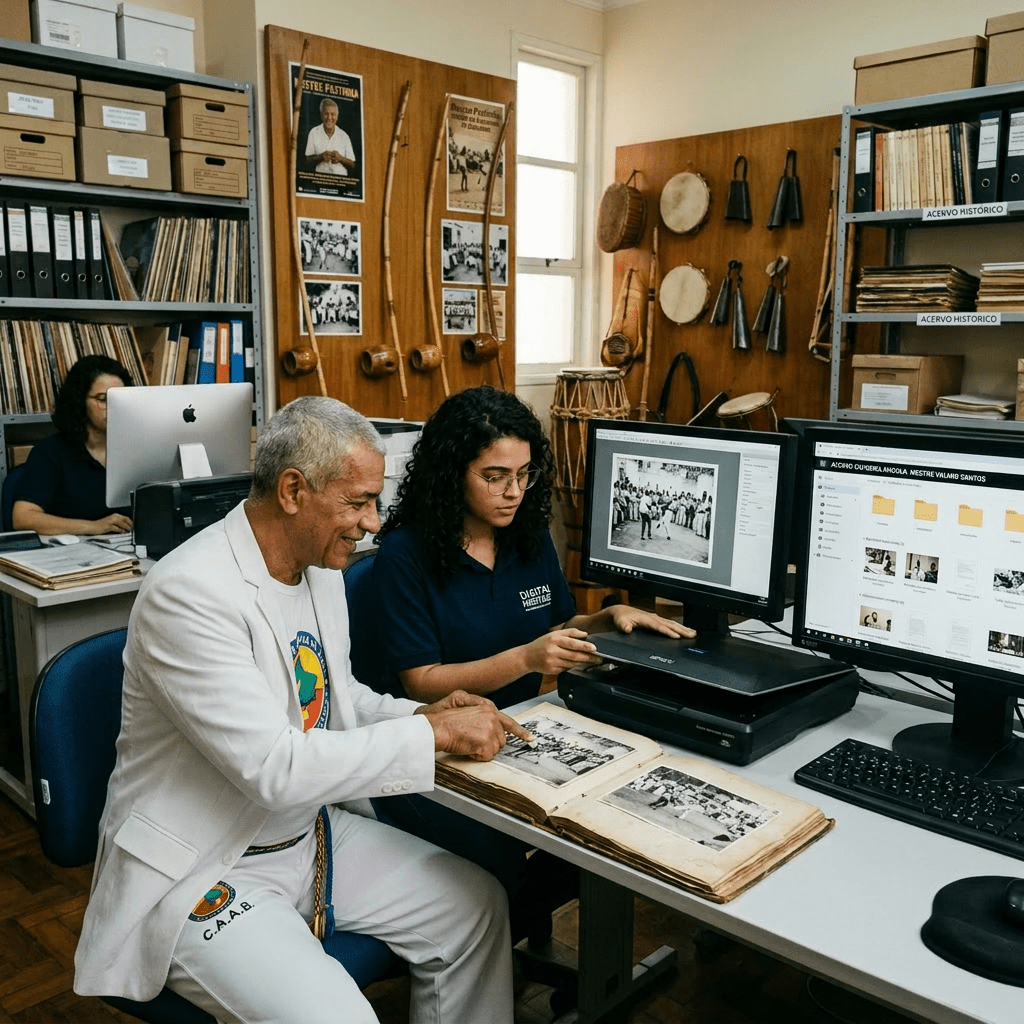

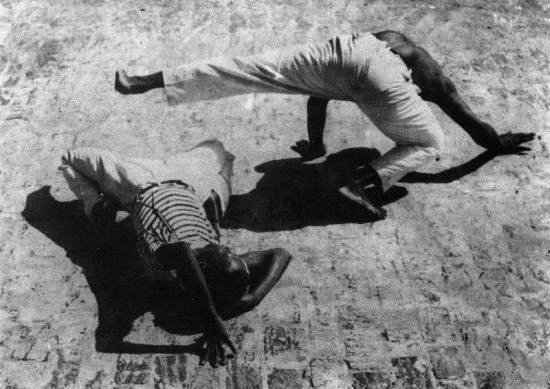
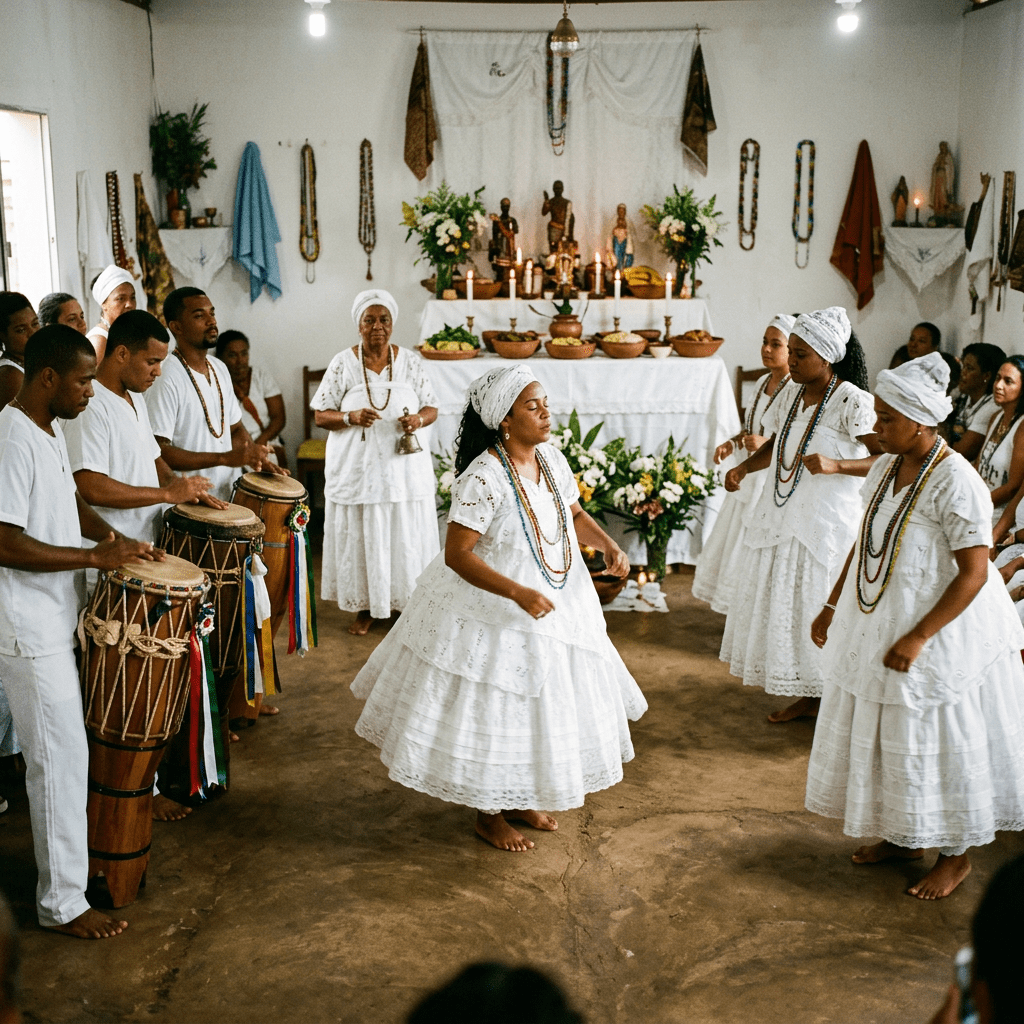
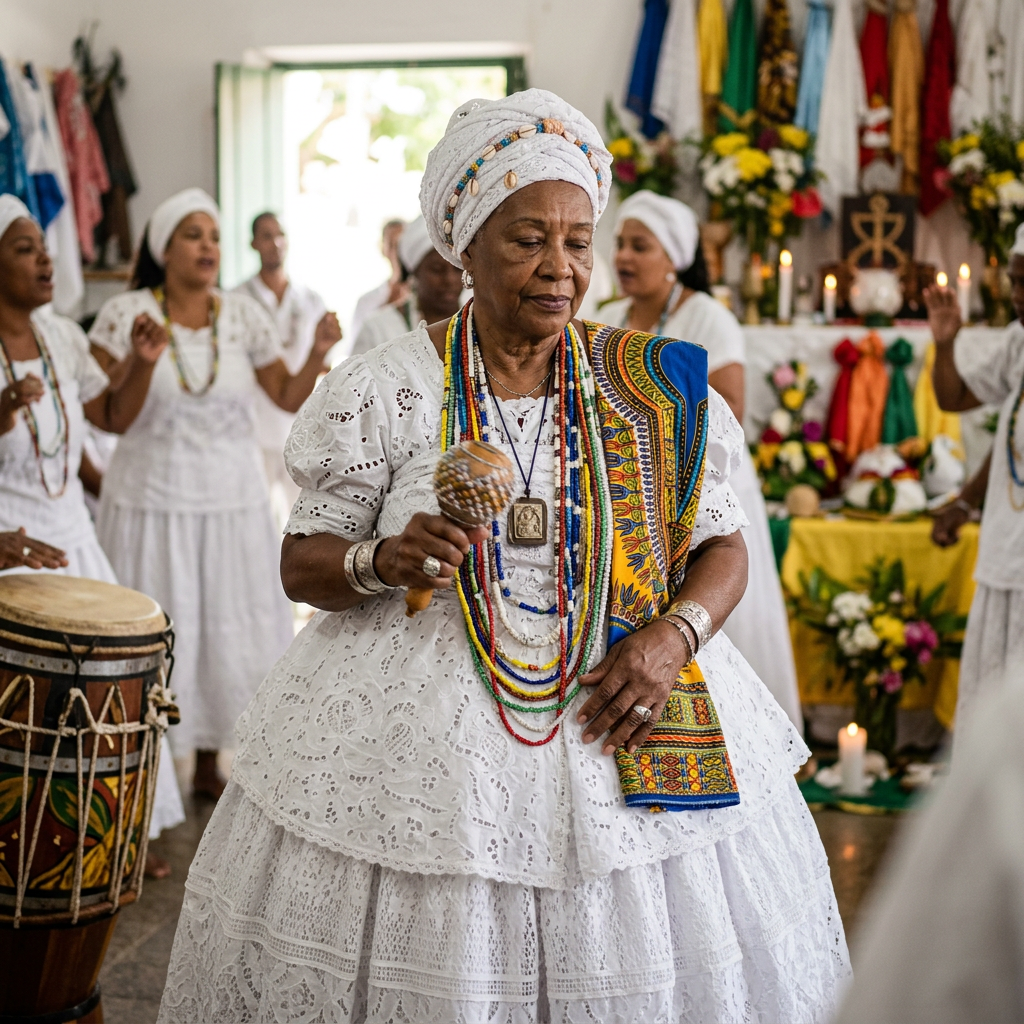
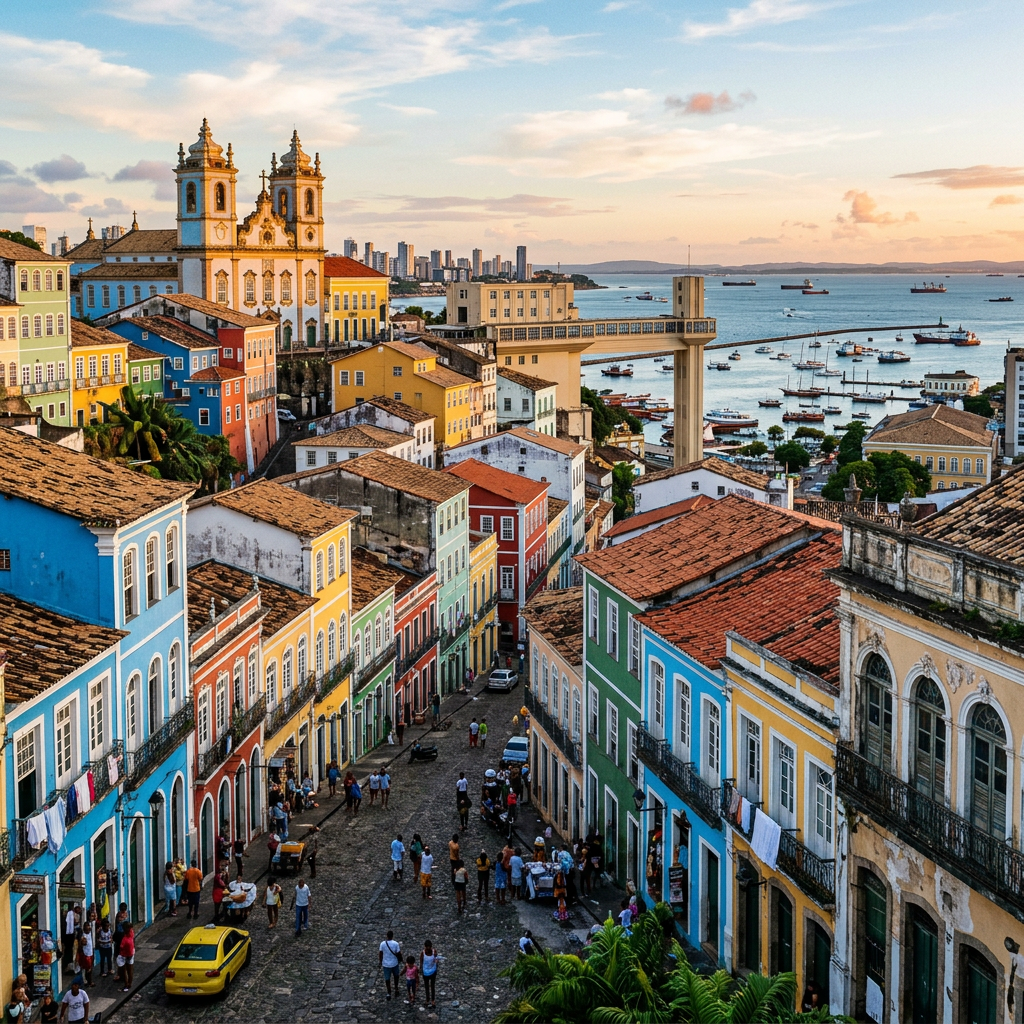
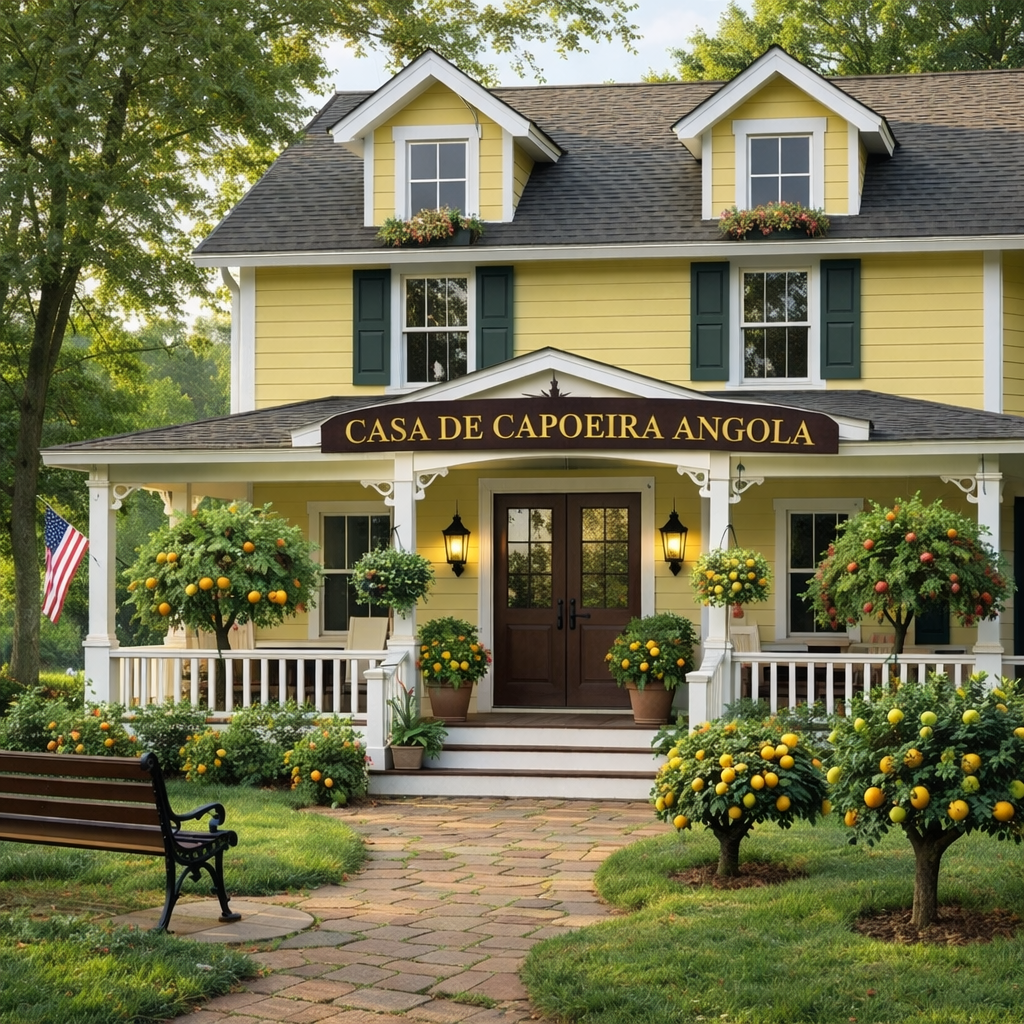
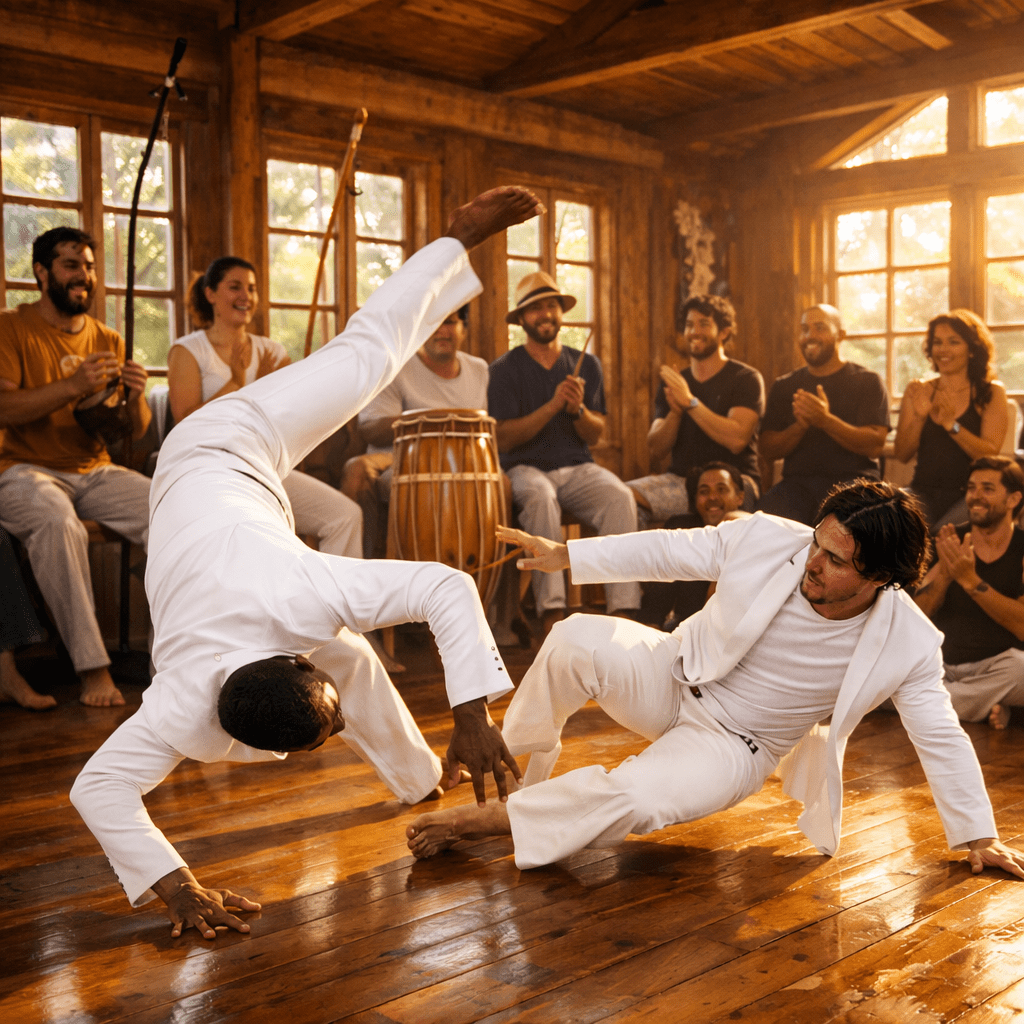
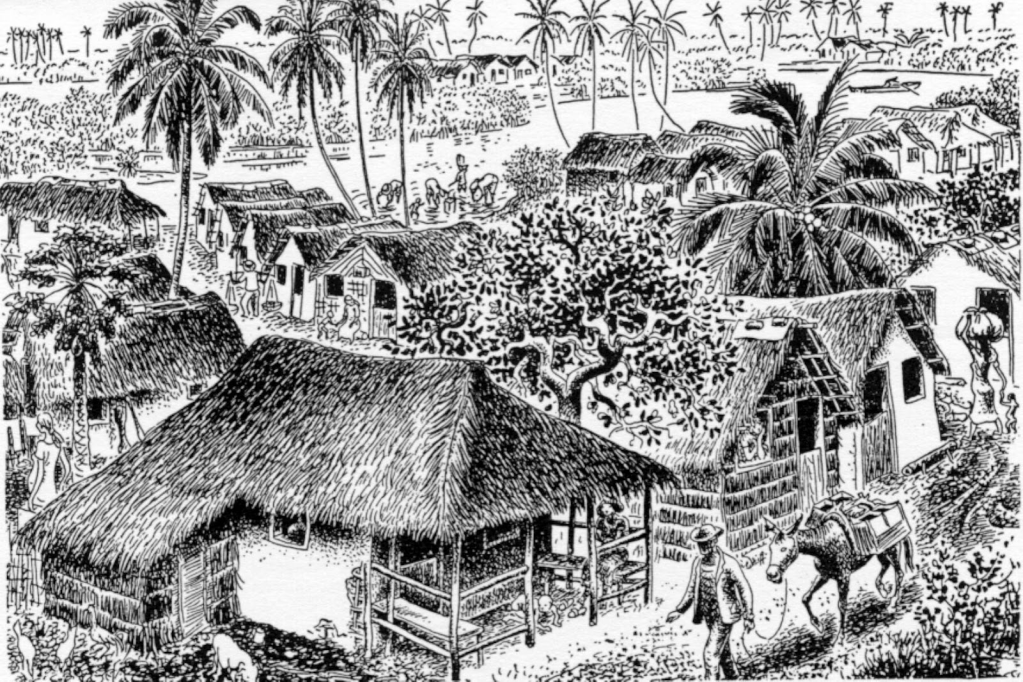
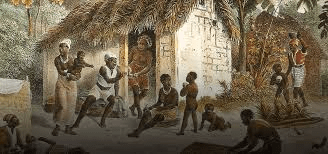
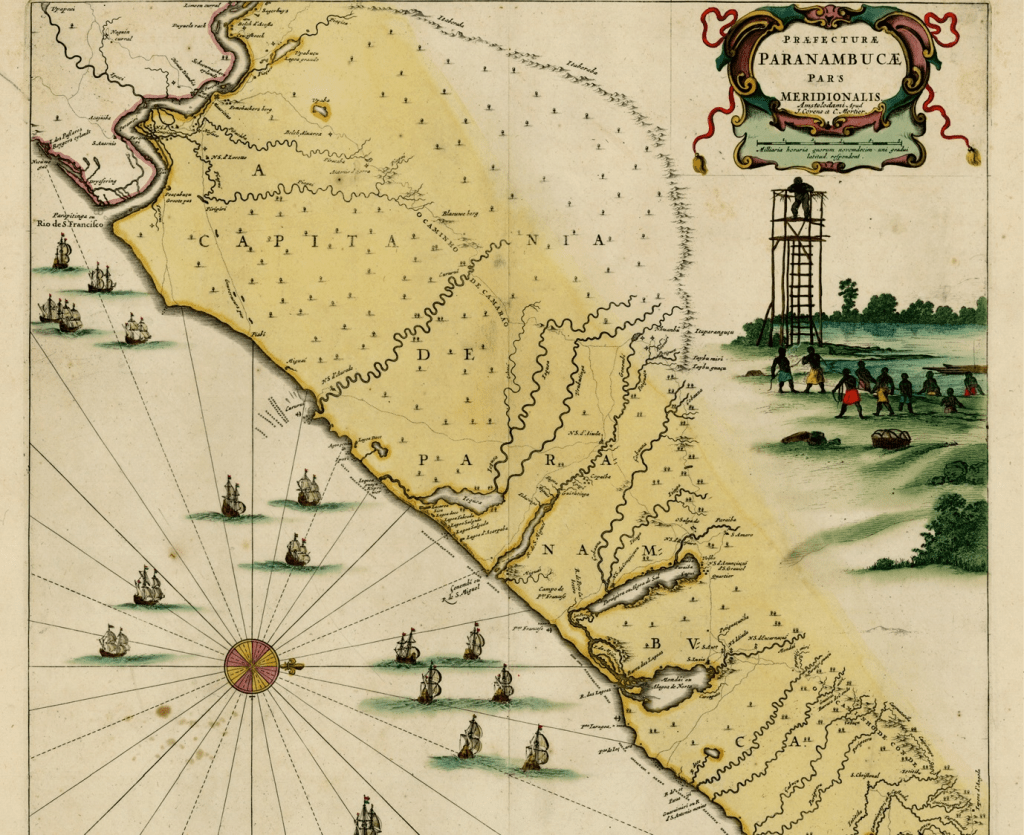
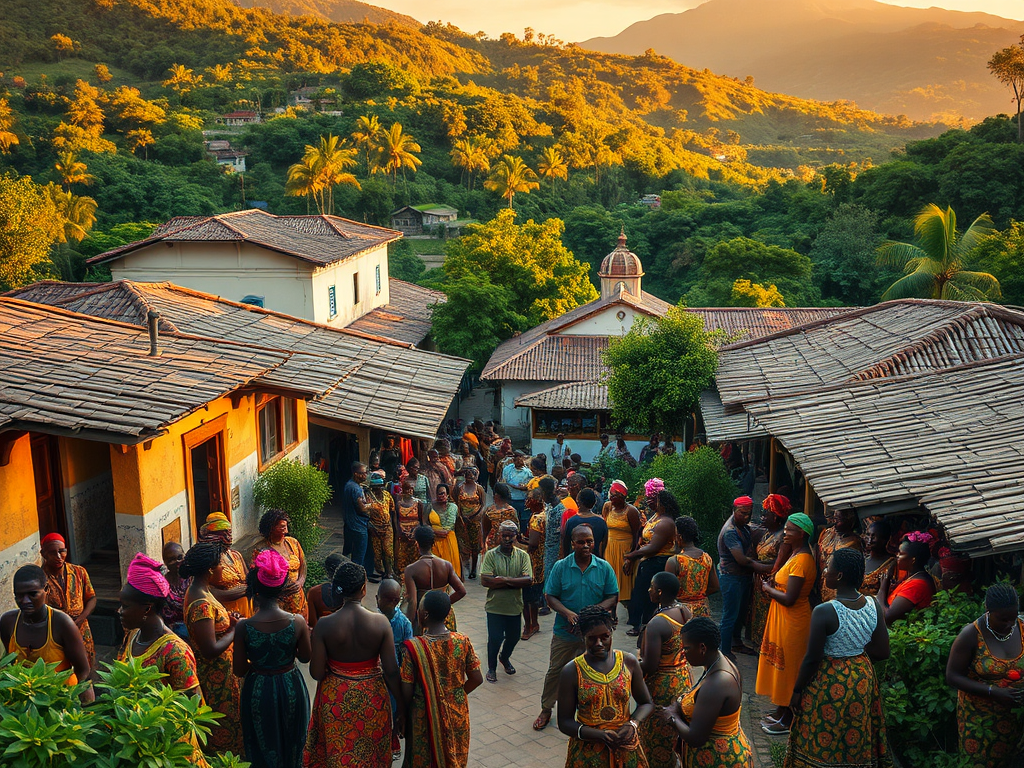
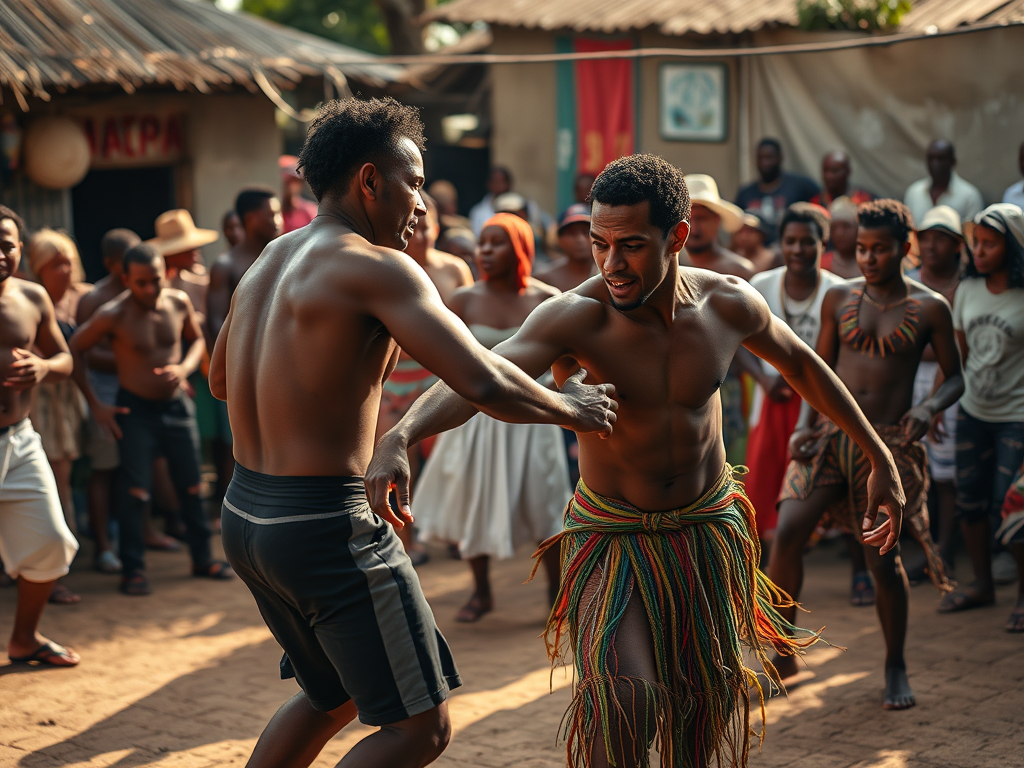
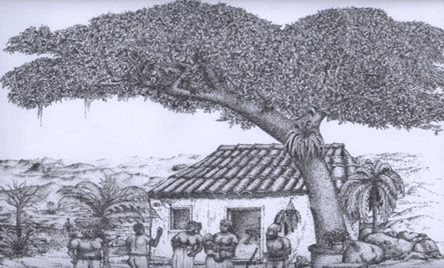
 Jogo Corpo Fechado