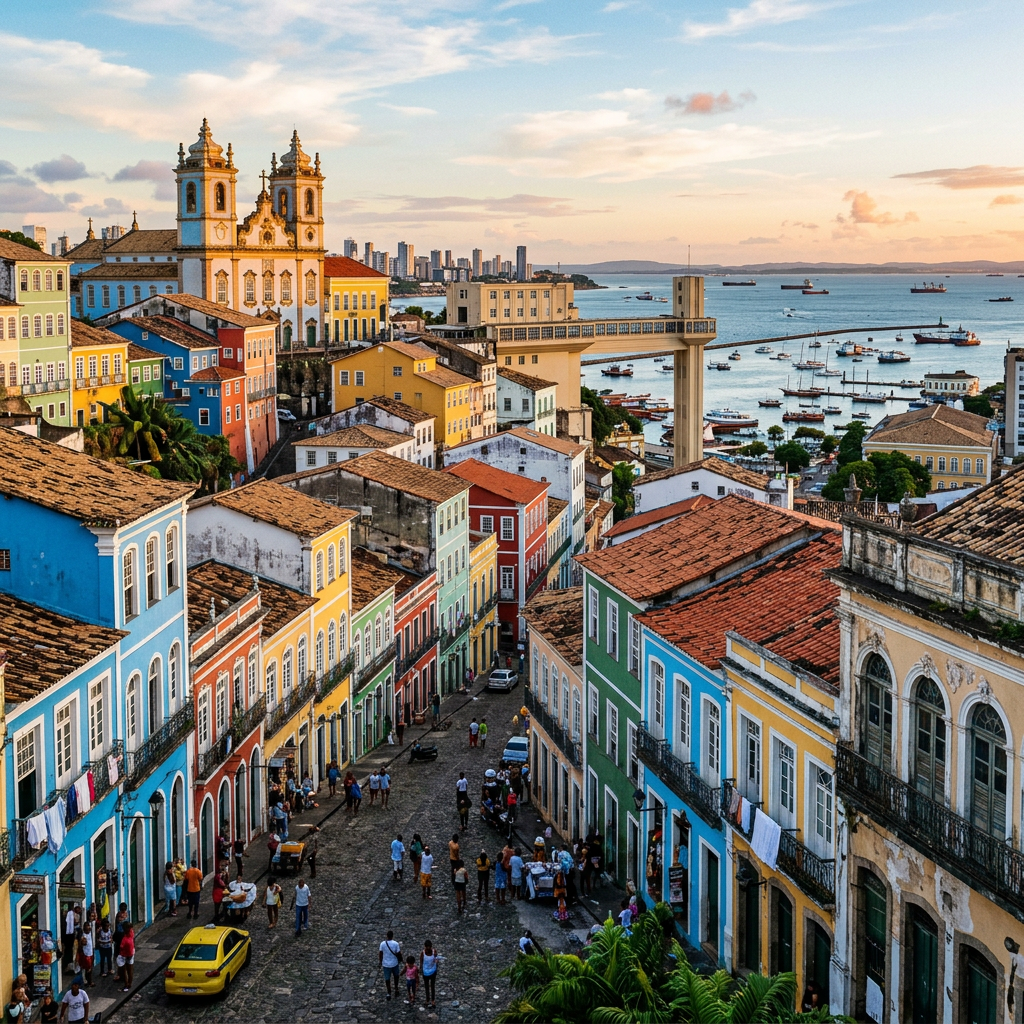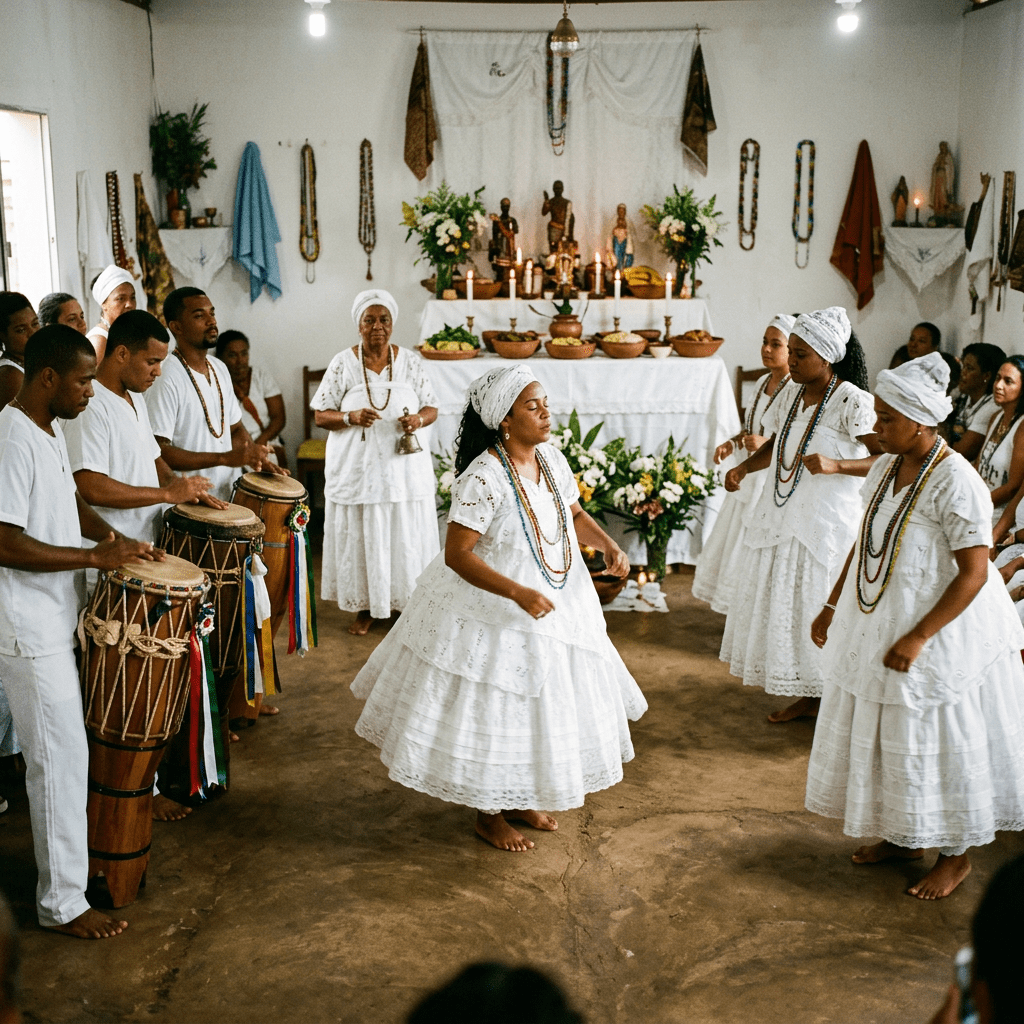
Greetings! In this expansive blog series, we shall embark on a journey to explore Sub-Saharan Africa’s rich spiritual topographies, meticulously tracing ancestral lineages and their profound global resonance. Our primary objective is to establish a comprehensive framework for examining indigenous cosmologies, ranging from the Akan people’s deep reverence for Nyame to the complex and vibrant Yoruba Orisha pantheon.
This analytical framework further investigates the historical arrival and subsequent localization of world religions such as Christianity and Islam, observing how they synthesized with traditional African faiths to create unique spiritual landscapes. Central to this exploration is the practice of ancestral worship, which serves as a vital contemporary anchor for collective identity and ensures social continuity across generations.
Furthermore, we highlight the remarkable resilience of traditions like Haitian Vodou, Cuban Santería, and Brazilian Candomblé, all of which continue to thrive through the power of oral tradition and storytelling. Investigating these deep-seated roots fosters a more nuanced understanding of how faith, identity, and African cultural resilience intersect and persist in the modern world.
In contemporary Brazil, however, this resilience is frequently tested. The frequency of attacks directed at practitioners of Afro-Brazilian religions significantly exceeds those targeting any other religious groups in the nation. Activists and scholars identify this systematic persecution as “religious racism,” a term specifically utilized to highlight that these acts of violence and discrimination are fundamentally driven by deep-seated racial prejudice against spiritual traditions with African origins.
This framework analyzes the historical arrival and localization of Christianity and Islam as they synthesized with traditional faiths. Central to this is ancestral worship, a vital contemporary anchor for collective identity and social continuity.
Furthermore, we highlight the resilience of traditions like Haitian Vodou, Cuban Santería, and Brazilian Candomblé, which thrive through oral tradition and storytelling. Investigating these roots fosters a nuanced understanding of faith, identity, and African cultural resilience.
In Brazil, the frequency of attacks directed at practitioners of Afro-Brazilian religions significantly exceeds those targeting any other religious groups. Activists and scholars characterize this systematic persecution as “religious racism,” a term used to highlight that these acts of violence and discrimination are fundamentally driven by deep-seated racial prejudice against traditions with African origins.
This phenomenon is particularly visible in the Federal District, where official statistics illustrate a profound inequality: while individuals who follow Candomblé make up a mere 0.2% of the local religious population, they represent a staggering 59% of the registered victims of religious intolerance.
These patterns of disproportionate aggression are documented consistently across various regions of Brazil, reflecting a broader national challenge that poses a severe threat to the preservation of indigenous cosmologies. Despite these challenges, the resilience of faiths such as Candomblé continues to be a central theme in the study of African cultural continuity.
In Brazil, the frequency of attacks directed at practitioners of Afro-Brazilian religions significantly exceeds those targeting any other religious groups. Activists and scholars characterize this systematic persecution as “religious racism,” a term used to highlight that these acts of violence and discrimination are fundamentally driven by deep-seated racial prejudice against traditions with African origins. This phenomenon is particularly visible in the Federal District, where official statistics illustrate a profound inequality: while individuals who follow Candomblé make up a mere 0.2% of the local religious population, they represent a staggering 59% of the registered victims of religious intolerance. These patterns of disproportionate aggression are not isolated incidents but are documented consistently across various regions of Brazil, reflecting a broader national challenge. This systematic targeting poses a severe threat to the preservation of indigenous cosmologies and ancestral worship, which remain essential pillars for the social continuity and collective identity of these communities. Despite these challenges, the resilience of faiths such as Candomblé, alongside Haitian Vodou and Cuban Santería, continues to be a central theme in the study of African cultural continuity, as these traditions utilize oral history and storytelling to maintain their vital presence.
The resilience of these traditions, including Haitian Vodou, Cuban Santería, and Brazilian Candomblé, remains a central theme in the study of African cultural continuity. These faiths often thrive through oral tradition and storytelling, serving as vital anchors for collective identity and social stability. Investigating these roots provides a nuanced understanding of how faith and identity intersect with historical resilience.
In Brazil, this resilience is tested by systematic targeting that activists define as religious racism. This form of intolerance is deeply rooted in racial prejudice against traditions of African descent. Statistics from the Federal District highlight a stark disparity: despite followers of Candomblé making up only 0.2% of the religious population, they account for 59% of the victims of religious intolerance. Such disproportionate aggression is documented throughout the country, yet these communities continue to preserve their indigenous cosmologies and ancestral worship as essential frameworks for social continuity.
For comprehensive insights into the socio-cultural landscape and the ongoing struggle against religious intolerance in Brazil, please visit the Black Brazil Today website. This platform provides extensive resources and reporting on the systematic targeting of Afro-Brazilian religions and the broader implications of religious racism. You can access more information at: https://blackbraziltoday.com/
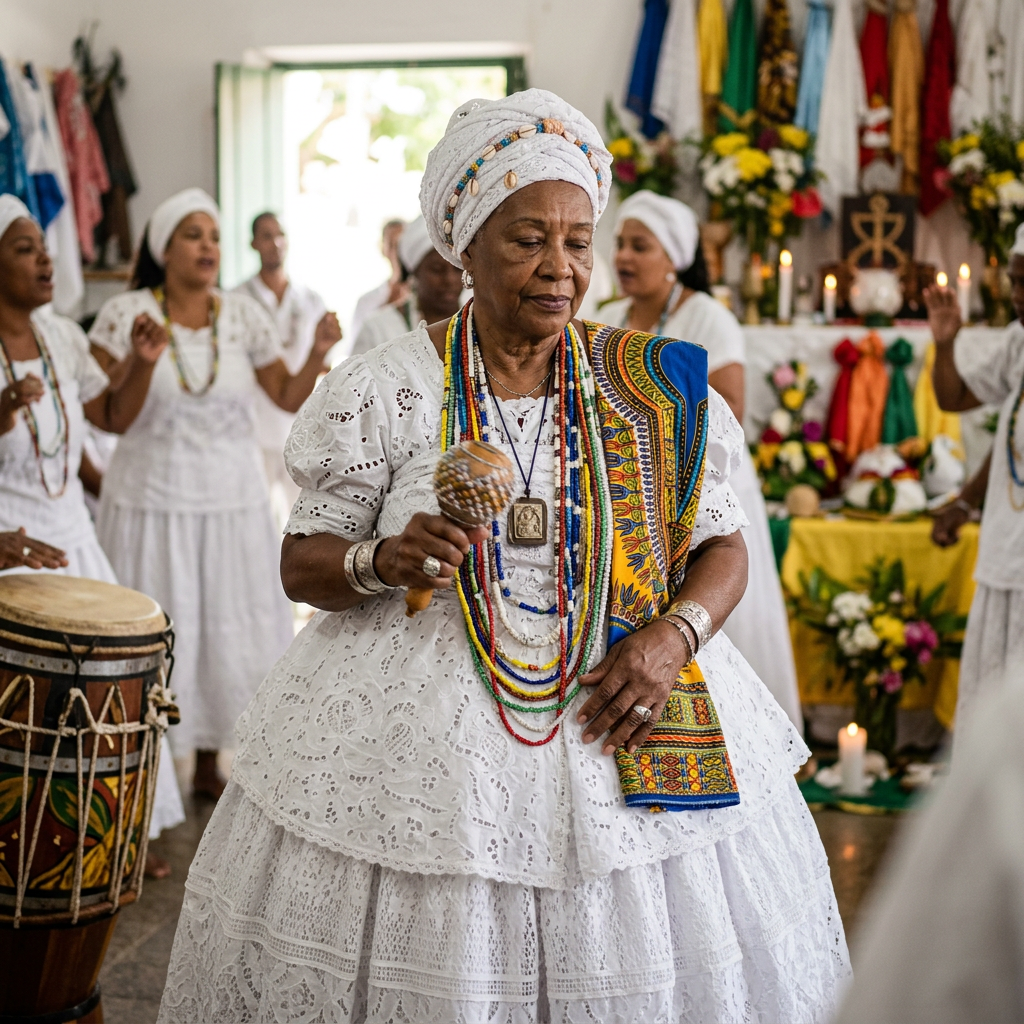
If you find this content valuable and wish to support the continued production of these educational materials and the advocacy work of the channel, please consider making a contribution via CashApp to: $MrMarques72. Your support helps maintain the visibility of these critical narratives regarding African cultural resilience and identity.
The preservation and promotion of these critical narratives regarding African cultural resilience and identity serve as a cornerstone for understanding the diverse socio-cultural fabric of the African diaspora.
Explore the true narrative of Brazil by engaging with platforms dedicated to the depth and complexity of the Afro-Brazilian experience. We invite you to subscribe to Black Brazil Today, a vital resource for insightful discussions on race, culture, and the evolving landscape of media representation. By joining our community, you gain access to nuanced perspectives on how indigenous cosmologies and traditional faiths like Candombl’e continue to navigate and resist systemic challenges such as religious racism and intolerance.
Stay connected with our latest tutorials and advocacy work by visiting their YouTube channel: https://www.youtube.com/@blackbraziltoday3316. Your engagement helps amplify these essential stories of historical localization, social continuity, and the enduring power of oral traditions.