Healing from Sexual Trauma with Capoeira Angola

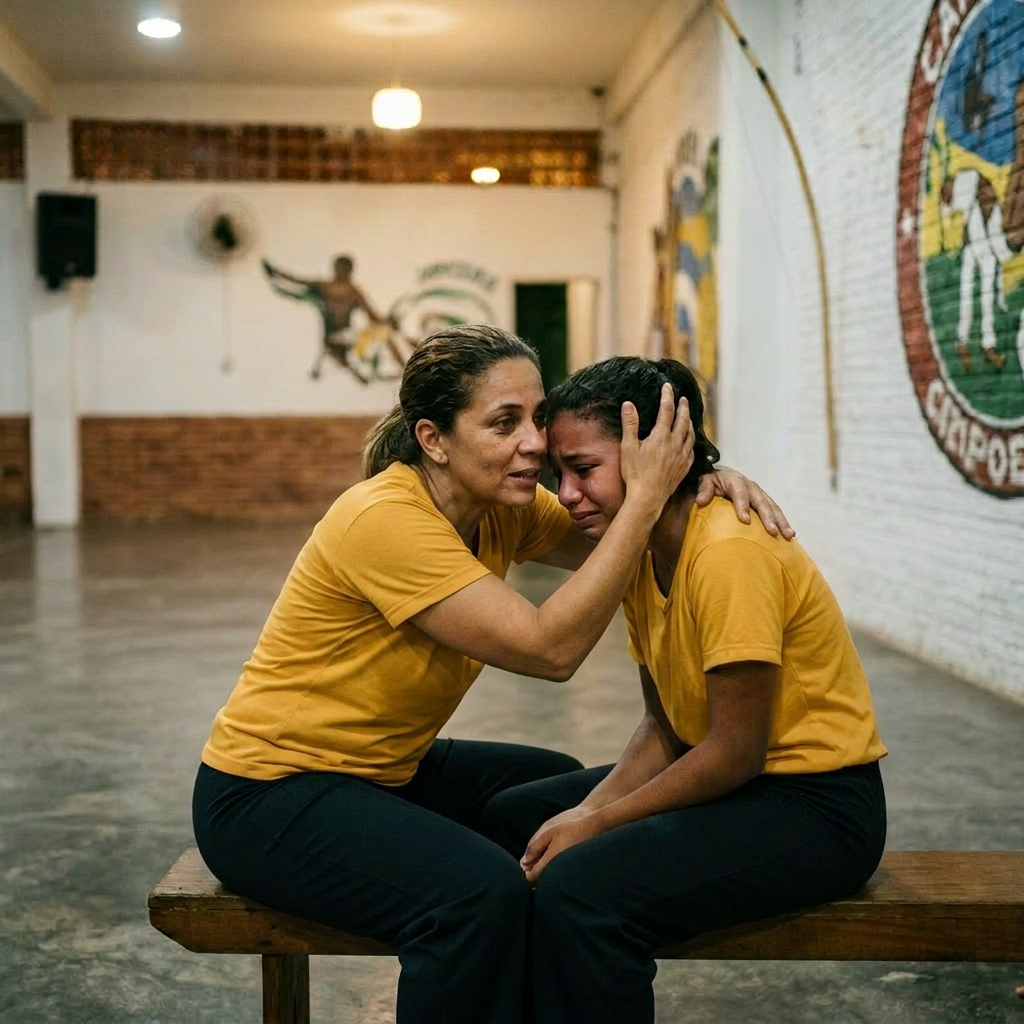
Capoeira instructor consoling a crying young student in a group class

One of the main inspirations for this article is this video.

We’ll get more into this subject in future posts. Right now, let’s explore how the lessons we learn in Capoeira Angola can help survivors of sexual abuse and trauma.

Let’s get started.

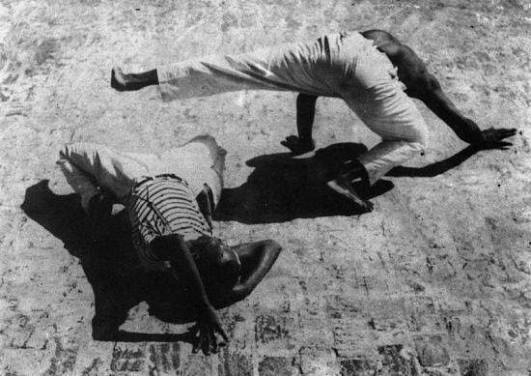
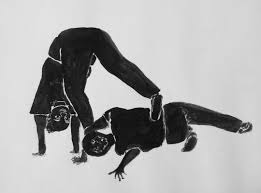
Capoeira Angola, an Afro-Brazilian art form integrating movement, music, and philosophy, offers a unique, non-traditional vehicle for recovery from profound psychological harm and social isolation. By engaging in this dynamic discipline, survivors can release pent-up emotions, build resilience, and cultivate community support, aiding in a holistic healing process. This practice does not simply manage symptoms but actively promotes embodied resilience, helping survivors transform fear into power and trauma into a source of enduring strength.

The efficacy of this practice lies in its ability to address trauma at a deep, somatic level, engaging the nervous system and the physical body where the residue of traumatic experiences is often stored. For survivors of sexual violence, traditional interventions like talk therapy or legal recourse, while vital for external safety, may be complemented by these embodied methodologies to reclaim personal autonomy and self-worth. Through rhythmic movements and the communal energy of the practice, individuals can replace hypervigilance and disconnection with a heightened sense of self-awareness and control.

The holistic nature of Capoeira Angola integrates several restorative dimensions:

  • Physical Reclamation: Foundational movements like the ginga demand a mindful presence, compelling survivors to re-engage with their physical selves and transform the body from a site of pain into an instrument of grace and power.
  • Emotional Regulation: The musical heart of the art—comprised of instruments like the berimbau and call-and-response songs—provides a non-verbal outlet for expressing complex feelings and regulating the nervous system through collective rhythm.
  • Strategic Empowerment: The philosophy of malícia (cunning) teaches survivors to read body language and anticipate threats, fostering the internal resources necessary to establish firm boundaries and navigate social challenges with grace.

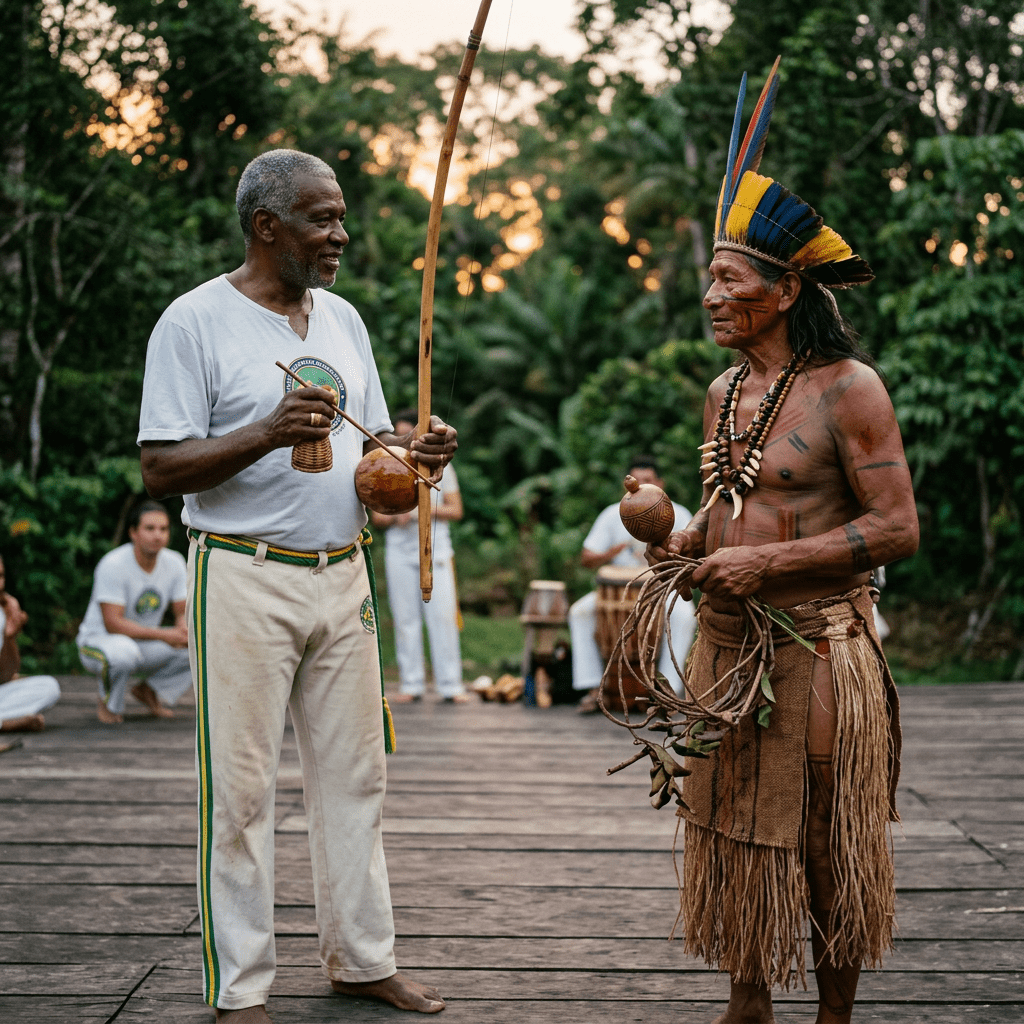
Ultimately, this path of recovery is supported by the Capoeira community, or irmandade, which counters the isolation often used as a tool of abuse. Under the guidance of a sensitive Mestre or Mestra, practitioners find a protective structure where they can model healthy relationships and practice authentic self-expression.

The Roda as a Safe Container

The roda, or the circle where the game is played, serves as a primary micro-community designed to be a “safe container”. Within this structured space, practitioners can experience vulnerability and build trust through a rigorous set of rules and etiquette that govern physical and social interactions. This environment is particularly therapeutic for those healing from traumatic backgrounds, as it provides a predictable framework where individuals can safely internalize healthy boundaries and reclaim bodily agency. By participating in the roda, survivors engage in a collective effort where safety is maintained by the group, countering the isolation and powerlessness often associated with past trauma. This process allows for the transformation of fear into power, facilitating a holistic healing journey through embodied resilience.

Embodied Principles for Recovery

Several core principles of Capoeira Angola contribute to fostering resilience and healing:

  • Ginga (The Sway): Serves as a metaphor for emotional fluidity and adaptability, training the nervous system to remain engaged rather than succumbing to freeze or flight responses during stress.
  • Respeito (Respect): Mandates deep listening and honoring the autonomy of every participant, ensuring that training is based on genuine partnership and values the individual’s internal world.
  • Malandragem (Cunning): Involves reading body language and intentions to anticipate threats, allowing individuals to establish firm personal boundaries and reclaim a sense of agency.
  • União (Unity): Emphasizes that safety is a collective endeavor, providing immediate support and validation that counters the isolation often sought by perpetrators of abuse.

The Role of the Mestre and Community

The Mestre or Mestra plays a pivotal role in modeling healthy authority that is firm yet unconditionally supportive. By embodying leadership grounded in empathy and boundaries, they provide a corrective relational experience for survivors of trauma. In a trauma-informed academy environment, open communication is encouraged, and training is adapted to meet the emotional or physical limitations of students dealing with trauma. This flexibility ensures that the practice remains accessible and avoids triggering re-traumatization during physical engagement.

Contemporary masters have utilized Capoeira Angola as a transformative tool for healing marginalized populations, helping practitioners dismantle the legacies of personal and historical oppression. This rich and vibrant cultural practice, rooted in the resilience of the Afro-Brazilian community, integrates movement, rhythm, and history, creating a unique space for individuals to explore their identities and express their emotions. This work extends beyond individual recovery to address systemic harms, viewing personal empowerment as a catalyst for social change. By fostering a sense of community and solidarity, practitioners of Capoeira Angola not only reclaim their narratives but also challenge the socio-political structures that perpetuate inequality, ultimately paving the way for a more just and equitable society.

FOR SURVIVORS OF SEXUAL HARASSMENT AND ABUSE:

If you are a survivor of sexual abuse and don’t know where to turn to, you are not alone. Reaching out for support is a courageous first step toward healing, and there are many dedicated resources available to provide guidance, safety, and specialized care.

National and international organizations that deal with sexual abuse:

Me Too International: Building on the global movement, this organization focuses on survivor-led healing and advocacy. It works to interrupt sexual violence by addressing the root causes and providing resources for community-based support and systemic change.

RAINN (Rape, Abuse & Incest National Network): As the largest anti-sexual violence organization in the United States, RAINN operates the National Sexual Assault Hotline and carries out programs to prevent sexual violence, help survivors, and ensure that perpetrators are brought to justice.

NSVRC (National Sexual Violence Resource Center): This organization provides a wealth of information and tools for advocates and educators. They focus on research-based prevention strategies and offer specialized resources for various communities to address and end sexual violence.

The International Society for Prevention of Child Abuse and Neglect (ISPCAN): ISPCAN is a multidisciplinary international organization that brings together professionals from around the world to support child protection efforts and research aimed at preventing all forms of violence and cruelty toward children.

UN Women: This entity of the United Nations works to eliminate discrimination against women and girls. They specifically address sexual violence in humanitarian and conflict settings, advocating for policy changes and providing support systems for survivors globally.


Capoeira Angola stands as a profound, non-traditional methodology for recovering from the multifaceted trauma of sexual violence and domestic abuse. By addressing the physiological residue of trauma stored within the nervous system, it offers a necessary complement to traditional legal and clinical interventions. Through its unique integration of movement, music, and philosophy, the practice provides a structured yet expressive pathway for survivors to release pent-up emotions and reclaim their bodily agency.


The effectiveness of this art form is deeply rooted in its historical legacy as a powerful tool for survival and resistance among enslaved Africans, who utilized it to maintain their cultural identity and express defiance against oppression. This rich heritage fosters a spirit of resilience that continues to empower marginalized populations today, encouraging them to reclaim their voices and narratives in societies that have often silenced them. Within the safe container of the roda, which serves as both a physical and metaphysical space, survivors can transform the isolation imposed by systemic injustices into a vibrant community filled with shared experiences and mutual support. In this environment, fear is not merely acknowledged but transmuted into a source of enduring strength, enabling participants to confront challenges with renewed confidence and solidarity.

Ultimately, Capoeira Angola does not merely manage symptoms of societal issues but actively promotes a holistic flourishing, viewing personal empowerment as a vital catalyst for both individual healing and broader social change, intertwining personal growth with collective liberation efforts to build a more just world for future generations.

SPIRITUAL PRACTICES OF AFRICA, AND THE DIASPORA (5/17/26)

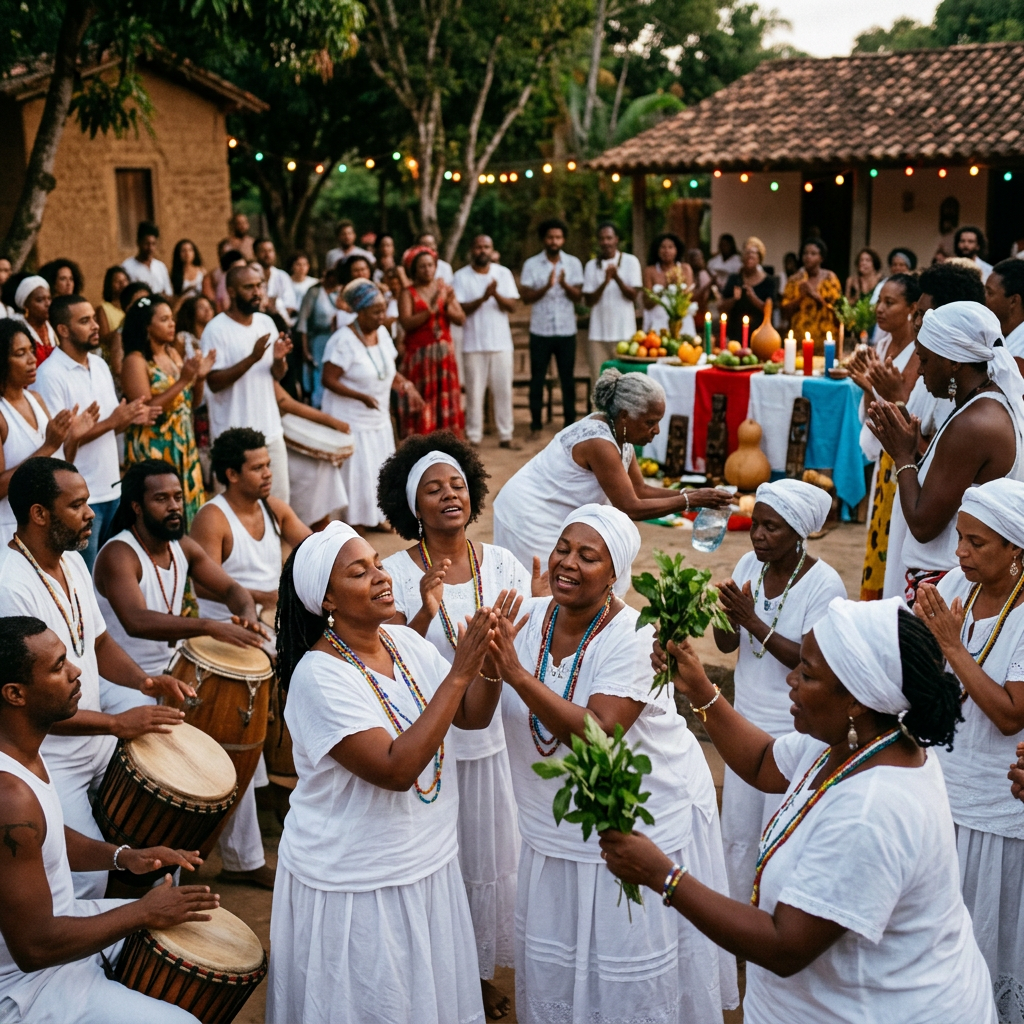
Group of people dressed in white performing a spiritual ceremony with drums and dancing

Welcome to SPIRITUAL PRACTICES OF AFRICA AND THE DIASPORA. Spiritual practices in Africa and the Diaspora center on the interconnectedness of the living, ancestors, and the divine, often featuring a supreme being and various mediating deities. These intricate belief systems reflect the rich cultural heritages and histories of diverse communities, embodying values and teachings that have been transmitted through generations. Foundational cosmologies, such as Yoruba Orishas and Gbe Vodun, have evolved into faiths like Santera, Candomble, and Vodou, each adapting to the specific cultural and environmental contexts in which they exist. These resilient systems survived colonial suppression by syncretizing with Christianity and Islam, using external symbols to shield traditional rituals while preserving core spiritual principles. Today, a global revival is reclaiming these sacred philosophies, appealing to individuals seeking deeper connections to their roots and identities, serving as a cultural anchor for navigating modern challenges, and fostering a renewed sense of community and belonging across the globe.

In Today’s installment…

Let’s explore Elemental Africa: The Science of Fire, Water, Air, Earth & Spirit—a profound exploration of ancestral wisdom where the elements are recognized not as inert matter, but as living, intelligent, and purposeful entities that contribute to the intricate web of life. This ancient paleo-science, deeply rooted in traditions that span millennia, provides a sophisticated framework for understanding the relationship between the self and the cosmos, emphasizing the interconnectedness of all things.

It invites us to reflect on how these elemental forces shape our existence and influence our experiences, encouraging a holistic approach that moves beyond the limitations of contemporary perspectives. In doing so, it includes not only the tangible aspects of the physical world but also the invisible, subtle influences of the universe that have a profound impact on our spiritual and emotional well-being, urging us to tune in to the rhythms and cycles of nature that surround us every day.

Within this worldview, the five elements serve as both a diagnostic lens for holistic healing and a roadmap for spiritual alignment:

Fire: A transformative force linked to the etheric body and the power of will. It acts as a catalyst for clearing and renewal, transmuting stagnant energy into vibrant purpose through the legacy of Yoruba metallurgy and ancestral warrior spirits.

Water: A repository of memory and a symbol of ceaseless flow. It teaches adaptability and non-resistance, exemplified by the “Water Principle” in martial arts where energy is absorbed and redirected rather than fought.

Air: Carrying the spoken word and the power of thought, air is linked to the mental body and Zulu traditions of sacred breath. It facilitates the expansion of intellect and the clarity of expression, allowing for the navigation of complex mental landscapes.

Earth: Anchoring cosmic law and the physical body, earth provides grounding and stability. It embodies a receptive, feminine essence that transforms unbeneficial forces through patience and rooted presence.

Spirit: The vital life force that facilitates divine alignment when the four tangible elements are in balance. In the Yoruba tradition, this spiritual power (Ase) flows through the human aura, or emi, supported by the sacred geometry of the merkaba.

By delving into these intricate legacies—from the ethical foundations of Igbo philosophy to the depth of Kongo cosmology—we reclaim a sacred dialogue with the universe that resonates deeply within our collective consciousness. This synthesis of movement, breath, and ancient science not only challenges us to confront our limitations but also inspires a profound exploration of self-awareness and interconnectedness.

As we navigate through the wisdom embedded in these traditions, we are called to embrace our unique purpose within the grand tapestry of life, recognizing that each thread, colored by our experiences, contributes to the rich narrative of existence. This journey invites us to honor our ancestors, learn from their insights, and apply their teachings in our modern context, creating a bridge between past and present that enriches our understanding of the world around us.

The Role of the Mestre and Shaman: Cultural Guardians

Two men playing traditional string instruments in an outdoor setting

The exploration of the parallels between a Capoeira Mestre and a Shaman reveals a deep-seated connection to spiritual and physical mastery that transcends mere performance. Both roles function as cultural guardians, presiding over rituals that bridge the material and spiritual worlds, thus reinforcing their communities’ values and traditions. Just as a Shaman navigates the spirit realm to facilitate healing and guidance, being attuned to the subtle energies that flow around them, a Capoeira Mestre leads the roda, a ritualized circle that serves as a “safe container” for practitioners to experience vulnerability and build collective resilience. This shared space not only fosters empowerment but also cultivates a profound sense of belonging and identity among participants. Furthermore, the teachings imparted by both figures emphasize the importance of connection—whether it be to one’s ancestors, the natural world, or fellow practitioners—creating a holistic approach to personal and communal well-being. Each movement in Capoeira and each chant in Shamanic practice resonates with deeper meanings, inviting individuals to explore their inner landscapes while honoring the rich heritage from which these traditions emerge. Through this lens, one can appreciate how both the Mestre and the Shaman contribute to the ongoing narrative of their respective cultures, ensuring the continuity of wisdom that has been passed down through generations.

The Ritual Space as a Living Sanctuary

The environment of the Casa de Capoeira Angola is envisioned as a living sanctuary, much like a Shamanic ritual space that transcends mere physical boundaries. It is more than a training facility; it is a spiritual home where the profound historical and philosophical heritage of the art is not only preserved but also celebrated and passed down through generations. Within this sacred space, the roda acts as a micro-community, a gathering point where practitioners from diverse backgrounds come together to share their experiences and knowledge. Here, values of respeito (respect) and união (unity) are practiced diligently, fostering a protective structure that mirrors the communal responsibility found in indigenous spiritual traditions. This environment encourages self-exploration and personal growth while reinforcing the bonds of kinship among its members, creating a vibrant tapestry of interconnected lives and stories that enrich the cultural experience of all who enter.

Spiritual Energy and Manifestation

Central to both roles is the management of life force energy. In Capoeira, this is known as axé, a spiritual power or life force akin to “qi” or the Shamanic concept of spirit energy. The Mestre facilitates the cultivation of this energy through the rhythmic command of the berimbau and the communal singing of traditional songs, which serve as oral histories and life lessons, often passed down through generations. These practices not only reinforce the physical connection among participants but also deepen their spiritual bond, creating a shared experience that transcends the individual. The Mestre’s role goes beyond mere instruction; it is about guiding the players toward an awakening of their inner selves, nurturing their capabilities, and fostering a sense of community within the roda. This spiritual dimension is often described as esoteric, involving states of consciousness where the practitioner may experience a “trance-like” state during intense play, moving without conscious direction. In this state, practitioners report heightened awareness, a deep connection to their lineage, and an invigorated appreciation for the rhythms of life, fostering a unique blend of physicality and spirituality that defines the art form.

Cunning, Deception, and Strategic Wisdom

Both the Shaman and the Mestre utilize strategic subtlety and intuition, creating a dance of perception that transcends mere physical engagement. In Capoeira, this is embodied in the concepts of malandragem (cunning) and mandinga (magic or spell), which serve as vital components in the evolution of the practitioner. Malícia—the ability to understand an opponent’s intentions and skillfully use deception—is not merely a physical tool but a profound psychological one, emphasizing the mind as the first and most valuable weapon in the quest for survival and freedom. This mirrors the Shamanic use of cleverness and indirect influence to navigate complex human and spiritual interactions, illustrating a deep wisdom that is cultivated through experience and awareness. By mastering these elements, both the Shaman and the Mestre engage in a rich tapestry of strategy, where every movement and intention can shift the dynamics of their environment, enabling them to emerge victorious against adversity and challenge.

Healing and Transformation

The role of the Mestre has increasingly been recognized for its profound socio-psychological impact within communities and beyond. Much like a Shaman who heals the community through spiritual connection and guidance, contemporary Mestres like Mestre Roxinho utilize Capoeira Angola as a transformative tool for social cohesion and healing among marginalized populations. This practice transcends mere physical activity; it embodies a rich history of cultural significance and resistance. By deeply grounding the practice in a lineage that celebrates both resistance and cultural reaffirmation, the Mestre plays a crucial role in helping practitioners dismantle the legacies of personal and historical oppression. In this way, they not only teach the skills of Capoeira but also guide individuals on a journey toward self-acceptance and empowerment. Through the shared experience of movement, music, and community spirit, the Mestre transforms the art into a therapeutic practice that fosters resilience, self-determination, and a sense of belonging, ultimately enabling participants to reclaim their identity and purpose in a world that often overlooks their contributions and struggles.

A little “Public Service Accouncement”

To all the young girls out there:

I need you to hear this clearly and to believe it in your heart. When an adult man approaches you, showers you with attention, or tries to engage you in a relationship, I can promise you with absolute certainty that it is not because you are “mature for your age.” That phrase is a common, manipulative tactic—a lie designed to flatter you, make you drop your guard, and justify predatory behavior.

Your maturity, your intelligence, or your ability to carry on a conversation are not the reason an adult is targeting you. The reason is solely about their desire to exploit a person who they perceive as vulnerable, less powerful, and less capable of fighting back or setting firm boundaries.

Please understand this crucial context:

  1. They are the adult. They have fully developed brains, life experience, and a clear understanding of the power dynamics at play. They know the difference between right and wrong and the significant age gap.
  2. You are the minor. Your brain is still developing, you are still navigating complex social situations, and you are inherently in a position of lesser power and experience.
  3. The Flattery is a Hook. Any praise they offer about your “maturity” is a calculated tool of manipulation. It’s an attempt to blur the lines of the age difference and make their inappropriate attention seem acceptable, even deserved.

Prioritizing Your Personal Safety and Comfort

Your personal safety and sense of well-being are absolutely paramount. It is not only permissible but entirely appropriate for you to experience discomfort when subjected to unwelcome or excessive attention—the kind that makes you feel uneasy, scrutinized, or harassed. This feeling of discomfort is a vital, inherent defense mechanism, and you should trust it implicitly.

Recognizing the Difference Between a Compliment and Boundary Violation

It is critical to distinguish between sincere, respectful appreciation and attention that is manipulative or predatory. Individuals who engage in inappropriate behavior often use seemingly harmless compliments or flattery as a tool to disarm you, confuse your emotional response, or minimize the seriousness of their actions.

Do not allow these verbal attempts at charm or positive reinforcement to obscure the reality of the situation. Their compliments, no matter how effusive, do not equate to approval of their underlying actions. If their actions—their persistent presence, inappropriate touching, overly intense gaze, or continuous unsolicited communication—make you feel unsafe or uneasy, those actions are inappropriate, regardless of the words they use. Your discomfort is the most reliable gauge of a boundary violation. Trust that feeling; it is your instinct protecting you.

Please stay safe. Speak up, tell a trusted adult, and know that you are strong, you are valued, and your worth has nothing to do with the inappropriate attention of an adult man. Set firm boundaries, and never feel obligated to keep a secret for an adult who is making you uncomfortable.

SPIRITUAL PRACTICES OF AFRICA, AND THE DIASPORA (3/29/26)

This blog series is dedicated to a deep, respectful exploration of the spiritual bedrock and immense cultural influence emanating from Sub-Saharan Africa. It promises a systematic, intellectual examination of the region’s diverse indigenous belief systems. This includes a close look at foundational cosmologies, such as the Akan’s concept of the supreme creator, Nyame, and the rich, complex Yoruba Òrìṣà pantheon, which features a vast array of deified spirits and forces of nature that govern human life and the cosmos.

Beyond indigenous faiths, the series will offer a meticulous, detailed analysis of the arrival, integration, and profound evolution of the Abrahamic faiths—specifically Christianity and Islam. It will highlight how these traditions were not merely adopted but were actively synthesized into distinct, localized African expressions, resulting in vibrant syncretic movements and churches that bear unique theological and ritual characteristics.

A central, unifying theme across the series is the profound, living role of ancestral worship. The ancestors are not relegated to the past; they remain a contemporary cultural anchor, actively ensuring collective identity, guiding social continuity, and serving as the primary vehicle for the transmission of ethical and moral wisdom across generations.

Finally, the series will underscore the extraordinary resilience and preservation of these African spiritual traditions across the global diaspora. It will illustrate how practices—such as Haitian Vodou, Cuban Santería, and Brazilian Candomblé—are direct, powerful expressions of this enduring heritage. This miraculous preservation is attributed to the inherent power and efficacy of oral tradition, ritual performance, and communal storytelling, which have successfully navigated and withstood centuries of displacement, enslavement, and cultural suppression.

Today’s Journey: Unveiling the Sacred Mysticism of Africa

This particular exploration serves as an invitation to embark on a transformative journey into the very heart of Africa, a place where spiritual healing traditions form the essential bedrock of community structure, personal wellness, and cosmic order. We will dedicate our focus to discovering the pivotal roles and enduring significance of three of the continent’s most profound and widely recognized sacred spirit healers:

  1. The Dibia of the Igbo people, primarily concentrated in Nigeria.
  2. The Sangoma of the Nguni communities, including the Zulu and Xhosa in Southern Africa.
  3. The Nganga, a title and function found across a vast array of Bantu cultures spanning Central, Eastern, and Southern Africa.

These revered titles—Dibia, Sangoma, and Nganga—represent much more than simple practitioners; they are the highly respected custodians of ancient wisdom, serving their communities as expert diviners, master herbalists, and essential intermediaries between the visible, temporal world and the sacred, eternal realm of the ancestors and spirits.—–The Pillars of African Spiritual Healing: A Deep Dive

The practice of these healers is built upon a sophisticated philosophical framework, summarized by these core pillars:1. Spiritual Healing as Wholeness (Holism)

In these ancient traditions, the concept of illness is radically different from a purely biomedical view. Sickness—be it a physical ailment, a psychological distress, or even social discord within a family or village—is fundamentally understood as a state of spiritual and ancestral dis-alignment. This means the individual is out of harmony with their environment, their community, or the spirit world. True spiritual healing is, therefore, a comprehensive process of restoring not just physical health, but cosmic harmony and balance. It is a profound, life-altering process of alignment with spirit, ensuring the individual is correctly positioned and fulfilling their role within the cosmic order, the social fabric, and the ancestral lineage. This restoration of balance is the only path to genuine well-being.2. Ancestral Rituals: The Foundation of Life (Continuity)

For the Igbo (Mmuo) and the Zulu (Amadlozi), the ancestors are not simply the ‘dead’ but are recognized as those who have transitioned to a higher state, remaining active, vital participants in the lives of the living community. Ancestral rituals are the essential language of communication with this realm. These rites—which can involve specific acts like pouring libations, offering specific sacrifices (often symbolic or involving livestock), and engaging in communal dances and trance possession—are performed to honor their memory, seek their indispensable guidance, and, crucially, appease them when a community’s ethical or spiritual harmony has been broken. These rites are the fundamental, guiding force for both individual and communal well-being, securing blessings and preventing calamity.3. Sacred Initiation and the Call (Vocation)

The path to becoming a Dibia, Sangoma, or Nganga is rarely a matter of personal ambition or choice; it is a sacred, often profoundly tumultuous, calling that is thrust upon the individual by the spirits or the ancestors themselves. This divine decree is often accompanied by a period of strange illness, prophetic dreams, or psychological distress until the person accepts their fate. The subsequent sacred initiation is a rigorous, demanding process involving years of often secret, specialized training guided by established, elderly mystics. This process is comprehensive, encompassing:

  • Mastery of the deep knowledge of medicinal and spiritual plants.
  • Learning the complex language of divination (through the reading of bones, cowrie shells, or entering deep trance states).
  • Understanding the complex etiquette and laws of the spirit world.

The trials, tests, and teachings within this process are designed to strip away the novice’s former ego and identity, preparing them to safely and effectively channel powerful healing and divinatory energies.4. Hidden Knowledge and Cosmic Law (Esotericism)

These healers are not merely practitioners; they are the living keepers of hidden knowledge—an esoteric and privileged wisdom passed down strictly through oral tradition and practical, supervised application over countless generations. This knowledge encompasses a sophisticated understanding of:

  • Cosmology: The structure of the universe and the relationship between the visible and invisible worlds.
  • Interdependence of Nature: A profound ecological awareness of the symbiotic relationship between humans, animals, and the plant kingdom.
  • Herbal Muti: The medicinal and spiritual uses of powerful herbal preparations.
  • Cosmic Law: The unseen laws that govern the operation of the visible and invisible worlds.

This wisdom is accessed through specialized techniques, including deep trance states, the precise interpretation of dreams and omens, and is often mediated by the mystics who possess the innate ability to perceive spiritual truths and realities beyond ordinary human sensory perception.—–The Role of Ancient Wisdom and Blood Rites

The essence of the healer’s practice is deeply rooted in ancient wisdom, a timeless, coherent body of knowledge that fundamentally recognizes the profound interconnectedness of all life—spiritual, human, and natural.

Healing often involves blood rites—which are not savage, but deeply symbolic acts. These may take the form of the ritual sacrifice of animals (done with respect and purpose) or the ceremonial use of blood to seal covenants, purify sacred objects, or offer profound, potent thanks to the spirits and ancestors. These acts serve to powerfully reaffirm the deep, living bond between the earthly community and the spirit realm.
In every instance, the Dibia, Sangoma, or Nganga acts as the indispensable pivot point—the spiritual mediator—guiding individuals, families, and communities back toward a state of spiritual grace, ethical integrity, and vital, enduring wholeness. Their practice is a testament to the enduring power of faith and the unbroken chain of African wisdom.

I was a people person… UNTIL PEOPLE RUINED IT!

The rapid evolution of modern society is not without its hidden costs, chief among them being the insidious proliferation of toxic behavior, often manifesting in ways that escape immediate public notice. This in-depth video exploration is dedicated to uncovering and illuminating the deeply rooted cultural, psychological, and emotional tectonic shifts that are silently yet powerfully driving the creation of more toxic individuals than at any other point in recent history.

The increasing pace of digital connectivity, coupled with shifting social norms, has inadvertently cultivated environments where self-absorption, chronic comparison, and a lack of authentic empathy thrive. Psychologically, a culture of instant gratification and performance pressure has led to heightened levels of narcissism and emotional fragility, where a person’s value is often tied to external validation—a fertile ground for toxic defense mechanisms. Emotionally, the breakdown of strong community bonds and the rise of isolation have diminished natural opportunities for developing conflict resolution skills and genuine compassion.

By meticulously breaking down the “why” behind this concerning trend, viewers will gain invaluable intellectual and emotional armor. The core purpose of this elaboration is to empower you to:

  1. Protect Your Energy: Learn to identify the subtle energy-draining tactics employed by toxic individuals—be they manipulative colleagues, emotionally volatile family members, or demanding partners—and establish robust, non-negotiable personal boundaries to preserve your vital resources.
  2. Strengthen Your Awareness: Develop a sophisticated radar for recognizing the early warning signs of toxicity in relationships and interactions, moving beyond surface-level charm to spot underlying patterns of control, gaslighting, or victimhood.

Reclaiming Your Peace: Strategies to Break Free from Toxic Relationships

Stop Letting the Wrong People Drain Your Life. The energy you invest in high-toxicity individuals is a non-renewable resource that, when squandered, costs you your well-being, focus, and potential for growth. This critical shift begins with an unflinching recognition of the drain—identifying the people, dynamics, and repetitive patterns that leave you feeling depleted, anxious, or diminished.

Acquire actionable, evidence-based strategies to disengage from destructive cycles. Breaking free from toxic entanglement requires more than just good intentions; it demands a structured, step-by-step approach rooted in psychological awareness.

  1. Establish Firm Boundaries (The Cornerstone of Self-Respect): This is the immediate and most potent line of defense. Learn to articulate your needs clearly, calmly, and without apology. This includes setting limits on communication frequency, conversation topics, and the level of personal access you permit. For individuals who consistently violate these boundaries, the principle of “low-contact” or “no-contact” becomes paramount.
  2. Minimize Contact with High-Toxicity Individuals: This is the practical execution of your boundaries. High-toxicity people often thrive on drama, conflict, or constant neediness. Your goal is to systematically reduce their opportunities to engage with you. This might involve changing communication channels, avoiding specific social settings, or simply keeping interactions brief and strictly focused on neutral subjects. Recognize that some relationships require a complete, deliberate “cut-off” (no-contact) to preserve your mental health.
  3. Practice Emotional Detachment: Learn to manage your emotional response to their predictable behaviors. Toxic individuals often seek to elicit strong reactions—anger, guilt, or fear—to maintain control. By practicing detachment, you refuse to take the bait. See their behavior not as a personal attack, but as a reflection of their own internal struggles, making it easier to remain objective and emotionally uninvolved.

Consciously curate a supportive, positive circle that uplifts and empowers your journey. The space vacated by toxic relationships must be intentionally filled with sources of authentic strength and validation. This is the proactive phase of reclaiming your agency.

  1. Identify and Nurture Authentic Connections: Seek out people who demonstrate empathy, celebrate your successes, offer constructive support during challenges, and respect your boundaries without question. These are individuals who add energy to your life, not subtract it.
  2. Prioritize Reciprocity: Your supportive circle should be characterized by a two-way street of mutual respect and give-and-take. Avoid relationships where you are consistently the sole provider of emotional support, resources, or effort.
  3. Engage in Positive Environments: Actively seek out groups, clubs, or professional settings aligned with your values and goals. Surrounding yourself with people who are also focused on growth and self-improvement accelerates your own progress.

This shift in perspective and action is not just about defense, but about proactively reclaiming your peace, well-being, and personal agency. Moving beyond toxicity is an act of self-love and self-preservation. By systematically applying these strategies, you are consciously optimizing your life for harmony, fulfillment, and emotional resilience. You transition from being a passive recipient of emotional drain to becoming the active architect of a life governed by your own priorities and fueled by positive, healthy relationships..

Dealing with difficult or draining personalities is an unfortunately common aspect of modern life. If you’re interested in exploring practical and philosophical methods for navigating these challenging relationships, particularly by adopting the unique perspective and wisdom of an Angoleiro—a practitioner of the Angolan style of Capoeira—then a more detailed resource awaits you.

An Angoleiro‘s training is not just physical; it is deeply rooted in patience, observation, adaptability (malícia), and resilience, all of which are highly effective tools when confronting interpersonal toxicity. By applying principles learned from this ancient art—such as maintaining composure under pressure, using the opponent’s energy against them, and understanding the rhythm of a confrontation—you can develop a powerful, non-violent emotional and psychological defense mechanism.
To dive into these specific strategies, which translate the fluid, defensive movements and mental discipline of Capoeira Angola into real-world advice for emotional self-preservation and boundary-setting with challenging people, please click HERE.

SELF-DEFENSE SERIES: Stalking (3/23/25)

Welcome to the Self-Defense series, which offers insights and techniques for physical, mental, spiritual, and legal readiness, emphasizing the importance of training in all these areas to empower you in various situations. By understanding and developing your physical abilities, you not only enhance your confidence but also gain the necessary skills to respond effectively in confrontational scenarios. Moreover, mental preparedness allows you to stay calm under pressure, fostering clarity in decision-making when it matters most. Complementing these aspects, spiritual readiness nurtures a strong sense of self and purpose, which can be a vital source of strength. Lastly, legal awareness ensures you understand your rights and responsibilities, protecting you in the event of a confrontation. Together, these elements form a holistic approach to self-defense, equipping you to face challenges with resilience and assertiveness.

Today, we start this blog by asking, “why does stalking happen?” This is a complex and multifaceted issue that deserves our attention, as it continues to affect many individuals in profound ways. This is something I went over before, but I think we should revisit it, due to the serious nature of stalking and its often devastating consequences on the victims. Understanding the psychology behind such behavior can help us find ways to address it effectively. So, once again, we are going to revisit the trope, “STALKING FOR LOVE.” By delving deeper into this topic, we can start forging a path toward awareness, prevention, and ultimately, healing.

Stalking For Love is a media trope that romanticizes invasive stalker behavior, presenting it as charming rather than harmful. This troubling portrayal often minimizes the serious implications of such actions, leading audiences to view obsessive and frightening behaviors through a distorted lens. In reality, the effects of stalking are severe and tragic, causing emotional, psychological, physical, social, and financial harm to victims.

This video will explore the devastating impact of stalking through personal stories and expert insights to raise awareness of this critical issue while encouraging society to reconsider the glorification of such malevolent behaviors in media.

Victims endure a range of damaging repercussions, including heightened stress levels, debilitating depression, and debilitating anxiety. Furthermore, some may develop PTSD and other health issues that can significantly impact their daily lives, relationships, and overall well-being. This psychological turmoil often manifests in various physical symptoms, such as chronic pain, fatigue, and sleep disturbances, which further complicate their recovery process. The constant fear and uncertainty can lead to feelings of isolation and helplessness, sometimes resulting in thoughts of self-harm or suicide.

Victims may struggle to communicate their experiences, leading to a sense of disconnection from family and friends, who might not fully understand the depth of their suffering. In turn, this can exacerbate their feelings of loneliness, contributing to a vicious cycle that makes healing even more challenging. Support from mental health professionals, community resources, and loved ones becomes crucial in addressing not only the emotional scars but also the physical manifestations of their trauma, fostering a pathway toward recovery and restored hope.

By shedding light on this topic, we hope to foster a deeper understanding of the true nature of stalking and its profound effects on individuals and communities.

OKAY, I KNOW THIS IS TOTALLY OUT OF LEFT FIELD…

Masaru Emoto’s Water Experiment. Masaru Emoto, a Japanese author and researcher, claimed that human emotions could influence the molecular structure of water in profound ways. In his groundbreaking experiments, Emoto exposed water to a variety of emotional stimuli, such as positive or negative thoughts, words, and even music, observing the reactions closely. He would then freeze the water samples and examine their crystal formations under a microscope, revealing striking differences in the structures based on the type of energy the water was exposed to.

For instance, water exposed to loving words or uplifting music formed beautiful, intricate crystals, while water subjected to negative thoughts or harsh language produced distorted and chaotic formations. Emoto’s work sparked significant interest and controversy, challenging conventional views about the nature of water and the potential impact of human consciousness, leading many to explore the connections between emotions, environment, and physical matter more deeply.

I’ve been fascinated by this experiment for a while now, and though Dr. Emoto has had his DETRACTORS over the years, who often question the validity of his methods and results, this experiment is backed up by scientific research that delves into the intricate relationship between water and human emotion. The implications of his work suggest that our thoughts and feelings can physically influence the molecular structure of water, which opens up an entirely new perspective on how we should view our interactions with the world around us.

With advancements in quantum physics and consciousness studies continuing to emerge, I think everyone should check this out, as it challenges conventional scientific paradigms and encourages a deeper exploration of the unseen forces that shape our reality.