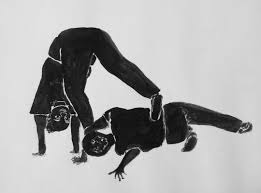
Capoeira Angola is a profound Afro-Brazilian art form that integrates movement, music, and philosophy to create a unique vehicle for recovery and personal transformation. Far more than a mere martial art or dance, it serves as a “living archive” of Afro-Brazilian identity and a philosophy of resistance born from the historical struggle against colonial oppression. This practice does not simply manage symptoms of trauma but actively promotes embodied resilience, helping practitioners transform fear into power and vulnerability into a source of enduring strength.
The effectiveness of Capoeira Angola lies in its ability to address healing at a deep, somatic level, engaging the nervous system where the residue of traumatic experiences is often stored. For survivors of profound harm—including sexual violence and domestic abuse—the art form provides a non-traditional vehicle for recovery that complements clinical interventions by reclaiming personal autonomy. Through fluid, dynamic movements and the communal energy of the practice, individuals can replace hypervigilance and disconnection with a heightened sense of self-awareness and control.
This somatic restoration is achieved through the rejection of linear metrics in favor of continuous curves, spirals, and circles. By internalizing these “liberation geometries,” practitioners de-escalate high-impact strikes and protect their joints, transforming the body from a site of pain into an instrument of grace and power. The rhythmic coiling and uncoiling of movements like the ginga and rolê rehydrate connective tissues and stimulate synovial fluid, while inversions provide spinal decompression to relieve chronic tension. This strategic physicality is deeply rooted in malícia (deception) and mandinga (strategic cunning), allowing a practitioner to manipulate space and timing by masking intent through rhythmic swaying and feigned vulnerability.
Furthermore, the practice functions as a holistic system for emotional regulation through its musical heart. The bateria (orchestra), led by the berimbau, generates low-frequency vibrations that penetrate deep tissues to engage the parasympathetic nervous system. This rhythmic entrainment facilitates a “flow state,” allowing survivors to externalize internalized anger and fear, transforming these emotions into expressive movements. The call-and-response singing synchronizes the breath and energy of all participants, building a collective, coherent field that counters the isolation often sought by perpetrators of abuse.
Key dimensions of this holistic practice include:
- Physical Reclamation: Foundational movements like the ginga demand a mindful presence, compelling practitioners to re-engage with their physical selves and transform the body into an instrument of grace and power.
- Emotional Regulation: The musical heart of the art—comprised of instruments like the berimbau and call-and-response songs—provides a non-verbal outlet for expressing complex feelings and regulating the nervous system.
- Strategic Empowerment: The philosophy of malícia (cunning) teaches practitioners to read body language and anticipate threats, fostering internal resources to establish firm boundaries and navigate challenges with grace.
- Communal Solidarity: The roda (circle) serves as a micro-community or “safe container,” providing a structured framework of traditional rules and etiquette to build trust and counter social isolation.
The effectiveness of Capoeira Angola lies in its ability to address healing at a deep, somatic level, engaging the nervous system where the residue of traumatic experiences is often stored. For survivors of profound harm—including sexual violence and domestic abuse—the art form provides a non-traditional vehicle for recovery that complements clinical interventions by reclaiming personal autonomy. Through fluid, dynamic movements and the communal energy of the practice, individuals can replace hypervigilance and disconnection with a heightened sense of self-awareness and control.
This somatic restoration is achieved through the rejection of linear metrics in favor of continuous curves, spirals, and circles. By internalizing these “liberation geometries,” practitioners de-escalate high-impact strikes and protect their joints, transforming the body from a site of pain into an instrument of grace and power. The rhythmic coiling and uncoiling of movements like the ginga and rolê rehydrate connective tissues and stimulate synovial fluid, while inversions provide spinal decompression to relieve chronic tension.
Furthermore, the practice functions as a holistic system for emotional regulation through its musical heart. The bateria (orchestra), led by the berimbau, generates low-frequency vibrations that penetrate deep tissues to engage the parasympathetic nervous system. This rhythmic entrainment facilitates a “flow state,” allowing survivors to externalize internalized anger and fear, transforming these emotions into expressive movements. The call-and-response singing synchronizes the breath and energy of all participants, building a collective, coherent field that counters the isolation often sought by perpetrators of abuse.
The roda, or the circle where the game is played, serves as a primary micro-community designed to be a “safe container”. Within this structured space, practitioners experience vulnerability and build trust through a rigorous set of rules and etiquette that govern physical and social interactions. Under the guidance of a sensitive Mestre or Mestra, students find a protective structure where they can model healthy relationships and practice authentic self-expression.