
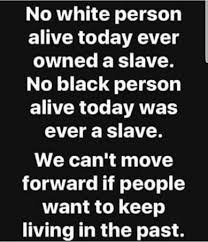
I’ve heard some version of this message in my life so many times, especially when talking about His-Story, and it pisses me off. The distortion and marginalization of African American history in the broader American narrative has long served to obscure the deep realities of a shared past.
This is for my white brothers and sisters in the world, who wonders why they might feel some type of way when feeling a little “Left out” around black spaces… Understanding this requires looking closely at the historical and contemporary divide between black and white Americans, particularly regarding perceptions of race and structural inequality.
The historical divide between Black and white Americans is deeply rooted in centuries of institutionalized oppression and systemic inequality. The marginalization and distortion of African American history within the broader American narrative have long obscured the deep realities of a shared past. For generations, structural frameworks designed around white supremacy, economic exploitation, and institutionalized subjugation have directly dictated the lived experiences and societal positioning of Black communities. From the onset of colonial chattel slavery through the oppressive legal framework of Jim Crow laws, formal and informal state and social systems have systematically restricted the political, social, and economic self-determination of Black Americans.
During the era of slavery, legal mechanisms like “Slave Codes” and subsequent federal statutes explicitly codified Black people as property, stripping them of fundamental human rights, economic agency, and the freedom of movement or literacy. Even following emancipation and the brief promises of the Reconstruction era, where the 14th and 15th Amendments granted citizenship and voting rights, a violent white nationalist backlash led to the establishment of Jim Crow segregation. This racial caste system relegated African Americans to second-class citizenship, enforcing strict public segregation through dynamic state statutes and local ordinances. These laws legally mandated separated public facilities, transportation, and education, while criminalizing low-income Black residents through vagrancy laws and convict leasing systems that effectively re-enslaved individuals for unpaid labor.
Furthermore, the justice system actively legitimized these inequalities. Landmark rulings like Plessy v. Ferguson formalized the “separate but equal” doctrine, providing constitutional shelter for pervasive discrimination. This systemic oppression extended well into the 20th century, manifesting as pervasive economic discrimination, occupational segregation, and exclusionary housing practices such as redlining and restrictive covenants. These practices effectively barred Black families from asset accumulation, homeownership benefits, and equitable job opportunities.
Although the mid-1950s and 1960s American civil rights movement achieved historic breakthroughs by utilizing nonviolent protests, civil disobedience, and major litigation to dismantle formal segregation and secure voting protections, national opposition to integration remained fierce and deeply organized. This opposition included political backlash, the formation of segregationist groups, and even violent confrontations with civil rights activists, all of which sought to undermine the progress made during this transformative period. Decades after these legislative milestones, the enduring legacy of these deeply embedded historical injustices continues to fuel profound socioeconomic disparities, persistent structural racism, and a distinct cultural divide across contemporary American society.
These disparities manifest in various forms, including unequal access to education, healthcare, and housing, further perpetuating cycles of disadvantage among marginalized communities. As the nation grapples with these ongoing challenges, it becomes increasingly clear that the struggle for true equality and justice remains unfinished, urging new generations to continue the work that those before them bravely initiated.

