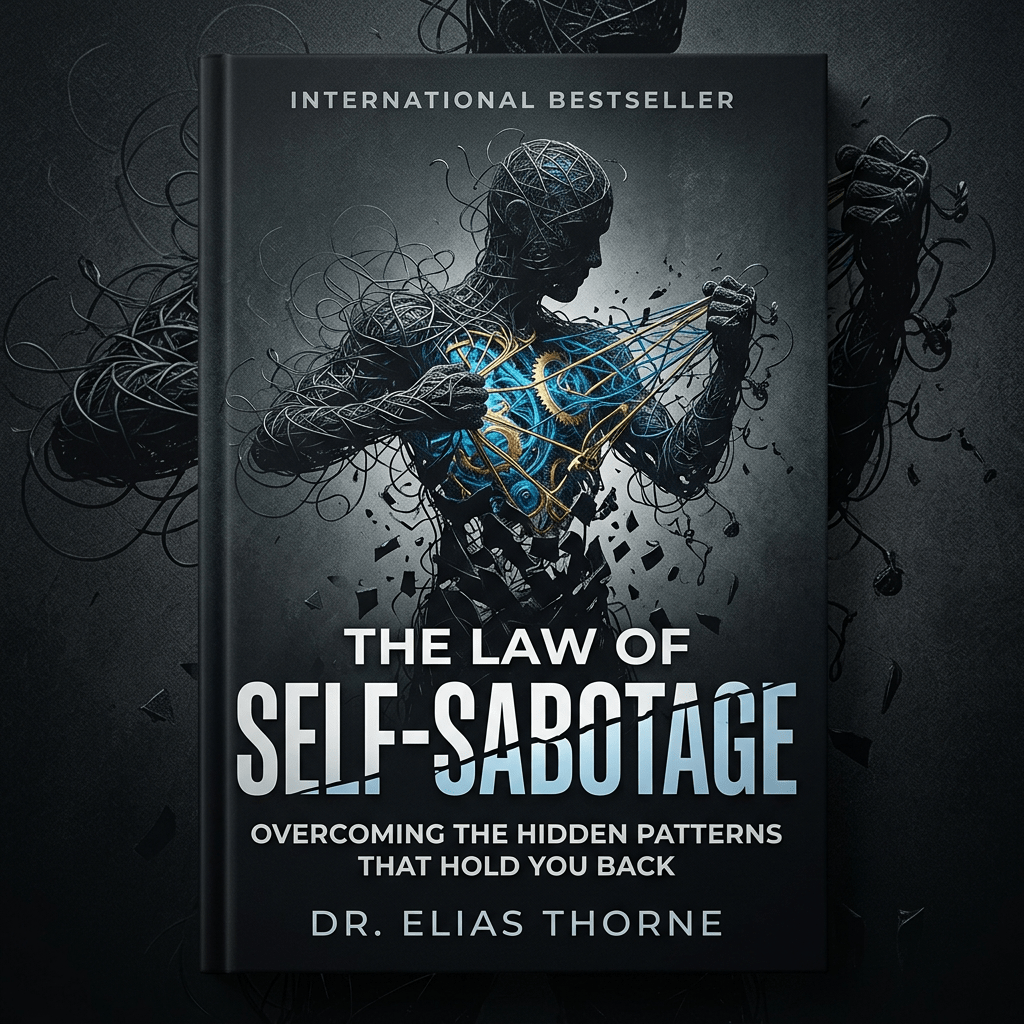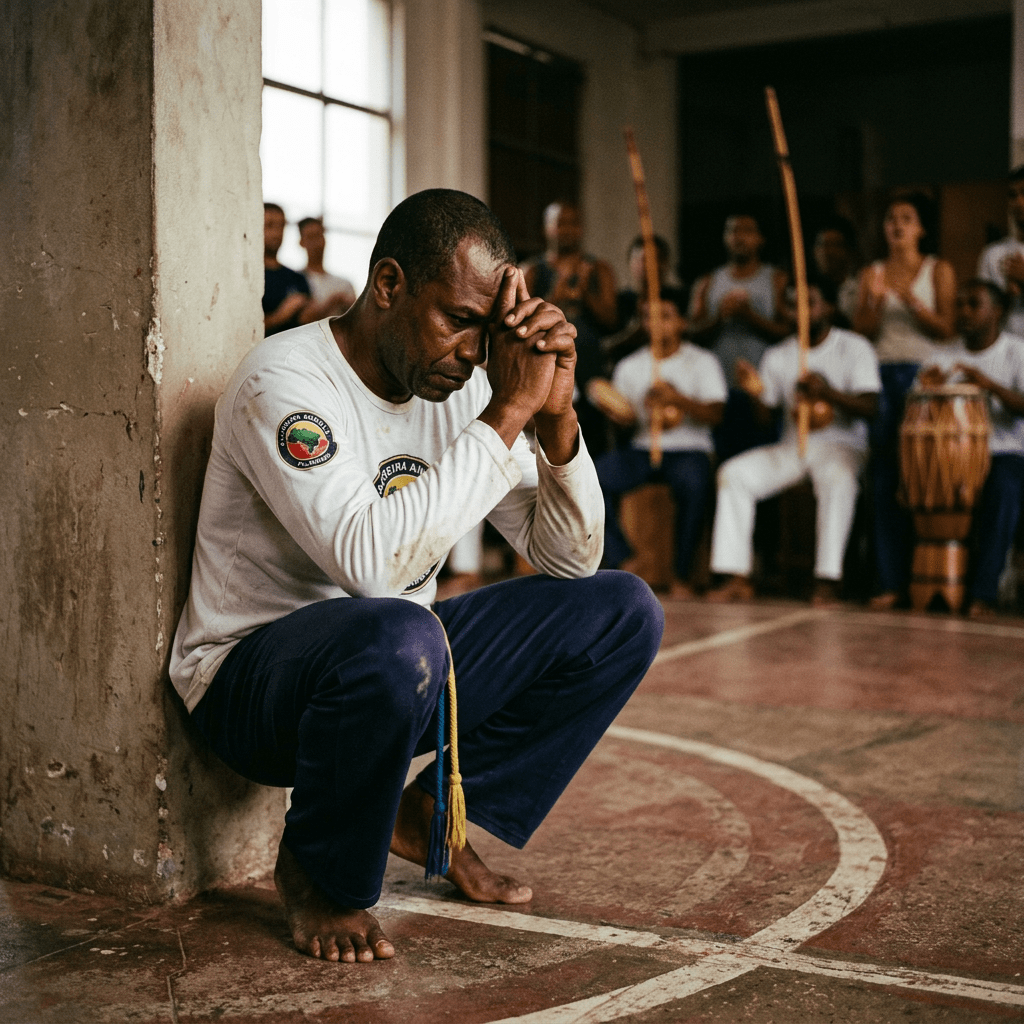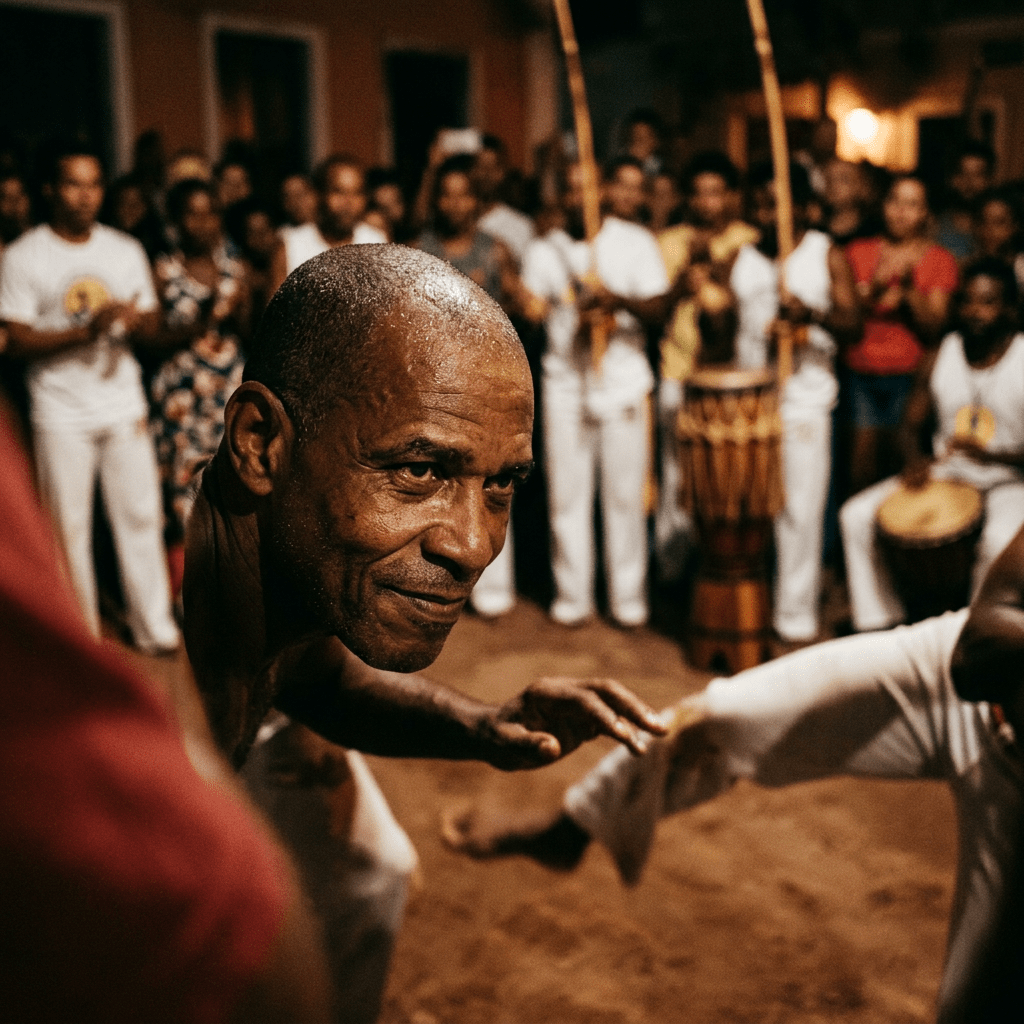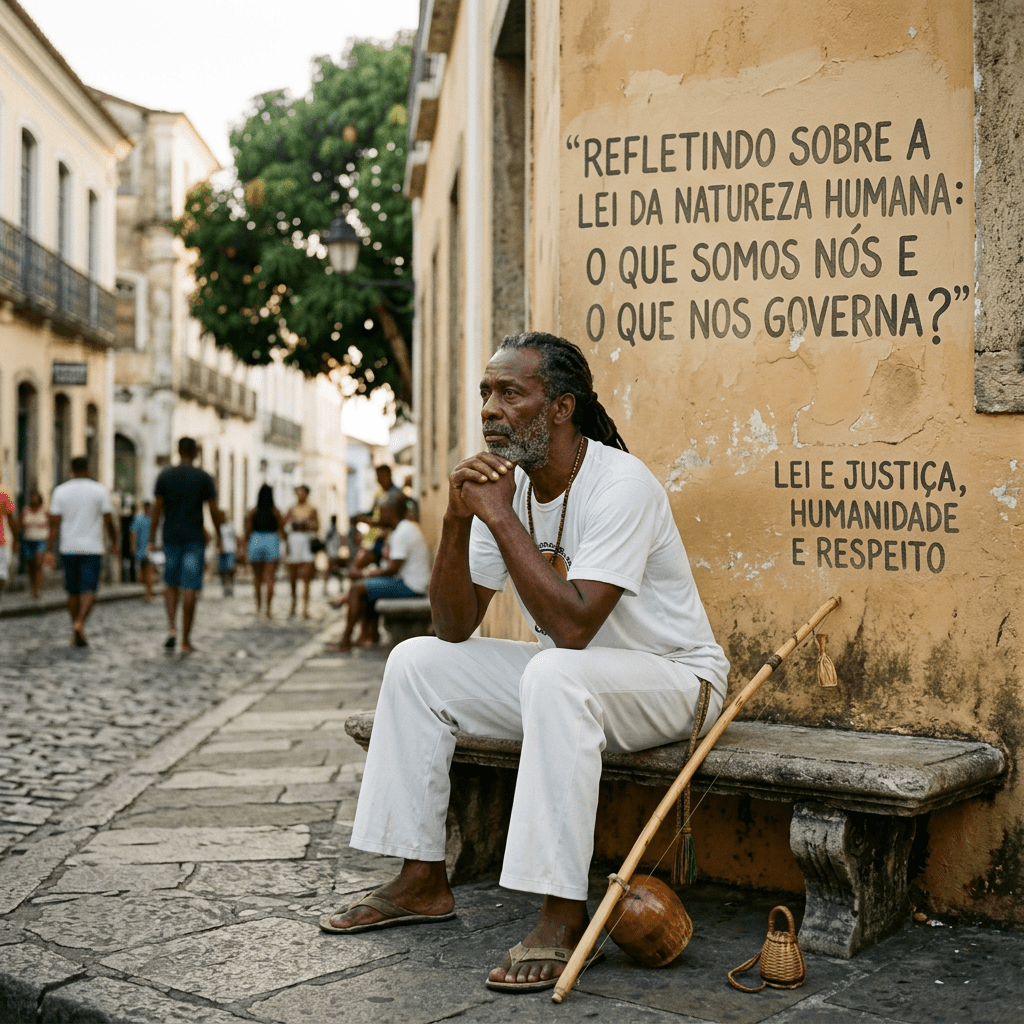
Embracing Your Destiny: The Power of Choice

The Inner War: A Call to Radical Responsibility

The human experience is, at its core, a constant and vigorous contest—not primarily with external forces, but with the complex and often contradictory landscape of one’s own soul. This reflection on identity, responsibility, and the direction of your life acknowledges a profound and inescapable truth: there is a real battle happening—not just in the world, but within every man. This internal conflict is not a metaphor; it is the daily, high-stakes crucible in which character is forged or forfeited, determining the quality and impact of one’s entire existence.

The Three Fronts of the Internal Conflict

This internal war is a ceaseless, high-stakes confrontation waged across three primary fronts, each demanding intentionality and vigilance:

1. The Battle Between Discipline and Distraction

The first front is the struggle for consistent action. A battle between discipline and distraction. Discipline, the committed, consistent action toward a defined and worthy goal, represents the high road of self-mastery. It is the arduous, yet rewarding, choice to delay gratification in favor of long-term achievement. It is the accumulated power of small, intentional sacrifices. Distraction, whether manifested as aimless consumption of media, chronic procrastination, or the strategic avoidance of necessary discomfort, is the path of least resistance. It is the insidious erosion of potential, leading inevitably to stagnation and regret. To choose discipline is to choose the future you envision; to yield to distraction is to remain trapped in the comfort of the present moment.

2. The Battle Between Purpose and Self-Sabotage

The second front concerns the direction and momentum of your life. It is a struggle between purpose and self-sabotage. Purpose provides the essential compass, the unwavering why, and the deep-seated momentum that gives weight and meaning to daily efforts. It anchors a man to a vision greater than his immediate wants. Self-sabotage, however, is often insidious and unconscious, the tendency to actively undermine one’s own success and happiness. It operates through the voices of fear, doubt, and destructive habits, ensuring that extraordinary potential remains tragically unfulfilled. This self-inflicted wound stems from a deep-seated fear of success or an unconscious belief in one’s own unworthiness, making the internal victory over self-sabotage a prerequisite for external achievement.

3. The Defining Choice: Destiny vs. Mediocrity

Most critically, this is a spiritual and existential defining choice between who God called you to be—and who you settle to become. This spiritual dimension frames the entire conflict as one of destiny versus voluntary mediocrity. The “called” self is the integrated, fully realized individual operating in alignment with their highest values, intrinsic gifts, and divine design. It is the self capable of operating at maximum influence and integrity. The “settled” self is the version of you that capitulates to ease, fear, and the low expectations of the world, choosing the temporary comfort of the familiar over the challenging, yet rewarding, covenant of their potential. The victory here is the courageous act of choosing one’s destiny over comfort.The Foundation of Radical Responsibility

A man may not choose his starting point. The circumstances of birth, the wounds of childhood, the initial resources provided—all of these are outside the sphere of his initial control. You may not control how you started. These facts are the unchangeable historical context of your life.

However, the immense and sovereign power of human agency rests entirely in the present and the future. But you are responsible for how you finish. This statement is not an accusation; it is a clarion call to radical responsibility. It demands a profound shift in perspective, moving the focus from the factors that acted upon you (victimhood) to the choices you make now (agency). Radical responsibility demands ownership not just of one’s deliberate actions, but of one’s entire life trajectory, emotional state, and spiritual condition. It is the rejection of the external blame game and the full acceptance of the power inherent in the present moment to choose differently.

The Pathway to Transformation: Alignment and Action

The pathway out of the inner war and into a life of meaning and impact begins with a deliberate, foundational shift. Alignment with God changes everything. This is not merely a passive religious sentiment, but a structural change in the mind, spirit, and life architecture. It is the deliberate decision to anchor your life to a transcendent, unwavering standard and principle, thereby gaining irrefutable clarity on what is truly important, eternal, and worth dedicating your life to. This higher standard provides the blueprint for the “called” self.

This alignment initiates the transformative process, which requires continuous, disciplined effort and commitment:

  1. When you renew your mind: This is the internal revolution, the intellectual and spiritual dismantling of the settled self. It means actively identifying and replacing old, limiting beliefs, negative self-talk, and patterns of scarcity with empowering truth. It is the daily practice of replacing the worldview shaped by fear, trauma, and culture with the truth revealed through spiritual principle and clear vision. This mental overhaul is the first battleground.
  2. Develop discipline: Discipline is the bridge between a high-minded intention and a grounded reality. It is the practiced ability to consistently do what must be done when it needs to be done, regardless of fleeting mood or inclination. It is the accumulation of small, consistent acts of fidelity to one’s defined purpose, which builds an unshakeable foundation of reliability and self-trust.
  3. And commit to growth: This is the lifelong posture of the learner, the rejection of finality, and the courageous embrace of challenge. It means actively seeking out opportunities for intellectual, emotional, and spiritual expansion. To commit to growth is to accept that you are an ongoing project, always becoming, never fully arrived, and always capable of more.

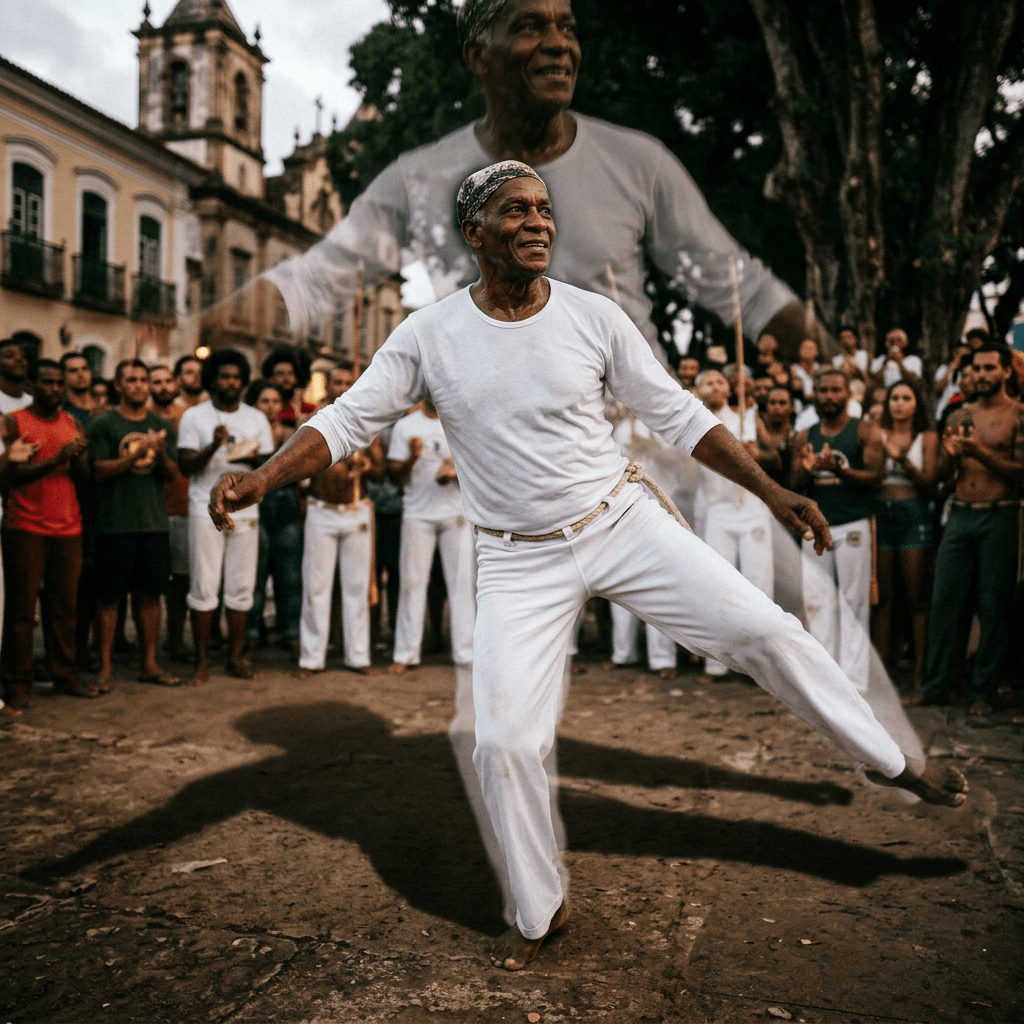
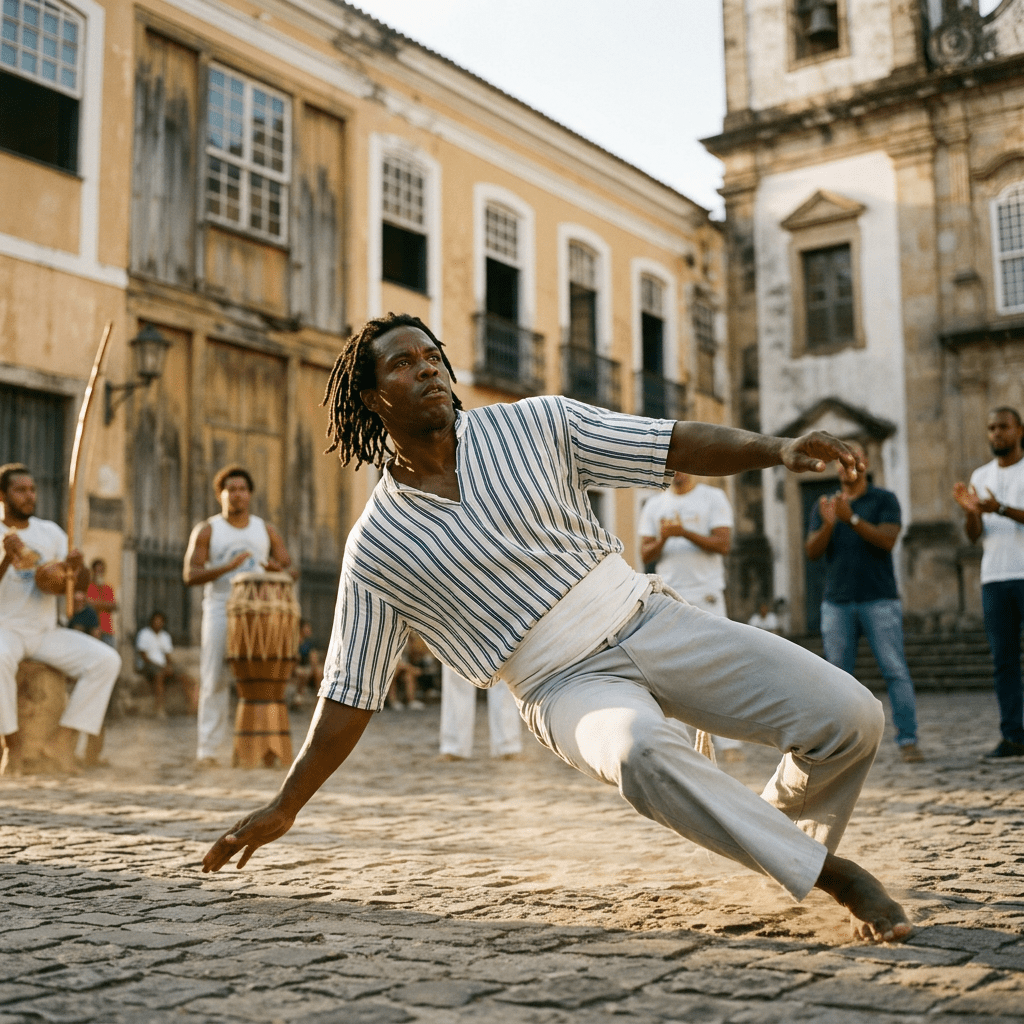
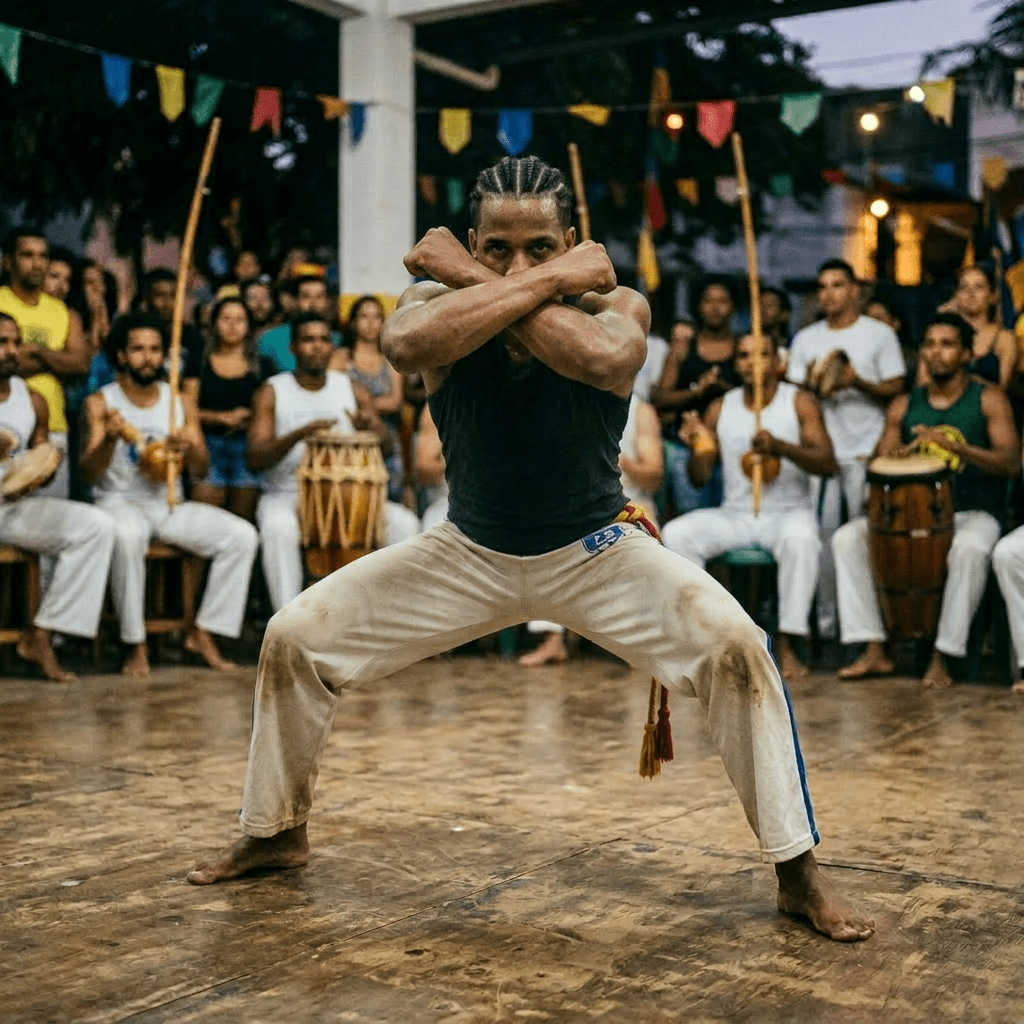
How does this apply to an Angoleiro, a practitioner of Capoeira Angola, whose very art is a profound study in the tension between internal discipline and external expression, between self-mastery and dynamic interaction?

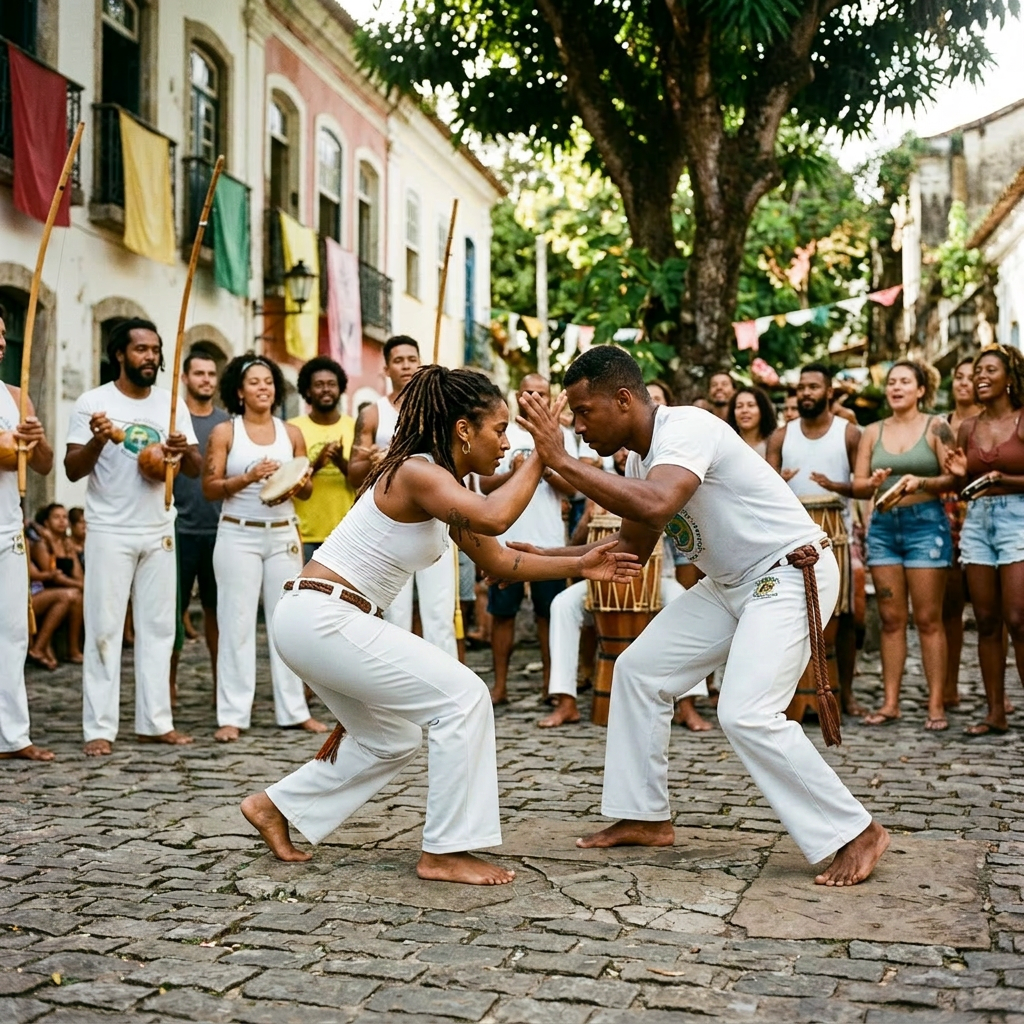
The principles of “Radical Responsibility” demand that the Angoleiro acknowledge that the roda is a mirror of their internal state. Every movement, every chapa, every evasive coccix is not merely a physical technique, but a manifestation of their commitment, their focus, and their emotional control. If an Angoleiro enters the roda carrying fear, anger, or distraction, those internal states will manifest as clumsy footwork, predictable attacks, or a failure to read their opponent (the jogador). The internal war is fought and won not just in hours of solo training, but in the moment-to-moment decisions within the game.

Radical Responsibility means the Angoleiro takes full ownership of the quality of the game. If the music falters, it is their responsibility to sing louder. If the energy drops, it is their responsibility to invite greater connection and challenge through their movement. They do not blame their partner for a poor game, nor the mestre for a difficult challenge, nor their own lack of sleep for a slow response. Instead, they recognize that their level of presence is the only factor they can truly control. This responsibility extends beyond the technical execution of the jogo. It encompasses the cultural and historical weight of the art. An Angoleiro is responsible for upholding the integrity, respect (axé), and philosophical depth of Capoeira Angola, ensuring that their practice is a living testament to the resilience and wisdom of its Afro-Brazilian origins.
In essence, for the Angoleiro, radical responsibility is the commitment to being a vessel for axé—the vital life force and energy of the art. They understand that to truly play Capoeira Angola is to engage in a continuous, conscious practice of bringing their highest self, their most disciplined mind, and their most generous spirit into the circle.

The Consequence: A Higher Level of Living

The inevitable consequence of this transformation is a fundamental elevation of one’s existence—you step into a higher level of living. This elevated life is not defined by material wealth or societal acclaim, but by intrinsic value, integrity, and profound impact. It is characterized by three markers:

  • A life of purpose: Every action is infused with meaning, contributing to something greater than self-gratification. The man knows his why and organizes his what around it.
  • A life of responsibility: The man accepts his essential role as a steward of his gifts, his relationships, and his entire sphere of influence. He becomes reliable, dependable, and a bedrock of strength for his family, community, and those he leads.
  • A life that produces: The focus shifts decisively from passive consumption to active creation. This life generates tangible value—whether through mentorship, art, entrepreneurship, service, or dedicated family stewardship—leaving a positive and enduring legacy that outlasts the man himself.

This is discipleship. It is the comprehensive, holistic process of self-mastery under a higher standard, culminating in a life that is intentional, fruitful, and fundamentally aligned with the design of its Creator. It is the courageous act of winning the inner war and becoming the man you were always meant to be.

A heartfelt SHOUT OUT is extended to Byron Rodgers for the creation and generous sharing of this insightful video content.

For those seeking more of this valuable material, we encourage you to subscribe to the MAN OF PEACE podcast on YouTube.

This video is brought to you by the platform: MAN OF PEACE | BYRON RODGERS.

Production Credits

The high-quality Video Editing & Graphics were expertly handled by @art_production07.

Connect with Byron Rodgers and His Organizations

To access even more exclusive content and support Byron Rodgers’ work, please visit his dedicated platforms:

  • Patreon/Exclusive Content: Visit the official Byron Rodgers Patreon page for additional content and community access:  / byronr
  • Protector Nation: Explore resources and information from the Protector Nation initiative: http://www.protectornation.com
  • Bravo Research Group: Learn more about the services and training offered by the Bravo Research Group: https://www.bravoresearchgroup.com

Also, don’t forget to Go follow these important Instagram accounts for regular updates and content:

  • Byron Rodgers’ Official Account: @byronrodgers_actual

Bravo Research Group’s Account: @bravo_research_group

SELF DEFENSE SERIES (3/16/25)

The Self-Defense Series: A Holistic Blueprint for Personal Empowerment and Survival

The Holistic Path to Personal Empowerment: Beyond Mere Technique

The prevailing, and often dangerously limited, view of self-defense—which focuses narrowly on a collection of physical techniques—is fundamentally inadequate for navigating the true complexities of real-world violence. To be genuinely prepared, resilient, and confident in the face of danger requires a profound and comprehensive transformation. True readiness demands a vital, holistic path to empowerment, one that integrates and systematically strengthens the individual across four critical, interdependent domains.

The Self-Defense Series is not merely a collection of fighting tips; it is a philosophy built upon these four pillars of personal safety: physical, mental, spiritual, and legal. Our core assertion is that effective self-defense transcends the rote memorization of martial arts moves. It requires a deep, well-rounded foundation that cultivates unwavering resilience, genuine readiness, and absolute confidence, ensuring the individual is equipped not just to survive an encounter, but to thrive in its aftermath.

Today’s Essential Insight: Spotting the Hidden Danger

3 SIGNS That Man Can DESTROY You in a Fight…

In the volatile, unpredictable environment of a confrontation, the ability to rapidly assess and categorize your opponent is not merely a desirable skill—it is an absolute, critical matter of survival. The fundamental question you must answer, often in a fraction of a second, is this: How can you discern if the person standing before you is merely an aggressively posturing individual, or a genuinely trained, potentially lethal fighter… and how can you know this before you are committed to a physical situation that is already too late to escape?

The stark, sobering reality is that the vast majority of people are completely blind to the subtle, almost imperceptible signs that betray a person’s inherent combat training, psychological conditioning, and lethal readiness. Failing to recognize and interpret these crucial pre-contact cues is a common, and often catastrophic, mistake. In a high-stakes encounter, it takes only one misstep, one moment of indecision, or one missed signal to find yourself incapacitated, critically injured, or worse.

This document serves as an urgent, tactical guide, moving far beyond generalized self-defense advice. You will be systematically introduced to the advanced principles of genuine threat detection, specifically calibrated for maximum speed and accuracy.

Through this deep-dive analysis, you will master the following essential, life-saving capabilities:

  • Spotting the Hidden Dangers Fast: Learn to process non-obvious environmental and physiological cues—signs of pre-meditation, target fixation, and commitment to violence that an untrained eye simply overlooks.
  • Reading Body Language Like a Pro: Understand the universal tells of a skilled fighter versus an emotional aggressor. This includes interpreting stance, posture, hand positioning, and the absence of wasted movement—the silent language that speaks volumes about a person’s training discipline and intent.
  • Instantly Understanding the Core Difference: Acquire the knowledge to know what truly separates an ordinary, blustering man from someone who is psychologically and physically equipped to destroy you in seconds. This distinction is paramount and will dictate your entire tactical response: whether to de-escalate, flee, or commit to a defensive action.

The goal is preemptive awareness, giving you the priceless advantage of time and informed action against an individual who believes they have the element of surprise. Your life may depend on your ability to see what others cannot.

[Video Resource] We extend our sincere Shoutout to the dedicated YouTube channel FIGHT SCIENCE for creating and posting this invaluable video.—–The Intellect of Combat: Elevating Your Fight IQ

Blending Criminal Psychology and Martial Arts for Superior Self Defence

Effective self-defense is a synthesis of physical capability and intellectual acuity. It demands not just muscle memory, but a sharp, analytical mind capable of preemptive threat assessment. This critical area is illuminated by Dr. Mark Phillips, a renowned Criminal Psychologist, Security Consultant, and dedicated Martial Artist. His “No Nonsense Self Defence Tips & Tricks” presentation bridges the gap between the dojo and the dangers of the street.

Topics Covered in the Fight Science Curriculum:

  • Behavioural Risk Management: Learning to identify pre-attack indicators and situational cues that signal imminent danger, allowing for de-escalation or strategic escape before the physical fight begins.
  • Criminal Behaviour: Understanding the predatory mindset, common attack patterns, and the psychological levers criminals exploit to select and control their targets.
  • Self Defence Techniques & Street Fighting Tips: Practical, high-percentage techniques adapted for survival in non-compliant, unpredictable street environments, prioritizing effectiveness and simplicity.
  • Mindset Preparation: The crucial internal work of forging mental fortitude, controlling the fear response, and maintaining functional decision-making under extreme stress.
  • General Tips: A broad spectrum of actionable advice on personal security, situational awareness, and the legal parameters of self-defense force.

Dr. Philipps’ approach emphasizes Simple Martial Arts training with easy to follow ideas, ensuring the lessons are immediately applicable and require minimal practice time to be effective under pressure.

Stay Connected with Dr. Philipps and the Fight Science Community:

Weekly Self Defence and Martial Arts video releases are posted every Sunday, providing a consistent source of expert instruction.

For In-Depth Martial Arts Training, Visit:

ORIGIN BJJ (Brazilian Jiu-Jitsu) ►http://www.londonbjj.com

SELF DEFENSE SERIES (3/12/25)

The Self-Defense Series: A Holistic Blueprint for Personal Empowerment and Survival

The traditional view of self-defense, often limited to mere physical techniques, is fundamentally incomplete. True readiness for the complexities of real-world violence demands a vital, holistic path to empowerment, one that integrates and strengthens the individual across four critical domains. The Self-Defense Series is built upon these four pillars of personal safety: physical, mental, spiritual, and legal. Our philosophy asserts that effective self-defense transcends rote techniques, requiring a deep, well-rounded foundation to foster genuine readiness, unwavering resilience, and absolute confidence in the face of danger.

Today’s Installment: The Psychology of Conflict – Why Ego is the Enemy of Self-Preservation

Some men mistakenly believe that being loud, aggressive, and confrontationally asserting dominance makes them genuinely dangerous. They mistake performance for proficiency. In reality, the men who shout the most, whose actions are driven by visible emotional volatility and a need to prove their toughness, are often the least prepared for the true nature of real-world violence. This outward display of aggression is a critical liability.

When emotions take over, specifically the ego’s urgent need for validation or status, rational decision-making collapses. The brain’s limbic system hijacks the prefrontal cortex, leading to a state of emotional flooding where poor judgment and impulsive reactions are guaranteed. Situations escalate fast, turning minor disagreements into life-threatening confrontations.

Real self-defense isn’t about proving toughness—it’s about control, awareness, and a comprehensive understanding of the dynamics of human violence.

In a real confrontation, the difference between someone who performs toughness and someone who understands violence becomes terrifyingly clear. The person driven by ego is reacting to a personal insult or perceived challenge; their goal is “winning the argument” or “saving face.” The person who understands violence is focused solely on survival, de-escalation, and creating distance to ensure their physical safety.

This is why psychology, emotional regulation, and situational awareness play a far bigger and more definitive role in survival than most people realize. The ability to remain calm under extreme pressure is the hallmark of true competence. The men who can regulate their fear, control their anger, and maintain a state of detached observation in a crisis are the ones who truly understand what is at stake when things turn physical—it’s not about winning a fight; it’s about going home.

To deepen your understanding of conflict dynamics, street fighting psychology, situational awareness, and the mindset needed to effectively deal with real-world violence, the YouTube channel @FIGHTSCIENCE explores the behavioral patterns behind aggression, intimidation, and dominance in confrontational situations. Their content meticulously breaks down how ego, fear, and status dynamics influence conflict and can fundamentally change the way you see aggressive behavior forever.
Train hard. Stay sharp. Stay calm. Remember, the ultimate victory in self-defense is avoiding the fight entirely.

The Courage to Leave: When Walking Away is Empowering

Is walking away actually quitting, or is the act of leaving sometimes a profound display of inner fortitude?

We often associate ‘walking away’ with defeat, a failure of endurance, or the easy path. The narrative of persistence—of staying and fighting, of never giving up—is deeply ingrained in our cultural psyche. But this perspective overlooks the critical distinction between reckless abandonment and a deliberate, self-preserving retreat. To ‘quit’ implies a giving up on something worthwhile—a goal, a relationship, a challenge—out of fear or lack of will.

However, there comes a point in certain struggles—be they professional, personal, or emotional—where the cost of staying far outweighs any potential benefit. This is the moment when leaving demands more courage, more self-awareness, and more strength than simply continuing to endure the familiar pain.

Or is there a point where leaving takes more strength than staying?

Staying can often become the default, the comfortable rut of inertia, even if that inertia is destructive. It can be easier to tolerate the known misery—the toxic environment, the stagnant relationship, the soul-crushing job—than to face the terror and uncertainty of the unknown future. Staying requires a kind of passive tolerance.

Leaving, on the other hand, is an active decision. It requires a brutal reckoning with reality, an acknowledgment that one’s own well-being is non-negotiable. It demands the strength to:

  • Acknowledge Failure: To accept that a given path, despite best efforts, has reached a dead end.
  • Embrace Uncertainty: To step into a void without a guaranteed safety net.
  • Overcome External Judgment: To face the inevitable questions and criticisms from those who mistake self-respect for weakness.
  • Break Momentum: To shatter the comfortable routine and rebuild from the ground up.

When staying means sacrificing one’s mental health, core values, or sense of self, the ‘walk away’ is not a surrender; it is a declaration of self-respect. It is not quitting the effort; it is quitting the path that demanded too high a price. In these instances, the true measure of strength is not how long one can suffer, but the clarity of mind required to choose life, peace, and a fresh start.

SELF DEFENSE SERIES (3/2/25)

The Self-Defense Series: A Holistic Path to Empowerment

Welcome to the Self-Defense series, a comprehensive and vital program meticulously crafted to empower you by addressing the four crucial pillars of personal safety: physical, mental, spiritual, and legal. In a world with increasing complexities, true self-defense extends far beyond mere physical techniques; it demands a well-rounded foundation that promotes not just readiness, resilience, and confidence, but also a profound and actionable understanding of personal security.

This series provides an essential toolkit for protection, integrating a wide spectrum of self-defense strategies. We delve deeply into practical, reality-based techniques that are effective under duress, and pair them with an intensive focus on situational awareness—the foundational skill for threat avoidance. Complementing the physical is a strong emphasis on psychological components designed to build an ironclad mindset capable of facing potential threats with clarity, decisiveness, and minimal hesitation.

Beyond the mental and physical, we explore spiritual practices—not necessarily tied to any specific religion, but focusing on enhancing your inner strength, maintaining focus under pressure, and fostering a deep sense of peace and balance that underpins your ability to act from a place of calm control. Finally, the legal frameworks are discussed in detail. This understanding is vital for encouraging informed and justifiable actions, ensuring your rights are upheld, and empowering you to act with responsibility both for yourself and within your community. Ultimately, this series transcends simple defense training; it is a transformative journey toward personal growth and empowerment that meticulously prepares you for challenges—both on and off the training mat.

The Critical Mistake That Loses Street FightsToday’s Focus: The Fight-Losing Mindset

In today’s pivotal installment, we address a harsh truth often ignored by the overconfident. Most young men, fueled by adrenaline and fantasy, believe they are instinctively ready for a street fight. Yet, time and time again, they commit a crucial, psychological mistake that inevitably leads to them being knocked out or severely beaten. This failure is not fundamentally about brute strength, size disparity, or even a lack of technical skill—it is something far deeper. It is a fatal flaw in the fight mindset that causes both highly trained practitioners and complete novices alike to lose fights they possessed all the physical tools to win.

The Cold Reality vs. The Fantasy:

The brutal truth is that real-world violence and spontaneous confrontations do not unfold like they do in movies or in your controlled sparring sessions. The moment genuine fear, confusion, and raw, uncontrolled emotions take over, rational thought and learned technique dissolve. This cascade invariably leads to bad decisions—a flinch instead of a block, charging in wildly, turning your back, or freezing completely. In the chaotic, unforgiving environment of a street fight, just one bad decision is all it takes for the fight to be decisively lost.

The individual who recognizes and masters this psychological battleground has an unshakeable edge. The one who dismisses it—the one who believes sheer aggression and untested natural instincts are sufficient to win—is the one who is left reeling, dropped by the simple, critical mistake. This foundational error has cost countless men their fights, their dignity, their freedom, and, in tragic cases, much worse. We implore you to watch this analysis to the end so that you can arm yourself with the awareness necessary to avoid falling into this devastating trap.

A Special Acknowledgment

A heartfelt and sincere shoutout to the entire team at FIGHT SCIENCE for their unwavering commitment, tireless dedication, and exceptional skill in creating and consistently sharing this absolutely essential video content. Their work is a vital resource for anyone serious about personal safety and understanding the dynamics of real-world conflict.—–Join the FIGHT SCIENCE Community

Don’t miss out on vital knowledge. We urge you to Subscribe now to the FIGHT SCIENCE channel for continuous access to their library of content. You’ll receive more in-depth, meticulous breakdowns focused on the sobering realities of real-world violence, proven effective fighting strategy, and the critical psychological principles necessary for self-preservation and survival.—–Our Core Philosophy: Elevating Your Fight IQ

FIGHT SCIENCE stands alone as a truly unique platform, dedicated to forging the ultimate intersection of rigorous academic expertise and practical, battle-tested martial arts application. Our paramount focus is squarely on ELEVATING YOUR FIGHT IQ. We achieve this by meticulously blending the rigorous, evidence-based analysis drawn from the field of Criminal Psychology with the practical, proven methodologies of professional Martial Arts for truly effective, ethical Self-Defence. This holistic approach ensures that you are prepared not just physically, but mentally and strategically.—–Meet the Expert: Dr. Mark Phillips

Our authoritative content is expertly researched, designed, and presented by Dr. Mark Phillips. He is a highly distinguished and credentialed professional, serving as a Criminal Psychologist, an experienced Security Consultant operating at an executive level, and a committed, lifelong Martial Artist. This exceptional and rare combination of high-level academic and psychological expertise with deep, practical, real-world experience provides a truly unparalleled, non-sensationalized, and no-nonsense approach to self-defense and personal security. Dr. Phillips’ unique perspective cuts through the myths and misinformation, delivering instruction that is grounded in scientific understanding and practical effectiveness.

Topics Covered in the Series:

  • Behavioural Risk Management: Learning to read, understand, and avoid pre-assault indicators and dangerous situations.
  • Criminal Behaviour: Deep dives into the psychology of predators, their targets, and how they select victims.
  • Self-Defence Techniques: Simple, high-percentage techniques proven to work when stress levels are high.
  • Street Fighting Tips: Strategies for managing the chaos and unpredictability of real, unsanctioned conflicts.
  • Mindset Preparation: Developing the mental fortitude, intent, and ability to transition from “prey” to “defender” instantly.
  • General Safety Tips: Practical, easy-to-implement advice on how to defend yourself in various environments.

Our philosophy emphasizes Simple Martial Arts training with easy-to-follow ideas, making complex concepts accessible to everyone. Expect Weekly Self Defence and Martial Arts video releases every Sunday to keep your skills and knowledge constantly sharp.

CONNECT WITH DR.PHILIPS!!!

Stay engaged with the Fight Science community across our social platforms:

Instagram  / fightscience_tv

Facebook  / londonwingchunacademy —–TO LEARN MARTIAL ARTS VISIT:

For in-depth, hands-on training with Dr. Phillips and his team, explore our dedicated martial arts academies specializing in systems perfectly suited for self-defense:

London Wing Chun Academy (LWCA)  http://www.londonwingchun.co.uk – Mastering the art of close-quarters self-preservation and structure.ORIGIN Brazilian Jiu-Jitsu (BJJ)  http://www.londonbjj.com – The essential grappling art for controlling a fight on the ground and neutralizing larger opponents.

HAPPY VALENTINE”S DAY!!!

A Valentine’s Day Confession (Capoeira Style)

O.k., listen up. Before you start taking this too seriously, let me just state for the record: this is entirely for fun. It’s Valentine’s Day, and in the spirit of this inherently corny, commercially-driven, yet ultimately heartwarming holiday, I felt compelled to write something.

What I’ve done is a short—Well not too short—write-up, attempting to view the universal experience of “love” through the very specific, occasionally rough, but undeniably passionate lens of an Angoleiro.

You know, one of us. A Capoeira Angola player.

I’ve tried to draw parallels between the slow, grounded movements, the call-and-response rhythm of the roda, the intense focus on the berimbau, and the dizzying, complex, and utterly necessary connection between two people in love.

Think of it as a love letter (Even though it’s more of a how to kind of thing), written in the language of the jogo—a playful, yet deeply respectful, exploration of connection, balance, and the moment you realize you’ve finally met your perfect parceiro (partner) for the game of life.

It’s a tongue-in-cheek attempt to blend the sweat, the music, the history, and the philosophy of the roda with the mushy, romantic sentiments floating around this time of year.

Okay, here we go.

The Angoleiro’s guide to keep a woman in love with you forever: A comprehensive manual for enduring affection and lasting partnership.

Introduction: The Philosophy of the Angoleiro

The term “Angoleiro” refers to a dedicated practitioner of the Angolan style of Capoeira, known as Capoeira Angola. This title signifies more than just martial skill; it embodies a profound philosophy. The Angoleiro operates with a deep respect for patience, an unwavering commitment to tradition, a mastery of rhythm, and the cultivation of deep, internal connection.

In the delicate and complex context of a loving relationship, the Angoleiro’s approach is antithetical to superficial games, fleeting manipulation, or transient romance. Instead, it is a methodology built on sustained, deliberate effort, a harmonious rhythm, and a profound, intuitive understanding of the partner. These are the very, non-negotiable elements required to not just ignite, but to keep the flame of love burning “forever.” This comprehensive guide meticulously distills the Angoleiro philosophy into actionable, timeless principles for any man committed to forging an enduring and deeply fulfilling relationship.

I. Mastering the Rhythm: Consistency, Reliability, and Presence

In the practice of Capoeira Angola, the bateria (the orchestra of instruments) doesn’t just provide music; it provides the essential, governing rhythm. A lasting relationship, too, demands a consistent, reliable rhythm that can be felt and depended upon.

The Drumbeat of Presence: The Soul of the Relationship

Just as the powerful, resonant berimbau is recognized as the soul of the roda (the circle where Capoeira is played), your emotional and mental presence must be the soul of the relationship. This is not mere physical proximity; it is being fully, consciously present. This means establishing an absolute sanctuary from digital noise: putting away the phone, silencing distractions, engaging in active listening, and truly immersing yourself in shared moments. This consistent, focused presence builds the bedrock of trust and security, assuring her that she is the most important element in your immediate world.

The Daily Overture: Power in Small Gestures

The greatest loves are sustained not by grand, sporadic spectacles, but by a continuous stream of small, consistent gestures. These daily efforts significantly outweigh the impact of a single, massive act of romance. A daily “How was your day?” delivered with genuine, sincere interest, a thoughtful morning text that shows she was your first thought, or consistently sharing a meal together without rushing—these acts form the stable, comforting routine she can rely on. Love does not just survive; it thrives on this kind of daily, emotional reliability.

Adaptation and Flow (A Ginga): The Art of Dynamic Partnership

The ginga is the foundational, fluid, and adaptable back-and-forth movement in Capoeira. It teaches you to always be in motion, ready to react. Your love must possess this same dynamic fluidity. You must develop the perceptiveness to recognize and gracefully adapt to her constantly changing needs, moods, and life circumstances. The true Angoleiro knows when the moment calls for him to take the lead with decisive action and when it requires him to step back and be the gentle, non-judgmental confidante. This intelligent flow prevents stagnation and keeps the partnership vibrant.

II. The Respectful Game: Honor, Clarity, and Communication

Capoeira Angola is fundamentally a game of mutual respect, where the “opponent” is viewed as a vital partner in the dance. This principle of honor and respect is utterly paramount in a committed relationship.

The Call and Response (O Coro): Mastering Dialogue

Effective, profound communication functions as a continuous, organic call and response. You must speak your truth—your thoughts, feelings, and needs—with kindness, precision, and clarity. But more importantly, you must listen actively to her without the internal distraction of immediately formulating your rebuttal. The goal is connection, not victory. Validate her feelings and perspective, allowing her to feel heard and understood, even if your ultimate conclusion differs from hers. Validation is the cornerstone of emotional safety.

Honoring Her Space: Encouraging Autonomy

Respect for your partner extends to honoring her individuality, her deep-seated passions, and her essential need for personal space and restorative time spent with her own friends or family. A healthy, flourishing partnership is the union of two whole, complete individuals who consciously and joyfully choose to walk side-by-side, not two insecure halves clinging out of need. The Angoleiro encourages her growth, celebrates her independent successes, and trusts her freedom.

Fair Play in Conflict: Seeking Resolution, Not Domination

Arguments are an inevitable, and sometimes necessary, part of any deep relationship. However, they must be conducted under strict rules of respect. Focus relentlessly on the issue at hand, never the person. Under no circumstances should you ever weaponize past mistakes, insecurities, or vulnerabilities as ammunition. The Angoleiro seeks to resolve and understand, never to dominate or inflict lasting pain. After the conflict, always make a conscious, affectionate return to a place of mutual affection and demonstrated understanding.

III. The Art of Patience: Cultivating Deep Roots and Endurance

Capoeira Angola is not about reckless speed or explosive force; it is about strategic timing, deliberate depth, and controlled execution. Lasting love demands this exact same, profound patience.

The Long View: Building a Shared History

You must internalize the understanding that “forever” is not a sudden destination. It is built slowly, deliberately, on the vast accumulation of shared history, the resilience gained from overcoming challenges together, and the quiet joy of witnessing each other’s personal transformations over time. Resist the urge to rush significant milestones or to demand immediate, unrealistic perfection. The journey is the commitment.

The Beauty of the Slow Movement: Intentional Investment

Invest your time and attention into activities that truly deepen the bond: learning a complex new skill together, exploring shared intellectual interests, or simply enjoying the profound comfort of companionable, meaningful silence. These slow, deliberate, and deeply meaningful interactions are the enduring mortar that secures the relationship’s foundation against time and pressure.

Forgiveness as a Core Skill: Releasing the Grievance

Be swift to offer complete forgiveness and slow to entertain anger. Holding onto grudges introduces corrosive, unnecessary tension and inevitably poisons the atmosphere of mutual trust. Forgiveness is not a gift to her; it is a critical act of self-care for the relationship itself, clearing the path for growth and future connection.

IV. Maintaining the Mystery: Effort, Growth, and Self-Improvement

A dedicated Angoleiro never stops training; he continuously refines his technique, increases his strength, and deepens his knowledge. Similarly, you must never cease the effort to be the absolute best version of yourself, primarily for yourself, but also for her.

The Eternal Courting: Never Stop Earning Her

The greatest error is assuming the effort ends once the relationship status changes. Never stop courting her. The attention, creativity, and genuine effort you invested during the initial, passionate stages must be maintained and even amplified years later. Consistently plan surprise dates, write unexpected heartfelt notes, and consciously prioritize and nurture your intimate life. This continuous effort is the tangible proof that you do not, and will not, take her presence or her love for granted.

Personal Development (O Jogo Interno): The Inner Game

Focus actively on your own life and growth. Rigorously pursue your career goals, maintain your physical and mental health, and continuously nurture your own emotional and intellectual growth. A man who is confident, purposeful, striving, and genuinely happy in his own life is naturally more attractive, more intriguing, and infinitely better equipped to be a strong, stable, and supportive partner. Your personal growth is a continuous gift to the relationship.

Passion and Purpose: A Shared Destiny

Share your personal purpose and passion with her, allowing her to be part of your vision. Love achieves its greatest endurance when a couple shares a sense of destiny, a common mission, or a significant collective goal—whether it is raising a family with clear values, contributing meaningfully to the community, or simply building a remarkable life together. This shared purpose transcends the everyday and gives the relationship transcendent meaning

Conclusion: The Legacy of Enduring Love

Keeping a woman in love with you forever is not the result of a magic trick, a clever technique, or fleeting luck; it is a profound, demanding discipline. It is the conscious, daily, and unwavering choice to embody the principles of the Angoleiro: unyielding respect, emotional and physical consistency, profound patience, and the demonstration of relentless, daily effort.

By thoughtfully mastering the rhythm of your shared life, honoring her complete individuality and autonomy, and constantly striving for your own self-improvement, you will create a bond that is deep, fiercely resilient, and truly timeless. The immense reward for this discipline is a love that does not, in fact, fade or diminish over time, but instead deepens, matures, and grows more rich and resonant with every passing year, much like the powerful, magnetic sound of the berimbau calling the faithful to the roda.

The Angoleiro’s Essential Guide: Keeping a Man in Love with You Forever

For generations, the Angoleira have been revered not just for their striking beauty and formidable spirit, but for the profound, enduring relationships they cultivate. Their secret lies not in fleeting charms or superficial tactics, but in a deep-rooted understanding of human nature and the art of partnership. This guide distills their wisdom into actionable principles, ensuring the bond you share with your man is not just passionate, but permanent.


This is not merely a collection of tips, but a philosophy rooted in the profound principles of Capoeira Angola—a blend of art, strategy, and deep-seated respect. To keep a man’s love enduring and passionate, you must approach the relationship as you would the roda (the circle in which capoeira is played): with grace, intelligence, rhythm, and unwavering authenticity.

1. Master the Art of Presence and Independent Light

Do not dim your own light to fit into his. An Angoleira knows that the most potent attractant is a vibrant, fulfilled self.

  • Cultivate Your Own Garden: Maintain hobbies, friendships, and goals that exist entirely outside of the relationship. A man is drawn to a woman who is passionately engaged with her own life. This creates a compelling magnetic pull—he must pursue your attention, not simply receive it as a default.
  • The Power of Space: Understand that healthy interdependence requires moments of independence. Encourage him to pursue his interests and take your own space without generating drama or suspicion. Absence, when used judiciously, reinforces value. He should miss you, not just be accustomed to your proximity.
  • Be a Source, Not a Drain: Ensure that when he spends time with you, he feels energized, inspired, and respected. Do not allow the relationship to become a constant tally of grievances or emotional burdens. Your presence should be a refuge and a celebration.

2. The Unwavering Foundation of Respect

Respect is the bedrock upon which lasting love is built. Passion may ignite the flame, but respect keeps the fire burning steadily.

  • Honor His Efforts: Acknowledge and genuinely appreciate his contributions, no matter how small—from fixing a lightbulb to supporting your career aspirations. Men thrive on feeling competent and needed. When you show genuine appreciation, you reinforce his desire to do more for you.
  • Hold Him in High Regard: Never belittle him, especially in public or in front of his peers. Your unwavering belief in his capabilities is one of the greatest gifts you can give him. Be his most enthusiastic cheerleader and his fiercest defender.
  • Communicate with Dignity: During conflicts, focus on the issue, not his character. Avoid name-calling, generalizations (“You always,” “You never”), or bringing up past hurts. Address problems as a team facing a challenge, not as adversaries.

3. Fulfill the Core Need for Emotional Safety and Admiration

      A man needs to feel safe in his vulnerability and truly seen by the woman he loves.

  • Be His Soft Place to Land: Create a sanctuary where he can drop his guard. The world is often demanding and critical; your relationship should be his haven. Listen without judgment, especially when he shares his fears or professional setbacks.
  • Admire the Man He Is, Not Just the Man You Want Him to Be: Love is accepting the whole person. Show genuine admiration for his strengths, his moral compass, his unique way of viewing the world. True, lasting love is built on a foundation of profound liking.
  • The Power of the Affirming Gaze: Look at him with love and admiration. The way you physically see him and respond to him—a lingering glance, a genuine smile, a touch that says “I value you”—communicates more than words ever could. Let him feel he is still the most desirable and competent man in your life.

4. Cultivate Shared Purpose and Growth

A relationship that stands still eventually suffocates. Angoleiro women are partners in life’s great adventure.

  • Establish a Shared Vision: Ensure you both agree on the long-term goals for your lives together—whether it’s financial freedom, raising a family, traveling, or community involvement. Working towards a common future binds you together more strongly than any romantic feeling.
  • Challenge and Support: Do not let him become complacent. Encourage him to take risks, learn new skills, and strive for greater achievements. Be the supportive anchor that allows him the courage to venture out. You should be the wind beneath his wings, not the weight pulling him down.
  • Never Stop Dating: Routines kill romance. Continuously inject novelty and excitement into the relationship. Plan dates, surprise him, introduce new shared experiences, and keep the spark of curiosity alive. The moment you stop putting in effort is the moment you invite stagnation.

By integrating these four Angoleiro principles—maintaining an independent, vibrant self, practicing unwavering respect, creating a safe emotional sanctuary, and pursuing shared growth—you build a love that is not only passionate but impervious to the trials of time. You secure his love not by trapping him, but by making your shared life the most fulfilling place he could ever imagine being.

I hope you guys enjoyed this little ‘how-to’ guide to love, viewed through the unique and insightful perspective of a capoeirista of Capoeira Angola.

Capoeira Angola is more than just a fight or a dance; it is a philosophy, a constant dialogue between two people, much like a loving relationship. The jogo (the game) in the roda (the circle) is a microcosm of the complexities of love. It requires patience, deep listening, respect for your partner’s rhythm, and the ability to anticipate and respond without dominating.

Just as a relationship thrives on mutual growth and understanding, the jogo of Capoeira Angola demands that both players are present, attentive, and fully engaged. The slower, more grounded movements of Angola teach us the beauty of taking our time, savoring the present moment, and finding strength not in aggression, but in subtlety, balance, and connection.
May the lessons learned from the berimbau‘s steady beat—the grounding rhythm that guides the roda—help you find harmony, flexibility, and enduring connection in your own journey of love.

Understanding White Privilege: Misconceptions and Realities

White privilege is a multifaceted and systemic concept, not merely about individual attitudes or personal hardship. It is defined as the unearned, often invisible, set of societal advantages, immunities, and benefits that white people inherently receive in a society structured by racial hierarchy. Critically, it is a structural phenomenon; its existence is rooted in the architecture of institutions and historical policies, independent of whether a white individual harbors any personal prejudice or has experienced personal economic or social struggles.

Defining White Privilege Beyond Personal Hardship

The core of white privilege lies not in an individual’s personal wealth or lack of struggle, but in systemic advantages that operate on an institutional and cultural level. It is defined as the accumulation of cultural, institutional, and societal assets that are granted to white people solely because of their race, regardless of their socioeconomic status or personal moral character. These advantages function as an invisible knapsack of tools, maps, and blank checks that are simply unavailable to people of color, who must constantly navigate societal friction points and systemic obstacles related to their racial identity.

Crucially, the concept identifies an unburdened existence, where one’s race is not a factor that contributes to negative outcomes in areas such as hiring, police interactions, mortgage applications, or medical treatment. White privilege is, therefore, the absence of racial penalty, the default setting of belonging, and the luxury of having one’s identity remain invisible or neutral in most public spaces. When discussions immediately center on refuting the existence of personal struggle, they pivot away from this crucial systemic analysis and mistakenly equate privilege with personal affluence, thereby derailing any constructive dialogue about equity and institutional reform.

It is crucial to understand that white privilege is not defined by the absence of personal hardship, emotional pain, or economic struggle for any individual identified as white. Rather, it operates as the silent, unacknowledged default setting of societal engagement and institutional treatment. It represents an unearned, yet systematically conferred, advantage that functions as an “invisible weightless knapsack” of assurances, allowances, and societal ease carried throughout life. This “knapsack,” a metaphor famously coined by scholar Peggy McIntosh, is filled not with material goods, but with systemic benefits—things like being able to find adequate representation in media, never having to speak for one’s entire race, or assuming that one’s neighbors will be neutral or pleasant.

The Systemic Nature of Advantage

Fundamentally, white privilege speaks to a system where race-based obstacles are not a routine, daily part of the lived experience. It means that most doors are not closed, and most pathways are not complicated, due to one’s racial identity. For a white individual, the racial component of their identity is rarely the source of a disadvantage in major life interactions.

This systemic advantage manifests most clearly in the allocation of the “benefit of the doubt.” White individuals are, in a given society structured by racial hierarchy, automatically granted this favorable presumption in interactions across nearly all sectors:

  • With Law Enforcement: A white person is more likely to be treated as a nervous witness or a potential victim than as a likely suspect. A minor traffic infraction is less likely to escalate into a life-threatening encounter.
  • In the Hiring Process: Their name on a resume is typically evaluated solely on its merits, without the subconscious racial bias that might lead to an equivalent candidate of color being “screened out.”
  • In Educational Settings: Their behavior in a classroom is less likely to be perceived as inherently threatening or indicative of a lack of discipline for their entire racial group.
  • In the Marketplace: They can generally shop in a high-end store without being followed or questioned about their ability to afford the merchandise.

They are perceived primarily as unique individuals with their own distinct merits, personal histories, and specific flaws. Their individual failures or mistakes are attributed solely to their own poor choices, bad luck, or personal shortcomings, rather than being generalized or racialized as characteristic of their entire racial group. In contrast, the mistakes or perceived flaws of a person of color are often internalized by observers as confirming negative racial stereotypes, placing an enormous, unfair burden of representation on the individual.

The Power of Normality

Ultimately, white privilege is the simple, yet profound, privilege of normality and invisibility. It is the comfort of existing without one’s race being the central, defining, or complicating factor in every social or institutional encounter. It is the privilege of having one’s cultural norms, history, and physical appearance considered the default standard against which all others are often measured. Acknowledging this privilege is not an admission of personal guilt or a dismissal of one’s own struggles; it is a clear-eyed recognition of a systemic advantage that allows a white person to live life on “easy mode” when it comes to navigating the societal landscape of race.

Conversely, those outside this dominant racial group are frequently judged or prejudged not as individuals, but as representatives of their entire race. Their actions, speech, and even mere presence are often filtered through entrenched stereotypes and systemic biases before they have even had a chance to speak, act, or demonstrate their unique character. White privilege is thus the structural mechanism that ensures one group can operate within the world as simply “a person,” while others are constantly and visibly forced to operate as “a member of a racial group.”

Crucially, privilege rarely manifests as overt, tangible rewards, stipends, or readily visible bonuses that are consciously recognized as such. Instead, its most profound and pervasive experience is often defined by the sheer absence of a host of problems, worries, stressors, or anxieties that people of color must routinely navigate as a matter of daily existence.

This unearned relief constitutes the silent, invisible dividend of privilege. It is the freedom from having to expend mental and emotional energy on the constant anticipation and management of race-related microaggressions—those subtle, often unintentional, but cumulative slights and insults that communicate hostility or negative messages based on race. A white person is spared the daily calculus of deciding if an interaction, a service refusal, or a challenging bureaucratic process is, in part or whole, driven by racial bias.

Furthermore, privilege grants an exemption from the burdensome systemic barriers and negative assumptions that routinely impede progress for marginalized groups. A white person, for example, typically does not have to worry that their professionalism will be automatically questioned, their credentials scrutinized with extra rigor, or their casual attire interpreted as a sign of inherent lack of respect in a professional setting, merely because of their race. This fundamental difference means that a white person simply never has to consciously think about, preemptively manage, or constantly justify their existence or competence on a daily basis due to the color of their skin. Their baseline operating state is one of unburdened normalcy, a state that is perpetually elusive for many people of color.

This systemic dynamic plays out across various facets of everyday life:

  • In Professional Spaces: Privilege can mean being the assumed cultural ‘fit’ for a job, having one’s feedback considered constructive rather than “aggressive,” or not having one’s competence constantly questioned or needing to work twice as hard to prove equal worth to colleagues.
  • In Media Narratives: Privilege is evident in how white individuals involved in crime are often humanized, with extensive coverage of their troubled past or mental state, while non-white individuals in similar situations are often reduced to racial stereotypes and presented as a threat to public order.
  • In Everyday Interactions: It is the ability to shop without being followed, to call the police in an emergency without fearing for one’s own safety, or to simply drive a car without the subconscious anxiety of being racially profiled.

The pervasive denial and vehement rejection of the concept of white privilege often stems from a fundamental misunderstanding of its definition. Since most white people can easily point to numerous instances in their lives where they have experienced hardship, struggle, financial difficulty, or failure, they feel personally and unfairly accused of dishonesty, moral failure, or possessing an unearned, effortless, and perpetual success. This common misconception leads to an immediate and defensive rejection of the label, as it seems to invalidate their genuine life experiences and struggles.

However, the core of the conversation must pivot away from individual moral failure or personal financial standing and be reframed to focus on systemic structural advantage. It is crucial to acknowledge that life is inherently difficult, messy, and challenging for everyone, regardless of their background, race, or socioeconomic status. White privilege does not mean that a white person’s life is free of obstacles, pain, or poverty.

Instead, the concept simply asserts that race does not contribute to that difficulty for white individuals. In fact, their racial identity often functions as an invisible force that makes navigating the world subtly, and sometimes significantly, easier than it is for people of color. This advantage manifests not as a bonus, but as the absence of race-based barriers, suspicions, or hurdles that are routinely erected against non-white individuals.

For example, a white individual is generally less likely to be followed while shopping, less likely to have their qualifications questioned in a professional setting, less likely to be perceived as a threat by law enforcement, and can typically find positive media representation of their race without searching. Acknowledging this privilege is not an act of self-flagellation or an admission of personal guilt; rather, it is a necessary, clear-eyed recognition of the societal and historical architecture that grants unearned benefits and institutional favor based purely on skin color, thereby allowing the focus to shift toward dismantling these inequitable systems.

Capoeira Angola: Empowering Change Through Movement

I want to introduce you to an organization that I have the pleasure to be a part of. It’s called, “Capoeiristas for Change”.

This movement is founded on the principles of Capoeira Angola, a sophisticated Afro-Brazilian martial art, dance, and philosophical system that was born from the struggle for freedom and resistance against oppression.

The Embodied Pedagogy of Capoeira Angola: A Path to Personal and Collective Liberation

The practice of Capoeira Angola is not merely a martial art; it is a profound philosophy and a living, embodied pedagogy of self-determination and cultural memory. At its core, it represents a spiritual and physical return to the principles of freedom, born from the crucible of slavery and resistance.

Liberation Through Movement: The Jogo as Dialogue and Decolonization

Capoeira Angola is fundamentally a practice of embodied liberation. The **jogo** (game), played within the circle of the roda, transcends mere physical exercise. It is a complex, non-verbal dialogue in motion—a conversation between two practitioners that requires deep listening, spontaneous creativity, and absolute presence. In this sacred space, the **capoeiristas** (practitioners) engage in an act of shedding the constraints of societal expectations, internalized oppressions, and the psychological chains of historical trauma. The jogo becomes a laboratory for self-reclamation.

The fluid, often deceptive, and low-to-the-ground movements are deeply symbolic. The **ginga** (the characteristic rocking, swaying step) is the foundational matrix—it is not an attack or a defense, but a state of perpetual readiness and strategic mobility. It symbolizes the continuous, resourceful, and resilient nature required to navigate and overcome adversity, mirroring the survival strategies of the enslaved ancestors. Evasions, sweeping maneuvers, and sudden accelerations are not just techniques; they are metaphors for the intelligence, cunning, and resourcefulness necessary to outmaneuver a more powerful opponent.

Through the demanding physical and mental discipline inherent in the art, individuals cultivate not just physical strength and agility, but a profound and integrated sense of personal power. The practice forces practitioners to confront and move beyond perceived physical limitations and, more importantly, internalized mental chains, leading to a palpable sense of self-mastery and self-determination.

Culture as a Catalyst for Consciousness: The Holistic Ecosystem of the Roda

Capoeira is far more than its movements; it is a holistic cultural ecosystem. The **roda** (the circle in which Capoeira is played) is the complete world of the art, a communal space where music, movement, and history converge.

The Orchestral Heartbeat: The music is the undisputed heartbeat of the roda, acting as the conductor and the soul of the game. Instruments such as the **berimbau** (the single-stringed musical bow, which is the most vital instrument, determining the speed and style of the jogo), the **atabaque** (a tall, wooden hand drum providing the deep rhythm), and the **pandeiro** (a Brazilian tambourine) create a rhythmic tapestry that dictates the pace, energy, and, critically, the intention of the game.

The Oral Tradition: The call-and-response songs (**corridos**) are the living archive of the art. They are not mere accompaniments but transmitters of historical narratives, complex philosophical teachings, ethical principles, and ancestral wisdom. They recount tales of legendary capoeiristas, lament the hardships of the past, and offer spiritual guidance for the present. By immersing themselves in this tradition—by singing the songs and understanding their context—capoeiristas engage in a critical process of historical retrieval and cultural affirmation. This immersion connects them directly to the legacy of enslaved Africans who brilliantly forged this art as a veiled form of self-defense, resistance, and community preservation—a practice hidden in plain sight.

This resulting cultural consciousness is arguably the most powerful element of the practice. It transforms the physical discipline into a framework for historical and sociological analysis, providing a powerful foundation for understanding, confronting, and ultimately addressing contemporary forms of social and systemic injustice. The roda thus serves as a model for an equitable and resilient community, rooted in respect, history, and collective strength.

Capoeira Angola: A Framework for Community-Driven Social Action

The initiative “Capoeiristas for Change” is fundamentally rooted in the philosophy and practice of Capoeira Angola. It is an intentional effort to translate the profound, embodied lessons learned within the musical circle, the roda, into effective and ethical community engagement and social action. This translation process is not accidental; it is a direct application of the art form’s underlying humanistic principles.

The core principles of this Afro-Brazilian art form—namely respect (respeito), unity (união), discipline (disciplina), and responsibility (responsabilidade)—do not merely serve as static guidelines for the physical game or the musical performance. Instead, they form a comprehensive, dynamic moral and ethical compass that guides all external social endeavors undertaken by the initiative.

  • Respect (Respeito): This principle extends beyond acknowledging the skill of an opponent in the roda. In community work, respeito mandates deep listening, valuing local knowledge, and honoring the autonomy of the communities being served. It ensures that interventions are collaborative, not prescriptive, and are based on genuine partnership rather than a top-down model.
  • Unity (União): The collective energy and seamless interaction required for a successful roda are mirrored in the social mission. União emphasizes the necessity of coalition-building, the power of collective action, and the commitment to inclusivity. It is the understanding that shared goals are achieved through the strength of a diverse and interconnected network of individuals.
  • Discipline (Disciplina): The rigorous training, patience, and commitment to mastering the movements and music of Capoeira Angola translate into the diligence required for sustainable social change. Disciplina ensures that actions are strategic, well-planned, and consistently executed, focusing on long-term impact rather than short-lived, superficial efforts. It fosters the resilience needed to overcome inevitable obstacles.
  • ****Responsibility (Responsabilidade): The inherent accountability each player has to the safety, rhythm, and flow of the roda is expanded into a civic duty. Responsabilidade compels the Capoeiristas to critically assess their impact, hold themselves accountable to the community’s needs, and ensure that their actions contribute positively to the broader social fabric.

This approach ensures that every social action undertaken by “Capoeiristas for Change” is not only impactful and strategically sound but is also deeply grounded in humanistic, ethical, and collaborative values, forging a path for sustainable change through embodied philosophy.

—–Translating the Principles of the Roda into Social Strategy

The roda is the crucible where these principles are forged and tested, offering direct, applicable models for collective action:

  • Unity (União) and the Collective Effort: In the Capoeira Angola roda, success is indivisible. The energy, rhythm, and safety of the game rely on the seamless contribution of every participant—the two players (jogadores), the instrumentalists at the bateria, and the choir of singers (coro). A single discordant instrument or a lack of participation weakens the entire structure. “Capoeiristas for Change” adopts this model of collective effort (mutirão), emphasizing that complex social issues—such as poverty, inequality, or lack of resources—cannot be solved by isolated individuals. It necessitates mutual support, shared ownership, and a harmonious synthesis of diverse skills and perspectives within the community being served.
  • The Ginga as a Social and Strategic Posture: The ginga, the foundational, continuous movement of Capoeira Angola, is often misunderstood as a simple dance or warm-up. In reality, it is a sophisticated, deceptive, and highly adaptable posture—a moving state of readiness. In the context of social strategy, the ginga teaches advocates to adopt a flexible, non-linear approach to problem-solving. Systemic obstacles are rarely straightforward; rigid plans often fail. The ginga encourages the initiative to:
    • Adapt and Evolve: Be ready to shift strategies immediately when faced with unexpected resistance or new community needs.
    • Utilize Deception (Non-Confrontation): Often, the most effective path forward is one that avoids direct, power-draining confrontation, instead utilizing indirect, creative, and strategic means to achieve long-term goals.

Historical Resilience and Modern Empowerment: The Legacy of Capoeira Angola

The history of Capoeira Angola is not merely an interesting footnote; it is a powerful, living testament to human resilience and cultural preservation, and it remains the single most profound source of inspiration for modern practitioners and community action initiatives. Born from the crucible of brutal chattel slavery in Brazil, Capoeira was ingeniously crafted by enslaved Africans as a covert martial art, cleverly disguised as a dance. This dual nature allowed them to simultaneously retain physical prowess, sharpen their mental acuity, and, critically, preserve their African cultural identity—all while under the watchful, oppressive gaze of the slave masters. It was a secret language of movement, a practical tool for self-defense, and a spiritual mechanism for asserting their inherent humanity.

This deep historical root of resistance and liberation is the foundational philosophy that drives organizations like Capoeiristas for Change today. The mission is to channel this powerful legacy into contemporary social justice efforts. The goal transcends simple charity or mere assistance; it is a dedicated effort to actively advocate for marginalized communities by focusing on building genuine, deeply embedded resilience and empowerment programs. By sharing the rigorous training, philosophical framework, and community structure of Capoeira Angola, these programs aim to equip community members with tangible tools for transformation:

  1. Reclaim Narrative and Personal Agency: Just as enslaved people utilized Capoeira to assert their worth and covertly prepare for freedom, modern programs facilitate a journey for participants to reclaim their own self-worth and powerfully challenge the negative, limiting narratives and systemic biases imposed by society. This reclamation of self-definition is the first step toward collective liberation.
  2. Develop Integrated Physical and Mental Acuity: The intense discipline, strategic thinking, and demanding physical movements inherent in the art instill far more than just physical fitness. They cultivate deep-seated confidence, unwavering focus, and practical problem-solving skills. Participants gain a tangible, internal understanding of their own strength and capability, which translates directly into other aspects of their lives, including educational and professional pursuits.

Foster a Profound Sense of Belonging and Safety (A Roda como Santuário): The central element of Capoeira—the roda (the circle or ring where the game is played)—is more than just a performance space. It provides an immediate, profoundly inclusive, and disciplined social environment. Within the roda, individuals feel physically and emotionally safe to explore their limits, make mistakes, test their personal boundaries, and form deep, authentic bonds with others. It functions as a microcosm of an ideal community, built on mutual respect, trust, and shared purpose, thereby combating the isolation and alienation often experienced by marginalized groups.

    Capoeiristas for Change: Embodying Liberation Through Movement, Culture, and Community Action

    Ultimately, “Capoeiristas for Change” is far more than an organization; it is a dynamic movement and a profound philosophy that transcends the boundaries of mere physical training, acting as an essential and potent vehicle for individual and communal transformation. At its core, it harnesses the vibrant, complex, and historically subversive power of Capoeira Angola, interpreting the practice not only as a sophisticated martial art and an expressive dance but as a deep-rooted cultural and philosophical practice fundamentally dedicated to the concept of liberation.

    This initiative’s mission begins at the personal level, fostering transformative individual growth in every practitioner. By rigorously engaging with the demanding physical and mental disciplines of Capoeira, the movement instills a deep sense of discipline, cultivates unwavering resilience in the face of adversity, and builds a profound sense of self-worth and inner strength. Practitioners learn to move with grace, think strategically, and endure challenges, enabling them to navigate personal, professional, and societal hurdles with composure and potent efficacy. The jogo (game) of Capoeira becomes a direct, kinetic metaphor for the challenges of life, and mastering it translates into a powerful personal mastery that sustains practitioners outside the roda.

    Beyond the sphere of personal development, the organization acts as a powerful catalyst for collective social progress. It deliberately channels the profound historical and political legacy of Capoeira—a tradition born from the ingenious resistance of enslaved Africans against systemic oppression in Brazil—into targeted, meaningful modern community action. “Capoeiristas for Change” actively translates this legacy of resistance into tangible impact. They engage in comprehensive outreach programs, develop and deliver educational workshops focused on cultural awareness and empowerment, and forge collaborative projects that directly address systemic inequalities, advocate for human rights, and work to dismantle structural barriers that perpetuate injustice.

    Through these consistent, tangible results and the unwavering, dedicated effort of its members, the movement powerfully demonstrates that liberation is not an abstract, utopian ideal to be achieved in some distant future. Instead, it is framed as a continuous, deliberate, and daily practice—a state of being that must be embodied and fought for every moment. This continuous practice of liberation is fundamentally manifest and embodied in several interconnected elements: the fluid, complex, and strategic movement of the roda (the circle where Capoeira is played), which demands cooperation and respect; the rich cultural traditions—including music, history, and language—that sustain the practice and ground it in a collective heritage of resilience; and the absolute, unwavering dedication of its members to genuine, impactful, and sustainable community action.

    Through this deeply integrated approach—merging mind, body, history, and activism—the initiative not only preserves the art of Capoeira but also demonstrates its enduring and powerful relevance as an essential tool for building a more just, equitable, and liberated society for all.

    To learn more about how to join the movement, or support our vital community initiatives, we invite you to visit our comprehensive website: www.capoeiristasforchange.com.

    Exploring Afro-Diasporic Martial Arts: A Path to Personal Sovereignty

    The Lifelong Doctrine of Afro-Diasporic Martial Arts: Cultivating Unassailable Sovereignty

    The lifelong, profound commitment to the practice of Afro-Diasporic martial arts—a rich category encompassing the graceful, dynamic Brazilian art of Capoeira alongside the practical, historically rich weapon systems such as Esgrima de machete y bordón, the Haitian Tire Machet, and the Trinidadian Kalinda—transcends the simplistic, often reductive notion of mere physical fitness or combat training. This rigorous pursuit is, at its deepest core, a powerful, multi-faceted, and profoundly ethical doctrine dedicated to the preservation of an individual’s personal and communal sovereignty. It crystallizes into a deep, holistic dedication to self-mastery, the active preservation of cultural heritage that has been historically suppressed, and the fundamental, unassailable right to self-determination across all essential spheres of life—spiritual, psychological, cultural, and physical.

    —–Capoeira: The Embodiment of Liberated Movement and Intellectual Resilience

    Capoeira, the quintessential Afro-Brazilian art form, was ingeniously forged in the crucible of colonial slavery. It is an art that seamlessly and deceptively blends elements of fight, dance, acrobatics, and music into a singular, fluid expression. Its very historical genesis, under the brutal and watchful eye of bondage, molded it into an art of necessary evasion, ingenious deception, and profound, systemic resilience. The structured yet endlessly fluid practice of Capoeira inherently and systematically instills a deep and personal sense of sovereignty through several intertwined and critical dimensions:

    1. Physical Autonomy and Bodily Self-Governance:

    The core, intricate, and flowing movements, particularly the foundational ginga, are far more than a simple footwork pattern. They are a philosophical and physical expression of a constant state of fluid preparedness and active non-commitment to any fixed, vulnerable position. Consistent, rigorous training develops unparalleled, reflexive control over one’s own body, enabling the practitioner to move with a signature blend of grace, power, and often baffling unpredictability. This level of physical mastery grants the practitioner the ultimate, intrinsic physical freedom: the capacity to navigate physical conflict, danger, and physically constrained spaces, thereby asserting absolute, non-negotiable command over their own physical person and boundaries. The reflexive ability to evade a strike (esquiva), which is central to the art, is not merely a technical skill; it is the physical, instantaneous declaration of one’s inherent, non-negotiable right to remain whole, untouched, and unviolated. This is a sovereignty rooted in the mastery of one’s own corporeal existence, transforming the body from a potential site of subjugation into an unassailable temple of personal will.

    2. Mental, Strategic, and Psychological Fortitude:

    The strategic “game” (jogo) played within the roda (the circle) demands an exceptional degree of mental agility, impeccable timing, and the unwavering ability to remain centered and calm, even when facing high-pressure maneuvers or direct, aggressive confrontation. This constant, high-stakes exercise in strategic, non-linear problem-solving, immediate spatial awareness, and deceptive feinting translates directly into a robust and internalized form of psychological sovereignty. It cultivates the unwavering ability to maintain clear, rational thought, make sound, self-directed decisions under duress, and fundamentally refuse to cede control of one’s emotional or mental state, even when directly provoked, threatened, or constrained by external, oppressive forces. The jogo serves as a dynamic, living microcosm of life’s complex and unpredictable challenges, requiring the player to always be one move ahead of the present moment—mastering the delicate art of anticipation, sophisticated response, and psychological misdirection. The Capoeirista gains an internal grounding, making them immune to the psychological manipulations of fear or inferiority.

    3. Cultural, Historical, and Spiritual Reclamation:

    By engaging fully with Capoeira’s complex music, its deep rituals, the historical call-and-response songs (corridos), and its foundational history of resistance, the practitioner connects to a living, visceral legacy of intellectual and physical defiance against systemic oppression. This profound, active connection reinforces a deep cultural and historical sovereignty, as the practitioner is not simply learning a fight, but actively recognizing, reclaiming, and celebrating an identity and a tradition that was violently suppressed and deemed illegal. The art itself serves as a tangible, moving, and audible testament to the sovereign power of an oppressed people to create, communicate, and effectively resist oppression under the deceptive, innocuous guise of a beautiful dance. The Capoeirista, in every fluid, powerful movement, literally carries the history and the continuing flame of liberation, fostering a deep sense of lineage that solidifies the conviction that their life and culture are inherent, sacred rights.–

    —Weapon Arts: Asserting External Sovereignty and Communal Defense

    The practice of martial arts originating from the African diaspora serves as a powerful, embodied philosophy for protecting one’s personal and communal sovereignty. These traditions are more than mere fighting systems; they are cultural archives, repositories of history, and methods of self-actualization born out of resistance and resilience. The weapon-based arts, in particular, provide a crucial dimension of practical, external sovereignty.

    The Role of Haitian Machete (Tire Machet) in Asserting Sovereignty

    The techniques associated with the Haitian Machete (often referred to in various regional styles, including Tire Machet), are direct descendants of the tools and methods used during the Haitian Revolution—the only successful slave revolt in history that led to the formation of a free republic. This remarkable uprising not only demonstrated the relentless spirit and resilience of the enslaved population but also transformed the machete into a symbol of liberation and resistance. The Haitian Machete became an essential instrument for both agricultural work and defense, embodying a powerful legacy intertwined with the cultural identity of the Haitian people.

    • Embodiment of Resistance: Practicing the Machete is an act of historical remembrance, connecting the practitioner to the spirit of the maroons (runaway slaves) who used their agricultural tool as a weapon of liberation. The machete, an everyday item, became a potent symbol of turning oppression’s instruments against the oppressor.
    • Protection of Personal Space and Dignity: The mastery of the blade’s long reach instills confidence and establishes a tangible boundary of personal space. This training translates psychologically into an unwavering defense of one’s dignity, autonomy, and rights, which is the very core of personal sovereignty.
    • Communal Defense: In a broader sense, the practice is a preparation for collective defense. It harkens back to the organized, strategic use of the machete by revolutionary forces, emphasizing discipline, situational awareness, and the protection of the community from external threats.

    Even today, these techniques are not merely practical skills; they reflect profound historical narratives where each swing of the machete resonates with the courage and determination of those who fought tirelessly for freedom, inspiring future generations to honor and celebrate this rich heritage. Each movement is imbued with stories of struggle and resilience that have been passed down through time, serving as a poignant reminder of the sacrifices made for liberty. As individuals engage with these techniques, they connect to a lineage of bravery and defiance, reinforcing the importance of remembering and preserving these traditions. The act of wielding the machete transcends its physical utility, transforming into a powerful symbol of identity, unity, and the ongoing pursuit of justice, thus enriching the cultural tapestry of communities around the world.

    Practicing Kalenda as a Way to Uphold One’s Sovereignty

    Kalenda, also known by variations such as Calinda or Ladja, is a dynamic and captivating stick-fighting and movement tradition rooted deeply in the rich cultural landscape of the French Caribbean, particularly strong in places like Trinidad, Martinique, Guadeloupe, and Haiti. This vibrant practice, with its intricate techniques and rhythmic movements, not only showcases the martial skills of its practitioners but also serves as a vital means of cultural expression and community bonding. Through energetic performances often accompanied by music, the Kalenda tradition fosters a sense of identity and belonging among participants, highlighting the historical influences of African heritage blended with Caribbean creativity. As an art form, it encourages collaboration, respect, and mutual appreciation, allowing practitioners to connect with their ancestors while engaging with the contemporary cultural scene, thus ensuring the survival and evolution of this significant aspect of their heritage.

    • A Dance of Defense: Kalenda is often misidentified as just a dance, but this fluidity is its strength. The movements—low stances, intricate footwork, and rhythmic parries—are codified combative strategies disguised in cultural performance. This allowed practitioners to train in plain sight, maintaining their martial capability despite colonial bans.
    • Spiritual and Mental Sovereignty: The practice is deeply linked to cultural identity and spirituality. It requires intense focus, breath control, and rhythmic coordination, training the mind to remain centered and decisive under pressure. This mental fortitude is a critical component of sovereignty, ensuring that the individual retains control over their inner self and decisions regardless of external coercion.
    • Preservation of Cultural Heritage: By engaging in Kalenda, practitioners assert cultural sovereignty. They actively preserve an indigenous-diasporic tradition that colonial powers sought to erase, reinforcing the idea that their cultural practices are inherently valuable and a fundamental right to maintain. The stick (bwa) becomes a literal and metaphorical scepter of self-rule, an ongoing performance of liberty that challenges the boundaries of the possible.

    Through rhythmic movements and precise techniques, Kalenda reflects the resilience and creativity of the Caribbean people, embodying their historical struggles and triumphs. It is a profound manifestation of cultural and physical sovereignty, deeply entwined with the narratives of identity, heritage, and resistance that characterize the region’s rich history. As practitioners engage in this dynamic art form, they not only preserve an essential aspect of their culture but also adapt and innovate, ensuring that Kalenda continues to thrive in contemporary society.

    Esgrima de Machete y Bordón: Asserting the Right to Self-Defense and Inherited Heritage

    Esgrima de machete y bordón represents a diverse and practical family of historical, weapon-based martial arts. While often collectively associated with the sophisticated folk fencing styles of the broader Caribbean, Spanish colonial, and Filipino fighting traditions, these systems focus on the defensive and offensive use of the machete (or any similar bladed tool) and the bordón (a stout walking stick, staff, or club). The practice of these potent weapon arts offers a distinct, tangible, and absolutely necessary layer of sovereign protection that addresses the stark realities of external threat:

    1. Practical Self-Defense and the Right to Exist:

    Training rigorously with these tools provides a potent, decisive, and practical means of self-defense. This discipline operates from the stark, ethical acknowledgement that, at times, evasion, non-violent navigation, and de-escalation are tragically insufficient, and more decisive, forceful measures are necessary to repel a direct, life-threatening attack against one’s life, family, or community. The profound proficiency gained in wielding these historically potent tools becomes a literal, uncompromising, and immediate expression of the universal, inherent right to protect one’s life, physical integrity, and liberty. It is the definitive, muscular assertion of the unyielding will to survive and prevail against existential threat, ensuring that the final say in a moment of crisis belongs to the self.

    2. Historical and Communal Sovereignty through Transmission:

    Historically, these fighting systems—including regional variations such as Tire Machet from Haiti or the foundational movements found in stick-fighting arts like the Trinidadian Kalinda—were often the unwritten, localized doctrines used for the intimate defense of local communities and for the active assertion of self-governance against colonial, external, or bandit forces. To practice Esgrima is to honor, maintain, and actively transmit a vital cultural and communal heritage, which in itself is a profoundly powerful act of sovereign defiance against cultural erasure and historical marginalization. The intimate, hands-on knowledge of these fighting forms is a treasure passed down not for mere sport or entertainment, but for the fundamental, enduring purpose of community preservation and security.

    3. The Mastery of Tools as Self-Possession and Competence:

    Learning to skillfully wield the machete (which, for millions, is an essential, multi-use tool of labor, agriculture, and daily life, as well as a potential defensive weapon) or the bordón requires deep discipline, profound respect for the lethal potential of the instrument, and intense precision. This mastery symbolizes the individual’s profound competence, self-reliance, and comprehensive preparedness to take charge of their own defense, well-being, and provisioning. By attaining this competence, the practitioner effectively rejects dependency on external, and potentially indifferent, incompetent, or even oppressive, institutional protection. The proficient hand is, therefore, an autonomous, self-governing hand, capable of ensuring its own safety and prosperity.

    —–The Unified Pursuit of Sovereignty: A Comprehensive, Integrated Doctrine

    When practiced with deep intention and historical awareness, Capoeira and Esgrima de machete y bordón (along with all related Afro-Diasporic martial arts) do not stand as separate disciplines but form a comprehensive, integrated, and layered doctrine of personal sovereignty that effectively addresses both internal and external threats to the self:

    1. Internal Sovereignty (The Capoeira Paradigm): This represents the ultimate, untouchable freedom of the inner self—the mental, emotional, and spiritual domain achieved through rigorous self-control, psychological centering, and non-violent, creative navigation of conflict. It is the ability to maintain one’s essence, dignity, and calm presence in the face of constraint, challenge, or chaos, ensuring that the self remains unbroken.
    2. External Sovereignty (The Esgrima Paradigm): This represents the ultimate right and the acquired capacity to physically enforce one’s boundaries and defend one’s life and liberty when all avenues of evasion, negotiation, and de-escalation have been ethically and practically exhausted. It is the uncompromising, tangible assertion of absolute control over one’s physical environment and destiny, ensuring the physical survival of the individual and the community.

    Ultimately, consistent, dedicated engagement with these profound Afro-Diasporic martial arts is a continuous, living declaration that the individual—their body, their mind, their history, and their spirit—is the sole and final authority over their own existence. This engagement is not merely a practice of physical techniques; it is a holistic, deeply rooted philosophy of self-determination forged through centuries of resistance and cultural preservation. It is a lifelong commitment to cultivating an unbreakable, systemic resilience, a psychological and physical armor that transcends immediate threat and allows the practitioner to move through the world with grace, strength, and unwavering conviction. In securing the unassailable right to exist fully, completely, and on one’s own terms, the practitioner achieves a state of genuine, comprehensive liberty.

    I was a people person… UNTIL PEOPLE RUINED IT!

    The rapid evolution of modern society is not without its hidden costs, chief among them being the insidious proliferation of toxic behavior, often manifesting in ways that escape immediate public notice. This in-depth video exploration is dedicated to uncovering and illuminating the deeply rooted cultural, psychological, and emotional tectonic shifts that are silently yet powerfully driving the creation of more toxic individuals than at any other point in recent history.

    The increasing pace of digital connectivity, coupled with shifting social norms, has inadvertently cultivated environments where self-absorption, chronic comparison, and a lack of authentic empathy thrive. Psychologically, a culture of instant gratification and performance pressure has led to heightened levels of narcissism and emotional fragility, where a person’s value is often tied to external validation—a fertile ground for toxic defense mechanisms. Emotionally, the breakdown of strong community bonds and the rise of isolation have diminished natural opportunities for developing conflict resolution skills and genuine compassion.

    By meticulously breaking down the “why” behind this concerning trend, viewers will gain invaluable intellectual and emotional armor. The core purpose of this elaboration is to empower you to:

    1. Protect Your Energy: Learn to identify the subtle energy-draining tactics employed by toxic individuals—be they manipulative colleagues, emotionally volatile family members, or demanding partners—and establish robust, non-negotiable personal boundaries to preserve your vital resources.
    2. Strengthen Your Awareness: Develop a sophisticated radar for recognizing the early warning signs of toxicity in relationships and interactions, moving beyond surface-level charm to spot underlying patterns of control, gaslighting, or victimhood.

    Reclaiming Your Peace: Strategies to Break Free from Toxic Relationships

    Stop Letting the Wrong People Drain Your Life. The energy you invest in high-toxicity individuals is a non-renewable resource that, when squandered, costs you your well-being, focus, and potential for growth. This critical shift begins with an unflinching recognition of the drain—identifying the people, dynamics, and repetitive patterns that leave you feeling depleted, anxious, or diminished.

    Acquire actionable, evidence-based strategies to disengage from destructive cycles. Breaking free from toxic entanglement requires more than just good intentions; it demands a structured, step-by-step approach rooted in psychological awareness.

    1. Establish Firm Boundaries (The Cornerstone of Self-Respect): This is the immediate and most potent line of defense. Learn to articulate your needs clearly, calmly, and without apology. This includes setting limits on communication frequency, conversation topics, and the level of personal access you permit. For individuals who consistently violate these boundaries, the principle of “low-contact” or “no-contact” becomes paramount.
    2. Minimize Contact with High-Toxicity Individuals: This is the practical execution of your boundaries. High-toxicity people often thrive on drama, conflict, or constant neediness. Your goal is to systematically reduce their opportunities to engage with you. This might involve changing communication channels, avoiding specific social settings, or simply keeping interactions brief and strictly focused on neutral subjects. Recognize that some relationships require a complete, deliberate “cut-off” (no-contact) to preserve your mental health.
    3. Practice Emotional Detachment: Learn to manage your emotional response to their predictable behaviors. Toxic individuals often seek to elicit strong reactions—anger, guilt, or fear—to maintain control. By practicing detachment, you refuse to take the bait. See their behavior not as a personal attack, but as a reflection of their own internal struggles, making it easier to remain objective and emotionally uninvolved.

    Consciously curate a supportive, positive circle that uplifts and empowers your journey. The space vacated by toxic relationships must be intentionally filled with sources of authentic strength and validation. This is the proactive phase of reclaiming your agency.

    1. Identify and Nurture Authentic Connections: Seek out people who demonstrate empathy, celebrate your successes, offer constructive support during challenges, and respect your boundaries without question. These are individuals who add energy to your life, not subtract it.
    2. Prioritize Reciprocity: Your supportive circle should be characterized by a two-way street of mutual respect and give-and-take. Avoid relationships where you are consistently the sole provider of emotional support, resources, or effort.
    3. Engage in Positive Environments: Actively seek out groups, clubs, or professional settings aligned with your values and goals. Surrounding yourself with people who are also focused on growth and self-improvement accelerates your own progress.

    This shift in perspective and action is not just about defense, but about proactively reclaiming your peace, well-being, and personal agency. Moving beyond toxicity is an act of self-love and self-preservation. By systematically applying these strategies, you are consciously optimizing your life for harmony, fulfillment, and emotional resilience. You transition from being a passive recipient of emotional drain to becoming the active architect of a life governed by your own priorities and fueled by positive, healthy relationships..

    Dealing with difficult or draining personalities is an unfortunately common aspect of modern life. If you’re interested in exploring practical and philosophical methods for navigating these challenging relationships, particularly by adopting the unique perspective and wisdom of an Angoleiro—a practitioner of the Angolan style of Capoeira—then a more detailed resource awaits you.

    An Angoleiro‘s training is not just physical; it is deeply rooted in patience, observation, adaptability (malícia), and resilience, all of which are highly effective tools when confronting interpersonal toxicity. By applying principles learned from this ancient art—such as maintaining composure under pressure, using the opponent’s energy against them, and understanding the rhythm of a confrontation—you can develop a powerful, non-violent emotional and psychological defense mechanism.
    To dive into these specific strategies, which translate the fluid, defensive movements and mental discipline of Capoeira Angola into real-world advice for emotional self-preservation and boundary-setting with challenging people, please click HERE.