“That moment when Eric labels Terrence as delusional, prompting Terrence to break into song as a defense mechanism against his reality, is a highlight that never fails have me laughing my ass off!”
At first, I considered titling this piece, “Do you believe this sh*t?” However, I decided against such a provocative approach toward Terrence Howard. Instead, I am presenting the content here to allow my audience to independently evaluate the validity of his assertions.
My objective is for anyone viewing this video to engage in a process of observation and analysis. While I do not possess the mathematical background required to parse the technical details of his theories, I am certain there are experts within this community capable of validating or debunking his findings.
The dialogue surrounding these mathematical claims has evolved into a significant cultural spectacle. Beyond the humor of the parody video with Eric and Terrence, the situation serves as a compelling case study in critical thinking and the way we process authoritative claims in a digital age.
While the intricacies of his mathematical assertions are beyond my personal expertise, the public discourse surrounding them has become a fascinating spectacle. There is a particular moment where Eric refers to Terrence as delusional, leading to a scene where Terrence begins singing to avoid his reality—a sequence that has proven to be quite humorous for many viewers.
Ultimately, the veracity of his findings is something I prefer to leave to the audience and those with the technical background to analyze it properly. My focus remains on the broader principle of critical thinking and how we process information in an age of rumors and authoritative claims.
For me, it’s all about that fake buddhist Quote:
“Do not believe in anything simply because you have heard it. Do not believe in anything simply because it is spoken and rumored by many. Do not believe in anything simply because it is found written in your religious books. Do not believe in anything merely on the authority of your teachers and elders. Do not believe in traditions because they have been handed down for many generations. But after observation and analysis, when you find that anything agrees with reason and is conducive to the good and benefit of one and all, then accept it and live up to it.”
Think critically my friends.
We invite you to support BE INSPIRED, which serves as an open-minded platform for individuals dedicated to the pursuit of wisdom and deeper knowledge. To stay updated with their latest educational content and insights, you can subscribe to their official channel at https://www.youtube.com/@BeInspiredChannel.
►►► We also encourage you to check out Terrence Howard’s Book, which is currently available for free to the public through the following link:
The Malicia game logo features a fierce dragon and medieval weaponry against a stormy backdrop.
Welcome to MALICIA AS A GAME OF POWER, a blog series that explores the strategies of human interactions, including communication, conflict resolution, negotiation, and manipulation. It discusses leadership, personal branding, and online reputation management, providing practical strategies for influence and relationship-building. Through analysis and examples, the series aims to help readers navigate interpersonal relationships successfully.
Today, We’re gonna explore Law 1 from the book, “The Laws of Human Nature” by Robert Greene. You can purchase a copy from AMAZON.COM by clicking HERE.
The Laws of Human Nature by Robert Greene is a non-fiction book that explores human psychology, teaching readers to understand unconscious motivations, master self-control, and develop empathy by analyzing historical figures and patterns of behavior. Greene outlines 18 “laws,” such as the Law of Irrationality and the Law of Narcissism, to help readers see through people’s masks, resist conformity, and gain insight into their own and others’ actions for greater success and self-improvement.
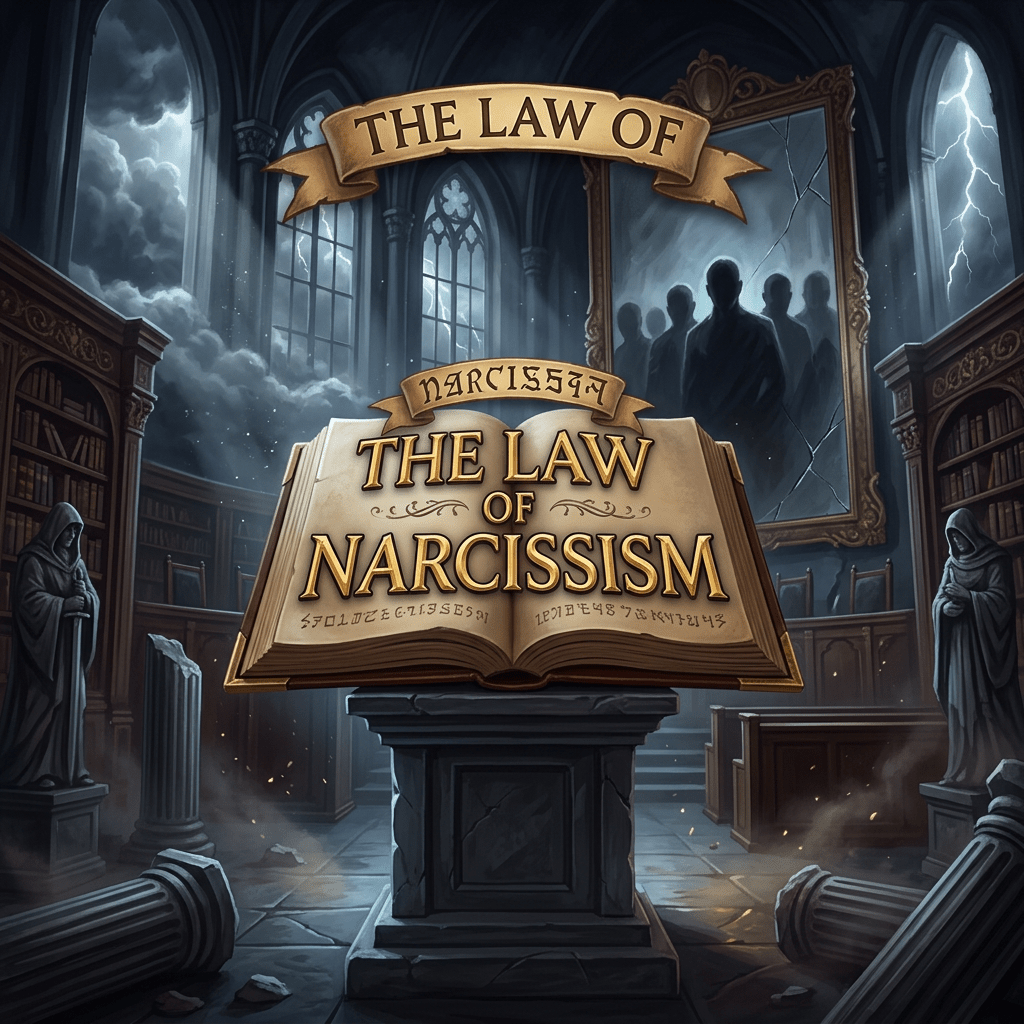
The Law of Narcissism: Transforming self-love into empathy.
The Law of Narcissism: Transforming self-love into empathy. This law explores the fundamental human need for attention and the spectrum of narcissism that exists within everyone. Robert Greene argues that by recognizing our own self-absorption, we can begin to shift our focus outward, developing “Deep Empathy” to better understand the perspectives and motivations of others. This transformation allows individuals to move beyond their own masks and conformist tendencies, gaining the insight necessary for more successful interpersonal relationships and significant self-improvement.
Applying the Law of Narcissism in Capoeira Angola
The strategic framework of Capoeira Angola offers a potent system for navigating the manipulative architecture often associated with narcissistic behaviors. By utilizing the philosophical and physical principles of the roda, a practitioner can shift from being a predictable target to an active, fluid participant in emotional self-defense.
1. The Emotional Ginga: Denying Narcissistic Supply
In the roda, the ginga is a continuous, deceptive movement that keeps a player elusive. Interpersonally, this translates to maintaining emotional mobility. Narcissists thrive on predictable emotional reactions—outbursts of anger or visible distress—to gain “narcissistic supply”. By employing “Grey Rock” techniques—responding with neutral, non-committal phrases like “I understand you feel that way”—the practitioner starves the narcissist of the emotional fuel they seek.
2. Malícia and O Jogo de Dentro: Reading Intentions
Malícia is the calculated ability to read an opponent’s hidden motives. Within o jogo de dentro (the internal game), a practitioner looks past a narcissist’s superficial charm or “flamboyant aú of grandiosity” to see the insecure core beneath. Recognizing that an effusive apology might be a “hoovering” attempt allows the individual to anticipate manipulation and protect their boundaries before an attack is launched.
3. The Roda: Breaking Isolation
Narcissists often attempt to isolate targets to maintain control. The roda represents the critical need for a supportive community. By maintaining a network of trusted allies—friends, family, or therapists—the practitioner ensures they have an external reality check against tactics like gaslighting. This collective wisdom acts as an anchor for objective truth.
4. The Ultimate Saída: Strategic Disengagement
The most powerful move in Capoeira Angola is the saída—the conscious decision to exit the game. When a dynamic becomes too costly to one’s axé (life force), the masterful choice is to refuse to play. This might involve establishing a “No Contact” boundary, which functions as a rabo de arraia—a decisive, final action that ends the toxic exchange and preserves one’s internal peace.
Conclusion: Integrating the Law of Narcissism with the principles of Capoeira Angola provides a comprehensive toolkit for emotional and psychological resilience. By viewing narcissistic behaviors through the lens of a strategic game, individuals can transform from passive victims into proactive practitioners of their own well-being. This approach emphasizes that understanding human nature, including the inherent narcissism within us all, is the first step toward developing the deep empathy necessary for genuine connection and self-improvement. Ultimately, the goal is not merely to survive toxic interactions but to master the art of interpersonal dynamics, ensuring that one’s internal peace and life force, or axé, remain intact regardless of the external “players” they may encounter.
The human experience is, at its core, a constant and vigorous contest—not primarily with external forces, but with the complex and often contradictory landscape of one’s own soul. This reflection on identity, responsibility, and the direction of your life acknowledges a profound and inescapable truth: there is a real battle happening—not just in the world, but within every man. This internal conflict is not a metaphor; it is the daily, high-stakes crucible in which character is forged or forfeited, determining the quality and impact of one’s entire existence.
The Three Fronts of the Internal Conflict
This internal war is a ceaseless, high-stakes confrontation waged across three primary fronts, each demanding intentionality and vigilance:
1. The Battle Between Discipline and Distraction
The first front is the struggle for consistent action. A battle between discipline and distraction. Discipline, the committed, consistent action toward a defined and worthy goal, represents the high road of self-mastery. It is the arduous, yet rewarding, choice to delay gratification in favor of long-term achievement. It is the accumulated power of small, intentional sacrifices. Distraction, whether manifested as aimless consumption of media, chronic procrastination, or the strategic avoidance of necessary discomfort, is the path of least resistance. It is the insidious erosion of potential, leading inevitably to stagnation and regret. To choose discipline is to choose the future you envision; to yield to distraction is to remain trapped in the comfort of the present moment.
2. The Battle Between Purpose and Self-Sabotage
The second front concerns the direction and momentum of your life. It is a struggle between purpose and self-sabotage. Purpose provides the essential compass, the unwavering why, and the deep-seated momentum that gives weight and meaning to daily efforts. It anchors a man to a vision greater than his immediate wants. Self-sabotage, however, is often insidious and unconscious, the tendency to actively undermine one’s own success and happiness. It operates through the voices of fear, doubt, and destructive habits, ensuring that extraordinary potential remains tragically unfulfilled. This self-inflicted wound stems from a deep-seated fear of success or an unconscious belief in one’s own unworthiness, making the internal victory over self-sabotage a prerequisite for external achievement.
3. The Defining Choice: Destiny vs. Mediocrity
Most critically, this is a spiritual and existential defining choice between who God called you to be—and who you settle to become. This spiritual dimension frames the entire conflict as one of destiny versus voluntary mediocrity. The “called” self is the integrated, fully realized individual operating in alignment with their highest values, intrinsic gifts, and divine design. It is the self capable of operating at maximum influence and integrity. The “settled” self is the version of you that capitulates to ease, fear, and the low expectations of the world, choosing the temporary comfort of the familiar over the challenging, yet rewarding, covenant of their potential. The victory here is the courageous act of choosing one’s destiny over comfort.The Foundation of Radical Responsibility
A man may not choose his starting point. The circumstances of birth, the wounds of childhood, the initial resources provided—all of these are outside the sphere of his initial control. You may not control how you started. These facts are the unchangeable historical context of your life.
However, the immense and sovereign power of human agency rests entirely in the present and the future. But you are responsible for how you finish. This statement is not an accusation; it is a clarion call to radical responsibility. It demands a profound shift in perspective, moving the focus from the factors that acted upon you (victimhood) to the choices you make now (agency). Radical responsibility demands ownership not just of one’s deliberate actions, but of one’s entire life trajectory, emotional state, and spiritual condition. It is the rejection of the external blame game and the full acceptance of the power inherent in the present moment to choose differently.
The Pathway to Transformation: Alignment and Action
The pathway out of the inner war and into a life of meaning and impact begins with a deliberate, foundational shift. Alignment with God changes everything. This is not merely a passive religious sentiment, but a structural change in the mind, spirit, and life architecture. It is the deliberate decision to anchor your life to a transcendent, unwavering standard and principle, thereby gaining irrefutable clarity on what is truly important, eternal, and worth dedicating your life to. This higher standard provides the blueprint for the “called” self.
This alignment initiates the transformative process, which requires continuous, disciplined effort and commitment:
When you renew your mind: This is the internal revolution, the intellectual and spiritual dismantling of the settled self. It means actively identifying and replacing old, limiting beliefs, negative self-talk, and patterns of scarcity with empowering truth. It is the daily practice of replacing the worldview shaped by fear, trauma, and culture with the truth revealed through spiritual principle and clear vision. This mental overhaul is the first battleground.
Develop discipline: Discipline is the bridge between a high-minded intention and a grounded reality. It is the practiced ability to consistently do what must be done when it needs to be done, regardless of fleeting mood or inclination. It is the accumulation of small, consistent acts of fidelity to one’s defined purpose, which builds an unshakeable foundation of reliability and self-trust.
And commit to growth: This is the lifelong posture of the learner, the rejection of finality, and the courageous embrace of challenge. It means actively seeking out opportunities for intellectual, emotional, and spiritual expansion. To commit to growth is to accept that you are an ongoing project, always becoming, never fully arrived, and always capable of more.
How does this apply to an Angoleiro, a practitioner of Capoeira Angola, whose very art is a profound study in the tension between internal discipline and external expression, between self-mastery and dynamic interaction?
The principles of “Radical Responsibility” demand that the Angoleiro acknowledge that the roda is a mirror of their internal state. Every movement, every chapa, every evasive coccix is not merely a physical technique, but a manifestation of their commitment, their focus, and their emotional control. If an Angoleiro enters the roda carrying fear, anger, or distraction, those internal states will manifest as clumsy footwork, predictable attacks, or a failure to read their opponent (the jogador). The internal war is fought and won not just in hours of solo training, but in the moment-to-moment decisions within the game.
Radical Responsibility means the Angoleiro takes full ownership of the quality of the game. If the music falters, it is their responsibility to sing louder. If the energy drops, it is their responsibility to invite greater connection and challenge through their movement. They do not blame their partner for a poor game, nor the mestre for a difficult challenge, nor their own lack of sleep for a slow response. Instead, they recognize that their level of presence is the only factor they can truly control. This responsibility extends beyond the technical execution of the jogo. It encompasses the cultural and historical weight of the art. An Angoleiro is responsible for upholding the integrity, respect (axé), and philosophical depth of Capoeira Angola, ensuring that their practice is a living testament to the resilience and wisdom of its Afro-Brazilian origins. In essence, for the Angoleiro, radical responsibility is the commitment to being a vessel for axé—the vital life force and energy of the art. They understand that to truly play Capoeira Angola is to engage in a continuous, conscious practice of bringing their highest self, their most disciplined mind, and their most generous spirit into the circle.
The Consequence: A Higher Level of Living
The inevitable consequence of this transformation is a fundamental elevation of one’s existence—you step into a higher level of living. This elevated life is not defined by material wealth or societal acclaim, but by intrinsic value, integrity, and profound impact. It is characterized by three markers:
A life of purpose: Every action is infused with meaning, contributing to something greater than self-gratification. The man knows his why and organizes his what around it.
A life of responsibility: The man accepts his essential role as a steward of his gifts, his relationships, and his entire sphere of influence. He becomes reliable, dependable, and a bedrock of strength for his family, community, and those he leads.
A life that produces: The focus shifts decisively from passive consumption to active creation. This life generates tangible value—whether through mentorship, art, entrepreneurship, service, or dedicated family stewardship—leaving a positive and enduring legacy that outlasts the man himself.
This is discipleship. It is the comprehensive, holistic process of self-mastery under a higher standard, culminating in a life that is intentional, fruitful, and fundamentally aligned with the design of its Creator. It is the courageous act of winning the inner war and becoming the man you were always meant to be.
A heartfelt SHOUT OUT is extended to Byron Rodgers for the creation and generous sharing of this insightful video content.
For those seeking more of this valuable material, we encourage you to subscribe to the MAN OF PEACE podcast on YouTube.
The Indispensable Voice: “The Moment of Truth’s Friday Crime Report” with Professor Black Truth
“The Moment of Truth’s Friday Crime Report,” a program of paramount importance and consistently powerful insight, is a cornerstone of critical media commentary. Broadcast reliably every Friday morning—a timing that tacitly suggests profound truth is worth the anticipation—the show is expertly hosted by the respected and unflinching voice of PROFESSOR BLACK TRUTH.
The program is not merely a summary of weekly events; it stands as an essential, critical platform dedicated to a deep, analytical, and uncompromising exploration of the intricate societal, judicial, and economic forces that disproportionately and often devastatingly impact the Black community. It serves as a necessary corrective to mainstream narratives, offering a perspective often marginalized or intentionally obscured by dominant media structures.Today’s Essential Installment: Unmasking Vicious Racial Hatred
In today’s compelling installment, the report delves into a recent, harrowing incident that starkly illustrates the persistence and brazenness of racial hatred in America. The segment focuses on a shocking act of violence and racial terrorism in New York:
A few weeks ago, a pair of individuals, identified as racists and conspicuously wearing MAGA hats, accosted a Black woman on the street. The encounter quickly escalated from verbal assault—in which they subjected her to vile racial slurs—to an act of physical violence and symbolic destruction. Appallingly, the assailants then set her shoes on fire while they were still on her feet, a malicious and terrifying attack.A Dedication to Unfiltered Truth
This segment, and the entire program, is a profound “shoutout to the professor for creating and posting this video.” It serves as a crucial, documented testament, demonstrating that the forces which harm the Black community extend far beyond the narrow scope and selective focus of the white-dominated media landscape. Professor Black Truth consistently illuminates the deep-seated systemic and overt racist threats that many mainstream outlets choose to ignore, downplay, or misrepresent.
His work provides an invaluable, unvarnished look at the realities of racial injustice, demanding accountability and offering a space for genuine dialogue and community support.
Support the Essential Work of Professor Black Truth:
To ensure the continued production of this critical reporting, the Professor accepts support through the following platforms:
This comprehensive blog series, titled “SPIRITUAL PRACTICES OF AFRICA, AND THE DIASPORA,” is dedicated to an in-depth exploration of the rich and varied tapestry of indigenous beliefs and organized religions across Sub-Saharan Africa. The series will meticulously focus on three foundational pillars: the profound significance of ancestral worship, the pervasive influence of Christianity, and the widespread reach of Islam.
A core objective of the series is to celebrate and highlight the extraordinary cultural heritage of the region. This is achieved through a close examination of the diverse array of rituals and community gatherings that serve critical functions within society. These practices are not mere historical relics; they are living traditions that actively reinforce collective identity and are the primary mechanisms for cultural transmission, ensuring that the wisdom, values, and norms of previous generations are effectively passed down.
Furthermore, the series broadens its scope to examine how these enduring traditions have adapted and transformed within the diaspora—the communities of African descent scattered across the globe. A special emphasis is placed on the vital role of storytelling as a foundational cultural technology. Storytelling is the essential vehicle for the preservation of oral histories, acting as a living archive, and is the principal method for conveying complex moral, spiritual, and practical lessons to future generations. Ultimately, “SPIRITUAL PRACTICES OF AFRICA, AND THE DIASPORA” is an ambitious project with a singular goal: to significantly enhance understanding of the complex interplay between faith, identity, and cultural resilience throughout Sub-Saharan Africa and its global diaspora, offering readers a nuanced perspective on how these powerful forces continue to shape the contemporary world.
In today’s Installment…
Let’s delve into the rich heritage of the African Methodist Episcopal (AME) Church, a pioneering and profoundly influential denomination in African American religious and social history. The AME Church’s narrative is one of resilience, self-determination, and a powerful quest for spiritual and civil liberty.
The African Methodist Episcopal (AME) Church: A Pillar of Faith, Freedom, and Social Justice
The African Methodist Episcopal Church is a storied, historically Black Christian denomination that represents one of the most pivotal moments in the history of the African diaspora in the Americas. It was officially founded in Philadelphia, Pennsylvania, in 1816 by the visionary leader Richard Allen. This establishment was not merely the creation of a new religious sect; it marked the first major religious denomination in the Western world to be founded solely by people of African descent. In doing so, the AME Church created a vital, autonomous, faith-based institution that was fundamentally independent of white control and passionately dedicated to the spiritual, social, political, and economic upliftment of Black communities throughout the burgeoning United States and, eventually, the world.
The Struggle for Spiritual Autonomy
The genesis of the AME Church was rooted in the fierce resistance to the rampant and humiliating racial discrimination experienced by Black worshippers at white-led churches, most notably St. George’s Methodist Episcopal Church in Philadelphia. The seminal and catalytic event occurred in 1787 when Richard Allen and other Black congregants, seeking a place for prayer, were forcibly removed and physically barred from the main sanctuary for kneeling in a segregated section designated for Black members. This blatant act of systemic racism and spiritual marginalization solidified Allen’s resolve and spurred him to lead a decisive movement for complete spiritual and ecclesiastical independence.
Allen and his followers initially organized the Free African Society in 1787, a non-denominational mutual aid and benevolent society designed to support the community’s temporal needs. This groundwork soon led to the founding of Bethel African Methodist Episcopal Church in 1794, which became affectionately known as “Mother Bethel.” Despite establishing their own church property and forming their own congregation, white Methodist officials repeatedly attempted to exert control over Mother Bethel’s property, finances, and worship practices, claiming jurisdictional authority.
This continuous, decades-long struggle for autonomy reached its climax and resolution in 1816. The Pennsylvania Supreme Court issued a landmark decision affirming the undeniable independence and complete ownership of the Black congregation over their property and worship. Immediately following this monumental legal victory, representatives from various Black Methodist congregations scattered across the Mid-Atlantic states—including Pennsylvania, Delaware, Maryland, and New Jersey—convened a historic conference in Philadelphia. This gathering officially consecrated and formally constituted the African Methodist Episcopal Church, a unified and sovereign denomination born out of a quest for dignity and freedom.
A Foundation Beyond the Sanctuary
The foundational purpose and expansive mission of the African Methodist Episcopal (AME) Church extended far beyond conventional religious worship and spiritual devotion. From its very inception, the AME Church has powerfully and enduringly served as a multifaceted engine for radical social justice, unparalleled educational advancement, and sustained political activism within the African diaspora. Its churches served as essential stations on the Underground Railroad, platforms for abolitionist rhetoric, centers for community organizing, and bastions of learning. The AME Church has consistently championed civil rights, fostered Black economic self-sufficiency, and provided essential leadership training for generations of activists, theologians, and politicians, cementing its legacy as one of the most influential and enduring institutions in African American history.
The Pillars of the AME Mission:
Social Justice and Civil Rights Advocacy: The commitment to justice is central to the AME identity. During the tumultuous antebellum period, AME churches in the North were crucial hubs and key stations on the Underground Railroad, providing sanctuary and a path to freedom for enslaved people. AME bishops and ministers, such as the founder Richard Allen, were among the nation’s earliest and most vocal abolitionists, using the pulpit as a platform to denounce the immorality of slavery. This legacy continued throughout the 20th-century Civil Rights Movement, with many AME churches hosting critical meetings and clergy playing leadership roles in the struggle against segregation and racial discrimination.
Educational Empowerment: Recognizing that true emancipation required intellectual freedom, the AME Church placed an exceptionally high priority on education. The church was instrumental in founding numerous schools and colleges, seeing these institutions as essential for the uplift and self-determination of African Americans. A landmark achievement was the co-founding of Wilberforce University in 1856 (in partnership with the Methodist Episcopal Church), which became the first historically Black college or university (HBCU) owned and operated by African Americans. Following the Civil War, the church significantly expanded its educational outreach, establishing institutions like Morris Brown College in Atlanta, Georgia, and Allen University in Columbia, South Carolina. These schools were vital in educating newly emancipated people, training teachers, ministers, and leaders, and ensuring that succeeding generations had access to higher education despite systemic barriers.
A Ministry with Global Reach:
The AME Church’s vision was not confined to the United States. It rapidly expanded its influence globally, primarily throughout the Caribbean and the continent of Africa. Through the establishment of missions and new churches, the AME Church played a significant role in fostering African self-determination, providing spiritual guidance, and supporting community development. This global missionary effort connected African-descended peoples across continents, contributing to the rise of independent spiritual and political thought in places like South Africa and West Africa, thereby reinforcing a transnational identity and a shared commitment to liberation.
Today, the African Methodist Episcopal (AME) Church stands as a vibrant, enduring, and international denomination, rooted deeply in its 19th-century origins as a spiritual and social refuge for people of African descent. The Church continues to be guided by the profound and inclusive motto, “God Our Father, Christ Our Redeemer, the Holy Spirit Our Comforter, Humankind Our Family.” This declaration not only encapsulates its Trinitarian theology but also underscores its commitment to universal human kinship and dignity.
Building upon the pioneering spirit of its founders, the AME Church continues its legacy as a prophetic voice in the modern world. It tirelessly advocates for civil rights, social equality, and economic empowerment for all people, both domestically and across its global network. The denomination actively engages in ministry through education, healthcare, and community development initiatives, operating colleges, universities, and various social programs worldwide. This commitment ensures that the Church remains a dynamic force for change, carrying forward its historic mission to address systemic injustices and promote the spiritual and material well-being of the marginalized and oppressed.
Welcome to HIDDEN SPIRITUALITY – From Spirit Science, where we delve into spiritual practices and philosophies from all over the world, revealing the rich tapestry of beliefs that shape our understanding of existence, hidden in some of the movies that we watch, and the games we play. Our exploration aims to uncover the profound messages embedded within cinematic narratives, illustrating how these films often serve as vehicles for transmitting spiritual wisdom. As we analyze various cultural traditions and contemporary interpretations, we invite you to join us on a journey of discovery that not only enhances our appreciation of film but also enriches our own spiritual journeys, encouraging a deeper reflection on the interconnectedness of all beings and the universe itself. Through this lens, we hope to foster a greater understanding of how these elements influence our daily lives and spiritual practices.
In today’s installment, We explore Final Fantasy 7.
As lovers and players of Final Fantasy ourselves, this episode is an homage to the precious, imaginative moments of childhood that many of us hold dear. It draws us back to a time when our dreams were filled with adventures in fantastical worlds, battling mighty foes and forging unbreakable bonds with companions. What at first seems like a regular “fantasy” experience becomes completely transformed when you understand the deeper mystical meaning behind each symbol and character; every twist and turn in the plot offers a new layer of complexity and nuance.
Final Fantasy 7 is rich with insight, exploring themes of identity, loss, and the relentless pursuit of hope, if only we choose to dig deep and uncover its many secrets. This captivating journey invites players to immerse themselves in the intricate narratives of its characters, each with their own struggles and triumphs, revealing the profound connections we share as human beings. As we navigate through the beautifully crafted landscapes and face formidable foes, we experience a rollercoaster of emotions that resonates with our own lives. The game encourages us to reflect on our choices and relationships, serving as a poignant reminder that the adventure is not just about the destination but also about the bonds we form along the way.
In our pursuit of understanding this complex world, we find joy in celebrating both the laughter and the tears that come with each new encounter in this timeless saga, ultimately reminding us of the delicate balance between light and dark that defines our existence.
Discover the power of connection and community with Spiritverse – our online haven for the evolution of consciousness. In this vibrant space, individuals from all walks of life come together to share their experiences, insights, and journeys towards self-discovery and spiritual growth. Here, you will find a wealth of resources, interactive tools, and inspiring content designed to help you navigate the complexities of life and cultivate a deeper understanding of yourself and the universe. Join us as we embark on this transformative journey, fostering connections that uplift and inspire. Click here to gain access now: https://www.spiritverse.app/
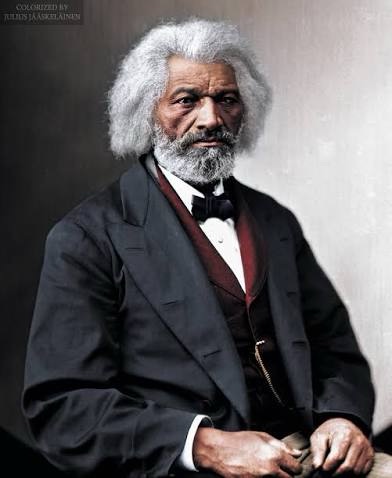
I am glad to know that the story of your eventful life has been written by a kind lady, and that the same is soon to be published. You ask for what you do not need when you call upon me for a word of commendation. I need such words from you far more than you can need them from me, especially where your superior labors and devotion to the cause of the lately enslaved of our land are known as I know them.
The difference between us is very marked. Most that I have done and suffered in the service of our cause has been in public, and I have received much encouragement at every step of the way. You, on the other hand, have labored in a private way. I have wrought in the day – you in the night. I have had the applause of the crowd and the satisfaction that comes of being approved by the multitude, while the most that you have done has been witnessed by a few trembling, scarred, and foot-sore bondmen and women, whom you have led out of the house of bondage, and whose heartfelt, “God bless you,” has been your only reward.
The midnight sky and the silent stars have been the witnesses of your devotion to freedom and of your heroism. Excepting John Brown – of sacred memory – I know of no one who has willingly encountered more perils and hardships to serve our enslaved people than you have. Much that you have done would seem improbable to those who do not know you as I know you. It is to me a great pleasure and a great privilege to bear testimony for your character and your works, and to say to those to whom you may come, that I regard you in every way truthful and trustworthy.
“Be the change you want to see in the world” emphasizes the importance of taking initiative rather than waiting for others or circumstances to change, encouraging action to make a difference. This powerful statement serves as a reminder that each individual holds the potential to impact their environment positively. By embodying the values and qualities we wish to see, we not only inspire those around us but also create a ripple effect that can lead to broader societal transformation. It calls for personal responsibility, urging us to actively engage in our communities and advocate for the changes we desire, thereby fostering a culture of proactive solutions and collective growth. In essence, it is a challenge to reflect on our own actions and strive for improvement, knowing that real change begins within ourselves.
I first saw this video many years ago, and now that I see it through the eyes of a capoeirista, the video makes much more sense.
Historically, oppressed people are taught to go to their church, their priest, their elected official, etc., and wait for someone to rescue them from their oppression. This deeply ingrained mentality can create a sense of helplessness and stagnation, leading individuals to believe that change is beyond their control.
I learned through capoeira that if we want to help ourselves out of the miserable circumstances we find ourselves in, we must first help ourselves. Capoeira has shown me that empowerment comes from within, and through movement, rhythm, and community, we can take the necessary steps to create our own paths.
Each kick, each dance, and each beat of the berimbau serve as reminders that we hold the power to transform our realities. It’s about breaking free from the shackles of expectation and truly believing that change is not just possible, but achievable through our own efforts and bravery. Therefore, let’s embrace the spirit of capoeira, encouraging not only ourselves but also others around us to take action and be the architects of our destiny.