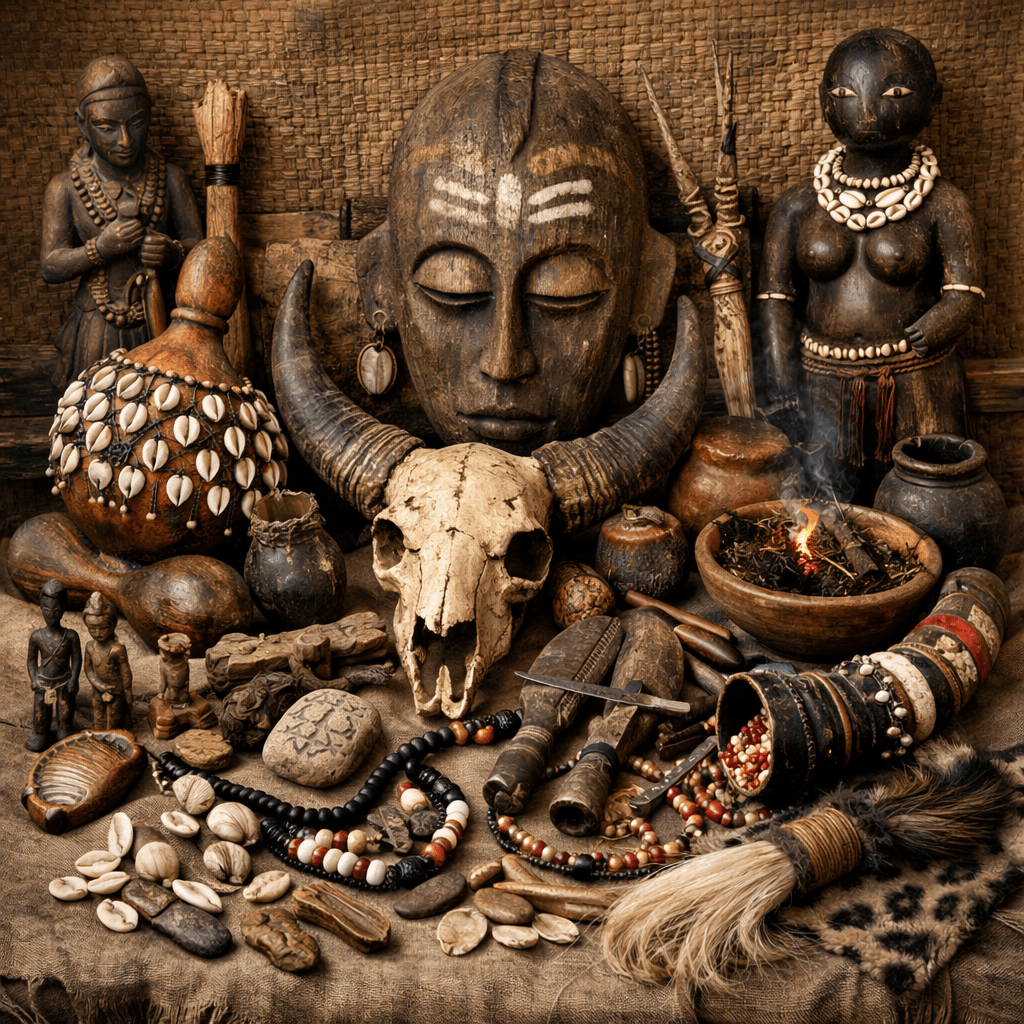
A rich collection of traditional African ritual artifacts arranged on a cloth
We shall embark upon a rigorous, multi-faceted exploration of the hallowed spiritual topographies of Sub-Saharan Africa, tracing the ancestral lineages, theological depth, and enduring global resonance that has persisted across centuries. Our fundamental objective is to transcend superficial narratives, establishing instead a robust systematic framework through which to examine the sacred intricacies of foundational indigenous cosmologies—such as the Akan’s reverence for Nyame and the expansive Orisha pantheon of the Yoruba—and their cultural manifestations.
Central to this systematic framework is the detailed analysis of the historical and theological journey of Christianity and Islam on the continent. This investigation will scrutinize their initial arrival, the complex dynamics of their interaction with established traditional religions, and their ultimate evolution into distinctive, localized African faiths that synthesized and reshaped foreign doctrines. A unifying theme throughout this exploration is the profound and living role of ancestral worship, which serves as a potent contemporary expression of cultural heritage and a vital anchor for reinforcing collective identity and ensuring social continuity.
Furthermore, we will highlight the extraordinary resilience of these traditions across the global diaspora. We will underscore how practices such as Haitian Vodou, Cuban Santería (Regla de Ocha), and Brazilian Candomblé have thrived through the powerful mechanisms of oral tradition, sacred rituals, and the deep-seated cultural practice of storytelling. By investigating these spiritual roots, we foster a more nuanced understanding of the complex interplay between faith, identity, and the cultural resilience demonstrated by the peoples of Africa and its diaspora.
We shall embark upon a rigorous exploration of the venerated artifacts of the African continent—potent instruments of temporal power, spiritual communion, and ancestral memory. These sanctified objects serve as physical anchors for the unseen, bridging the gap between the mundane and the divine, entwining the lives of generations past with the present. Our journey will delve into the intricate artistry and history behind each piece, revealing stories woven into the fabric of communities, preserving collective identities and cultural legacies.
We will examine the enduring resilience of tradition as it is manifested within each specific instrument, from the rhythmic communication of talking drums that resonate through the heart of the community to the hallowed nature of ancestral weaponry, each carrying the weight of ancestral spirits and the echoes of battles fought. In doing so, we will uncover not only the significance of these artifacts but also their transformative power in keeping the essence of culture alive, inviting contemplation on the role they play in shaping identity and continuity in a rapidly changing world.
The Royal Staff: A symbol of delegated authority and temporal power, often representing the lineage and legitimacy of leadership within the community.
Spirit Masks: Transformative vessels that allow practitioners to embody deities or ancestral spirits during sacred rituals, facilitating direct communion with the spiritual realm.
Talking Drums: Sophisticated instruments of rhythmic communication used to transmit complex messages, historical narratives, and invocations across distances and generations.
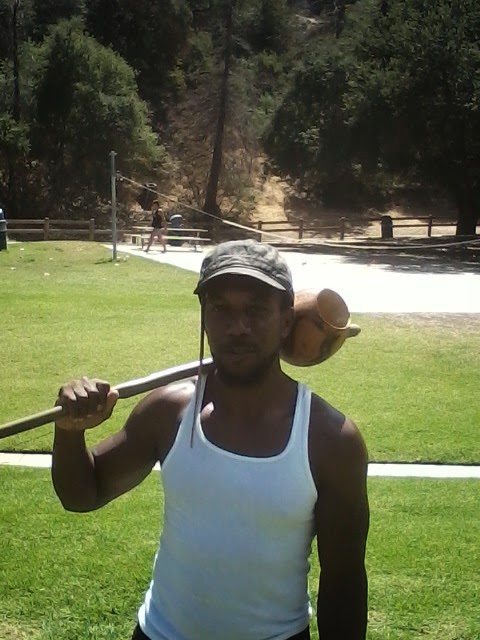
The Sacred Calabash: A ritualistic object of immense significance, often used in libations and offerings to appease and seek guidance from the ancestors.
Ancestral Weaponry: Hallowed items that signify the protection of the community and the continuity of ancestral strength, acting as guardians of ethical and moral wisdom.
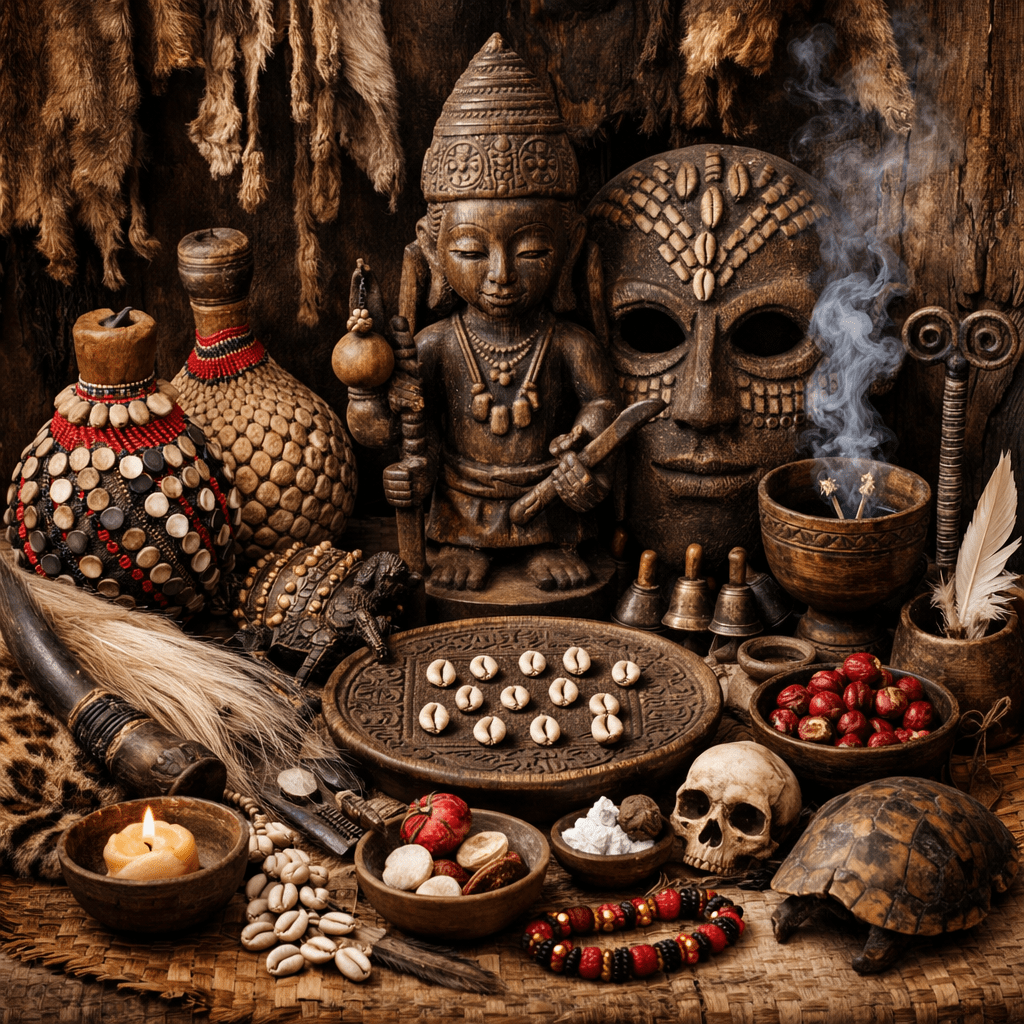
These artifacts are not merely museum pieces; they are living components of a holistic cosmology where the spiritual and physical worlds are constantly interacting in a dynamic relationship. By investigating these objects, we uncover a systematic framework for understanding how African traditional spirituality maintains communal balance and reinforces a collective identity that persists even through the displacement of the diaspora. Furthermore, these artifacts serve as tangible expressions of ancestral wisdom and cultural narratives, linking generations and fostering a sense of belonging among individuals separated by geography. This ongoing dialogue between the past and present illustrates how cultural practices adapt while still honoring their origins, ensuring that the values and beliefs embedded within these artifacts continue to resonate and guide contemporary communities in their quest for identity and cohesion.
An arrangement of African ritual objects including wooden sculptures, masks, and natural elements
In my last blog, I shared my dream of what I thought a Capoeira Angola school should look like. Today, I would like to share with you what I think is the most important factor in having a vibrant Capoeira academy, and that is creating a safe space for all the students in your school.
The creation of safe spaces within Capoeira Angola schools is a critical endeavor to address systemic issues such as sexual violence, predatory behavior, and the abuse of power within the community. As an art form rooted in the struggle for liberation and resistance against oppression, Capoeira Angola provides a unique philosophical and physical framework for fostering environments characterized by mutual respect (respeito), unity (união), and collective responsibility. By prioritizing the well being of our students, we not only cultivate a welcoming atmosphere where everyone feels valued and heard, but we also enable deeper learning and personal growth. This means actively implementing guidelines and practices that promote inclusivity, encouraging open dialogue about boundaries, and offering resources for support. When practitioners feel secure, they are more likely to express themselves fully, engage with their peers, and develop the essential skills that enhance both their Capoeira journey and their overall life experiences. Through a commitment to safeguarding all members, we strengthen the community as a whole, ensuring that our schools embody the true spirit of Capoeira Angola, a legacy of resilience and empowerment.
The Roda as a Safe Container
The roda (the circle where the game is played) serves as the primary micro-community for practicing these values. It is designed to be a safe container where practitioners can experience vulnerability and build trust through a structured set of rules and etiquette. This environment allows individuals to internalize healthy boundaries, which is particularly therapeutic for those healing from traumatic or dysfunctional backgrounds. By fostering this “safe container,” the school creates a protective structure for all participants to practice collective liberation. This space is maintained by the collective responsibility of the community and the leadership of the Mestre or Mestra, who models healthy authority that is firm yet unconditionally supportive.
Principles of Safety and Resilience
Several core principles of the art contribute to maintaining safety and fostering resilience within the academy environment:
Respeito (Respect): Mandates deep listening and honoring the autonomy of every participant, ensuring collaborative and non-prescriptive interactions. This principle ensures that interventions and training are based on genuine partnership, valuing the individual’s internal world and experiences.
Responsabilidade (Responsibility): Requires each practitioner to be accountable for the safety and flow of the roda, viewing this accountability as a civic duty that extends to the broader community. Practitioners are encouraged to assess their impact and ensure their actions contribute positively to the social fabric of the school.
Ginga (The Sway): Beyond its physical utility, the ginga serves as a metaphor for emotional fluidity and adaptability, training the nervous system to remain engaged rather than succumbing to freeze or flight responses during stress. This continuous movement teaches practitioners to navigate unpredictable emotions and challenges with grounded adaptability.
Malandragem (Cunning): Translation of the art’s strategic subtlety into a tool for self-defense. In a safety context, it involves reading body language and intentions to anticipate threats or manipulation before they land, allowing individuals to establish firm personal boundaries.
União (Unity): Emphasizes that safety is a collective endeavor. Much like a successful roda relies on the seamless interaction of all participants, building a safe environment requires mutual support and a commitment to protecting the most vulnerable members of the community.
The Role of the Mestre and Community
The Mestre or Mestra (Master) plays a pivotal role in modeling healthy authority that is firm yet unconditionally supportive. By embodying the philosophy of the art, they serve as the primary architect of the academy’s culture, ensuring that the hierarchy serves as a protective structure rather than a tool for exploitation. This leadership is crucial in maintaining the roda as a “safe container,” where practitioners can experience vulnerability and build trust within a structured set of rules and etiquette.
A sensitive teacher creates an academy environment where open communication is encouraged, and training is adapted to meet the physical or emotional limitations of students dealing with trauma. This trauma-informed approach allows individuals to internalize healthy boundaries, which can be therapeutic for those from dysfunctional backgrounds. Ultimately, building a safe environment is a collective endeavor; just as a successful roda depends on the seamless interaction of all participants, the school relies on União (Unity) and mutual support to protect its most vulnerable members.
Organizations like Capoeiristas for Change play a vital role in providing external resources and advocacy to support individual academies in their mission to build safer environments. These initiatives often offer frameworks for implementing accountability protocols and trauma-informed pedagogy, ensuring that the principles of respeito and união are not just philosophical ideals but active, daily practices. By collaborating with such organizations, Capoeira Angola schools can better navigate complex issues like power dynamics and boundary setting, ultimately strengthening the community’s resilience and commitment to collective liberation.
The advocacy provided by these groups helps bridge the gap between traditional hierarchy and modern safety standards, offering specific tools for conflict resolution and the reporting of misconduct. Through workshops and shared resources, schools can adapt their training methods to be more inclusive and responsive to the needs of students who have experienced systemic or personal trauma. This partnership fosters a network of solidarity where individual schools are no longer isolated but are part of a broader movement dedicated to maintaining the integrity of the art as a space for genuine resistance and healing.
Safe spaces in capoeira angola schools and academies serve as a vital mechanism for addressing systemic issues such as sexual violence, predatory behavior, and the abuse of power. By rooting the practice in its historical foundation of resistance and liberation, these academies transform into therapeutic environments where practitioners can heal from trauma and dismantle the psychological legacies of historical and personal oppression. The creation of a “safe container” within the roda allows for the development of healthy boundaries and the restoration of personal agency through the principles of respeito (respect), união (unity), and responsabilidade (responsibility). These values are not merely philosophical ideals but active practices modeled by the Mestre or Mestra, whose leadership ensures that the school remains a protective structure dedicated to the collective liberation and well-being of all its members.
The advocacy provided by these groups helps bridge the gap between traditional hierarchy and modern safety standards, offering specific tools for conflict resolution and the reporting of misconduct. Through workshops and shared resources, schools can adapt their training methods to be more inclusive and responsive to the needs of students who have experienced systemic or personal trauma. This partnership fosters a network of solidarity where individual schools are no longer isolated but are part of a broader movement dedicated to maintaining the integrity of the art as a space for genuine resistance and healing.
Conclusion: The Enduring Sanctuary of the Roda
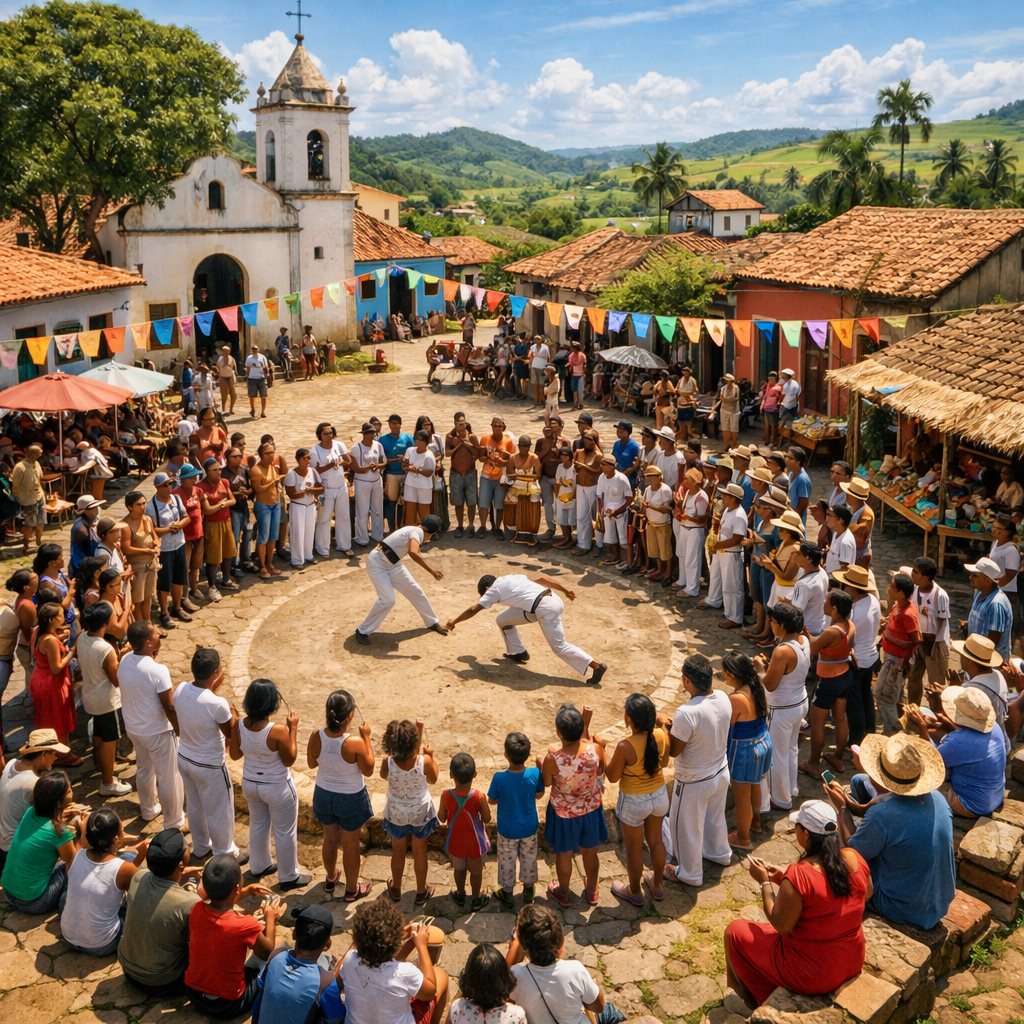
Villagers gather in a circle to watch a lively capoeira demonstration in a sunlit town square.
Safe spaces in Capoeira Angola schools and academies serve as a vital mechanism for addressing systemic issues such as sexual violence, predatory behavior, and the abuse of power. By rooting the practice in its historical foundation of resistance and liberation, these academies transform into therapeutic environments where practitioners can heal from trauma and dismantle the psychological legacies of historical and personal oppression. The creation of a “safe container” within the roda allows for the development of healthy boundaries and the restoration of personal agency through the principles of respeito (respect), união (unity), and responsabilidade (responsibility).
These values are not merely philosophical ideals but active practices modeled by the Mestre or Mestra, whose leadership ensures that the school remains a protective structure dedicated to the collective liberation and well-being of all its members. By embodying healthy authority, they facilitate an embodied pedagogy of self-determination and cultural memory. Through the support of advocacy groups, individual schools can continue to implement trauma-informed pedagogy and accountability protocols, ensuring that Capoeira Angola remains a sanctuary for genuine healing and community resilience. This collaborative effort ensures that the principles of respeito and união are translated into effective, ethical community engagement and sustainable social action.
Just note: The below is MY Vision for the kind of Martial Art Academy that I want to create and teach at. I envision a place where individuals from all walks of life can come together to learn not just the physical techniques of martial arts, but also the underlying philosophies that promote discipline, respect, and personal growth. This academy would be a sanctuary for self-improvement, encouraging students to push beyond their limits and embrace challenges with a resilient mindset. With experienced instructors and a supportive community, I hope to cultivate an environment where every student feels empowered to achieve their goals, both on and off the mat. The dream is not just about mastering martial arts, but also about fostering lifelong friendships and promoting a sense of belonging.
This is PURELY CONCEPTUAL for now. One day, it can be a reality. Maybe.
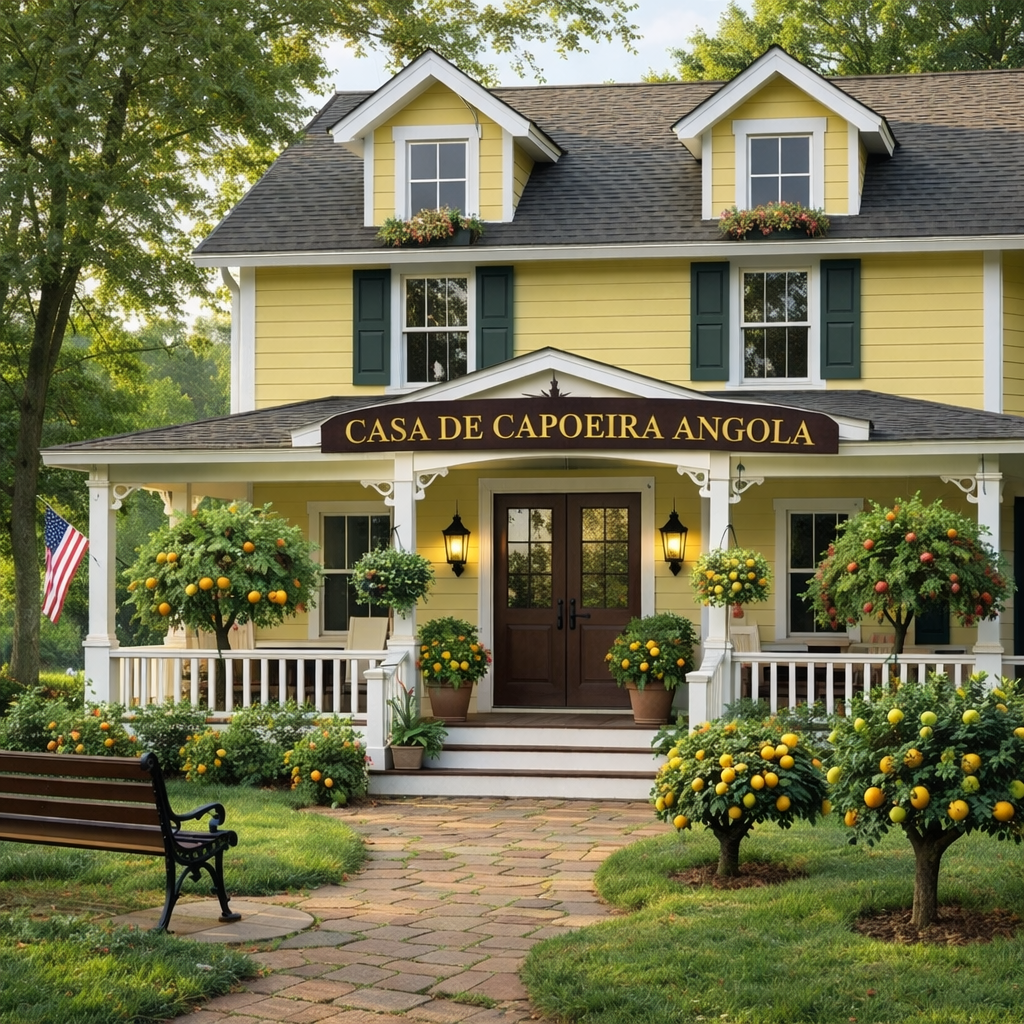
The vision for a “Casa de Capoeira Angola” is the establishment of a dedicated, permanent, and sustainable physical location that serves as the central hub for the study, practice, and continuous development of the tradition of Capoeira Angola. This space is more than just a training facility; it is conceived as a living sanctuary committed to the art’s practice, preservation, and perpetuation.
Elaboration and Expansion: The Casa de Capoeira Angola is envisioned not merely as a gymnasium or studio, but as an authentic cultural institution—a spiritual home for the art form. Its purpose extends far beyond the physical roda (circle) and training sessions; it embodies a commitment to safeguarding the profound historical, philosophical, and musical heritage of Capoeira Angola.
Practice and Study: The Casa will provide a stable and consistent environment necessary for deep, focused study under the guidance of experienced Mestres and teachers. It will host regular classes, workshops, and intensive immersions, offering comprehensive instruction in all facets of the tradition: the movements, the ritual, the history, the Portuguese language, and the core philosophies of respect, community, and resilience.
Preservation and Documentation: A critical function of the Casa is the active preservation of the art form. This includes the documentation of oral histories, traditional songs (including rare or lost quadras and corridos), and instrumental techniques. The facility will house a dedicated library and archive for scholarly research, protecting a wealth of materials that might otherwise be scattered or forgotten. It will serve as a repository of knowledge, ensuring that the integrity of the Angola lineage is maintained for future generations.
Perpetuation and Community: To ensure the art’s perpetuation, the Casa will be a dynamic, intergenerational space. It is designed to foster a strong sense of community (comunidade), serving as a cultural anchor where students, practitioners, and the public can gather, share experiences, and engage in dialogue. The physical structure will be designed to support communal living, hosting cultural events, encontros, and rodas that welcome both local and international visitors. This active engagement guarantees that the art remains a living, evolving tradition, vibrant with continuous learning and cultural exchange.
Conception: Defining the Purpose and Scope
A successful Casa de Capoeira Angola (House of Capoeira Angola) must be built on a clear, comprehensive foundation of purpose. It is not merely a gym or a studio, but a holistic, living environment designed to address and preserve all facets of the tradition—a sanctuary and incubator for the art form. This multi-faceted approach ensures the transmission of knowledge is deep, authentic, and continuous.
Core Pillars of the Casa:
Teaching and Training (A Formação): Providing a rigorous and consistent schedule of classes is the bedrock of the Casa. This must cater to all skill levels, from absolute beginners—who require patient introduction to the basic stances and movements—to advanced practitioners (graduados) and instructors. The curriculum must be comprehensive, focusing equally on:
The Foundations: Mastering the core defensive and offensive movements (movimentos), including the ginga, evasions, and counter-attacks, emphasizing fluidity, balance, and strategic positioning (malícia).
The Jogo (The Game): Developing the dialogue and intuition necessary to play Capoeira Angola effectively within the roda. This includes understanding the rhythm of the game, appropriate moments for entering and leaving the roda, and the non-verbal communication between players.
Music and Song: Detailed instruction on playing all requisite instruments—the berimbau (viola, medio, gunga), pandeiro, atabaque, agôgô, and reco-reco—and the extensive repertoire of traditional songs (quadras and corridos), including the ability to lead the singing and understand the thematic and historical significance of the lyrics.
Historical and Philosophical Context: Integrating lectures and discussion on the socio-historical origins of Capoeira Angola, its roots in resistance and African diaspora culture, and the philosophical underpinnings that define its slower, strategic style compared to other forms of capoeira.
Workshops and Immersion (Vivências): Regular, intensive workshops are crucial for deepening the practitioners’ understanding and connection to the broader lineage. These events should be led by senior masters (mestres) and highly experienced practitioners (contramestres) from both within the Casa’s specific lineage and the wider, global Capoeira Angola community. These sessions allow for:
Deep Dives: Focused study on specific, complex elements, such as regional variations in toques (instrumental rhythms), the intricate process of instrument construction (e.g., curing the berimbau‘s gourd or stringing the arame), or the meticulous breakdown of advanced movement sequences and strategic malícia.
Lineage and Community Exchange: Facilitating direct interaction with different masters ensures that the knowledge remains vital, diverse, and connected to its roots, reinforcing the collective nature of the tradition.
Cultural Hub and Public Engagement: The Casa as a Beacon of Afro-Brazilian Heritage
The Casa de Capoeira Angola is envisioned as far more than a simple training facility; it must function as a dynamic and vibrant center for Afro-Brazilian culture. Its mission is to position Capoeira Angola not merely as an isolated martial discipline, but as a crucial lens through which to understand and experience a rich, deep, and complex historical tapestry. This essential public-facing and educational role includes several core components designed to foster community, academic understanding, and living cultural preservation:
I. Active Community and Performance Spaces
Open Rodas: Organizing regular rodas—the ritual circle where Capoeira Angola is played—that are explicitly open to the general public and the broader capoeira community, transcending the specific lineage of the Casa. These public rodas will serve as a democratic space for spontaneous play, sophisticated musical exchange (including the berimbau, atabaque, and pandeiro), vocal participation, and a powerful, living demonstration of the art form’s philosophy and physical poetry. These events are crucial for maintaining the art’s vitality and accessibility.
Cultural Demonstrations and Workshops: Hosting specialized workshops focused on the intricate physical movements, musical components, and theoretical knowledge of Capoeira Angola, led by visiting mestres and local practitioners. These workshops will be complemented by demonstrations for schools and community organizations, illustrating the art’s historical context and contemporary relevance.
II. Deep Educational and Historical Programming
Lecture Series and Film Screenings: Implementing a structured program of lectures, scholarly presentations, film screenings, and facilitated discussion groups. The topics covered must be vital to the deep cultural understanding of the art, moving beyond simple technique:
Brazilian History and Sociology: Focused specifically on the historical period of slavery, abolition, and the subsequent racial and economic dynamics that shaped the art. This includes exploring the Quilombo tradition and the role of resistance movements.
The Portuguese Language: Offering foundational and intermediate classes in Portuguese, as fluency is essential for authentically understanding the nuanced meanings of the songs (quadras and corridos) and the specific, often metaphorical, terminology of the game.
Folklore and Mythology: Exploring the rich tapestry of Brazilian folklore, including creation myths, regional tales, and the cultural figures (Exu, Iemanjá, Saci) that frequently appear in the songs and cultural imagination.
Candomblé and Afro-Brazilian Religious Syncretism: Providing respectful and accurate education on Candomblé, the Afro-Brazilian religious practice that shares deep historical roots, philosophical concepts, and musical instruments with Capoeira Angola, ensuring a holistic view of the culture.
Socio-Historical Significance: Critically examining the role of Capoeira Angola as a powerful tool for cultural preservation, the reclamation of African identity, and community building in the face of systemic oppression.
Community and Living Space: The Academia Model—A Living Sanctuary
The true essence of the ideal Casa de Capoeira Angola transcends the function of a mere training facility; it lies in fostering a sense of communal responsibility and shared, deeply immersive purpose. It must embody the concept of an academia—a term historically and philosophically richer than the modern “school.” This model posits the Casa as a familial, intergenerational structure, a dynamic sanctuary where the transmission of knowledge is constant and holistic, moving beyond the confines of formal class hours.
In this environment, education is realized through constant, direct interaction. Students (or family members, as they are truly seen) and masters live, work, and create alongside one another. The curriculum unfolds not just in the roda or in focused lessons on toques and movements, but organically through shared meals, which become forums for philosophical discussion and the telling of ancestral stories; through collaborative maintenance of the space, which instills a practical respect for the physical sanctuary and the labor required to sustain it; and through mentorship that extends profoundly beyond the training floor.
This integrated, 24/7 environment is the crucible for cultivating essential virtues. It instills discipline through the practical necessities of community life, not just through rigorous physical training. It cultivates deep respect (respeito)—for the elders, the history, the instruments, and for the space itself. It builds a genuine sense of shared history, as members become living participants in the lineage and narrative of the art. Crucially, the academia model ensures the practical application of Capoeira Angola’s philosophical tenets to daily life. The principles of balance, resilience, patience, and non-aggression, learned in the roda, are tested and solidified in the mundane challenges and joys of communal living, transforming the art from a performance skill into a profound way of being. This seamless integration of art, philosophy, and daily existence is what ultimately defines the Casa as a “Living Sanctuary.”
II. Creation: How to Find and Establish the Space
The successful realization of a Casa de Capoeira Angola hinges on the selection and development of its physical home. This space must be more than a mere gym; it should be a living sanctuary, a place conducive to the art’s cultural depth, spiritual discipline, and communal practice.
A. The Physical Location: A Critical Factor in Success
The chosen location serves as the institution’s face and determines its accessibility and community integration.
Location Strategy: Accessibility and Community Integration
Public Transit and Foot Traffic: The space should be easily accessible via multiple modes of public transportation (bus, subway, light rail). Proximity to major transit hubs is a significant advantage.
Neighborhood Engagement: Ideally, the Casa should be situated in a vibrant, diverse neighborhood where it can actively engage with the local populace. This positioning helps in recruitment, fosters community support, and allows the Casa to serve as a cultural anchor.
Ground-Level Preference: A ground-level location is highly preferable. It minimizes noise complaints from downstairs tenants, simplifies access for all participants (especially those with mobility issues), and allows for better flow during public events or demonstrations. Adequate ceiling height is also a key consideration to accommodate high kicks and acrobatic movements (floreios).
B. Architectural and Design Requirements: Defining the Sanctuary
The internal architecture must be intentionally designed to facilitate the practice and preservation of Capoeira Angola.
The Roda Area: The Heart of the Casa
Dimensions: The primary training space must be generously sized to comfortably host a full roda (the circle of play), requiring a minimum clear diameter of 20 feet. This size allows for two players, the bateria (the musical arc), and the surrounding spectators (the coro) without feeling cramped or unsafe.
Flooring: The flooring is perhaps the most critical physical component. It must be exceptionally durable, capable of withstanding constant movement, impact from falls, and rapid pivots. A non-slip, yet smooth surface (such as high-quality, dense wood or specially treated concrete) is essential to minimize injury while facilitating the fluid movements of Capoeira. Carpet or sprung floors are generally unsuitable.
Acoustics and Ventilation: The space requires good natural light, excellent ventilation to manage heat and humidity from intense practice, and acoustic consideration to properly amplify the sound of the berimbaus and the singers, which is vital to the energy and direction of the roda.
Musical Instrument Storage and Maintenance: Protecting the Tools of the Art
Dedicated Climate Control: A separate, dedicated storage area is absolutely necessary for the delicate musical instruments, particularly the berimbaus (gourd, wood, and steel construction) and the atabaques (drums). This room must be climate-controlled to protect the materials from warping, cracking, or damage caused by fluctuations in temperature and humidity, which can destroy the instruments’ tone and structural integrity.
Maintenance Workshop: Space should be allocated for the necessary tools and materials for the regular maintenance, repair, and crafting of instruments, emphasizing the Casa’s role in preserving the entire cultural infrastructure of the art.
Changing, Gathering, and Study Areas: Fostering Community and Scholarship
Separate Facilities: Clean and well-maintained separate changing rooms and restroom facilities are essential for the comfort and privacy of all students.
Communal Lounge and Study: A communal area or lounge is vital to the Casa’s function as a social hub. This space should be designed for discussion, the sharing of knowledge, and collective study of the history, philosophy, and Portuguese language related to Capoeira Angola.
Retail and Resources: This area can also house a small retail operation for the sale of required attire (uniforms, or abadás), instructional materials (books, videos), and other Capoeira-related merchandise, providing a small, recurring revenue stream.
C. Legal and Financial Foundation: Ensuring Longevity and Stability
The physical establishment must be underpinned by a robust administrative and financial structure to guarantee the institution’s long-term viability.
Organizational Structure: Establishing a clear, legally recognized organizational structure (e.g., formalizing as a non-profit/non-governmental organization or a specific type of cultural association) is crucial. This structure is necessary for securing grants, managing legal liabilities, receiving tax-deductible donations, and ensuring institutional continuity that transcends the lifetime of any single individual teacher or master.
Comprehensive Business Plan: A detailed and forward-looking business plan is mandatory. This document must meticulously detail:
Operating Costs: A full accounting of monthly fixed and variable expenses (rent/mortgage, utilities, insurance, instrument maintenance, instructor stipends).
Tuition Structure: A clearly defined and ethical fee structure that balances accessibility for students with the financial needs of the institution. Consideration should be given to tiered pricing, scholarships, and family rates.
Fundraising Strategies: A diversified plan for generating non-tuition revenue, including public performances, workshops, cultural events, merchandise sales, and securing private and public grants. The financial stability of the Casa is directly tied to its ability to manage these diverse income streams effectively.
III. Maintenance: Sustaining the Tradition and Legacy
The long-term success of the Casa de Capoeira Angola is contingent upon a continuous, multi-faceted commitment to both its physical and ideological upkeep. This dedication ensures the sanctuary remains a robust, vital center for the art form.
A. Financial Sustainability: Building a Resilient Economic Model
The reliance on a single income stream is precarious for any cultural institution. Therefore, the Casa will build a resilient economic foundation through diversification:
Regular Tuition Payments: A tiered membership structure will be implemented to cover core operating costs. This includes standard adult, student, and family rates, along with potential scholarship funds to ensure accessibility for committed practitioners regardless of financial constraints.
Grant Applications and Cultural Funding: Active pursuit of grants specifically designated for cultural non-profits, historical preservation, and arts education is essential. This includes securing funding from municipal, state, and federal arts councils, as well as private foundations dedicated to supporting Afro-Brazilian heritage.
Merchandise Sales: The development of a line of quality merchandise (e.g., custom abadas, berimbau kits, official Casa t-shirts, and instructional media) provides supplementary income while simultaneously promoting the brand and spirit of the Casa.
Hosting External Events and Specialized Classes: Maximizing the utility of the physical space by renting it out or utilizing it for related, complementary disciplines. Examples include hosting workshops in Afro-Brazilian drumming (maculelê), traditional Brazilian folk dance (samba de roda), Portuguese language courses, or cultural seminars. These activities generate revenue and expand the Casa’s cultural footprint.
Targeted Fundraising Campaigns: Launching specific, time-bound campaigns for capital improvements (e.g., instrument replacement, flooring repair) or special cultural events.
B. Infrastructure and Upkeep: Preserving the Physical Sanctuary
The physical space is the crucible of the tradition and must be treated with reverence. Neglect of the facility detracts from the dignity of the art.
Routine Cleaning and Deep Maintenance: A rigorous schedule for daily cleaning and monthly deep maintenance will be enforced. This covers the training floor, administrative areas, and storage spaces.
Instrument and Equipment Repair: Capoeira Angola relies on traditional instruments (berimbau, atabaque, pandeiro), which are subject to wear and tear. A budget and standardized process for the repair, tuning, and replacement of these sacred instruments must be established to ensure the musical quality of the roda is never compromised.
Dedicated Team and Responsibility Schedule: Rather than placing the burden solely on the Mestre or senior leadership, a rotating system of responsibility involving all advanced students (or a small, dedicated staff) will be implemented to foster a collective sense of ownership and accountability for the space’s upkeep.
C. Curriculum Integrity and Ideological Stewardship
The preservation of Capoeira Angola goes beyond the physical space; it fundamentally requires the unwavering maintenance of the art form’s philosophical and technical integrity.
Upholding Authenticity and Lineage: The leadership must be the vigilant guardian of the instruction, ensuring that the teachings and practice remain meticulously aligned with the Mestre’s lineage and the foundational principles of Capoeira Angola. This includes maintaining the emphasis on subtlety in movement, strategy over brute force, dialogue (physical and musical) within the roda, and a profound respect for history and the ancestral masters.
Teacher Training and Mentorship: A formal, rigorous training program for aspiring instructors must be established to ensure that the next generation of teachers can transmit the complex cultural, historical, and physical knowledge with precision and depth.
Ethical Code of Conduct: The maintenance of the art also involves maintaining the decorum and spirit within the roda and the wider community. A clear ethical code, emphasizing respect, humility, and the rejection of ego, is paramount.
D. Community Engagement: Fulfilling the Cultural Mandate
External Engagement and Cultural Integration: Anchoring the Casa within the Wider Ecosystem
The sustainability and transformative power of the Casa de Capoeira Angola depend critically on its ability to transcend its physical walls and thrive as an active participant in the broader cultural and social ecosystem. Its vitality is directly tied to its relevance, visibility, and the depth of its collaborative relationships with surrounding communities, educational institutions, and other cultural organizations. This intentional, outward-facing approach is not merely a strategy for growth, but a foundational commitment to ensure the perpetuation and continued evolution of the ancestral art form, securing its place and significance for generations to come.
This engagement must manifest through several key areas:
Community Outreach and Local Partnerships:
Workshops and Demonstrations: Regularly hosting free or low-cost introductory workshops for local residents, schools, and community centers to demystify Capoeira Angola and make it accessible to diverse populations.
Cultural Exchange Programs: Collaborating with other local organizations dedicated to Afro-Brazilian, African Diaspora, or broader indigenous cultural preservation to share knowledge, resources, and performance opportunities.
Participatory Events: Sponsoring and participating in local festivals, parades, and public celebrations, not just as performers, but as educators who contextualize the art form’s historical and social significance.
Educational and Academic Alignment:
School Curricula Integration: Developing structured modules or guest lecture series for primary and secondary schools, focusing on the history, music, and philosophy of Capoeira Angola as a lens for teaching cultural history, movement arts, and critical thinking.
University-Level Research: Forging partnerships with university departments (e.g., Ethnomusicology, Anthropology, Latin American Studies, Dance) to facilitate academic research, host seminars, and provide authentic cultural immersion experiences for students. The Casa will serve as a living archive and research center.
Digital Presence and Global Connectivity:
Online Documentation and Archiving: Creating a robust digital archive of lessons, historical documentation, interviews with Mestre(a)s, and musical recordings to preserve and share the art form globally, overcoming geographical barriers.
Virtual Exchange: Utilizing technology to host online classes, debates, and virtual Rodas (circles) with Capoeira Angola communities in Brazil and across the diaspora, ensuring a constant flow of knowledge and shared practice.
By prioritizing this external engagement, the Casa de Capoeira Angola transforms from a mere training center into a vital cultural hub—a recognized sanctuary that contributes tangibly to the social well-being and cultural landscape of its geographic location, ensuring the art’s continued relevance and enduring legacy.
Core Pillars of Community and Cultural Outreach:
1. Local Community Partnerships: Cultivating a Grassroots Foundation
Active, systematic collaboration with institutions within the immediate neighborhood is the primary mechanism for building goodwill, ensuring accessibility, and establishing a sustainable recruitment channel.
Educational Outreach: Developing and offering structured introductory workshops and short courses on Capoeira Angola history, philosophy, and basic movements at neighborhood schools and public libraries. These programs can integrate themes of non-violent conflict resolution, cultural resilience, and physical literacy.
Public Engagement: Regularly hosting free historical lectures, film screenings related to Afro-Brazilian culture, and vibrant demonstrations (rodas) in accessible community centers and public parks. This not only attracts new students but also demystifies the art form and positions the Casa as a valuable community resource.
Recruitment and Scholarship: Establishing a formal scholarship or subsidized tuition program specifically for residents of the local community who demonstrate commitment but face financial barriers, ensuring the Casa reflects the diversity of its surroundings.
2. Inter-Capoeira Dialogue: A Shared Heritage and Mutual Enrichment
Recognizing that Capoeira, in all its forms, is a shared heritage, the Casa commits to fostering respectful, cooperative, and non-competitive relationships with other Capoeira groups, including both Angola and Regional styles, and with Masters from various lineages.
Joint Rodas and Workshops: Sponsoring and participating in joint rodas that celebrate the diverse expressions of Capoeira. Hosting guest Masters for specialized workshops allows for the cross-pollination of knowledge and enriches the practice for all participants.
Historical and Theoretical Exchange: Organizing symposia or roundtable discussions focused on the historical evolution, contemporary challenges, and philosophical underpinnings of the art form, promoting deep intellectual exchange rather than rivalry.
Unity in the Art: Working toward a collective vision that recognizes the strength of Capoeira lies in its diversity and the mutual respect among its practitioners.
3. Cultural Institution Linkages: Establishing Authoritative and Academic Relevance
Strategic partnerships with academic and cultural institutions focused on African, Afro-Diasporic, and Brazilian studies are essential to positioning the Casa as an authoritative resource, a living cultural repository, and a subject for serious scholarly inquiry.
Academic Collaboration: Partnering with universities to host seminars, sponsor student research projects on Capoeira’s history and sociology, and offer accredited courses on Afro-Brazilian cultural practices taught by the Casa’s Mestre and senior students.
Museum and Archival Projects: Collaborating with museums and cultural archives to document the Casa’s own history, collect and display artifacts related to the art, and contribute to exhibitions that explore the African diaspora and the trans-Atlantic slave trade’s cultural legacy. This ensures the Casa’s narrative is preserved and shared with a broader public.
Public Lectures and Publications: Utilizing these platforms to disseminate the deep, complex history and philosophy of Capoeira Angola, fulfilling the Casa’s role as a vital contributor to the intellectual and cultural landscape.
4. Ecological and Sustainable Practice: Integrating Land, Livelihood, and Holisitic Wellness
The vision for the Casa de Capoeira Angola is not confined to the physical space of a training studio; it extends into a philosophy of holistic wellness and a deep, reciprocal connection to the natural environment. This approach consciously reflects the traditional, pre-industrial integration of community sustenance, ecological stewardship, and physical and spiritual practice that is inherent in many traditional Afro-Brazilian and African systems of knowledge. By integrating these elements, the Casa seeks to be a living sanctuary, fostering discipline, respect, and sustainability in all facets of life.The Earth-Based Curriculum: Cultivating a Sustainable Community
The project is committed to practical, hands-on environmental education that directly supports the health of the practitioners and the local ecosystem.
Community Garden Initiative: A Living Classroom and Source of Nourishment: A cornerstone of the sustainability plan is the development of a vibrant, accessible on-site community garden. This space will be more than a plot of land; it is conceived as a practical, hands-on learning environment and a source of fresh, nourishing food. The garden will utilize organic and regenerative farming principles, focusing on cultivating native and culturally significant plants, including various herbs and vegetables used in traditional Brazilian cuisine and herbal remedies. The act of gardening itself—requiring patience, observation, and physical labor—will serve as a meditative and strengthening complement to the discipline of Capoeira. Produce harvested from the garden will be used in communal meals and offered to students, further closing the loop between land and livelihood.
Classes in Sustainable Living and Earth Wisdom: The Casa will offer a rotating schedule of regular workshops led by experienced practitioners and community elders specializing in sustainable agriculture, earth-based wisdom, and traditional healing. These classes will include:
Permaculture Design: Introducing students to regenerative design principles for creating self-sustaining human habitats.
Herbalism and Traditional Remedies: Focused on the properties and uses of local and Afro-Brazilian herbs for wellness, connecting physical health to natural resources.
Natural Building Techniques: Exploring environmentally friendly construction methods for potential future expansion. These workshops explicitly tie the physical and mental discipline of Capoeira to the earth-based discipline of sustainable living. They foster a deeper, more mindful respect for natural cycles, resource management, and the fundamental interdependence of human and ecological health among students, participants, and the broader local community.
5. Retail Component: A Curated Cultural Exchange and Financial Anchor
To ensure the long-term financial sustainability of the space and to enrich the cultural immersion experience, the project will feature a small, highly specialized retail component. This enterprise is designed to be an ethical marketplace, offering authentic, high-quality products while directly supporting the operations, maintenance, and expansion of the Casa de Capoeira Angola.
The retail section will serve as a curated cultural hub, offering a selection of authentic Afro-Brazilian products that are essential to the art and culture of Capoeira Angola.
Afro-Brazilian Culinary Goods and Tastes of the Tradition: A carefully selected inventory of imported and locally sourced foodstuffs will provide visitors and practitioners with a tangible connection to the regional cuisine that has nurtured Capoeira for centuries. This will include staples such as:
Farinha de Mandioca(Manioc Flour): A versatile base ingredient in much of Afro-Brazilian cooking.
Unique Brazilian Spices and Peppers: Essential flavor profiles for traditional dishes.
Traditional Snacks and Beverages: Offering a taste of the community’s daily life and celebratory foods. These culinary goods are crucial elements in hosting cultural events and communal feasts (rodas de comida), further complementing the cultural experience.
Cultural Products, Hand-Crafted Items, and Artistry: The retail area will showcase the rich artistic traditions influenced by African heritage in Brazil. This includes unique, ethically sourced, and hand-made goods from Brazilian artists and artisans, such as:
Jewelry: Crafted using natural materials and traditional techniques.
Textiles: Featuring patterns and dyes that reflect cultural narratives.
Decorative Items and Small Sculptures: Pieces that convey the spiritual and historical depth of the culture. Sales of these items offer vital economic support to the original creators and help disseminate the beauty and complexity of Afro-Brazilian aesthetics.
Authentic Capoeira Instruments: The Voice of the Roda: A non-negotiable part of the retail offering is the supply of high-quality, meticulously handcrafted Capoeira instruments. The instruments are the lifeblood of the roda (the circle where Capoeira is played), and practitioners require durable, resonant equipment. The inventory will include:
Berimbaus(Gunga, Médio, Viola): The single-stringed musical bow that dictates the rhythm, tempo, and style of the game.
Atabaques(Drums): Providing the powerful bass and heartbeat of the roda.
Pandeiros(Tambourines) and Agogôs(Double Cowbell): The supporting percussion that completes the orchestra.
The Casa de Capoeira Angola is committed to supporting the art form through both instruction and the provision of essential resources. Specifically, by operating a dedicated retail component, the Casa ensures that all practitioners—from beginners to mestres—have immediate access to authentic, high-caliber equipment, including but not limited to, expertly crafted berimbaus, caxixis, atabaques, and other instruments vital for the roda. This critical service upholds the sonic integrity and traditional authenticity of the art form, guaranteeing that the music, the heart of Capoeira Angola, resonates with the proper tone and quality.
Crucially, this integrated retail operation is not merely an auxiliary service; it is a foundational pillar of the Casa’s financial sustainability model. Every single net proceed generated from the sale of these instruments and training gear will be immediately and systematically reinvested. This capital is channeled directly back into the core functions of the organization: the meticulous maintenance and upkeep of the physical sanctuary, the comprehensive development of its cultural and educational programming, and the strategic planning for future growth. This continuous, internal reinvestment solidifies the Casa de Capoeira Angola’s operational autonomy, shields it from external financial volatility, and ensures its long-term vitality as a living, self-sustaining sanctuary for the global Capoeira Angola community.
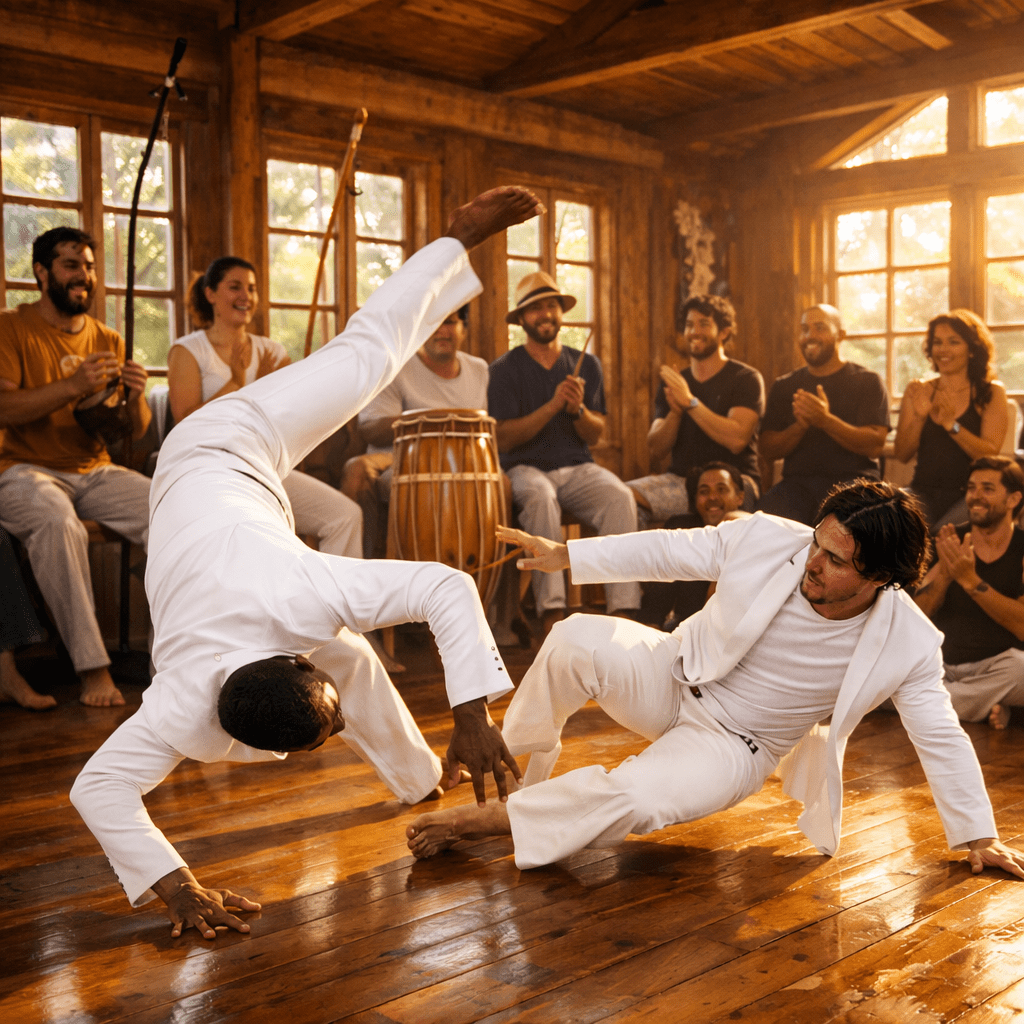
Two men perform dynamic capoeira moves surrounded by clapping musicians in a sunlit wooden room.
Every Friday morning, PROFESSOR BLACK TRUTH hosts “The Friday Crime Report,” a crucial platform that delves into the pervasive issues of systemic racism, economic inequality, and police brutality faced by the black community. This thought-provoking program not only highlights these pressing concerns but also promotes advocacy, fostering a meaningful dialogue among viewers, pushing for transformative policy change, and encouraging community engagement to support marginalized voices. By providing a space for discussion, the show seeks to enlighten audiences on the importance of social justice and the need for collective action. Each episode features a diverse range of community members and experts, offering insights and solutions that inspire actionable steps towards creating a fairer society, thus helping to bridge the gap between awareness and tangible change. The program serves as a beacon of hope and empowerment, urging individuals to take a stand and make a difference in their communities.
In Today’s installment, the broadcast focuses on a harrowing case of injustice and resilience.
Verona is a tiny town in Kentucky, where a serial rapist used his rural home as a rape dungeon, coercing and violating potentially dozens of women. For an extended period, the conventional systems of law enforcement and prosecution failed to secure a conviction, leaving the perpetrator at large in the community. Police and prosecutors were unable to put him in prison, until his victims took matters into their own hands, courageously banding together to ensure that justice was finally served.
To support the continuation of this vital media platform and its mission to bring these stories to light, viewers can contribute via the following channels:
The platform relies on the generosity of its audience to maintain its independence and continue its advocacy for marginalized voices. By contributing, you help ensure that “The Friday Crime Report” can keep highlighting pervasive issues like systemic racism, economic inequality, and police brutality.
Your support fosters meaningful dialogue and pushes for transformative policy changes, bridging the gap between awareness and tangible action in the community.
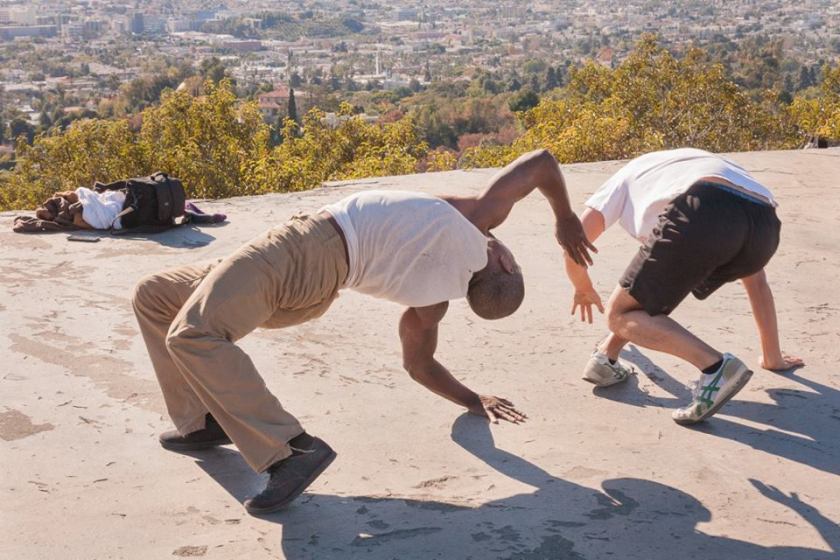
Capoeira Angola represents a profound synthesis of ritual, fight, and dance, where the practitioner seeks a state of “perfect movement.” This traditional Afro-Brazilian art form is not merely a physical exercise but a philosophical journey that integrates the physical and spiritual realms through the concept of the “jogo” (game). On the one hand, it embodies the rich cultural heritage and historical struggles of African descendants in Brazil, while on the other, it fosters a sense of community and belonging among its practitioners. Through intricate footwork, rhythmic melodies, and acrobatic moves, capoeira serves as a vibrant expression of identity and resilience. Each interaction in the roda, or circle, becomes an opportunity for dialogue, connection, and personal growth, allowing participants to embody creativity and improvisation while adhering to the traditional structures of the art, thereby enriching their understanding of both themselves and their cultural roots.
Strategic Physicality: Defense and Vulnerability
At its core, the art requires a perfect coordination of the body. This fluidity serves a dual purpose: providing an impenetrable defense against an opponent’s attacks while simultaneously identifying or creating openings to make that opponent vulnerable to one’s own strikes. The movements are deceptive, low to the ground, and constantly evolving, ensuring that the capoeirista remains an elusive target. Through the use of circularity and continuous motion, the practitioner maintains a balance between active aggression and protective restraint, embodying the principle that a well-executed defense is often the most effective form of offense.
Beyond the mechanics of combat, this strategic physicality is deeply rooted in the concept of “malícia,” or deception. By masking intent through rhythmic swaying and feigned vulnerability, the capoeirista manipulates the space and timing of the encounter. This creates a dialogue within the “jogo” where every movement is an inquiry and every response is a revelation of the opponent’s internal state. The goal of achieving “perfect movement” is thus realized when the physical body becomes a seamless instrument of the mind’s strategic will, navigating the complexities of the game with grace and precision.
Holistic Well-being: Movement as Medicine
The practice of Capoeira Angola is a pathway toward creating perfect health. Beyond cardiovascular benefits and muscular strength, the circular and rhythmic nature of the movements promotes flexibility and joint health. The focus required during the game fosters mental clarity and emotional resilience, making the movement a form of active meditation.
The ultimate goal is developing your movement and healing your trauma by engaging in the art to its full potential through the act of “playing”. This concept of “playing” within the roda serves as a safe container for profound personal transformation. By embracing the playful yet disciplined nature of the game, a capoeirista can confront personal limitations, process past experiences, and unlock a more authentic version of their physical and artistic self.
This therapeutic aspect of Capoeira Angola allows practitioners to navigate the complexities of their own history through rhythmic interaction. The “jogo” acts as a mirror, reflecting one”s internal state and providing a rhythmic space where the integration of the physical and spiritual realms becomes possible. Through the continuous cycle of movement and music, the practitioner moves beyond mere exercise into a state of active meditation that fosters long-term emotional resilience.
The Extension of Self: Ritual Weapons
In this tradition, Capoeira weapons—such as the straight-razor, the knife, billy-club, machete, the berimbau, etc.—are viewed as more than tools; they are an extension of your body and your being, embodying the very spirit of the art form itself. Historically, these armaments were indispensable for survival and self-defense, reflecting the harsh realities faced by capoeiristas throughout various epochs in Brazil, from the struggles of slavery to modern-day conflicts. The deep-rooted significance of these weapons lies not only in their practical applications but also in the cultural and historical narratives they carry. Bladed weapons, particularly the navaja (straight razor) and faca (knife), are central to understanding the art as a complete system of survival, where knowledge of armed conflict was often an expectation and an essential skill set.
This integration of weaponry into the practice of Capoeira speaks to a broader philosophy within the discipline, emphasizing resilience, adaptability, and the ability to confront adversity with grace and skill. Through rigorous training, practitioners learn not only the techniques of using these weapons but also the respect and responsibility that comes with wielding them, ensuring that the legacy of Capoeira continues to thrive amidst evolving societal landscapes.
The process of cultivating mastery with these tools involves a profound conceptual shift where the blade is treated as a direct extension of the hand and arm. This integration relies on several core principles of Capoeira Angola:
Malícia (Deception): The presence of a weapon is often concealed within the fluid rhythm of the ginga, its deployment masked by seemingly unarmed or non-threatening movements.
Strategic Asymmetry: Practitioners utilize low stances and circular movements to minimize their profile while creating unpredictable openings for decisive, short-range attacks.
Psychological Warfare: The mere sight of a drawn blade serves as a tool for manipulation, capable of de-escalating a threat through intimidation or igniting a confrontation by forcing an adversary to hesitate.
The machete holds a particularly deep symbolic resonance, representing the unbreakable connection between contemporary practitioners and the ancestral legacy of enslaved Africans who used it as both an agricultural tool of labor and a potent instrument of rebellion. This dual purpose not only highlights the ingenuity and resilience of those who wielded it but also serves as a stark reminder of their struggles against oppression. Furthermore, traditional instruments like the berimbau are recognized for their defensive versatility, capable of serving as bludgeons or concealment for other tools, underscoring the art’s practical origins in clandestine resistance. Additionally, the berimbau’s distinct sound creates a rhythmic dialogue that forms the backbone of cultural expression, allowing practitioners to communicate in ways that transcend spoken language. In this context, both tools symbolize the enduring spirit of a people who, through creativity and resourcefulness, transformed instruments of survival into symbols of cultural pride and defiance.
.
Potential through Play: Healing and Growth
The ultimate goal is developing your movement and healing your trauma by engaging in the art to its full potential through the act of “playing.” This concept of “playing” within the roda serves as a safe container for profound personal transformation. By embracing the playful yet disciplined nature of the game, a capoeirista can confront personal limitations, process past experiences, and unlock a more authentic version of their physical and artistic self.
This therapeutic aspect of Capoeira Angola allows practitioners to navigate the complexities of their own history through rhythmic interaction. The “jogo” acts as a mirror, reflecting one’s internal state and providing a rhythmic space where the integration of the physical and spiritual realms becomes possible. Through the continuous cycle of movement and music, the practitioner moves beyond mere exercise into a state of active meditation that fosters long-term emotional resilience.
Within this active meditation, the practitioner utilizes the strategic physicality and “malícia” (deception) inherent in the art to mask intent and manipulate the space and timing of the encounter. This manipulation creates a dialogue where every response reveals the opponent’s internal state, further bridging the gap between the physical body and the mind’s strategic will. By mastering these circular and rhythmic movements, capoeiristas achieve a state of “perfect movement” that not only promotes cardiovascular health and flexibility but serves as a pathway toward holistic well-being and perfect health.
The history of laws and regulations is often a fascinating tale of cat-and-mouse, driven by the ingenuity of ordinary individuals who discover and exploit clever loopholes. This deep dive explores how loopholes in everything from corporate business policies and video game mechanics to public infrastructure and taxation led to the creation of entirely new statutes and rules. These were activities that were perfectly permissible—or at least not explicitly forbidden—until a critical mass of people found ways to heavily exploit them, necessitating a legislative or regulatory response to close the barn door on the unexpected consequences.
Loopholes in Business and Consumer Policies
In the corporate world, consumer loyalty programs and return policies are frequent targets. For example, a business might offer a “no questions asked” return policy designed to build goodwill. While most customers use this honestly, a few individuals might exploit it for “rental” purposes, returning items like formal wear or electronics after a single use. Similarly, generous “price-matching” guarantees, intended to ensure competitive pricing, have been gamed by individuals who manufacture fake, lower-priced advertisements from fictitious competitors. The resulting policy changes—stricter limits on returns, mandatory proof of purchase, and verification of competitor ads—were all a direct result of individuals finding ways to benefit excessively from policies meant for general, fair use.
Exploitation in Gaming and Digital Ecosystems
The world of video games and digital platforms is a constant proving ground for exploiters. Game developers frequently release complex systems—resource economies, item duplication glitches, or physics exploits—that are not immediately “broken.” However, once a player discovers a way to indefinitely generate in-game currency or bypass content, the exploit spreads rapidly through online communities. What was once a minor glitch quickly becomes a game-breaking imbalance, forcing emergency patches, server rollbacks, or permanent account bans. The digital realm’s rapid feedback loop makes the response to such exploits a crucial part of maintaining the integrity of the ecosystem, often leading to more robust initial testing and more rigorous terms of service.
Gaming Public Infrastructure and Services
Perhaps the most impactful exploits are those aimed at public infrastructure and government services. The classic examples often involve transportation or taxation. For instance, some metropolitan areas have utilized toll-road policies that offer discounts for “high-occupancy vehicles” (HOV) to encourage carpooling. However, clever individuals have used everything from inflatable dummies to complex arrangements of mirrors to “game” the system, pretending to be in a carpool to receive a cheaper rate. In the realm of finance, complex tax codes are full of unintended interactions. Tax “loopholes” are not often illegal in themselves but are interpretations of the code that allow for significant tax avoidance, prompting Congress or regulatory bodies to issue clarifying rules or pass new legislation to prevent the unintended erosion of the tax base.
These events—whether they involve corporate returns, digital currency, or public transit—all highlight a fundamental tension between open, trusting systems and the human impulse to find the path of least resistance. The resulting laws, rules, and updated policies serve as a legislative history of human cleverness, documenting the continuous effort to anticipate and regulate the next great exploit.
The landscape of modern hip-hop is a complex ecosystem, one where the pursuit of authenticity clashes daily with the imperative of performance and monetization. This essential tension, surprisingly, was articulated and dissected years ago through the lens of Aaron McGruder’s groundbreaking animated series, The Boondocks.
Using The Boondocks as an incisive analytical framework, this video documentary undertakes a deep, critical breakdown of the diverse ways in which identity—particularly Black identity—is constructed, performed, grossly misunderstood, and ultimately co-opted and reshaped within the confines of the modern rap industrial complex.
The documentary traverses a spectrum of contemporary artists, categorizing their relationship with the culture and the industry:
The Authenticists (The Riley Freemans): These are the artists who emerge from a genuine cultural context, using rap not merely as an art form but as an essential gateway and a raw, unfiltered expression of their lived experience. For them, the performance is an organic extension of their identity.
The Imitators (The Wuncler/Stinkmeaner Archetypes): This group comprises those who have meticulously studied the aesthetics, jargon, and performance markers of rap culture, often without possessing the foundational understanding or lived experience that birthed it. They become proficient at imitation, mistaking costume for culture, and leverage this superficial performance for commercial gain. Their success highlights a flaw in the system that rewards replication over genuine creation.
The Refusers (The Huey Freemans): Representing a small but powerful contingent, these artists actively refuse the demands of the performance machine. They resist the pressure to package, sanitize, or simplify their identity for mass consumption, often prioritizing artistic integrity and message over marketability and mainstream acceptance. Their stance offers a profound critique of the entire system.
This is more than just a surface-level critique of music; it is a deeper, more sociological examination of authenticity, the necessity of performance in a media-driven world, and the powerful, often exploitative, system that is designed to reward—and extract value from—both the genuine article and the skilled façade.
The modern entertainment and cultural economy has erected a sophisticated machinery around the concept of “identity.” This machine doesn’t just passively reflect culture; it actively shapes, standardizes, and commodifies it. Authenticity is no longer an inherent state of being, but a highly effective marketing asset. The industry requires a constant, high-stakes performance from its artists, blurring the line between personal expression and a meticulously managed brand. This dynamic creates a system where genuine talent must often compromise its integrity to survive, while a manufactured persona, expertly crafted to hit market trends and demographic targets, can achieve equivalent or even greater success. The underlying mechanism is a form of cultural alchemy: turning the raw material of human experience into profitable intellectual property, regardless of its original sincerity.
We live in an age where identity itself is a commodity that can be systematically studied, meticulously replicated, and ruthlessly monetized. Global digital platforms have accelerated this trend, offering unprecedented tools for self-curation and presentation, but simultaneously subjecting every aspect of human life—from personal taste to political opinion—to metrics and market logic. In this hyper-commercialized environment, the critical line separating genuine culture from mere costume—between deep-rooted, complex expression and a superficial, market-ready aesthetic—becomes increasingly blurred. This indistinction precipitates a profound crisis of truth and meaning that Aaron McGruder’s The Boondocks foresaw with startling, prophetic clarity. The animated series, with its incisive satire, recognized that the infrastructure supporting celebrity and cultural production was fundamentally rigged, prioritizing surface-level consumption over substantive artistic merit or cultural truth.
The fundamental query has thus shifted from a moral or existential one to a purely practical and transactional one. The question is no longer “Are you real?” in the sense of possessing inherent integrity, but “Is your performance convincing enough?” This reframing highlights the victory of skilled execution over essential truth. In the spectacle of contemporary life, the reward goes not to the person who is most authentic, but to the one who can most convincingly simulate authenticity for mass consumption, thereby maximizing their value within a system designed for maximum extraction. The real tragedy is the systemic devaluation of unmarketable truth in favor of profitable illusion.
HIDDEN SPIRITUALITY from Spirit Science shows how deep, universal spiritual The Unseen Threads: Decoding Spirituality in Modern Media
At HIDDEN SPIRITUALITY, we operate under the profound conviction that timeless spiritual truths and ancient archetypes are deeply woven into the fabric of modern pop culture—including contemporary films, video games, literature, and comic books. We assert that fundamental perennial principles such as the nature of consciousness, the concept of cosmic cycles, and the transformative journey of the soul are not merely philosophical abstractions but active forces that profoundly shape and permeate contemporary media narratives.
Our core mission is to decode these embedded spiritual and mythological themes, effectively turning passive entertainment consumption into a dynamic vehicle for profound self-discovery and personal awakening. We focus our analysis on universal, perennial concepts found consistently across major world spiritual and wisdom traditions:
The Hero’s Journey (The Monomyth): We explore Joseph Campbell’s foundational monomyth, which serves as a universal map for the soul’s path of transformation, individuation, and ultimate return. Every call to adventure and descent into the unknown mirrors the psychological and spiritual stages of personal growth.
Karma and Causality: We analyze how the universal law of cause and effect—that every action generates a corresponding reaction—is meticulously reflected in narrative arcs, character development, and the moral lessons inherent in storytelling. Characters’ fates are rarely accidental; they are often the inevitable consequence of their choices.
Oneness (Non-Duality): We delve into the ultimate truth of unified consciousness and the interconnectedness of all existence. Many powerful narratives subtly or overtly point toward the dissolution of the ego and the realization that all separation is ultimately an illusion.
Cycles of Death and Rebirth: We examine the constant, inescapable pattern of dissolution, transformation, and renewal that is essential for both cosmic and personal evolution. This theme symbolizes profound personal change, the necessary end of old ways of being, and the emergence of a renewed self.
Building a Conscious Community and Bridge
HIDDEN SPIRITUALITY is dedicated to fostering a conscious and interconnected global community. We empower viewers and readers to recognize the deep spiritual significance and transformative potential latent within their everyday entertainment. Our work strives to build a vital and robust bridge between casual, passive media consumption and the active application of timeless, perennial spiritual truths to navigate life’s complex challenges and foster a more awakened existence.
In Today’s Deep Dive: The Dark Enlightenment of The Joker
Beyond our featured Avatar analysis, today’s installment offers a provocative and unflinching look at the film Joker (2019). This cinematic masterpiece, starring Joaquin Phoenix, is far more than a comic-book origin story; it functions as a raw, visceral, and powerful reflection of the escalating shadows within modern, atomized society. It meticulously highlights the devastating, cascading effects of a hostile environment, profound institutional neglect, and systemic failures on the most vulnerable individuals, ultimately detailing the catastrophic collapse of one man’s quality of life and the rapid deterioration of his mental health.
But what if this cinematic narrative holds an even deeper, more challenging, and arguably more dangerous spiritual or philosophical meaning? We propose that Arthur Fleck’s transformation into The Joker is a grotesque, albeit potent, parable about the nature of enlightenment itself—a spiritual awakening that is twisted into a “dark” or shadow-laden version, a radical self-acceptance found not in light and love, but in chaos and utter rejection of the social contract.
In this featured video, we undertake a deep, psycho-spiritual exploration into the twisted, chaotic world of Arthur Fleck and his final, terrifying emergence as The Joker. Our aim is to uncover the hidden spiritual themes and subterranean philosophical currents that lie beneath the surface of his descent.
Key areas of our analysis include:
The Crippling Effect of Societal Pressure: We examine how unrelenting societal pressure, contempt, and the systematic failure of support structures (represented by the gutting of social services and mental healthcare) crush the vulnerable individual, leading to a profound alienation that is both psychological and existential.
A Controversial Examination of “True Enlightenment”: We delve into the concept of what constitutes “true enlightenment.” Is it possible for a radical break from societal norms—a full embrace of one’s authentic, uninhibited inner self, however destructive—to be seen as a form of self-realization? We explore the Joker’s journey not as a tragedy of failure, but as a disturbing success in achieving a terrifyingly uncompromised state of inner authenticity.
The Shadow Work of Madness: We meticulously examine how this disturbing, yet profoundly layered film offers a unique and unsettling perspective on critical topics like authenticity, self-acceptance, and the cost of integrity in a fractured world. Arthur’s final, manic dance is interpreted as the completion of a destructive form of “shadow work,” where the suppressed, rejected aspects of the self are not integrated in a healthy manner, but violently burst forth to consume the individual and threaten the world around him.
Join us as we undertake a complex analytical journey into the core themes and incendiary messages of the Joker movie. Our goal is to uncover the dark, unvarnished truths about the extreme, often misunderstood, and highly dangerous path to a radical form of self-realization. Discover how this film fiercely challenges our most fundamental, preconceived perceptions of what it means to be whole, sane, or “enlightened.” Ultimately, Joker provides a disquieting new perspective on the journey towards finding some twisted version of inner peace—or perhaps, just inner authenticity—even when that journey demands the ultimate cost: the complete forfeiture of societal acceptance and sanity itself.
The Spirit Science community is a vibrant and expansive collective dedicated to exploring consciousness, spirituality, and personal growth. To join the conversation and immerse yourself in this enlightening network, you can connect with us across various digital platforms.
Stay Connected on Social Media:
Facebook: Join the global discussion and engage with like-minded individuals by visiting our official Facebook page. We regularly share thought-provoking articles, updates on new content, and community-driven insights.
Instagram: Experience the visual and inspirational side of Spirit Science. Our Instagram feed is curated with uplifting visuals, concise spiritual wisdom, and sneak peeks into the creation of our content.
Twitter (X): Follow us for real-time updates, quick philosophical musings, and links to trending topics within the wider spiritual and conscious community.
Official Website: The Spirit Science Central website serves as the primary resource for all our content, including in-depth animated series, articles, courses, and more. It is the central repository for diving deeper into the concepts we explore.
We encourage you to utilize these platforms to connect with the material, participate in discussions, and become an active member of the expanding Spirit Science family.
The bedrock upon which a safe and functioning society is built is the integrity and professionalism of its law enforcement agencies. The vast majority of police officers, in every country across the globe, are dedicated men and women who approach their demanding jobs with a profound sense of honor, unwavering commitment, and inherent dignity. They are the essential, vital protectors of their communities, standing as the very first line of defense against chaos and crime. These officers routinely and selflessly risk their lives to uphold the rule of law, maintain civil order, and ensure the protection of life and property. Their service is, in its purest form, a cornerstone of a just society.
However, this critically important and noble profession is, on occasion, tragically marred and undermined by the actions of a relatively small fraction of what are often termed “bad actors.” These officers commit egregious abuses of the immense power and public trust explicitly granted to them, flagrantly violate the very laws they solemnly swore an oath to enforce, and, in doing so, inflict direct and lasting harm on the very communities they were hired to protect. Such betrayals of the badge do not merely cause immediate, localized injury; they systemically erode the indispensable public trust and community cooperation that are absolutely necessary for effective, constitutional policing to take place. When citizens fear their protectors, the entire system of public safety begins to fail.
The observable and concerning disparities in conduct and ethics among law enforcement personnel are not simply random occurrences or isolated incidents; they are the logical, albeit tragic, outcomes of multiple, deeply interwoven systemic and cultural factors. These multifaceted contributing elements include, but are not limited to: outdated, inadequate, or inherently biased training protocols; deeply embedded systemic issues and problematic cultural norms within police departments (such as the “blue wall of silence”); a pervasive lack of sufficient mental health resources and stress management support for officers dealing with daily trauma; weak or ineffective internal accountability mechanisms that shield misconduct; and profound societal pressures and prejudices that disproportionately affect both the officers and the communities they serve.
Addressing this complex constellation of factors is far more than an optional, incremental reform; it is an absolute, ethical, and legal imperative to ensure the physical safety, psychological well-being, and constitutional rights of all individuals within society. Comprehensive, meaningful police reform must therefore focus aggressively on several fronts: the implementation of enhanced psychological and ethical screening processes for all new recruits; continuous, rigorous ethical training and mandatory de-escalation techniques; the establishment of robust, independent oversight bodies with real enforcement power; and, perhaps most critically, fostering a department-wide culture of uncompromising transparency, accountability, and ethical conduct, driven decisively from the top leadership down.
The following accounts presented in this series delve unreservedly into the darker, more troubling side of law enforcement—the critical points where the community’s supposed protectors dangerously transform into the very perpetrators of misconduct and crime.
These are their stories—unflinching tales of officers who catastrophically crossed the line, violated their sacred trust, and ultimately betrayed the badge, the uniform, and the public they swore to serve.
In this installment…
The unsettling encounter unfolded on a quiet suburban street, becoming an instant study in boundary violation and swift poetic justice. The homeowner, a man known for his calm but protective demeanor, was approached by a police officer during what seemed like a routine, if unnecessary, stop. The interaction took a dark and personal turn when the officer, apparently attempting to assert dominance or simply being inappropriately intrusive, began to steer the conversation away from any official matter and toward the homeowner’s personal life. Specifically, the creepy cop made a pointed and highly suggestive reference to the homeowner’s wife, a woman the officer had likely only seen in passing or perhaps looked up on a public database.
The officer’s comment, dripping with casual impropriety and an attempt at misplaced familiarity, was clearly designed to rattle the homeowner. It was an appalling abuse of his authority and uniform, stepping far beyond the bounds of professional conduct. He might have been trying to make a crude joke, intimidate the resident, or simply indulging a deeply inappropriate impulse.
However, the officer’s smug confidence was instantly shattered. The homeowner’s reaction was not one of fear or confusion, but one of icy, authoritative dismissal. The tables turned in a heartbeat. Whether the homeowner produced a higher-ranking official’s business card, mentioned a powerful personal connection to internal affairs, or simply delivered a scathing, memorable retort that exposed the officer’s unprofessionalism for what it was, the effect was immediate and devastating to the cop’s ego.
The officer, having grossly misjudged the man he was speaking to, visibly recoiled. His demeanor shifted from one of unwarranted control to palpable discomfort and instant regret. He realized that his cheap, unprofessional shot had not only failed to intimidate but had potentially put his own conduct—and career—under intense scrutiny. The attempt to be “creepy” was immediately met with a consequence he hadn’t anticipated, forcing him to backtrack and attempt a clumsy, face-saving retreat from the conversation. The initial intention to provoke or intrude had backfired spectacularly, leaving the officer chastened and the homeowner with a clear victory in the battle for personal dignity and boundaries.
The Media-Driven Engine of Antagonism: A Post-Barney Miller Cynicism and the Business of Societal Fragmentation
The observation, which firmly established itself as a cultural touchstone by the turn of the 21st century—its popular articulation gaining significant traction around the era of late 20th-century television, perhaps best exemplified by the procedural realism of shows like Barney Miller (circa 1980)—articulates a pervasive, deeply rooted, and now widely accepted cynicism concerning the fundamental motivations and operational mandates of mainstream media. This critique posits that, irrespective of any lofty public service declarations, mission statements, or traditional journalistic creeds, the true, primary, de facto objective of major news and entertainment conglomerates is not the enlightenment of the public, the promotion of civic dialogue, or the preservation of social unity. Instead, its core function is interpreted as the systematic sowing of discord, the calculated manufacture of disagreement, and the active encouragement of antagonism among the populace.
This interpretation views the media’s polarizing effect not as a regrettable, accidental byproduct of competitive or rushed journalism, but rather as a calculated, deliberate, and highly effective business model—a feature, not a bug, of the modern information economy.
The Economics of Outrage: The Business Motivation
The motivation underpinning this strategy is multifaceted, rooted deeply in the cold, hard economics of attention and engagement in a saturated information market. The media landscape has discovered that negative emotion and conflict are, by far, the most reliable currencies.
1. Maximizing Viewership, Engagement, and Profit
Conflict as Engagement: Conflict is inherently more compelling, emotionally potent, and viscerally resonant than consensus, cooperation, or complexity. The human brain is naturally wired to pay immediate and heightened attention to potential threats, danger, and interpersonal friction.
The Heat Generation: Divisive stories, structured confrontations between talking heads, partisan debates, and polarizing reports generate “heat.” This emotional temperature translates directly into measurable, commercial metrics: higher Nielsen ratings for broadcast, more clicks, sustained time-on-page, and increased subscriber retention.
The Emotional Triggers: Fear, anger, outrage, and contempt are potent and addictive emotional triggers. When repeatedly deployed, they ensure high viewer retention, guarantee return visits, and establish a feedback loop where the audience is conditioned to seek out the next source of emotional intensity. The continuous production of “villains” and “crises” thus becomes the engine of content consumption.
2. Fulfilling Specific Political and Financial Agendas
The Ownership Lens: Beyond mere profit derived from advertising, the media landscape is frequently and profoundly influenced by the political, ideological, or financial interests of its corporate owners, major shareholders, institutional sponsors, or affiliated corporate entities.
Steering Public Opinion: By consistently amplifying narratives that strategically benefit a particular political party, ideological faction, or corporate interest—often achieved through the selective demonization or dehumanization of the opposition—the media wields an immense, subtle power to steer public opinion, influence voting behavior, and shape public policy in commercially or politically advantageous directions. Polarization simplifies complex issues into a binary choice, making the audience more susceptible to guided narratives.
The stark, cynical implication of this entire framework is that the ultimate, unstated operational directive underpinning modern media—the secret motto whispered in the executive suites—is, in essence, the command: “Hate everyone else!” This is not a formal HR memo, but a systemic function of the content production machine.
Techniques for Engineered Antagonism
This corrosive directive is not issued explicitly but is achieved through a set of sophisticated, systematic content production techniques that optimize for division.
A. Selective Reporting and Deliberate Framing
The Focus on Extremes: Media organizations choose to extensively cover stories that highlight the most extreme, uncompromising, or outrageous views on a spectrum, while systematically downplaying or entirely ignoring instances of cooperation, common ground, compromise, or moderate, nuanced perspectives.
The Linguistic Frame: The specific frame used to present a story is critical. Terms like “battle,” “crisis,” “war,” “showdown,” or “clash” are deployed instantly to elevate emotional stakes and encourage the audience to adopt a partisan, adversarial alignment, turning civic discussion into a zero-sum contest.
B. Sensationalism, Hyperbole, and Loss of Context
The Disproportionate Emphasis: Journalism is replaced by sensationalism, applying a disproportionate emotional and airtime emphasis to shocking, violent, or emotionally charged events. This is often executed at the expense of necessary historical context, quantitative data, or crucial nuance.
The Simplistic Morality Play: This process transforms complex, multi-faceted societal issues—which require patience and study—into simplistic morality plays featuring clear, unambiguous villains and victims. This emotional shortcut bypasses intellectual engagement in favor of righteous outrage.
C. Amplification of Divisive Narratives and False Balance
Rewarding the Fringe: Disproportionate airtime and platform space are consistently granted to the most extreme, inflammatory, or controversial voices on any given issue. This creates a destructive phenomenon of “false equivalence” or “false balance,” where fringe ideas are presented as if they represent a significant, representative portion of the general population.
Solidifying Polarization: This strategic amplification actively solidifies, rewards, and legitimizes the most uncompromising positions, making constructive, consensus-seeking dialogue—the lifeblood of a functioning democracy—increasingly impossible and politically unprofitable.
The Systematic Omission of Context
Crucially, the complex and ongoing process of manufacturing polarization involves a strategic and systematic omission of vital contextual and unifying information.
Minimizing Commonality: Media coverage frequently minimizes or entirely neglects to report on factors that might unify various segments of society, the common ground shared among differing groups, or the necessary structural complexity required to fully understand deep-seated issues.
The Sanitized Reality: By sanitizing content of these unifying, contextual, and moderating elements, the media presents a fragmented, conflict-heavy reality that is, in effect, a curated distortion. The reality presented is one where antagonism is the default state of human interaction.
The net outcome of this constant, high-intensity focus on disagreement is the continuous heightening of an environment marked by deep-seated distrust, mutual suspicion, and outright hostility among various social, political, or economic factions. This engineered state of perpetual, low-grade warfare in the public square serves a clear commercial purpose: capturing and sustaining audience attention. Conflict, drama, moral outrage, and a sense of existential threat have proven to be exceptionally potent and durable drivers of engagement in the 24/7 digital media environment.
Ultimately, the cynical observation suggests that the media consciously functions as an engine of division, recognizing that an audience locked in mutual suspicion and conflict is a highly engaged, extremely profitable, and ultimately, a more pliable audience. The resulting, profound societal fragmentation and the erosion of civic trust are thus not an unfortunate externality of objective reporting, but a predictable, deliberate, and commercially essential tool for achieving both economic and ideological ends.
The drive to maximize attention and ensure the perpetual consumption of their content—whether through clicks, ratings, or subscriptions—becomes the paramount commercial objective, pursued with seemingly little regard for the profound and escalating cost this strategy exacts on the structural integrity and cohesion of society itself. This view concludes that the media’s economic model incentivizes the propagation of division at the expense of a functional, unified public sphere.