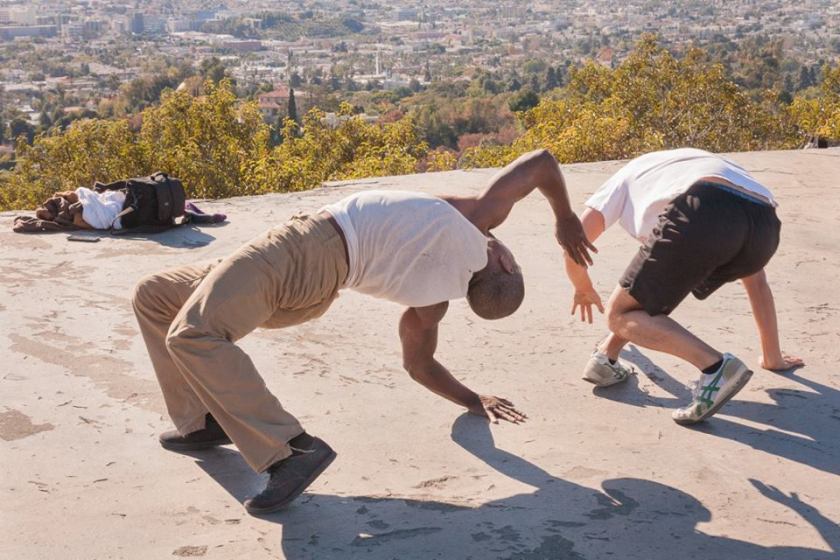
Capoeira Angola represents a profound synthesis of ritual, fight, and dance, where the practitioner seeks a state of “perfect movement.” This traditional Afro-Brazilian art form is not merely a physical exercise but a philosophical journey that integrates the physical and spiritual realms through the concept of the “jogo” (game). On the one hand, it embodies the rich cultural heritage and historical struggles of African descendants in Brazil, while on the other, it fosters a sense of community and belonging among its practitioners. Through intricate footwork, rhythmic melodies, and acrobatic moves, capoeira serves as a vibrant expression of identity and resilience. Each interaction in the roda, or circle, becomes an opportunity for dialogue, connection, and personal growth, allowing participants to embody creativity and improvisation while adhering to the traditional structures of the art, thereby enriching their understanding of both themselves and their cultural roots.
Strategic Physicality: Defense and Vulnerability
At its core, the art requires a perfect coordination of the body. This fluidity serves a dual purpose: providing an impenetrable defense against an opponent’s attacks while simultaneously identifying or creating openings to make that opponent vulnerable to one’s own strikes. The movements are deceptive, low to the ground, and constantly evolving, ensuring that the capoeirista remains an elusive target. Through the use of circularity and continuous motion, the practitioner maintains a balance between active aggression and protective restraint, embodying the principle that a well-executed defense is often the most effective form of offense.
Beyond the mechanics of combat, this strategic physicality is deeply rooted in the concept of “malícia,” or deception. By masking intent through rhythmic swaying and feigned vulnerability, the capoeirista manipulates the space and timing of the encounter. This creates a dialogue within the “jogo” where every movement is an inquiry and every response is a revelation of the opponent’s internal state. The goal of achieving “perfect movement” is thus realized when the physical body becomes a seamless instrument of the mind’s strategic will, navigating the complexities of the game with grace and precision.
Holistic Well-being: Movement as Medicine
The practice of Capoeira Angola is a pathway toward creating perfect health. Beyond cardiovascular benefits and muscular strength, the circular and rhythmic nature of the movements promotes flexibility and joint health. The focus required during the game fosters mental clarity and emotional resilience, making the movement a form of active meditation.
The ultimate goal is developing your movement and healing your trauma by engaging in the art to its full potential through the act of “playing”. This concept of “playing” within the roda serves as a safe container for profound personal transformation. By embracing the playful yet disciplined nature of the game, a capoeirista can confront personal limitations, process past experiences, and unlock a more authentic version of their physical and artistic self.
This therapeutic aspect of Capoeira Angola allows practitioners to navigate the complexities of their own history through rhythmic interaction. The “jogo” acts as a mirror, reflecting one”s internal state and providing a rhythmic space where the integration of the physical and spiritual realms becomes possible. Through the continuous cycle of movement and music, the practitioner moves beyond mere exercise into a state of active meditation that fosters long-term emotional resilience.
The Extension of Self: Ritual Weapons
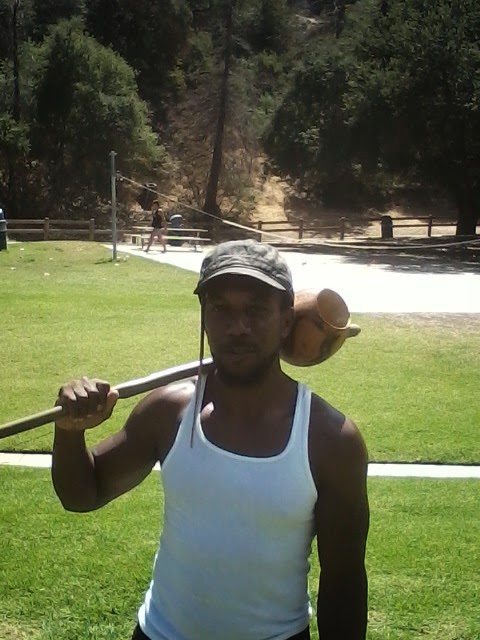
In this tradition, Capoeira weapons—such as the straight-razor, the knife, billy-club, machete, the berimbau, etc.—are viewed as more than tools; they are an extension of your body and your being, embodying the very spirit of the art form itself. Historically, these armaments were indispensable for survival and self-defense, reflecting the harsh realities faced by capoeiristas throughout various epochs in Brazil, from the struggles of slavery to modern-day conflicts. The deep-rooted significance of these weapons lies not only in their practical applications but also in the cultural and historical narratives they carry. Bladed weapons, particularly the navaja (straight razor) and faca (knife), are central to understanding the art as a complete system of survival, where knowledge of armed conflict was often an expectation and an essential skill set.
This integration of weaponry into the practice of Capoeira speaks to a broader philosophy within the discipline, emphasizing resilience, adaptability, and the ability to confront adversity with grace and skill. Through rigorous training, practitioners learn not only the techniques of using these weapons but also the respect and responsibility that comes with wielding them, ensuring that the legacy of Capoeira continues to thrive amidst evolving societal landscapes.
The process of cultivating mastery with these tools involves a profound conceptual shift where the blade is treated as a direct extension of the hand and arm. This integration relies on several core principles of Capoeira Angola:
- Malícia (Deception): The presence of a weapon is often concealed within the fluid rhythm of the ginga, its deployment masked by seemingly unarmed or non-threatening movements.
- Strategic Asymmetry: Practitioners utilize low stances and circular movements to minimize their profile while creating unpredictable openings for decisive, short-range attacks.
- Psychological Warfare: The mere sight of a drawn blade serves as a tool for manipulation, capable of de-escalating a threat through intimidation or igniting a confrontation by forcing an adversary to hesitate.
The machete holds a particularly deep symbolic resonance, representing the unbreakable connection between contemporary practitioners and the ancestral legacy of enslaved Africans who used it as both an agricultural tool of labor and a potent instrument of rebellion. This dual purpose not only highlights the ingenuity and resilience of those who wielded it but also serves as a stark reminder of their struggles against oppression. Furthermore, traditional instruments like the berimbau are recognized for their defensive versatility, capable of serving as bludgeons or concealment for other tools, underscoring the art’s practical origins in clandestine resistance. Additionally, the berimbau’s distinct sound creates a rhythmic dialogue that forms the backbone of cultural expression, allowing practitioners to communicate in ways that transcend spoken language. In this context, both tools symbolize the enduring spirit of a people who, through creativity and resourcefulness, transformed instruments of survival into symbols of cultural pride and defiance.
.
Potential through Play: Healing and Growth
The ultimate goal is developing your movement and healing your trauma by engaging in the art to its full potential through the act of “playing.” This concept of “playing” within the roda serves as a safe container for profound personal transformation. By embracing the playful yet disciplined nature of the game, a capoeirista can confront personal limitations, process past experiences, and unlock a more authentic version of their physical and artistic self.
This therapeutic aspect of Capoeira Angola allows practitioners to navigate the complexities of their own history through rhythmic interaction. The “jogo” acts as a mirror, reflecting one’s internal state and providing a rhythmic space where the integration of the physical and spiritual realms becomes possible. Through the continuous cycle of movement and music, the practitioner moves beyond mere exercise into a state of active meditation that fosters long-term emotional resilience.
Within this active meditation, the practitioner utilizes the strategic physicality and “malícia” (deception) inherent in the art to mask intent and manipulate the space and timing of the encounter. This manipulation creates a dialogue where every response reveals the opponent’s internal state, further bridging the gap between the physical body and the mind’s strategic will. By mastering these circular and rhythmic movements, capoeiristas achieve a state of “perfect movement” that not only promotes cardiovascular health and flexibility but serves as a pathway toward holistic well-being and perfect health.