
LAST NIGHT, I TOOK A JOURNEY INTO THE HEART OF CAPOEIRA

Greetings!!!

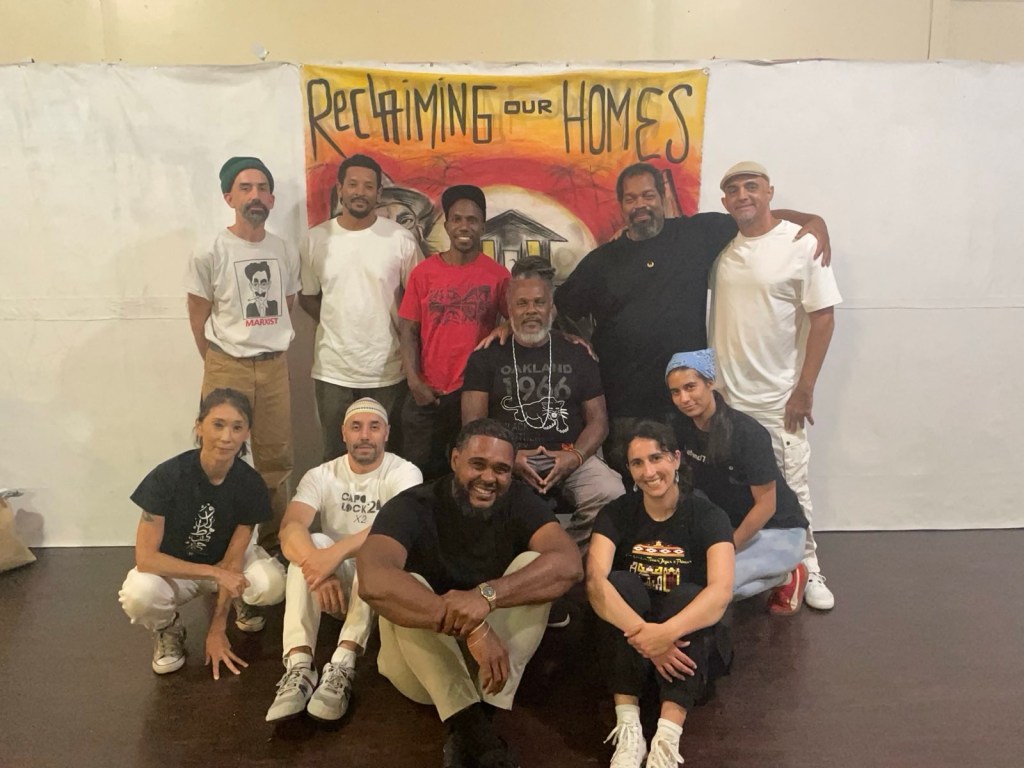
On the permanent section of this website, I referred to the musical side of Capoeira as the HEART of capoeira, a fitting title that encapsulates its essence. Last night, as the sun set and the atmosphere filled with vibrant energy, I embarked on a Journey into the heart of capoeira, immersing myself in its rhythm and soul. During this exploration, I encountered something truly special, a blend of sound and movement that resonated deeply with me. The melodies and beats seemed to tell stories of tradition, struggle, and celebration, offering insights that I believe are essential for anyone looking to understand this beautiful art form. It’s an experience I feel compelled to share with you, as the insights I gained shed light on the profound connections that unite us all through the music and movements of capoeira.

And below, is the conductor of that amazing journey, MESTRE NEGOATIVO.
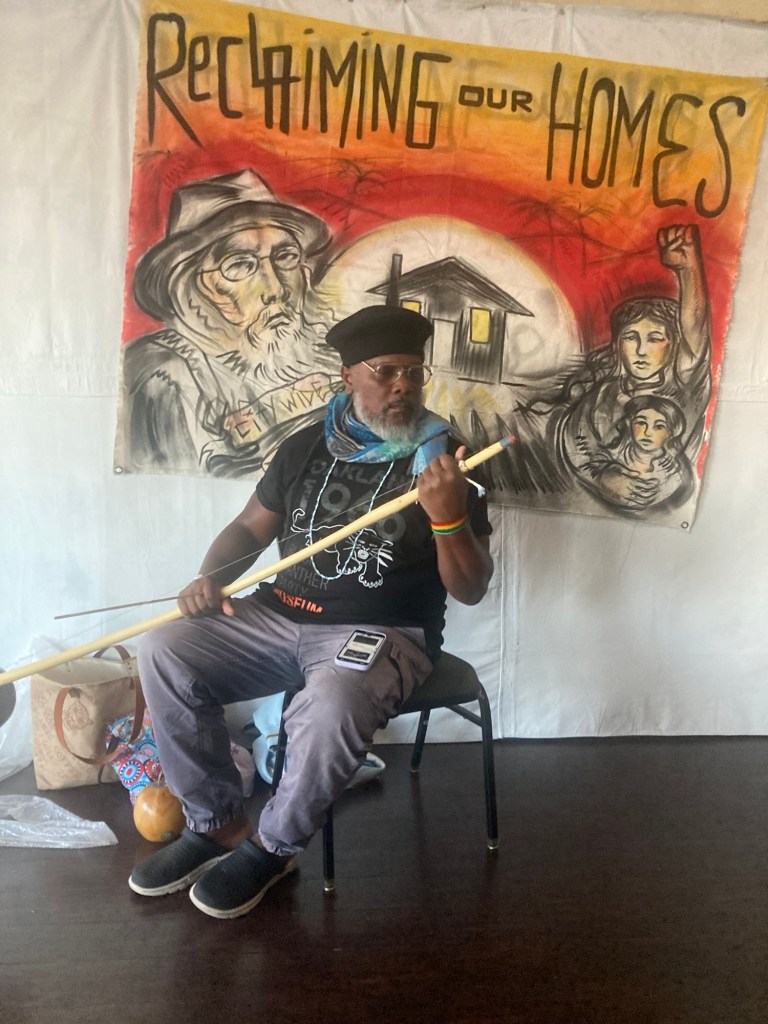
Mestre Negoativo, a renowned Cultural Activist and Researcher of Afro-Mineira traditions, has dedicated his life to preserving and promoting the rich tapestry of Bantu and Vissungo heritage in Bela Horizonte, a city that pulses with cultural diversity. His unwavering commitment to this cause is vividly showcased in his deeply insightful book “Capoeiragem no País das Gerais”, where he explores the intricate history and significance of capoeira as a form of cultural expression and resistance. Beyond his literary contributions, he founded the Lamparina Cultural Center, a vibrant hub for the community, where workshops, performances, and discussions are held to educate and inspire future generations. Through his passionate efforts, Mestre Negoativo not only honors the legacy of his ancestors but also fosters a renewed sense of identity and pride among those who share these traditions.

And the journey he took us on was a journey of the iconic berimbau, an instrument deeply rooted in the cultural landscape of Brazil, where its rhythmic melodies echo the struggles and triumphs of capoeira’s history.

As we explored the origins of this unique musical tool, we delved into the rich traditions of the African diaspora, revealing the deep cultural heritage that informs the music and practices surrounding the berimbau. The craftsmanship involved in creating each berimbau is not merely a technical process but a profound art form passed down through generations, showcasing the skill and dedication of artisans who honor their ancestors through their work. Each berimbau, with its distinctive sound, serves as a bridge that unites communities in celebration and resistance, resonating with the struggles and triumphs of those who have come before and those who continue the fight for their rights.

Through engaging storytelling and captivating demonstrations, we came to appreciate the berimbau not just as a musical instrument, but as a vibrant symbol of resilience, artistry, and the powerful connection between past and present, illuminating the path of those who have played it for generations. We focused on 2 toques (rhythms) and their variations, intricately crafted and played by the revered Mestres of capoeira from the early 20th century, Mestres such as WALDEMAR, GATO, and TRAIRA, among others. These rhythms are essential to the art form, each carrying its unique stories and significance, creating a musical dialogue that captivates both the body and spirit.

And NO, I’m not gonna tell you what those toques were; you should have attended the class to uncover their mysteries, like we did.
But in case you want to listen to them, click on the video below.

Sidenote: In the picture below, you see 3 berimbaus, each with its own unique story and significance. The 2 on the left are new and belonged to my friend Gigante of Capoeira Batuque. (Shout out to you, Gigante, for translating Mestre Negoativo’s insightful words during our musical journey). These impressive instruments were brought here from Brazil about a month ago, carefully chosen for their resonance and craftsmanship, but they weren’t armed (strung up) until that evening to allow them time to acclimate to the local weather conditions, ensuring they would produce the best sound possible.
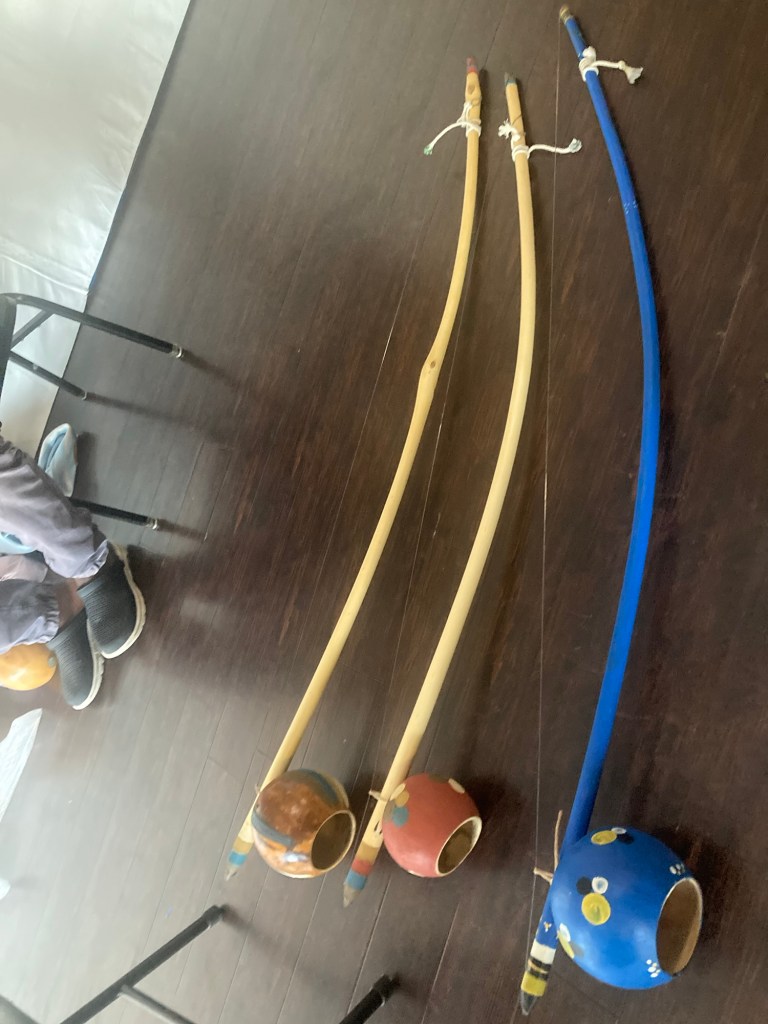
The blue berimbau on the right is mine, a cherished part of my capoeira practice. I bought it from Mestre Negoativo a few years ago, and from then until now, it still had a good sound—a strong, rich tone that filled the space around me. A GOOD sound, indeed. However, after Mestre took it and made a couple of adjustments, now it sounds AMAZING, with a clarity and volume that exceed anything I’ve experienced before, resonating in a way that captivates everyone who hears it. It’s incredible to see how a few tweaks from a master can elevate an already beautiful instrument to new heights.

Whenever I take a class with Mestre Negoativo, I am reminded that Capoeira is a profound expression of culture and nature, embodying fluidity and harmony in every movement. The intricate motions reflect animal grace, each gesture teaching a connection to our bodies and the environment that surrounds us. This connection not only fosters community energy but also cultivates a deep appreciation for the diverse elements of nature, helping to understand better our role in the larger tapestry of life. The rhythm of Capoeira serves as a reminder of the importance of balance and unity, resonating with the heartbeat of the earth.

The berimbau is also a manifestation of nature, embodying the rich cultural heritage that is profoundly intertwined with the natural elements surrounding it. Its sound resonates with the rhythm of the earth, evoking feelings of harmony and balance that invite introspection and contemplation. Traditionally crafted from materials such as wood and steel wire, the berimbau showcases the beauty of sustainability and resourcefulness in utilizing what nature provides, highlighting the importance of preserving these traditions while respecting the earth. As it echoes through the air, each note tells a story of community, spirituality, and the age-old connection between humanity and the environment, inviting us to reflect on our shared responsibilities toward the planet and each other while celebrating the art that brings us together in joy and solidarity.

The movements, infused with powerful ancestral narratives, bridge generations, weaving a complex history that honors the struggles and triumphs of those who came before us. Each session becomes a gathering, a ritual where individuals from diverse backgrounds unite, breaking the barriers created by modern society, and reinforcing the idea that our differences are what enrich our collective experience. Moreover, Capoeira transcends mere physicality, evolving into a philosophical journey that urges participants to seek deeper meanings in both practice and life. As we dance and create music, we are reminded of our innate connection to the natural world, celebrating not just the skills we develop, but the wisdom we gain through our ongoing relationship with both Capoeira and the environment.

As I said before, human beings, like various animal species, can be domesticated through societal norms from an early age, which suppress intrinsic qualities that embody our humanity. These norms often mold our behaviors, preferences, and aspirations, leading us to conform rather than explore our true selves. However, Capoeira serves as an antidote to this domestication; it is not merely a martial art but a vibrant cultural expression that encourages individuals to break free from societal constraints and rediscover their authentic selves. By engaging in its rhythmic movements and music, practitioners are given the opportunity to tap into their innate awareness, passion, and joy, ultimately leading to profound personal growth that transcends the boundaries of conventional self-expression. Through the dynamic interplay of dance, acrobatics, and music in Capoeira, individuals are invited to foster a deep connection not only with themselves but also with others around them, cultivating a supportive community that celebrates creativity and individuality. In this rich environment, practitioners learn to embrace their uniqueness and build resilience against societal pressures, allowing them to reconnect with their essence and pursue their dreams with renewed vigor and authenticity. As they immerse themselves in the history and philosophy of Capoeira, they also gain valuable life skills, such as adaptability and collaboration, which empower them to navigate the complexities of modern life with confidence and joy.

To all capoeiristas out there, if you get the opportunity to take one of Mestre Negoativo’s classes, take it! It will be one of the best decisions you ever make, as his teaching style is not only profound but also deeply rooted in the authentic traditions of capoeira. His ability to connect with students, whether you’re a beginner or an experienced practitioner, creates an environment that fosters growth and exploration. Don’t miss out on the chance to absorb his incredible wisdom and passion for capoeira.


Now, I want to switch gears a bit and tell you about a place that is special to Mestre Negoativo’s heart, and the hearts of the community of MARIA GORETTILAMPARINA.

LAMPARINA is a meaningful symbol for Mestre Negoativo and the MARIA GORETTI community, representing their collective memories and shared history that spans generations. It evokes deep emotions and connections through traditions and stories passed down over time, highlighting its vital role in their lives and the cherished significance it holds for everyone in the community. This emblem serves not only as a reminder of their past struggles and triumphs but also as a beacon of hope for the future, fostering a sense of unity and belonging among the members. Each flicker of its light resonates with the laughter, tears, and aspirations of the community, reminding them of their resilience and the enduring spirit that binds them together. The stories woven around LAMPARINA nurture a rich tapestry of identity, pride, and cultural heritage, making it an irreplaceable part of their everyday life and celebrations.

If you would like to learn more about Lamparina, and/or would like to donate, please check out the links below.

https://www.mestrenegoativo.com/

https://www.facebook.com/lamparinacultura/

https://www.mestrenegoativo.com/c%C3%B3pia-alumi%C3%B4-semeei-semente

And for those of you with mobile phones…

O VÍDEO DO DIA DA CAPOEIRA ANGOLA (7/18/25)

GREETINGS!!!

Capoeira Angola videos available online showcase its vibrant culture through music and movement, highlighting intricate footwork and acrobatics while celebrating Brazilian heritage and its historical context. These performances reveal the art form’s evolution as both self-defense and expression, emphasizing its legacy of beauty and resilience. They illustrate communal aspects, fostering connections among diverse individuals and demonstrating the power of art to unite across cultural barriers. Ultimately, these videos educate audiences about Capoeira as a living tradition, inspiring future generations to embrace its spirit.

In today’s installment, we have this game between Mestre Negoativo and Guaxini do Mar.

However, as good as that game is, Mestre Negoativo is more renowned for his musicality, which transcends mere entertainment to touch the depths of cultural expression. His unique blend of rhythms and melodies captivates audiences, often transforming traditional sounds into a modern masterpiece.

The intricacy of his compositions reflects a deep respect for his heritage, as he weaves together influences from various genres, creating an auditory experience that resonates with people of all ages. As he performs, it’s not just music that fills the air, but a rich narrative that tells stories of resilience and joy, which further enhances the emotional connection between the performer and his listeners.

This dynamic transformation serves as a bridge, linking generations and reminding us of the powerful role music plays in shaping community and identity. In every note and beat, Mestre Negoativo showcases not only his talent but also his passion for cultural storytelling, thereby leaving an indelible mark on the hearts of those fortunate enough to witness his artistry.

NO BALANCO D’ ANGOLA 10 ANOS

Greetings!

This is one of my favorite videos of MESTRE MORAES.

In this video, he, along with Mestres João Grande, Cobra Mansa, Mestre Themba, and Mestre Nego Gato, performed at the Center for Research in Black Culture in Schoemberg, New York, in 1990 in a wonderful display of skill, dexterity, and respect. This event marked a significant milestone as it was one of the 1st public demonstrations of Capoeira Angola here in the U.S.A., a style rich in history and cultural significance. FOR 45 YEARS NOW, he has dedicated his life to spreading this beautiful art of Capoeira Angola all over the world, inspiring countless practitioners and enthusiasts alike. His relentless passion has not only increased awareness of Capoeira but has also fostered a deeper appreciation for its roots and traditions.

Here he is below, in his first visit to the island nation of Japan, where he shared the rhythms and teachings of Capoeira,planting seeds, and creating connections with a new generation of students eager to learn about this vibrant martial art form and its philosophical underpinnings.

And speaking of new generations…

The man playing with Metsre moraes in this video, who is also featured in the previous video, is named Kenji Shibata, who is now recognized as MESTRE KENJI.

For over 20 years, he’s been holding it down for GCAP, helping to establish and grow Capoeira angola in his nation of Japan. With a deep commitment to the art form, Kenji has dedicated himself not only to mastering the skills inherent to Capoeira but also to teaching and nurturing a new generation of practitioners, instilling in them the values of discipline, respect, and community that are fundamental to this unique martial art.

Through his relentless efforts, Kenji has played an instrumental role in bridging cultural gaps and promoting the rich traditions of Capoeira angola in Japan, solidifying its place within the global Capoeira community and ensuring that its teachings and heritage are preserved for future generations. His dedication goes beyond mere practice, as he tirelessly organizes workshops, cultural exchanges, and community events that foster understanding and appreciation for this vibrant art form.

As he continues to inspire those around him, Kenji remains a beacon of passion and perseverance, championing the art that has transformed not only his life but also the lives of countless others in his country. His influence is felt in the hearts of many, as he imparts the values of discipline, creativity, and respect that Capoeira embodies, encouraging his students to embrace the dance as a means of personal growth and cultural pride. By creating a supportive environment, Kenji empowers individuals to express themselves and connect with their roots, ensuring that the spirit of Capoeira angola thrives in Japan for years to come.

So, you may be asking me, “Why bring these 2 amazing mestres up now, John?”

Yeah, like I really need a reason to blog about 2 AMAZING Capoeira Angola Mestres on my blog about CAPOEIRA ANGOLA.

However, the reason I’m blogging about them now is because on the weekend of May 30th – June 1st, BOTH mestres are coming to the Bay Area for Grupo No Balanco D’Angola’s 10th year celebration, and I’m gonna be there!

It will be a full weekend of Capoeira Angola, where you will have the unique opportunity to learn from renowned Mestres Moraes and Kenji. This event promises to be an immersive experience, filled with workshops, performances, and community gatherings that honor the rich history and cultural significance of Capoeira.

We will be celebrating not only 10 years of No Balanço D’Angola but also the dedication and passion that our community has shown in keeping this beloved tradition alive for future generations. Over the past decade, we have witnessed a remarkable journey filled with unforgettable moments, extraordinary performances, and a deep sense of unity among practitioners and supporters alike. This milestone is a testament to the hard work and commitment of everyone involved, from their talented instructors like Contramestre Sergio Ferreira, to their enthusiastic students. Their growth is not merely quantitative; it reflects an ever-deepening connection to our roots and an unwavering commitment to excellence.

Don’t miss the chance to be part of this vibrant celebration that showcases the spirit and artistry of Capoeira Angola! Join us as we honor the rich cultural heritage of our art form, immersing ourselves in the rhythms, movements, and values that define us, all while inspiring a new generation to carry on the legacy that has brought us all together. Your participation is not just welcomed; it is essential as we forge ahead, ensuring that the flame of our passion continues to burn brightly for years to come.

I hope to see you there!!!

O VÍDEO DO DIA DA CAPOEIRA ANGOLA (4/26/25)

GREETINGS!!! there are Many videos of Capoeira Angola out there that highlight its vibrant culture, showcasing the fusion of music, movement, and community in this martial art. They depict intricate footwork and acrobatics by artists in white attire, symbolizing unity and resistance, while the rhythmic sounds of traditional instruments enhance the experience, enveloping spectators in a captivating atmosphere. These recordings present various styles and insights from masters, deepening the appreciation of this Brazilian heritage and the stories behind each movement, all of which are rooted in rich historical contexts that reflect both struggle and celebration. The dedication of practitioners reflects the enduring legacy of Capoeira Angola, inviting all to recognize its beauty and resilience, as each performance tells a tale of perseverance and cultural pride that resonates across generations. Through these videos, viewers can also see the communal aspect of Capoeira, where camaraderie and respect are vital, forging connections among individuals regardless of their backgrounds, thus illustrating the transformative power of art and tradition in bringing people together.

In Today’s installment, we have a jogo between 2 men who have helped me to gain an understanding of what Capoeira is about: Mestre Roque of Bodysport Capoeira, now Capoeira Estilazada of Long Beach, California, playing with Prof. Budião (Now Mestre Budiao) of Capoeira Beringandao in Sao Paulo.

Mestre Roque, a renowned figure from Bodysport Capoeira and Capoeira Esporte do Corpo (Now Capoeira Estilazada) is deeply engaged in a vibrant roda, showcasing his exceptional skills alongside the talented Prof. Budião (Now Mestre Budiao) from Capoeira Beringandao. Together, they create an electrifying atmosphere at Prof. João Gigante’s academy, Escola de Capoeira Arte Corpo, nestled in the heart of Salvador, Bahia.

As they dance and interact with the rhythms of the music, the soul of Capoeira is palpable in the air, weaving a tapestry of movement and emotion that resonates with everyone present. Prof. João Gigante enriches the experience by singing traditional songs that reflect the spirit and history of Capoeira, imbuing the atmosphere with stories of resilience and cultural pride. His powerful voice reverberates through the circle, drawing in both seasoned practitioners and curious observers alike, who find themselves entranced by the fluidity of the movements and the infectious energy that pulses throughout the gathering. Each kick, each flip, and each clapping hand creates a dialogue, speaking to the shared passion and dedication that define this vibrant community, creating an extra layer of depth to this lively gathering of passionate practitioners and observers alike.

DOMESTIC VIOLENCE SERIES: I WANT TO SPREAD AWARENESS ABOUT THIS SUBJECT (REBOOT)

This post is my first reboot post. I posted it last year, but I think this is so important that I needed to share it again with my readers. The insights and information contained within this post continue to resonate, and I believe they are even more relevant now than before. As we navigate through changing times, revisiting core concepts can provide us with clarity and direction. Therefore, I felt compelled to highlight the key points once more to emphasize their significance and encourage engagement from those who may have missed it the first time.

——————————————————

Hello,

I’m not gonna type too much here. I just wanna show you these 2 playlists that I found on YouTube. This 1st playlist was made by YouTuber illymation, which describes in detail her experience dealing with an abusive predator that she met online. In this playlist, she candidly shares her journey of overcoming the challenges she faced, and provides insight into the lessons she learned along the way. With a mix of personal anecdotes and empowering messages, the playlist aims to raise awareness about online safety and the impact of abusive behavior. It’s a valuable resource for anyone navigating similar experiences and seeking support.


Now I’m not a psychologist, so I can’t properly break down what this young woman went through. However, I found this video playlist made by Youtuber Flower Mother, where they share illymation’s story, and added some videos created by Youtuber The Rewired Soul.

The Rewired Soul’s channel is a platform where thought-provoking social commentary is skillfully crafted to address pressing issues of our time. With a focus on providing actionable solutions, the channel aims to transform the chaos of our world into meaningful messages of hope and progress. With an engaging and thoughtfully curated approach, viewers are encouraged to join in the journey of understanding and reshaping the complex tapestry of modern society. Through insightful discussions and a commitment to fostering positive change, The Rewired Soul seeks to empower its audience to actively participate in the ongoing narrative of societal progress.

I also listed under the playlist some resources from The rewired soul’s channel, for any of you out there who may need help in this situation.


▶GET HELP! https://www.thehotline.org/ – FREE live chat, 24/7 call services, OVER 200 LANGUAGES https://www.loveisrespect.org/ – FREE live chat, 24/7 call services https://suicidepreventionlifeline.org/ – FREE live chat, 24/7 call services https://www.childhelp.org/hotline/ – FREE chat only in Arizona, nationwide 24/7 call services https://tryonlinetherapy.com/rewiredsoul – Online therapy affiliate link. (This link helps support the channel)

▶GET EDUCATED! https://www.joinonelove.org/ – LEARN MORE about abusive relationships https://www.loveisrespect.org/ – “RELATIONSHIPS 101” – LGBTQ+ inclusive https://www.thehotline.org/is-this-ab… – “IS THIS ABUSE?” – helpful guide “6 Types of Child Abuse” by Psych2Go:    • 6 Types of Childhood Abuse   “Abuse Story” by storybooth:    • Abuse Story   “Bad Boyfriend” by storybooth:    • Bad Boyfriend  

▶GET OUT THERE AND HELP! http://stoprelationshipabuse.org/https://www.joinonelove.org/take-action/https://www.childhelp.org/donate/#ste…


So in conclusion, I wanted to spread awareness on this subject, so any parents out there can have some tools needed to help keep their children safe. Additionally, it’s crucial for caregivers to understand the signs of potential risks and how to address them effectively. By educating themselves about online safety and communication techniques, parents can establish open and supportive relationships with their kids. It’s important to stay updated on the latest online trends, as the digital world is ever-evolving. Keeping an open dialogue with children about their online behaviors and ensuring they know they can come to you with any concerns is key to creating a safe online environment. Furthermore, setting clear guidelines and boundaries for internet use can also contribute to a safer online experience for children.

And for any one of you young children going through something like this, know that YOU ARE NOT ALONE, and there’s ALWAYS help and support for you. Remember, reaching out to a trusted adult, such as a teacher, family member, or counselor, can make a significant difference. There are also numerous helplines and organizations dedicated to providing guidance and assistance to children facing these challenges, some of which I listed above. It’s important to know that there are resources available and that help is always within reach. In addition to seeking help from adults, finding support from peers or support groups can also be beneficial. Connecting with others who have gone through similar experiences can provide a sense of understanding and community.

Furthermore, engaging in creative activities or hobbies can serve as a positive outlet for emotions and can contribute to a sense of empowerment. Taking time to explore your interests and passions can also lead to a greater sense of fulfillment and purpose, adding depth to your daily life. Remember, you are resilient and capable of overcoming challenges, and there are people ready to support you every step of the way, offering guidance and encouragement during difficult times. It’s important to recognize the strength within you and the potential for growth, both personally and professionally.

O VÍDEO DO DIA DA CAPOEIRA ANGOLA (3/27/25)

There are THOUSANDS of videos of Capoeiran Angola out there in cyberspace, showcasing the vibrant culture, history, and unique techniques associated with this martial art. Each clip serves as a window into the heart of Capoeira Angola, where music, movement, and community intertwine beautifully. These videos not only highlight the intricate footwork and acrobatics that define Capoeira but also immerse viewers in the rhythmic beats of traditional instruments like the berimbau and atabaque.

Today we have a tutorial of Treinel Carla Natureza (Well, I think she’s a contramestra now) of Angoleiros do sertao in a 4-part video series, where she goes over some basic movementos.

Follow along… But before you do I gotta tell you the series is taught in Portuguese.

And here she is in a jogo (Game), fully immersed in the vibrant world around her, where the colors dance and the sounds create an exhilarating atmosphere that keeps her on her toes.

Each move she makes is filled with intention, as she navigates through challenges and quests, embodying the thrill of competition and collaboration with her fellow players.

As practitioners come together in a circle, known as the roda, they embody the spirit of connection and expression, bringing to life the stories and experiences passed down through generations. The dance movements and rhythms intertwine in an intricate display of talent and creativity, forming a vibrant tapestry that reflects the rich history of capoeira. Enthusiasts and newcomers alike can feel the infectious energy that exudes from each performance, encouraging a deeper appreciation of this dynamic art form and its significance within the broader spectrum of Afro Brazilian culture. Each participant contributes to the collective atmosphere, fostering a sense of community that transcends individual skill levels and celebrates the shared joy of collective artistry.

The roda becomes more than just a performance space; it transforms into a sanctuary of cultural heritage, where every kick, spin, and musical note resonates with the pulse of Brazil’s diverse traditions.

THE KORA: THE INSTRUMENT I ALWAYS WANTED TO LEARN

In case you don’t know what a KORA is…

The kora produces some of the most beautiful sounds I’ve ever heard, with its resonant strings creating a rich tapestry of melodies that can evoke deep emotions. The gentle plucking of the strings, combined with the intricate rhythms, has a way of transporting listeners to a tranquil state, making it a truly captivating experience.

Each note seems to dance through the air, shimmering like sunlight on water, as the musician skillfully navigates the instrument’s complex musical landscape.

I first learned about the Kora from the book and TV mini-series “ROOTS” by Alex Haley, where Kunta Kinte was trying to describe this amazing instrument to his daughter, who didn’t totally understand him, calling a guitar a “ko.” The moment when I first heard this instrument, played by the amazing TOUMANI DIABATE, was an experience I would never forget.

the melodious sounds lifted my spirit and transported me to the heart of West Africa, where the Kora has deep cultural significance. This remarkable instrument, with its 21 strings stretching across a large calabash resonator, represents a rich musical tradition that has survived through generations. However, I never thought I would get an opportunity to learn to play it, as its intricate strings and unique structure seemed daunting to a novice like me, filled with uncertainty and self-doubt… Until the opportunity literally fell into my lap earlier today.

It started ordinarily enough; I had an early morning Filipino Martial Arts lesson at KAILUKUAN, followed by a delightful lunch with my teacher Virgil at TOKYO CENTRAL. You know, just another Saturday filled with physical activity and culinary enjoyment.

Then, out of nowhere, I learned that KIN Unified Healing, the place next door to KAILUKUAN, was having a workshop on how to play the KORA, about 15 minutes before it started! The excitement rushed through me, prompting an immediate decision to attend this unexpected event. LUNDEN KORA from Motherland Music taught an introductory course on how to play the KORA, where he eloquently shared insights about its history and significance in West African heritage, while engaging us with captivating stories of master players. He led us through some basic skills, guiding our fingers to navigate the strings, and started teaching us a traditional song from Mali, Bani le.

The experience was truly eye-opening, igniting a newfound passion within me to explore this beautiful instrument and embrace the rich cultural depths it represents. As I delved deeper into the intricacies of its creation and the craftsmanship behind it, I found myself captivated by the stories woven into its strings. The sounds it produces resonate not only with my ears but also deep within my soul, sparking an insatiable curiosity about its history and significance in various traditions around the world, revealing the diverse ways in which different cultures connect through music. Hopefully, Lunden will hold more workshops at KIN, or at MOTHERLAND MUSIC, settings that create a vibrant and welcoming atmosphere, where we’ll get to learn more about this amazing instrument, given to us by the angels, allowing us not only to hone our skills but also to forge connections with fellow enthusiasts who share this profound love for music and its ability to transcend barriers.

MARTIAL ARTS THEATER (3/7/25)

Welcome to MARTIAL ARTS THEATER, a vibrant platform for martial arts enthusiasts that offers a wealth of resources, including expert interviews, comprehensive instructional videos, and engaging community events designed for practitioners of all skill levels. Whether you are a novice stepping onto the mat for the first time or an experienced martial artist seeking to refine your techniques, our platform provides invaluable insights to help you enhance your skills. Join us to foster connections with like-minded individuals who share your passion, and immerse yourself in the vast cultural significance of martial arts. Our community not only facilitates personal growth and camaraderie but also encourages a deep appreciation for the rich traditions and philosophies that underpin these ancient practices. Participate in workshops, attend events, and benefit from the knowledge of skilled instructors, all while being part of a supportive environment that celebrates the artistry and discipline of martial arts.

In today’s installment, We’re gonna talk about How and why FMA has DOMINATED Hollywood.

Discover how Filipino Martial Arts (FMA), practiced for over 500 years, has not only shaped the skills of individual practitioners but also significantly influenced Hollywood’s fight scenes, paving the way for more realistic and engaging choreography in action cinema. This unique martial art, known for its fluidity and use of various weapons such as sticks, knives, and empty hands, has inspired iconic moves from films like John Wick and Jason Bourne, where swift strikes and dynamic movements capture audiences’ attention.

FMA’s emphasis on adaptability and response to an opponent’s actions has led filmmakers to integrate its techniques into their storytelling, creating not just visually stunning fight sequences but also a deeper connection to the characters engaging in battle. As a result, many action stars have sought training in FMA to enhance their performance, further solidifying its place in modern cinema, and showcasing the rich cultural heritage that continues to evolve through the screen.

In addition, this video highlights the intricate connection between traditional FMA techniques and the memorable action sequences we see on screen today, delving into how filmmakers have integrated these elements to elevate the storytelling of their films, making it a must-watch for martial arts fans and movie lovers alike who appreciate the blend of culture, skill, and cinematic artistry. It provides an in-depth analysis of how these time-honored methods not only enhance the choreography of fight scenes but also contribute to character development and plot progression.

And, in case you want to see some real FMA, check out this bit of vintage footage of Guro Dan Inosanto, showcasing the art. This extraordinary clip not only highlights their incredible skills but also offers a glimpse into the rich history and philosophy behind Filipino Martial Arts. The synergy between these two masters brings to life the fluidity and effectiveness of techniques that have been passed down through generations.

As you watch, you’ll appreciate the depth of knowledge each practitioner possesses and the dedication required to master such a diverse and effective combat system. Whether you’re a seasoned martial artist or new to the world of FMA, this footage is a treasure trove of inspiration and insight.

THIS IS NOT AMERICA

This Is Not America” is a powerful song by Puerto Rican rapper Residente featuring the French-Cuban duo Ibeyi, released on March 17, 2022, as the second single from Residente’s much-anticipated album Las Letras Ya No Importan. Through its evocative lyrics, the song delves into a rich tapestry of various Latin American cultures, illuminating the struggles and triumphs of their peoples.

A music video was released on the same day, graphically portraying several of the lyrics in the song, as well as events that occurred on the continents during its history, such as the protests that occurred in various countries of the region.

It explores colonialism, slavery, and imperialism, highlighting historical injustices and referencing key events that encourage reflection on ongoing struggles faced by various communities around the world. Through a deep examination of these themes, it underscores the far-reaching impacts of oppressive systems that resonate in contemporary society.

It also compares with Childish Gambino’s “THIS IS AMERICA,” urging listeners to examine the contrasts between nations and the fight for identity among marginalized groups, emphasizing how art can serve as a powerful medium for social commentary and a catalyst for change, ultimately prompting a collective reckoning with the past and a vision for a more equitable future.

Residente sat down with Genius to discuss his latest hit “This is Not America,” which has been streamed over four million times on Spotify to date. The song features twin act Ibeyi, known for their unique blend of Afro-Cuban and electronic music, and is produced by Residente himself, highlighting his multifaceted talent as both a lyricist and producer. On today’s episode of Verified, find out Residente’s motivation behind the song, as he delves into the lyrical themes that resonate with social and political issues impacting today’s world. This collaboration not only showcases Residente’s commitment to artistry but also aims to inspire listeners to reflect on their own experiences.

Read more on Genius: https://genius.com/a/residente-breaks-down-the-meaning-of-this-is-not-america In this insightful analysis, you can delve deeper into the themes and messages conveyed through Residente’s powerful lyrics.

Read all the lyrics to “This is Not America” on Genius: https://genius.com/Residente-this-is-not-america-lyrics, where you’ll find a thorough breakdown of the song’s context, lyrical nuances, and the cultural significance it holds within the current socio-political landscape, allowing for a richer understanding of the artist’s intent and the broader implications of his work.

And in this interview on GOOD MORNING AMERICA, Residente discusses why he feels now is the right time to release his new single, emphasizing the importance of timely expression in his artistry.

He shares his journey of collaboration, revealing how he has been creating beats with the help of scientists who study brain patterns, allowing him to explore the deeper connections between music and human emotion. This innovative approach not only enriches his sound but also enhances the listener’s experience, as he aims to bridge the gap between art and science in his creative process.

ABSOLUTE POWER CORRUPTS ABSOLUTELY!!!

I don’t know if I’m gonna make this into a series yet, but i kinda like the idea.

As of this writing (10/10/2024), there’s been a huge shakeup with the arrest of Diddy. The comedian Kat Williams predicted it…


Or so they say. I’m gonna share my own thoughts about Kat Williams and his mind-blowing interview with Shannon Sharpe in another blog. But now, let’s talk about Diddy.

To me, what’s going on with Diddy right now is a symptom of a very large problem in this society, highlighting the ongoing struggles within the entertainment industry and the broader cultural context. This situation reflects not just individual actions but also the systemic issues that allow such behavior to flourish, from the pressure to maintain a certain public persona to the lack of accountability that often accompanies fame. Moreover, it underscores the pervasive influence of celebrity culture, where the line between personal responsibility and public expectation often blurs, leading to a troubling normalization of misconduct.

As we observe the unfolding events, which seem to shift our cultural landscape almost daily, we must recognize the profound implications they have on societal values, especially in relation to the normalization of problematic behavior that often goes unchecked. This normalization is not just concerning in a vacuum; it seeps into the very fabric of our daily lives, influencing how we interact with each other and reshaping our expectations. Furthermore, the necessity for a collective reckoning becomes increasingly apparent, as it is essential in encouraging healthier practices and attitudes that can instigate meaningful change. Only through open dialogue and critical self-reflection can we hope to address the underlying issues that perpetuate these harmful behaviors and pave the way for a more empathetic society.


As we explore these dynamics, it’s crucial to consider how media portrayal and audience complicity contribute to this environment, creating an ecosystem where problematic behavior can be overlooked or excused in favor of entertainment value. In this context, the conversations surrounding accountability, especially for those in positions of power, become increasingly vital, prompting society to reflect on the ethical implications of fame and its impact on both individuals and the cultural fabric at large.