Kwanzaa is a seven-day celebration from December 26 to January 1, promoting Pan-African culture and community, and it can be celebrated alongside other holidays like Christmas and Hanukkah. The celebration focuses on seven key principles applicable throughout the year.
Today’s Kwanzaa Principle, Ujima, emphasizes Collective Work and Responsibility, highlighting the importance of shared accountability for community successes and challenges. This principle calls for individuals and groups to come together, recognizing that each person’s contributions are vital in achieving common goals. By fostering a spirit of collaboration, Ujima encourages us to support one another, nurturing an environment where collective efforts can thrive. It underlines the belief that true progress is achieved when we work in harmony, pooling our resources, skills, and knowledge. In this way, Ujima not only strengthens community bonds but also empowers individuals to take ownership of their roles, ensuring that everyone plays a part in the collective success. The practice of Ujima reminds us that through unity and mutual support, we can overcome obstacles and celebrate our achievements together, further enriching the fabric of our communities.
By fostering a spirit of collaboration and mutual support, communities can effectively address obstacles, promote growth, and ensure that the benefits of their collective efforts are equitably distributed among all members. Ujima not only encourages active participation but also inspires a commitment to building a stronger, more resilient community where everyone plays a role in shaping their collective future. Through various initiatives such as workshops, community meetings, and outreach programs, individuals are empowered to voice their ideas and concerns, leading to innovative solutions that are reflective of the diverse needs of the community. This inclusive approach not only strengthens social bonds but also cultivates a sense of ownership among members, reinforcing the notion that each person’s contribution, no matter how small, is vital to the overall success and sustainability of their shared environment. In this way, the collaborative spirit of Ujima nurtures a vibrant culture of cooperation and volunteerism, laying the groundwork for ongoing growth and adaptability in an ever-changing world.
Tomorrow, we will talk about the 4th day of Kwanzaa, and present the next principle, Ujamaa (cooperative economics).
Welcome to MARTIAL ARTS THEATER, a vibrant platform for martial arts enthusiasts that offers diverse content on various disciplines, from traditional styles like karate and taekwondo to innovative techniques such as Krav Maga and Muay Thai, celebrating the rich history, profound philosophy, and unwavering dedication inherent in martial arts. Here, we delve into the nuances of each martial art, explore their unique techniques, engage with expert practitioners, and provide training tips for all skill levels, creating a community where passion for martial arts thrives. Whether you are a seasoned fighter or a curious beginner, our extensive resources aim to inspire and educate, fostering a deeper appreciation for the artistry and discipline that martial arts embody.
In this installment, we have this VERY SPECIAL episode of INSIDE FIGHTING.
In this eye-opening episode, Ilan from The Inside Fighting YouTube Channel discusses hidden issues that have long plagued the martial arts community, including abuse and manipulation, with valuable insights drawn from McDojo Life. They provide a deep dive into the important red flags that practitioners should recognize, stressing the crucial need for safety in training spaces.
By holding wrongdoers accountable, we as a united martial arts community can foster a culture of trust and respect, which is essential for maintaining the integrity of our beloved discipline. This responsibility extends to both seasoned practitioners and newcomers alike, making it vital for everyone to listen, engage, and learn from the experiences shared. It is important that we create an open dialogue where concerns can be expressed freely and without fear of retribution.
This includes mentoring programs that connect experienced martial artists with novices, ensuring that knowledge and principles are passed down effectively. Additionally, hosting regular workshops and seminars can serve as platforms for educating all members on the importance of ethics and accountability, further reinforcing our commitment to high standards. By building a solid foundation of mutual respect and understanding, we can ensure that our martial arts community remains a safe and supportive environment for all individuals involved.
This conversation is more than just discussing problems; it serves as a powerful call for the community to come together, to engage in open dialogues, and to actively take steps in protecting the core values and integrity of martial arts. In an age where the essence of martial arts can sometimes be overshadowed by external pressures and misconceptions, it is essential for practitioners, instructors, and enthusiasts alike to reaffirm their commitment to these foundational principles.
By collectively addressing these issues, we can create a supportive environment where all individuals feel safe and valued, ultimately allowing martial arts to thrive for future generations. Each voice matters, and through united efforts, we can foster a culture of respect, discipline, and growth that honors the traditions while embracing the evolution of martial arts as an integral part of our society. Together, we can forge pathways for learning and development that reflect not only the spirit of the practice but also the need for inclusiveness and resilience in our communities.
Kwanzaa, established on December 26, 1966, is a week-long celebration in the United States that honors African heritage and culture, created by Maulana Karenga to reconnect African Americans with their roots and promote community and empowerment.
Now, let’s talk about the 2nd day of Kwanzaa.
Today’s Kwanzaa principle is Kujichagulia, or self-determination, which emphasizes the importance of personal and community identity in the broader context of cultural heritage. This principle encourages individuals to explore and understand themselves deeply by reflecting on their unique backgrounds and experiences, allowing for a more profound appreciation of who they are and where they come from. By engaging in this reflective process, individuals are prompted to recognize and celebrate their accomplishments and challenges alike. By asking the critical questions, “Who am I?” and “Am I all that I ought to be?”, individuals not only affirm their own existence but also seek to establish a stronger connection with their heritage and community values. This journey of self-discovery fosters a sense of empowerment and pride, encouraging individuals to contribute positively to their communities and to stand resilient in the face of adversity, thereby reinforcing the significance of Kujichagulia in their lives.
Kujichagulia serves as a powerful reminder that self-determination empowers us to shape our own destinies and contribute positively to society, fostering both individual growth and collective well-being. By embracing our inherent right to define our paths, we become active participants in our communities, inspiring others to pursue their own dreams and aspirations. This journey of self-discovery and empowerment not only enriches our lives but also lays the groundwork for a more equitable and just society, where each individual’s voice is valued and respected. In turn, such a commitment to self-determination cultivates a sense of solidarity among diverse groups, ultimately leading to a stronger, more unified community that thrives on collaboration and mutual support.
Tomorrow, we will talk about Day 2 of Kwanzaa, and present the next principle, Ujima (collective work and responsibility)
December 26, 1966 Kwanzaa, a week-long celebration honoring universal African heritage and culture, was first practiced in the United States with the intent of promoting a deeper understanding and appreciation of African traditions and values. Kwanzaa was created by Maulana Karenga, who envisioned it as a means to reconnect African Americans with their cultural roots and foster a sense of community and empowerment.
This vibrant festival is observed annually from December 26 to January 1, featuring daily rituals that reflect on the seven guiding principles known as the Nguzo Saba, which include unity, self-determination, collective work and responsibility, cooperative economics, purpose, creativity, and faith. Through family gatherings, storytelling, traditional foods, music, and dance, Kwanzaa serves as a platform for individuals and families to celebrate their heritage, cultivate cultural pride, and strengthen community bonds.
Each of the seven days of Kwanzaa is dedicated to one of the following seven principles:
Umoja (unity), which emphasizes the importance of togetherness and collective strength within the community;
Kujichagulia (self-determination), encouraging individuals to define their own identity and shape their own future;
Ujima (collective work and responsibility), reminding us of the necessity of working together to uplift one another and ensuring the well-being of the community;
Ujamaa (cooperative economics), promoting the idea of supporting one another through shared economic goals and initiatives;
Nia (purpose), inspiring individuals to reflect on and pursue their purpose in life while contributing positively to society;
Kuumba (creativity) in our actions and environments empowers us to unleash our imagination, leading to innovative solutions and vibrant expressions that elevate individual experiences and foster a collective atmosphere of inspiration and artistic collaboration.
and finally, Imani (faith), which calls for a deep belief in ourselves, our people, and our potential to create a brighter future.
Each principle carries profound meaning and serves as a guiding light for individuals and families during this celebration, fostering a deeper connection to heritage and community values. This celebration not only brings people together but also encourages reflection on shared traditions and collective memories that define the very essence of who we are. As families gather to honor these principles, they strengthen their bonds, passing down stories and values from one generation to the next, ensuring that the rich tapestry of their culture remains vibrant and alive. In doing so, individuals are reminded of their roots and the importance of unity, creating a space where diverse voices intersect and new traditions can emerge, all while holding onto the foundational beliefs that have shaped their community’s identity.
Now that we know what Kwanzaa is, let’s talk about the 1st day of Kwanzaa.
Today’s Kwanzaa Principle, Umoja, emphasizes unity among members of the African descent community, highlighting the vital importance of togetherness in family, community, nation, and race. It encourages individuals to support one another, strengthen relationships, and work collaboratively to overcome challenges, cultivating a sense of belonging and camaraderie among all. Umoja inspires gatherings, fostering dialogues that promote understanding and respect, and serves as a reminder of the shared struggles and triumphs that have shaped the African diaspora. Ultimately, this principle aims to create a cohesive society that honors the collective history of the African diaspora, while promoting greater prosperity, resilience, and a future built on mutual respect and cooperation, ensuring that each member of the community feels valued and empowered to contribute to the collective good.
Tomorrow, we will talk about Day 2 of Kwanzaa, and present the next principle, Kujichagulia (self-determination)
This post will be thoughtfully divided into two distinct parts, with the first part addressing the significant question of what Christmas should mean for Black Americans. In exploring this topic, I believe it’s essential to consider the historical and cultural context that shapes the Black American experience during this holiday.
To provide a deeper understanding, I have included insightful commentary from the professor, whose perspective can shed light on the complexities and unique traditions that enrich this celebration within the Black community. Through this exploration, we can better appreciate the values and meanings that Christmas holds for Black Americans today.
Or at least, what I think they SHOULD hold.
Black people should prioritize saving money and investing their overtime pay in local businesses, community initiatives, and educational opportunities to create a lasting impact. By doing so, they not only support the entrepreneurial spirit within their communities but also contribute to the development of a robust local economy that can withstand external pressures. This approach will enrich themselves and their communities by creating jobs that offer stable employment and generating a network of mutual support among local business owners and consumers.
Furthermore, investing in community initiatives not only addresses immediate needs but also fosters a sense of belonging and resilience. These initiatives, such as after-school programs or cultural events, can provide valuable resources and educational support to the youth, helping to instill confidence and ambition. As individuals acquire new skills through various educational opportunities, whether through traditional degree programs or hands-on vocational training, they enhance their economic prospects and better position themselves for career advancement. Ultimately, by strategically channeling their financial resources and engaging with their communities, individuals can break the cycle of dependency and foster sustainable success that reverberates through future generations.
Now for the second part, we have THIS.
Filmmaker and activist Peter Joseph created this segment for his thought-provoking movie, ZEITGEIST, which has sparked significant discussions around its themes. This particular segment presents a unique and often controversial view on the life of Jesus Christ, exploring not just his teachings and impact, but also delving into the historical and sociopolitical contexts surrounding his existence.
It discusses how religion, particularly Judeo-Christian beliefs, has been used for centuries as a powerful tool to control various aspects of the Western world, influencing everything from governance to social norms. Throughout history, this influence is evident in the establishment of laws and ethical systems that reflect religious tenets, which often dictate not only individual behavior but also societal expectations.
By analyzing these dynamics, Joseph encourages viewers to reflect critically on the role of religion in shaping cultural identities and power structures throughout history, prompting a deeper understanding of how these beliefs have not only unified communities but also created divisions, often serving as a justification for conflict and discrimination. He invites us to consider the implications of religious narratives on contemporary issues, urging a reassessment of the moral frameworks that guide modern governance and cultural interactions.
Yes, it’s that time of year again, and I have a truly HEARTWARMING story for you!
This is the Untold Story of The CHRISTMAS REBELLION in Jamaica, a significant uprising that occurred in December 1831, fueled by the deep-seated frustrations of enslaved individuals yearning for freedom and justice. The rebellion was ignited when the news of the impending abolition of slavery in the British Empire reached the enslaved population, sparking hope and determination for a better future. This hope transformed into action; thousands of enslaved people, driven by the desire for liberation, rose up against their oppressors, challenging the brutal system that had treated them as mere property for so long. As the insurrection unfolded, it not only exposed the harsh realities of plantation life but also galvanized support from sympathetic abolitionists, who began to advocate more fervently for the cause of emancipation. The rebellion ultimately became a symbol of resistance, inspiring future generations to fight for their rights and dignity, setting in motion a series of events that would reshape the course of history in Jamaica and beyond.
As the rebels rose against their oppressors, they sought not only liberation from bondage but also the establishment of their dignity and rights as human beings, yearning for a future where freedom was no longer a dream but a lived reality. The intense struggle unfolded across plantations, each field echoing the cries of those who refused to be silenced, highlighting the bravery and resilience of those who fought for their cause, often confronting violence and inhuman conditions with unyielding spirit and hope. The bravery demonstrated by these individuals became a beacon of inspiration, igniting the flames of resistance not just in their immediate surroundings, but its reverberations were profoundly felt throughout the Caribbean, influencing subsequent movements for emancipation and encouraging solidarity among oppressed groups, culminating in a broader quest for justice and equality that would echo through the ages.
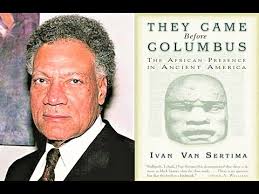
In this show, produced and hosted by Listervelt Middleton, For the People delivered African American history and culture every week to South Carolina ETV’s viewers. Dr. Ivan Van Sertima, a noted literary critic and historian, passionately discusses the significant and often overlooked role of Africans in pre-Columbian America during an insightful interview, effectively challenging conventional historical narratives that routinely marginalize the contributions of Africa and its peoples.
Through a careful examination of a variety of archaeological findings and artifacts, he meticulously presents compelling evidence to support his theories, asserting that Africans not only traveled to the Americas long before Columbus but also made a lasting and profound impact on the development of American civilization.
This impact is prominently highlighted in his thoughtful response to Listervelt’s question about the connections between Africans and early America, where he elaborates on the cultural exchanges, technological advancements, and agricultural practices that were likely influenced by African societies, thus urging a reevaluation of history to recognize the rich contributions of Africans to the New World.
Now if you actually watched the second video, then you will know why I posted the video below.
Shared on the 50th anniversary of the 1970 Ra II expedition, which famously sailed from Morocco to Barbados in an impressive 57 days, this groundbreaking journey demonstrated the intriguing possibility of pre-Columbian contact between the Mediterranean and the Americas. The expedition was noteworthy for its international crew, which included skilled members from various countries, all united in their quest for discovery while sailing proudly under the UN flag, symbolizing global cooperation and understanding. Directed by the renowned Thor Heyerdahl and Lennart Ehrenborg, the film was brought to life by cinematographers Kei Ohara and Carlo Mauri, who captured the essence of the adventure and the challenges faced by the crew. This extraordinary cinematic work was nominated for an Academy Award for Best Documentary Feature, a prestigious recognition that marked Heyerdahl’s second nomination after his previous triumph with “Kon-Tiki” in 1951, a testament to his lasting influence on the field of documentary filmmaking and exploration. The Ra II expedition not only enriched our understanding of ancient maritime history but also encouraged further discussion on the interconnectedness of different cultures throughout history.
Recently, a young Brazilian released a video that went viral after she boldly removed the filters that made her appear to be a white girl, showcasing her authentic features and celebrating her natural beauty. The brave move sparked conversations around the importance of self-acceptance and the unrealistic standards often promoted on social media.
Followers praised her natural look, expressing admiration for her confidence and encouraging others to embrace their true selves without the embellishments often used to fit into narrow beauty ideals. Through her viral video, she has inspired many to reflect on their definition of beauty and to recognize the value of authenticity in a world saturated with curated images. This powerful message resonated with viewers not just on a superficial level, but also on a deeper emotional plane, prompting discussions around self-acceptance and the pressures of societal expectations.
As anyone who has studied Capoeira history knows, capoeira was banned in Btazil after the abolition of slavery in 1888.
But why?
I asked this question on a couple of Capoeira forums to get some different opinions, but I was only able to get 1, because I directed the question to him specifically. So I can only give you 3 pers[ectives.
First was what I got from Google.
Capoeira was banned in Brazil after the abolition of slavery in 1888 because the government feared its use as a means of resistance by newly freed slaves, associating it with criminal activity and potential rebellion, leading to the practice being outlawed and heavily persecuted by authorities; essentially, capoeira was seen as a threat to social order due to its potential for violent use by marginalized populations.
Key points about the ban
Origin as a resistance tool:Slaves developed capoeira as a way to secretly practice self-defense, disguised as dance, to fight back against their enslavers.
Post-slavery concerns: After emancipation, the Brazilian government feared that capoeira would be used by former slaves to incite unrest, leading to its criminalization.
Social stigma: Capoeira became associated with gangs and criminal elements, further contributing to its negative perception.
Mestre Bimba’s role: Later, Mestre Bimba played a key role in legitimizing capoeira by creating a structured teaching method and presenting it as a sport, which eventually led to the lifting of the ban. ;
Second, we have the perspective of Head coach Ras of Atacxgym:
The reason Kipura ( not Capoeira, as that term was created by Raphael Bluteau a racist sexist Catholic priest, as like the good racistfeudalist clergyman he was, he almost wholly mispronounced and almost wholly misunderstood both the word and every facet of practice of Kipura ) is because Kipura at once is:
1. A nigh invincible self defense system that is inexplicably, stridently culturally linguistically racially and blatantly Black Power centered of by and from Alkebulan. Meaning the racistfeudalists would be faced with the specter of a clearly Alkebulan warrior system, practiced by Alkebulans, unending their colonial dreams as well as the corrupted and altered Biblical scriptures ( which were not the original scriptures or interpretations which we see in the Ge’ez Scriptures ) as well as flat out lies of White superiority which propelled the ( recently civilized by Alkebulans ) Euro and Arab nobility and aristocracy false justifications hiding their real reasons ( they want ultimate power, fear we Alkebulans will prevent them from getting ultimate power because of our enormous mineral wealth and mindboggling achievements in every area ahows we can subjugate the world forever if we so chose ) to create and engage in race specific chattel slavery.
2. Kipura is every bit as powerful if not even more powerful as a whole human development system as it is a combat system. Kipura unfettered would produce intellectual and civilization al superiority because it already did so for over 890 years.
3. White elites wanted and still want now to dominate subjugation and control the world, and harness all components of the world to the machine of their own perpetually growing and exclusively their own power without consequences to be even possible by those whom they subjugate.
That means US.
Kipura warriors demolish those possibilities in every way.
Now, here’s my perspective:
The reason why I think Capoeira was banned and made illegal in 1888 was because of its potential to bring all social classes, races, and creeds of people together, uniting them in a shared practice that transcended societal barriers. This unique martial art form not only provided a means of physical expression but also fostered a sense of community and belonging among diverse groups. The rhythmic movements, music, and dance elements of Capoeira created an environment where participants could connect with one another, forging bonds that challenged the existing social hierarchies. As Capoeira gained popularity and recognition, it posed a significant threat to the established colonial system that the elites of Brazil had created, one that relied on division and dominance. The very existence of this cultural expression could inspire a collective identity and resistance among the oppressed, leading the ruling class to see it as a danger that needed to be suppressed for the sake of maintaining their power and control over the population.
Most Martial Arts originate from conflict, and Capoeira emerged from RESISTANCE in 16th century Brazil as a safe haven for enslaved people to gather, train, and share strategies. It represents a form of embodied resistance for the African diaspora, remaining a tool for social empowerment. Capoeira not only involves physical resistance against oppression but also fosters community solidarity and shared leadership. Its history reflects the struggle for freedom and self-expression, highlighting the resilience and creativity of marginalized communities, while its movements and songs celebrate the fight against injustice.
As practitioners engage in the art, they not only refine their skills through powerful kicks and agile dodges but also cultivate a profound sense of identity and belonging. The music that accompanies Capoeira, played on traditional instruments such as the berimbau and atabaque, creates an atmosphere of vibrancy and unity, encouraging participants to chant and sing as they move. This dynamic practice not only preserves the rich cultural heritage of African traditions but also serves as a living testament to the enduring spirit of those who fought against adversity. Furthermore, Capoeira’s emphasis on improvisation and creativity empowers individuals to express themselves freely, promoting personal growth and social cohesion, which further contributes to the ongoing dialogue surrounding equality and justice in contemporary society.
2 examples of this happened last weekend, and this weekend.
On December 14th & 15th, Mestre Themba Mashama gave a lecture and an amazing Capoeira Angola workshop, providing healing space for expansion and growth.
In these days, when so many things are shifting and changing, we find it an immense privilege to have access to living repositories of wisdom, alignment, and guidance—our elders. These are the individuals who have walked the paths before us, who have navigated the complexities of life and emerged with insights that are invaluable. The ones who guide us and teach us from their experience so that our experiences can be better, providing us not only with knowledge but also with the strength to face our own challenges. We can do and be better for the young ones when the old ones have our back, offering support and encouragement that inspires resilience. This bridge of information and light from source and back to the source inside all of us creates an enduring connection, reminding us of our shared humanity and interdependence, as we learn to weave our stories into the rich tapestry of life that encompasses all generations.
And yesterday, we at Capoeiristas for Change had our 4th Annual Essential Item & Toy Drive, an event that has become a staple in our commitment to giving back to the community.
This drive is designed to service not only our local El Sereno area but also the broader LA community, expanding our reach to touch the lives of many who are less fortunate. Additionally, we aim to support the migrants at the US/Mex border, a group that often faces immense challenges and hardships. Today, a dedicated team of our volunteers set out on a heartfelt mission, delivering some of the collected goods directly to the people in need there, ensuring that our efforts have a tangible impact on those who require assistance the most. It is inspiring to witness the generosity and kindness of our supporters, as each toy and essential item collected represents a beacon of hope for families during these trying times.
Well, you have 3 perspectives on why Capoeira was banned. I believe they are not only correct, but they complement each other, creating a comprehensive understanding of this complex issue. Each perspective sheds light on different cultural, social, and political factors that contributed to the prohibition, allowing us to see the multifaceted nature of the situation.
Additionally, these viewpoints underscore the historical context in which Capoeira developed, illustrating how its roots in resistance and community were perceived as threats by those in power. By examining these reasons collectively, we can appreciate not only the resilience of Capoeira but also the enduring spirit of those who practiced it in the face of oppression.
Thomas Isidore Noël Sankara(French pronunciation: [tɔmɑ izidɔʁ nɔɛlsɑ̃kaʁa]; 21 December 1949 – 15 October 1987) was a Burkinabèmilitary officer, Marxist revolutionary and Pan-Africanist who became President of Burkina Faso from 1983, when he took over in a coup, until his assassination in 1987. Throughout his presidency, Sankara implemented sweeping reforms aimed at reducing poverty and corruption, promoting education, and enabling women’s rights, all while espousing a vision of African self-reliance. His leadership style was characterized by a strong emphasis on anti-imperialism and social justice, earning him admiration both domestically and internationally as he sought to inspire a movement of African unity and empowerment against colonial legacies.
Tragically, his transformative efforts and dedication to his ideals were cut short when he was assassinated during a coup orchestrated by those opposed to his policies, a loss that left a lasting impact on the nation’s political landscape and the broader struggle for independence and social justice in Africa. His vision for a more equitable society inspired countless individuals across the continent, sparking movements that aimed to dismantle systemic oppression and foster economic empowerment for marginalized communities. As nations grappled with the consequences of his untimely death, the ideals he fought for continued to resonate deeply, reminding generations of the ongoing challenges faced in the quest for true freedom and equality.