BRUCE LEE on how to fight your greatest battle

I wanted to add this to the Kung Fu Theater series, because it is a “Bruce Lee video.” However, I ultimately decided not to, not just because it’s a unique piece of content, but also because this video transcends the traditional boundaries of a martial arts film. This is not merely about physical prowess or combat techniques; rather, it delves deep into the philosophy that underpins martial arts. It explores the intricate connection between the mind and the body, revealing how mental discipline, focus, and a profound understanding of oneself can elevate one’s martial arts practice to new heights.

In this powerful video, we unlock the hidden mental training Bruce Lee used to sharpen his focus, increase his speed, and develop unbreakable self-belief. This insightful perspective offers viewers not just an opportunity to learn about martial arts, but to engage with the very essence of what it means to be strong, both physically and mentally.

These techniques are not just for fighters—they are for anyone who wants to master their mind, push beyond limits, and achieve greatness in life.

Bruce Lee was more than just a martial artist—he was a master of the mind. His legendary speed, power, and wisdom came from something deeper than physical training; it came from a profound understanding of the self and the universe. This understanding was nurtured through rigorous discipline and exploration of philosophies that transcended the ordinary. He incorporated forbidden mind techniques that most people never learn, techniques that challenge conventional beliefs about what the mind is capable of achieving.

By embracing these practices, individuals can uncover the latent potential within themselves, harnessing the incredible power of their thoughts and intentions to transform their everyday realities into extraordinary experiences. As they delve deeper into mindfulness and self-awareness, a profound shift begins to occur, allowing them to break free from limiting beliefs and unlock a new level of consciousness.

Bruce Lee’s legacy continues to inspire countless individuals, reminding us that true mastery lies at the intersection of mental and physical prowess, where discipline and passion converge to create not only exceptional skills but also a deeper understanding of oneself. This journey toward self-discovery encourages people to push their boundaries and strive for excellence, fostering resilience and adaptability in the face of challenges. Ultimately, it is through this holistic approach that individuals can truly realize their fullest potential and lead more fulfilling lives.

MALICIA AS A GAME OF POWER (2/27/25)

Welcome to MALICIA AS A GAME OF POWER, a blog series that examines the complexities of strategy in our interactions. We will focus on effective communication, conflict resolution, and building meaningful connections, providing guidance on decision-making and overcoming challenges. The series will cover negotiation, manipulation, leadership skills, personal branding, and online reputation management, equipping you with the tools to navigate power dynamics and succeed in your endeavors. Join us as we explore these crucial topics to help you thrive.

In this installment, we will explore the 17th law of power in the book, the 48 laws of power by Robert Greene. You can but a copy by clicking HERE.

LAW 17: Cultivate an air of unpredictability

Keep people in suspense by being unpredictable; predictability allows others to control you. Inconsistent behavior can exhaust others, leading them to abandon explanations and second-guess their own perceptions of reality. When you keep those around you in a state of uncertainty, it creates an atmosphere charged with tension and intrigue.

This unpredictability can lead to enhanced engagement, as people remain curious about your next move and are less likely to take you for granted. This sense of curiosity can serve as a powerful motivator, driving individuals to invest more time and effort into understanding your intentions and the underlying patterns of your behavior. However, when taken to extremes, this approach can intimidate and instill fear, causing relationships to fray and trust to erode. Prolonged exposure to such unpredictability may leave individuals feeling anxious and unsure, ultimately pushing them away rather than drawing them closer.

Balancing the line between intriguing unpredictability and overwhelming inconsistency is crucial in maintaining healthy interactions while keeping an air of mystery alive. This requires a careful consideration of your actions and their potential impact on others, ensuring that your enigmatic nature does not cross over into detrimental behavior that alienates those around you. Effective communication and transparency can act as a stabilizing force, providing reassurance while still allowing for an element of surprise.

The 17th Law of Power Through the Eyes of an Angoleiro

The intersection of philosophy, strategy, and martial arts offers a rich ground for exploration, particularly when viewing universal laws through the lens of a specific, deeply cultural practice. This essay delves into an interpretation of the “17th Law of Power” – often understood in conventional terms as “Keep Others in Suspended Terror: Cultivate an Air of Unpredictability” – as seen through the perspective of an Angoleiro, a practitioner of Capoeira Angola.

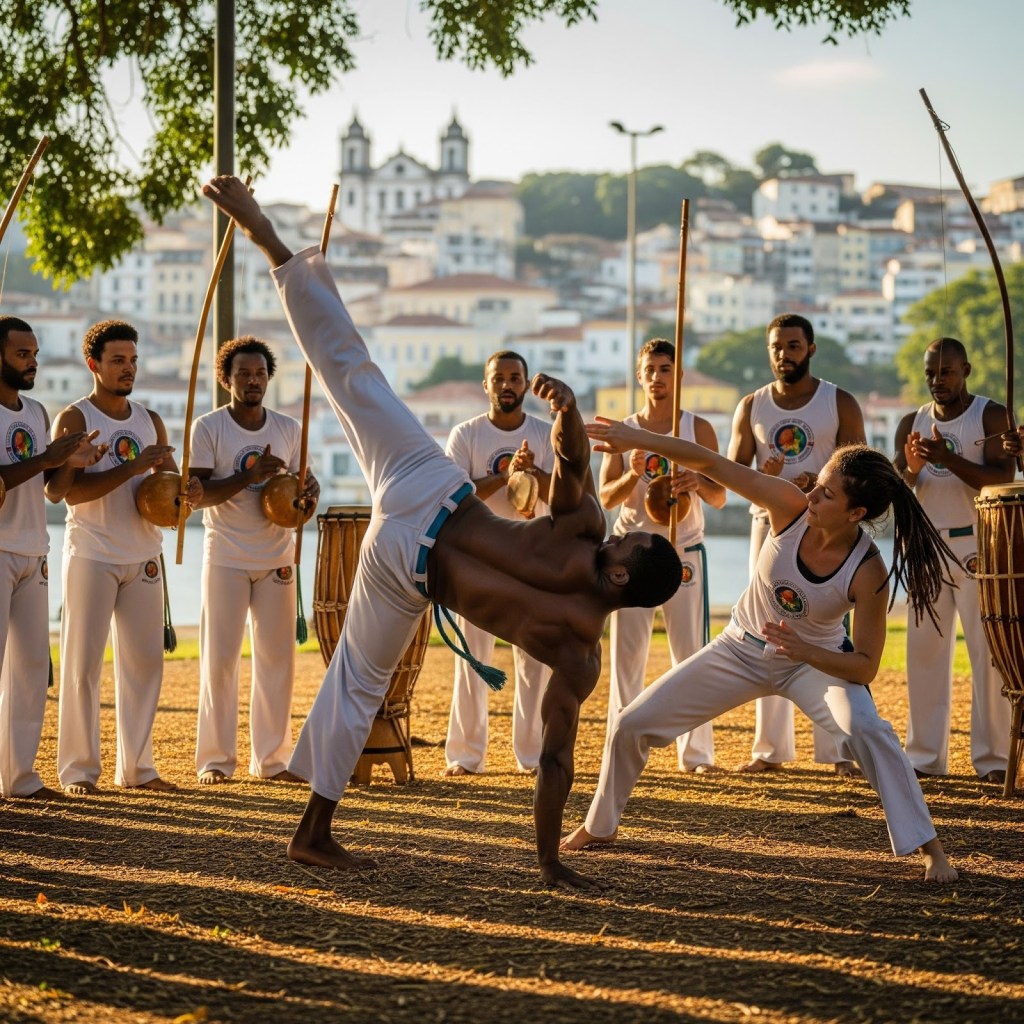
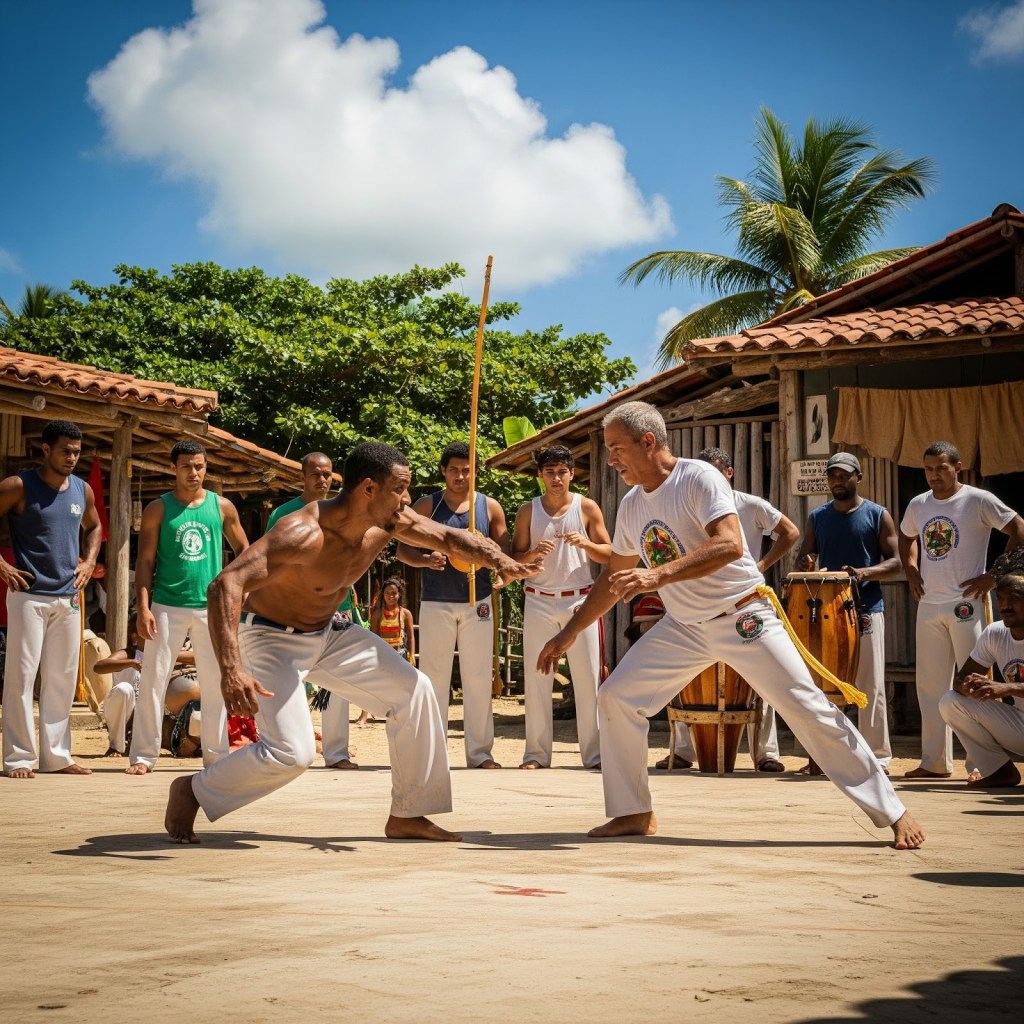
Capoeira Angola is more than just a fight or a dance; it is an embodied philosophy, a game (jogo) played within a circle (roda) that mirrors the complexities of life itself. The Angoleiro operates within an established structure but thrives on the unexpected. The concept of unpredictability, therefore, is not a mere tactic of psychological intimidation but a foundational principle of the jogo and a key to survival, mastery, and strategic dominance.

For the Angoleiro, the 17th Law transforms into: Cultivate Malandragem and the Element of Surprise to Control the Roda.

Malandragem as Cultivated Unpredictability

Malandragem is a complex, untranslatable concept deeply rooted in Brazilian culture and central to Capoeira Angola. It signifies cunning, street smarts, trickery, and a playful, deceptive intelligence. It is the art of navigating the world through wit and improvisation, often turning a perceived disadvantage into a strategic upper hand.

In the roda, the Angoleiro uses malandragem to keep the opponent (o outro) in a state of perpetual uncertainty, a form of “suspended terror.” This is not achieved through brute force or overt aggression, but through:

  1. The Deceptive Slow Pace (The Vadiar): The game often begins slow, low to the ground, with a seemingly lazy, indifferent posture (vadiar). This slowness is a deliberate mask. It invites the opponent to relax their guard, to underestimate the Angoleiro’s readiness, and to commit too early. The sudden, explosive attack (rasteira, cabeçada, or a swift transition to a high kick) that breaks the meditative rhythm is the manifestation of unpredictability.
  2. The Interrogation of the Body: Every movement is an interrogation of the opponent’s intentions. The Angoleiro moves laterally, feints, and offers false openings. This continuous process of “questioning” the opponent’s defenses and emotional state is a method of control. The opponent is paralyzed by having too many possibilities to consider and too little information to trust.
  3. The Mastery of Timing (Tempo): True unpredictability is about choosing the moment (o tempo) perfectly. It is not randomness, but a calculated delay or acceleration. The Angoleiro strikes not when the move is available, but when the opponent is emotionally or physically committed to a wrong assumption. The sudden change in tempo shatters the opponent’s equilibrium, ensuring that their reaction is always a step behind the action.

Strategic Implications in the Roda and Beyond

The 17th Law, when applied via malandragem, provides the Angoleiro with a profound strategic advantage:

  • Emotional Control: The power lies in maintaining one’s own composure while inducing confusion and doubt in the opponent. The unpredictable person is the one who is emotionally inscrutable. By constantly shifting their game plan—from playful trickery to sudden seriousness—the Angoleiro prevents the opponent from settling into a comfortable, predictable rhythm, thus controlling the emotional temperature of the roda.
  • The Power of the Unseen Angle: Capoeira Angola is a game of low attacks, evasions, and unexpected reversals. The Angoleiro understands that the most effective technique is often the one that comes from an angle the opponent has not considered. This mirrors the strategic need to constantly innovate and avoid routine in life and leadership, ensuring one is never a fixed target.

A Continuous State of Becoming: The commitment to unpredictability is a commitment to continuous adaptation. A predictable Angoleiro is a defeated Angoleiro. This philosophy translates to a life lesson: true power is fluid, residing not in the possession of any one strong move, but in the infinite potential for the next, unknown move. By never revealing their full, fixed nature, the Angoleiro commands respect, fear, and, most importantly, the psychological upper hand.

MARTIAL ARTS THEATER (1/31/25)

Welcome to MARTIAL ARTS THEATER, a vibrant platform for martial arts enthusiasts where we explore various disciplines, including karate, taekwondo, Krav Maga, Muay Thai, etc. As we delve deeper into the rich history, intricate philosophy, and advanced techniques of these diverse arts, we celebrate the discipline, dedication, and cultural significance they embody. Through expert interviews, instructional videos, and community events, we aim to provide insightful resources and foster a supportive network for practitioners of all levels, from beginners to seasoned masters. Join us on this exciting journey through the world of martial arts, where you can cultivate your skills, share your experiences, and connect with like-minded individuals who share your passion for this empowering and transformative discipline.

Today, we are going to follow the life and times of Kung Fu pioneer, Grandmaster Chan Pui, a remarkable figure whose journey is a testament to resilience and determination.

Pui escapes the harshness of political oppression in his homeland, where the echoes of turmoil often stifled dreams and aspirations; he courageously embraces opportunity in the USA, a land that promised freedom and the chance to flourish.

In this new environment, he finds a rich tapestry of cultures and ideas that fuel his ambition, allowing him to reconnect with his long-buried passions and dreams. The diverse community around him inspires collaboration and innovation, as he navigates the challenges of adapting to a foreign lifestyle while holding tightly to his own heritage. With resilience and determination, Pui undertakes endeavors that not only shape his own future but also contribute to the vibrant mosaic of American society, affirming his belief that one can rise above adversity and ignite change.

Now highly recognized and celebrated, Pui Chan is not only one of the pioneers responsible for bringing traditional Kung Fu to America but also a passionate advocate for preserving its rich heritage. Through his dedication and teachings, he has inspired countless students to explore the depths of this ancient martial art, ensuring that its philosophy, discipline, and techniques continue to thrive in a new cultural landscape.

MARTIAL ARTS THEATER (12/27/24)

Welcome to MARTIAL ARTS THEATER, a vibrant platform for martial arts enthusiasts that offers diverse content on various disciplines, from traditional styles like karate and taekwondo to innovative techniques such as Krav Maga and Muay Thai, celebrating the rich history, profound philosophy, and unwavering dedication inherent in martial arts. Here, we delve into the nuances of each martial art, explore their unique techniques, engage with expert practitioners, and provide training tips for all skill levels, creating a community where passion for martial arts thrives. Whether you are a seasoned fighter or a curious beginner, our extensive resources aim to inspire and educate, fostering a deeper appreciation for the artistry and discipline that martial arts embody.

In this installment, we have this VERY SPECIAL episode of INSIDE FIGHTING.

In this eye-opening episode, Ilan from The Inside Fighting YouTube Channel discusses hidden issues that have long plagued the martial arts community, including abuse and manipulation, with valuable insights drawn from McDojo Life. They provide a deep dive into the important red flags that practitioners should recognize, stressing the crucial need for safety in training spaces.

By holding wrongdoers accountable, we as a united martial arts community can foster a culture of trust and respect, which is essential for maintaining the integrity of our beloved discipline. This responsibility extends to both seasoned practitioners and newcomers alike, making it vital for everyone to listen, engage, and learn from the experiences shared. It is important that we create an open dialogue where concerns can be expressed freely and without fear of retribution.

This includes mentoring programs that connect experienced martial artists with novices, ensuring that knowledge and principles are passed down effectively. Additionally, hosting regular workshops and seminars can serve as platforms for educating all members on the importance of ethics and accountability, further reinforcing our commitment to high standards. By building a solid foundation of mutual respect and understanding, we can ensure that our martial arts community remains a safe and supportive environment for all individuals involved.

This conversation is more than just discussing problems; it serves as a powerful call for the community to come together, to engage in open dialogues, and to actively take steps in protecting the core values and integrity of martial arts. In an age where the essence of martial arts can sometimes be overshadowed by external pressures and misconceptions, it is essential for practitioners, instructors, and enthusiasts alike to reaffirm their commitment to these foundational principles.

By collectively addressing these issues, we can create a supportive environment where all individuals feel safe and valued, ultimately allowing martial arts to thrive for future generations. Each voice matters, and through united efforts, we can foster a culture of respect, discipline, and growth that honors the traditions while embracing the evolution of martial arts as an integral part of our society. Together, we can forge pathways for learning and development that reflect not only the spirit of the practice but also the need for inclusiveness and resilience in our communities.

WHY WAS CAPOEIRA MADE ILLEGAL?

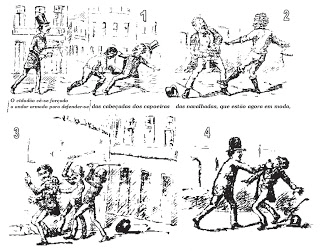
As anyone who has studied Capoeira history knows, capoeira was banned in Btazil after the abolition of slavery in 1888.

But why?

I asked this question on a couple of Capoeira forums to get some different opinions, but I was only able to get 1, because I directed the question to him specifically. So I can only give you 3 pers[ectives.

First was what I got from Google.

Capoeira was banned in Brazil after the abolition of slavery in 1888 because the government feared its use as a means of resistance by newly freed slaves, associating it with criminal activity and potential rebellion, leading to the practice being outlawed and heavily persecuted by authorities; essentially, capoeira was seen as a threat to social order due to its potential for violent use by marginalized populations.

Key points about the ban

Origin as a resistance tool:Slaves developed capoeira as a way to secretly practice self-defense, disguised as dance, to fight back against their enslavers. 

Post-slavery concerns: After emancipation, the Brazilian government feared that capoeira would be used by former slaves to incite unrest, leading to its criminalization. 

Social stigma: Capoeira became associated with gangs and criminal elements, further contributing to its negative perception. 

Mestre Bimba’s role: Later, Mestre Bimba played a key role in legitimizing capoeira by creating a structured teaching method and presenting it as a sport, which eventually led to the lifting of the ban. ;

Second, we have the perspective of Head coach Ras of Atacxgym:

The reason Kipura ( not Capoeira, as that term was created by Raphael Bluteau a racist sexist Catholic priest, as like the good racistfeudalist clergyman he was, he almost wholly mispronounced and almost wholly misunderstood both the word and every facet of practice of Kipura ) is because Kipura at once is:

1. A nigh invincible self defense system that is inexplicably, stridently culturally linguistically racially and blatantly Black Power centered of by and from Alkebulan. Meaning the racistfeudalists would be faced with the specter of a clearly Alkebulan warrior system, practiced by Alkebulans, unending their colonial dreams as well as the corrupted and altered Biblical scriptures ( which were not the original scriptures or interpretations which we see in the Ge’ez Scriptures ) as well as flat out lies of White superiority which propelled the ( recently civilized by Alkebulans ) Euro and Arab nobility and aristocracy false justifications hiding their real reasons ( they want ultimate power, fear we Alkebulans will prevent them from getting ultimate power because of our enormous mineral wealth and mindboggling achievements in every area ahows we can subjugate the world forever if we so chose ) to create and engage in race specific chattel slavery.

2. Kipura is every bit as powerful if not even more powerful as a whole human development system as it is a combat system. Kipura unfettered would produce intellectual and civilization al superiority because it already did so for over 890 years.

3. White elites wanted and still want now to dominate subjugation and control the world, and harness all components of the world to the machine of their own perpetually growing and exclusively their own power without consequences to be even possible by those whom they subjugate.

That means US.

Kipura warriors demolish those possibilities in every way.

Now, here’s my perspective:

The reason why I think Capoeira was banned and made illegal in 1888 was because of its potential to bring all social classes, races, and creeds of people together, uniting them in a shared practice that transcended societal barriers. This unique martial art form not only provided a means of physical expression but also fostered a sense of community and belonging among diverse groups. The rhythmic movements, music, and dance elements of Capoeira created an environment where participants could connect with one another, forging bonds that challenged the existing social hierarchies. As Capoeira gained popularity and recognition, it posed a significant threat to the established colonial system that the elites of Brazil had created, one that relied on division and dominance. The very existence of this cultural expression could inspire a collective identity and resistance among the oppressed, leading the ruling class to see it as a danger that needed to be suppressed for the sake of maintaining their power and control over the population.

Most Martial Arts originate from conflict, and Capoeira emerged from RESISTANCE in 16th century Brazil as a safe haven for enslaved people to gather, train, and share strategies. It represents a form of embodied resistance for the African diaspora, remaining a tool for social empowerment. Capoeira not only involves physical resistance against oppression but also fosters community solidarity and shared leadership. Its history reflects the struggle for freedom and self-expression, highlighting the resilience and creativity of marginalized communities, while its movements and songs celebrate the fight against injustice.

As practitioners engage in the art, they not only refine their skills through powerful kicks and agile dodges but also cultivate a profound sense of identity and belonging. The music that accompanies Capoeira, played on traditional instruments such as the berimbau and atabaque, creates an atmosphere of vibrancy and unity, encouraging participants to chant and sing as they move. This dynamic practice not only preserves the rich cultural heritage of African traditions but also serves as a living testament to the enduring spirit of those who fought against adversity. Furthermore, Capoeira’s emphasis on improvisation and creativity empowers individuals to express themselves freely, promoting personal growth and social cohesion, which further contributes to the ongoing dialogue surrounding equality and justice in contemporary society.

2 examples of this happened last weekend, and this weekend.

On December 14th & 15th, Mestre Themba Mashama gave a lecture and an amazing Capoeira Angola workshop, providing healing space for expansion and growth.

In these days, when so many things are shifting and changing, we find it an immense privilege to have access to living repositories of wisdom, alignment, and guidance—our elders. These are the individuals who have walked the paths before us, who have navigated the complexities of life and emerged with insights that are invaluable. The ones who guide us and teach us from their experience so that our experiences can be better, providing us not only with knowledge but also with the strength to face our own challenges. We can do and be better for the young ones when the old ones have our back, offering support and encouragement that inspires resilience. This bridge of information and light from source and back to the source inside all of us creates an enduring connection, reminding us of our shared humanity and interdependence, as we learn to weave our stories into the rich tapestry of life that encompasses all generations.

And yesterday, we at Capoeiristas for Change had our 4th Annual Essential Item & Toy Drive, an event that has become a staple in our commitment to giving back to the community.

This drive is designed to service not only our local El Sereno area but also the broader LA community, expanding our reach to touch the lives of many who are less fortunate. Additionally, we aim to support the migrants at the US/Mex border, a group that often faces immense challenges and hardships. Today, a dedicated team of our volunteers set out on a heartfelt mission, delivering some of the collected goods directly to the people in need there, ensuring that our efforts have a tangible impact on those who require assistance the most. It is inspiring to witness the generosity and kindness of our supporters, as each toy and essential item collected represents a beacon of hope for families during these trying times.

Well, you have 3 perspectives on why Capoeira was banned. I believe they are not only correct, but they complement each other, creating a comprehensive understanding of this complex issue. Each perspective sheds light on different cultural, social, and political factors that contributed to the prohibition, allowing us to see the multifaceted nature of the situation.

Additionally, these viewpoints underscore the historical context in which Capoeira developed, illustrating how its roots in resistance and community were perceived as threats by those in power. By examining these reasons collectively, we can appreciate not only the resilience of Capoeira but also the enduring spirit of those who practiced it in the face of oppression.

At least, I think so.

TODAY IN BLACK MEDIA (12/9/24)

Welcome to TODAY IN BLACK MEDIA, your premier source for news and cultural discussions from an African American perspective, highlighting diverse voices and celebrating global black achievements. Here, we provide a platform for insightful commentary and analysis on pressing issues that affect the African American community, while fostering a deeper understanding and engagement in social justice initiatives.

Our commitment extends beyond mere reporting; we aim to amplify stories that matter, inspire change, and connect individuals across cultures. By showcasing a broad spectrum of narratives, we strive to create a more inclusive dialogue that recognizes the rich tapestry of black experiences and contributions to society. Join us as we explore the intersections of race, culture, and identity, and champion the importance of representation in all facets of the media.

Today, we have another installment from professor Black Truth.

The first year of Trump’s presidency saw the Charlottesville riot, fueled by white supremacy and extremist ideologies, involving figures like Nick Fuentes, who has been associated with the alt-right movement. This event highlighted a troubling rise in racial tensions and extremist ideologies in America, revealing how longstanding societal issues had resurfaced with renewed vigor, echoing the deep divides that have historically plagued the nation. As protests against a Confederate statue turned chaotic, resulting in injuries and fatalities, the nation was forced to confront its historical grievances and the ongoing struggles for racial equality and justice.

The dramatic scenes of violence and confrontation were televised, prompting widespread outrage and concern from citizens across the political spectrum who condemned the violence and the ideologies fueling it. Moreover, this incident became a catalyst for numerous discussions around the role of monuments in public spaces, the implications of hate speech, and the responsibilities of leadership in addressing such divisive topics, further solidifying its place in the narrative of contemporary American society.

The reactions from political leaders ignited fierce debates on nationalism, racism, and the role of public figures in confronting dangerous rhetoric that had long been simmering beneath the surface of American political discourse. Many argued that such extremism was emboldened by the political climate at the time, marking a significant moment in US politics and underscoring the country’s deep divisions that had grown increasingly palpable in recent years. The incident served as a catalyst for discussions around social justice, civil rights, and the responsibilities of citizens and leaders alike in fostering an inclusive society that celebrates diversity rather than shuns it.

In many ways, Charlottesville became a symbol of the ongoing struggle between progressive values and regressive ideologies, reflecting deep-seated issues that threaten the fabric of American democracy. This pivotal moment not only prompted grassroots movements advocating for change but also revealed the urgent need for a collective reassessment of what constitutes patriotism in a nation as diverse as the United States. It highlighted the importance of dialogue and understanding in a time of polarization, emphasizing that true patriotism requires an acknowledgment of varying perspectives and experiences.

As communities grappled with the aftermath of these events, they began to recognize the necessity of building bridges rather than walls, fostering a sense of unity while embracing differences. The events in Charlottesville served as a wake-up call, reminding citizens of the vital role they play in shaping the nation’s future and the responsibility they hold to challenge injustices.

The professor’s engaging video simplifies complex topics, making learning enjoyable and inspiring interest. For those looking to enhance their understanding while being entertained, his channel offers innovative content and educational resources that spark curiosity. Explore his channel HERE for a wealth of knowledge!

MALANDROS IN ACTION (12/4/24)

Explore “MALANDROS IN ACTION,” focusing on the evolution of what I like to call “modern malandros”, as skilled manipulators in today’s society. We will examine their strategies, from psychological tactics to social engineering, to help protect ourselves from manipulation and recognize the subtle signs that affect our interactions, both in person and online. This exploration seeks to empower you with knowledge about the challenges presented by these modern figures.

I cover the definition of a Malandro in another PAGE, but to summarize:

A malandro represents cunning and trickery, navigating life through deception in areas such as love and business. Celebrated for resourcefulness but criticized for a lack of morals, this archetype is seen in folklore as a cautionary symbol. Though often associated with self-serving actions, a malandro might use malandragem to escape unjust situations, even if it involves illegalities.

In fiction, malandragem serves as a wit device, characteristic of an antihero.

In this installment…

Watanabe Mai is Japan’s cutest scammer, captivating the attention of many with her charm and charisma. With an enchanting smile and an uncanny ability to read people, she has manage to win over countless hearts, all while skillfully executing her deceptive plans. Learn exactly how she made her millions by skillfully weaving intricate tales that played on the vulnerabilities of her victims. From elaborate schemes that promised quick returns on investments to personal stories that tugged at the heartstrings, her artistry in deception is both fascinating and alarming. Through her meticulously crafted personas and a web of lies, she created a world where trust was the currency, and she traded heavily, leaving a trail of bewildered victims in her wake. Her story serves as a cautionary tale, illustrating the fine line between charm and deceit, as well as the lengths some will go to for personal gain.

Discover the intricate methods she employed and the red flags that can help you recognize deceitful behavior, hopefully ensuring you don’t fall for her lies or the tricks of others like her. By delving deep into her strategies, you will not only learn to identify the subtle cues that indicate deception but also gain the confidence to challenge manipulative narratives before they take root in your mind.

Understanding her tactics is crucial for safeguarding yourself against similar scams in the future, as awareness breeds vigilance, empowering you to navigate social interactions with a discerning eye and enabling you to build stronger, more trusting relationships based on transparency and honesty.

TODAY IN BLACK MEDIA (12/2/24)

Welcome to TODAY IN BLACK MEDIA, your source for news, cultural events, and discussions from an African American perspective. We aim to highlight diverse voices, celebrate black achievements globally, and delve into narratives that shape our lives. Our platform encourages appreciation of arts, exploration of current affairs, and engagement in social justice discussions, providing a vibrant experience that fosters understanding and empowerment.

In today’s installment…

The tragic killing of 8 people by a Latino neo-Nazi in Allen, Texas, has sparked an uncomfortable discussion about Nazi and white supremacist culture in Latin America, prompting many to examine the existence and historical roots of these ideologies in society. This horrifying incident has forced us to confront the unsettling fact that extremism can manifest in diverse forms and among various ethnic groups, challenging preconceived notions about who perpetrates such violence.

As scholars and activists delve deeper into the sociopolitical landscapes of Latin American countries, they uncover a complex tapestry of colonial history, economic disparity, and cultural influences that have allowed these abhorrent beliefs to gain traction. The conversations ignited by this tragedy also highlight the necessity for broader awareness and education on issues of racism, discrimination, and the importance of unity in the face of hatred, as communities grapple with the far-reaching implications of such ideologies in their midst.

It is crucial to examine the intricate socio-political landscape of Latin America, where issues of race, identity, and class intersect in complex ways. These intersections often lead to differing experiences of marginalization and privilege among various communities, revealing the deeply rooted inequalities that persist within societies.

Groups promoting these hateful ideologies frequently exploit existing societal tensions, drawing on historical grievances and present-day frustrations to gain traction, effectively deepening divisions within the population. This disturbing phenomenon not only highlights the fragility of social cohesion but also raises significant questions about the overall impact on communities and the long-term implications for the fight against racism and extremism across the region. As we navigate this challenging discourse, we must also consider the voices of those directly affected, whose stories often go unheard, and the resilience they display in the face of such unsettling realities, as they strive to forge a more inclusive and equitable society amidst adversity.

Shoutout to the professor for creating an engaging video that simplifies complex topics and inspires interest in the subject. Click HERE to explore his channel for innovative, curiosity-driven content and practical educational resources.

SPIRITUAL PRACTICES OF AFRICA, AND THE DIASPORA (11/25/24)

Many discussions on global religious and spiritual practices often overlook Sub-Saharan Africa, and when addressed, it is usually negatively; this series aims to change that perception by highlighting the rich tapestry of beliefs and traditions that thrive in this region. From the diverse array of indigenous faiths to the profound influence of world religions such as Christianity and Islam, Sub-Saharan Africa is home to a vibrant cultural heritage that reflects a deep connection to spirituality and community. By showcasing the unique rituals, philosophies, and the stories of practitioners from various backgrounds, we hope to foster a greater appreciation for the complexity and beauty of spiritual life in this often-misunderstood part of the world.

In this installment..

The importance of African centered Spirituality in the Black Community is questioned amidst the presence of Christianity, Islam, Judaism, and Atheism. Many individuals find themselves in a struggle to reconcile their ancestral traditions with the prevailing faiths around them, leading to a rich but complex dialogue about identity and worship.

There’s a dilemma of whether to practice traditions like Ifa, Yoruba, Kemetic, Igbo, or Vodun while also grappling with the significance of established faiths like Jesus, Allah, and Yah. This tension not only influences personal beliefs but also impacts community dynamics, creating a space for both conflict and unity as people seek to honor their roots while remaining true to their spiritual journeys. As individuals explore the rich tapestry of their ancestral customs, they often find themselves negotiating their identities in relation to modern societal values and expectations.

The interplay between these ancient traditions and contemporary faith systems can lead to profound reflections on spirituality, identity, and community, as adherents strive to harmonize the teachings and practices of their heritage with the more widely accepted beliefs that shape the world around them. This complex landscape invites dialogue and introspection, encouraging a deeper understanding of the significance of faith across different cultures and the shared human experience that transcends time and space. Ultimately, this exploration fosters a sense of belonging and empowerment, as individuals navigate their paths in a world that increasingly values diversity and inclusivity, celebrating the richness brought forth by differing perspectives on the divine and the ancestral.

As the conversation evolves, understanding and respect for diverse pathways become crucial, fostering an environment where African centered Spirituality can coexist alongside other belief systems, enriching the collective experience of the Black Community.

Shoutout to the Ijakadi African Martial Arts YouTube channel for creating this video. If you want to know more about them click HERE,

AfricanMartialArts.com offers Ijakadi African Martial Arts, a comprehensive at-home program that covers various techniques such as footwork, striking, grappling, and weapons, rooted in African culture. Users gain access to weekly video lessons, live workshops, rank testing, and more, catering to all skill levels from beginner to advanced.

SPIRITUAL PRACTICES OF AFRICA, AND THE DIASPORA (11/21/24)

Many discussions on global religious and spiritual practices often overlook Sub-Saharan Africa, and when addressed, it is usually negatively; this series aims to change that perception by highlighting the rich tapestry of beliefs and traditions that thrive in this region. From the diverse array of indigenous faiths to the profound influence of world religions such as Christianity and Islam, Sub-Saharan Africa is home to a vibrant cultural heritage that reflects a deep connection to spirituality and community. By showcasing the unique rituals, philosophies, and the stories of practitioners from various backgrounds, we hope to foster a greater appreciation for the complexity and beauty of spiritual life in this often-misunderstood part of the world.

In this installment…

About 45 percent of all Africans transported throughout the Americas during the transatlantic slave trade arrived from West Central Africa, including the Kongo, a region rich in cultural heritage and historical significance. This area was not only characterized by its vibrant societies and complex political structures but also by its diverse languages, art forms, and traditions that reflected the deep-rooted connections of its people to their land.

The Kongo played a pivotal role in trade networks, facilitating the exchange of goods, culture, and ideas long before the onset of the slave trade. Furthermore, the experiences and contributions of those who came from this region have profoundly influenced the cultural landscapes of the Americas, giving rise to unique blends of African, European, and Indigenous traditions that continue to resonate in music, religion, and culinary practices today.

Kôngo spirituality includes a wide variety of concepts grouped around two areas of application: divine practice and human practice. This intricate system encompasses not only rituals and beliefs but also the profound relationship between the spiritual and the material realms, reflecting the interconnectedness of life.

This lecture aims to elucidate this wealth, with regard to Palo and Bukôngo as two different schools of Kôngo spirituality, both of which offer unique perspectives and methodologies for understanding the universe and one’s place within it. The richness of Kôngo spirituality is rooted in ancient traditions and oral histories that convey wisdom through generations.

This elucidation will be attained through the interpretation of the divine initiatory process through the Kôngo cosmogram, a vital tool that visually represents the spiritual journey and its stages, allowing practitioners to navigate their path with clarity and purpose. By delving into these elements, the lecture will highlight the significance of both the divine and human aspects in the pursuit of spiritual enlightenment within the Kôngo tradition.