The Vital Role of Digital Archives in Capoeira Angola
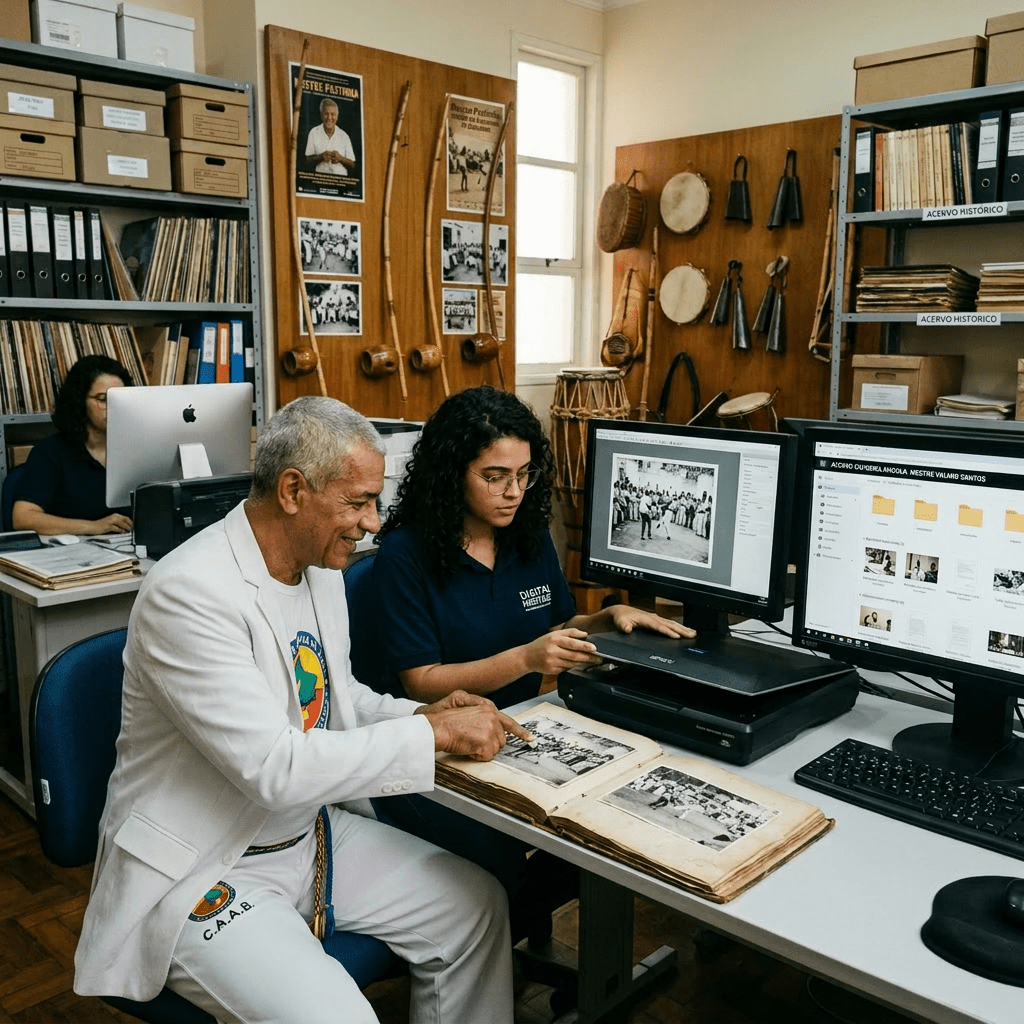
Online Capoeira Angola videos serve as vital cultural archives, functioning as a robust digital repository for preserving historical documentation, musical recordings, and interviews with senior masters (Mestres). These archives overcome geographical barriers, ensuring that the ancestral art form’s deep cultural nuances—including lessons on traditional toques, instrument construction, and complex movement sequences—are accessible to a global community.
Beyond simple documentation, these digital platforms act as a “living archive” that bridges the past and the present. They document the evolution of Capoeira Angola from its origins as a form of resistance against oppression to its modern global recognition, capturing the spirit of communal participation found in the roda. By preserving the specific kinematics of various lineages and the wisdom contained in traditional songs, digital archives ensure the art remains vital and connected to its Afro-Brazilian roots.
Furthermore, virtual exchanges and online classes allow for a constant flow of knowledge across the African diaspora, fostering a sense of shared identity and resilience. Even though it’s better to learn one on one, these resources also serve as authoritative tools for academic research and cultural immersion, encouraging practitioners to engage directly with the authentic expressions of the art.
Today, we have a special treat,
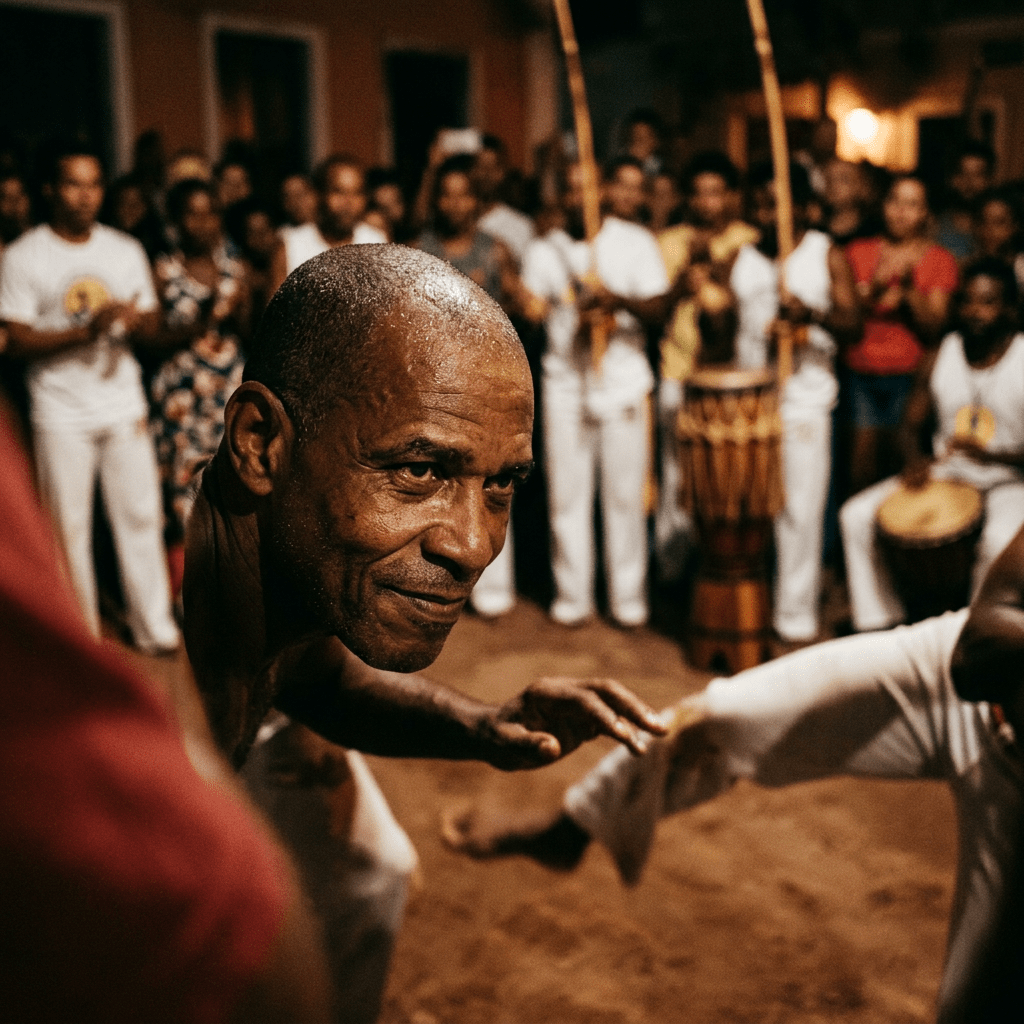
This specific recording captures a profound moment of transmission and dialogue within the Capoeira Angola Center. Mestre Joao Grande, a legendary figure in the art, engages in a jogo with Now Mestre Salim when he was a Professor, illustrating the intricate kinematics and movement sequences characteristic of their lineage. As they move in harmony, each gesture resonates with the rich history and philosophy embedded in Capoeira, reflecting not just physical skill but also a deep cultural narrative that has transcended generations. Such footage serves as a prime example of the “living archive,” where the wisdom of senior masters is preserved through complex movement sequences and communal participation that fosters a sense of unity and belonging among practitioners.
By documenting these authentic expressions, digital platforms ensure that the deep cultural nuances and the spirit of resistance inherent in the practice are not only preserved but also celebrated, allowing future generations to glean insights into the enduring legacy of Capoeira Angola. This interplay between tradition and modernity underscores the vital role of technology in cultural preservation, making it accessible to a worldwide audience eager to connect with these time-honored practices and their profound significance.
Four men in traditional attire play chess under a large tree in an African village courtyard.
Welcome to MALICIA AS A GAME OF POWER, a blog series that explores the strategies of human interactions, including communication, conflict resolution, negotiation, and manipulation. It discusses leadership, personal branding, and online reputation management, providing practical strategies for influence and relationship-building. Through analysis and examples, the series aims to help readers navigate interpersonal relationships successfully.
Today, We’re gonna explore Law 4 from the book, “The Laws of Human Nature” by Robert Greene. You can purchase a copy from AMAZON.COM by clicking HERE.
The Laws of Human Nature Law 4: The Law of Compulsive Behavior
The Law of Compulsive Behavior, as presented by Robert Greene in The Laws of Human Nature, is the fourth of 18 laws dedicated to understanding the depths of psychological and social behavior. This specific law focuses on determining the true strength of people’s character.
Key Concepts
Character Assessment: The law suggests that an individual’s character is not defined by their words or the “mask” they wear in social settings, but by their recurring patterns of behavior.
Compulsion: Humans often act under the influence of deeply ingrained, unconscious drives and primal forces. These compulsions often lead to repetitive behaviors that reveal an individual’s underlying nature.
Strength vs. Weakness: By observing these patterns, one can gauge whether a person possesses a “strong” character—one that is adaptable and self-aware—or a “weak” character prone to destructive repetitions.
Strategic Context
Understanding this law provides a significant advantage in social and professional environments. Similar to the Law of Irrationality (Law 1), which highlights the dominance of the emotional brain over logical deliberation, Law 4 emphasizes that true insight comes from identifying the systematic, predictable patterns that govern how others act when under pressure or when their guard is down.
The law of compulsive behavior, through the eyes of an Angoleiro
A man sits thoughtfully on a wooden bench with rope tied to his arm in a rustic room during martial arts training
To an Angoleiro, the Law of Compulsive Behavior manifests within the roda as the predictable “vices” or habits of an opponent. Just as Robert Greene posits that character is revealed through recurring patterns rather than social masks, the Angoleiro looks past the flamboyant movements to find the underlying compulsions that dictate a player’s rhythm, their preferred strikes, and their habitual reactions to pressure. By carefully observing these subtle yet significant patterns, the practitioner can not only identify an opponent’s responses but also gain insight into their strategic mindset during the game.
This understanding allows for a deeper psychological engagement in the roda, where finesse and intuition play crucial roles. Recognizing the repetitive behaviors, the Angoleiro can gauge whether an opponent possesses the “strong” character of adaptability—able to navigate the unpredictable nature of the game with creative and fluid responses—or a “weak” character tethered to destructive, predictable repetitions. Such discernment elevates the level of engagement, transforming each encounter into a nuanced dance of strategy and instinct that testifies to the rich depth of the art form.
As New Black Media Appreciation Month comes to a close, we salute the independent journalists, content creators, and dedicated historians who form the backbone of this movement. You deserve the praise and credit for the remarkable achievements of this new black media infrastructure, which serves as a foundational necessity driven by the principle of Black grassroots self-determination. Today, we are only too glad to provide that recognition.
New Black Media steps into a critical void left by traditional outlets, serving as a truthful mirror for the community and a powerful megaphone for lived truths. It moves beyond simple reporting to provide deep analysis rooted in historical and cultural context, empowering the community to define its own agenda and mobilize for collective action without external filters. By controlling the narrative, these platforms challenge systemic injustice and foster social, political, and economic empowerment.
This media ecosystem is essential for protecting the cultural DNA of the community, ensuring that the transmission of knowledge remains unadulterated by self-serving external reinterpretations. Through cultural gatekeeping and narrative sovereignty, the New Black Media ensures that the richness of the culture is understood on its own terms, emphasizing intellectual depth and revolutionary contributions. It provides the necessary authority to challenge harmful stereotypes and the “Ghetto Lie,” replacing myths of innate pathology with the truth of unfulfilled potential and the standard of Black excellence.
Support the professor!
Supporting these platforms is an act of communal investment that ensures the longevity and independence of voices that truly represent the grassroots. If you value this commitment to truth and critical insight, please consider supporting the work of The Professor through the following channels:
Each Friday, PROFESSOR BLACK TRUTH hosts “The Friday Crime Report,” a comprehensive platform dedicated to examining the deep-seated issues of systemic racism, economic inequality, and police brutality within the Black community. This weekly broadcast serves as a critical space for advocacy and active community engagement, often highlighting the voices of various experts and community members who delve into necessary policy changes and propose actionable solutions. By fostering a consistent dialogue centered on social justice, the program strives to empower its audience, providing them with the tools and information needed to bridge the gap between initial awareness and tangible, long-term societal progress.
In Today’s installment…
This week, a racist former police officer was apprehended while traveling to execute a racially motivated mass shooting targeting Black residents in New Orleans. While mainstream media outlets expressed profound surprise at this development, Black citizens view such events as a predictable manifestation of ongoing systemic threats. The arrest highlights a disturbing pattern where individuals previously entrusted with public safety transition into roles of explicit racial aggression, illustrating the volatile intersection of white supremacy and law enforcement history.
This harrowing incident underscores the persistent reality of racial terrorism and the necessity of independent platforms like “The Moment of Truth” to document and analyze threats that are often minimized or misrepresented by dominant media structures. Professor Black Truth continues to provide an unvarnished look at these injustices, fostering a space for advocacy, community engagement, and the pursuit of actionable solutions to combat systemic racism and police brutality. By providing historical context and real-time analysis, these platforms serve as essential counters to a media landscape that frequently treats systemic violence as isolated anomalies rather than part of a continuous, documented struggle for safety and justice within the Black community.This week, a racist former police officer was apprehended while traveling to execute a racially motivated mass shooting targeting Black residents in New Orleans. While mainstream media outlets expressed profound surprise at this development, Black citizens view such events as a predictable manifestation of ongoing systemic threats.
To support the essential work and continued production of this critical reporting, you can contribute through the following platforms:
Da’Mon Stith of Austin Warrior Arts recently posed a series of thought-provoking questions on his Facebook page regarding the resilience of martial traditions. These inquiries struck a chord with me, prompting a deep reflection on the nature of our practice. I felt it was essential to move beyond a simple social media reply and instead craft this blog post to thoroughly explore the implications of his questions.
Allright, let’s do this.
If capoeira were illegal to practice, would you still practice it?
Short answer: Hell yeah!
Long answer: Honestly, it took me a significant amount of time to reach a definitive conclusion. One might wonder why anyone would dedicate themselves to studying an illegal martial art when there is a plethora of legal alternatives available that could arguably make you just as effective a “fighter.”
However, after much consideration, I realized that capoeira’s value transcends legality.
The choice to continue practicing, even under the threat of illegality, stems from the realization that capoeira is far more than a mere sport or physical activity. For those of African descent, it represents a unique lineage of skills, power, and hope, embodying the resilient spirit of a warrior that has historically survived through periods of intense suppression. Beyond its immense cultural significance, the art provides vital health benefits, effective self-defense capabilities, and a profound pathway toward self-knowledge and spiritual grounding. This dedication to preservation is reflected in the work of practitioners like Da’Mon Stith of Austin Warrior Arts, who explores various Historical African Martial Arts (HAMA) to keep these traditions alive.
If so, why would you continue to practice, and how would you go about practicing it?
Practicing an illegal art in a modern context would necessitate a strategic transition to a sophisticated underground network, effectively reviving the historical “malandragem”—the art of deception and survival—that once protected capoeira during its years of prohibition in Brazil. Following the clandestine example set by the Old Mestres, I would seek out secluded, out-of-the-way locations such as dense woods, private basements, or forgotten urban corners to train with a tightly-knit, trusted circle of capoeiristas, all of whom share a deep understanding of the stakes involved. This hidden environment would require a heightened level of collective intuition and deep communal trust, as every roda would become a deliberate and dangerous act of cultural resistance, an intimate gathering where we would not only hone our physical skills but also share stories, music, and the rich heritage that binds us together. As we moved in sync to the pulsing rhythms of the berimbau, each kick and dodge would resonate with the legacy of those who fought to keep capoeira alive. In these moments, our training would transcend mere self-defense; it would transform into a powerful statement against oppression, allowing us to reclaim our identity and resist the encroachment of cultural erasure in an increasingly homogenized world. The very act of practicing in secrecy would reinforce our solidarity, reminding us of the weight of our ancestors’ struggles, and each session would further solidify our commitment to preserving this vital form of expression.
In my public life, I would ensure my martial knowledge remains carefully concealed, preserving the art’s most potent secrets through coded movements and subtle discipline, ensuring that the essence of capoeira survives even if its outward expression is forced into the shadows. Ultimately, the practice would serve as a vital engine for community empowerment, acting as a beacon of resilience amidst adversity. By cultivating personal strength and a warrior’s heart, I would aim to provide tangible security and spiritual inspiration to my family, friends, and neighbors, thereby creating a supportive network that thrives on mutual respect and shared values. This art form would transcend mere physical practice, transforming into a dynamic platform for cultural exchange and community engagement, uniting individuals from diverse backgrounds under a common purpose. In this way, I would endeavor to turn the art into a living foundation for a better world that prioritizes ancestral heritage over restrictive, unjust mandates, reaffirming our commitment to freedom and self-expression in every movement and interaction.
And now, for the bonus question:
What would you use it for?
I would use it to make the world around me a better place. I mean my family, my friends, my community. This practice is not just about individual skill; it is about building a foundation of strength that radiates outward. By cultivating the eye and heart of a warrior, I can provide a sense of security and inspiration to those closest to me. This internal development serves as a beacon, guiding others toward their own paths of resilience and fortitude. Such a foundation ensures that the art is not just a personal pursuit but a vital engine for community empowerment, allowing the practitioner to offer tangible security and spiritual inspiration to their neighbors.
Furthermore, the deep-seated knowledge of self and the comprehensive health benefits gained from the art allow me to be a more present, intentional, and capable member of my community. By drawing upon the power and hope inherent in our shared heritage, I can actively work to uplift everyone I encounter, transforming individual practice into a communal asset. By mastering the rigorous discipline required by the art, I become significantly better equipped to navigate and handle the multifaceted stresses of daily life, offering a stable and grounding presence for my neighbors, peers, and family members alike.
The physical vitality and mental clarity derived from consistent, focused training ensure that I possess the sustained energy and sharp focus required to contribute meaningfully to collective efforts and communal projects. This creates a nurturing environment where our shared ancestral heritage becomes a powerful catalyst for collective growth, resilience, and socio-cultural empowerment. Ultimately, this mastery transforms the individual into a more effective and capable member of society, leveraging the resilient, unyielding spirit of the warrior to navigate modern challenges with grace and to prioritize the preservation of ancestral heritage over any restrictive or unjust mandates.
Well, that was my response to the profound questions raised by Da’Mon. I am deeply committed to the survival of capoeira, legal or not. I view it not merely as a physical discipline but as a vital connection to a resilient ancestral heritage that deserves to be protected and passed on, regardless of external legality.
Please show your support for Da’Mon Stith! He hosts a significant community event called the “Rooted in Resistance” Summer Intensive, every year in June which highlights various traditional systems such as Haitian Tire Machet; and Colombian Esgrima de Machete, and we highly encourage you to check it out! This event serves as a vital platform for the preservation and celebration of Historical African Martial Arts (HAMA), fostering a deeper understanding of the resilient spirits that forged these combat arts. By attending, you directly contribute to the continuation of these unique lineages of skill and power. You can find more information about his work and the event at the following link:
This academic exploration is dedicated to establishing, thoroughly analyzing, and articulating the profound connections and subtle yet significant differences that exist between the Afro-Brazilian art of Capoeira Angola and the diverse, ancient, and highly effective systems of Filipino Martial Arts (FMA), which primarily encompass the interrelated disciplines of Eskrima, Kali, and Arnis.
While these traditions are geographically disparate, having evolved on diametrically opposite sides of the globe—Capoeira Angola in the colonial melting pot of Brazil and FMA across the islands of the Philippine archipelago—both share foundational principles. These commonalities are deeply rooted not only in the practical application of self-preservation and combat effectiveness but also in a truly holistic approach to movement, physical culture, and combat philosophy. Crucially, both arts are interwoven with a deep, enduring cultural narrative of resistance, resilience, and survival, forged under the intense pressure of oppressive, often colonial, forces.
Unpacking these compelling historical and kinetic parallels does more than simply catalog similar techniques; it reveals a universal language of combat intelligence. This shared lexicon of strategic movement, adaptable weaponry (or lack thereof), and psychological fortitude was independently shaped by remarkably similar historical pressures, where the mastery of hidden, often disguised, martial skills was a necessity for cultural and physical survival. The investigation aims to move beyond superficial comparisons to identify the deeper structural, philosophical, and tactical mechanisms that bind these global arts of resistance.
Shared Core Principles and Philosophies: A Deep-Rooted Kinship
The underlying ethos of Capoeira Angola and the diverse family of Filipino Martial Arts (FMA) systems reveals a striking philosophical and functional kinship. This connection exists beneath the surface differences in their aesthetic, movement vocabulary, and execution, pointing toward a unified and profound understanding of kinetic combat, psychological strategy, and the essential dynamics of human interaction under pressure. Both traditions prioritize an intelligent, adaptive, and holistic approach to confrontation
The Principle of Flow and Continuous Motion: Ginga and Dynamic FMA Footwork
A central, non-negotiable tenet in Capoeira Angola is the ginga, the constant, flowing, and deliberately deceptive rocking motion, often likened to a pendulum. This movement is frequently misinterpreted by outside observers as merely a stylized dance or a ritualistic preparation. In reality, the ginga is the foundational, functional engine of the art—a dynamic, living defense system.
Functional Importance of Ginga
Dynamic Defense: The ginga ensures the practitioner is never a static, predictable target, constantly shifting the center of gravity and preventing the opponent from establishing a fixed line of attack or accurate range.
Distance Management: It is the active mechanism for maintaining optimal distance (the compasso or espaco) necessary for both immediate evasion and the preparation of an explosive counter-attack.
Kinetic Energy Storage: The continuous motion stores and releases kinetic energy, allowing for powerful strikes, sweeps, and acrobatics to launch from any point in the cycle without telegraphing intent.
This principle of continuous, non-committal motion and dynamic stance finds a direct, functional parallel in FMA’s pervasive emphasis on “flow” and ceaseless movement.
FMA’s Concept of Flow
In Filipino Martial Arts (FMA), the concept of ‘flow’ is not a mere philosophical ideal but a rigorously practiced, systematic methodology integral to both training and live combat. It represents a state of continuous, dynamic motion that manifests as the rapid, seamless transition between distinct techniques, ranges, and weapon applications. This fluidity is a deliberate continuum designed to prevent any arrests, hesitations, or static pauses in the engagement, which an opponent could exploit.
Key aspects that define this ‘flow’ include:
Seamless and Instantaneous Transitions: FMA practitioners are trained to execute immediate shifts across the entire fighting spectrum. This involves moving, without a perceptible break, from a sustained, high-powered weapon strike (such as a bolo or stick) to a close-quarters disarm, or instantly switching from an empty-hand parry or block to an intricate joint lock or submission hold. Crucially, the ability to change ranges—from the long-range fighting (largo), where footwork and reach dominate, to close-quarters grappling (corto)—must be instantaneous and disguised within the motion itself.
Calculated Exploitation of Momentum: Training is heavily focused on controlling and understanding the three primary combat ranges: largo (long range/striking), medio (medium range/trapping), and corto (close range/grappling). However, the mastery of flow goes beyond positional control; it involves the crucial ability to exploit the momentary openings created not by the practitioner’s action alone, but by the opponent’s natural reaction, committed attack, or resulting excessive momentum. The opponent’s force and movement are redirected and utilized against them.
The Unbroken Series (The Art of Dumog): Methods such as dumog (the Filipino system of wrestling, grappling, takedowns, and joint manipulation) are entirely dependent on the principle of the unbroken series. This is not a set of choreographed moves but an adaptive chain of actions and counter-actions. The practitioner constantly pressures the opponent, seeking leverage, control, and a position from which to finish the engagement, never allowing the opponent the time or space to stabilize or recover.
The overarching priority that dictates the tactical doctrine in both FMA and other flow-based arts (like Capoeira Angola) is the absolute avoidance of static, easily-readable, and linear positions. Any pause is an opportunity for the opponent. By cultivating continuous, cyclical, and multi-directional movement, the practitioner transforms their entire presence into a highly elusive, highly difficult target. This continuous motion makes the practitioner a profoundly unpredictable threat, forcing the opponent to perpetually react to a shifting, three-dimensional attack matrix rather than being able to initiate or predict the next step.
Deception and The Element of Play: Malandragem and Juego in Psychological Warfare
Capoeira Angola is famously defined by its essential element of malandragem (a rogue-like cleverness, strategic trickery, or sophisticated deception) and the overarching concept of jogo (the game).
Capoeira’s Psychological Layer
The movements exchanged within the roda (the circle/ring) are frequently playful, deliberately low to the ground, and profoundly deceptive. This is achieved through the use of feints, subtle invitations to attack, and misdirection designed to mask powerful, committed attacks.
The Jogo de Fora (Outside Game): The fluid, dance-like, and seemingly non-aggressive nature of the exchange is a deliberate psychological strategy. It is engineered to lull the opponent into a false sense of security or to make them fundamentally misread the true intent, power, or operational range of the attack.
Counter-Intuitive Power: The attacks often emerge from the lowest points of a sequence (like a low rasteira sweep) or from an inverted position, making them counter-intuitive and difficult to defend against, exploiting the opponent’s linear expectations.
This reliance on psychological warfare is powerfully mirrored across numerous FMA systems. FMA practitioners weaponize rhythm and perception to gain a decisive advantage.
FMA’s Deceptive Strategies
FMA heavily employs broken rhythm, strategic feints—particularly with the lead hand or training weapon—and unexpected shifts in angle or the primary striking tool (punong—shifting the weapon or controlling hand).
Destabilization: The core goal is to overwhelm, confuse, disarm, or critically destabilize an opponent’s perception, timing, and defensive structure.
Control of Perception: Advanced FMA utilizes precise timing, the exploitation of momentary psychological shock, and the meticulous control of the opponent’s visual and kinetic perception. The concept of ‘taking the center’ often involves dominating the opponent’s view and reaction time.
Elevation to a Cerebral Game: This mastery of deception, misdirection, and exploiting the opponent’s psychological state elevates combat from a purely physical exchange to a high-stakes, cerebral game—a cornerstone of advanced practice in both disciplines.
Holistic Body Conditioning, Balance, and Spatial Awareness
Both disciplines require and develop an exceptionally high degree of physical literacy. Their conditioning methodologies emphasize functional attributes: proprioception (the sophisticated sense of self in space), dynamic balance, explosive core strength, and agile flexibility. The training is inherently functional, designed not for external appearance but for immediate, practical application in dynamic, unpredictable, and often hostile scenarios
Functional Strength and Multi-Planar Movement
Capoeira Angola’s foundation—built on constant low movement, rolls (aú), low bridge defenses (queda de quatro), and low sweeps (rasteiras)—systematically builds incredible functional leg and hip strength, unparalleled mobility, and a profound degree of spatial awareness.
Multi-Planar Competency: The art demands the capacity to operate effectively and powerfully from any plane: standing, crouched, inverted, or on the ground. Crucially, this must be achieved without any loss of power generation or stability. This ensures the practitioner remains functionally combat-ready regardless of their body’s orientation, a complete rejection of being locked into a single plane.
FMA’s focus on complex, non-linear footwork—often triangular or diamond-shaped (known variously as sunda, sayaw, or piyok)—and its rapid, intricate hand-eye coordination drills (such as sinawali and doblete) similarly foster complete full-body connectivity.
Integrated Footwork: FMA footwork is designed to simultaneously manage distance, create superior angles of attack (the exploitation of the opponent’s ‘blind’ or weak side), and safely displace the body away from the line of force.
Neurological Speed: The rapid-fire conditioning drills—often involving paired weapon work—foster profound neurological speed and precision, treating the body as a unified, cohesive weapon system where the feet, core, and hands are intrinsically linked and instantaneously responsive.
Consequently, both arts produce athletes who possess not brute strength, but functional strength: the highly practical ability to generate explosive power, maintain perfect equilibrium, and execute complex, precise movements while under maximal physical and psychological duress.
Methodological and Technical Convergence
Beyond philosophical overlap, specific technical and methodological aspects of the arts show fascinating points of convergence, suggesting universal solutions to combat problems.
Footwork, Distance Management, and Angle of Attack: In Capoeira Angola, footwork is the engine of the game (jogo), used not only to evade but critically to control the circular arena (roda) and create strategic openings. The practitioner moves along circular, pendulum-like, and evasive paths. FMA is equally renowned for its sophisticated, geometrical footwork systems, which dictate the precise angle of attack and defense—often utilizing a 4, 6, or 12-point system of entry and evasion. While the aesthetic differs—Capoeira’s movements are often broader, lower, and more sweeping—the functional goal remains identical: to enter and exit the opponent’s range safely and efficiently while simultaneously disrupting the opponent’s balance, rhythm, or equilibrium. Both arts excel at controlling the engagement distance.
Close-Quarters Combat, Trapping, and Sensitivity (The Clinch): The close-range aspects of both arts reveal fascinating, functional similarities. Capoeira Angola features numerous takedowns, controlling clinches, positional sweeps, and techniques like cabeçada (headbutts). The transition to the ground is fluid and intentional. In FMA, particularly in the unarmed sections (known as Pangamut, Dumog, or Hubud Lubud), trapping, joint locks (lukso), throws, and highly sensitive close-range parrying and checking are critical. The concept of “fencing with the hands” emphasizes sensitivity and positional dominance in the immediate close range. Both arts transition fluidly between long range (kicking or striking), middle range (hand-to-hand or weapon range), and short range (trapping, grappling, and locking).
Weapon to Empty-Hand Transition: While Capoeira Angola often appears purely unarmed in the roda, its historical roots include weapon use (e.g., the navalha or razor), and many movements translate perfectly to manipulating or evading weapons. FMA, which is fundamentally a weapons-based art, has empty-hand systems (Pangamut) that are direct methodological reflections of the weapon movements (e.g., the stick-fighting patterns directly inform punching and blocking). This shared principle—that all combat is interconnected, and the body itself is the ultimate tool—underscores the comprehensive nature of both disciplines.
A Comparative Study: Connecting Capoeira Angola with Filipino Martial Arts (FMA) Cultural and Historical Context of Resistance: A Shared Crucible
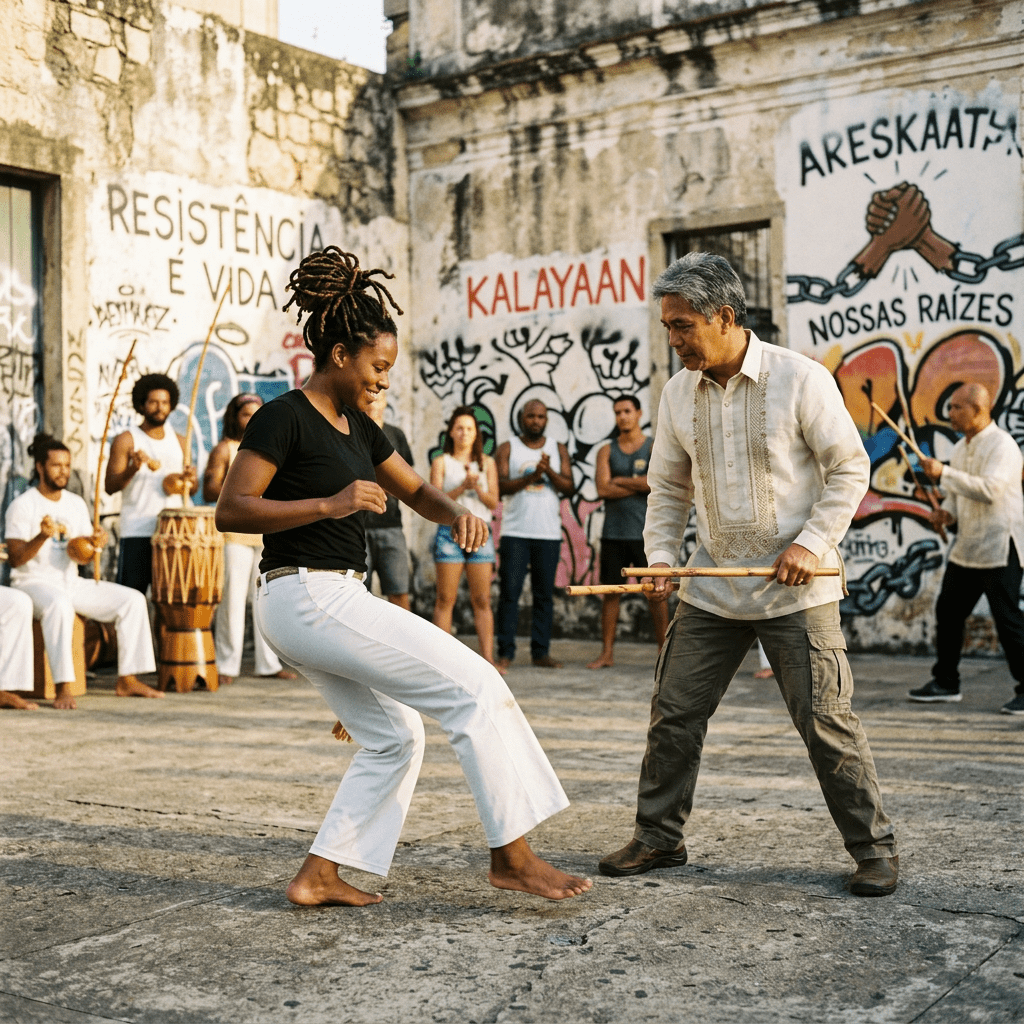
Two people engage in capoeira surrounded by musicians and supporters in an urban setting
Perhaps the deepest and most compelling connection between Capoeira Angola and Filipino Martial Arts (FMA), such as Kali, Arnis, or Eskrima, lies in the shared socio-historical crucible of their development. Both arts were not merely systems of combat; they were complex, clandestine cultural archives forged in environments where practitioners needed to ingeniously disguise their fighting skills to evade the relentless scrutiny, persecution, and outright prohibitions of colonial or ruling powers. This necessity for secrecy transformed the arts into sophisticated, multi-layered forms of cultural resistance.
Disguise, Secrecy, and Preservation
The survival of these martial traditions hinged on their ability to camouflage themselves within the fabric of daily life, transforming innocuous activities into vital tools for self-defense and rebellion:
Capoeira: The Dance of Deception:
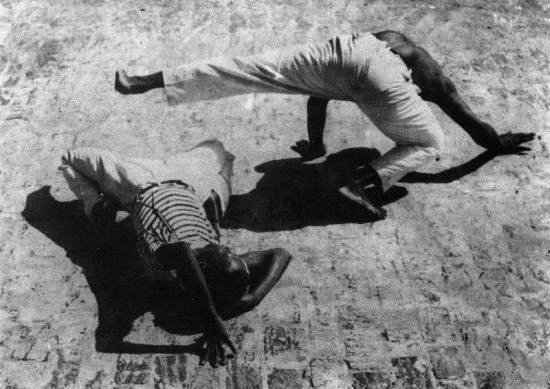
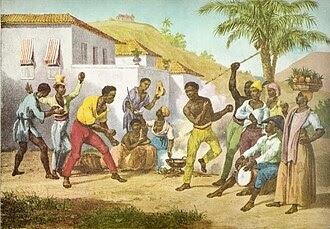
Enslaved Africans in Brazil, stripped of their freedom and cultural identity, developed Capoeira as a means to practice and preserve their martial prowess right under the noses of their captors. The movements—sweeps, kicks, and evasions—were skillfully interwoven with the aesthetics of dance, music, and ritual. This transformation made Capoeira appear as a playful, spiritual, or athletic pastime rather than a deadly fighting system.
The circle (roda) became far more than a performance space; it was a sacred sanctuary, a localized zone of autonomy, and a highly efficient training ground. Its circular nature ensured all-around awareness and allowed for rapid defense against outside intervention.
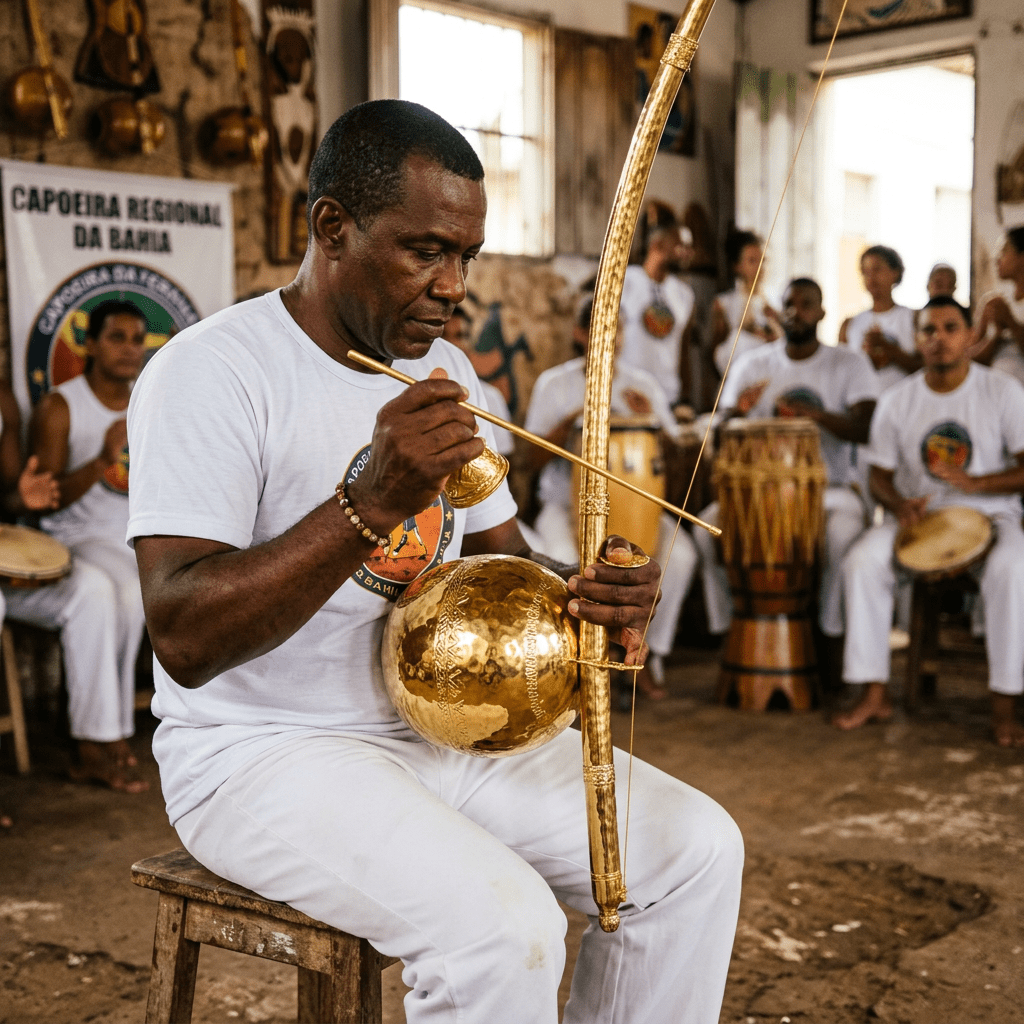
The berimbau—a simple musical bow—was central to this deception. It did not merely dictate the pace and intensity of the jogo (the game/fight); historically, it served as a vital communication and warning system. Changes in its rhythm could signal the approach of overseers (feitores), instantly transitioning the ‘fight’ back into an ‘innocent’ dance. This cultural mechanism was fundamental to the art’s survival and its enduring identity as a cultural marker of resilience.
Filipino Martial Arts (FMA): The Art in the Act:
The fighting movements were frequently disguised as intricate folk dances (Sayaw), ensuring the preservation of complex footwork, striking patterns, and defensive maneuvers within seemingly harmless cultural performances. The flowing, circular motions of the stick-and-blade fighting were retained, albeit stylized, in the Tinikling or other regional dances.
Essential martial knowledge was also embedded in agricultural practices or religious rituals. For instance, the use of the bolo (a common farming implement) mirrored its function as a war implement, and the movements for planting or harvesting could conceal fundamental disarming or trapping techniques. This strategic enculturation ensured that indigenous martial knowledge and the fighting spirit of the people could be passed down through generations despite relentless foreign oppression.
Cultural Artifacts as Symbols of Identity and Resilience
The tools and objects associated with both traditions transcend their functional utility; they stand as powerful symbols of identity, cultural continuity, and historical resilience.
The Berimbau and the Soul of Capoeira:
In Capoeira, the berimbau is the master instrument that dictates the very rhythm, energy, and character of the jogo (game/fight). It acts as the “soul” of the roda. Its sounds communicate not just the speed but the philosophical depth of the interaction, embodying the unity of music, movement, and fighting technique. It is the repository of the tradition’s oral history and ethical code, reminding practitioners that the art is a balance of aggression, evasion, and ritualistic respect.
The Olisi/Bolo and the Extension of the FMA Spirit:
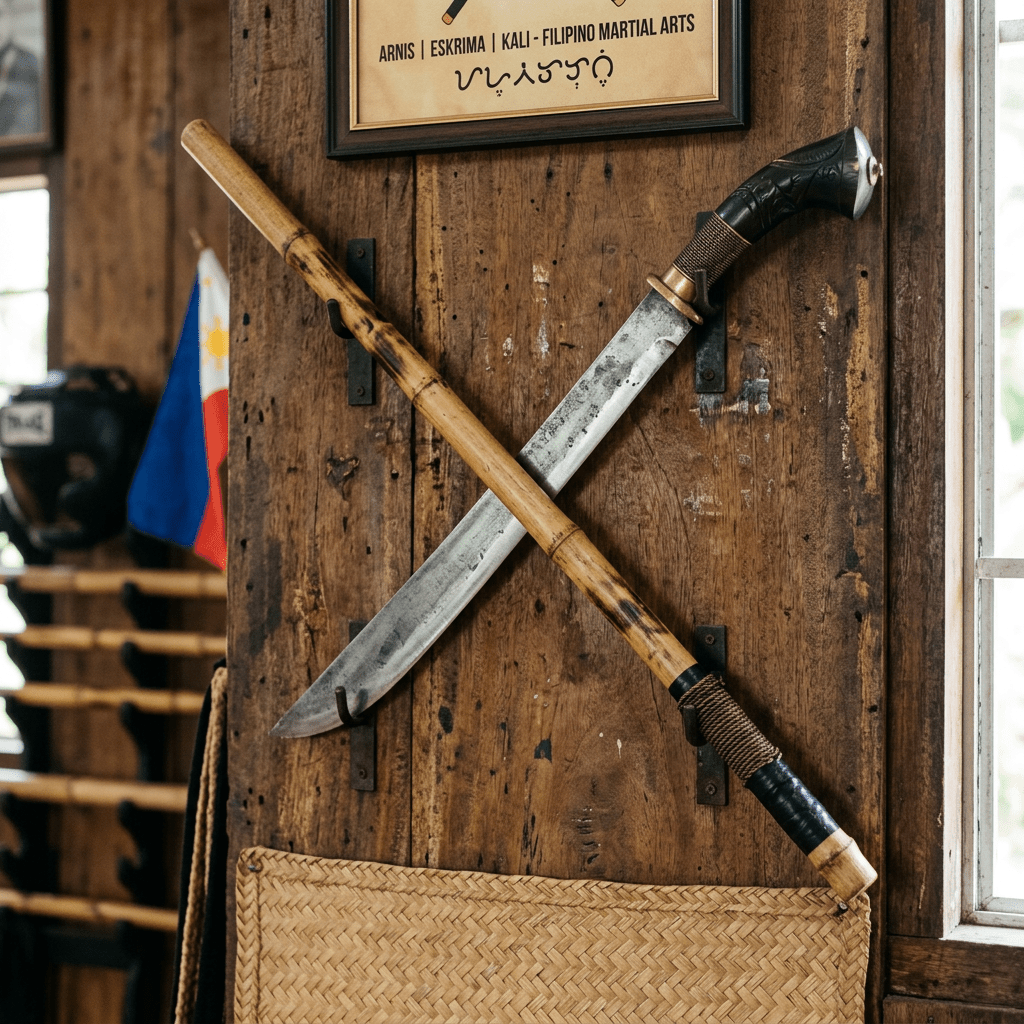
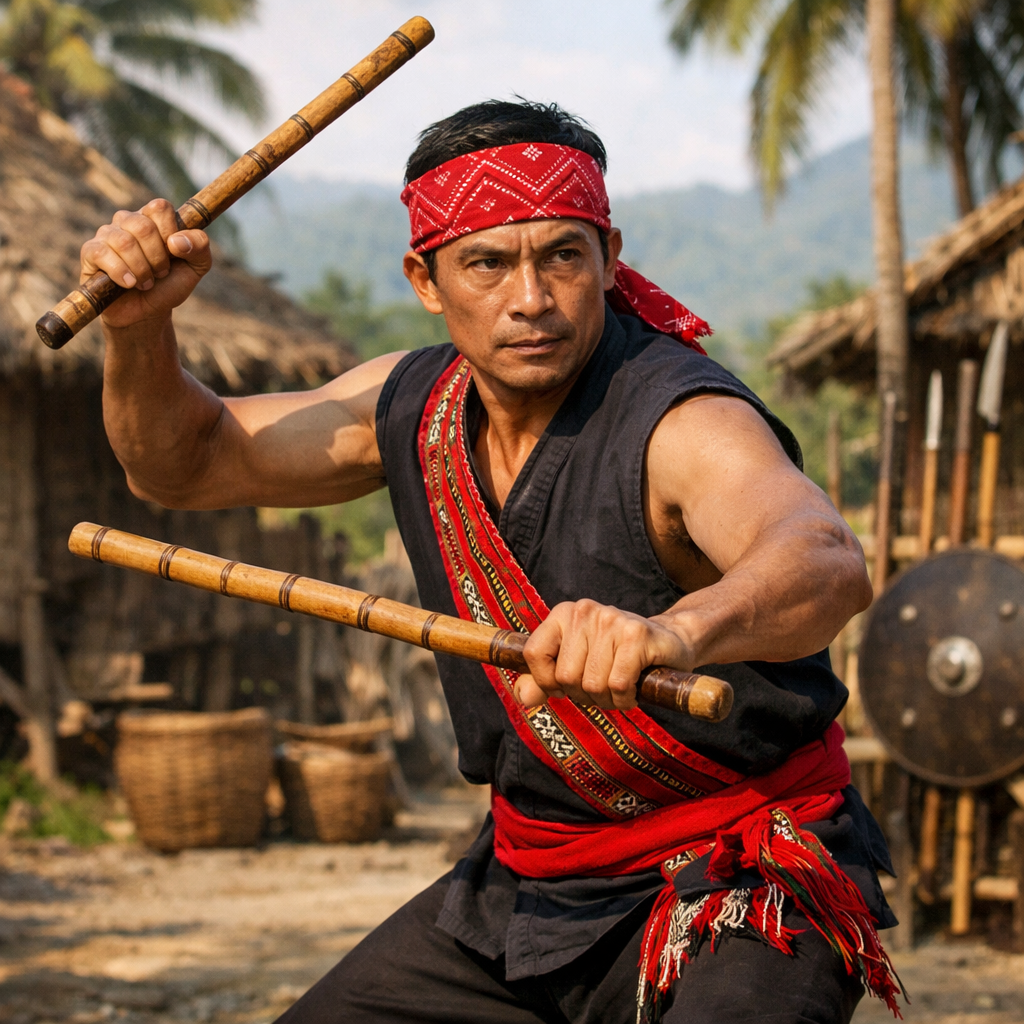
In FMA, weapons like the olisi (rattan stick) or the bolo (machete/sword) are considered direct extensions of the practitioner’s body, spirit, and history. The reverence for the weapon reflects the history of the Filipino people’s struggle for independence, where these tools were essential for both survival and warfare. The intricate relationship between the body and the weapon—emphasizing close-quarters, flowing, and unpredictable movement—is a testament to a complete martial philosophy where the weapon is seamlessly integrated into the natural motions of the human form.
Vehicles of Cultural Transmission
Ultimately, both Capoeira and FMA operate as holistic vehicles for cultural transmission. They are living histories that utilize more than just physical training to perpetuate their legacy. They pass on:
The profound connection between Capoeira Angola and Filipino Martial Arts (FMA) is deeply rooted in their historical and philosophical foundations, as well as their practical function as tools for survival and cultural preservation.
Shared Cultural and Historical Narratives
History and Philosophy: Both arts serve as living archives, meticulously preserving the oral traditions, songs, and practical applications of their techniques. In Capoeira, the rhythmic songs (quadras and chulas) sung in the roda are powerful historical narratives, recounting the struggles, resistance, and enduring spiritual fortitude of enslaved African and Afro-Brazilian ancestors. Similarly, the philosophies and movements embedded within various FMA styles—such as Kali, Escrima, or Arnis—embody the histories of indigenous Filipino peoples and their defiance against colonial powers. They are testaments to a shared human experience of oppression, resilience, and the relentless fight for freedom and cultural identity.
Tools for Practical Survival and Holistic Development
Practical Survival Skills: The arts transcend mere physical combat; they are comprehensive systems for survival that address the mental, spiritual, and communal aspects of existence. Beyond the mastery of strikes, blocks, and evasions, the traditions impart essential, life-sustaining lessons. Discipline is forged through rigorous practice and adherence to the art’s ethical code. Strategic thinking is honed by the improvisational, dynamic nature of the fight or game—demanding practitioners to anticipate, adapt, and exploit openings. Most critically, the arts foster community building and personal resilience. Under colonial regimes, the practice was often a clandestine act, requiring absolute trust and cooperation, thereby strengthening the social fabric. The physical and mental toughness cultivated was not just for fighting, but for enduring harsh living conditions and maintaining hope.
The Reinforcement of Collective Identity
A Sense of Collective Identity: The physical space of practice becomes a sacred crucible for forging collective identity. In Capoeira, the roda (the circle) is a microcosm of society, where individual expression is balanced by communal support and responsibility. The energy, rhythm, and mutual respect within the roda transform individual practitioners into members of a shared lineage. Likewise, in the FMA training group or eskrima school, the communal training reinforces a powerful bond and collective purpose. By learning and embodying the art, practitioners cease to be mere individuals; they become active custodians and inheritors of a deep, complex, and hard-won cultural heritage, ensuring its transmission and vitality for future generations. This collective ownership transforms the martial art into a profound act of cultural sovereignty.
Conclusion:
The comparative study of Capoeira Angola and Filipino Martial Arts (FMA) reveals a profound and often overlooked relationship: that these disparate systems are bound by more than mere coincidence. Their independent evolution represents parallel trajectories in strategic combat intelligence, a testament to the universal capacity for innovation under duress. Both martial traditions emerged from the crucible of oppression—whether the Portuguese colonization of Brazil and the enslavement of African people, or the successive waves of foreign subjugation endured by the Philippines. This shared genesis instilled within them a core philosophy of survival, cultural preservation, and the unrelenting pursuit of physical and spiritual freedom.
The functional and philosophical convergences between Capoeira Angola and FMA are particularly illuminating. Both systems prioritize adaptability, utilizing low-profile stances, misdirection, and sophisticated timing to overcome a larger, often better-armed, adversary. In Capoeira Angola, the malícia (malice or feint) and the principle of constant flow (jogo de dentro) mirror the dynamic footwork, deceptive entries, and continuous flow (eskrima’s continuous attack principle) found in FMA. Furthermore, both arts developed methods of turning everyday objects or the practitioner’s own body into effective weapons—Capoeira’s concealed strikes and sweeping movements, and FMA’s mastery of the blade and impact weapons derived from farming tools. These convergences demonstrate that the most effective martial arts are not isolated technical inventions but organic, culturally-rooted responses to existential necessity.
While the aesthetic and stylistic differences are undeniable—the fluid, dance-like camouflage of Capoeira versus the linear, combative efficiency of many FMA styles—the foundational principles are identical: holistic engagement of mind and body, a profound respect for the lineage of knowledge, and the ultimate objective of resistance. The study ultimately posits that these arts serve as living archives of history, proving that resistance, when encoded into movement and culture, becomes an ineradicable force.
In contemporary digital and urban slang, the phrase “The Epidemic of Fake YNs” refers to a social trend where individuals adopt the aesthetic and language of the “YN” (Young N***a) lifestyle without actually being involved in the street culture it originates from. This phenomenon is often characterized by the performative use of specific vernacular, fashion choices, and behavioral mannerisms on social media platforms to project an image of street credibility or toughness that does not align with the individual’s actual background or daily reality.
The rise of this trend is closely linked to the algorithmic nature of short-form video platforms, where curated personas can quickly gain traction. By mimicking the “YN” archetype—often associated with youth-led urban movements, specific regional rap scenes, and a distinct sartorial style—these individuals seek to capitalize on the cultural capital of the streets. This appropriation often includes the adoption of hand signs, specific slang terms, and a “crashout” persona, which implies a reckless or high-stakes lifestyle that the individual does not actually lead. Furthermore, these digital platforms create an incentive structure that rewards hyper-masculine performances and high-engagement content, often blurring the line between genuine cultural expression and strategic personal branding. As a result, the “Fake YN” phenomenon serves as a case study in how social media can facilitate the rapid adoption, commodification, and eventual dilution of organic social movements for the purpose of global entertainment consumption.
Critics and members of the communities from which this culture originates argue that this “epidemic” trivializes the real-world struggles and systemic issues inherent in the genuine “YN” experience. For those living the reality, the “YN” archetype is often born out of necessity or navigation of specific socioeconomic environments, rather than a chosen aesthetic for digital consumption. By reducing these lived experiences to a collection of trends, “Fake YNs” essentially strip the culture of its historical and social context, ignoring the gravity of the “crashout” lifestyle they attempt to emulate.
The disparity between the performative toughness displayed online and the lack of authentic lived experience often leads to accusations of “clout chasing” or being a “studio gangster”. This friction highlights a significant disconnect: while the authentic community faces the actual consequences of street-level involvement, performers enjoy the social capital without the associated risks. This dynamic frequently results in intense gatekeeping within urban subcultures as a means of protecting the integrity of their shared identity from outside commodification.
Black men are often told workplace racism is just a few bad moments, a rude boss, or a difficult coworker. But a lot of the mistreatment we face on the job is bigger than that; it is a pervasive, systemic issue that shapes the entire professional experience.
In this video, You tuber Cool Colas breaks down three specific systemic racist agendas used against Black men in the workplace: Minority Minion Manipulation, Nitpick Supremacy, and Advancement Blockade. These are not accidental occurrences but deliberate systems used to regulate Black men, over-evaluate our performance, use other people as pawns against us, and deny us the grace afforded to our peers. These structures are designed to keep Black men useful to the organization without ever truly providing the support or opportunity for them to rise to leadership. These systemic structures often involve psychological tactics such as fake “tough love,” rigid and often arbitrary professionalism standards, and public embarrassment, which function as coordinated tools of control.
When combined with constant over-policing and deliberate advancement blockades, these methods create a hostile and suffocating environment. The result is that Black men are left feeling confused, intentionally underpaid, and professionally isolated. The cumulative impact of navigating these agendas often leads to profound mental exhaustion and, in many cases, results in Black professionals becoming unemployed or pushed out of their industries.
By naming these tactics—such as the weaponization of professionalism standards and the use of public embarrassment—Black men can shift the burden of responsibility from themselves back onto the coordinated systems of control that create hostile and suffocating environments. These systemic agendas are deliberate structures used to regulate and over-evaluate performance. Ultimately, this awareness serves as a crucial defense against the profound mental exhaustion and professional isolation that often lead to being pushed out of industries.
Cool Colas further elaborates on how systemic structures like fake “tough love,” rigid professionalism standards, and public embarrassment function as tools of control in the workplace. These tactics, alongside over-policing and deliberate advancement blockades, work in tandem to create a hostile environment that leaves Black men feeling confused, underpaid, and isolated. The cumulative effect of these agendas often leads to profound mental exhaustion and, in many instances, leads to Black professionals becoming unemployed.
By identifying these experiences not as isolated incidents but as interconnected parts of a designed system, individuals can begin to reclaim their professional narratives and protect their mental well-being. Recognizing these structures is a vital first step toward understanding that the failure is within the system, not the individual.
This naming process allows Black professionals to see through the psychological tactics used to keep them useful to an organization while denying them the grace or support necessary for leadership. If you do not name the system, you will keep blaming yourself for what the system was designed to do to you. Recognizing these structures is the first step toward reclaiming your narrative and mental well-being in professional environments.
Support Cool Colas!
By engaging with this content, you help highlight the systemic racist agendas used against Black men. These insights provide a necessary framework for understanding how over-policing, public embarrassment, and the denial of grace function to isolate and exhaust Black professionals.Subscribe to His channel at https://www.youtube.com/@coolcolas
Join the community to explore how professionalism standards and fake “tough love” are weaponized (among other things), and learn to identify the systems that contribute to being underpaid or unfairly targeted in the workplace.
Capoeira Angola videos available online offer a captivating window into a rich and vibrant cultural tradition. These digital showcases go beyond simple instruction, acting as vital archives of Capoeira’s evolution as a complex, multifaceted art form. They meticulously document the intricate interplay of music, movement, self-defense, and historical expression. Viewers are treated to demonstrations of astounding agility and technical prowess, witnessing practitioners execute intricate movements that seamlessly integrate elements of acrobatics, rhythm, and strategy. This visual record is foundational for anyone seeking a deep appreciation of the art, serving as an indispensable resource for understanding its historical roots and sociological complexity.
By providing unedited glimpses of the practice, these records are essential for understanding the historical roots, sociological complexity, and cultural significance of Capoeira Angola. These archival materials serve as a primary window into the traditional movements, rituals, and musicality that define this Afro-Brazilian art form. Beyond mere performance, this digital archive meticulously documents the intricate interplay of music, movement, self-defense, and historical expression, allowing viewers to witness the technical mastery of foundational movements like esquivas, rasteiras, and aús performed in the style’s distinctively grounded posture.
This visual medium fulfills a profound dual role: it both entertains with the physical beauty and fluid strategy of the art while serving as a vital, accessible resource for exploring Capoeira’s deep, often-untold history. By documenting the passion and commitment of the players, these videos act as dynamic educational tools that inspire future generations, portraying the art as a living tradition that embodies core values of resilience, creativity, and unwavering cultural pride. Ultimately, this medium fosters a deeper appreciation for the art as a living form of expression, historical preservation, and a testament to human resilience.
Today, we have the technical mastery of Contra Mestre Xandão do interior and Mestre Marrom SP within “Angola segura,” this archival record provides a vital window into the continuous lineage and spiritual depth of the practice.
Their participation illustrates the sophisticated technical skill and historical expression inherent in the tradition, showcasing the unwavering commitment and cultural pride that practitioners bring to the fluid strategy of the roda. Such recordings immortalize specific historical moments, capturing the interaction between esteemed figures and serving as primary sources for students and researchers worldwide. This documentation ensures that the transmission of knowledge and the continuation of the tradition are showcased in a contemporary setting, providing an immediate and invaluable window into the current vitality of the Capoeira Angola practice.
Beyond mere performance, this digital archive meticulously documents the intricate interplay of music, movement, self-defense, and historical expression, allowing viewers to witness the technical mastery of foundational movements performed in the style’s distinctively grounded posture. By documenting the passion and commitment of the players, these videos act as dynamic educational tools that inspire future generations, portraying the art as a living tradition that embodies core values of resilience, creativity, and unwavering cultural pride.
The landscape of modern hip-hop is a complex ecosystem, one where the pursuit of authenticity clashes daily with the imperative of performance and monetization. This essential tension, surprisingly, was articulated and dissected years ago through the lens of Aaron McGruder’s groundbreaking animated series, The Boondocks.
Using The Boondocks as an incisive analytical framework, this video documentary undertakes a deep, critical breakdown of the diverse ways in which identity—particularly Black identity—is constructed, performed, grossly misunderstood, and ultimately co-opted and reshaped within the confines of the modern rap industrial complex.
The documentary traverses a spectrum of contemporary artists, categorizing their relationship with the culture and the industry:
The Authenticists (The Riley Freemans): These are the artists who emerge from a genuine cultural context, using rap not merely as an art form but as an essential gateway and a raw, unfiltered expression of their lived experience. For them, the performance is an organic extension of their identity.
The Imitators (The Wuncler/Stinkmeaner Archetypes): This group comprises those who have meticulously studied the aesthetics, jargon, and performance markers of rap culture, often without possessing the foundational understanding or lived experience that birthed it. They become proficient at imitation, mistaking costume for culture, and leverage this superficial performance for commercial gain. Their success highlights a flaw in the system that rewards replication over genuine creation.
The Refusers (The Huey Freemans): Representing a small but powerful contingent, these artists actively refuse the demands of the performance machine. They resist the pressure to package, sanitize, or simplify their identity for mass consumption, often prioritizing artistic integrity and message over marketability and mainstream acceptance. Their stance offers a profound critique of the entire system.
This is more than just a surface-level critique of music; it is a deeper, more sociological examination of authenticity, the necessity of performance in a media-driven world, and the powerful, often exploitative, system that is designed to reward—and extract value from—both the genuine article and the skilled façade.
The modern entertainment and cultural economy has erected a sophisticated machinery around the concept of “identity.” This machine doesn’t just passively reflect culture; it actively shapes, standardizes, and commodifies it. Authenticity is no longer an inherent state of being, but a highly effective marketing asset. The industry requires a constant, high-stakes performance from its artists, blurring the line between personal expression and a meticulously managed brand. This dynamic creates a system where genuine talent must often compromise its integrity to survive, while a manufactured persona, expertly crafted to hit market trends and demographic targets, can achieve equivalent or even greater success. The underlying mechanism is a form of cultural alchemy: turning the raw material of human experience into profitable intellectual property, regardless of its original sincerity.
We live in an age where identity itself is a commodity that can be systematically studied, meticulously replicated, and ruthlessly monetized. Global digital platforms have accelerated this trend, offering unprecedented tools for self-curation and presentation, but simultaneously subjecting every aspect of human life—from personal taste to political opinion—to metrics and market logic. In this hyper-commercialized environment, the critical line separating genuine culture from mere costume—between deep-rooted, complex expression and a superficial, market-ready aesthetic—becomes increasingly blurred. This indistinction precipitates a profound crisis of truth and meaning that Aaron McGruder’s The Boondocks foresaw with startling, prophetic clarity. The animated series, with its incisive satire, recognized that the infrastructure supporting celebrity and cultural production was fundamentally rigged, prioritizing surface-level consumption over substantive artistic merit or cultural truth.
The fundamental query has thus shifted from a moral or existential one to a purely practical and transactional one. The question is no longer “Are you real?” in the sense of possessing inherent integrity, but “Is your performance convincing enough?” This reframing highlights the victory of skilled execution over essential truth. In the spectacle of contemporary life, the reward goes not to the person who is most authentic, but to the one who can most convincingly simulate authenticity for mass consumption, thereby maximizing their value within a system designed for maximum extraction. The real tragedy is the systemic devaluation of unmarketable truth in favor of profitable illusion.