MALANDROS IN ACTION (3/4/25)… What is a Malandro, exactly?

Hi family,

I know I cover the definition of a Malandro on one of the permament PAGES, but I want to go over it again, to clarify what this series is about.

What is a Malandro? In Capoeira circles, there is a lot of things said about what a malandro is, representing a unique cultural archetype that embodies a blend of cunning, charm, and grace. The malandro is often seen as a trickster, one who navigates through both the complexities of life and the movements within the Capoeira game with a certain finesse that captivates those around them. This character is more than just a performer; they possess an innate ability to read the energy of the roda, adjusting their strategies and movements to flow seamlessly with the rhythm of the game and the interactions with other players.

They often use their wit and cleverness to turn challenges into opportunities, showcasing a playful resilience that draws admiration and respect from those around them. This ability to adapt and thrive in various situations not only highlights their intelligence but also reflects a deep-seated understanding of human nature and social dynamics. The essence of a malandro is deeply intertwined with the philosophy of Capoeira, which celebrates not only martial skill but also artistic expression and social commentary. This dance-fight form serves as a medium for the malandro to communicate stories, convey emotions, and reflect on societal issues, weaving together movement and meaning in a captivating way. By embracing both physicality and creativity, the malandro emerges as a vital figure in the cultural tapestry of this Brazilian art form, embodying the spirit of resistance and the joy of life, inspiring others to appreciate the richness of their heritage and the importance of community.

I created the “Malandros in Action” series, so we can explore the “Modern malandro” in contemporary society, examining their cunning strategies to evade deception and navigate the complexities of urban life. Although the malandro has a deep connection to the rich traditions of Capoeira, most of the individuals I’m showcasing are not capoeiristas, which allows us to broaden our understanding of this archetype. These individuals, often characterized by their resourcefulness and charm, harness their unique skills to outsmart conventional systems, deftly maneuvering through societal expectations and constraints. Their presence is not just about physical prowess; it also embodies a philosophy of resilience and adaptability, making the Malandro an essential figure in the Capoeira community and beyond. Through engaging storytelling and in-depth analysis, we’re delving into the intricate web of social dynamics that enables them to thrive, revealing not just the challenges they face but also the clever tactics they employ to turn obstacles into opportunities and ensure their survival in a constantly shifting landscape.

By examining various case studies and personal narratives, we can highlight how the modern malandro navigates issues such as economic disparities, cultural identity, and social justice, all while fostering a sense of community and collaboration among peers. This series will not only celebrate their ingenuity but also provoke thought about the broader implications of their actions within the urban framework, ultimately enriching our appreciation for their multifaceted existence.

PARANAUE, PARANA!

In a PREVIOUS POST, I said I was gonna tell you guys about the song the guys in white were singing in that scene.

Well, today’s the day.


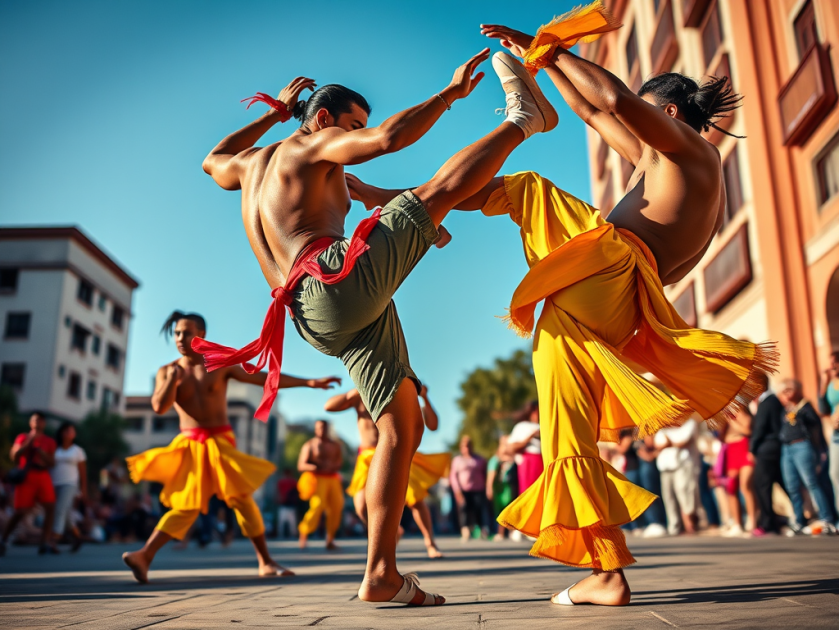
Possibly the most emblematic of all Capoeira songs, Paranauê is a song that every Capoeirista must know, as it encapsulates the spirit and culture of this vibrant martial art. It’s one of the most famous capoeira songs, resonating with enthusiasts even before it gained widespread popularity through the movie “Only the Strong,” where they sang that song to everyone’s delight. The infectious rhythm and powerful lyrics invite participants to embrace the essence of capoeira, creating a sense of unity and celebration.

And despite consisting of only one word, I know when some of you first heard the song and tried to sing along with the chorus, you were singing “Banana way…”, don’t lie. This humorous mix-up has become a fond memory for many, highlighting how capoeira not only teaches physical prowess but also fosters a sense of community and joy among practitioners.

So what is the history and meaning behind this song?

As with pretty much all capoeira history, no one really knows for sure it’s exact origin.

Now before I go on, I just want to point out that there are other versions of this song, each offering a unique interpretation and style that may resonate differently with listeners. Some provide a more upbeat tempo, while others focus on the emotional depth of the lyrics.

I’m posting this one because they include the lyrics in the video, allowing you to fully engage with the song’s message and meaning as you listen. This can enhance your experience, helping you appreciate not only the melody but also the story it tells through its words, making it more relatable and enjoyable for audiences of all backgrounds.


Parana is the name of a state in Brazil, known for its rich cultural heritage and stunning landscapes. It has come to represent freedom, a theme deeply ingrained in the spirit of the Brazilian people, and is used symbolically in many capoeira songs that celebrate resilience and bravery. One of Capoeira’s most famous and popular songs, “Paranaue,” is particularly renowned among practitioners and enthusiasts alike.

This song essentially refers to the WAR OF PARAGUAY, a significant conflict that took place between Paraguay and Brazil during the late 19th century.


Since logically the masters and rulers did not want to be on the front line, they deployed a large number of slaves to fight for them with an enticing incentive lifeline; an offer of freedom in case they returned alive after bravely battling the enemy. The slaves, often skilled in various forms of combat, had an added advantage in hand-to-hand combat due to their capoeira skills, which enabled many of them to not only survive but to return alive and share their experiences.


Following the harrowing battles, on the way back, from the tumultuous and chaotic front lines, the now ex-slaves gathered on the scenic banks of the Parana river, where they gave vent to their feelings through this beautiful and poignant song that encapsulated their struggles and triumphs. Despite the underlying tragedy of the war, during which almost seventy-five percent of Paraguayans lost their lives in brutal confrontations, it emerged as an important milestone in the life of the slaves of Brazil, marking a pivotal point in their quest for freedom and recognition. This song is not just a reflection of sorrow; it carries with it the resilience and enduring spirit of those who fought for their dignity. Today, it is commemorated to this day throughout the country, serving as a reminder of the sacrifices made and the cultural legacy forged in the fires of conflict.

There is also another “origin story” for this song, which gives credit to the creation of the song to Mestre Genaro. Apparently, one day his friend Mestre Paraná (Osvaldo Lisboa dos Santos) did not appear at the roda of Mestre Arthur Emídio, where he was expected, leaving everyone curious about his absence.

Mestre Genaro spontaneously began to sing “Paraná ê, Paraná ê, Paraná! ê cadê você Paraná, Paraná ê, Paraná…”

The second story not quite so romantic as the first one, although it may possibly be the more accurate version.

So, Which version is correct?

Well, who knows? Maybe it just took Mestre Genaro to invent the unmistakable melody for the chorus, which was then combined with the original verses referring to the war, creating a powerful narrative that resonated deeply with listeners.

This innovative blend of music and storytelling not only highlights the struggles faced during that tumultuous time but also brings forth the collective emotions of a community yearning for resilience and unity. Or perhaps it could be that this remarkable combination of a great tune, infused with the rich history and emotional weight of the story, that made Paranauê such a timeless classic, captivating generations with its heartfelt message and stirring harmonies that echo long after the last note fades away.

I’m gona end with this…