THE MOMENT OF TRUTH FRIDAY CRIME REPORT (2/20/26)

The Friday Crime Report: Unpacking Systemic Injustice and the Fight for Equality

PROFESSOR BLACK TRUTH and “The Friday Crime Report”: An Essential Voice for Unflinching Justice

Every Friday morning, PROFESSOR BLACK TRUTH—a compelling and critical voice available on YouTube—unveils the latest installment of “The Friday Crime Report.” This program is far more than a simple digest of weekly events; it is an essential, powerful, and utterly unflinching deep dive into the complex web of systemic issues plaguing the Black community across the nation. It is a necessary and high-impact platform that dedicates itself not merely to documenting tragic events, but to fiercely dissecting the root causes and the widespread, devastating societal impacts of institutional failures.

The show confronts deeply entrenched and uncomfortable truths with academic rigor and moral clarity. These truths include the pervasive and persistent scourge of systemic racism, the crushing weight of structural economic inequality that stifles opportunity, and the critical, life-and-death issue of police brutality that continues to erode community trust and safety. Professor Black Truth forces viewers and listeners to look beyond the headlines and into the deeper machinery of injustice.

A Mission to Inform, Inspire, and Incite Action

“The Friday Crime Report” is meticulously designed to be far more than just a news broadcast or a simple commentary show; it operates as a profound call to sustained awareness and a resolute demand for corrective action.

Its core objective is singular and urgent: to spark an essential, often uncomfortable, yet ultimately productive public dialogue and inspire genuine, meaningful, boots-on-the-ground community engagement. The program’s foundational philosophy is the unwavering belief that informed discussion, backed by facts and analysis, is the indispensable precursor to meaningful, measurable, and enduring societal change.

Professor Black Truth expertly weaves together factual evidence, rigorous academic analysis, and relatable, often heartbreaking human experiences. This potent and accessible blend is crucial, as it makes the seemingly complex and often painful issues of racial and economic injustice accessible and profoundly understandable to a broad, diverse audience—from those in academic circles to everyday community members.

Ultimately, Professor Black Truth’s enduring mission is to move every single listener and viewer from the role of a passive observer into a passionate, educated, and effective advocate. The goal is to motivate individuals to fight for genuine equality and justice within their own neighborhoods, cities, and spheres of influence, transforming knowledge into power.This Week’s Focus: A Horrifying Incident and Unsettling Aftermath

The latest episode of “The Friday Crime Report” grapples with a particularly shocking and complex event that has shaken the nation: a recent mass murder at a school-related event in Rhode Island. The facts presented by the Professor are chilling, noting specifically that the perpetrator was unequivocally identified as a “mouth-frothing anti-black racist.”

However, the report makes it clear that the full story did not conclude with the initial tragedy and the identification of the killer. As the host states, following the initial horrific details, “then things got REALLY weird!” This evocative statement signals the show’s signature move: its commitment to investigating the strange, the overlooked, and the potentially conspiratorial elements that often surround acts of racially motivated violence. This approach prompts a deeper, more critical look into the societal reactions, the shifting media narratives, and the official handling of the case—all of which may, intentionally or unintentionally, obscure a full and honest accounting of the facts and motivations.

—–Support and Connect with Professor Black Truth:

To support the continuation of this essential and uncompromising work, you can connect with Professor Black Truth via the following platforms:

Twitter/X: /profblacktruth

Today in FAFO…

Argentine Tourist Learns Brazil Doesn’t Play About Racism

The recent arrest and subsequent legal action against an Argentine tourist in Brazil serves as a stark reminder that the South American nation has a zero-tolerance policy when it comes to acts of racial discrimination. The incident, which has garnered significant attention in both countries, highlights Brazil’s commitment to combating racism and holding perpetrators accountable, regardless of their nationality.

The case unfolded after a formal complaint was lodged against the tourist, who allegedly directed racist slurs and insults toward a Brazilian citizen in a public setting. Witnesses and available evidence supported the victim’s account, leading to the swift intervention of local law enforcement. In Brazil, racism is classified as a serious crime, subject to strict penalties, including imprisonment, with laws continually being strengthened to protect the dignity and rights of all citizens and residents.

This incident is not an isolated event; it reflects a broader, ongoing effort within Brazil to acknowledge and address its deep-seated history with racial inequality. Public awareness campaigns, educational initiatives, and vigorous prosecution of hate crimes demonstrate a societal commitment to ensuring that the country’s diverse population can live free from prejudice. The prompt and firm response by Brazilian authorities in this particular case sends a clear message internationally: visitors to Brazil are expected to adhere to its laws, and racist behavior will be met with the full force of the legal system.

For the Argentine tourist, the lesson is a harsh one, underscoring the crucial difference in legal frameworks and social attitudes toward racism between nations. The legal proceedings are set to continue, illustrating that in Brazil, the fight against racial discrimination is a matter of profound seriousness and justice, not simply a social issue to be ignored.

THE MOMENT OF TRUTH FRIDAY CRIME REPORT (2/13/26)

The Friday Crime Report: Unpacking Systemic Injustice and the Fight for Equality

Every Friday morning, PROFESSOR BLACK TRUTH delivers “The Friday Crime Report,” a vital and unflinching program dedicated to dissecting the root causes and devastating impacts of systemic issues on the black community. The show operates as a crucial platform for addressing deeply entrenched problems such as systemic racism, pervasive economic inequality, and the critical issue of police brutality.

A Mission to Inform and Inspire

“The Friday Crime Report” goes beyond mere reporting; it is a call to awareness and action. By featuring candid expert interviews, deep-dive analysis, and compelling personal stories, the program illuminates the multifaceted challenges faced by marginalized individuals and communities. Its core objective is to spark essential public dialogue and inspire genuine community engagement, believing that informed discussion is the precursor to meaningful societal change. The show expertly blends factual evidence and rigorous analysis with relatable, human experiences, effectively making complex and often painful issues accessible to a broad audience. Ultimately, Professor Black Truth’s mission is to motivate every listener to become a passionate advocate for equality and justice within their own communities.

—–In Today’s Critical Installment: The Failure of Justice for a Middle School Assault

This week’s program focuses on a disturbing case that starkly illustrates the disparity and failures within the juvenile justice system.

The segment will investigate the shocking incident that took place last year, where a gang of middle school students carried out a sexual assault against a classmate. The gravity of the crime is compounded by the fact that the group was led by their very own class president, Vaughan Griffith, who not only participated but also recorded the entire attack on video.

The Pressing Questions for Justice

“The Friday Crime Report” seeks to answer the community’s most urgent questions surrounding the case:

  • Why has only one of the numerous assailants been officially charged? The lack of comprehensive legal action against all perpetrators raises serious concerns about accountability and the protection of victims.
  • Why have none of the involved individuals, including the ringleader Vaughan Griffith, been charged with the appropriate crime of sexual assault? The miscategorization or deliberate downplaying of the charges is a critical point of focus, suggesting a potential failure in applying justice equally, particularly when the accused come from backgrounds that may afford them certain protections or privileges within the system.

Professor Black Truth will use expert testimony and a detailed review of the case evidence to expose the mechanisms at play that allow such systemic failures to occur, ensuring that this victim’s story—and the broader implications for justice—are not erased.

—–Support the Pursuit of Truth and Justice

“The Friday Crime Report” is sustained by the community it serves. If you believe in the importance of exposing systemic injustices and advocating for the Black community, please consider supporting Professor Black Truth’s work:

CashApp: $ProfessorBlacktruth

Patreon:  / professorblacktruth

PayPal:  https://www.paypal.com/paypalme/ProfB…
Stay Connected: / profblacktruth

THE MOMENT OF TRUTH FRIDAY CRIME REPORT (1/30/26)

Every Friday morning, PROFESSOR BLACK TRUTH hosts “The Friday Crime Report,” a program that addresses systemic racism, economic inequality, and police brutality impacting the black community. Through expert interviews and personal stories, it highlights the challenges faced by marginalized individuals, aiming to spark dialogue and inspire community engagement for meaningful change. The show combines factual evidence with relatable experiences to make these complex issues accessible, ultimately motivating its audience to advocate for equality and justice in their communities.

In Today’s installment…

The Loletha Hall Tragedy: A Microcosm of Systemic Inequity

The abhorrent murder of Loletha Hall in 2024 by William Brock, a self-identified racist armed with a firearm, did more than just end a life; it ripped open a deep fissure in the American justice system, exposing the institutionalized racial bias that continues to undermine the very concept of equal justice under the law. While the facts of the crime were clear—a heinous act motivated by racial hatred—the subsequent legal proceedings transformed a pursuit of justice into a disturbing spectacle of misplaced sympathy for the killer.An Unsettling Display of Judicial and Prosecutorial Empathy

The sentencing phase of William Brock’s trial became a flashpoint for national outrage and a powerful illustration of systemic inequity. In an extraordinary and profoundly unsettling moment, both the presiding judge and the prosecutor delivered apologies—not to the family of the victim, Loletha Hall, but to the convicted murderer. They expressed remorse for the necessity of imposing a prison sentence upon Brock, a man responsible for a racially-motivated homicide.

This performance of pity—directed at the white perpetrator of a crime against a Black victim—is not an isolated incident but a phenomenon frequently observed in the American judicial landscape. When the defendant is a white individual, especially one whose crime is rooted in racial animus, the mechanisms of the justice system sometimes appear to recalibrate, prioritizing the comfort and future of the offender over the gravity of the offense. This institutional reaction fundamentally trivializes the crime of murder and, by extension, the value of the victim’s life. The implication woven into these courtroom apologies is chillingly clear: the incarceration of a white racist is treated as a greater, more profound tragedy than the life he violently extinguished.Undermining Justice and Victimhood

The apologies extended to William Brock served to profoundly undermine the seriousness of his crime. By framing the killer as a sympathetic figure, burdened by the system’s mandate to punish, the court’s focus shifted dramatically away from Loletha Hall, her memory, and the irreparable loss suffered by her community and family. This imbalance suggests a foundational flaw in how racialized crimes are adjudicated, indicating a profound and unacceptable disparity in the levels of empathy and consideration extended to defendants based on their race.

The incident in the Brock sentencing serves as a stark, undeniable example of how systemic inequity operates in practice. The legal system, designed to be blind, instead demonstrated a clear prioritization: the comfort, freedom, and future well-being of the white offender were seemingly valued above the delivery of unequivocal justice for the Black victim. The court’s reaction codified a dangerous double standard, reinforcing the perception that justice is a commodity dispensed unevenly, often failing those who are most marginalized. The Loletha Hall tragedy, therefore, stands as a painful indictment of a system that often struggles to see the full humanity and worth of Black lives when weighed against the perceived tragedy of punishing white supremacy.

—–Support Independent Black Truth Media:

To support the ongoing work of uncovering and reporting on these issues and challenging the narrative of systemic racism in the justice system, consider contributing via the following platforms:

  • CashApp: $ProfessorBlacktruth
  • Patreon: /professorblacktruth
  • PayPal: /paypalme/ProfBlackTruthSocial Media: /profblacktruth

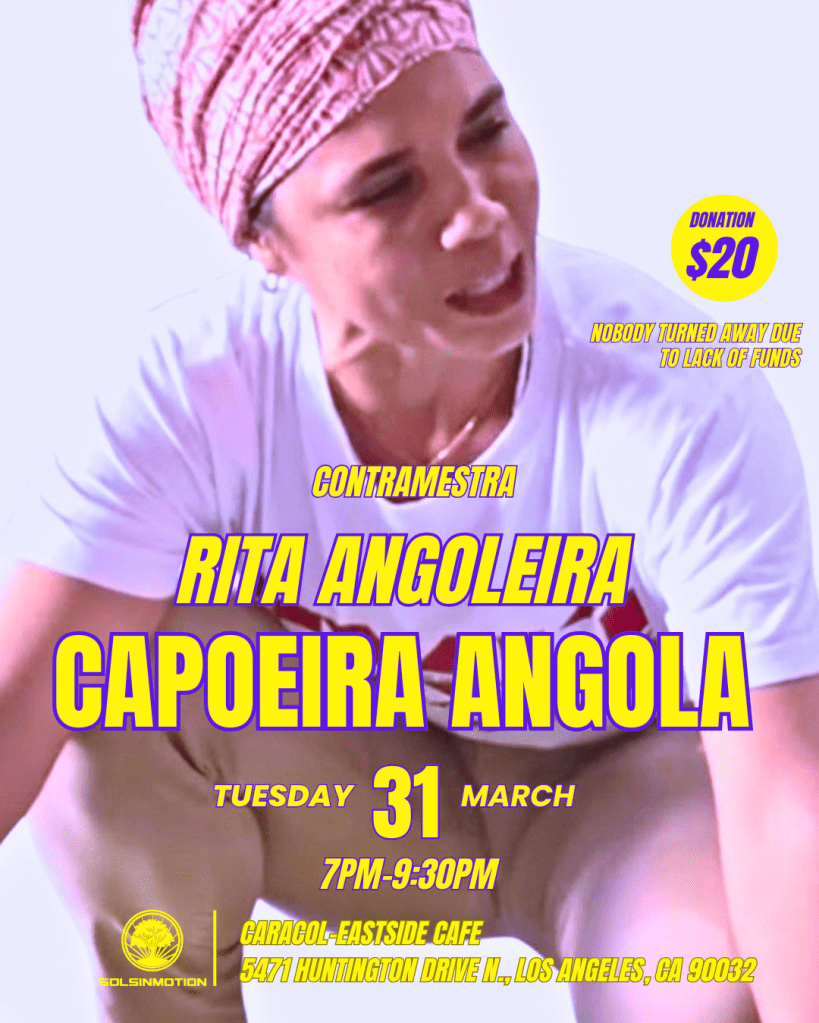
Navigating Modern Challenges: Capoeira Angola as a Framework for Resilience

This exploration delves into the profound utility of Capoeira Angola principles as a framework for survival, resilience, and resistance against some of the most formidable social and political challenges of the contemporary era. It posits that the historical and philosophical underpinnings of this Afro-Brazilian art form—a unique blend of dance, fight, music, and philosophy—offer invaluable lessons for enduring and overcoming systemic oppression, governmental overreach, and deep-seated societal injustices.

Furthermore, Capoeira Angola embodies a rich cultural heritage that fosters community solidarity and encourages individuals to embrace their identity and strength in the face of adversity. By integrating movement, rhythm, and storytelling, practitioners not only cultivate physical prowess but also develop a deep sense of purpose and connection with their roots. This dynamic practice serves as a powerful tool for personal empowerment and collective action, emphasizing the importance of solidarity among marginalized groups striving for justice. In essence, the principles of Capoeira Angola can inspire new generations to navigate and challenge the complexities of modern life while promoting social change and cultural appreciation.

The Socio-Political Landscape of Resistance

This article specifically addresses the need for a survival strategy in the face of:

  1. The Presidency of Donald Trump: This period is recognized for its polarizing rhetoric, challenges to democratic norms, rapid shifts in policy, and the political mobilization of extreme ideologies. The unpredictability and intensity of this political climate necessitated a strategy for both psychological and practical self-preservation, focusing on adaptability and maintaining core values amidst chaos.
  2. Immigration and Customs Enforcement (ICE): ICE represents a powerful and often controversial manifestation of state control and repression, particularly impacting immigrant communities and people of color. Navigating this reality requires strategies for community defense, understanding the legal jogo (game), and maintaining emotional equilibrium while facing potential raids, detentions, and family separations.
  3. Systemic Racism: This enduring challenge, woven into the fabric of institutions and society, demands a long-term, holistic approach. Capoeira Angola’s historical context—originating from enslaved Africans as a tool for physical and cultural liberation—provides a direct parallel and a philosophical blueprint for dismantling, resisting, and surviving the pervasive effects of racial bias, economic disparity, and racial violence.
  4. Social Repression: Encompassing a broader spectrum of oppressive forces, social repression includes surveillance, censorship, police brutality, and the silencing of marginalized voices. Surviving this environment requires mastering the art of movement, camouflage (both physical and metaphorical), community solidarity (união), and the preservation of cultural identity as a form of protest.

Capoeira Angola as a Framework for Resilience: Historical perspectives

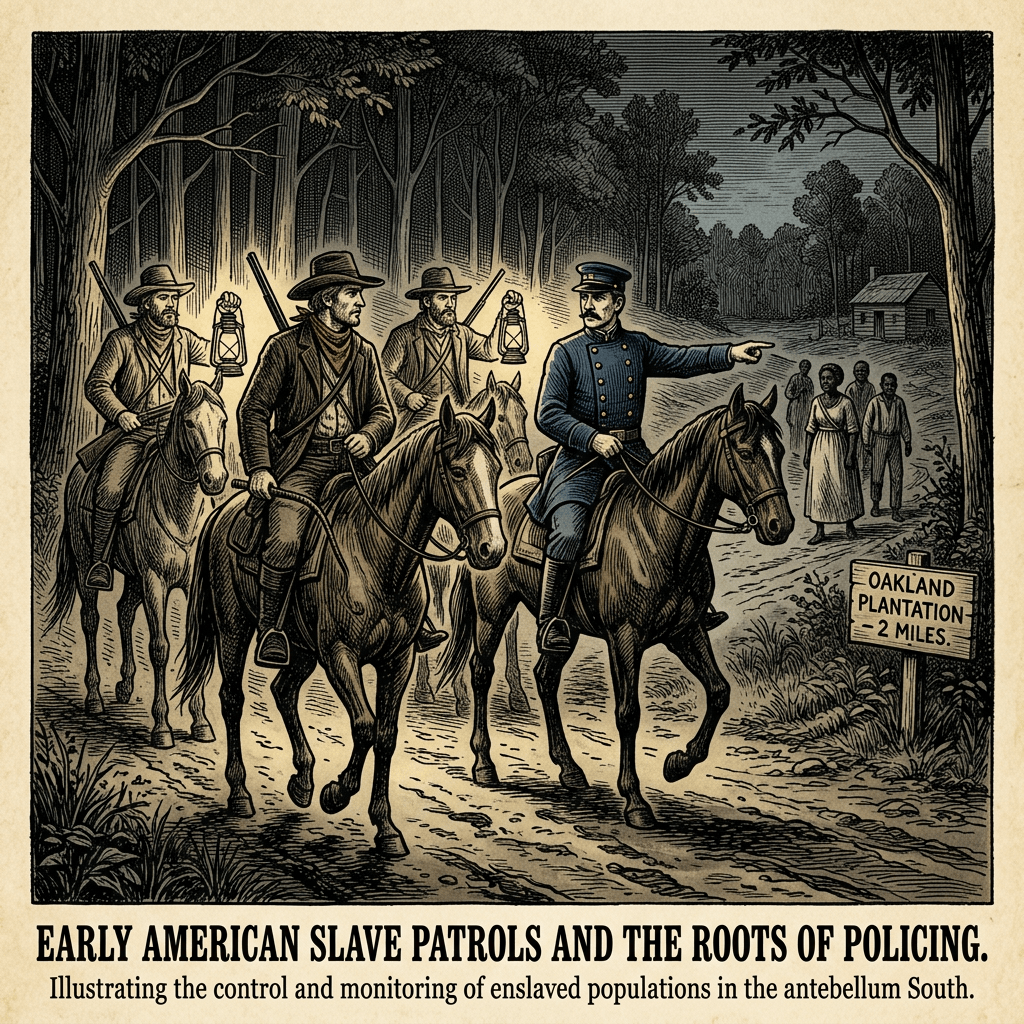
Capoeira Angola, a rich cultural and martial art form that originated in the African diaspora in Brazil, offers a profound framework for understanding and cultivating resilience. To fully appreciate its power in this capacity, one must delve into its tumultuous and transformative historical roots. Born out of the brutal realities of chattel slavery, Capoeira Angola served as a clandestine method of self-defense, resistance, and cultural preservation for enslaved Africans and their descendants.

The genesis of Capoeira Angola can be traced back to the senzalas (slave quarters) and the quilombos (runaway slave communities), where African traditions—music, dance, and fighting techniques—were secretly synthesized into a disguised form of combat. This disguise was crucial: by embedding powerful kicks, sweeps, and evasions within what appeared to be a recreational dance or ritual, practitioners could hone their fighting skills right under the noses of their oppressors. This very act of strategic concealment speaks volumes about the early practitioners’ ingenuity and psychological resilience—the ability to find strength and agency within an environment designed to crush their spirit.

Key historical perspectives that highlight Capoeira Angola’s link to resilience include:

  1. Cultural Syncretism and Preservation: Faced with the systemic destruction of their heritage, enslaved Africans infused Capoeira Angola with elements from various African cultures, blending them with new Brazilian realities. The instruments—such as the berimbau, atabaque, and pandeiro—and the songs (quadras and chulas) acted as carriers of memory, history, and communal solidarity. Preserving these elements in the face of forced assimilation was an act of profound cultural resistance and an affirmation of identity, both critical components of collective resilience.
  2. Physical and Mental Discipline: The rigorous training required to master Capoeira Angola—involving complex movements, acrobatic fluidity, and a deep understanding of rhythm and timing—provided practitioners with a powerful sense of self-mastery. The jogo (the “game” or sparring match) in the roda (the circle) is a demanding environment that requires constant adaptation, quick decision-making, and emotional control. This discipline was not merely for fighting; it was a way of fortifying the mind and body against the daily trauma of oppression, nurturing a foundational personal resilience.
  3. Community and Social Structure: The roda itself is a microcosm of a supportive community. It is a space where individuals are challenged, protected, and celebrated. The roles within the roda—from the mestre (master) who leads the music and determines the energy, to the players and the chorus—reinforce a structured, cooperative, and highly engaged social unit. This sense of belonging, mutual accountability, and shared purpose was, and remains, a vital historical source of collective resilience against external adversity.

In essence, the historical journey of Capoeira Angola—from the secrecy of the slave quarters to its development as a recognized cultural heritage—is a testament to human fortitude. It embodies a dynamic, embodied philosophy where physical agility, strategic thinking, musical dialogue, and communal support converge to foster a multi-layered resilience that transcends the physical realm, offering a timeless framework for navigating and overcoming modern-day challenges.

Capoeira Angola Principles: The Architecture of Survival

Capoeira Angola offers specific, actionable principles to confront these realities:

  • Malícia (Subtle Deception/Wile): In the face of powerful adversaries, direct confrontation is often suicidal. Malícia teaches the necessity of cunning, strategy, and misdirection. It is the ability to read the opponent’s (the system’s) intention, anticipate its moves, and use its own momentum against it. This translates to navigating bureaucratic systems, understanding political maneuvering, and protecting vulnerable communities through intelligent evasion rather than reckless aggression.
  • Mandinga (The Magic/Aura of the Game): Mandinga represents the intangible power, the spiritual conviction, and the confident, almost magical presence that commands respect and inspires fearlessness. It is the cultural armor that resists dehumanization. In the context of survival, this means maintaining cultural pride, spiritual resilience, and a powerful internal sense of self-worth that cannot be broken by repressive forces.
  • O Jogo de Dentro (The Inner Game): Capoeira Angola is as much an internal discipline as an external fight. O Jogo de Dentro emphasizes emotional control, patience (esperar), self-awareness, and the ability to maintain calm and focus during intense pressure (the roda). This principle is crucial for mental health, helping individuals survive the constant stress and anxiety induced by political turmoil and systemic threats.
  • A Ginga (The Swing/The Basic Movement): The Ginga is not merely a dance step; it is perpetual motion—a state of readiness, fluidity, and constant adaptation. It teaches that one must never be static or locked into a predictable position. In life, this means being flexible in one’s actions, prepared for policy changes, and constantly learning new ways to protect oneself and one’s community, maintaining a dynamic resistance posture.
  • Comunidade e União (Community and Unity): The roda (the circle where capoeira is played) is the ultimate symbol of community. Survival is never solitary. The principles of Capoeira Angola emphasize the collective responsibility of all participants to protect each other, maintain the energy of the roda, and ensure that everyone has the chance to jogar (play). This translates directly to building strong, resilient, and mutually supportive networks to withstand ICE raids, social isolation, and political attacks.

By adopting the philosophy and movement of Capoeira Angola, individuals embrace far more than a physical discipline; they participate in a profound cultural and psychological act of resistance. This intricate art form, born from the crucible of enslavement, functions as a holistic system for survival and self-determination. The practice is not simply a reaction to oppression, but an active, conscious engagement in the jogo—the game. This jogo is a life-long, dynamic contest demanding constant strategic thought, physical adaptation, and unwavering spiritual resilience.
Capoeira Angola’s inherent deceptive nature—masking deadly martial arts techniques within a dance-like, ritualistic performance—served as a vital mechanism for preserving the knowledge and power of the enslaved people. Every fluid motion, every feigned retreat, and every sudden, powerful kick represents a lesson in strategy, turning the oppressor’s gaze from a tool of control into a blind spot for liberation. Through the jogo, practitioners cultivate a deep-seated understanding of timing, deception, and the critical importance of community support, symbolized by the surrounding roda and the guiding music. This collective participation ensures not only the physical survival of the individual but, more fundamentally, the endurance and vibrancy of their spirit, their history, and their threatened culture. The ultimate goal is liberation—a continuous state of being free from physical and psychological bondage.

Honoring Black Culture Beyond February

Once again, February arrives, marking Black History Month in the United States—a time dedicated to celebrating the profound history, rich culture, and invaluable contributions of Black people across America. It is a period of national recognition where people of all racial backgrounds and communities come together to reflect on the past, acknowledge the struggles, and honor the enduring legacy that has shaped the nation.

This annual observance serves as a vital reminder to delve deeper into the stories, achievements, and continuing journey of Black Americans. It is a moment to amplify voices that have historically been marginalized and to appreciate the indelible mark Black culture has left on every facet of American life, from science and arts to politics and social justice.

Here at Jogo de Corpo Fechado, our commitment to the celebration of Black history, culture, and excellence transcends a single month, extending far beyond the traditional confines of February. This post serves as a firm, year-round reminder of our unwavering dedication to acknowledging, honoring, and promoting the profound and dynamic heritage of the Black diaspora. We believe that true recognition is not a seasonal observance but an ongoing process requiring continuous learning, active engagement, and persistent elevation.

This daily commitment is fundamentally intertwined with the very essence of Capoeira Angola, a living, breathing testament to Black resilience, ingenuity, and cultural synthesis. We see our practice as a direct continuation of a cultural tradition forged in resistance and steeped in history. Therefore, every roda (capoeira circle), every toque (musical rhythm), and every lesson on the art’s historical roots is an act of honoring Black excellence. We are dedicated to exploring and illuminating the intricate social, political, and spiritual context from which Capoeira Angola emerged, ensuring its legacy as a powerful force for freedom and cultural preservation is never diminished.

We strive to create an environment where the achievements of Black ancestors, artists, leaders, and thinkers are not just mentioned but are central to our shared educational experience. By adopting this year-round perspective, we ensure that the narratives of struggle, triumph, and cultural richness become an integral part of our community’s identity. Our goal is to move beyond passive acknowledgment to active advocacy, supporting initiatives, artists, and scholars who champion Black culture, both within the global Capoeira community and the wider world. This is our promise: to celebrate Black history, culture, and excellence not just during one month, but profoundly and actively, every single day of the year.

THE MOMENT OF TRUTH FRIDAY CRIME REPORT (1/30/26)

Every Friday morning, PROFESSOR BLACK TRUTH hosts “The Friday Crime Report,” a compelling and thought-provoking program that delves deeply into the intricacies of systemic racism, economic inequality, and police brutality specifically affecting the black community. By featuring insightful expert interviews and sharing poignant personal stories, the show seeks to illuminate the harsh realities faced by marginalized individuals while fostering a sense of empathy and understanding among viewers. The show aims to not only raise awareness but to ignite passionate dialogue that can truly lead to meaningful change within society. It presents a unique blend of factual evidence and relatable experiences, making complex issues more accessible to a broader audience. In doing so, it emphasizes the importance of active community engagement and involvement, proposing actionable steps for grassroots advocacy that empower individuals to take a stand. Ultimately, the program strives to motivate its audience to unite against injustices, encouraging them to contribute positively to their communities and advocate for a brighter future for all, where equality and justice are not just ideals but a reality experienced by everyone.

In Today’s installment…

Robert Burke’s history with his local Social Security Administration (SSA) office is a case study in escalating hostility and disruptive behavior. His initial actions culminated in the rare and significant consequence of being formally banned from the premises due to his chronic bad behavior, a measure typically reserved for individuals who pose a serious risk to the operational environment.

However, the imposition of the ban proved insufficient to deter Robert Burke’s escalating pattern of defiance. In a brazen and immediate act of contempt for authority, Mr. Burke subsequently returned to the Social Security Administration (SSA) office, a direct and intentional violation of the standing order that had been issued against him to ensure the safety and tranquility of the federal workplace.

This second episode marked a significant escalation in his aggressive and unacceptable conduct. Upon his unauthorized return, he did not merely loiter or protest quietly; he proceeded to issue direct, explicit, and highly disturbing threats. These threats were aimed not only at the professional security personnel who had been tasked with the challenging duty of maintaining order and enforcing the ban but also against the administrative staff, who are federal employees serving the public.

Such actions carry profound implications. They not only demonstrate a shocking lack of respect for the established rules, protocols, and the very concept of governmental authority, but they also actively work to create a hostile, intimidating, and potentially life-threatening working environment for the dedicated men and women who serve the public interest. The necessity of protecting these federal employees from such egregious behavior became paramount following this incident.

Yet, to truly understand the full scope of Robert Burke’s profoundly troubling and entrenched behavioral issues, one must look further back in his history. The public confrontations and explicit threats at the SSA office, while alarming, represent only the final, most visible culmination of his misconduct. What Mr. Burke did before these widely publicized incidents suggests a deeper, more ingrained pattern of rule-breaking, disregard for the safety of others, and general misconduct.

The details of this prior behavior, which predate the public spectacle that led to his eventual ban, are in fact even more concerning and reveal a darker trajectory than the widely known incidents. This history forms a crucial, and perhaps most disturbing, part of the overall narrative surrounding Mr. Burke, indicating a long-standing disregard for community norms and safety protocols that ultimately foreshadowed the events at the SSA office. The pattern of misconduct suggests that the public threats were not an isolated incident, but rather the inevitable consequence of a sustained and alarming history of disrespect for rules and personnel.

—–Support the work and detailed reporting:

CashApp: $ProfessorBlacktruth

Patreon: patreon.com/professorblacktruth

PayPal: paypal.com/paypalme/ProfBlackTruth
Twitter/X: @ProfBlacktruth—–#B1 #WeAreTheBlackMedia

She has a point!

And… what if that white woman was constantly referring to that black woman as a nig@er? or darkie? or junglebunny? Those and a few other slurs have been hurled my way, and sometimes it can nurt as well as a punch.Imagine a scenario where the systemic power imbalance is not just structural but personal, manifesting in a relentless barrage of verbal abuse. What if, for example, that white woman in the interaction was not just disagreeing, but was constantly and deliberately weaponizing language against the black woman, referring to her with vile racial epithets? Specifically, what if the words she hurled were terms like “nigger,” “darkie,” or “junglebunny”?

These slurs—and others of their ilk—are not merely insults; they are linguistic tools forged in histories of oppression and dehumanization. They are designed to diminish, to strip away dignity, and to reinforce a brutal hierarchy. Speaking from personal experience, having these particular slurs hurled my way has been deeply painful. There is a distinct, visceral quality to the injury they inflict. Sometimes, the emotional and psychological toll of that kind of targeted, hate-filled verbal assault can wound as profoundly and as painfully as a physical punch. It is a form of violence that leaves no visible bruise but carves deep, lasting scars into the psyche. The impact extends far beyond the moment of the utterance, fostering an environment of fear, contempt, and chronic invalidation.

Every individual possesses an inherent and inalienable dignity that must be respected by all others. This fundamental truth means that no person has the authority or the right to engage in verbal abuse, which includes the act of “calling you out of your name.” This phrase encompasses more than just mispronunciation; it refers to the use of derogatory slurs, insults, or any language intended to diminish, disrespect, or humiliate an individual.

Furthermore, it is unequivocally unacceptable for anyone to “label you as something less than.” This act of labeling is a form of dehumanization, where a person is reduced from a complex, unique human being to a simplistic, negative caricature. Such labels often rely on prejudice, stereotype, or bias, and they serve to strip the individual of their worth and standing in the community. This behavior creates a hierarchy where the victim is positioned as inferior, justifying mistreatment and marginalization.

In the strongest terms, no one has the right to treat another person as “subhuman.” To label someone as subhuman is to deny their humanity entirely, viewing them as a lesser species unworthy of basic respect, compassion, or ethical consideration. This language is the foundation for the most extreme forms of discrimination, oppression, and violence. Recognizing and upholding the full humanity of every single person is a non-negotiable moral and social imperative. All interactions must be governed by mutual respect, acknowledgment of inherent worth, and the commitment to treating every individual with the honor and dignity they deserve.

THE MOMENT OF TRUTH FRIDAY CRIME REPORT (1/16/26)

Every Friday morning, PROFESSOR BLACK TRUTH hosts “The Friday Crime Report,” a thought-provoking program that deeply explores the intertwined issues of systemic racism, economic inequality, and police brutality affecting the black community. Through a series of compelling expert interviews and heartfelt personal narratives, the show not only raises awareness of these critical social issues but also fosters vibrant dialogue aimed at driving meaningful change. Each episode meticulously presents not just cold, hard facts but also integrates lived experiences that resonate with the audience, encouraging listeners to engage with and confront societal challenges collectively while promoting active community engagement. Moreover, the program goes further by highlighting actionable steps that individuals and communities can take in their daily lives, inspiring grassroots advocacy for reform in local neighborhoods. By addressing the complexities of these social justice topics, “The Friday Crime Report” seeks to empower its audience, motivating a united front against injustices and equipping them with the tools needed to impact their communities positively.

In Today’s installment…

The horrifying details of a child abuse case in Missouri have shocked the nation this week. A couple, exhibiting what can only be described as profound depravity, was arrested for the systematic imprisonment and torture of six of their own children. The shocking reality of their victims’ lives included being locked away in a makeshift chicken coop, subjected to cruel and arbitrary violence such as having rocks thrown at them, and, perhaps most disturbingly, being forced to engage in fights with one another for the perverse entertainment of their captors.

This grim case serves as another stark and troubling illustration of severe human depravity unfolding in a rural setting, often hidden in plain sight. The very nature of this crime—its secrecy and duration—highlights a recurring issue: the invisible suffering in remote areas that goes unnoticed by neighbors, community members, and authorities. The question remains: how could such extreme abuse continue without anyone having any idea of the horrors taking place?

For those seeking more context, insight, and discussion on this and similar troubling societal issues, Professor Blacktruth offers extensive coverage and analysis.

A huge shoutout is extended to the professor for producing such an informative and crucial video detailing this event. To delve deeper into a range of compelling topics, enhance your understanding, and find inspiration for your own academic or intellectual journey, click HERE to visit Professor Blacktruth’s YouTube channel. The channel is a valuable resource, packed with unique insights, effective teaching methods, and thought-provoking discussions.

Support Professor Blacktruth’s Work:

A Celebration of Capoeira Angola’s Living Legend

Happy Birthday, Mestre João Grande!!!

Today, January 15th, 2026, marks the birthday of a true global icon in the world of martial arts and culture: João Oliveira dos Santos, universally revered and affectionately known as Mestre João Grande.

Born on January 15, 1933, Mestre João Grande is one of the world’s most distinguished and respected Grão-Mestres (Grand Masters) of Capoeira Angola. As he celebrates his 93rd year, he remains an absolutely critical and profound living link to the fundamental, traditional roots of this beautiful, powerful, and historic Afro-Brazilian art form.

Mestre João Grande’s life is a testament to the enduring spirit and rich heritage of Capoeira Angola. His journey began in Bahia, Brazil, the heartland of Capoeira, where he trained under the legendary Mestre Pastinha, often referred to as the “father of modern Capoeira Angola.” Mestre Pastinha instilled in him the deep philosophical, cultural, and spiritual dimensions of the art—elements that Mestre João Grande has tirelessly championed throughout his career.

Unlike the faster, more acrobatic style known as Capoeira Regional, Mestre João Grande preserves the slower, strategic, and ritualistic elegance of Capoeira Angola. His movements, though seemingly subtle, are filled with deceptive power, deep respect for tradition, and a profound connection to the art’s African origins. He is recognized worldwide not just for his skill in the roda (the Capoeira circle), but for his role as a preserver and global disseminator of Capoeira Angola’s cultural integrity.

His establishment of the Foundation for Capoeira Angola in New York City in the 1990s marked a pivotal moment in the recognition and appreciation of this traditional art, bringing it to a major international stage and ensuring its continuity for generations of non-Brazilian practitioners eager to learn its rich history and intricate movements.

Through his dedicated teaching, captivating performances, and humble demeanor, Mestre João Grande has touched thousands of lives, fostering an inclusive community that transcends cultural barriers, promoting not just a martial art, but a profound philosophy of life rooted in community, respect, cultural pride, and the spirit of collaboration that defines capoeira. His efforts have inspired numerous students to embrace this vibrant form of expression, creating a legacy that celebrates both the traditions of Brazil and the diverse tapestry of cultures represented in the capoeira community worldwide.

May Mestre João Grande have a very Happy Birthday! We celebrate his enduring legacy and his invaluable contribution to global culture!