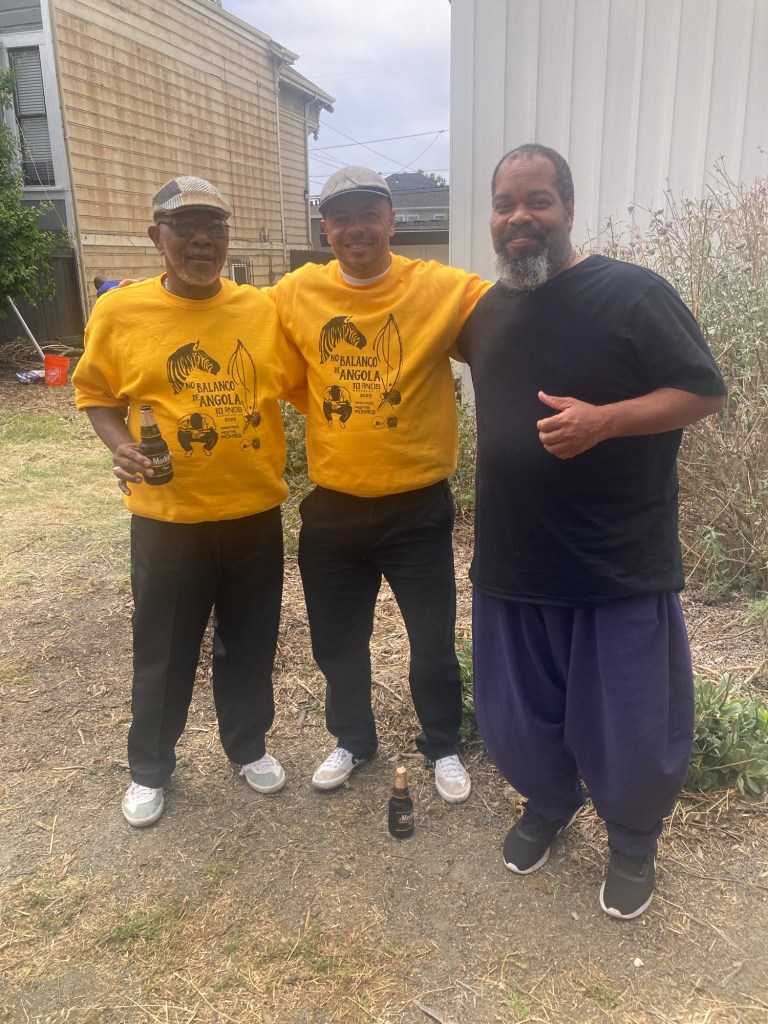
For those of you that may look at this and think it’s fake… I DON”T CARE!!!!
Author: jhnashtongmailcom
MALICIA AS A GAME OF POWER (4/1/25)
Welcome to MALICIA AS A GAME OF POWER, a blog series that explores the art of strategy in human interactions. It examines effective communication, conflict resolution skills, and negotiation techniques for personal and professional success. The series discusses manipulation tactics with ethical considerations, highlights the importance of leadership skills, and focuses on personal branding and online reputation management. Engaging with this content provides practical strategies for asserting influence and building meaningful relationships in complex power dynamics.
In this installment, we will explore the 25th law of power in the book, the 48 laws of power by Robert Greene. You can buy a copy by clicking HERE.
The 25th law of power: Re-create yourself
In the ever-evolving landscape of personal and professional dynamics, the ability to re-create oneself is crucial for sustained success and influence. This law suggests that we should not merely accept our current identities or positions but instead actively shape and mold them to fit the aspirations we hold.
By continuously reinventing ourselves, we can adapt to changing environments, embrace new opportunities, and overcome obstacles that may come our way. This involves embracing change, seeking out new experiences, and cultivating skills that enhance our relevance in an increasingly competitive world. Moreover, it requires a proactive mindset that not only welcomes innovation but also anticipates potential challenges that we might encounter in our personal and professional lives. By engaging in lifelong learning, we can broaden our perspectives and foster a deeper understanding of diverse fields, which can lead to more creative solutions to complex problems. Building strong networks and relationships with others who share similar goals and aspirations can further amplify our growth, providing us with invaluable support and insights as we navigate this ever-evolving landscape. Together, these strategies empower us to not just survive but thrive, ensuring that we remain adaptable and resilient in the face of uncertainty.
Ultimately, the power lies within our ability to write our own narrative, consistently presenting a version of ourselves that aligns with our goals and desires. This self-authorship not only empowers us but also shapes how we perceive our own potential and the paths we choose to take in our lives. By actively curating our stories, we can better navigate obstacles and harness opportunities, allowing our true selves to emerge in both personal and professional realms. As we refine this narrative, we invite authenticity into our interactions, creating richer, more meaningful connections with those around us, while inspiring others to embark on their journeys of self-discovery and narrative crafting as well.
for the practitioner of Capoeira Angola, the Angoleiro; it is the very breath and structure of their identity within the community. Through the lens of this ancient, embodied art, the law transforms from a cynical strategy into a profound, life-altering methodology for self-mastery and social navigation.The Symbolic Break: The Power of the Apelido
The most concrete, codified act of “Re-Creating Yourself” is the bestowal of the apelido, or nickname. This tradition is a cornerstone of the roda and the Capoeira community structure.
The apelido is not given lightly; it is conferred by the Mestre or senior practitioner only after a period of intense observation of the student’s jogo (the game, style, or quality of movement) and, more importantly, their fundamental personality and character. It is a judgment rendered on the student’s essence as revealed within the dynamic, pressure-filled crucible of the roda.
Once given, the apelido becomes the practitioner’s new, chosen identity within the community. It acts as the symbolic, public, and irrevocable break with the old self. The mundane name—the one tied to family, career, and outside expectations—recedes in importance. The new name, the apelido, is not just a label; it is a destiny. It forces the Angoleiro to live up to the image, the history, and the profound social power invested in that new name. The name might reference a strength (Tigre), a weakness overcome (Cansado, “Tired One,” who now has boundless energy), a peculiar habit (Pena, “Feather”), or a legendary ancestor. In every case, it is the ultimate, required act of “Re-Creating Yourself,” demanding a complete psychological and performative alignment with the new persona.The Architecture of Reputation: The Power of Narrative
Beyond the initial re-baptism of the apelido, the Angoleiro understands that true, sustained power comes from the diligent control and cultivation of one’s ongoing narrative. This is the living, breathing application of Law 25.
The roda is the stage, and the Angoleiro is the meticulous performer. Every action within that circle—from the quality of the drumming and singing to the calculated aggression of a take-down or the humility of a bow—is a building block in their personal mythology. Through the visible, relentless demonstration of:
- Discipline: Adherence to the Mestre’s teachings and the foundational principles of Angola.
- Persistence (A Teimosia): The capacity to absorb repeated setbacks and continue playing, singing, and learning.
- Skill (A Malícia and A Mandinga): The unique blend of technical ability, cunning, and presence that defines their jogo.
they consciously build a reputation—a personal legend—that precedes them into any new roda or community. This reputation is not static; it is constantly refined by new performances. If their jogo is characterized by grace and deception, they are perceived as wily and unpredictable; if it is slow, low, and aggressive, they are seen as an immovable force.
This reputation is the ultimate tool of the 25th Law: it is the public image, the meticulously crafted performance that dictates how others perceive and react to them. This constructed self grants them a subtle but profound advantage in the game of Capoeira—where psychological warfare is as important as physical technique—and, by extension, in the broader game of life. It is the ability to walk into any situation and have others already responding to the re-created self, granting the Angoleiro an immediate authority and psychological edge.
The 25th Law, therefore, is not an abstract concept to the Angoleiro, but an embodied, daily practice—a non-negotiable requirement for survival and mastery within a tradition that demands constant, fluid, and intentional self-definition. The self is not found; it is consciously and powerfully created.
TODAY IN BLACK MEDIA (4/1/25)
TODAY IN BLACK MEDIA offers news and cultural discussions from an African American perspective, highlighting diverse voices and global black achievements that often remain underrepresented in mainstream platforms. It serves as a vital resource to understand the complexities of black life and culture, bridging gaps between communities by illuminating the rich tapestry of experiences that shape the African American narrative. By showcasing prominent figures, influential narratives, and grassroots movements, it aims to amplify important stories that reflect both struggles and triumphs, inspiring change through an inclusive dialogue on race, culture, identity, and representation in the media.
This dialogue is not just about sharing information; it is about fostering a deeper connection between individuals of varying backgrounds and promoting cross-cultural understanding. Ultimately, TODAY IN BLACK MEDIA contributes to a more equitable society by encouraging a profound appreciation for black experiences and challenging stereotypes, allowing for a more nuanced view of the diverse realities within the African American community.
In today’s installment, we have a special statement from professor Black Truth.
April marks the beginning of Black Media Appreciation Month, and the professor is starting this month off by saluting and acknowledging the incredible individuals who make black media what it is: us!
Black people, the very reason for black empowerment, stand united in the celebration of our heritage and achievements. Our voices, creativity, and perspectives play a pivotal role in shaping the diverse narratives that reflect our culture and community, intertwining our unique experiences and histories into compelling stories.
It is vital to recognize the profound impact that our art, journalism, music, and literature have on society, not only challenging stereotypes but also fostering understanding and appreciation. As we honor this month, let us reaffirm our commitment to uplift one another, support emerging voices, and continue to create platforms where our stories can thrive, ensuring that the legacy of black media is celebrated for generations to come.
The Professor creates engaging videos that encourage critical thinking and discussions among viewers. Explore his YouTube channel HERE for thought-provoking analyses and join a community passionate about knowledge and understanding.
O VÍDEO DO DIA DA CAPOEIRA ANGOLA (3/31/25)
Numerous videos of Capoeira Angola capture its vibrant culture, history, and unique techniques. Each clip highlights the blend of music, movement, and community, showcasing intricate footwork and acrobatics set to the rhythms of traditional instruments like the berimbau. Performers in white attire exemplify the spirit of Capoeira, creating a celebration of unity and resistance. These recordings also reveal various styles and include insights from masters and practitioners, enhancing the understanding of this Brazilian heritage.
In Today’s installment, we examine Body Games Capoeira and Ancestry, A Film by Richard Pakleppa, Matthias Röhrig Assunção and Mestre Cobra Mansa.
Capoeira is an Afro-Brazilian art that blends dance, combat, theatre, and music, with its origins documented among enslaved Africans in Brazilian port cities, reflecting a rich cultural tapestry created under the duress of oppression. It is unique as the only world-practiced martial art with African heritage, intricately linked to the Angolan game engolo, which serves not only as a physical expression but also as a profound cultural narrative.
The documentary film Jogo de Corpo/Body Games follows capoeira master Cobra Mansa and his friends as they explore the historical connections between their art, slavery, and identity, weaving together personal stories that highlight their struggles and triumphs. Through interviews and narratives, the documentary features capoeira masters and engolo players on both sides of the Atlantic, emphasizing the significance of cultural preservation and the resilience of those who practice these arts, as they navigate their identities in a modern world where their heritage is often at risk of being forgotten. In a poignant manner, the film delves into the rich traditions of capoeira, illustrating how this unique martial art form evolved from the oppressive realities of slavery into a vibrant expression of freedom, community, and creativity. As Cobra Mansa and his companions share their experiences, viewers are invited to witness the powerful synergies between movement, music, and memory, making a compelling case for why preserving these cultural legacies is crucial in today’s rapidly changing society. Furthermore, the film sparks discussions about the importance of embracing one’s roots, fostering a deeper understanding of how art can serve as a vehicle for social change, healing, and unity in the face of adversity, ultimately showcasing the indelible link between cultural identity and the human experience.
And this is my favorite video of him, where he shows us all how he earned his nicknames Cobra Mansa – “tamed snake” and Cobrinha – “little snake.”
His ability to transform situations through the use of innovative and acrobatic solutions has established him as a leading figure in Capoeira Angola. His unique teaching methods and charismatic personality have inspired younger practitioners to engage deeply with their art, cultivating a new generation that appreciates both the history and the future of Capoeira. The video captures his passion and dedication, allowing viewers to witness firsthand the artistry and dedication that he brings to his practice.
Thank you for exploring Capoeira Angola, a cultural expression that blends martial arts, dance, music, and acrobatics. For more information on its history and techniques, please check the Menu of this website. Stay tuned for videos that provide further insights into its practices, traditions, and community.
MALICIA AS A GAME OF POWER (3/30/25)
Welcome to MALICIA AS A GAME OF POWER, a thought-provoking blog series focused on the intricate art of strategy in human interactions. It delves deep into various facets of effective communication, exploring how the nuances of language and non-verbal cues shape our conversations and connections. The series covers essential skills for conflict resolution, equipping you with the techniques needed to navigate through disputes and disagreements with poise and confidence. Furthermore, it offers invaluable negotiation techniques that can empower you in both personal and professional settings, ensuring you advocate successfully for your interests while considering the perspectives of others. The analysis of manipulation tactics is presented with ethical considerations in mind, aiming to enhance your understanding of influence without compromising integrity. In addition, the importance of leadership skills is emphasized, highlighting how effective leaders inspire and motivate their teams to achieve common goals. Equally vital is a focus on personal branding and online reputation management, providing you with strategic tools to build and sustain a positive public image in today’s digital world. Engaging with this rich content equips you with profound insights and practical strategies to achieve success and foster meaningful relationships while adeptly asserting your influence amidst complex power dynamics in both social and professional arenas.
In this installment, we will explore the 24th law of power in the book, the 48 laws of power by Robert Greene. You can buy a copy by clicking HERE.
The 24th law of power: Play the perfect courtier
The 24th law of power: Play the perfect courtier, which emphasizes the importance of mastering the art of subtlety and grace in social interactions. A skilled courtier navigates the intricate web of politics and power dynamics, understanding that success often lies in the ability to charm, flatter, and influence those in higher positions.
This law teaches that one must be adaptable, able to navigate through the complexities of life with grace and skill, adept at reading situations and people, and always attuned to the needs and desires of others. Embracing flexibility allows for seamless interaction in various environments, fostering deeper connections and enhancing one’s ability to respond appropriately to changing circumstances. The awareness of those around us not only aids in effective communication but also cultivates empathy, leading to more meaningful relationships and a harmonious coexistence. Being open to adjustments in approach encourages growth and resilience, enabling individuals to thrive in both personal and professional spheres.
By embodying elegance and discretion, the perfect courtier can gain the favor of important figures while simultaneously advancing their own ambitions and goals. In essence, this law serves as a comprehensive guide to becoming a sophisticated player in the arena of power, where subtlety is often more effective than direct confrontation. The ability to navigate complex social dynamics with grace not only enhances one’s reputation but also creates opportunities for influence and strategic alliances. In this intricate dance of diplomacy, a courtier must master the art of observation, understanding the motivations and desires of others, and using that knowledge to position themselves advantageously. Through charm and tact, they can sway opinions and craft narratives that align with their aspirations, all while maintaining an air of mystery and intrigue. Ultimately, the perfect courtier understands that true power lies not in overt displays of strength, but in the quiet ability to shape the currents of power from behind the scenes.
The 24th Law of Power: Through the Eyes of an Angoleiro
The 24th Law of Power, often interpreted as “Play the perfect courtier,” or “Be the perfect instrument,” takes on a profoundly layered and practical meaning when filtered through the philosophy and practice of Capoeira Angola, particularly from the perspective of an Angoleiro (a practitioner of Capoeira Angola).
In the world of the court, this law demands the artful assimilation of the environment, the mastery of self-control, and the ability to serve the powerful while simultaneously cultivating one’s own indispensable position. The courtier must be a mirror, reflecting the needs and desires of their patron without losing sight of their own long-term objectives.
For the Angoleiro, the roda (the circle where Capoeira is played) becomes the metaphorical court, and the Mestre (master) or the rhythm of the game itself serves as the powerful force to be navigated. The Law is internalized as: “Enter the Roda and embody the perfect harmony of adaptation, tradition, and self-preservation.”
Assimilation and Adaptation (O Jogo de Dentro – The Inner Game):
The courtier studies the hierarchy, the moods, and the unspoken rules of the court. Similarly, the Angoleiro entering the roda must immediately absorb the rhythm (toque), the energy, and the style of the players before them. This is the ultimate form of assimilation. They do not immediately impose their will but rather listen with their body—a deep, observant listening that precedes movement. The perfect Angoleiro is a chameleon, shifting their energy from the quick, aggressive thrust of a São Bento Grande to the slow, deceptive fluidity of an Angola rhythm, all while maintaining their core identity and principles. Their power lies not in brute strength, but in their perfect synchronization with the game’s flow.
The Art of Indispensability (The Role of the Ginga):
A successful courtier makes themselves invaluable without ever appearing to challenge the authority above them. In Capoeira Angola, the ginga—the foundational swaying movement—is the courtier’s uniform, the constant, shifting presence. It is both defensive and offensive, a perpetual state of readiness. The Angoleiro doesn’t try to win a fight; they strive to play the game better than anyone else, making their presence essential to the quality and depth of the roda. By preserving the tradition, respecting the Mestre, and executing movements with malícia (malice, or tricky cleverness), they become the perfect instrument for demonstrating the art’s essence. Their ability to serve the game’s tradition—to be the living embodiment of its history—is what makes them indispensable.
Self-Control and Calculated Subtlety (Contrariação):
The courtier never shows their hand, never lets their ambition be visible, and controls their emotions rigorously. The Angoleiro practices this through contrariação—the art of moving against the apparent intent, making the opponent believe they are weak, tired, or predictable. Every defensive move (esquiva) is a subtle setup for an attack. The slow, low game is a masterclass in emotional and physical control, hiding power in plain sight. They serve the roda by maintaining its dignity, never descending into uncontrolled aggression, and thus, demonstrating the ultimate power of discipline and intellectual superiority over raw force.
Discover Capoeira’s Secret to Strong Legs
So, what is Capoeira’s Secret to Strong Legs?
I found this gem from YouTuber Tom Mandingeuiro Polonsky, where he shows some incredible drills from Capoeira to develop strong legs, and I just had to post it for you guys. The video not only demonstrates a series of effective exercises but also highlights the importance of leg strength in improving overall performance in Capoeira. As you follow along, you’ll learn how these drills can enhance your agility, balance, and coordination, all of which are essential for mastering the flowing movements of this beautiful martial art. Tom provides clear instructions and helpful tips, making it easy for both beginners and seasoned practitioners to incorporate these techniques into their training routines. It’s definitely worth a watch if you’re looking to take your skills to the next level!
Capoeira is renowned not only for its cultural richness but also for its physical demands. This vibrant practice requires practitioners, known as capoeiristas, to engage in a variety of movements that develop agility, strength, and flexibility in the legs. The intricate kicks, swift dodges, and fluid transitions play a crucial role in building leg muscles, as they work to enhance balance and coordination.
Additionally, the rhythmic nature of the movements helps improve endurance, making the legs stronger and more resilient over time. Integrating these dynamic exercises into their training regimes, capoeiristas discover that the secret to strong legs lies in the combination of fun, athleticism, and cultural expression inherent in Capoeira. This unique blend ensures that participants not only achieve strength but also enjoy a fulfilling and engaging workout experience. As they flow through intricate kicks, graceful spins, and lively footwork, practitioners become increasingly attuned to their bodies, developing not only physical stability but also mental agility.
With each session, they learn to appreciate the way Capoeira connects them to a rich cultural heritage, fostering a sense of community and belonging that enhances their motivation. The social aspect of training alongside fellow capoeiristas further amplifies the joy of exercise, turning every practice into a celebration of movement, skill, and the vibrant traditions that underpin this martial art form.
JUST A REMINDER…
ANYBODY can play capoeira.
ANYBODY.
ANYBODY.
ANYBODY.
DO YOU UNDERSTAND?
O VÍDEO DO DIA DA CAPOEIRA ANGOLA (3/29/25)
Numerous videos of Capoeira Angola capture its vibrant culture, history, and unique techniques. Each clip highlights the blend of music, movement, and community, showcasing intricate footwork and acrobatics set to the rhythms of traditional instruments like the berimbau. Performers in white attire exemplify the spirit of Capoeira, creating a celebration of unity and resistance. These recordings also reveal various styles and include insights from masters and practitioners, enhancing the understanding of this Brazilian heritage.
In Today’s installment, we examine this short video of a roda presided over by the esteemed MESTRE CURIO.
Now you might be wondering why Mestre Curio walked out of the roda while they were playing. Well, as you can see, the title of the video is “Eles comecaram a jogar durante a louvacao”, which means, “They started to play during the louvacao”. This unusual occurrence can spark curiosity about the rituals and practices that govern Capoeira. If you look on “The SOUL of Capoeira” PAGE, you’ll see that in a traditional Capoeira Angola roda, the sequence is crucial for maintaining the integrity of the art form. It begins with a LADAINHA, which is a song that sets the tone and establishes a spiritual connection among the participants. After this comes the LOUVACAO, a moment of reverence and praise, further enriching the atmosphere. Only THEN do the CORRIDOS begin, marking the transition into the more dynamic and engaging aspect of capoeira. It is during these corridos that the capoeiristas start playing, but this often only occurs after the person leading the roda has given his/her explicit permission. This structured sequence is vital; it preserves the cultural significance and enhances the communal experience.
Observe.
So when those capoeiristas started playing during the louvacao, that was a big NO NO, a violation of one of the most fundamental parts of the traditional game. This disruption not only distracted the participants but also undermined the spiritual significance of the louvacao, which serves as a sacred moment of reflection and connection to the history of Capoeira.
Mestre Curio’s exit was a direct response to this breach in etiquette, reminding us how deeply rooted customs are in the practice of Capoeira Angola, and his desire to uphold them. His withdrawal underscored the importance of respecting the rituals that bind the community together, highlighting that true mastery in Capoeira is not just about physical skill but also about understanding and honoring the profound cultural context behind every movement and sound. Such adherence to tradition ensures the preservation of the art form, allowing it to thrive for future generations.
And here he is in a Jogo.
This one happens to be my favorite video, because it’s one of the best examples of how with cleverness and his mastery of Malicia, Mestre Curio could outsmart and win over his younger and stronger partner, the esteemed Mestre Manoel, another very skilled mestre in his own right. In this captivating display, the combination of strategy and experience showcases the essence of their unique partnership, illustrating that raw strength does not always equate to victory.
Mestre Curio’s ability to anticipate his opponent’s moves and react with precision highlights the power of intellect in physical confrontations, while Mestre Manoel, despite his vigor, learns the importance of adapting and evolving his techniques. Together, they create a compelling narrative that not only entertains but also teaches valuable lessons about respect, humility, and the intricate dance of competition.
Thank you for reading this exploration of this beautiful art of Capoeira Angola, a rich cultural expression that combines elements of martial arts, dance, music, and acrobatics, showcasing the harmony of movement and rhythm. If you want to know more about its history, techniques, and various forms, please explore the Menu of this website, where you’ll find a wealth of resources and information. Additionally, stay tuned for more videos of this captivating art, which will offer deeper insights into its practices, traditions, and vibrant community, helping you appreciate the full essence of Capoeira Angola even more.
LETTER FROM FREDERICK DOUGLASS TO HARRIET TUBMAN

Rochester, August 29, 1868
Dear Harriet,
I am glad to know that the story of your eventful life has been written by a kind lady, and that the same is soon to be published. You ask for what you do not need when you call upon me for a word of commendation. I need such words from you far more than you can need them from me, especially where your superior labors and devotion to the cause of the lately enslaved of our land are known as I know them.
The difference between us is very marked. Most that I have done and suffered in the service of our cause has been in public, and I have received much encouragement at every step of the way. You, on the other hand, have labored in a private way. I have wrought in the day – you in the night. I have had the applause of the crowd and the satisfaction that comes of being approved by the multitude, while the most that you have done has been witnessed by a few trembling, scarred, and foot-sore bondmen and women, whom you have led out of the house of bondage, and whose heartfelt, “God bless you,” has been your only reward.
The midnight sky and the silent stars have been the witnesses of your devotion to freedom and of your heroism. Excepting John Brown – of sacred memory – I know of no one who has willingly encountered more perils and hardships to serve our enslaved people than you have. Much that you have done would seem improbable to those who do not know you as I know you. It is to me a great pleasure and a great privilege to bear testimony for your character and your works, and to say to those to whom you may come, that I regard you in every way truthful and trustworthy.
Your friend,
Frederick Douglass.

MALICIA AS A GAME OF POWER (3/28/25)
Welcome to MALICIA AS A GAME OF POWER, a blog series focused on the art of strategy in human interactions. It covers effective communication, conflict resolution, negotiation techniques, manipulation tactics, and leadership skills. Additionally, it highlights the importance of personal branding and online reputation management, providing tools for navigating power dynamics in social and professional settings. Engaging with this content equips you with insights to achieve success and foster meaningful relationships while asserting your influence.
In this installment, we will explore the 23rd law of power in the book, the 48 laws of power by Robert Greene. You can buy a copy by clicking HERE.
The 23rd law of power:”Concentrate your forces.”
The 23rd law of power, often referred to as “Concentrate your forces,” emphasizes the importance of focusing your resources, energy, and efforts on a singular goal or objective rather than spreading yourself too thin. By harnessing the full extent of your capabilities and concentrating your forces, you can achieve greater impact and effectiveness in your pursuits.
This law teaches that in the realms of influence and competition, it is better to concentrate your strength against a single adversary than to dilute your energies across multiple fronts. A focused approach not only enhances your chances of success but also allows you to build momentum, creating a sense of undeniable power that can intimidate your opponents and inspire your allies. By narrowing your focus, you can develop deeper strategies and tactics that are tailored to effectively combat your chosen adversary, leading to greater efficiency and impact.
Moreover, the concentration of resources and efforts increases your visibility and reputation in the area of your engagement, forming a psychological advantage that can sway neutral parties to your side and deter potential challengers from engaging at all. Therefore, recognizing where to direct your efforts, carefully weighing your options, and wisely selecting your battles becomes crucial in the quest for dominance and success in any endeavor, especially in competitive environments where clarity of purpose and steadfastness can distinguish the victor from the vanquished.
The specific law referenced is likely Law 23: “Concentrate Your Forces,” which, in a traditional strategic sense, means focusing all your energy, resources, and momentum on a single, vital objective. Spreading yourself thin guarantees mediocrity and defeat.
The Angoleiro’s Interpretation
For the Angoleiro, “Concentrating Your Forces” takes on several layered meanings:
- Concentration of Malícia (Cunning): The Angoleiro does not rely on continuous, high-energy attacks. Instead, they conserve physical energy, moving slowly, provocatively, and close to the ground (the principle of ficar na manha). The “concentration” is in the mental effort, the intense focus on reading the opponent’s intentions, their weight shifts, their breath, and their character. All mental force is concentrated into a single, perfectly timed golpe (blow) or rasteira (sweep) that capitalizes on a tiny, self-created opening. The power is concentrated not in the duration of the conflict, but in the precision of the climax.
- Concentration on the Jogo (The Game/Ritual): The true force of Capoeira Angola is the roda (the circle) and the ritual of the game. The Angoleiro concentrates their force not just on the opponent, but on the entire environment: the rhythm of the berimbau (musical bow), the call-and-response of the songs, and the energy of the participants. A great Angoleiro harnesses the momentum of the roda itself, using the collective energy as a concentrated force multiplier for their personal expression and strategic dominance. They concentrate their effort on upholding the tradition, which, paradoxically, gives them more power within that tradition.
- Concentration in Tradição (Tradition): The Angoleiro concentrates their entire practice on the preservation of the art’s historical roots, techniques, and philosophy passed down by masters like Mestre Pastinha. This focused, unwavering adherence to tradition is their greatest strategic advantage. While other arts might chase new techniques, the Angoleiro’s concentrated force lies in the depth of their foundation, making their simple, fundamental movements exponentially more effective and deceitful. The “force” is the weight of history and lineage behind every movement.
In summary, the 23rd Law, “Concentrate Your Forces,” translates for the Angoleiro into the art of strategic patience, mental intensity, and the focused application of cunning to deliver a decisive, high-impact action from a position of conserved energy and deep cultural rootedness.