Remember the universal SIGNAL for help!!! It is crucial to understand its importance in emergency situations, as it serves as a powerful non-verbal communication tool. The signal can be used when verbal communication is difficult, unsafe, or impossible, allowing individuals in distress to discreetly indicate that they require assistance. By raising a hand and signaling in this universally recognized manner, you can alert bystanders and potential helpers to your situation, increasing the chances of receiving timely support. Always remember that being aware of this signal can empower you and others to respond effectively in times of crisis!
This blog series, “SPIRITUAL PRACTICES OF AFRICA, AND THE DIASPORA,” explores indigenous beliefs and religions in Sub-Saharan Africa, focusing on ancestral worship, Christianity, and Islam. It highlights the region’s cultural heritage through rituals and community gatherings that reinforce identity and facilitate cultural transmission. The series also examines how these traditions adapt within the diaspora, emphasizing storytelling in preserving oral histories and passing lessons to future generations. Ultimately, it aims to enhance understanding of faith, identity, and cultural resilience in the region.
In this installment… Do you remember this scene?
Yes. In my last installment, I posted this scene where Willie Brown is sent by his friend, Robert Johnson, to meet Legba at the Crossroads to sign the pact in which Legba will teach Brown how to play blues in exchange for his soul.
Well today, I want to talk about the actual legend of Robert (Bobby) Johnson.
The legend of Robert Johnson, a key figure in the evolution of the blues genre, claims he sold his soul to the devil at a crossroads in exchange for unparalleled guitar mastery, creating a narrative that captures the imagination of music enthusiasts and folklore aficionados alike. This central myth in blues history not only defines Johnson’s enigmatic persona but also profoundly influences public perception of his musical genius and the artistic struggles of southern African American musicians during the early 20th century.
However, historians like Bruce Conforth and Gayle Dean Wardlow meticulously aim to distinguish truth from myth, exploring the historical contexts and personal anecdotes that surround Johnson’s life, ultimately providing a more nuanced understanding of his artistry and legacy. As they delve into the complexities of his story, they reveal how folklore, while enriching, often blurs the line between reality and fiction, making it essential to separate fact from the captivating tales that contribute to the larger-than-life image of Robert Johnson.
The Legend:
The central element of the legend is the crossroads, often depicted as the intersection of Highways 49 and 61 in Mississippi, a location steeped in folklore and mystery. The story posits that Johnson met the devil at this crossroads, where he handed over his guitar and, in return, received the devil’s blessing of exceptional musical skill, a pact believed to imbue him with talents that transcended those of his peers. This deal is said to have transformed Johnson from a novice into a blues virtuoso, capable of playing complex and captivating music that resonates even today, influencing countless musicians across generations. His innovative style, incorporating elements of slide guitar and emotive vocal delivery, captivated audiences and secured his place in music history. Adding to the mystique, Johnson’s death at the young age of 27, following a brief but impactful career that left an indelible mark on the genre, is shrouded in mystery, with some accounts suggesting poisoning or other supernatural causes, leading many to believe that his life and art were touched by forces beyond comprehension, further cementing his status as a mythical figure in the blues community.
This video discusses the folklore surrounding Robert Johnson’s deal with the devil:
The Reality:
Bruce Conforth and Gayle Dean Wardlow argue that Johnson’s skill was the result of dedicated practice and a natural talent for music, not a supernatural pact. Johnson was influenced by other Delta blues musicians like Willie Brown, Charley Patton, and Son House, who also played at the crossroads. The legend is rooted in hoodoo beliefs, where crossroads were associated with a “Black Man” who could grant skills or luck, suggesting a mystical interpretation of musical talent. However, many musicians, including Johnson, approached their art with rigorous dedication and a deep understanding of their craft, honing their abilities through countless hours of practice and performance in vibrant juke joints and on dusty street corners. Johnson’s innovative guitar technique, particularly his bass lines, significantly impacted the development of the Delta blues and influenced many subsequent musicians, helping to shape the genre into what it is today, paving the way for future generations of artists to explore and expand upon the blues tradition.
This video explains the influence of hoodoo beliefs on the legend of Robert Johnson
While the legend of Robert Johnson selling his soul to the devil is a compelling narrative, it is largely a myth that has been used to explain his exceptional musical talent and the mystery surrounding his life and death. His actual story, however, is one of dedication, talent, and influence on the evolution of the blues, illustrating how hard work and perseverance can lead to greatness. Johnson, who honed his skills through years of practice and performance, developed a distinctive style that combined elements of African rhythms and European musical traditions, creating a sound that resonates to this day. The atmosphere of his time, marked by social struggles and a rich cultural heritage, influenced his songwriting and the themes he explored in his music. The legend of Robert Johnson continues to fascinate and inspire, solidifying his place as a foundational figure in American music, and the impact of his work can be felt across various genres, proving that true artistry transcends time and remains relevant to new generations of musicians and listeners alike.
This series highlights the modern malandro in urban society, focusing on their resourcefulness and charm while addressing economic disparity and social justice. It showcases their resilience and clever tactics in navigating city challenges, emphasizing their dual role as outliers and contributors to urban culture. Through personal narratives and societal themes, it portrays the malandro as influential figures in the conversation about equity and belonging.
In Today’s installment, We follow Conor Woodman in a show named scam city, a series where he gets scammed, so we don’t have to.
Today, our adventurous host Conor Woodman ventures to Las Vegas, a city with a seedy underbelly of pleasure and swindlers. Beyond Vegas’s bright neon lights and swanky casinos, there’s more to the city than meets the eye. As Conor delves deeper, he uncovers hidden gems tucked away from the bustling Strip, exploring the unique culture that thrives in the shadows.
From eclectic art installations to underground music scenes, the pulse of the city reverberates in unexpected places. He meets locals who share their untold stories, revealing the vibrant spirit that lies beneath the surface, a testament to the resilience and creativity that characterize this captivating destination.
Every Friday morning, PROFESSOR BLACK TRUTH hosts “The Friday Crime Report,” focusing on systemic racism, economic inequality, and police brutality in the black community. The program promotes advocacy, fostering dialogue, policy change, and community engagement to support marginalized voices and encourage social justice. Each episode includes community members and experts to inspire actionable steps towards a fairer society.
In Today’s installment…
Yet another suburban psycho has gone on a rampage, wreaking havoc in a quiet community that once prided itself on safety and tranquility. In the aftermath of this horrifying event, and on cue, the police began covering for him before the bodies were cold, stating that he suffers from mental illness, as if this revelation could somehow justify the heinous actions. The authorities, perhaps looking to deflect blame or sympathize with a troubled mind, quickly painted a picture that seemed to protect the perpetrator rather than empathize with the victims, leaving the community grappling with a sense of betrayal and raw grief.
Shout out to the professor for creating and posting this insightful video.
The Professor’s engaging videos on black empowerment tackle historical and contemporary issues, promoting critical thinking among viewers. His YouTube channel HERE fosters a community focused on significant black topics and encourages dialogue.
“There are not more than five musical notes, yet the combinations of these five give rise to more than can ever be heard. There are not more than five primary colours, yet in combination, they produce more hues than can ever been seen. There are not more than five cardinal tastes, yet combinations of them yield more flavours than can ever be tasted.” ― Sun Tzu, The Art of War“
Today, I’m going to introduce you to the MACACO.
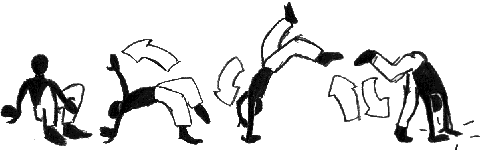
The Macaco in Capoeira is an acrobatic movement, often described as a “monkey flip,” involving a handstand and rotation, transitioning from a low crouch to a handstand and back down. In Capoeira, it’s not just a single move but a dynamic transition, often used to evade, attack, or flow into other movements, adding rhythm and creativity to the practice. Capoeira Angola and Capoeira Regional both utilize the Macaco, but the overall style and context of its use can differ significantly, showcasing the artistry and adaptability inherent in this Brazilian martial art. The macaco serves as a building block for more complex movements like the back handspring and can also be used as a launchpad for various attacks and kicks within the Capoeira game, including powerful aerial kicks that demonstrate both skill and agility. It involves an inverted motion where the capoeirista (Capoeira practitioner) places one hand on the ground behind them and swings their legs over, jumping in an arched trajectory that reflects both grace and strength. The macaco bears a strong resemblance to a back handspring but differentiates itself by typically starting from a low crouch and planting one hand behind the player, emphasizing the importance of starting low to gain momentum.
Learning the macaco, particularly the full backward version that showcases advanced skill, takes dedication and consistent practice over weeks and even months, requiring not just physical training but also mental resilience to overcome the challenges intrinsic to mastering this impressive maneuver.
In essence, the macaco is a dynamic and essential element of Capoeira, combining strength, flexibility, and coordination into a fluid and powerful acrobatic move that showcases the unique blend of martial arts and dance inherent to this Afro-Brazilian cultural expression. This acrobatic feat not only demonstrates remarkable physical prowess but also highlights the practitioner’s rhythm and timing, as they gracefully maneuver through the air, executing the move with precision and style. As a crucial component of Capoeira’s repertoire, mastering the macaco allows practitioners to enhance their overall agility and create impressive sequences that captivate audiences, transforming a simple fight into an intricate performance art.
“There are not more than five musical notes, yet the combinations of these five give rise to more than can ever be heard. There are not more than five primary colours, yet in combination, they produce more hues than can ever been seen. There are not more than five cardinal tastes, yet combinations of them yield more flavours than can ever be tasted.” ― Sun Tzu, The Art of War“
Today, I’m gonna type to you about a fundamental skill in Capoeira, the BANANEIRA.
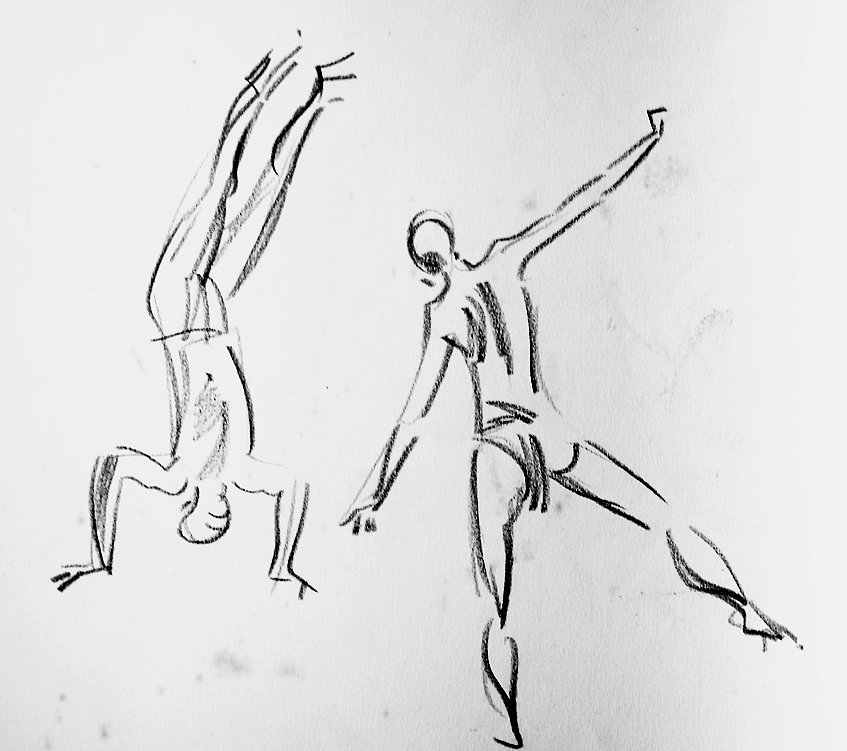
The Bananeira (pronounced “bah-na-nera”) is the term used for a handstand. It is a fundamental movement in Capoeira, serving as a building block for various acrobatic maneuvers and plays a unique role in the Capoeira roda (the circle in which Capoeira is played).
The bananeira is considered the absolute fundamental movement for all acrobatics within Capoeira, developing upper body strength and balance essential for more advanced techniques. Unlike a gymnast’s handstand, which emphasizes static control and symmetry, the bananeira in Capoeira is dynamic, mobile, and can involve shifting postures or flailing legs to prevent opponents from finding vulnerabilities. It is a versatile move that not only demonstrates physical prowess but also embodies the spirit of improvisation that defines Capoeira. The bananeira can be used strategically in the Capoeira game (jogo): it can challenge the other player to see who can hold their handstand longer and allows a Capoeirista to take a brief break and observe their opponent. During this observation, the practitioner assesses their opponent’s strengths and weaknesses, providing an opportunity to devise new tactics for the unfolding game. The bananeira can be employed to escape or initiate an attack, with the feet being used for both defense and offensive movements while inverted. This dual function adds a layer of complexity to the move, as timing and precision become crucial in ensuring successful execution. In contemporary regional Capoeira styles, the bananeira is sometimes used to showcase balance and strength as a floreio or demonstration of skill, often eliciting admiration from spectators for its aesthetic appeal.
A key distinction from other hand balancing arts is that in Capoeira, the practitioner maintains eye contact with their opponent rather than looking at the ground. This requires tucking the chin towards the chest and moving the head to track the other player during the game, emphasizing the interactive nature of Capoeira as a conversation between warriors. Achieving a stable bananeira involves “stacking” the joints, meaning keeping the shoulders over the wrists, hips over the shoulders, and ankles over the hips, all of which contributes to maintaining proper alignment and balance. Engaging the core muscles is vital to maintain a flat, board-like posture, creating a foundation of strength necessary for executing subsequent moves. Pointing the toes skyward can assist in straightening the legs, enhancing both form and function. Furthermore, the bananeira’s potential origins have been linked to the use of handstands by Nganga (Bantu healers and spiritual leaders) in their practice, symbolizing a spiritual connection to ancestors who walk on their hands in the spirit world. The linkage to spiritual practices further enriches the cultural context of the bananeira, illustrating how this move transcends mere physicality to become a bridge between the earthly and the ethereal, fortifying the sense of identity and history within the Capoeira community.
Learning the bananeira can be intimidating due to the fear of falling, which is a common barrier for many practitioners. Overcoming this fear is crucial for safe practice, as confidence plays a significant role in mastering the move.
Practicing against a wall or with a partner can help develop comfort in the inverted position; these methods provide a safety net that allows for gradual progression.
It’s important to start slowly, focusing on body awareness and control, as this foundational approach not only enhances safety but also promotes a deeper connection with your body. Begin by placing your hands shoulder-width apart, ensuring your fingers are loosely spread, with weight concentrated through the top of the palms to maintain stability while inverted. This initial setup is crucial, as it creates a solid base from which to work. As you kick your legs up one at a time, aim for your hips to be stacked directly above your shoulders and your feet to rise above your hips, which will make balancing easier and more effective. As you gain confidence, be sure to practice holding the position for longer periods, using your breath to find calmness and steadiness. Experiment with variations in leg positions and arm placements, as these can enhance your skills and deepen your understanding of this challenging pose, opening opportunities for greater strength, flexibility, and mindfulness in your practice.
“There are not more than five musical notes, yet the combinations of these five give rise to more melodies than can ever be heard. There are not more than five primary colours, yet in combination, they produce more hues than can ever been seen. There are not more than five cardinal tastes, yet combinations of them yield more flavours than can ever be tasted.” ― Sun Tzu, The Art of War“
The Corta Capim, or “Grass Cutter,” is a versatile Capoeira movement used for offense, defense, and as a transitional floreio technique that showcases the blend of martial prowess and artistic expression inherent in Capoeira. Practiced from a low crouch with proper posture, it involves sweeping one leg in a wide circle for a seamless 360-degree rotation while maintaining stability, which requires both physical strength and mental focus. Fluidity and controlled movements are essential for effective execution, and coordinating breathing helps enhance performance and relaxation, allowing practitioners to connect more deeply with their movements and the rhythm of the music.
This connection not only improves technique but also cultivates a sense of harmony with the surrounding environment, creating a deeper mind-body connection in Capoeira practice.
The Corta Capim movement holds historical significance, as it was a pivotal point in the life of MESTRE JOAO GRANDE, who is renowned for his contributions to the art form.
He encountered the movement as a child while observing Capoeira practitioners and initially believed it was a dance of the NAGOS, later realizing it was a crucial component of Capoeira. His fascination with Corta Capim inspired his journey into the art form, igniting a passion and commitment that led to countless hours of training and dedication, ultimately establishing him as a leading figure in Capoeira. Today, the movement not only embodies the spirit of resilience and creativity but also serves as a testament to the rich cultural heritage of the Afro-Brazilian community, showcasing the transformative power of Capoeira as a form of both self-defense and artistic expression.
There are various ways to perform Corta Capim, allowing for adaptation to individual styles and skill levels.
Some common progressions include practicing with your weaker leg to build balance and strength, which can significantly enhance your overall performance and contribute to a more well-rounded skill set. This focused practice not only aids in physical development but also helps cultivate mental resilience as you push through challenges. Performing the movement in the opposite direction can also help you develop ambidexterity and a deeper understanding of the techniques involved, broadening your capabilities and preparing you for diverse scenarios in your training.
Additionally, executing the sweep with only one hand for support can challenge your core stability and refine your precision, pushing you to engage your muscles in new ways while also honing your focus. Understanding and mastering Corta Capim not only enhances your physical capabilities but also deepens your appreciation for the rich history and cultural significance of Capoeira, as it connects practitioners to centuries of tradition and the vibrant community that surrounds this martial art.
The beauty of Capoeira lies not only in its technical motions but also in the stories and philosophies intertwined within its practice. By immersing yourself in these practices, you not only improve your skills but also foster a greater respect for the cultural roots and the art form’s evolution over time, learning from the generations that came before you and contributing to the ongoing narrative of this dynamic expression of culture and identity. This holistic approach encourages a sense of belonging and commitment to the endless journey of learning that Capoeira represents.
Welcome to NAMED AND SHAMED, a vital platform addressing abuse in martial arts by revealing stories of practitioners misusing their authority in profound and alarming ways. We share personal accounts and expert interviews to highlight the urgent need for awareness, safe spaces, and supportive environments for those affected by these troubling experiences. Our mission is to expose injustices that often go unnoticed, while also aiming to empower victims by providing them with a voice and community. Inspired by the impactful work of the YouTube channel McDojo Life, we strive to promote transparency and accountability within the martial arts community, encouraging open discussions and fostering a culture that prioritizes safety and respect for all practitioners. Through our efforts, we hope to create an environment where individuals can train without fear and trust their instructors completely, facilitating personal growth and well-being in their martial arts journey.
Today, we check out a martial artist, Martin Amba, who has been accused of some pretty horrific things, including serious allegations of misconduct and unethical behavior, which have sparked a significant backlash within the martial arts community and beyond.
The ripple effect created by these accusations has led to intense discussions among fans, practitioners, and industry professionals, raising important questions about accountability and integrity in the sport. As more details come to light, many are left grappling with the implications of these claims, reflecting on how such controversies can impact not only the individuals involved but also the broader perception of martial arts as a whole. The diverse opinions being shared highlight the complexity of the situation, urging a reevaluation of how standards and ethics are upheld within the community. Furthermore, this discourse has sparked a deeper examination of the mechanisms in place that govern conduct and whistleblowing, shedding light on the potential need for reform to ensure a safe and respectful environment for all participants. As the conversations unfold, they not only serve to illuminate the darker corners of the sport but also advocate for a culture of transparency and respect, which is vital for the future of martial arts.
GOOD NEWS!!!
Well, something good has come from this. Martin Amba, was sentenced to 25 years in prison for sexual assault.
The martial arts community should focus on empowerment and confidence, addressing negative behaviors to foster trust and respect. Education on misbehavior and support among members enhance personal growth and shared values. Open discussions and mentorship promote unity, making members feel valued and fostering collaboration. This sense of belonging creates a resilient community where individuals share experiences and inspire each other towards excellence, while strong relationships and communication build collective strength to face challenges and celebrate successes.
This morning while getting ready for work, I came across this ingenious video, “The Boondocks Saw It Coming — We Just Didn’t Listen”. This video focuses on the episode, “The Trial of Robert Kelly”.
This episode serves as a cautionary tale, reflecting on Black America’s idolization of celebrities over truth and the implications of such reverence. This thought-provoking documentary not only showcases the complexities of our entertainment industry but also highlights how this adoration often blinds us to the flaws and wrongdoings of our idols. It compares its themes to the seismic shifts observed in the actual trials of R. Kelly and Sean “Diddy” Combs, thoroughly examining the complex issues of celebrity worship that permeate society, the sense of racial loyalty that complicates discussions around accountability, and the systemic failures within the justice system that often allow powerful figures to evade consequences.
Through powerful storytelling and incisive analysis, the documentary urges viewers to critically assess the cultural narratives surrounding these figures, probing deeper into how societal dynamics and historical precedents shape our responses to allegations of misconduct. The implications extend beyond individual cases, inviting a broader discourse on justice, moral responsibility, and the collective value we place on truth versus fame.
It poignantly touches on the cases of Tory Lanez and Jonathan Majors, highlighting a troubling trend of protecting influential men, often at the devastating cost of Black women, whose voices remain marginalized in these conversations. The film ultimately challenges viewers to grapple with the implications of supporting cultural icons while simultaneously seeking justice for the wronged, questioning whether it is truly possible to love the art while acknowledging the harm done by the artists behind it. Through this exploration, the documentary prompts a deeper reflection on our values and the narratives we choose to uphold.
Shoutout to the YouTube channel SPARKUP for creating and posting this incredible video, which showcases their unique approach to engaging and educational content. If you appreciate high-quality videos that inspire and inform, please click HERE to watch more amazing videos from this channel, where you can find a diverse range of topics that are sure to captivate your interest and expand your knowledge. Make sure to subscribe to stay updated with their latest releases and join a growing community of viewers who share a passion for learning and discovery!
“There are not more than five musical notes, yet the combinations of these five give rise to more melodies than can ever be heard. There are not more than five primary colours, yet in combination, they produce more hues than can ever been seen. There are not more than five cardinal tastes, yet combinations of them yield more flavours than can ever be tasted.” ― Sun Tzu, The Art of War“
Today, I will Introduce you to one of Capoeira’s Trademark kicks, the AU BATIDO.
Aú batido is a traditional capoeira cartwheel kick, known under various names in breakdancing, MMA and other disciplines. This dynamic and visually striking maneuver is characterized by the graceful arc of the body, utilizing momentum and strength to execute a seamless transition from standing to upside-down and back again. The cartwheel kick originated as a combat kick, primarily used to evade attacks while simultaneously delivering a powerful blow to an opponent, showcasing the versatility and effectiveness of capoeira as both an art form and a martial discipline. Over time, it has become very popular as an acrobatic decoration, often featured in performances and demonstrations that highlight the athleticism and skill of practitioners. Beyond its practical applications, the aú batido has also gained a place in popular culture, being frequently depicted in media and competitions, making this likely the most photographed capoeira move, admired not only for its technical execution but also for the fluidity and style it conveys.
This movement is a defensive move, used when attempting to perform a cartwheel and the opponent attacks. Generally with a cabeçada, a headbutt, the aú batido takes place, attacking the opponent by surprise before the attack is executed. The aú batido is a clever and strategic technique that not only showcases the agility of the practitioner but also serves as an effective counter to incoming strikes, making it a valuable addition to any martial artist’s arsenal. This move is sometimes also used in moments of doubt, allowing the practitioner to regain control of the situation, or simply as a trick move to confuse the opponent. The versatility of the aú batido is evident as it can adapt to various combat scenarios.
Names used in different Capoeira schools may also include Beija Flor (Humming Bird, literally Flower Kiss(er)), Leque (Fan), Aú Québrado (also “broken cartwheel”), Aú Malandro (wily cartwheel), Aú Amazonas (Amazon cartwheel) or Amazonica, reflecting the diverse cultural influences and interpretations surrounding this fascinating technique. Each name carries its own unique story, adding depth to the practice and connecting practitioners with their heritage and the community. Moreover, these names often symbolize the characteristics associated with the movements, resonating with the emotions and spirit of those who perform them.
For instance, the Aú Malandro not only highlights agility but also the cleverness required to execute it gracefully, while Aú Amazonas captures the essence of strength and resilience found in the majestic Amazon rainforest. Such rich nomenclature emphasizes Capoeira’s role as a living art form, continuously evolving while remaining deeply rooted in its historical and cultural foundations, thus fostering a sense of belonging among practitioners from various backgrounds.
In addition to its defensive applications, this move is also performed in tricking, where it emphasizes style and creativity, showcasing the athlete’s ability to blend athleticism with artistic expression. Furthermore, in the world of dance, particularly for quality performances, it is frequently utilized in BREAKDANCING, where it is known as the L-kick. This dynamic movement captivates audiences not only due to its technical difficulty but also because it highlights the dancer’s unique interpretation of rhythm and flow. Its popularity in breakdancing underscores the cross-disciplinary nature of movement arts, revealing how varied techniques can be embraced and adapted across different forms of physical expression, ultimately fostering a rich tapestry of creative possibilities in both performance and personal style.