SELF DEFENSE SERIES (11/13/24): WHY LEARN STICKFIGHTING?

Welcome to the Self Defense series, where we talk about self-defense. The subject of Self-defense is very important, as it not only empowers individuals but also enhances their awareness of personal safety. In today’s world, being equipped with the knowledge and skills to protect oneself is essential, given the increasing concerns regarding safety in various environments. We will explore different techniques, strategies, and the mental aspects of self-defense, aiming to provide you with valuable insights that can be applied in real-life situations. Join us as we delve deeper into this vital topic, ensuring you feel confident and prepared to face any potential challenges.

So, as the title says, “why should we learn stick fighting?” Well, we’re gonna try to answer that question with this article.

Let’s do this.


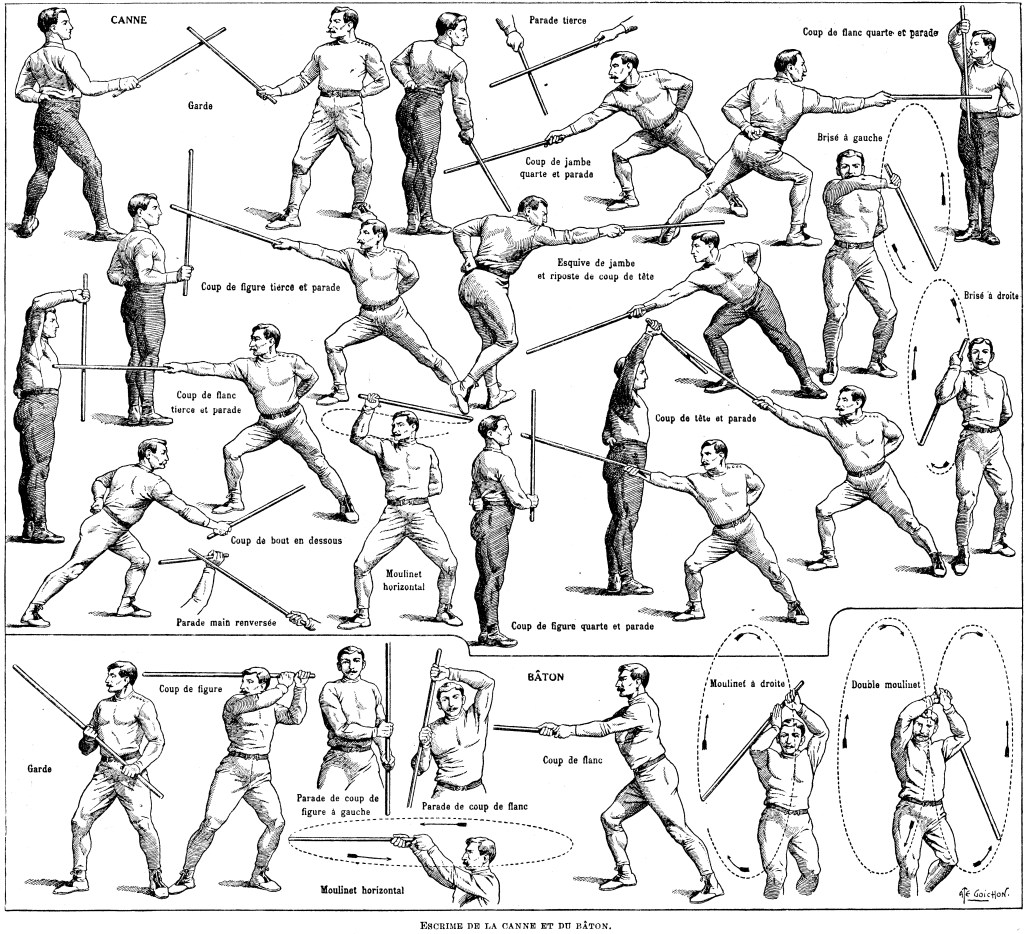
Studying stick fighting remains relevant despite the prevalence of firearms, as it offers practical benefits such as using a cane for support and self-defense. This ancient art form not only enhances physical fitness, agility, and reflexes, but also promotes mental discipline and strategic thinking, which are crucial in both combat and daily life. Additionally, stick fighting allows practitioners to connect with their cultural roots, providing valuable insights into historical combat techniques and the evolution of martial arts. This deeper understanding fosters a sense of respect for traditions and heritage that many modern disciplines lack. Moreover, the discipline fostered through martial arts can positively impact personal and professional life; skills such as focus, perseverance, and respect learned during training can enhance performance in various aspects of life, making the knowledge gained from studying stick fighting empowering and enriching. Embracing this practice can therefore lead not only to improved self-defense capabilities but also a more balanced and fulfilling life overall, encouraging individuals to build resilience and confidence in the face of challenges.


The study of the stick establishes foundational skills and dexterity for using various weapons, as sticks are commonly available in our environment compared to firearms and other weaponry. This accessibility not only encourages individuals to engage in training with an object that is both versatile and familiar, but also fosters creativity in weapon handling. Practicing with sticks allows for the development of core motor skills, balance, and coordination, which are transferable to a wide range of combat techniques.


Moreover, the simplicity of the stick serves as an accessible and versatile platform for experimentation, allowing practitioners to engage in a broad spectrum of techniques while fostering their creativity. This adaptability enables individuals to explore diverse styles and applications, whether they are focusing on traditional martial arts forms or innovative approaches that incorporate elements from various disciplines. As a result, the continuous practice and exploration not only lead to a nuanced understanding of fundamental movements but also cultivate a sense of mastery over the stick as a weapon. Ultimately, this process enhances their overall martial proficiency, equipping them with the skills needed to effectively respond to dynamic combat situations while encouraging personal growth and confidence in their abilities.

The stick serves as a versatile defensive tool for individuals who may be uncomfortable carrying more lethal options like firearms or knives due to the associated violence and potential legal ramifications; it provides them with a sense of security that is crucial in uncertain situations without crossing their personal psychological boundaries or ethical concerns. This simple yet effective instrument can empower people by allowing them to feel more prepared and confident, enabling them to navigate their environments with a degree of assurance. Furthermore, the stick is often seen as a less aggressive option, which can facilitate a non-confrontational approach to self-defense, thereby reducing the likelihood of escalating a situation into violence. By opting for a blunt weapon, individuals can maintain a sense of responsibility and control while still being ready to protect themselves if necessary.


Walking sticks are invaluable tools that provide essential stability and support, particularly for those navigating the often challenging and unpredictable conditions of uneven terrain. These instruments are especially beneficial for elderly individuals or those with mobility issues, as they help prevent falls and enhance overall confidence during movement. In addition to their primary function of assisting with balance, walking sticks can also act as a deterrent against aggressive animals. Their presence alone may discourage potential threats, and with a simple gesture, they can signal a protective stance. Beyond their defensive capabilities, walking sticks serve various practical uses, such as aiding in the clearing of paths overgrown with brush or even functioning as makeshift tent poles during outdoor adventures, showcasing their versatility in nature.


The stick serves various defensive purposes, including smashing, stabbing, binding, and tripping, and may be combined with hand and elbow techniques for enhanced effectiveness in close combat situations. Its versatility allows it to be employed in multiple ways, adapting to the unique dynamics of each encounter. The effectiveness of the stick depends significantly on its characteristics, such as length, weight, and type of wood, as these factors contribute to the force and control exerted during defensive maneuvers. While some strikes can be lethal if applied with sufficient force and precision, targeting non-lethal areas such as elbows, shins, and knees enables practitioners to engage in self-defense without inflicting fatal consequences. This approach prioritizes de-escalation and minimizing harm, thereby allowing individuals to protect themselves effectively while adhering to moral and ethical standards. Training and proper targeting play critical roles in influencing the lethality of its use, as a well-trained user is able to exploit the stick’s attributes to deliver precise and effective defensive actions. Legally, it can be viewed as a dangerous weapon, necessitating careful judgment and responsibility before use, as well as an understanding of the legal implications surrounding its application in various situations, ensuring that self-defense remains within the bounds of the law and societal norms.

The stick is a useful yet imperfect self-defense weapon that relies on the user’s skill and situational awareness. It can enhance defensive strategies, whether by creating distance from an aggressor or deflecting strikes. With proper training, individuals can learn techniques to maximize the stick’s potential, making it a versatile tool that complements other self-defense methods.

SELF DEFENSE SERIES (11/8/24) Once again, Knife Defense

Welcome to the Self Defense series, where we talk about it. The subject of Self-defense is very important, as it not only empowers individuals but also enhances their awareness of personal safety. In today’s world, being equipped with the knowledge and skills to protect oneself is essential, given the increasing concerns regarding safety in various environments. We will explore different techniques, strategies, and the mental aspects of self-defense, aiming to provide you with valuable insights that can be applied in real-life situations. Join us as we delve deeper into this vital topic, ensuring you feel confident and prepared to face any potential challenges.


Knife defense. Yes, we’re revisiting this topic because it holds significant relevance in today’s world. With incidents of knife attacks unfortunately becoming more common, understanding the techniques and strategies for self-defense is extremely important. Everyone should be equipped with the knowledge to protect themselves and their loved ones in potentially dangerous situations. Proper training can enhance awareness, improve reflexes, and provide the mental fortitude needed to react effectively under pressure. Additionally, exploring various defensive maneuvers and the psychology behind confrontations can empower individuals to respond wisely and safely.


I posted some videos to serve as resources for practical skills to handle a knife attack, covering self-defense techniques, situational awareness, and escape methods. By practicing these skills, you can enhance your confidence and preparedness for dangerous encounters, and I encourage sharing these resources with others to promote community safety awareness.

In this 1st video, special forces instructor Paulo GN Rubio of FUNKER TACTICAL, in a moment of reckless aggression, attempted to stab a United States Marine and 20-year Law Enforcement Officer with full intent and energy, wielding the knife like it was an extension of his own being. No warning! This was an impulsive action carried out with alarming fervor, full of intention and power! Each movement was raw, unrefined, and dangerously unrehearsed. Did he survive the attack? Watch and see as the events unfold!


After enduring this harrowing and humbling experience, he left Paul with 20 invaluable life-saving lessons about the complex nature of knife defense. It never looks as pretty as some would have you believe; the reality is often gritty and chaotic. Here is a no-nonsense approach to dealing with a bladed opponent, emphasizing the importance of preparation, awareness, and the mental fortitude required to endure such encounters.

These life-saving lesions are listed below:

  • DO NOT COLLECT FANCY TECHNIQUES!
  • SIMPLIFY KNIFE ATTACKS AS ABOVE OR BELOW 90 DEGREE ANGLES.
  • INCORPORATE “CONSEQUENCES” IN YOUR KNIFE TRAINING.
  • IN A FIGHT, EXPECT THAT YOU’RE GONNA GET HURT SOMEHOW.
  • GROSS MOTOR MOVEMENTS OVER FINE MOTOR MOVEMENTS.
  • BOTH THUMBS DOWN, CREATES INCIDENTAL DEFENSE FROM FOREARMS.
  • TECHNIQUES FAIL, FOCUS ON PRINCIPLES & KEEP GOING!
  • PUSHING FORWARD PREVENTS RECOIL AND RE-STAB!
  • WHAT IFS EXIST ONLY IN DEMOS. THEY DISAPPEAR WITH LIVE ENERGY.
  • FIGHTS MOVE, WE MOVE. REMEMBER THIS!
  • REMEMBER, YOU’RE GONNA GET CUT!
  • JUJITSU PRINCIPLE: STAY TIGHT!
  • IT’S NOT EASY TO SWITCH KNIFE HANDS! I’S JUST NOT.
  • SUPPORT HANDS KEEP WORKING! STRIKE OR ENFORCE CONTROL.
  • PROTECT YOUR VITALS.
  • RUN AWAY OR CRASH IN! ALL IN OR ALL OUT.
  • ISOLATE SOMETHING SMALL WITH SOMETHING BIG.
  • IMPACT WITH INTENT & AGGRESSION AT EVERY OPPORTUNITY.
  • USE ALL AVAILABLE TOOLS TO END THE FIGHT.

If you appreciated this free lesson, please say thanks to Sal by clicking on his Instagram account and giving him a follow. It means a lot to him to see support from learners like you, and by following his account, you’ll gain access to more valuable insights and resources that can enhance your knowledge even further. Here it is:   / ido_consulting

Now in this 2nd video, Paulo Rubio is himself being interviewed by Jesse Enkamp, aka THE KARATE NERD, as he shares some of his extensive experience and knowledge about this subject.


He emphasizes what truly works in self-defense scenarios and, just as importantly, what doesn’t work, helping you to avoid common pitfalls that many individuals face when confronted with threatening situations. By providing clear demonstrations, the training allows you to understand not only the actions to take but also the mindset needed for effective self-defense.

Thanks to FMJ Shooting Range, a hub for firearms training and self-defense courses: https://www.fmjskytte.se/english/, you have the opportunity to train in a supportive environment that prioritizes real-world self-defense. Train with Paulo GN Rubio: https://www.trainwithgn.com/, where you can refine your skills further and gain confidence in your ability to respond effectively in high-stress situations. Reinforce your knowledge through hands-on experience, supported by expert insights and drills that prepare you for the realities of knife encounters.

Knives, as well as other weapons, have been developed and used extensively by Capoeiristas for centuries, playing a significant role in various combat styles and self-defense techniques within the practice.


Although they may have fallen out of use in recent years due to the modern emphasis on unarmed techniques, some schools still place a strong focus on developing and refining these skills. The integration of weapon training not only enhances a practitioner’s overall proficiency but also helps them understand the principles of movement, timing, and distance in a more comprehensive way. Moreover, this traditional aspect of Capoeira helps preserve the cultural heritage and history associated with the art, ensuring that future generations remain connected to its rich legacy.


Knife defense is more than just the simplistic notions of “run away” or “expect to get cut”; it involves a comprehensive understanding of situational awareness, risk assessment, and techniques to either de-escalate a confrontation or effectively protect oneself should an attack occur. It requires training in recognizing potential threats before they escalate, as well as developing reflexes and strategies to respond swiftly and efficiently to an assailant’s movements.

Furthermore, awareness of the environment, the use of improvised barriers, and maintaining a calm demeanor play crucial roles in surviving such confrontations, making knife defense a multifaceted discipline that goes well beyond mere survival instincts. It involves a deep understanding of the surroundings, allowing individuals to identify potential escape routes and obstacles that can be utilized to their advantage. Additionally, the ability to create improvised barriers—from everyday objects like chairs to more substantial obstacles—can provide essential protection during a potentially life-threatening encounter. Coupled with this, cultivating a calm demeanor can significantly enhance one’s decision-making process, enabling the individual to react with clarity instead of panic, ultimately transforming a desperate situation into a more manageable challenge. It is this blend of mental preparedness, environmental awareness, and tactical response that elevates knife defense into an art form, requiring both psychological fortitude and physical dexterity.