Short post here. I said I was gonna post about some of the Capoeira events that happen in the beginning of the year.
This one is actually from December 2018, and it’s a celebration of the late Mestre João Pequeno’s birthday in 2018. It would have been his 101st birthday.
One of my favorite Capoeira songs is called “Vamos a Vadiar Angola”, sung here by Mestre Ferradura, the guy in the ponytail.
And check out his amazing game… Lyrics are under the video.
Vamos vadiar Angola
Vamos vadiar Angola
Let’s play around Angola
Angola Vamos vadiar
Angola let’s play around
Pra lá
Over there
Vamos vadiar Angola
Let’s play around Angola
Todos Vamos vadiar
We are all going to play around
Daqui pra li, de cá pra lá
From here to there, here to there
De cá pra lá vamos vadiar
From there to here let’s play
Vamos vadiar angola
Let’s play around Angola
Angola Vamos vadiar
Angola let’s play around
Pra lá
Over there
So, I bet you’re wondering why I mentioned this?
In the martial arts, one of our main goals is to be able to apply our skills to a resisting opponent, and one good way to develop that skill is by SPARRING.
Sparring is a form of training common to many martial arts, and combat sports. Although the form varies between different styles, it is basically ‘free-form’ fighting (relatively), with enough rules, customs, or agreements to minimize injuries.
However, in Capoeira Angola, we don’t really spar, we PLAY.
As you can see in the above video, Although we do exchange blows, it’s done in a very lighthearted, joking manner.
In fact, other names for Capoeira were jogo de crianca (children’s game) brincadeira (joking around), or vadiacao (loitering, hanging out)
You know, it took me a long time to write this post, a couple of months in fact. The main reason is I couldn’t articulate the benefits of PLAYING, as opposed to SPARRING, as a more useful way for a capoeirista, or any other martial artist, to develop their skills.
But then, about a week ago, I came across this amazing video made by Jesse Enkamp. Now in case you don’t know, Jesse Enkamp a.k.a The Karate Nerd™ has a super cool YouTube channel, THE KARATE NERD.
Anyway, here is the video below. I also posted some links for the video description on YouTube below the video, that backs up what was said in this video, for you “researchers” out there.
Once again, please watch the KARATE NERD’S channel, / karatebyjesse You’ll find a lot of gems of knowledge here, even if you have no interest in Karate.
The video and the links above put up a very srong argument for the concept of play as a effective way to develop fighting skills, without hard sparring.
However, there is another area that the concept of play in capoeira can help it’s practitioners. And that is helping to heal from trauma.
Now I’m not going to go into too much detail about this subject in this post. If you want to now more, you can go to the 2 pages I mentioned above.
But I did post this video below you, which I also posted on one of the aforementioned pages. It\s frpm THE CAPOEIRA LIFE SHOW, and it explais a bit of what I’m talking about in a 2 minute video.
Oh, and click HERE to buy the book he’s talking about.
Well, That’s it for this post. I want yo leave you with this little tidbit:
YOU CAN LEARN TO FIGHT BUT YOU DON’T HAVE TO FIGHT TO LEARN.
I hope you all have a wonderful Valentine’s Day. However, we at Jogo Corpo Fechado would like to celebrate and honor another event that happened on this day.
On this day, British navigator Captain James Cook was killed in Hawaii.
“On February 14, 1779 Captain James Cook of the british royal navy was killed by natives in Kealakekua Bay, on the Big Island of Hawaii. Cook was a true savage, who sailed across the world bringing murder, rape, disease, and colonialism to native peoples all over the Pacific.
When he was killed, Cook was trying to kidnap the Hawaiian Aliʻi (tribal chief) Kalaniʻōpuʻu in response to an unknown person stealing a small boat. In the process, he had threatened to open fire on the islanders.
At this point, the Hawaiians decided they had enough of Cook’s bs, threatened with mass murder and the kidnapping of one of their tribal leaders, the Hawaiian islanders gave him a beatdown on the beach, and a knife to the chest. This put an end to a lifetime of predatory behaviour and conquest of lands in the service to the British Empire.” – The Australian Holocaust
So today, we at Jogo Corpo Fechado would like all of our readers to join the Hawai’ians and the peoples of the Pacific, as we celebrate Hauʻoli Lā Hoʻomake iā Kapena Kuke, Happy Death of Captain Cook day!
Well, it’s that time of year again! Now, for those of you who don’t know, here’s a small definition of Carnaval.
Carnival is an annual festival held the Friday afternoon before Ash Wednesday at noon, which marks the beginning of Lent, the forty-day period before Easter. During Lent, Roman Catholics and some other Christians traditionally abstained from the consumption of meat and poultry.
It is the most popular holiday in Brazil, and has become an event of huge proportions.Except for industrial production, retail establishments such as malls, and carnival-related businesses, the country unifies completely for almost a week and festivities are intense, day and night, mainly in coastal cities. Rio de Janeiro’s carnival alone drew 4.9 million people in 2011, with 400,000 being foreigners.
Historically its origins can be traced to the Portuguese Age of Discoveries when their caravels passed regularly through Madeira island, a territory which already celebrated emphatically its carnival season, and where they were loaded with goods but also people and their ludic and cultural expressions.
Now I posted that in January, there are a lot of capoeira events leading up to carnaval. I will make some short posts about some of these events shortly.
I will end this post with a small video of carnaval 2024 in Salvador, Bahia.
Yes, it’s that time of year again. The month where every other race, color, and creed in the U.S.A. gets to learn about the achievements of black people in the U.S.A., and the African diaspora.
Now I admit, I don’t post much about black history month on this website, because here at Jogo Corpo Fechado, we celebrate black history all year.
Now, I admit I’ve haven’t posted much of anything last month, and that’s because I was looking at which direction I should take this site.
For now, I’m gonna post some videos of Cappoeira Angola events That took place last month, jauary being the big month where most large Capoeira events happen, leadig up to Carnaval.
Okay, in keeping with black history month, I wanna end this post with this interesting video I just watched.
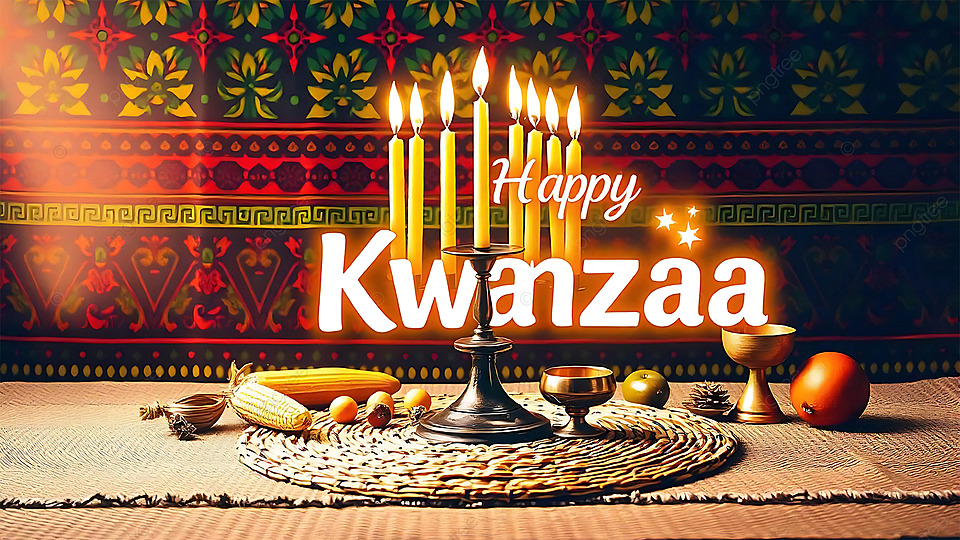
Kwanzaa is a seven-day celebration observed from December 26 to January 1, promoting Pan-African culture and community. It can serve as an alternative or an addition to other winter holidays, focusing on seven key principles applicable throughout the year.
Today’s Kwanzaa principle, Imani (Faith), emphasizes the significance of family and community traditions as a spiritual center, fostering belief in community leaders, elders, and loved ones, both past and present. This principle encourages individuals to cultivate a deep-seated trust and confidence in one another, reinforcing the bonds that unite families and communities. By honoring the lessons and experiences passed down through generations, Imani nourishes a collective identity that celebrates shared heritage and values.
It inspires people to actively participate in the growth and development of their communities, reinforcing the idea that faith in one another is essential for resilience and harmony. This collective engagement not only fosters a sense of belonging but also cultivates a dynamic environment where innovative ideas can flourish, allowing individuals to harness their unique strengths for the greater good. In acknowledging the sacrifices and triumphs of those who came before us, we not only pay tribute to their legacy but also empower ourselves to envision a brighter future for the generations yet to come, embracing a commitment to uplift and support each other through life’s challenges.
By remembering our shared history, we are reminded of the power of unity, instilling a deeper sense of responsibility to carry forward the lessons learned and to strive for a more inclusive and compassionate world. It is through these shared experiences and the bonds we create that we can build a foundation of hope, ensuring that every voice is heard and valued in our collective pursuit of growth.