The Self-Defense Series: A Blueprint for Empowerment and Survival
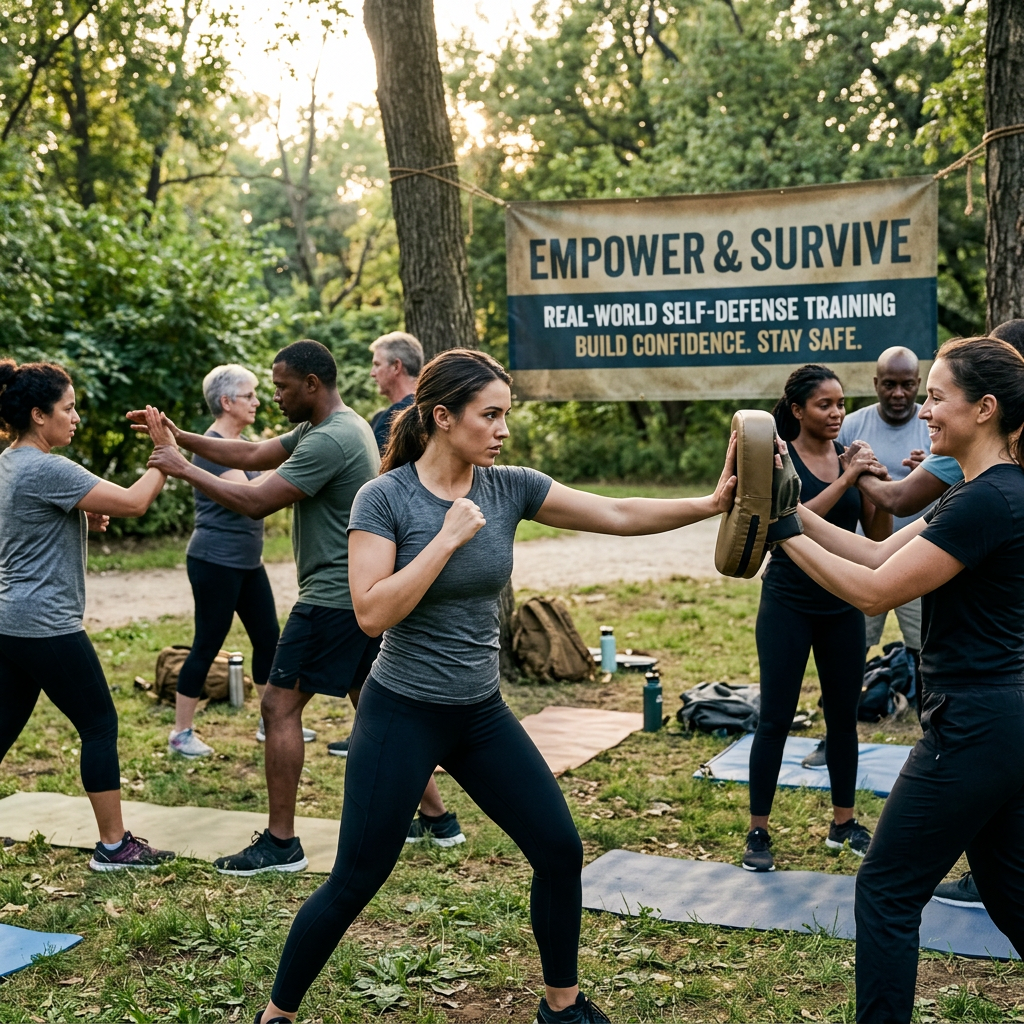
Beyond physical techniques, effective self-defense requires a holistic transformation to navigate real-world violence. The Self-Defense Series builds a four-pillared foundation—physical, mental, spiritual, and legal—to foster resilience, readiness, and confidence.
Moving past rote memorization, this philosophy equips individuals to not only survive encounters but to thrive afterward. This approach integrates preparedness into a lifestyle rather than a temporary skill set.
In today’s installment…
At some point in your life, you’ve felt it. You walk into a room… lock eyes with someone… and in seconds, a silent judgment is made. Are you a threat? Or are you a target? This isn’t random. It’s not social anxiety. It’s not overthinking. It’s a primal instinct that still controls men today. Before a single word is spoken, men are constantly sizing each other up—reading posture, eye contact, tone, movement, and intent. What looks like a normal interaction on the surface is often a pre-fight ritual underneath. Each stage is a probe… and if you misread it, hesitate, or react the wrong way—you can escalate the situation or make yourself look like an easy target.
Neutralizing such confrontations requires more than physical skill; it demands a strategic mastery of presence. This involves understanding the architecture of confidence through body language and maintaining psychological fortitude under extreme pressure. Real self-defense is about control, awareness, and a comprehensive understanding of human violence, rather than proving toughness. The ability to regulate fear and maintain detached observation is the hallmark of true competence, shifting the focus from “winning an argument” to ensuring one”s physical safety and going home.
True proficiency in these high-stakes environments necessitates the development of a professional detachment, where one can observe a situation with analytical clarity while the body prepares for action. This strategic presence serves as a deterrent, signaling a high level of situational awareness that can often de-escalate a potential conflict before it turns physical. Ultimately, the goal of the Self-Defense Series is to integrate this mental and physical preparedness into a permanent lifestyle, ensuring that individuals are equipped to navigate the complexities of real-world violence and thrive long after an encounter has concluded.
.
Neutralizing such confrontations requires more than physical skill; it demands a strategic mastery of presence. This involves understanding the architecture of confidence through body language and maintaining psychological fortitude under extreme pressure. Real self-defense is about control, awareness, and a comprehensive understanding of human violence, rather than proving toughness. The ability to regulate fear and maintain detached observation is the hallmark of true competence, shifting the focus from “winning an argument” to ensuring one’s physical safety and going home.
True proficiency in these high-stakes environments necessitates the development of a professional detachment, where one can observe a situation with analytical clarity while the body prepares for action. This strategic presence serves as a deterrent, signaling a high level of situational awareness that can often de-escalate a potential conflict before it turns physical. Ultimately, the goal of the Self-Defense Series is to integrate this mental and physical preparedness into a permanent lifestyle, ensuring that individuals are equipped to navigate the complexities of real-world violence and thrive long after an encounter has concluded.
In this video, the good people at FIGHT SCIENCE break down:
- The hidden instinct that drives how men judge each other
- The 4 cues people scan instantly and their true meaning
- Why “sizing someone up” is often dangerously wrong
- Tactical positioning and angles to mitigate aggressive intimidation
- How experienced people read situations before violence starts
- Managing visual focus to avoid tunnel vision and detect rapid strikes
- Controlling your presence to avoid being misread as weak or provoking the wrong reaction
Because in the real world, you’re not just being judged. You’re being evaluated as a target. And whether you like it or not… it’s happening every time.