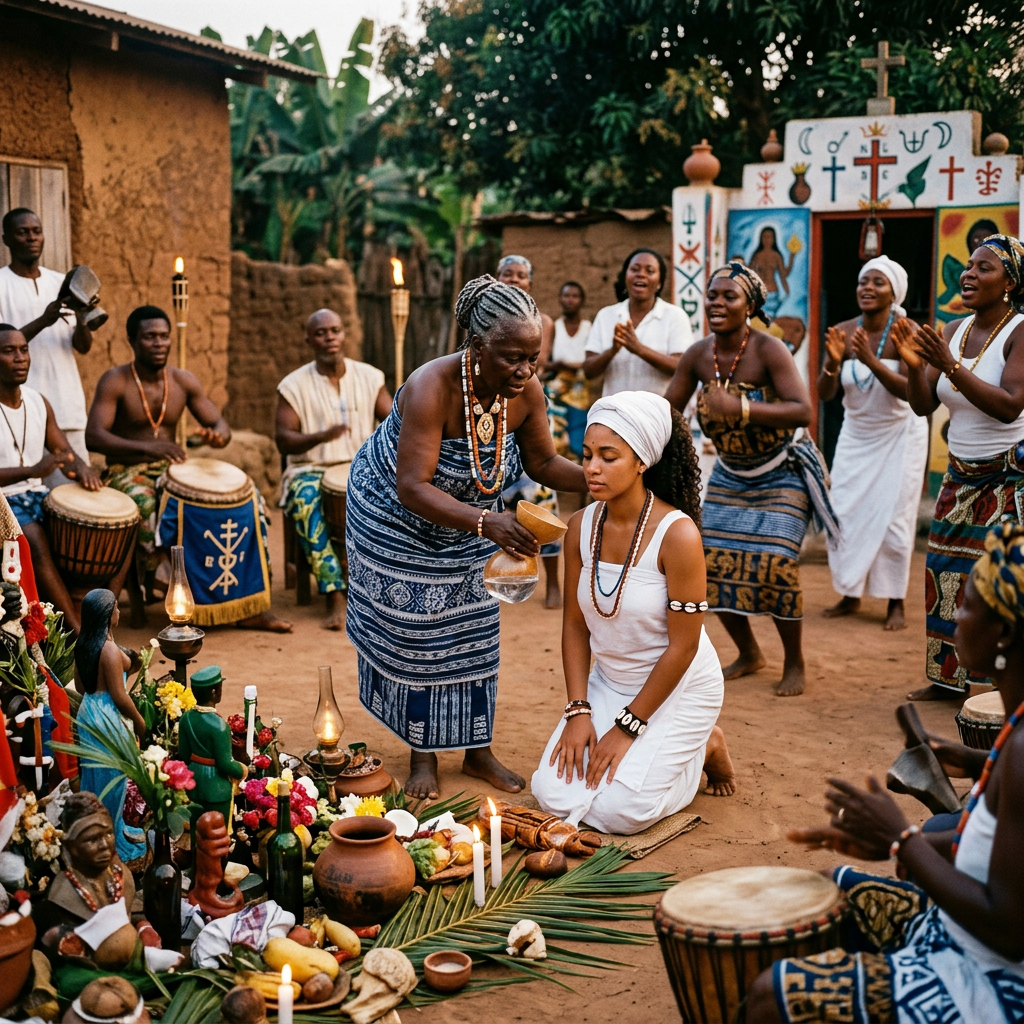
Welcome to SPIRITUAL PRACTICES OF AFRICA, AND THE DIASPORA. These diverse indigenous belief systems emphasize the interconnectedness of the living, the deceased, and the divine. Across Africa, practices often center on a supreme being and various deities. Through the Diaspora, these philosophies evolved into related faiths like Santera, Candomble, and Vodou, continuing to shape cultural identities today.
African spirituality is deeply rooted in foundational cosmologies such as the Orishas of the Yoruba and the Vodun traditions of the Gbe-speaking peoples. These systems describe a universe built on a profound interconnectedness between the living, the ancestors, and the divine. In these worldviews, there is often a supreme being accompanied by various deities who mediate between the celestial and earthly realms.
We also explore the syncretism of Christianity and Islam with traditional beliefs. This synthesis reinterpreted foreign theology through indigenous lenses, maintaining deep ties to African soil. Despite enduring centuries of historical colonial suppression, these indigenous belief systems proved resilient through strategic syncretism, where traditional practices were shielded behind external symbols and iconography. Central to this is ancestral worship, which serves as a contemporary anchor for identity.
Today, a global revival is taking place as sacred philosophies, languages, and rituals are reclaimed. By shielding traditional practices with external symbols, these enduring worldviews provide a sacred map for navigating modern challenges, reinforcing cultural heritage, and honoring the ancestors.
In Today’s installment…
Foundational Cosmologies and the Interconnected Universe
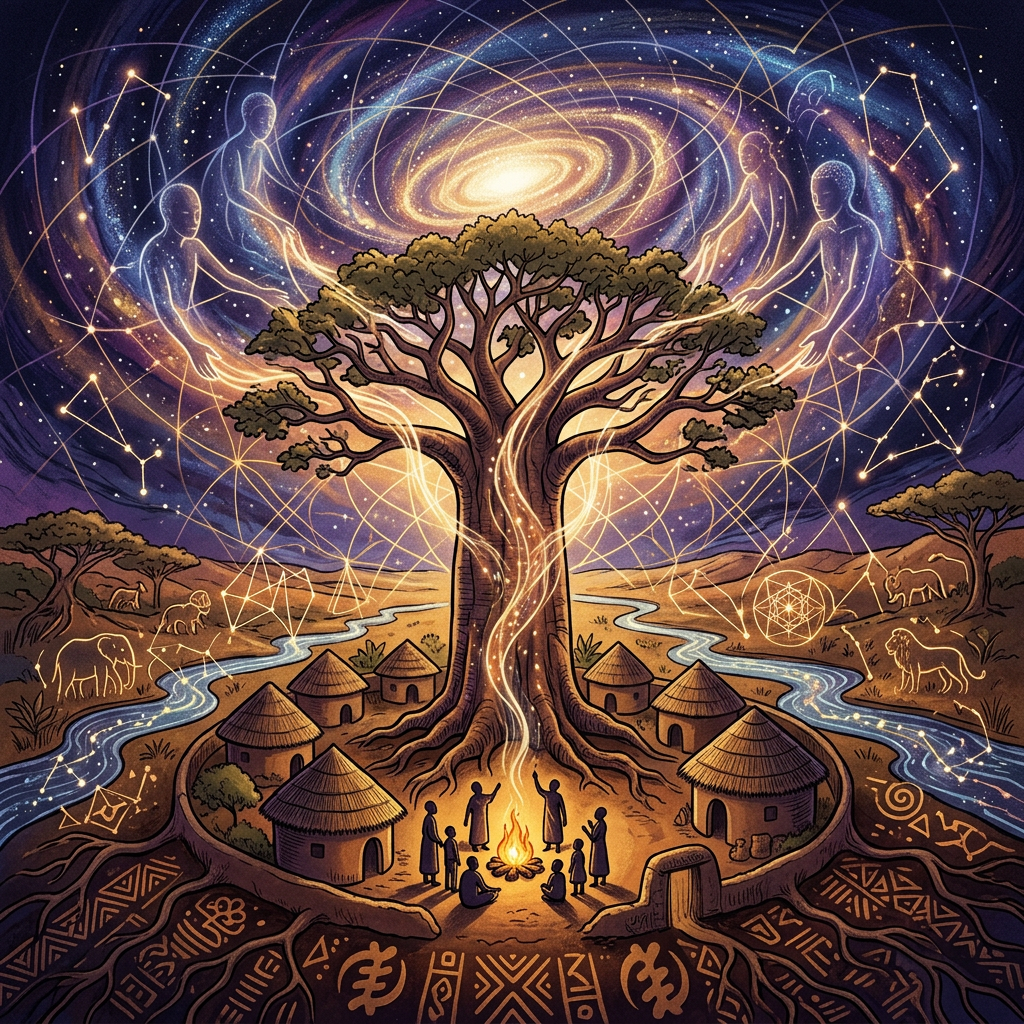
African spirituality is rooted in foundational cosmologies such as the Orishas of the Yoruba and the Vodun traditions of the Gbe-speaking peoples, which encapsulate a rich tapestry of beliefs, practices, and rituals that have been passed down through generations. These systems describe a universe built on a profound interconnectedness between the living, the ancestors, and the divine, emphasizing the importance of harmony and balance within this intricate web of existence. In these worldviews, there is often a supreme being accompanied by various deities who mediate between the celestial and earthly realms, each serving specific roles and functions that reflect the diverse aspects of life. Furthermore, rituals and offerings are integral to these practices, as they foster communication with the spiritual world, ensuring that the guidance and protection of the ancestors and deities are continually sought and maintained. This holistic approach not only reinforces community bonds but also highlights the significance of ancestry, tradition, and respect for nature within African spirituality.
Colonial Suppression and Strategic Syncretism
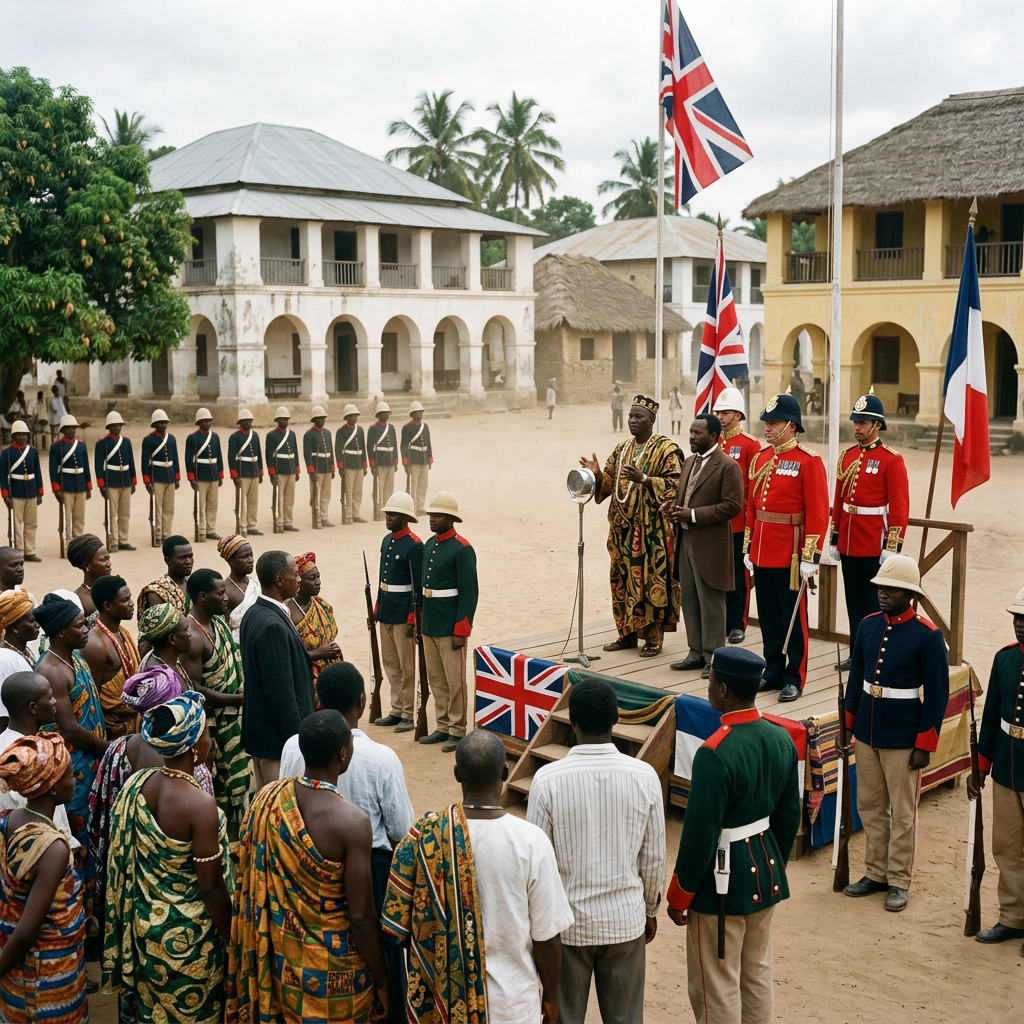
Despite enduring centuries of historical colonial suppression, these indigenous belief systems proved resilient and adaptive, evolving to meet the challenges posed by external forces. They survived primarily through strategic syncretism, a method where traditional African practices were cleverly shielded behind the external symbols and iconography of Christianity and Islam, thus allowing cultural continuity amidst displacement. By reinterpreting foreign theologies through indigenous lenses, practitioners not only preserved their ancestral knowledge but also maintained deep ties to African soil. This intricate dance of belief enabled them to cultivate a spiritual identity that felt authentic, while simultaneously appearing to conform to the colonial religious mandates imposed upon them. In this way, these communities developed a rich tapestry of faith that wove together elements from different traditions, creating a unique and multifaceted spiritual landscape that continues to influence contemporary practices.
The Global Diaspora and Modern Revival
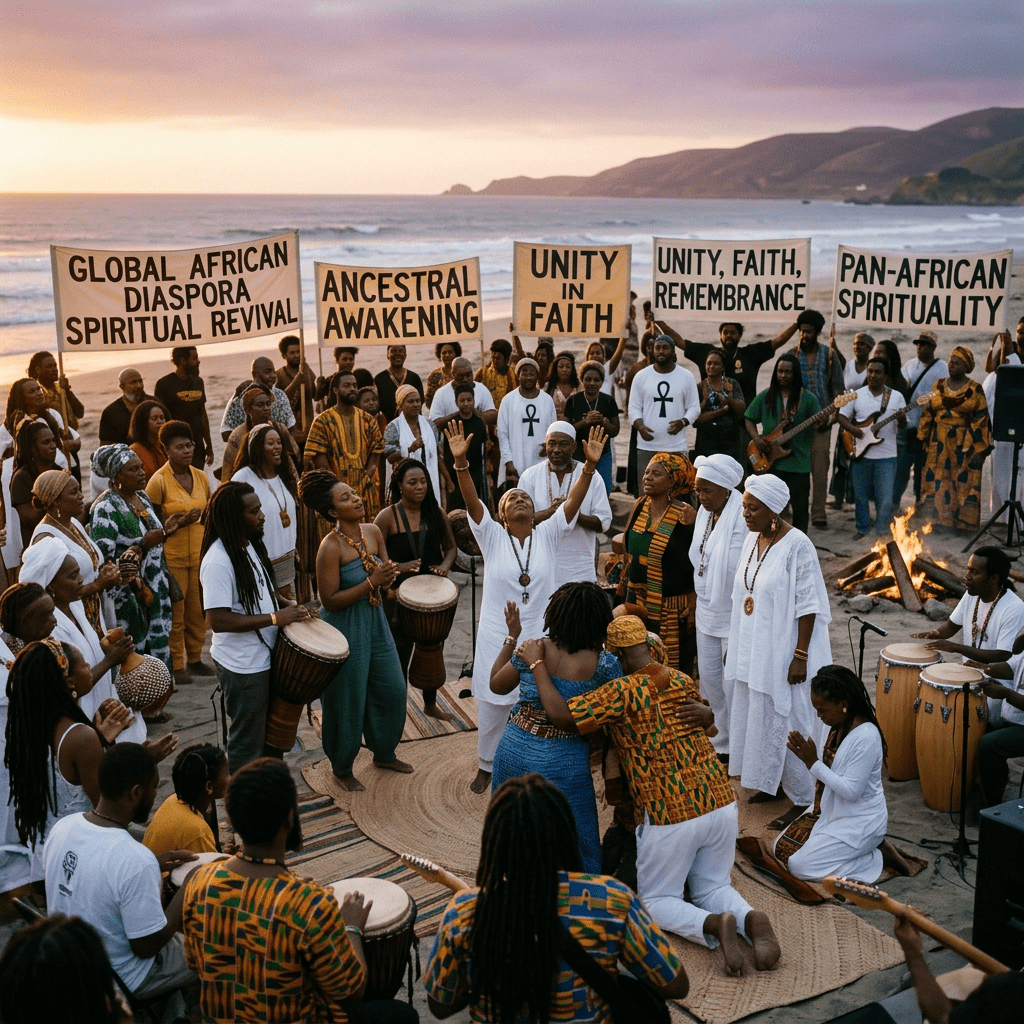
As these philosophies moved through the Diaspora, they evolved into vibrant faiths like Santería, Candomblé, and Vodou, each uniquely shaped by the cultural and historical contexts of their followers. Today, a global revival is taking place as sacred philosophies, languages, and rituals are reclaimed, drawing in individuals who seek to reconnect with their roots and navigate the complexities of contemporary life. This movement not only serves as a contemporary anchor for identity but also fosters a sense of community and belonging, allowing individuals to share their stories and experiences with others.
By reinforcing their cultural heritage and honoring ancestral worship, practitioners find strength and solace in their spiritual practices, which provide a robust framework to not only address modern challenges such as displacement, discrimination, and loss of tradition but also to cultivate a sense of community and belonging. These practices, deeply rooted in history, serve as a reminder of the resilience and wisdom of past generations, enabling individuals to draw upon age-old teachings to navigate contemporary issues. As these vibrant faiths flourish and evolve, they inspire a new generation to explore their own histories and the diverse narratives that shape their identities, leading to rich dialogues that celebrate diversity and mutual respect among different cultural expressions. This ongoing exchange of ideas fosters an environment where creativity and innovation can thrive, bridging gaps between generations and cultures, and ultimately enriching the collective human experience.