
Welcome to MARTIAL ARTS THEATER, a vibrant community hub that passionately celebrates martial arts heritage while fostering personal growth, discipline, and camaraderie for practitioners of all skill levels. We provide a wealth of resources such as expert interviews, detailed instructional videos, and engaging community events covering a wide range of disciplines including karate, taekwondo, judo, and Brazilian jiu-jitsu. Our aim is to create a supportive, inclusive environment where everyone, from curious beginners to seasoned black belts, can thrive and flourish. We believe in promoting connections among members by facilitating a transformative journey of self-discovery and empowerment through shared experiences. Join us as we nurture respect, understanding, and support, helping individuals not only excel in their martial arts journey but also build lasting friendships that foster unity and strength within our community. Together, we can cultivate a culture where everyone is inspired to reach their fullest potential, overcoming challenges and celebrating achievements along the way.
In Today’s Installment…
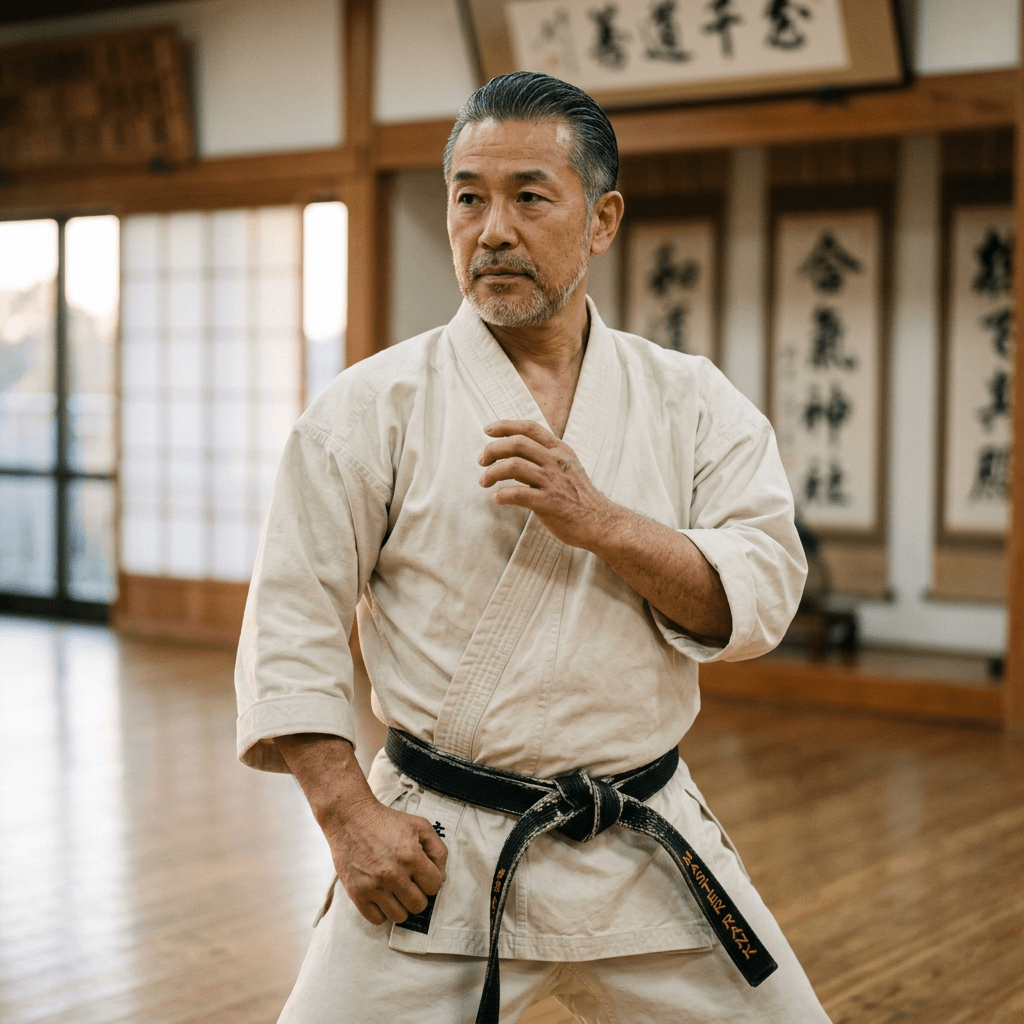
What is a black belt? And why do so many of them keep losing? Why are there so many fake ones out there? In this video documentary, Youtuber Nathaniel Cho has dug into the real history of the black belt: where it came from, who profits from it today, and why “black belt” means something completely different in Japan than it does anywhere else.
Historically, the black belt was not always a complex hierarchy of colors. In early Japanese systems, there were often only two ranks: white belt and black belt, signifying the transition from a beginner to a student with a teaching diploma. This codified roadmap, known as the Kyu (student) and Dan (master) grades, was designed to chart a practitioner’s journey from absolute beginner to seasoned instructor.
Today, the definition of a black belt has evolved. For some, it represents a state of “indomitable spirit” and the beginning of a warrior’s way of life. For others, it is a statement of maturity and responsibility, achieved through a profound study of basics and an understanding of the ethics and compassion that arise from martial arts. However, the modernization of martial arts into a standardized Western concept has often shifted the focus toward measurable results, tournament victories, and quantifiable performance metrics, sometimes at the expense of its deeper cultural and spiritual roots.
The “black belt” experience also varies wildly across styles, reflecting the rich diversity within martial arts traditions. In Okinawan Isshin-Ryu, the rank signifies a “Whole-Hearted Method” and a deep commitment to preserving tradition, emphasizing not only technical proficiency but also the philosophical and cultural aspects inherent to the art. Practitioners are often tasked with understanding the historical context of their movements, ensuring that they embody the spirit of their predecessors. Meanwhile, in arts like Capoeira Angola or Filipino Martial Arts, the concept of mastery is often recognized through communal acknowledgment and demonstrated skill rather than a formal belt ranking system.
In these vibrant communities, mastery is celebrated in spontaneous demonstrations of technique and prowess, where respect and recognition are earned through participation and contribution to the art form. This communal spirit fosters a unique bond among practitioners, highlighting that the journey of mastery transcends mere titles or rankings, focusing instead on the growth, experiences, and shared knowledge that enrich the martial arts community as a whole.
In this enlightening documentary, Nathaniel Cho embarks on a captivating exploration of the intricate history of the black belt: delving into its origins, the societal and cultural contexts that birthed this significant symbol, and examining who profits from its modern-day association with martial arts and beyond. Cho’s investigation reveals the deeply rooted connections between the black belt and issues of race, identity, and commerce, raising thought-provoking questions about its implications today. Furthermore, he poignantly addresses why “black belt” signifies something entirely different in Japan, where it is deeply woven into the fabric of martial traditions, compared to its often commercialized interpretation in other parts of the world, thereby shedding light on the nuanced understandings and varied impacts of this iconic term.
If you found this documentary insightful and wish to contribute to the continued production of high-quality martial arts research, please consider supporting Nathaniel on Patreon: / nathanielcho
Your contributions help fund the extensive investigative work required to uncover the complex history and modern evolution of martial arts traditions globally.