The Vital Role of Digital Archives in Capoeira Angola
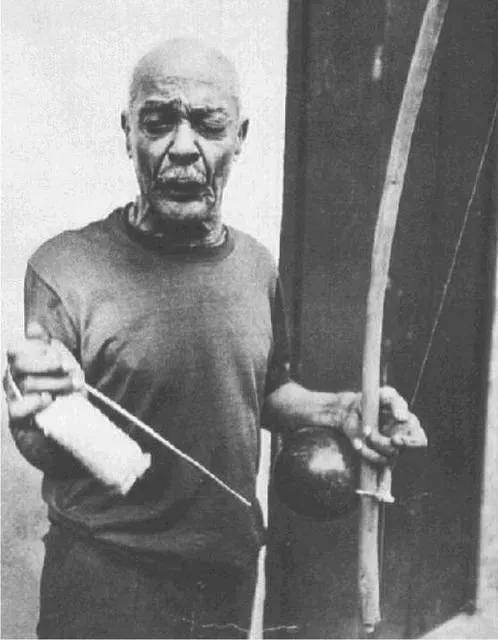
Online Capoeira Angola videos are vital cultural archives. They document the intricate blend of music, movement, and history, showcasing technical mastery in movements like esquivas and aús. These records provide essential insight into the art’s Afro-Brazilian roots and sociological depth, serving as a digital safeguard for a tradition that was once marginalized and repressed. Digital repositories facilitate a global exchange of knowledge, connecting disparate communities to the foundational philosophies of Mestre Pastinha and other legendary figures. By documenting the “malícia” and deceptive grace of the game, these videos ensure that the subtle, non-verbal communication unique to Capoeira Angola remains accessible, fostering a deeper appreciation for its role as a tool for social resistance and identity formation.
This medium serves a dual role: entertaining through physical strategy while educating viewers on Capoeira’s untold history. By capturing the players’ commitment, these videos inspire future generations and preserve the art as a living tradition of resilience and cultural pride. They allow practitioners worldwide to observe the nuanced dialogue between players, the rhythmic command of the berimbau, and the ancestral wisdom embedded in every ritualized gesture. This dialogue is central to the “jogo” (the game), requiring intuition and an understanding of the non-verbal communication between players within the roda.
Technical Mastery and the Philosophy of Movement
The physical prowess documented in these archives is the result of relentless dedication and rigorous training designed to condition the body for movements that synthesize precision, power, and grace. Mastery involves a demanding combination of strength conditioning, deep flexibility, and unyielding endurance, essential for the long, low, and often acrobatic movements of the style. The low-to-the-ground ginga—the foundational, swaying motion—teaches practitioners to move with the resilient adaptability of a mangrove root system: always grounded and connected to the earth, yet prepared to sway and redirect forces.
Advanced movement in Capoeira Angola emphasizes the seamless ability to adapt with maximum efficiency and minimum effort. Evasion and counter-attack are sophisticated expressions of ecological wisdom, where yielding to pressure or moving out of the line of attack conserves energy for a well-timed return, mirroring how a river bypasses an obstacle to gather force downstream. This strategic application of power is rooted in “malícia”—the cunning, deceptive, and intelligent use of movement.
Historical and Cultural Significance
Capoeira Angola is a comprehensive, holistic system that draws inspiration from the rhythms and laws of the natural world. The songs (quadras and corridos) and oral traditions are a rich repository of allegories, reinforcing lessons of respect, patience, and perseverance often embodied by figures from the animal kingdom. For many, these songs are profound life lessons, transmitting oral history and offering guidance on how to survive and thrive. Practitioners embark on a lifelong journey of cultural reaffirmation, connecting to the deep history of enslaved Africans in Brazil who created the art as a tool for survival, resistance, and freedom.
The recorded match between Mestre Cabelo and Neve Angola at the 2016 Precapoeirasia workshop in Moscow serves as a profound case study in the preservation of the art. These international workshops, often referred to as “vivncias,” function as vital conduits for transmitting the nuanced “malcia” and deceptive grace that define Capoeira Angola. By hosting senior masters in cities far from the art’s Afro-Brazilian birthplace, the global community ensures that the rhythmic command of the berimbau and the foundational philosophies of figures like Mestre Pastinha remain vital and accessible.
Such immersions are essential for deepening a practitioner’s connection to their specific lineage, providing a structured environment where the non-verbal dialogue of the “jogo” can be meticulously studied. These intensive workshops allow for a focused examination of the intuitive responses and psychological strategies that occur within the roda, which are often difficult to capture in regular training sessions. These events act as digital and physical safeguards, documenting the intricate blend of music, movement, and ancestral wisdom for future generations. By recording these interactions, the community creates a permanent archive of the rhythmic command of the berimbau and the ritualized gestures that define the art. By participating in these intensives, capoeiristas engage in a process of cultural reaffirmation, honoring the tradition’s history as a tool for social resistance and identity formation while maintaining the integrity of its roots through direct contact with master-level practitioners. This direct transmission ensures that the foundational philosophies of figures like Mestre Pastinha are not lost but are instead adapted and kept vital within the global community.