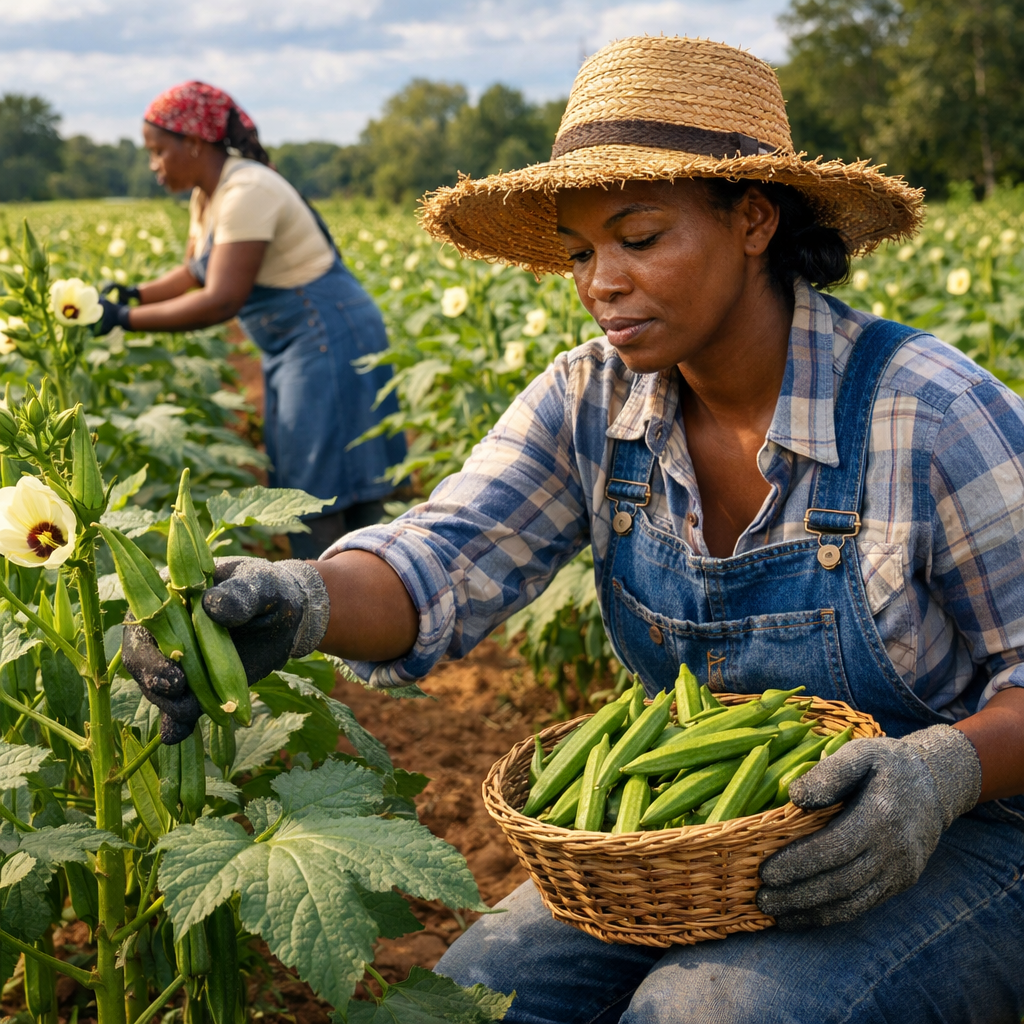
Welcome to the Survivor Series: Mastering Urban and Wilderness Survival, your essential guide to acquiring the skills and strategies needed to thrive when faced with life’s unexpected challenges. This comprehensive blog series is designed not just for “preppers,” but for anyone seeking greater self-reliance, resilience, and confidence in navigating an increasingly uncertain world. Throughout this series, you will uncover invaluable insights into practical survival techniques, from crucial first-aid skills and effective shelter-building methods to navigating urban terrains and sourcing food in the wild. Each installment will provide you with actionable tips, real-life examples, and how our ancestors survived in the past, ensuring you are well-equipped to face various scenarios, cultivate a survival mindset, and develop a profound understanding of both urban and wilderness environments. Whether you are an adventurous spirit, a concerned citizen, or simply someone wanting to enhance your knowledge and preparedness, this series aims to empower you with the tools needed to confidently embrace any situation life throws your way.
In today’s installment…
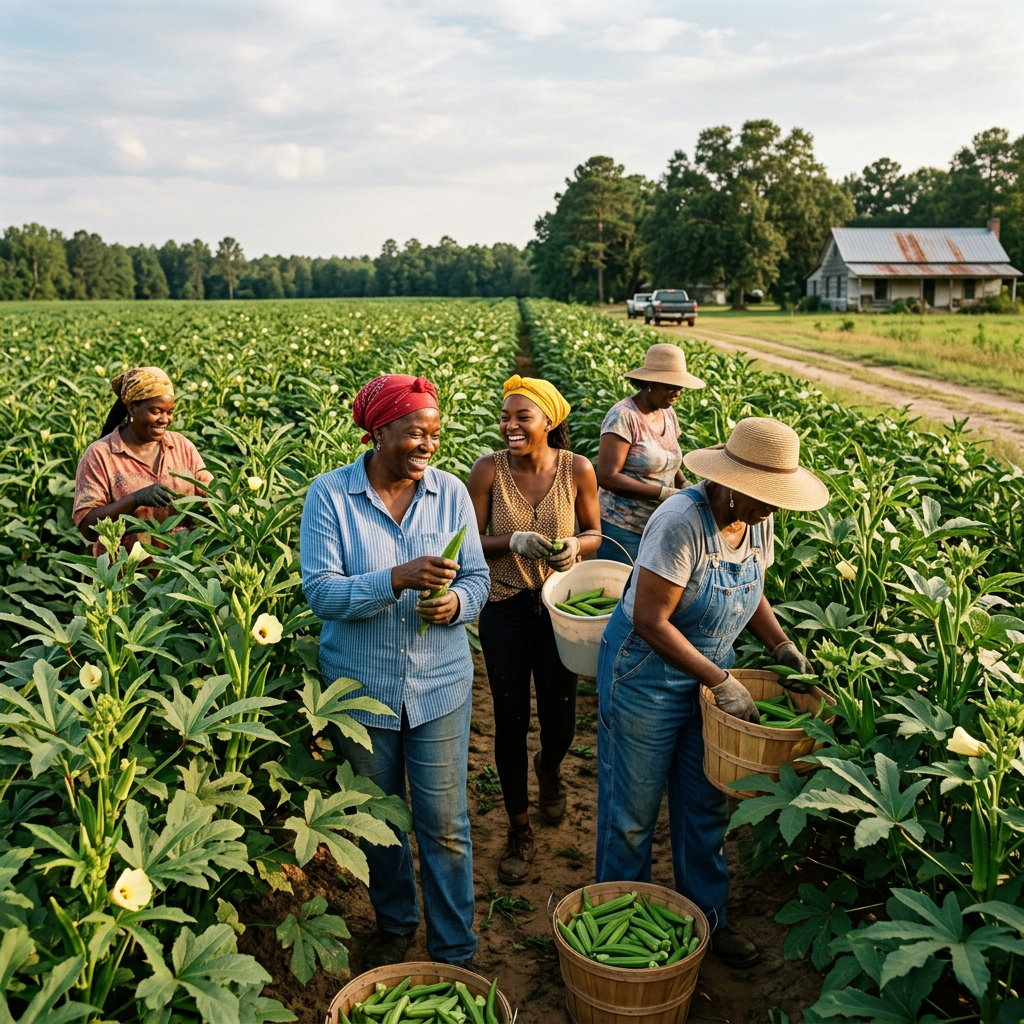
History books often perpetuate the misconception that enslaved Africans arrived in the Americas without any cultural or material assets, rendering them entirely dependent on their captors. This narrative is fundamentally false, often used by historians to justify dehumanization and rewrite history to suit political and economic needs. Long before their forced boarding into the cargo holds of slave ships, West African women demonstrated remarkable foresight and agency by weaving a literal blueprint for survival into their hair. By braiding seeds from drought-resistant crops—such as okra, rice, and melon—into their hair, these women successfully smuggled the “source code” for what would become foundational Southern agriculture across the Atlantic Ocean.
This act of resistance was not isolated but part of a broader systematic preservation of cultural and intellectual heritage. Enslaved individuals were not merely recipients of colonial violence but active agents who strategically deployed their traditions as tools for communication and spiritual survival under the brutal realities of chattel slavery. For example, linguistic homogeneity in regions like Kongo/Angola allowed captives to establish communication and redraw ethnic boundaries even before touching American soil. Beyond language, the intentional braiding of drought-resistant seeds into the hair of West African women served as a literal blueprint for agricultural survival, smuggling the “source code” for what would become foundational Southern crops like okra and rice across the Atlantic. This collective resilience flowered into a dynamic culture that became the bedrock for significant portions of music, language, and foodways celebrated globally today.
This legacy of resilience and ingenuity continues to be explored and shared by creators like those at Onemichistory.com. You can support their work and find more in-depth historical accounts through the following platforms:
- Follow them on Threads: @onemic_history
- Subscribe to the podcast on Substack: One Mic Black History Podcast
- Support via Patreon: Patreon Membership
- Buy the creator a coffee: Buy Me a Coffee
This legacy of resilience and ingenuity continues to be explored and shared by creators like those at Onemichistory.com. You can support their work and find more in-depth historical accounts through the following platforms:
- Follow them on Threads: @onemic_history
- Subscribe to the podcast on Substack: One Mic Black History Podcast
- Support via Patreon: Patreon Membership
- Buy the creator a coffee: Buy Me a Coffee