And… what if that white woman was constantly referring to that black woman as a nig@er? or darkie? or junglebunny? Those and a few other slurs have been hurled my way, and sometimes it can nurt as well as a punch.Imagine a scenario where the systemic power imbalance is not just structural but personal, manifesting in a relentless barrage of verbal abuse. What if, for example, that white woman in the interaction was not just disagreeing, but was constantly and deliberately weaponizing language against the black woman, referring to her with vile racial epithets? Specifically, what if the words she hurled were terms like “nigger,” “darkie,” or “junglebunny”?
These slurs—and others of their ilk—are not merely insults; they are linguistic tools forged in histories of oppression and dehumanization. They are designed to diminish, to strip away dignity, and to reinforce a brutal hierarchy. Speaking from personal experience, having these particular slurs hurled my way has been deeply painful. There is a distinct, visceral quality to the injury they inflict. Sometimes, the emotional and psychological toll of that kind of targeted, hate-filled verbal assault can wound as profoundly and as painfully as a physical punch. It is a form of violence that leaves no visible bruise but carves deep, lasting scars into the psyche. The impact extends far beyond the moment of the utterance, fostering an environment of fear, contempt, and chronic invalidation.
Every individual possesses an inherent and inalienable dignity that must be respected by all others. This fundamental truth means that no person has the authority or the right to engage in verbal abuse, which includes the act of “calling you out of your name.” This phrase encompasses more than just mispronunciation; it refers to the use of derogatory slurs, insults, or any language intended to diminish, disrespect, or humiliate an individual.
Furthermore, it is unequivocally unacceptable for anyone to “label you as something less than.” This act of labeling is a form of dehumanization, where a person is reduced from a complex, unique human being to a simplistic, negative caricature. Such labels often rely on prejudice, stereotype, or bias, and they serve to strip the individual of their worth and standing in the community. This behavior creates a hierarchy where the victim is positioned as inferior, justifying mistreatment and marginalization.
In the strongest terms, no one has the right to treat another person as “subhuman.” To label someone as subhuman is to deny their humanity entirely, viewing them as a lesser species unworthy of basic respect, compassion, or ethical consideration. This language is the foundation for the most extreme forms of discrimination, oppression, and violence. Recognizing and upholding the full humanity of every single person is a non-negotiable moral and social imperative. All interactions must be governed by mutual respect, acknowledgment of inherent worth, and the commitment to treating every individual with the honor and dignity they deserve.
Senator Angela Alsobrooks and Dr. Martin Luther King III Commemorate MLK Day 2026
In a profound demonstration of respect and commitment to the ongoing struggle for civil rights, Senator Angela Alsobrooks (D-Md.) will join Dr. Martin Luther King III for a significant wreath-laying ceremony on Martin Luther King Jr. Day 2026. The solemn event will take place at the iconic “Stone of Hope” memorial, a central feature of the Martin Luther King Jr. Memorial in Washington, D.C.
This powerful tribute is designed to be more than just a ceremonial gesture; it is a vital gathering that brings together a diverse assembly of community leaders, dedicated advocates for justice, and members of the venerable Ebenezer African Methodist Episcopal Church Choir. Their presence underscores the deep-rooted connection between the church, the community, and the civil rights movement. The purpose of this collective assembly is to reflect upon and reaffirm the enduring and transformative legacy of Dr. Martin Luther King Jr., focusing particularly on his tireless work and ultimate sacrifice in the pursuit of justice, equality, and peace for all people.
The ceremony will serve as a moment of national reflection, encouraging attendees and observers alike to renew their commitment to the principles Dr. King championed, ensuring his dream continues to inspire action in the present day.
The eagerly awaited full and complete program for the 2026 Martin Luther King Jr. Commemorative Service is now officially available, offering a detailed look at the profound annual event. This significant service was held on the federal holiday marking Dr. King’s birthday and took place at the revered and historic Ebenezer Baptist Church in Atlanta, Georgia, which stands as the spiritual and ministerial home of the late civil rights icon.A Moving Tribute to a Lasting Legacy The service served as a deeply moving and powerful tribute to the life, indelible legacy, and enduring impact of Dr. King. Every element of the program was carefully curated to honor his unwavering commitment to the principles of justice, equality, and peace, which continue to inspire global movements for human rights.
For me, it is an honor and a profound privilege to be an active participant in this beautiful and complex art form, this rich and dynamic way of life that is fundamentally known as Capoeira Angola. This tradition, rooted deeply in the history of Afro-Brazilian resistance, is a multi-faceted discipline that transcends the simplistic categorization of sport or dance. It is, at its heart, a holistic practice—a compelling synthesis of martial strategy, rhythmic music, oral history, and shared philosophy.
To be able to step into the roda, the circle that defines the sacred space of the practice, is to engage directly with centuries of history, resilience, and creative expression. This moment demands a full presence and complete respect for the ancestors who shaped this art form under duress. The engagement is comprehensive, encompassing the intricate language of the movements, the complex rhythmic structures provided by the berimbau and other instruments, and the profound, often coded, philosophy that defines this practice. This opportunity to participate actively in the roda is not taken lightly; it represents a responsibility I cherish—a continuous commitment to uphold the integrity and spirit of the tradition.
Capoeira Angola is decidedly more than merely a fight, a dance, or an acrobatic display; it is a living, breathing cultural heritage. It functions as a powerful, enduring expression of resistance against oppression, a vibrant celebration of community bonds, and a vessel for ancestral knowledge passed down carefully through generations of mestres and practitioners. Every sway, every low movement, every musical note is imbued with the memory of those who used this art to preserve their freedom and identity.
My involvement in Capoeira Angola is therefore a deep-seated, personal connection to a cultural tradition that not only demands but fundamentally celebrates resilience, artistry, and intellectual acuity. It demands rigorous physical discipline, unwavering respect for the hierarchy and wisdom of the community, and a continuous, humble commitment to learning. The journey is never complete; there is always a new rhythm to master, a deeper historical context to uncover, or a more subtle movement to internalize.
Ultimately, Capoeira Angola serves as an education in itself. It meticulously shapes not only my physical abilities—instilling coordination, strength, and fluidity—but also profoundly informs my understanding of global history, complex rhythmic structures, and the essential nature of human connection and collective creation. It is a path of self-discovery woven into the fabric of a shared, powerful legacy.
This post springs from a truly inspiring conversation I had recently. It unfolded between myself, a fellow student named Tre, and our exceptional ESGRIMA DE MACHETE Y BORDON teacher, Sonny Batata, after a class. We found ourselves discussing certain fundamental aspects of African American culture, diving deep into its rich complexities and historical context. During this insightful discussion, Sonny shared a thought-provoking video with us that focused on the systemic factors explaining how and why Black America has been historically held back.
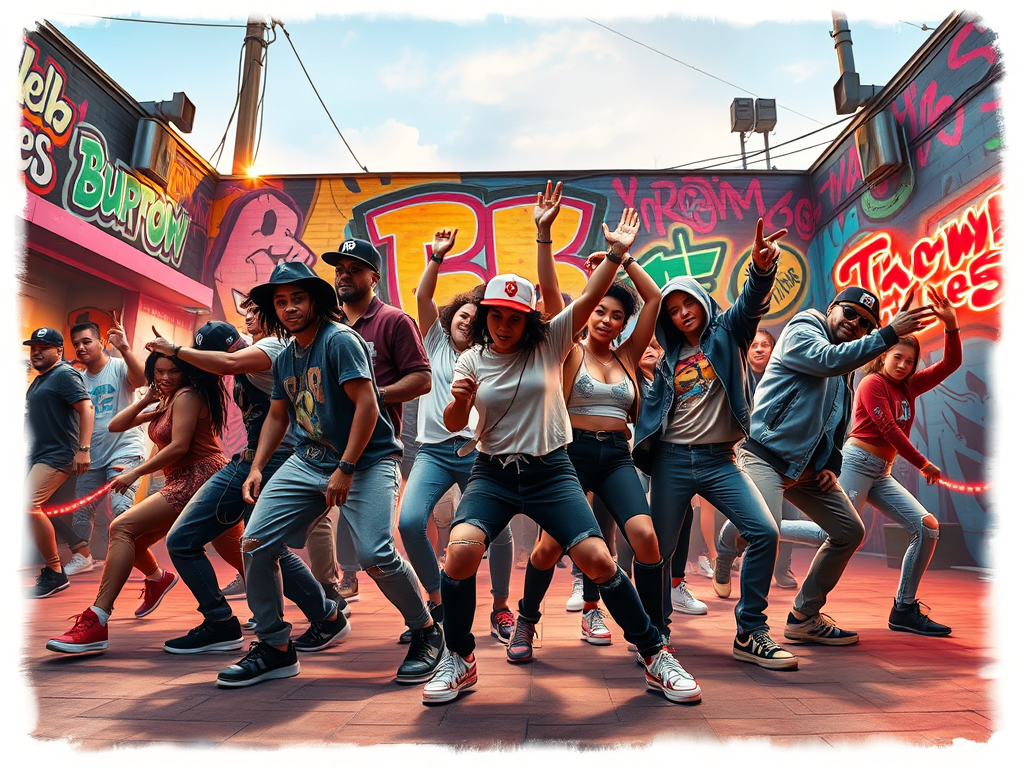
Here at Jogo Corpo e Fechado, our core mission is to honor, study, and celebrate all aspects of African and African diasporic cultures, recognizing their profound global impact and resilience. In keeping with that commitment, today I want to dedicate this post to elaborating on a specific, vibrant, and transformative aspect of Afro-American culture: Hip Hop. This cultural movement, which began over five decades ago, has not only defined generations but has irrevocably taken the world by storm, influencing music, fashion, language, art, and social commentary across every continent. Its fifty-plus years of existence mark it as one of the most significant cultural exports in modern history.
Rap, R&B, and Hip Hop Culture:
Emerging from the urban centers of the late 20th century, particularly the Bronx, New York, Hip-Hop culture is a potent, multifaceted global phenomenon that has profoundly reshaped modern music, fashion, language, and art. Born out of marginalized communities, it served as a creative and expressive response to socio-economic challenges and a lack of resources, giving a voice to the voiceless.
The culture is fundamentally defined by its four core elements, often referred to as the “four pillars”:
MCing (Rapping): This is the rhythmic, rhyming, and often poetic delivery of lyrical narratives over a beat. It serves as a powerful and unfiltered medium for storytelling, political commentary, social critique, philosophy, and linguistic innovation. The MC is the orator, channeling personal and communal struggles, triumphs, and observations into complex verse structures.
DJing: The original foundation of the sound, DJing involves the manipulation of music using turntables and a mixer. Pioneers developed innovative techniques like scratching, beat-juggling, and looping breaks (the most rhythmic, instrumental parts of records) to create continuous, danceable music, laying the sonic groundwork for both Hip-Hop and Rap.
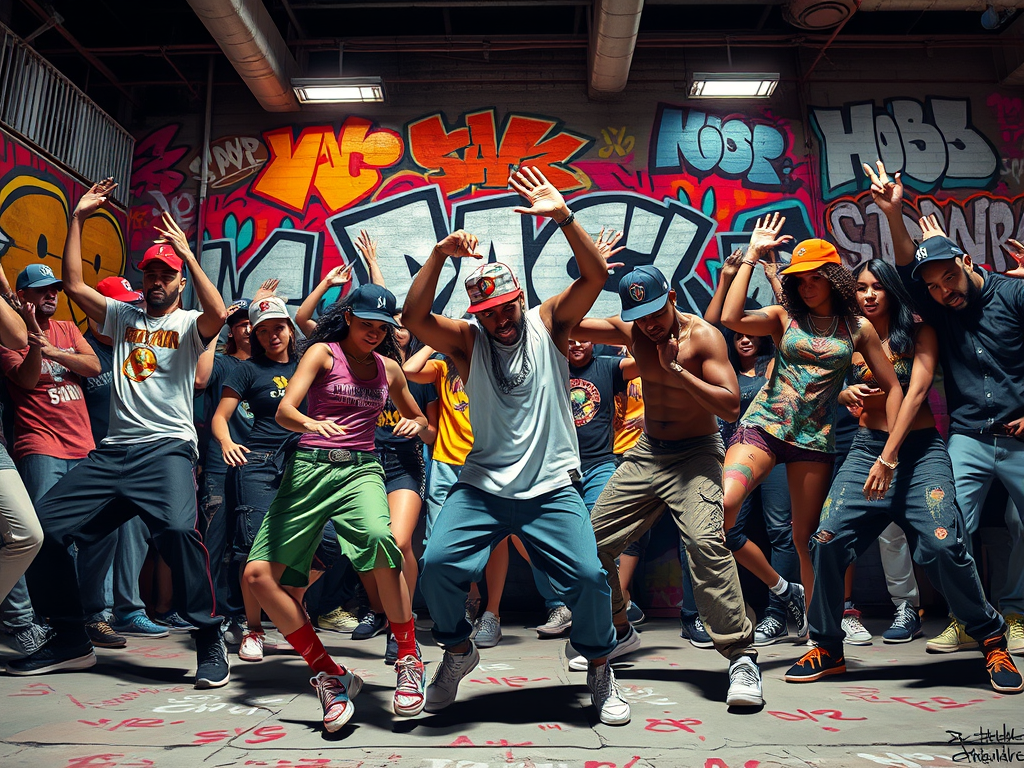
B-Boying/B-Girling (Breakdancing): This dynamic, athletic form of street dance emerged as a visual component of the culture. Characterized by intricate footwork, power moves (such as headspins and windmills), freezes, and stylistic flair, B-Boying is a form of competitive physical artistry and self-expression.
Graffiti Art (Writing): As a visual language, graffiti art involves stylized, often large-scale murals and tags executed in public spaces. It functions as a declaration of identity and territory, a form of artistic reclamation, and a vibrant, if sometimes controversial, commentary on the urban landscape.
Rap, R&B, and Hip Hop Culture: A Global Phenomenon
Beyond the foundational and celebrated “four elements”—MCing (rapping), DJing (turntablism and beat production), breakdancing (B-boying/B-girling), and graffiti art (aerosol art)—Hip-Hop has organically grown into a sprawling, multi-faceted cultural ecosystem. This powerful influence now seamlessly encompasses global fashion trends, specialized linguistic innovation and slang, a strong spirit of entrepreneurship, and a complex philosophy. From its raw genesis in community parks, Hip-Hop has consistently and aggressively redefined the global popular music landscape, demonstrating an unmatched capacity for artistic and commercial evolution. It has transformed dramatically from its initial community-driven block party roots—born out of necessity and serving as a creative, non-violent response to social and economic neglect—into the single most commercially dominant and culturally influential music genre worldwide. Despite this massive commercial success, Hip-Hop has remarkably maintained its foundational ethos as a potent, authentic platform for critical social commentary, storytelling, and a powerful catalyst for profound social change and youth empowerment.
History: The Birth of a Movement
Hip-Hop, a global cultural phenomenon, was not born in a boardroom or a recording studio but emerged organically from the neglected and economically challenged streets of the South Bronx, New York, in the early 1970s. This revolutionary movement was pioneered by resourceful Black and Puerto Rican youth who ingeniously fused their disparate cultural heritages and musical interests into a potent new form of expression and community building.
The bedrock of this cultural edifice was built by key visionary figures, each contributing an indispensable element to what would become the four pillars of Hip-Hop: DJing, MCing, B-boying/B-girling (breakdancing), and Graffiti Art.
DJ Kool Herc (Clive Campbell): Widely regarded as the founding father, this Jamaican-born pioneer introduced the rhythmic and organizational principles of Jamaican sound system culture to the Bronx. His most significant innovation was the “Merry-Go-Round” technique—the isolation and continuous looping of the most rhythmic, percussive sections of records, known as the “breakbeats.” By using two turntables, Herc could extend these instrumental “breaks” indefinitely, providing a sustained, energetic platform for dancers (B-boys and B-girls) to showcase their most intricate moves.
Grandmaster Flash (Joseph Saddler): A technical virtuoso, Flash refined and elevated the art of DJing to an unprecedented level. He innovated advanced, essential techniques such as scratching (creating rhythmic sounds by moving the record back and forth under the needle), punch-phrasing (manipulating records to create new rhythmic patterns), and cutting (seamlessly transitioning between two records). His mastery transformed the DJ from a simple selector of music into a creative, instrumental performer.
Afrika Bambaataa (Lance Taylor): Often called the “Godfather” of Hip-Hop Culture, Bambaataa was instrumental in articulating the culture’s foundational philosophical principles and promoting a positive, unifying message. As the founder of the Zulu Nation, he championed the culture as a conscious alternative to the destructive cycle of gang violence that plagued the borough. Bambaataa blended the electronic rhythmic foundations of Kraftwerk with the funk and soul of classic records, emphasizing cultural awareness, artistic mastery, and non-violent, competitive expression.
These visionary artists seamlessly blended the rhythmic intensity of funk and soul records, the repetitive, propulsive four-on-the-floor beat of disco, and the structural creativity of the sound system aesthetic. This foundational period laid the essential groundwork for an entire global culture, prioritizing community expression, artistic mastery, and non-violent competition as a powerful social mechanism for self-determination and empowerment. The extended instrumental break sections they created soon became the ultimate stage for the MCs (Masters of Ceremony) to develop their vocal skills, evolving from mere hype men into the lyrical storytellers of the emerging genre.
Philosophy: Peace, Authenticity, and the Challenge to the Status Quo
The foundational philosophical framework of Hip-Hop, initially articulated and widely promulgated by Afrika Bambaataa and the Universal Zulu Nation, is centered on the core tenets of “Peace, Love, Unity, and Having Fun.” This original maxim provided a positive, unifying structure intended to divert inner-city youth away from gang violence and destructive behaviors toward creative expression and community building.
However, the culture simultaneously embodies a far more complex and nuanced set of internal ideas that directly reflect its origin as an expressive voice for the marginalized, the dispossessed, and the systematically oppressed. Central to this lived philosophy is the concept of “Keepin’ It Real”—a powerful, non-negotiable demand for unvarnished authenticity, genuine self-representation, and fidelity to one’s own lived experience and communal history. This value rejects artifice and performative posturing, insisting on truth in lyrics, attitude, and lifestyle.
Masterful storytelling is not merely an artistic preference but a critical tool for survival and social documentation. Through vivid narrative and lyrical dexterity, Hip-Hop artists chronicle the realities of urban life, systemic inequalities, personal triumphs, and internal struggles, thereby giving form and weight to narratives often ignored or misrepresented by mainstream institutions.
Furthermore, the culture carries a perpetual, inherent dedication to challenging the status quo and relentlessly questioning authority. Born from a context of socio-economic disparity and political neglect, Hip-Hop acts as an active form of counter-culture, criticizing governmental policies, exposing hypocrisy, and advocating for social justice. It is inherently a voice for the voiceless, prioritizing the distinct, highly individualized narrative and agency within the broader context of collective empowerment.
Finally, Hip-Hop places an extremely high value on artistic mastery, linguistic innovation, and technical skill (known as “flow” and “mic control”). These attributes are not sought for aesthetic reasons alone; they are viewed as essential, powerful tools for achieving social mobility, economic independence, and establishing intellectual authority. Superior skill is recognized as a legitimate pathway to transcend prescribed social and economic boundaries.
Culture: A Dynamic, Entrepreneurial Aesthetic – The Global Impact of Hip-Hop
Hip-Hop culture is not merely a genre of music; it is a profound, globally-adopted aesthetic and a self-referential cultural phenomenon characterized by its restless dynamism and ever-evolving field of creative expression. Its influence has transcended artistic boundaries, establishing itself as a dominant force in popular culture and commerce worldwide.
The foundational pillars of Hip-Hop—often cited as DJing, MCing, breakdancing, and graffiti art—created a complex, active interplay of sound, visual art, movement, and a unique vernacular. This vernacular constantly injects new vocabulary, slang, and idiomatic expressions into the mainstream lexicon, demonstrating the culture’s power to shape communication globally.
Furthermore, Hip-Hop has been an unparalleled engine for fashion and style. This influence has spanned decades, starting with the early adoption of oversized silhouettes, brand-driven sportswear, and gold jewelry in the 1980s and 90s, which signaled both identity and status. Today, this sartorial legacy has matured into a sophisticated, multi-billion-dollar market, evidenced by the ubiquitous presence of luxury streetwear. Major artists now routinely engage in high-end collaborations, securing creative director roles at esteemed fashion houses, thereby validating Hip-Hop’s place at the pinnacle of global style and design.
Crucially, the success of Hip-Hop is underpinned by a robust and aggressive entrepreneurial spirit. Driven by artists and creators who recognized the immense commercial power of their aesthetic and voice, the culture fostered a powerful DIY (Do-It-Yourself) ethos. This self-determination has led to the creation of hugely successful, independent record labels (such as Def Jam, Bad Boy, and Roc-A-Fella in their early days), global clothing lines, innovative marketing agencies, and diversified media empires. This vertical integration of creativity and commerce, often bypassing traditional industry gatekeepers, has solidified Hip-Hop’s standing not just as an artistic movement, but as a significant, enduring global economic force that empowers its participants to own and control their creative output and commercial destiny.
Intertwining with R&B: The Symbiotic Sonic Bedrock
Rhythm and Blues (R&B), while a venerable and distinct genre with its own long and foundational history rooted in gospel, blues, and jazz traditions, is profoundly and inextricably intertwined with Hip-Hop. The relationship is fundamentally symbiotic and mutually beneficial. R&B often provides the soulful samples, sophisticated chord progressions, and lush melodic structures that serve as the harmonic and emotional bedrock for countless Hip-Hop tracks, injecting a necessary element of warmth and musical complexity. Furthermore, the genres frequently and successfully collaborate on vocal performances, with R&B artists lending their smooth, often intricate hooks and complex harmonies that significantly enrich and diversify the overall soundscape of modern urban and popular music. This collaborative history is not merely incidental; it is absolutely essential to understanding the sonic richness, commercial versatility, and mainstream dominance of contemporary Hip-Hop and R&B music.
So… What does rap and Hip Hop have to do with Capoeira Angola?
This connection, while not always immediately apparent, is deeply rooted in the shared history, cultural aesthetics, and political consciousness of the African diaspora. Both are powerful, multi-faceted cultural expressions that emerged from marginalized communities and serve as vehicles for communication, resistance, and self-expression.
Capoeira Angola, with its origins in enslaved Africans in Brazil, is a complex blend of martial art, dance, and music. It was a tool for both physical defense and cultural preservation, disguised as a dance to evade colonial authorities. The roda (the circle in which Capoeira is played) is a space for communal storytelling, history, and improvisation, powered by the rhythmic instruments like the berimbau and the call-and-response songs.
Similarly, Hip Hop—encompassing rap, DJing, breaking (breakdancing), and graffiti—arose from the economically disenfranchised, predominantly Black and Latino communities of the Bronx in the 1970s. It was a creative response to urban decay, social inequality, and police violence. Rap music, in particular, became the lyrical voice of the movement, using complex rhythm and rhyme schemes to articulate social commentary, personal narratives, and cultural pride.
The essential ties lie in several key areas:
Improvisation and Flow: Both demand high levels of physical and verbal improvisation. In Capoeira, the jogo (the game) is a constant, spontaneous dialogue between the two players. In rap, “flow” is the rapper’s ability to manipulate rhythm and meter, creating a spontaneous, dynamic, and unique lyrical style.
Rhythm and Call-and-Response: The musical backbone of both is based on African rhythmic traditions. Capoeira Angola is entirely dictated by the beat of the berimbau. Hip Hop’s foundation is the breakbeat, often looped and manipulated by a DJ, and the vocal style frequently employs the African-derived call-and-response pattern that fosters community participation.
The Cypher/Roda as Sacred Space: The roda in Capoeira and the cypher (the circle formed by B-boys/B-girls, rappers, or beatboxers) in Hip Hop are structurally and functionally similar. They are defined, enclosed spaces where participants engage in a competitive yet supportive display of skill, respect, and cultural knowledge. They are stages for performative identity and mastery.
Aesthetics of Resistance and Subversion: Both forms embody a spirit of resistance. Capoeira hid martial skill in dance. Hip Hop culture, especially through graffiti and lyrical content, often subverts mainstream narratives and challenges the status quo, transforming overlooked, marginalized spaces and voices into platforms of power.
Physicality and Acrobatics: The dynamic, often floor-based acrobatics of Capoeira Angola find a clear echo in the power moves and footwork of breaking. Both emphasize a mastery of body control, balance, and gravity-defying maneuvers that are central to the performance.
The deep connection between rap, Hip Hop culture, and Capoeira Angola is ultimately revealed by recognizing them as parallel and profound movements of cultural survival and creative ingenuity born from the global African diaspora. These cultural forms are not merely entertainment; they are dynamic, living archives of shared history, enduring resistance, and vibrant community, expressed through a powerful synthesis of movement, music, and voice.
Rap and Hip Hop, emerging from the socio-economic crucible of the Bronx in the 1970s, provided a voice for disenfranchised youth, transforming urban blight into a space for artistic expression. The four core elements—rapping (MCing), DJing, B-boying/B-girling (breakdancing), and graffiti art—each represent a unique form of cultural literacy and historical reclamation. The rhythmic complexity of the music and the verbal dexterity of the MCs echo the call-and-response traditions and the griot storytelling heritage of West Africa. B-boying, with its intricate footwork, freezes, and power moves, draws a kinetic parallel to the circular dance and strategic play of Capoeira.
Capoeira Angola, conversely, is an Afro-Brazilian martial art and a dance, created by enslaved Africans as a means of physical self-defense, community bonding, and resistance against colonial oppression. Its structure—the roda (the circle), the berimbau (the lead instrument), the songs, and the fluid, low-to-the-ground movements—is a meticulously preserved system of coded communication and historical memory. The mandinga (the trickery, cunning, and soul of the game) is the philosophical core that ties strategy to rhythm.
The shared essence lies in their functionality as tools for empowerment. Both Capoeira Angola and Hip Hop culture provided a non-violent, yet intensely powerful, means for marginalized populations to establish identity, assert dignity, and create a self-determined space outside of the dominant culture’s control. They utilize the body as an instrument of cultural preservation and the circle (the roda or the cypher) as a sacred, democratic space where skill, respect, and dialogue are paramount. The improvisational nature of both forms—the freestyle rap, the breakdance battle, the Capoeira game—underscores a shared commitment to spontaneity, personal narrative, and an ongoing, competitive yet collaborative, dialogue with history and the present moment.
The WARRIOR CLASS podcast stands as your premier, indispensable, and utterly unique resource for comprehensively mastering the principles of self-protection and self-defense. This dynamic platform goes beyond traditional teachings, engaging listeners in an exploration of the mental, emotional, and physical aspects of personal safety. The instructors here have meticulously designed every episode to equip every single listener—regardless of background or current skill level—with the vital, practical skills and the deep, profound knowledge base absolutely necessary for achieving and maintaining personal safety, holistic empowerment, and unshakeable confidence in an unpredictable world. By integrating real-life scenarios, and actionable strategies, each episode serves not only as a guide but as an inspiring journey towards a state of readiness and resilience, emphasizing the empowerment that comes from knowledge and the ability to respond decisively in times of need.
In today’s episode…
Warrior Class: The Essential Guide to Bug Out Bags and Get Home Bags
In this critical episode of Warrior Class, our seasoned Instructors deliver an in-depth, comprehensive masterclass on two of the most vital components of personal readiness: the Bug Out Bag (BOB) and the Get Home Bag (GHB). We explore not just the “what,” but the strategic “why” and “how” behind these essential survival kits, including a specialized focus on crucial herbal inclusions for maximum preparedness.
The Purpose: Preparedness for Any Contingency
Life is unpredictable. Whether you’re planning for large-scale emergencies, the fallout from natural disasters, or unexpected, localized situations that force you to rapidly evacuate or seek shelter away from home, these specialized bags are your non-negotiable insurance policy. The core principle is simple: to ensure you remain prepared, capable, and mobile. The BOB and GHB are engineered to empower you to move with intention, sustain yourself during transit, and ultimately reach your designated safe location or primary shelter safely and efficiently.
Understanding the Difference: BOB vs. GHB
While both serve the purpose of survival readiness, their contents, size, and function are distinct and tailored to specific scenarios:
The Get Home Bag (GHB): This is designed for the scenario where you are at work, running errands, or otherwise away from home when a crisis strikes. The GHB is focused on rapid transit and short-term survival (typically 24 hours or less) to bridge the distance between your current location and the safety of your primary residence or Bug Out location. It must be compact, discreet, and optimized for speed and mobility in an urban or suburban environment.
The Bug Out Bag (BOB): This is a comprehensive, self-contained system designed to sustain an individual for a minimum of 72 hours (and ideally longer) after a forced evacuation from home. It contains the essentials for shelter, water purification, food, first aid, navigation, and defense, enabling you to “bug out” to a pre-determined, safer location outside of the immediate crisis zone.
Mindset, Strategy, and Practical Considerations
This episode goes far beyond a simple gear checklist, breaking down the three pillars of real-world readiness:
Mindset: The Warrior’s Edge: Survival is 90% mental. We discuss cultivating resilience, maintaining situational awareness, controlling fear and panic, and making high-stakes decisions under duress. The most well-stocked bag is useless without the right mental fortitude.
Strategy: Route Planning and Threat Assessment: We delve into creating primary, secondary, and tertiary Bug Out and Get Home routes, analyzing potential chokepoints, assessing environmental and human threats, and establishing rally points with family members. A well-planned route is as important as the gear you carry.
Practical Considerations: Gear Selection and Customization: Learn the critical distinction between needs and wants. Our Instructors offer expert advice on selecting durable, multi-use gear, proper packing techniques for balance and efficiency, waterproofing strategies, and how to customize your bag based on your unique geography, climate, and personal physical capabilities.
Herbal Essentials: Nature’s Pharmacy for the Prepared
A unique focus of this episode is the often-overlooked yet critical inclusion of specific medicinal and utilitarian herbs in your BOB and GHB. We provide guidance on selecting lightweight, potent, and shelf-stable herbal allies that can address common ailments and survival needs, including:
Antiseptics and Wound Care: Herbs for natural disinfection of minor cuts and scrapes.
Digestive Support: Remedies for water-borne pathogens or unfamiliar food sources.
Energy and Focus: Natural stimulants to aid in long-distance travel or sleep deprivation.
Immune Boosting: Botanicals to maintain health in stressful, exposed conditions.
Tune in to gain the knowledge and confidence necessary to build the perfect Bug Out Bag and Get Home Bag—tools that embody the true spirit of self-reliance and the Warrior Class commitment to proactive preparedness.
January 15th marks the revered birthday of the foundational figure in the struggle for Foundational Black Americans (FBA) empowerment, the iconic Rev. Dr. Martin Luther King Jr. On this profoundly significant day, we are compelled to redirect the national discourse and emphatically remind the public of the true, uncompromised tenets of his mission—specifically, his unwavering commitment to securing tangible economic and political resources for the Black community. This focus on “black tangibles and empowerment” is the core of his legacy that has been systemically obscured, deliberately replaced by a sanitized, easily digestible, and ultimately toothless narrative.
Dr. King’s final years were defined by a radical shift in focus from the fight for legal desegregation to a deep, systemic critique of American capitalism and white supremacy. He understood that the mere right to sit at a lunch counter or cast a ballot was meaningless without the corresponding economic power to purchase a home, secure a stable income, and build generational wealth. The “Dream” he spoke of evolved from a vision of integration into a demand for restitution and redistribution. His mission was not simply to integrate Black people into a flawed system, but to fundamentally reconstruct that system to ensure justice, equity, and material prosperity for the descendants of American chattel slavery.
We at jogo corpo fechado are committed to unveiling the actual words and arguments of Dr. King, providing the essential context and compelling quotations that have been intentionally marginalized or outright suppressed by what we define as the white-dominated mainstream media. These are the truths that illuminate his later, more radicalized focus on economic justice, reparations, and the need for structural change that would deliver concrete, material benefits to Black Americans, moving beyond the often-simplified narrative of mere racial integration. He called for a Poor People’s Campaign, demanding an Economic Bill of Rights for all disadvantaged Americans, with a clear focus on the specific plight and historical debt owed to Black Americans. His critique of the Vietnam War was inextricably linked to his condemnation of domestic economic neglect, arguing that the resources squandered overseas should be invested in rectifying the endemic poverty faced by the FBA community. This later, powerful, and challenging Dr. King—the one who spoke of a “guaranteed annual income” and the “radical restructuring of the whole of American society”—is the one whose legacy must be centered on his birthday, ensuring that the commemoration serves as a call to action for economic equity, not just a celebration of a historical figure stripped of his radical demands.
Shoutout to the professor for making and posting this video.
Support the Movement for Truth and Empowerment:
To continue this vital work of historical correction, disseminating authentic information, and advocating for the tangible empowerment of Foundational Black Americans, your financial support is invaluable.
Every Friday morning, PROFESSOR BLACK TRUTH hosts “The Friday Crime Report,” a thought-provoking program that deeply explores the intertwined issues of systemic racism, economic inequality, and police brutality affecting the black community. Through a series of compelling expert interviews and heartfelt personal narratives, the show not only raises awareness of these critical social issues but also fosters vibrant dialogue aimed at driving meaningful change. Each episode meticulously presents not just cold, hard facts but also integrates lived experiences that resonate with the audience, encouraging listeners to engage with and confront societal challenges collectively while promoting active community engagement. Moreover, the program goes further by highlighting actionable steps that individuals and communities can take in their daily lives, inspiring grassroots advocacy for reform in local neighborhoods. By addressing the complexities of these social justice topics, “The Friday Crime Report” seeks to empower its audience, motivating a united front against injustices and equipping them with the tools needed to impact their communities positively.
In Today’s installment…
The horrifying details of a child abuse case in Missouri have shocked the nation this week. A couple, exhibiting what can only be described as profound depravity, was arrested for the systematic imprisonment and torture of six of their own children. The shocking reality of their victims’ lives included being locked away in a makeshift chicken coop, subjected to cruel and arbitrary violence such as having rocks thrown at them, and, perhaps most disturbingly, being forced to engage in fights with one another for the perverse entertainment of their captors.
This grim case serves as another stark and troubling illustration of severe human depravity unfolding in a rural setting, often hidden in plain sight. The very nature of this crime—its secrecy and duration—highlights a recurring issue: the invisible suffering in remote areas that goes unnoticed by neighbors, community members, and authorities. The question remains: how could such extreme abuse continue without anyone having any idea of the horrors taking place?
For those seeking more context, insight, and discussion on this and similar troubling societal issues, Professor Blacktruth offers extensive coverage and analysis.
A huge shoutout is extended to the professor for producing such an informative and crucial video detailing this event. To delve deeper into a range of compelling topics, enhance your understanding, and find inspiration for your own academic or intellectual journey, click HERE to visit Professor Blacktruth’s YouTube channel. The channel is a valuable resource, packed with unique insights, effective teaching methods, and thought-provoking discussions.