
The Rodney King Incident: A 35-Year Retrospective on a Pivotal Moment in American Civil Rights History

March 3, 1991. This date is indelibly marked in American history, serving as a critical touchstone in the ongoing national discourse concerning police brutality and racial injustice. The year 2026 will commemorate the 35th anniversary of this historic and tragic event—an occasion that demands solemn remembrance, rigorous academic scrutiny, and deep, critical reflection on its lasting, transformative impact on the nation’s legal and social landscape.
March 3, 1991, stands as a fundamental date in recent American civil rights history. Its historic significance lies in how the event fundamentally reshaped the national discourse on police brutality, systemic racism, and the role of technology in accountability. The widely circulated, amateur video footage of the assault—one of the earliest instances of a citizen’s documentation of police force going viral—set the stage for subsequent, necessary developments in judicial oversight, police reform legislation, and the public’s access to documentation of force through personal devices. Its tragic nature is rooted in the profound injustice of the brutal, unprovoked assault of Rodney King by members of the Los Angeles Police Department (LAPD) and the subsequent failure of the initial judicial process. The acquittal of the officers involved in 1992 exposed deep-seated systemic racism within the justice system and law enforcement, igniting widespread civil unrest across Los Angeles and signaling to the nation that the fight for equal protection under the law was far from over.
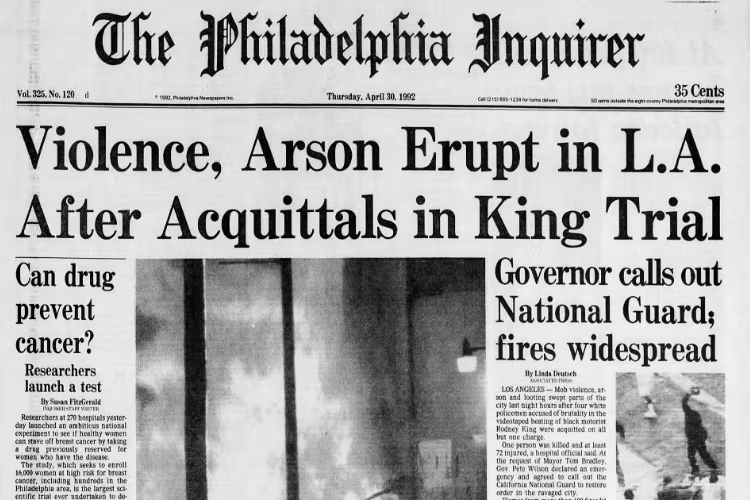
The 35-year milestone in 2026 provides a vital, indeed crucial, opportunity for historians, sociologists, educators, legal scholars, journalists, and the public at large to engage in a comprehensive and critical examination of the entire sequence of events: the incident on March 3, 1991; the ensuing highly-publicized state and federal trials; and the devastating 1992 Los Angeles Riots (or Uprisings). This retrospective must delve deeply into the complex and often intertwined political, social, and economic causes that led up to the incident and the subsequent violence.
A true understanding requires analyzing the decades of tensions, beginning long before 1991, characterized by discriminatory housing policies, deindustrialization leading to economic despair, and punitive ‘tough on crime’ legislation that disproportionately targeted minority communities. These factors fostered a volatile, antagonistic relationship between law enforcement and Black and Brown communities in Los Angeles, particularly in areas like South Central. The King beating and the officers’ initial acquittal served as the catalyst that shattered the fragile social contract, bringing decades of suppressed anger and institutional neglect to a violent, fiery climax. Examining the legacy of the Rodney King incident is essential not just for understanding the past, but for informing contemporary efforts toward achieving genuine police accountability, judicial equity, and racial justice in America.
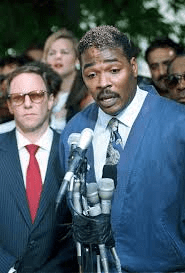
Furthermore, it is essential to scrutinize the immediate consequences, tracing the ripple effects through local communities—particularly in South Central Los Angeles and Koreatown—and through the national political discourse. This includes documenting the pivotal legislative and cultural shifts that followed, such as the formation of the Christopher Commission to investigate the LAPD, the push for the implementation of community policing models, and the increased demand for police departments to adopt consent decrees under the purview of the Department of Justice. A thorough analysis must also explore the indelible role that new media technology—the amateur video recording of the King beating—played in transforming public perception and igniting a movement for transparency and accountability that continues to resonate in modern activism. This anniversary serves not merely as a remembrance of a single act of violence, but as a crucial moment to assess the unfinished work of addressing institutional racism within the American justice system.
Crucially, this anniversary serves as a powerful moment to reflect on the long-term repercussions that continue to shape contemporary society. The echoes of March 3, 1991, are still discernible in ongoing debates about accountability, justice reform, and community-police relations. It is a moment not only for somber reflection and the respectful honoring of the victims and survivors—whose resilience and suffering must be central to the narrative—but also for a concerted effort to ensure that the profound and often painful lessons learned from those events are not eroded by the passage of time or obscured by generational distance. By committing to this thorough examination, the anniversary can transcend simple remembrance and become a catalyst for informed dialogue and enduring change.
This somber anniversary serves as a powerful and inescapable reminder of the fragility of peace and the enduring need for vigilance against the catastrophic forces that led to this lamentable moment in history.
The passage of time does not diminish the gravity of this day, nor does it dull the sharp ache of collective memory. This anniversary compels us to pause and reflect on the immense human cost—the lives lost, the communities shattered, and the generational trauma inflicted by the conflict. It stands as a stark and sobering testament to how quickly stability can erode and how devastating the consequences are when diplomacy fails and aggression prevails.
It is our solemn duty not merely to remember the past, but to actively confront the systemic failures, the ideological extremism, and the unchecked ambitions that paved the road to this tragedy. The lessons learned, though painful, must be internalized and translated into tangible actions. We must renew our commitment to international cooperation, strengthen the institutions dedicated to conflict resolution, and remain perpetually alert to the warning signs of rising intolerance and militarism. Only through unwavering vigilance and a resolute defense of democratic values and human rights can we hope to honor the fallen and safeguard a future free from the recurrence of such a lamentable moment.
The passage of time, while dulling the immediacy of the pain, must never be allowed to erode the clarity of memory. We are called upon not merely to observe this date, but to profoundly reflect upon the systemic failures, the insidious rise of extremism, and the collective hesitations that culminated in such widespread loss and sorrow. This anniversary compels a renewed commitment to upholding the international norms and democratic values so bitterly bought with the sacrifices of the past. It stands as a solemn, indelible marker—a testament to the high cost of complacency and a crucial, ongoing lesson for all generations on the imperative of proactive diplomacy, mutual respect, and the unwavering defense of human dignity.

