
Introduction: The Weight of the Blade and the Angoleiro’s Philosophy
The deliberate choice to carry and, potentially, deploy a large fixed-blade weapon—such as a Bowie knife, a tactical machete, a Kukri, or any substantial fixed-blade exceeding standard folding or utility knife dimensions (generally over six inches in blade length)—in a volatile street confrontation is a decision laden with extreme gravity. It is a commitment that immediately elevates the scale of the potential encounter. This is not a subject to be approached with casual curiosity or cinematic bravado; it demands a sophisticated, nuanced, and intensely pragmatic understanding, firmly rooted in the harsh, chaotic realities of spontaneous violence, rigorous self-defense doctrine, and the non-negotiable legal ramifications that follow an act of deadly force.
This guide, conceptualized and structured through the critical lens of the Angoleiro—a figure from the Afro-Brazilian martial arts tradition of Capoeira Angola. The Angoleiro is not merely a fighter but a strategist, known for being deeply pragmatic, infinitely resourceful, fiercely adaptable, and possessing the almost innate skill to transform an unconventional tool, an obscure technique, or a challenging, disadvantageous circumstance into a decisive strategic advantage. This philosophy is centered on economy of motion, the efficient use of available resources, and the understanding that survival often hinges on intellectual superiority and psychological composure rather than brute force alone.
It must be stated clearly and without equivocation: this manual does not advocate for violence, nor does it seek to glorify the use of weapons. Instead, it meticulously explores the complex tactical considerations, the requisite psychological mindset of commitment and control, and the fundamental physical mechanics involved in the deployment, retention, and post-engagement management of these formidable, high-impact tools. The information presented herein is intended solely for the responsible individual committed to extreme self-preservation in the face of lethal threat.
It is paramount that the user internalizes the following principle as the foundational truth of this discipline: A large blade is not a mere deterrent; it is a weapon of absolute, potentially irreversible lethality. The psychological impact of drawing a substantial blade is immediate, often terrifying, and fundamentally alters the landscape of the conflict by declaring your commitment to the highest level of force. Its utilization must always and without exception be considered a measure of last resort, the nuclear option of personal defense. This action is justifiable only when faced with an immediate, articulable, and credible threat of severe bodily harm, dismemberment, or death that cannot be neutralized by less-lethal means, by non-lethal physical techniques, or by the successful tactic of evasion (retreating to safety). The very moment the blade is drawn and presented, the conflict escalates instantaneously and irrevocably to a level where the preservation of life—yours or your attacker’s—is fundamentally and immediately at risk, triggering a cascade of physical trauma, emotional devastation, and profound legal, civil, and moral consequences. The weight of the blade lies not just in its mass, but in the weight of the irreversible decision to use it.
Now having typed that, let’s get started.
History: The lineage of large, personal-carry blades stretches deep into history, long before the invention of modern firearms. These implements are not merely weapons; they are the progenitor of all personal tools designed for survival and conflict. From the terrifyingly efficient thrusting and hacking capacity of the Roman Gladius and the massive, two-handed reach of the Scottish Claymore to the indigenous utility and war blades of nearly every culture—like the versatile Nepalese Kukri (with its distinct forward-canted, curved blade), the agricultural and combat-ready Filipino Bolo, or the iconic American frontiersman’s Bowie—these tools universally served dual, inseparable roles. They were, and remain, essential implements for clearing land, preparing food, and ensuring survival in the wilderness and, simultaneously, devastating weapons for defense and war when society’s rules broke down.
The underlying genius of these blades lies in their pragmatic, centuries-long evolution. Each design—whether optimized for chopping wood, slicing thick vegetation, or penetrating bone and heavy clothing—is a masterclass in applied physics. The modern tactical interpretation of these tools attempts to distill that historical lethality into a compact, carry-optimized package. This process of design refinement inherits centuries of accumulated knowledge concerning edge geometry (the shape of the cutting surface), weight distribution (which dictates the blade’s “feel” and chopping power), and handling characteristics (grip ergonomics and balance) essential for maximizing both striking power and deep-penetration cutting efficiency in a combative context. The philosophy of the large blade is simple: apply maximum kinetic energy to a minimal point or edge, and leverage human anatomy for swift, decisive results
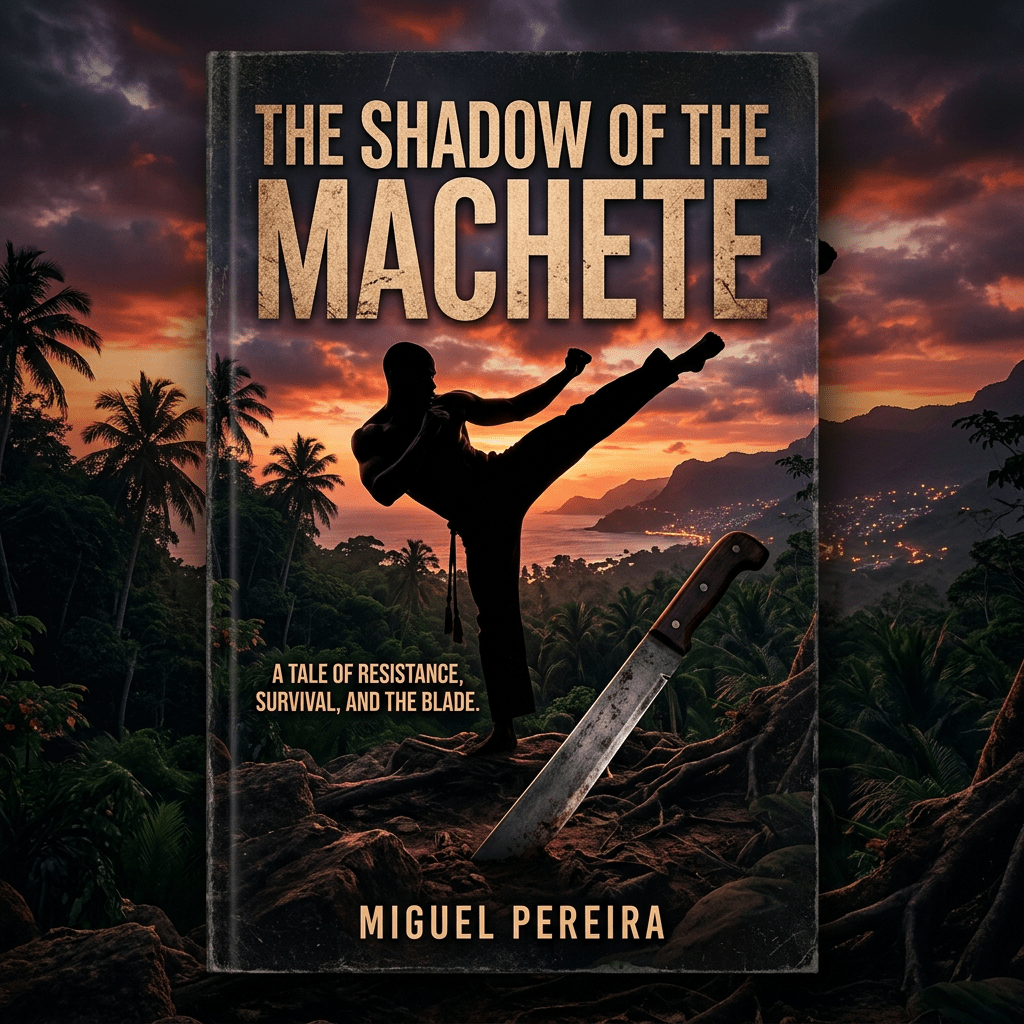
History of the use of the Machete in Capoeira Angola:
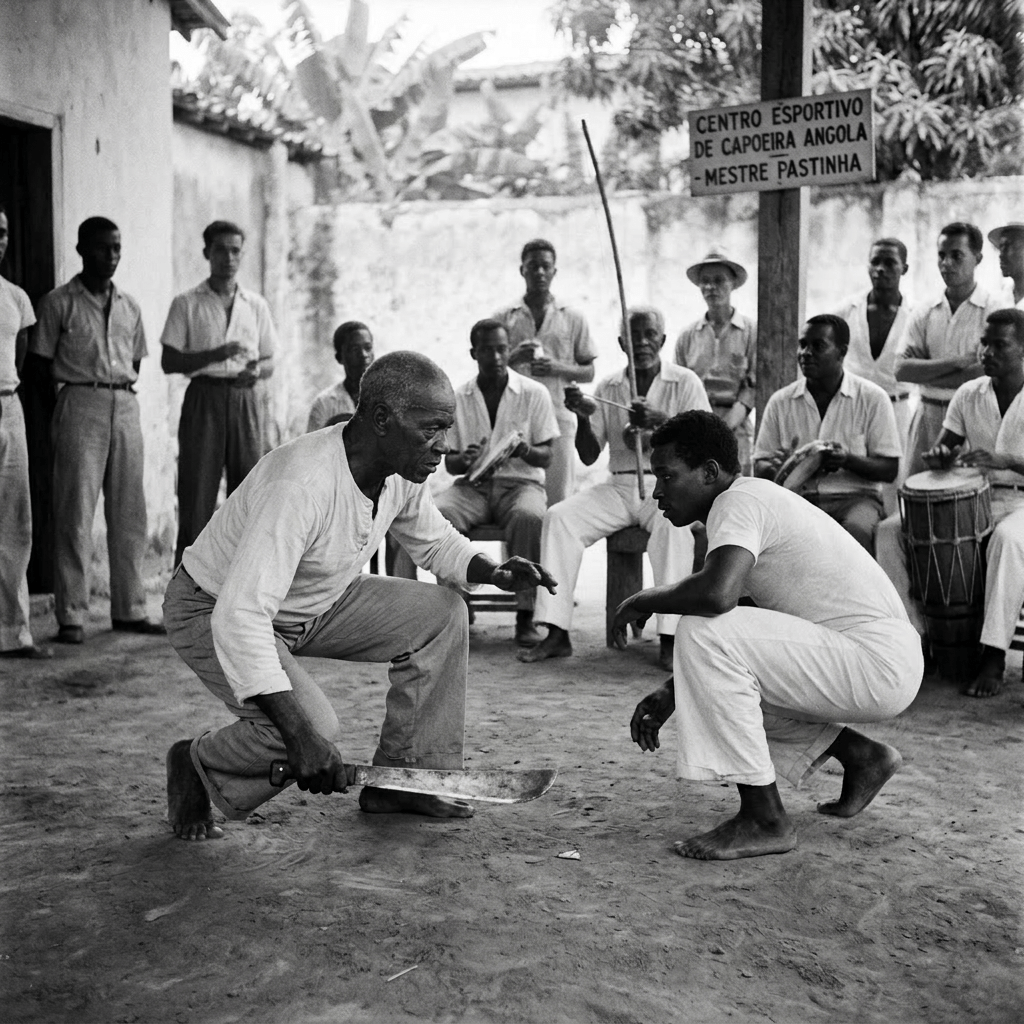
The machete, or facão in Portuguese, holds a complex and deeply significant place within the history and practice of Capoeira Angola. It is not merely an auxiliary weapon, but a powerful symbol directly tied to the lived experience of enslaved and formerly enslaved Africans in Brazil.
The Tool of Labor and Rebellion: The machete was the indispensable tool of the sugarcane, coffee, and cotton plantations. It was used daily for cutting the heavy cane stalks and clearing the dense Brazilian mato (bush). Because it was an allowed tool—a necessity for agricultural work—it was also one of the few significant weapons available for slaves to covertly train with and employ during uprisings and escapes to the quilombos (fugitive settlements). Its presence in the hands of the capoeirista is a direct, visceral link to the struggle against oppression.
Integration into the Angola Roda: While Capoeira Angola is fundamentally a non-contact art of strategy and evasion, the historical context of its development mandated proficiency with common weapons. Early Angoleiros often lived on the margins of society and had to be prepared for attacks from the capitães-do-mato (slave catchers) or hostile factions. The incorporation of the machete into the practice was largely driven by these early masters (Mestres) who were survivors of brutal environments.
The Machete as a Training Proxy: In the roda (the circle where capoeira is played), the movements associated with the facão are sometimes practiced with the instrument itself or, more often, through specific, weapon-aware movements that emphasize distancing, large-scale evasions, and defensive footwork. The concept is to move outside the arc of the blade—to deny the wielder the advantage of their reach and momentum. The presence of the machete introduces a deadly seriousness and a fundamental shift in the dynamic, prioritizing life-or-death decision-making over mere playfulness.
Symbolic and Philosophical Weight: The machete represents the Angoleiro’s complete preparation: the ability to transition from the joyous, evasive jogo (game) of the roda to the harsh reality of self-defense. It teaches respect for distance, the weight of a powerful strike, and the ultimate consequence of failure to evade. It is a historical artifact that grounds the art in the brutal reality of its origin.
Part I: Tactical Considerations and Weapon Selection
1. The Anatomy of the Large Blade
Large blades, by their nature, present unique tactical advantages and disadvantages compared to smaller folding knives.
Reach and Force Multiplication: The primary advantage is the extended reach, creating a crucial buffer of distance. The increased mass of the blade also dramatically multiplies the force of impact, making non-lethal strikes (e.g., to limbs or joints) potentially fight-stopping, and lethal strikes overwhelmingly conclusive.
Intimidation Factor (The Double-Edged Sword): While the sight of a large blade can shock and deter a lesser aggressor, it can equally infuriate a determined or psychologically compromised assailant, escalating the violence and inviting an even more aggressive counter-attack, often involving firearm introduction.
Concealment and Deployment: Unlike smaller tactical knives, large blades are significantly harder to carry discreetly. Successful deployment often requires a well-practiced, rapid draw from a fixed sheath (belt or specialized harness), which must be reliable under high stress. A fumbled draw negates the weapon’s advantage and can turn it against the user.
2. The Angoleiro’s Mindset: Pragmatism Over Posturing
The Angoleiro approaches the use of a large blade with cold, calculated pragmatism, entirely devoid of ego or bravado.
Avoidance is Victory: The first and most critical tactic is to de-escalate, disengage, and escape. The blade is the absolute final option, not the first. The moment you perceive the need for it, you have already failed the initial strategy of avoidance.
The Decision Point: The decision to draw a large blade is synonymous with the decision to commit to a potentially fatal encounter. There is no middle ground. The user must be psychologically prepared to use the weapon with decisive, uncompromising force to immediately stop the threat. Hesitation after deployment is a recipe for catastrophic failure.
Environmental Awareness: Large blades are cumbersome in tight spaces (e.g., crowded rooms, small hallways). The Angoleiro must constantly assess the fighting environment—objects, walls, people—to ensure the blade can be swung, stabbed, or deployed without snagging or injuring innocents.
Part II: Physical Mechanics and Training
1. Distance Management (The Jinga of the Blade)
Drawing profound parallels to the fluid, deceptive movement (Jinga) of the Afro-Brazilian martial art of Capoeira, mastery of distance control is not merely a tactic but the master skill when wielding a large blade. It is the continuous, rhythmic negotiation of space that dictates the tempo and outcome of the encounter.A. The Reaction Gap and Safe Range
The substantial length of a large blade provides a critical extension of the user’s reaction gap—the time an aggressor has to respond to a movement or a strike. The primary tactical objective is to relentlessly train to maintain the furthest possible effective striking distance. This involves:
The Tip-of-the-Spear Principle: The user must strive to keep the aggressor perpetually at the absolute tip of the blade’s effective, lethal range. This forces the attacker to cross a significant, committed distance to engage, a commitment that exposes them to the blade’s full destructive arc.
Controlling the Engagement Zone: By dominating the distance, the user forces the attacker into a high-risk zone where any lunge, step, or committed attack puts them squarely in the path of the blade’s point or edge. Conversely, staying out of the attacker’s preferred grappling or short-range striking distance (the “in-fight” zone) is paramount.
B. Dynamic Footwork: The Engine of Control
Footwork is the engine that drives distance management. It must be lateral and circular, never static or linear. Static positioning is a critical vulnerability when faced with a dedicated attacker wielding a large blade.
Circumvention and Evasion: Circular movement allows the user to constantly shift the angle of attack, making the user a difficult target to pin down. Lateral steps prevent the user from being trapped against a wall or corner, a fatal error in close-quarters combat.
The Reset-and-Reassess Protocol: A successful strike with a large blade—which should ideally disable the threat—must always be followed immediately by a rapid step back, known as the “Disengage/Reset.” This action instantly re-establishes the critical safe distance, clears the user from any potential counter-attack or weapon retention attempt by the downed aggressor, and allows the user a moment to reset the stance, reassess the threat level, and prepare for the next action, whether it is another strike or a tactical withdrawal.
The “In-and-Out” Rhythm: Training must instill a rhythmic pattern of penetration (a swift step or two into striking range) followed instantaneously by withdrawal (a decisive step back to safety). This rhythm ensures the user is only exposed within the attacker’s effective range for the absolute minimum time required to deliver a blow.
2. Target Selection and Striking Principles
The goal of a street confrontation is threat cessation, not scoring points. With a large blade, this means targeting major motor functions.
Stopping Strikes: If non-lethal application is the initial option, targets should be non-vital areas that severely degrade the attacker’s ability to continue: the large muscle groups of the limbs (quadriceps, biceps), the hands/wrists (to disable weapons), and major joints. These strikes, due to the blade’s mass, can shatter bone and sever tendons, causing immediate incapacitation.
Lethal Commitment: If the threat meets the legal threshold for lethal force, the target areas are the torso’s vital triangles: the heart/lung area, the central abdominal mass, and the neck/head. The strike must be delivered with a full commitment of body weight and intention to ensure immediate and absolute cessation of the threat. A glancing or superficial blow serves only to incite further violence.
3. Defensive Integration
Wielding a large blade is not purely offensive. It requires an integrated defensive posture.
- Active Blocking: The flat or spine of the blade can be used to actively block incoming strikes or to trap an opponent’s arm briefly to set up a counter-strike. This requires significant strength and awareness to avoid the blade edge contacting the attacker accidentally during a block.
- The Off-Hand: The non-weapon hand must be used defensively for parrying, clinching, or creating space, a critical aspect often overlooked by those who focus solely on the weapon itself.
Part III: Legal and Ethical Implications
The Angoleiro understands that the immediate aftermath of a violent confrontation is as crucial as the confrontation itself.
1. Justification of Force
In nearly all jurisdictions, the use of deadly force (which a large blade constitutes) is only permissible under the doctrine of Imminent Threat of Death or Severe Bodily Harm. The user must be able to articulate why they believed they were facing such a threat and why no less-lethal alternative was available.2. The Burden of Proof
Carrying a large blade, often seen as an “offensive” weapon, significantly increases the burden on the user to prove they were acting purely in self-defense, rather than seeking out a confrontation. Post-incident, every action, word, and piece of evidence will be scrutinized under the lens of the weapon’s lethality.3. Immediate Post-Engagement Protocol
Immediately after the threat has been neutralized, the user must:
- Stop: Cease all action the moment the threat is no longer imminent. Excessive force after incapacitation becomes assault or murder.
- Secure the Weapon: Holster or drop the weapon to remove the appearance of being an active threat.
- Call for Help: Immediately contact emergency services (Police and EMS).
- Statement: Limit the initial statement to the police to only essential facts: “I was attacked. I was in fear for my life. The weapon I used is [location]. I request to speak with an attorney.” Avoid offering details or justifications until legal counsel is present.
The use of a large blade is a commitment to a life-altering event. It is the Angoleiro’s ultimate tool of survival, to be respected, understood, and deployed only when the alternative is certain defeat or death.
The Weapon Profile: Large Blades Defined
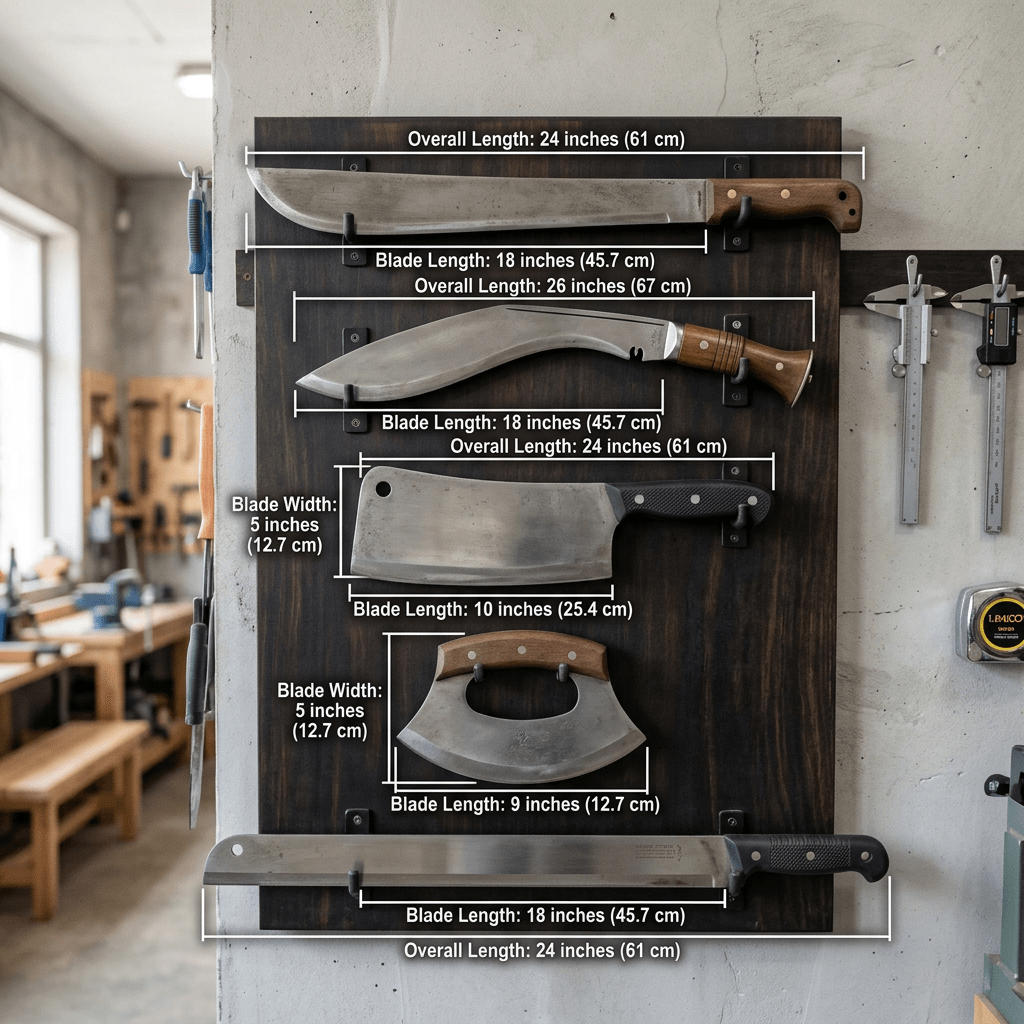
For the purposes of this guide, “large blades” are defined as any fixed-blade knife or tool typically exceeding a 7-inch blade length, characterized by significant heft and reach.
| Weapon Type | Typical Blade Length | Key Characteristics for Conflict |
| Bowie Knife | 8 to 12+ inches | Heavy clipped point, crossguard, designed for fighting and utility. Excellent piercing and slashing capability. |
| Machete | 10 to 24+ inches | Forward-heavy balance, thin blade profile, designed for chopping. Superior reach and devastating slashing power. |
| Survival/Camp Knives | 7 to 10 inches | Robust construction, thick spine. A balance of piercing strength and moderate chopping/slashing ability. |
The Angoleiro’s Mindset: Preparation and Justification
The true Angoleiro prioritizes de-escalation and escape above all else. The weapon is a final insurance policy.
- Justification is Paramount: In a legal and moral sense, the moment a large blade is drawn, the encounter escalates to lethal force. The Angoleiro must be absolutely certain that the threat meets the legal standard for justifiable self-defense: imminent threat of serious injury or death.
- The Element of Control: Unlike smaller knives, a large blade is inherently difficult to conceal and control in close quarters. Drawing it should be deliberate, not a panicked reaction. The intent must be to stop the threat, not merely to inflict injury.
- Psychological Edge: The sheer size of the blade can be a potent psychological deterrent. However, relying solely on this effect is dangerous. A determined or intoxicated assailant may be emboldened rather than deterred, forcing immediate physical action.
Tactical Deployment and Techniques
The advantage of a large blade lies in its reach and cutting power, demanding different tactics than a compact knife.I. Creating and Maintaining Distance (The Reach Advantage)
The primary goal is to leverage the blade’s length to strike from a distance where the opponent cannot effectively strike back with fists, feet, or a shorter weapon.
Footwork: Maintain a fluid, sideways stance (like a boxer or fencer) to minimize the target profile and facilitate rapid forward or backward movement. The non-dominant hand can be used for checking, deflecting, or “pacing” the distance.
The Threat Stance: Hold the blade low and close to the body, often angled slightly upward. This conceals the exact intended target and protects the user’s vital torso.
II. Striking Mechanics: Slashing vs. Thrusting
The specific design of the blade dictates the optimal technique.
| Blade Focus | Primary Action | Target Zones | Notes |
| Machete/Chopping Blades | Slashing/Cutting | Limbs (arms and legs), hands/wrists, major muscle groups. | Leverage the forward momentum (tip speed) for deep, debilitating cuts. Aim to disable the attacking limbs. |
| Bowie/Fighter Blades | Thrusting/Piercing | Center mass (if vital), non-skeletal areas for rapid incapacitation. | Use the heavy point for deep penetration. Thrusts are faster and more direct than a full swing, better for tight spaces. |
III. Countering Grappling and Disarms
The most dangerous phase when wielding a large blade is closing the distance or being tackled.
Active Defense: Keep the blade moving in small, dynamic figure-eights or circles in front of the body to discourage a lunge.
The “Frame-Out” Technique: If the opponent closes, use the non-dominant arm to block or push away their torso (framing), creating a small gap. Simultaneously, use the blade to strike downward or across to the attacking limbs or peripheral targets (hands, thighs).
Retention: Employ a lanyard or secure grip. A dropped large blade is a massive liability, as the opponent can then use it against you.
Legal Aftermath and Consequences of Blade Use
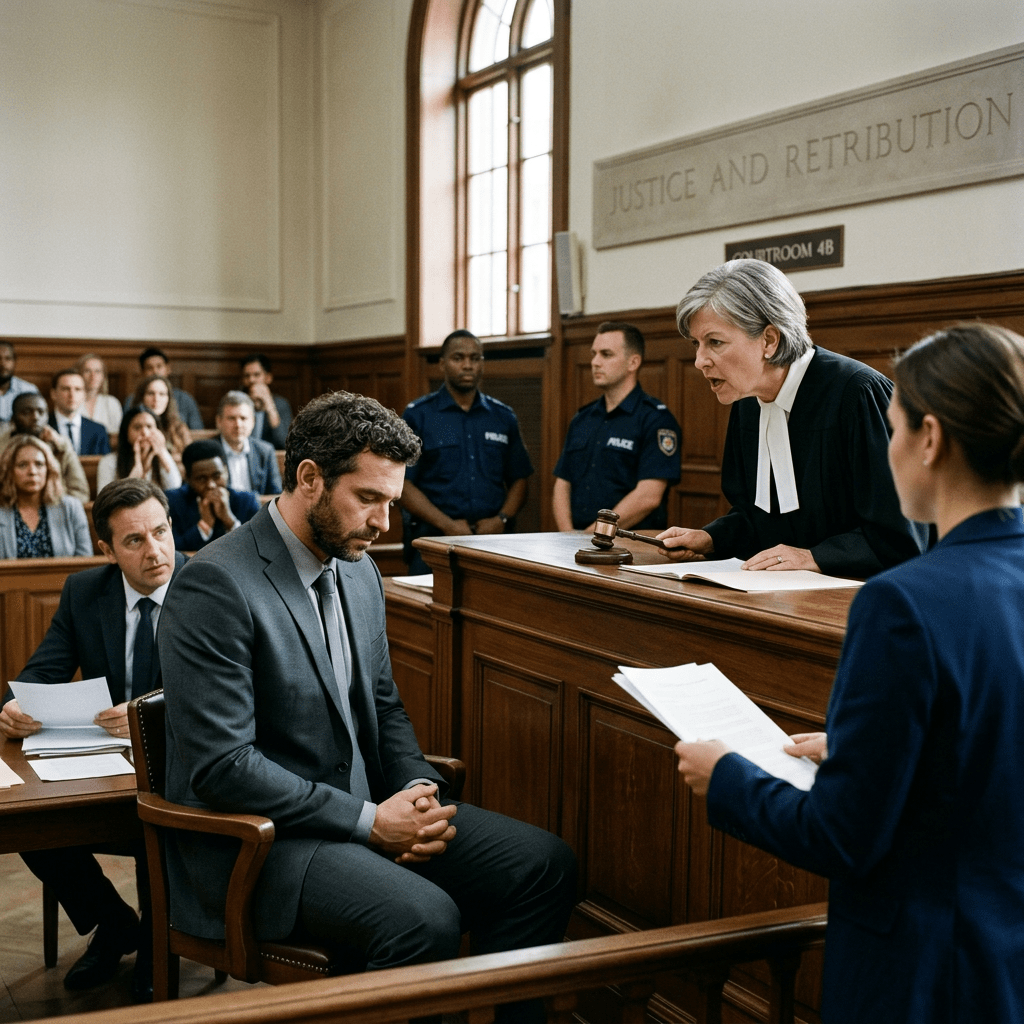
The Angoleiro, a practitioner keenly aware of the high-stakes environment in which he operates, understands implicitly that the decision to draw and use a large blade is an action with definitive and severe consequences. Such an act guarantees immediate and comprehensive police involvement. This is not a matter of conjecture, but a certainty arising from the public safety protocols surrounding the use of deadly force and edged weapons in any civil setting.
The legal repercussions stemming from the use of a major weapon extend far beyond the immediate altercation. The guaranteed outcomes include:
- Full-Scale Police Investigation: The incident will trigger a thorough criminal investigation. This involves immediate on-site questioning, the gathering of physical evidence (including the blade itself as evidence), identification of all witnesses, and potentially the preservation of the scene as a crime scene.
- Detention and Interrogation: The Angoleiro will almost certainly face immediate detention for questioning. The interrogation process will focus on establishing intent, self-defense claims, and compliance with local laws regarding the carrying and use of knives or other weapons.
- Potential for Criminal Charges: Regardless of whether the use of the blade was deemed justified (e.g., self-defense), the act itself often leads to charges being filed. These can range from illegal possession of a weapon to assault with a deadly weapon, or even attempted murder, depending on the severity of the injuries inflicted and the prosecutor’s interpretation of the events.
- Long-Term Legal Battle: A full legal process will ensue, involving bail hearings, arraignments, pre-trial motions, and a potential trial. This will necessitate significant legal expenses, regardless of the eventual verdict, and will consume considerable time and emotional resources.
- Professional and Personal Fallout: Beyond the criminal justice system, the Angoleiro’s reputation, employment, and personal life will suffer. A criminal record, even for a reduced charge, can permanently impede future opportunities.
In short, the Angoleiro operates with the understanding that using such a weapon is a point of no return, trading the immediate resolution of a threat for a guaranteed, complex, and potentially life-altering legal and social ordeal.
1. The Inescapable Legal and Moral Scrutiny of Lethal Force
The decision to employ lethal force, particularly with an instrument as decisive as a large blade, is one that triggers an immediate and intense legal and moral investigation. When force is used, the operator must be prepared, immediately afterward, to articulate a clear, concise, and legally defensible justification for their actions. This justification hinges on one central tenet: the use of lethal force was absolutely necessary and the only remaining option to preserve life—either the operator’s own life or the life of another innocent party—from imminent, credible threat of death or grave bodily harm. Any ambiguity, perceived escalation, or opportunity for de-escalation that was ignored will be a focal point of the inquiry. The psychological and physical factors present at the time must be detailed to establish the reasonable belief of imminent danger.
2. Tactical Blade Handling and Stress Inoculation
Effective deployment of a large, heavy-duty blade under duress demands constant, rigorous practice that goes far beyond basic familiarity. The sheer size and momentum of such a tool introduce unique liabilities. A fundamental and common failure point under high-stress conditions is the risk of self-inflicted injury during the draw, manipulation, or dynamic movement. This can occur due to adrenaline-induced tremor, fumbling, or a lapse in focus on the blade’s orientation. Training must therefore focus on stress inoculation, incorporating high heart rate drills and simulated environmental pressures to ensure that the motor skills required for a clean, secure draw and precise manipulation are internalized to an autonomous level. The operator must be able to deploy, utilize, and secure the blade without looking at it, maintaining situational awareness throughout. This practice ensures that the weapon remains an asset and does not become an immediate liability.
Ethical and Moral Responsibility: The Weight of the Blade
The carrying and potential use of a large blade is not merely a tactical consideration but a profound moral burden. This tool is designated strictly for survival, functioning as a final-resort life-preservation instrument. It must never be viewed as an extension of ego, a tool for intimidation, or an instrument of petty retribution. The operator carries the heavy responsibility of ensuring its application is clean, ethically justifiable, and focused with ruthless precision solely on the objective of ending the threat as instantaneously and efficiently as possible to minimize suffering and prevent further loss of life. This requires a level of emotional discipline and moral clarity that supersedes the chaos of the moment, ensuring the use of force is a measured, necessary response to a dire threat, and not an act of passion.
 Jogo Corpo Fechado