Welcome to MARTIAL ARTS THEATER, a vibrant community hub for martial arts enthusiasts featuring expert interviews, comprehensive instructional videos, and exciting events that inspire and educate practitioners of all skill levels. Here, you will explore diverse insights across various styles, including karate, judo, taekwondo, and Brazilian jiu-jitsu, all within a supportive and welcoming environment. Whether you are a beginner seeking to learn the basics or an advanced practitioner looking to refine your skills, our resources are designed to cater to your unique journey. Join us to connect with others who share your passion and embrace the rewarding journey of self-discovery in martial arts, where personal growth and discipline are just as important as physical prowess. Together, we can cultivate a deep understanding of martial arts and foster friendships that last a lifetime.
In today’s Installment…
If you don’t know about Kid Yamamota, you are about to become a huge fan. In this video, we layout exactly why he is so beloved and will continue to be long after his passing, showcasing not only his remarkable skills inside the cage but also his incredible resilience and sportsmanship.
This is the story of a true legend of Japanese MMA, who paved the way for future fighters and inspired countless fans around the world. Beyond his statistics and accolades, Kid Yamamota’s legacy is defined by his dedication to the sport, his humble nature, and the profound impact he has had on the global MMA community. His journey began in the early days of mixed martial arts, where he not only showcased unparalleled skill inside the cage but also demonstrated an unwavering commitment to training and self-improvement.
This tribute not only highlights his unforgettable matches but also emphasizes the values he represented, such as perseverance, respect, and sportsmanship, which continue to resonate with fighters and fans alike. Kid Yamamota’s story is a reminder that success in MMA is not solely measured by titles and wins, but by the respect earned and the lives touched throughout one’s career, proving that his influence will endure for generations to come.
TODAY IN BLACK MEDIA offers news and cultural discussions from an African American perspective, highlighting overlooked global black achievements that often go unnoticed in mainstream media. It serves as a vital resource for understanding the complexities of black life, bridging community gaps by showcasing diverse experiences that shape the rich fabric of the African diasporic narrative. The platform elevates significant stories, from historical milestones to contemporary issues, and fosters inclusive conversations about race, culture, identity, and media representation. By amplifying the voices and perspectives of underrepresented individuals, TODAY IN BLACK MEDIA empowers its audience to engage critically with societal challenges, inspiring action and fostering unity within and beyond the African American community.
Today, we have a special message from The Professor.
Yes, I know I should have posted it yesterday, but it is what it is, and sometimes life has its own schedule.
Our annual recognition of black media concludes as we reflect on our significant achievements over the past year, acknowledging the hard work, creativity, and dedication that have gone into each project. This event is not just a celebration, but also an opportunity to highlight the remarkable leaders who inspire us and pave the way for future generations: YOU!
Your contributions have made a profound impact on our community, fostering a deeper understanding and appreciation for the richness of our narratives. Each story shared and each voice amplified has strengthened our connection, allowing us to embrace our unique experiences while celebrating our shared values.
Let us come together to honor these accomplishments and the collective strength that binds us, recognizing the transformative power of collaboration and the importance of supporting one another as we continue to grow and evolve together. Together, we can create a legacy that inspires future generations and deepens our commitment to the vibrant tapestry of our community.
Every Friday, PROFESSOR BLACK TRUTH presents “The Friday Crime Report,” a thought-provoking and insightful program that delves deep into the myriad challenges faced by the black community, such as systemic racism, economic inequality, and police brutality. Through a combination of research, personal stories, and expert interviews, the program not only sheds light on these pressing issues but also seeks to provide historical context and relevance to current events. By fostering an open space for discussion and encouraging viewers to engage critically with the material, the program aims to raise awareness, stimulate constructive dialogue, and empower individuals to take proactive steps towards a more equitable and just future. Additionally, “The Friday Crime Report” serves as a platform for community voices, highlighting grassroots initiatives and advocating for policy changes that can lead to tangible improvements in the lives of marginalized individuals.
In Today’s installment…
In February of last year, two Delaware firefighters engaged in a shocking act of racial aggression when they threatened a black co-worker with a noose, an emblem of hate that carries devastating historical implications. They went so far as to chase him around the firehouse, attempting to lynch him in a horrifying display of intimidation and malice.
While this disgraceful act unfolded, one of the perpetrators recorded the incident on video, seemingly trivializing the trauma inflicted on their colleague and highlighting how deeply ingrained racism can manifest in even the most trusted professions, demonstrating a disturbing desensitization to violence and a complete disregard for human dignity. Such behavior, reflective of a broader societal issue, not only poses a significant threat to the safety and well-being of individuals within the workplace but also undermines the values of dignity and respect that are essential in any community service role.
It creates an environment where fear and mistrust can flourish, ultimately leading to significant psychological harm for victims and potentially perpetuating a cycle of discrimination that impacts not only the individuals involved but also the workplace culture as a whole. In an era where equality and justice should be paramount, these incidents serve as a stark reminder of the work that still lies ahead in addressing systemic issues that allow such behavior to persist.
Shout out to the professor for creating and posting this insightful video.
The Professor consistently creates engaging videos that not only entertain but also encourage critical thinking on the important topic of black empowerment, making complex ideas accessible and relatable to a wide audience. Each video delves deeper into historical and contemporary issues, sparking meaningful conversations and promoting understanding among viewers. Whether you’re well-versed in these topics or just beginning your journey, his content serves as a valuable resource. Visit his YouTube channel HERE to join a vibrant community focused on knowledge sharing and discussions about a range of black issues that affect our society today. Engaging with this content will enhance your perspective and empower you to partake in the larger dialogue surrounding these vital topics.
TODAY IN BLACK MEDIA offers news and cultural discussions from an African American perspective, highlighting overlooked global black achievements that often go unnoticed in mainstream media. It serves as a vital resource for understanding the complexities of black life, bridging community gaps by showcasing diverse experiences that shape the rich fabric of the African diasporic narrative. The platform elevates significant stories, from historical milestones to contemporary issues, and fosters inclusive conversations about race, culture, identity, and media representation. By amplifying the voices and perspectives of underrepresented individuals, TODAY IN BLACK MEDIA empowers its audience to engage critically with societal challenges, inspiring action and fostering unity within and beyond the African American community.
In today’s installment, we have this story from The Professor.
Black people need to stop supporting those who harbor hatred towards them and confront their own self-hate. It is essential for the community to recognize that true empowerment begins with self-love and unity, as fostering a sense of pride can counteract the negative narratives that have persisted for generations.
Additionally, a case in Virginia highlights racial discrimination against a black man, where the white Republican Attorney General has been criticized for favoring non-black individuals for compensation, demonstrating a disturbing trend that undermines justice and equity. This situation serves not only as a wake-up call for the community but also as a pressing reminder of the systemic inequities that persist in our society. It urges individuals to stand up and demand accountability from their leaders, fostering a culture that prioritizes inclusivity and fairness.
Encouraging community engagement and support for those who advocate for justice is essential in this context; by uniting voices, we can hold those in power responsible for their actions. Only through vigilance and a collective effort can we hope to challenge the status quo and progress towards a more just society for all, where every individual, regardless of their race, is treated equitably and fairly under the law.
Shoutout to Professor BLACK TRUTH for posting this insightful story that truly sheds light on important themes. His unique perspective and compelling narratives always engage and inspire his audience. Please click HERE to check out his channel, where you’ll find a wealth of content that challenges conventional thinking and stimulates meaningful discussions. Don’t miss the opportunity to explore his work and broaden your understanding of the world around you.
I know I cover the definition of a Malandro on one of the permament PAGES, but I want to go over it again, to clarify what this series is about.
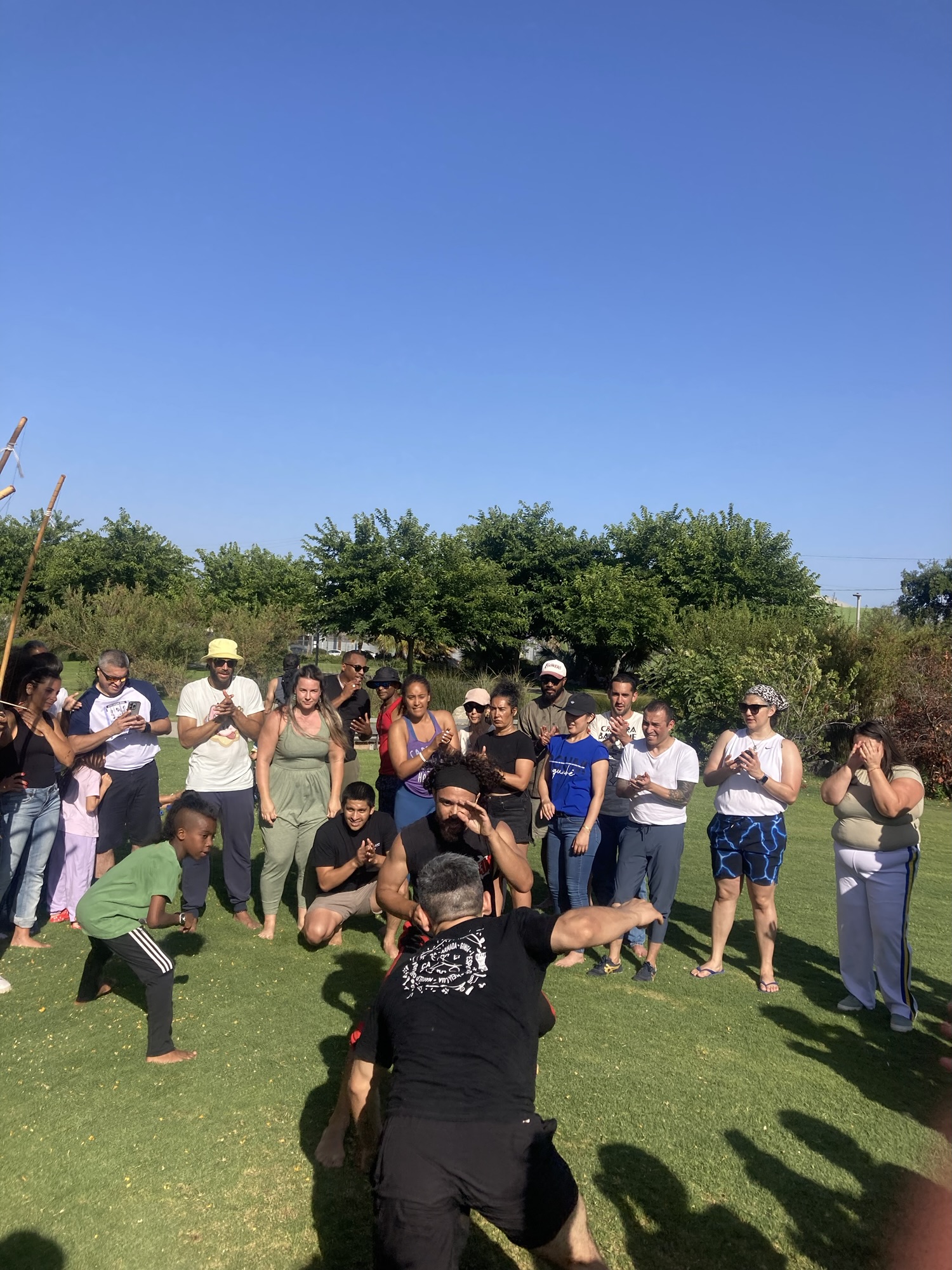
What is a Malandro? In Capoeira circles, there is a lot of things said about what a malandro is, representing a unique cultural archetype that embodies a blend of cunning, charm, and grace. The malandro is often seen as a trickster, one who navigates through both the complexities of life and the movements within the Capoeira game with a certain finesse that captivates those around them. This character is more than just a performer; they possess an innate ability to read the energy of the roda, adjusting their strategies and movements to flow seamlessly with the rhythm of the game and the interactions with other players.
They often use their wit and cleverness to turn challenges into opportunities, showcasing a playful resilience that draws admiration and respect from those around them. This ability to adapt and thrive in various situations not only highlights their intelligence but also reflects a deep-seated understanding of human nature and social dynamics. The essence of a malandro is deeply intertwined with the philosophy of Capoeira, which celebrates not only martial skill but also artistic expression and social commentary. This dance-fight form serves as a medium for the malandro to communicate stories, convey emotions, and reflect on societal issues, weaving together movement and meaning in a captivating way. By embracing both physicality and creativity, the malandro emerges as a vital figure in the cultural tapestry of this Brazilian art form, embodying the spirit of resistance and the joy of life, inspiring others to appreciate the richness of their heritage and the importance of community.
I created the “Malandros in Action” series, so we can explore the “Modern malandro” in contemporary society, examining their cunning strategies to evade deception and navigate the complexities of urban life. Although the malandro has a deep connection to the rich traditions of Capoeira, most of the individuals I’m showcasing are not capoeiristas, which allows us to broaden our understanding of this archetype. These individuals, often characterized by their resourcefulness and charm, harness their unique skills to outsmart conventional systems, deftly maneuvering through societal expectations and constraints. Their presence is not just about physical prowess; it also embodies a philosophy of resilience and adaptability, making the Malandro an essential figure in the Capoeira community and beyond. Through engaging storytelling and in-depth analysis, we’re delving into the intricate web of social dynamics that enables them to thrive, revealing not just the challenges they face but also the clever tactics they employ to turn obstacles into opportunities and ensure their survival in a constantly shifting landscape.
By examining various case studies and personal narratives, we can highlight how the modern malandro navigates issues such as economic disparities, cultural identity, and social justice, all while fostering a sense of community and collaboration among peers. This series will not only celebrate their ingenuity but also provoke thought about the broader implications of their actions within the urban framework, ultimately enriching our appreciation for their multifaceted existence.
In a PREVIOUS POST, I said I was gonna tell you guys about the song the guys in white were singing in that scene.
Well, today’s the day.
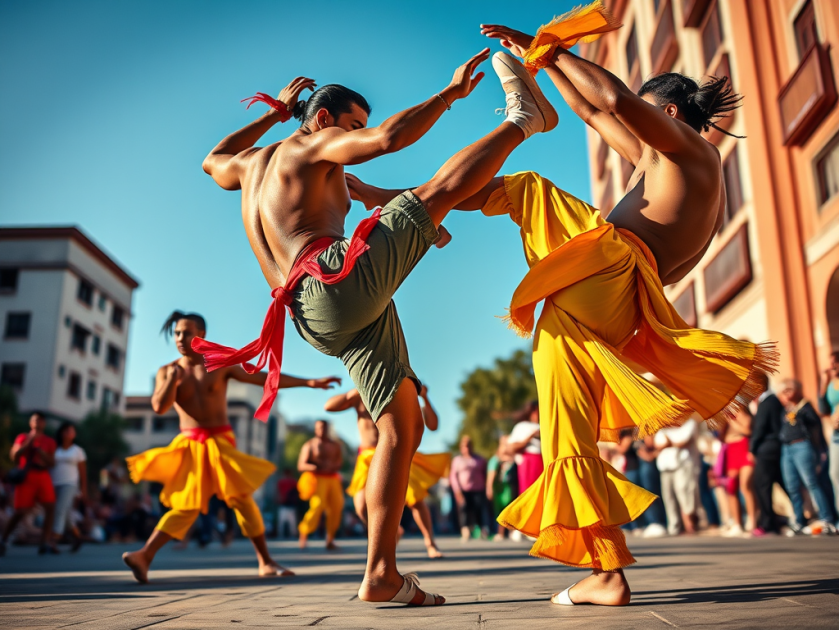
Possibly the most emblematic of all Capoeira songs, Paranauê is a song that every Capoeirista must know, as it encapsulates the spirit and culture of this vibrant martial art. It’s one of the most famous capoeira songs, resonating with enthusiasts even before it gained widespread popularity through the movie “Only the Strong,” where they sang that song to everyone’s delight. The infectious rhythm and powerful lyrics invite participants to embrace the essence of capoeira, creating a sense of unity and celebration.
And despite consisting of only one word, I know when some of you first heard the song and tried to sing along with the chorus, you were singing “Banana way…”, don’t lie. This humorous mix-up has become a fond memory for many, highlighting how capoeira not only teaches physical prowess but also fosters a sense of community and joy among practitioners.
So what is the history and meaning behind this song?
As with pretty much all capoeira history, no one really knows for sure it’s exact origin.
Now before I go on, I just want to point out that there are other versions of this song, each offering a unique interpretation and style that may resonate differently with listeners. Some provide a more upbeat tempo, while others focus on the emotional depth of the lyrics.
I’m posting this one because they include the lyrics in the video, allowing you to fully engage with the song’s message and meaning as you listen. This can enhance your experience, helping you appreciate not only the melody but also the story it tells through its words, making it more relatable and enjoyable for audiences of all backgrounds.
Parana is the name of a state in Brazil, known for its rich cultural heritage and stunning landscapes. It has come to represent freedom, a theme deeply ingrained in the spirit of the Brazilian people, and is used symbolically in many capoeira songs that celebrate resilience and bravery. One of Capoeira’s most famous and popular songs, “Paranaue,” is particularly renowned among practitioners and enthusiasts alike.
This song essentially refers to the WAR OF PARAGUAY, a significant conflict that took place between Paraguay and Brazil during the late 19th century.
Since logically the masters and rulers did not want to be on the front line, they deployed a large number of slaves to fight for them with an enticing incentive lifeline; an offer of freedom in case they returned alive after bravely battling the enemy. The slaves, often skilled in various forms of combat, had an added advantage in hand-to-hand combat due to their capoeira skills, which enabled many of them to not only survive but to return alive and share their experiences.
Following the harrowing battles, on the way back, from the tumultuous and chaotic front lines, the now ex-slaves gathered on the scenic banks of the Parana river, where they gave vent to their feelings through this beautiful and poignant song that encapsulated their struggles and triumphs. Despite the underlying tragedy of the war, during which almost seventy-five percent of Paraguayans lost their lives in brutal confrontations, it emerged as an important milestone in the life of the slaves of Brazil, marking a pivotal point in their quest for freedom and recognition. This song is not just a reflection of sorrow; it carries with it the resilience and enduring spirit of those who fought for their dignity. Today, it is commemorated to this day throughout the country, serving as a reminder of the sacrifices made and the cultural legacy forged in the fires of conflict.
There is also another “origin story” for this song, which gives credit to the creation of the song to Mestre Genaro. Apparently, one day his friend Mestre Paraná (Osvaldo Lisboa dos Santos) did not appear at the roda of Mestre Arthur Emídio, where he was expected, leaving everyone curious about his absence.
Mestre Genaro spontaneously began to sing “Paraná ê, Paraná ê, Paraná! ê cadê você Paraná, Paraná ê, Paraná…”
The second story not quite so romantic as the first one, although it may possibly be the more accurate version.
So, Which version is correct?
Well, who knows? Maybe it just took Mestre Genaro to invent the unmistakable melody for the chorus, which was then combined with the original verses referring to the war, creating a powerful narrative that resonated deeply with listeners.
This innovative blend of music and storytelling not only highlights the struggles faced during that tumultuous time but also brings forth the collective emotions of a community yearning for resilience and unity. Or perhaps it could be that this remarkable combination of a great tune, infused with the rich history and emotional weight of the story, that made Paranauê such a timeless classic, captivating generations with its heartfelt message and stirring harmonies that echo long after the last note fades away.