Every Friday morning, PROFESSOR BLACK TRUTH hosts “The Friday Crime Report,” a compelling program that delves deep into the critical issues surrounding systemic racism, economic inequality, and police brutality specifically affecting the black community. With an unwavering commitment to justice, the program serves not only as a platform for raising awareness but also as a catalyst for meaningful advocacy, fostering essential dialogue that paves the way for impactful policy change and community engagement. By spotlighting the stories and struggles of marginalized voices, it aims to empower listeners to take a stand and support social justice initiatives actively. Each episode features a diverse array of community members, activists, and experts who share their insights and experiences, inspiring actionable steps towards creating a fairer society. The combination of personal testimonies and expert analysis provides a rich, nuanced understanding of the systemic challenges at play, equipping audiences with the knowledge and motivation to drive change in their own communities and beyond.
In Today’s installment…
The initial accusation against Kyren Lacy, which portrayed him as the perpetrator in the death of a white motorist, now stands exposed as a calculated and deliberate campaign. This campaign was orchestrated not to uncover the truth, but to deflect blame, obfuscate facts, and ultimately suppress any information that might lead to an accurate understanding of the events. The very existence of such a misdirection raises profoundly disturbing questions about the underlying motives. Who stood to gain from framing Kyren Lacy, and to what extent were official channels—including law enforcement, the judiciary, and even elements of the media—corrupted or co-opted to achieve this nefarious outcome? The systematic nature of the false accusation, from the fabrication of evidence to the manipulation of witness testimonies, strongly suggests a concerted, well-resourced effort to manipulate public perception and pervert judicial processes. This was not merely an error in judgment but a sophisticated deception designed to secure a predetermined narrative, regardless of its devastating impact on an innocent individual.
As the undeniable truth inevitably surfaces, stripping away the layers of the elaborate deception that ensnared Kyren Lacy, the imperative now shifts with urgent force. The focus must pivot from the framed to the framers, to identifying, apprehending, and prosecuting every individual responsible for this egregious miscarriage of justice. This accountability extends far beyond those who directly fabricated evidence, coached false testimonies, or planted misleading information. It must encompass those in positions of authority—be they in government, law enforcement, or legal institutions—who sanctioned, facilitated, or, through deliberate inaction or turning a blind eye, enabled these illicit activities to proceed. Their complicity, whether active in orchestrating the deception or passive in allowing it to unfold, in what amounts to a state-sponsored killing through legal means, demands the highest level of rigorous accountability. No stone should be left unturned in exposing the networks of individuals and institutions that contributed to this monumental injustice.
The implications of this harrowing case extend far beyond the individual tragedy inflicted upon Kyren Lacy and his loved ones. It unmasks a profound and deeply concerning vulnerability within the legal system itself—a system that is supposed to be the bedrock of justice and protection for its citizens. This case starkly demonstrates how the lives of individuals can be unjustly terminated, either physically or through the destruction of their freedom and reputation, through an insidious web of lies, systemic abuse of power, and institutional corruption. To even begin to restore public faith in the integrity of justice, and crucially, to prevent future occurrences of such abhorrent acts, it is absolutely imperative that a full, transparent, and unsparing investigation be launched. This investigation must be independent, far-reaching, and empowered to uncover all layers of deception, identify every single individual involved in this conspiracy—regardless of their position or influence—and ensure that they face the full force of the law. Only through such a comprehensive and uncompromising pursuit of truth and justice can society begin the arduous process of healing from this grievous wound and reaffirm its foundational commitment to true justice, equality, and the unassailable rule of law for all.
Youtube is full of videos that talk about “The history they didn’t tell you,” especially it seems, when they’re about African and Afro-diasporic culture. These videos delve deep into the rich and often overlooked narratives that have shaped these communities, providing insights into their struggles, achievements, and contributions to global culture. From the powerful resistance movements to the vibrant artistic expressions that have emerged, these stories highlight the resilience and creativity of the African diaspora. Well here, we’re gonna highlight some of these stories that not only educate but also inspire, showcasing the vibrant tapestry of history that is often sidelined in mainstream discussions. By exploring these narratives, we hope to contribute to a more comprehensive understanding of the past and its impact on the present.
In this first installment…
The British government vowed freedom to enslaved people if they could escape and take up arms against their Patriot enslavers. This promise, however, was not just a mere obligation; it represented a beacon of hope for many who yearned for liberation from the shackles of bondage. But when the British failed to deliver the promised land in Nova Scotia, leaving the Black Loyalists disillusioned and without the support they were led to expect, they found themselves at a crossroads. The Black Loyalists needed a leader to step up, someone courageous enough to sail across the ocean and demand a solution to their plight.
That man would be Thomas Peters, a former prince who escaped enslavement in North Carolina and embarked on a brave journey toward freedom. Having experienced the brutality of slavery firsthand, Peters understood the gravity of their situation and was determined to advocate for the rights and dignity of his fellow Black Loyalists, whose stories were often overshadowed by the dominant narratives of history. With his noble background and unwavering resolve, he emerged as a pivotal figure in the quest for justice and equality, tirelessly rallying others to join his cause and speaking out against the injustices they faced.
Through his unwavering efforts, Peters not only sought to uplift his community but also aimed to forge a path toward a more equitable society, one that recognized the inherent dignity and worth of every individual. His transformative leadership inspired a renewed sense of hope within a community desperately seeking a way forward in a land that had promised them freedom but delivered only uncertainty and despair. As he worked tirelessly to unite their voices, he championed their struggles against a backdrop of systemic oppression, advocating for justice and equality in every forum available. Peters understood the power of collective action and dedicated himself to educating others about their rights and the importance of standing together, rallying support from neighboring communities and forming coalitions that transcended social and economic barriers. In this way, he not only addressed immediate issues but also planted the seeds for long-term change, fostering a spirit of resilience and empowerment that would resonate for generations to come.
I decided to create a series about modern-day slavery, a troubling issue that remains pervasive around the globe. Capoeira, an art form that developed in Brazil, emerged in part as a response to the trauma experienced by the enslaved Africans who were forced into labor and oppression. This beautiful cultural expression not only showcases their resilience and strength but also serves as a reminder of the deep scars left by slavery. We can’t turn a blind eye to the ongoing reality of slavery today, just because it may seem distant or disconnected from our lives. This injustice continues to affect millions, and it is our collective responsibility to confront it. So, I’m posting instances of slavery happening today, from human trafficking to forced labor, because recognizing and acknowledging these abhorrent acts when they occur is the most effective way to work towards ending them and advocating for those who suffer in silence. By raising awareness, we can contribute to a larger movement aimed at eradicating these violations of human rights and fostering a more equitable society for all.
In this 1st installment…
Brazil leads the world in the number of domestic workers, with official figures indicating nearly 6 million individuals employed in this sector. This workforce is predominantly female, with women constituting 91% of nannies, cooks, and cleaners. A significant demographic factor is the overrepresentation of Black women, who make up 67% of these workers, highlighting the enduring impact of historical and socio-economic disparities within Brazilian society.
Despite their crucial contributions, a majority of these women face precarious employment conditions. Many are paid by the day, lacking formal employment contracts and social security coverage. This vulnerability leaves them without a safety net, exposing them to exploitation and underscoring systemic inequalities in the labor market. This situation is particularly acute for those who become victims of modern slavery, a term that encompasses forced labor and other forms of severe exploitation.
The lack of legal protection and formal employment status exacerbates their vulnerability, making them susceptible to various abuses. In extreme and tragic cases, some domestic workers are trafficked into prostitution. This grim reality serves as a stark reminder of the hidden exploitation that can occur within this often-unseen workforce, where personal dignity and fundamental rights are frequently compromised in the struggle for survival. The challenges faced by these workers reflect not only the specific dynamics of the domestic labor market but also broader societal issues related to race, gender, and economic inequality in Brazil.
Well, my first post on this subject was so well received, that I decided to create a Part 2.
Capoeira’s journey from a tool of survival to a celebrated cultural art form encapsulates the very best of human endurance and ingenuity. It demonstrates that culture is not static; it is a dynamic, living entity that can adapt, resist, and flourish even in the most hostile environments. Its continued growth and global reach stand as an irrefutable testament to the power of cultural resilience and the universal human yearning for freedom and self-determination.
Capoeiristas have often found themselves at the crossroads of cultural expression and state repression, facing violence and discrimination throughout history. Our art, which embodies a rich tapestry of Afro-Brazilian heritage, has been a form of resistance against oppression, allowing them to reclaim their identity in the face of adversity. However, the struggles of these practitioners are not confined to historical contexts; they resonate with contemporary issues, such as the recent ice raids that have disproportionately targeted marginalized communities. The connection lies in the ongoing fight for recognition and rights, highlighting how both capoeira and the experiences related to immigration enforcement reflect a deep-seated struggle against systemic injustice. How these cultural warriors navigate the dual realities of preserving their traditions while confronting oppressive forces reveals the complexities of identity and resistance in today’s society.Capoeiristas have historically occupied a precarious position at the nexus of profound cultural expression and severe state repression. Throughout centuries, they have endured violence, discrimination, and relentless attempts to suppress their unique art, which embodies a rich and intricate tapestry of Afro-Brazilian heritage. More than just a martial art or a dance, capoeira has served as a powerful and enduring form of resistance against the systemic oppression faced by enslaved Africans and their descendants in Brazil. Through its movements, music, and philosophy, capoeira allowed them to reclaim their identity, preserve their cultural memory, and foster community in the face of profound adversity.
The struggles of capoeiristas, however, are not confined to the annals of history; they resonate powerfully with contemporary issues, demonstrating an ongoing fight for recognition, justice, and fundamental human rights that transcends time and geography. A stark and deeply troubling parallel can be drawn between the historical persecution of capoeiristas, who faced oppression from colonial powers and societal disdain, and the recent ice raids that have disproportionately targeted marginalized communities in various parts of the world, igniting debates on immigration policies and human rights violations. In both instances, the state, through its enforcement mechanisms, has been used to control, displace, and subjugate populations deemed “other,” resulting in widespread trauma and disenfranchisement. This systemic marginalization not only stifles individual and collective identities but also fuels a broader societal narrative that seeks to erase the rich cultural contributions of these groups. The legacy of capoeiristas serves as a poignant reminder of the resilience inherent in fighting against injustice, offering a beacon of hope and solidarity for contemporary advocates striving to dismantle oppressive structures and promote a more equitable society.
The connection between these seemingly disparate struggles lies in the pervasive and deeply entrenched struggle against systemic injustice that persists in multiple forms across different societies. Just as capoeira was once outlawed, seen as a threat to colonial authority, and its practitioners persecuted and marginalized, immigrant communities today face the constant threat of family separation, detention, and deportation, often without due process or adequate legal representation. These parallel narratives reveal how marginalized groups continually fight for their rights and cultural identities in the face of oppressive systems. Both capoeira, with its history of covert practice, coded movements, and resilient spirit, and the experiences related to immigration enforcement, with its harrowing impact on vulnerable families and the fragility of their dreams, reflect a profound and ongoing battle against powerful, often invisible, forces of oppression that seek to silence their voices and erase their existence. By recognizing these interconnected struggles, we can better understand the importance of solidarity in the pursuit of justice, ensuring that the legacies of resistance continue to inspire current and future generations to challenge and dismantle the structures of inequality that persist today.
The profound question that arises from this comparison is how these “cultural warriors” – whether historical capoeiristas or contemporary advocates for immigrant rights – navigate the complex dual realities of preserving their cherished traditions and cultural identities while simultaneously confronting oppressive forces. Their resilience and determination reveal the intricate complexities of identity formation, cultural survival, and resistance in today’s increasingly interconnected yet often divisive society. Understanding these parallels is crucial for recognizing the enduring legacy of struggle and the continuous need for vigilance in safeguarding human rights and cultural expression against all forms of systemic injustice.The profound question that arises from this comparison is how these “cultural warriors” – whether historical capoeiristas or contemporary advocates for immigrant rights – navigate the complex dual realities of preserving their cherished traditions and cultural identities while simultaneously confronting oppressive forces. Their resilience and determination reveal the intricate complexities of identity formation, cultural survival, and resistance in today’s increasingly interconnected yet often divisive society. This struggle is not merely a historical footnote but a continuous, evolving challenge that demands constant vigilance.
Historically, capoeiristas, often marginalized and facing severe state repression in Brazil, transformed their cultural practice into a formidable tool of resistance. The seemingly innocent dance and music masked a highly effective martial art, allowing them to maintain their cultural heritage while subtly, yet powerfully, challenging the dominant order. Their ability to adapt and innovate under duress highlights a crucial aspect of cultural survival: the capacity for transformation and reinvention. The very act of practicing capoeira became an assertion of self, a defiance against attempts to erase their identity.
In parallel, contemporary advocates for immigrant rights find themselves in a similar crucible. They champion the preservation of diverse cultural traditions, languages, and identities, often against restrictive policies, xenophobic sentiments, and systemic discrimination. Their efforts to establish cultural centers, organize community events, and advocate for inclusive policies are direct echoes of the capoeiristas’ struggle to maintain their cultural integrity. The fight for the right to speak one’s native language, practice one’s religion, or celebrate one’s heritage becomes a fundamental act of resistance against assimilationist pressures.
Understanding these parallels is crucial for recognizing the enduring legacy of struggle and the continuous need for vigilance in safeguarding human rights and cultural expression against all forms of systemic injustice. It underscores the idea that cultural expression is not a superficial aspect of human existence but a fundamental component of identity and a powerful catalyst for social change. The lessons learned from the historical resilience of capoeiristas offer invaluable insights into the strategies and spirit required for contemporary cultural warriors to navigate the challenges of a world grappling with issues of globalization, migration, and the persistent struggle for equality and recognition. The battles fought in the past, though seemingly different in context, provide a blueprint for understanding and empowering those who continue to fight for the right to exist authentically and express their cultural identities freely in the face of adversity. This ongoing dialectic between cultural preservation and resistance shapes the very fabric of diverse societies, reminding us that the defense of culture is, at its heart, the defense of human dignity.
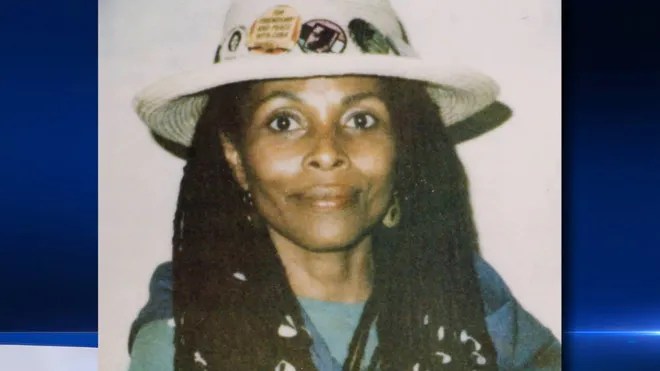
Assata Shakur died in Havana, Cuba, on September 25, 2025, at the age of 78. The cause of death was cited as “health conditions and advanced age” by Cuba’s Ministry of Foreign Affairs. Her passing brings a close to a decades-long saga that began with a high-profile murder conviction and ended with a long life in political asylum, during which she became an enduring symbol of resistance and resilience against systemic injustice.
Shakur, born Joanne Chesimard, was a prominent member of the Black Liberation Army, a radical group that sought to fight against systemic racism and promote civil rights for African Americans. In 1977, after a highly publicized trial, she was convicted of the 1973 murder of a New Jersey State Trooper during a tense and violent traffic stop, a case that garnered national attention due to its implications regarding police brutality and racial injustice. In a dramatic turn of events, she escaped from a New Jersey prison in 1979 with the help of fellow activists and quickly sought refuge outside the United States. By 1984, Shakur had successfully obtained political asylum in Cuba, where she was welcomed as a symbol of resistance against U.S. imperialism and was able to continue her activism in a supportive environment. For decades, the U.S. government engaged in extensive efforts to locate and extradite her from Cuba, yet these attempts proved fruitless, illustrating the complexities of international law and diplomatic relations. In 2013, to reignite the pursuit of justice, the FBI added her to its Most Wanted Terrorists list, marking the first time a woman was included on that list, elevating her status as both a fugitive and a controversial figure in the ongoing discussions surrounding race, justice, and activism in America.
Throughout her life, Shakur advocated for social change and equality, capturing the attention of activists and scholars around the world. Her contributions to discussions about race, class, and gender continue to resonate, making her a significant figure in both American history and contemporary social movements. In a time marked by turmoil and transformation, she stood at the forefront, challenging societal norms and articulating the struggles faced by marginalized communities. Her fierce commitment to justice, demonstrated through her writings, speeches, and actions, has paved the way for meaningful dialogue and awareness around issues of inequality. Her legacy will likely inspire future generations to confront the challenges of oppression and fight for justice in pursuit of a more equitable society.
Today, as we reflect on her impact, we honor her legacy, recognizing the profound influence she has had on the fight for civil rights and social justice, and the path she has carved for those who continue to advocate for change. Her relentless pursuit of equality and her unwavering commitment to justice have inspired countless individuals to stand up against oppression and challenge societal norms.
How Capoeiristas have historically dealt with State repression and violence has been a complex and multifaceted issue, steeped in rich cultural traditions and resilience. Throughout history, Capoeira emerged as a form of resistance against oppression, allowing practitioners to blend martial arts with dance and music to evade detection by colonial authorities. The strategic use of Capoeira as both a means of self-defense and a way to foster a strong community has enabled practitioners to maintain their identity in the face of harsh societal challenges. This vibrant art form has not only provided a physical outlet for those subjected to violence but also a spiritual sanctuary, reinforcing bonds among practitioners and serving as a source of pride and cultural heritage. Furthermore, the ongoing evolution of Capoeira has seen it adapt to modern forms of resistance, where the principles of agility and creativity are now extended to address contemporary social injustices, proving that its inherent values of unity and strength continue to resonate deeply within communities striving for autonomy and recognition.
Capoeira, a quintessential Afro-Brazilian art form, stands as a profound testament to human resilience and cultural ingenuity in the face of relentless state repression and violence. Its historical trajectory is not merely a narrative of survival but a vibrant illustration of how a community forged a powerful instrument of resistance from the crucible of oppression. Originating in the dark era of colonial Brazil, Capoeira ingeniously blended martial arts, dance, and music, creating a sophisticated language of defiance that allowed its practitioners, the Capoeiristas, to evade detection by the very authorities who sought to suppress them. This strategic fusion transcended mere disguise; it was a deeply embedded cultural practice that enabled the honing of combat skills in plain sight, veiled under the guise of festive celebration and communal gathering.
The intrinsic duality of Capoeira—serving simultaneously as a potent means of self-defense and a powerful instrument for fostering community cohesion—was absolutely critical in preserving the identity and dignity of its practitioners amidst relentless societal challenges. In a world bent on stripping them of their heritage and humanity, Capoeira offered a sacred sanctuary, a dynamic space where physical prowess seamlessly intertwined with spiritual solace. It acted as a powerful social glue, reinforcing the bonds among practitioners and cultivating a robust network of solidarity that was absolutely crucial for their collective survival. Beyond its practical applications in combat and community building, Capoeira blossomed into a profound source of pride, a living embodiment of cultural heritage, and a vibrant tapestry meticulously woven from threads of resistance, resilience, and unwavering hope.
The enduring legacy of Capoeira is further underscored by its remarkable adaptability, a characteristic that has allowed it to transcend its origins and address contemporary social injustices. As societies evolved and new forms of oppression emerged, so too did Capoeira, continuously transforming itself to remain relevant and impactful. The core principles of agility, creativity, and strategic evasion, meticulously honed over centuries in the face of historical oppression, found new and profound relevance in modern forms of activism and social protest. This continuous evolution powerfully demonstrates that Capoeira’s inherent values of unity, strength, and the unwavering pursuit of autonomy resonate deeply within communities striving for recognition, justice, and self-determination, unequivocally proving its timeless power as a transformative force for social change.
As the Brazilian government intensified its repressive measures against Capoeira practitioners, including outright criminalization and the brutal application of state-sponsored violence, Capoeiristas responded with ingenious and highly effective strategies to navigate this increasingly hostile environment. They masterfully transformed public spaces—city squares, street corners, and open fields—into vibrant stages for their resistance. These gatherings, often appearing as spontaneous festivals and lively performances, were, in fact, cleverly orchestrated acts of defiance. Under the vibrant and seemingly innocuous guise of cultural celebration, they subtly challenged state authority and showcased their indomitable spirit, their physical prowess, and their unwavering cultural pride.
This clever camouflage served a crucial purpose, allowing Capoeiristas to demonstrate their extraordinary skills, practice their art, and reinforce their community ties without inviting direct, often violent, confrontation from the authorities. The vibrant energy and communal spirit of these gatherings fostered an incredibly deep sense of solidarity among practitioners, strengthening their resolve and commitment in the face of persecution. By transforming these events into public spectacles, they not only meticulously preserved their cherished art form but also raised crucial awareness about their struggles, their deep cultural roots, and their unwavering resilience. As Capoeira solidified its reputation as a potent symbol of resistance against oppression, it began to attract diverse audiences, transcending its original context to become a vital expression of broader Brazilian identity and a powerful advocate for social justice, echoing the voices of the marginalized and oppressed.
This innovative practice, born out of necessity and brilliant improvisation, served a critical dual purpose. Firstly, it effectively circumvented direct confrontations with oppressive forces, thereby minimizing casualties and maintaining the integrity of their community. Secondly, and perhaps more profoundly, it played a pivotal role in reclaiming cultural heritage and fostering profound solidarity among community members. It ignited a powerful sense of identity and belonging, providing an unyielding bulwark against the forces of dehumanization and cultural eradication. The transformative journey of Capoeira, from a grassroots struggle for survival among enslaved and marginalized populations to its current elevated status as a globally recognized and celebrated cultural symbol, eloquently underscores the extraordinary tenacity, inventive spirit, and enduring courage of those who practice it. This remarkable evolution vividly illustrates how the art form has adapted and thrived over time, seamlessly blending the rhythmic intricacies of music, the expressive and fluid movements of dance, and the disciplined, potent techniques of martial arts to forge a dynamic, compelling, and utterly unique expression of resistance.
Ultimately, this profound transformation of Capoeira reflects not merely a fight against oppression but also a joyous and vibrant celebration of culture, community strength, and the indomitable human spirit. It serves as a powerful and timeless reminder that even in the darkest hours of oppression, the spirit of Capoeira possesses the extraordinary power to inspire resilience, galvanize resistance, and ignite hope. It stands as a shining beacon of hope and inspiration for future generations, encouraging them to embrace their roots, honor their heritage, and continuously innovate for a brighter, more equitable tomorrow. The enduring legacy of Capoeira is, therefore, a living testament to the human spirit’s boundless capacity for creativity, unwavering resilience, and an unshakeable commitment to freedom and cultural preservation against all odds.
Capoeira’s profound transformation transcends a mere struggle against oppression; it blossoms into a jubilant and vibrant celebration of culture, the unwavering strength of community, and the indomitable human spirit. This evolution serves as a powerful and timeless reminder that even amidst the darkest hours of tyranny, the spirit of Capoeira possesses an extraordinary power to inspire resilience, galvanize resistance, and ignite hope.
It stands as a shining beacon of hope and inspiration for all future generations, actively encouraging them to embrace their roots, honor their heritage, and continuously innovate for a brighter, more equitable tomorrow. The enduring legacy of Capoeira is, therefore, a living testament to the human spirit’s boundless capacity for creativity, its unwavering resilience in the face of adversity, and an unshakeable commitment to freedom and cultural preservation against all odds.
This dynamic art form, born from the crucible of slavery, meticulously wove together elements of martial arts, dance, music, and ritual. It provided an clandestine means for the enslaved to practice self-defense, forge strong communal bonds, and preserve their African traditions under the watchful and often brutal eyes of their oppressors. Each movement, each rhythm, and each song within Capoeira became a coded language, a form of silent defiance against the forces that sought to strip away their humanity.
Over centuries, Capoeira adapted and evolved, transcending its origins to become a global phenomenon. It moved from the hidden senzalas and quilombos to the bustling streets of Brazilian cities, and eventually, to dojos and cultural centers across the world. This journey was not without its challenges, facing periods of state repression and outright prohibition, with capoeiristas often being persecuted and criminalized. Yet, through it all, the essence of Capoeira – its spirit of freedom, adaptability, and cultural pride – persisted.
Today, Capoeira is not just a physical discipline; it is a holistic philosophy that fosters self-awareness, discipline, and respect. It teaches its practitioners the importance of community (“comunidade”), the beauty of improvisation (“improvisação”), and the power of individual expression (“expressão individual”). The “roda,” the circle in which Capoeira is played, symbolizes a sacred space where individuals connect, challenge each other, and collectively create a living, breathing testament to their shared heritage.
In essence, Capoeira’s journey from a tool of survival to a celebrated cultural art form encapsulates the very best of human endurance and ingenuity, illustrating a remarkable transformation over centuries. Rooted in the struggles faced by enslaved Africans in Brazil, Capoeira emerged not just as a means of self-defense but as a means of expression, allowing practitioners to convey their emotions and identities through movement and rhythm. It demonstrates that culture is not static; it is a dynamic, living entity that can adapt, resist, and flourish even in the most hostile environments, shaping itself through the experiences and creativity of its practitioners. Its continued growth and global reach stand as an irrefutable testament to the power of cultural resilience and the universal human yearning for freedom and self-determination, drawing diverse individuals into its fold and fostering a sense of community that transcends borders, languages, and backgrounds. As Capoeira evolves, it continues to inspire future generations, serving as a potent reminder of the enduring spirit of those who fought to preserve their heritage and the importance of cultural exchange in a rapidly changing world.
Welcome to another addition to the “ROOTS OF CAPOEIRA” blog series, which explores the importance of Afro-Brazilian culture in Capoeira, highlighting the connection with the heritage of the AFRO-BRAZILIAN PEOPLE who express their creativity and resilience through art forms like dance, music, and storytelling. This rich cultural tapestry weaves together historical narratives and personal experiences, emphasizing how each element of Capoeira serves not only as a means of self-defense but also as a vital expression of identity and heritage. By understanding these cultural roots, I hope that you can appreciate Capoeira as both a self-defense practice and a unifying cultural expression celebrating shared heritage, where every movement and song embodies a story and every encounter reinforces the legacy of Afro-Brazilian culture. In delving into the interplay between tradition and innovation, we invite our audience to recognize Capoeira not only as a martial art but also as a living tradition, continuously evolving while remaining anchored in its historical significance.
In today’s installment…
What you see in the above video, is a festival called, Nego Fugido, which loosley translated means, Runaway Negro.
The nego fugido is an annual ritual performance in Acupe, Brazil, that reenacts the dehumanization of slavery and the struggle for emancipation. It serves as a form of memorial mediation where the Quilombola community reappropriates its history through a counter-narrative of oppression and resistance, linking art, politics, spirituality, and collective memory. The performance powerfully portrays the history of subjugated people and their tireless struggle for freedom from slavery, shedding light on the cultural richness and resilience often overshadowed by narratives of oppression. Participants create living images (tableaux vivants) that embody the memory of oppression and the resistance of those who were enslaved, communicating not just a story, but an experience etched in the hearts and minds of generations. In contrast to dominant historical accounts, Nego Fugido creates a sovereign counter-narrative from the perspective of those whose history has been suppressed or erased, serving as a radical assertion of identity and dignity. This ritual stands as a testament that the past is not a distant memory but a living influence on the present.
The ritual is a way for the Quilombola community to reclaim its past, reinterpreting its colonial heritage in the context of the present, imbuing contemporary culture with historical significance that resonates with today’s struggles for justice. It operates at the intersection of art, politics, spirituality, and the transmission of knowledge, fostering solidarity and common purpose among participants and the audience. The collective act prompts questions about whose voices shape historical memory and who determines the narratives that form a nation, inviting reflection on the nature of truth, memory, and the continual journey towards liberation. Through this performance, the Quilombola community not only honors the ancestors but also challenges prevailing injustices, forging a path towards a more inclusive future grounded in recognition and respect for all histories.
First they came for the socialists, and I did not speak out— Because I was not a socialist.
Then they came for the trade unionists, and I did not speak out— Because I was not a trade unionist.
Then they came for the Jews, and I did not speak out— Because I was not a Jew.
Then they came for me—and there was no one left to speak for me.
On March 1st of this year, I made a post called ICE ICE BABY, Where I talk about the Ice raids, and what we as law abiding citizens can do about them.
Wel, y feelings are unchanged about this subject. I’ve included this cool video below which describes my feelings.
However, in case you didn’t want to watch the video…
I stand in solidarity with immigrants, acknowledging the injustice and human rights violations they face, as families are separated and communities suffer from fear and uncertainty. Every day, countless individuals leave their homes in search of safety and a better life, often facing unimaginable challenges along the way. Immigrants enrich our society, contributing their talents, cultures, and perspectives, which ultimately strengthens our communities. It is essential to recognize the immense sacrifices they make for the hope of a brighter future for themselves and their children. Everyone deserves safety and respect in their homes, regardless of their background. I oppose mass deportation, as it contradicts our values of compassion and human dignity; instead, we should advocate for humane policies that support integration and understanding. Border walls and harsh immigration laws only serve to deepen divides and perpetuate cycles of fear. Together, we can build a more inclusive society that embraces diversity and fosters a sense of belonging for all.
Well I just had to get that off my chest. have a good day Y’all.
This morning while getting ready for work, I came across this ingenious video, “The Boondocks Saw It Coming — We Just Didn’t Listen”. This video focuses on the episode, “The Trial of Robert Kelly”.
This episode serves as a cautionary tale, reflecting on Black America’s idolization of celebrities over truth and the implications of such reverence. This thought-provoking documentary not only showcases the complexities of our entertainment industry but also highlights how this adoration often blinds us to the flaws and wrongdoings of our idols. It compares its themes to the seismic shifts observed in the actual trials of R. Kelly and Sean “Diddy” Combs, thoroughly examining the complex issues of celebrity worship that permeate society, the sense of racial loyalty that complicates discussions around accountability, and the systemic failures within the justice system that often allow powerful figures to evade consequences.
Through powerful storytelling and incisive analysis, the documentary urges viewers to critically assess the cultural narratives surrounding these figures, probing deeper into how societal dynamics and historical precedents shape our responses to allegations of misconduct. The implications extend beyond individual cases, inviting a broader discourse on justice, moral responsibility, and the collective value we place on truth versus fame.
It poignantly touches on the cases of Tory Lanez and Jonathan Majors, highlighting a troubling trend of protecting influential men, often at the devastating cost of Black women, whose voices remain marginalized in these conversations. The film ultimately challenges viewers to grapple with the implications of supporting cultural icons while simultaneously seeking justice for the wronged, questioning whether it is truly possible to love the art while acknowledging the harm done by the artists behind it. Through this exploration, the documentary prompts a deeper reflection on our values and the narratives we choose to uphold.
Shoutout to the YouTube channel SPARKUP for creating and posting this incredible video, which showcases their unique approach to engaging and educational content. If you appreciate high-quality videos that inspire and inform, please click HERE to watch more amazing videos from this channel, where you can find a diverse range of topics that are sure to captivate your interest and expand your knowledge. Make sure to subscribe to stay updated with their latest releases and join a growing community of viewers who share a passion for learning and discovery!
I woke up, and this video popped up on my feed, and I knew I had to share this with you.
Rather than posting up some limited commentary, I’ve decided to just post the original YouTube description:
From a grainy 1954 filmstrip to the sharp wit of animated satire, from verses spoken in dim-lit poetry lounges to the piercing honesty of hip hop and candid interviews — this is the story of an unbroken thread.
Selling to the Negro. The Boondocks. Kanye West on Def Poetry Jam. Jay-Z’s The Story of O.J. Tupac Shakur speaking truth in 1992 about greed, power, and the American dream.
Across seventy years, these moments echo each other — each one revealing how race, wealth, identity, and image are braided into the fabric of America’s imagination. We see how ads once courted Black consumers with a smile, how satire stripped fame to its bones, how music and poetry wrestled with the cost of success, and how artists have fought — and sometimes surrendered — to the very systems they question.
This isn’t just history. It’s the same story retold in different tongues, from the polished pitch of Madison Avenue to the raw beats of the block.
The past and present stand face to face here, leaving us with one lingering question: has anything truly changed?
You know what’s really scary? Some of the things that was taught in that old film about negro spending habits are some of the same things my mother would teach me about buying things.





 Jogo Corpo Fechado