TODAY IS JUNETEENTH!!!

Today is Juneteenth. It is worth observing and it is more than worth celebrating, as it marks a pivotal moment in our collective history and a powerful reminder of our enduring struggle for freedom and equality.

But we didn’t need the very government that enslaved our people to give us permission to honor our own history; our resilience and triumphs have always been a source of strength and pride within our communities. We have carried the heavy burden of a painful past, yet we have transformed that suffering into a tapestry of culture and heritage that celebrates our identity. From the stories passed down through generations to the vibrant expressions of art, music, and dance that echo our ancestors’ voices, we acknowledge the struggles while embracing the undeniable spirit that has propelled us forward. Each milestone achieved, whether in education, leadership, or social justice, serves as a testament to our unwavering commitment to uplift one another and forge a brighter future.

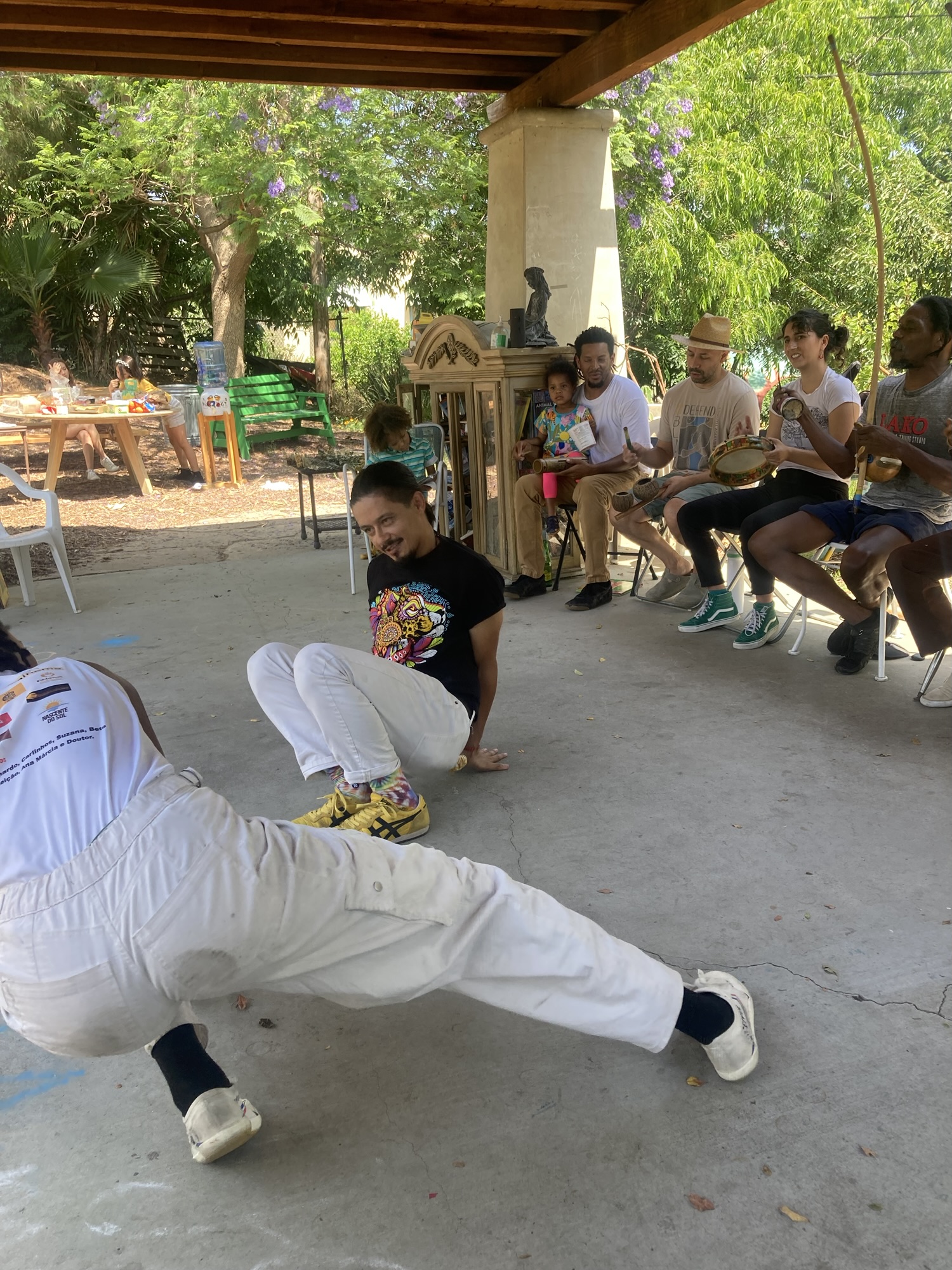
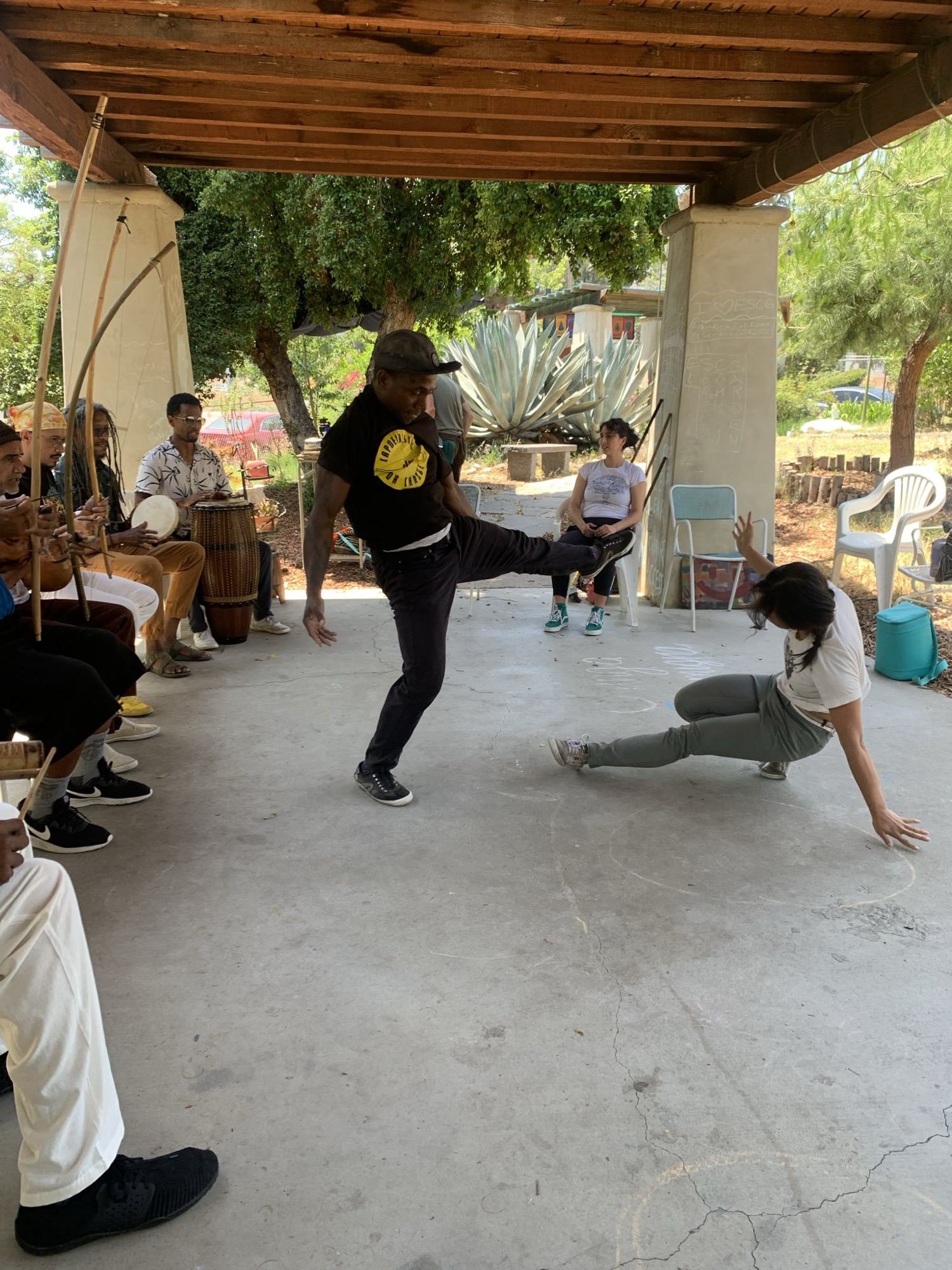
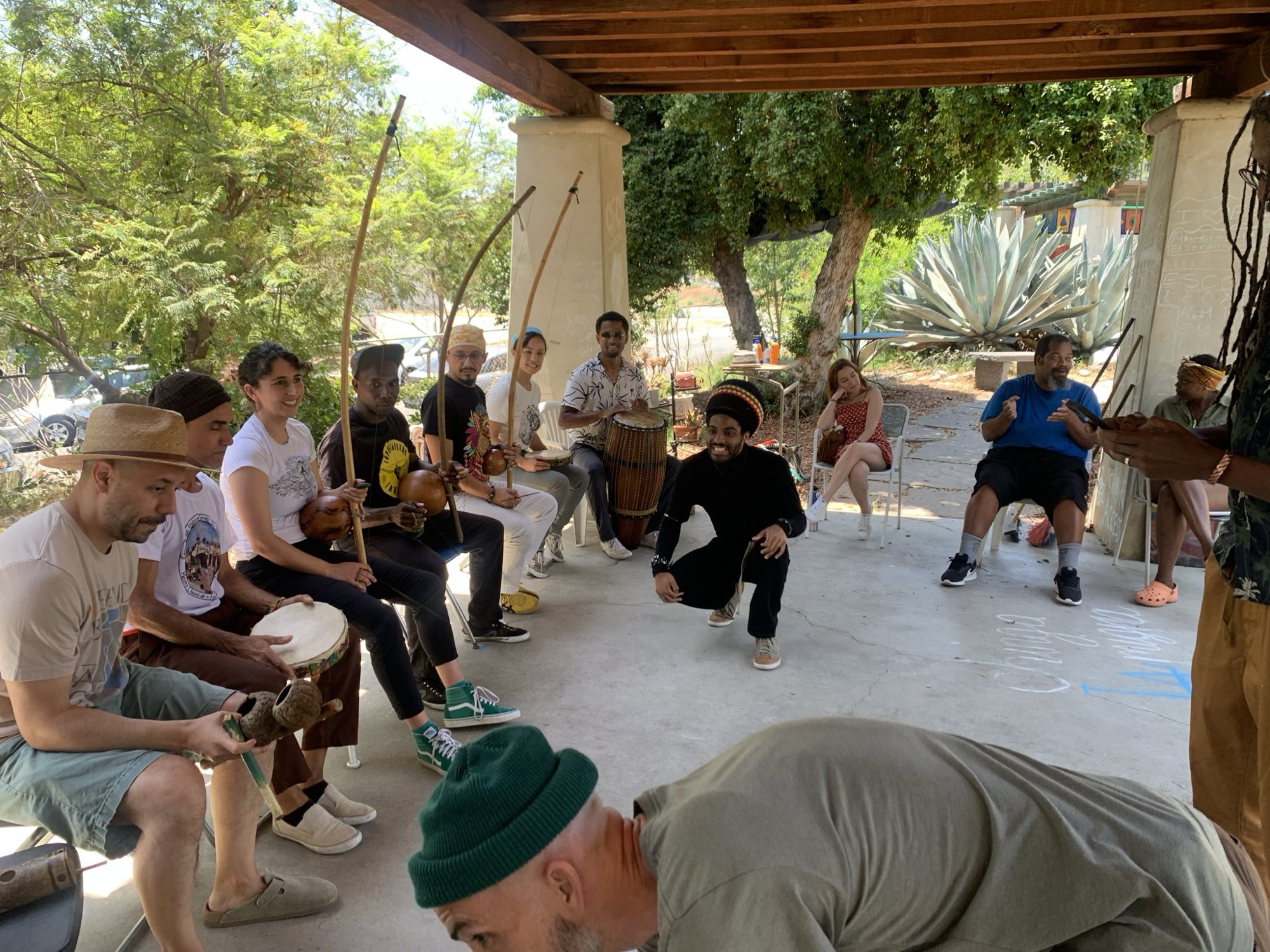
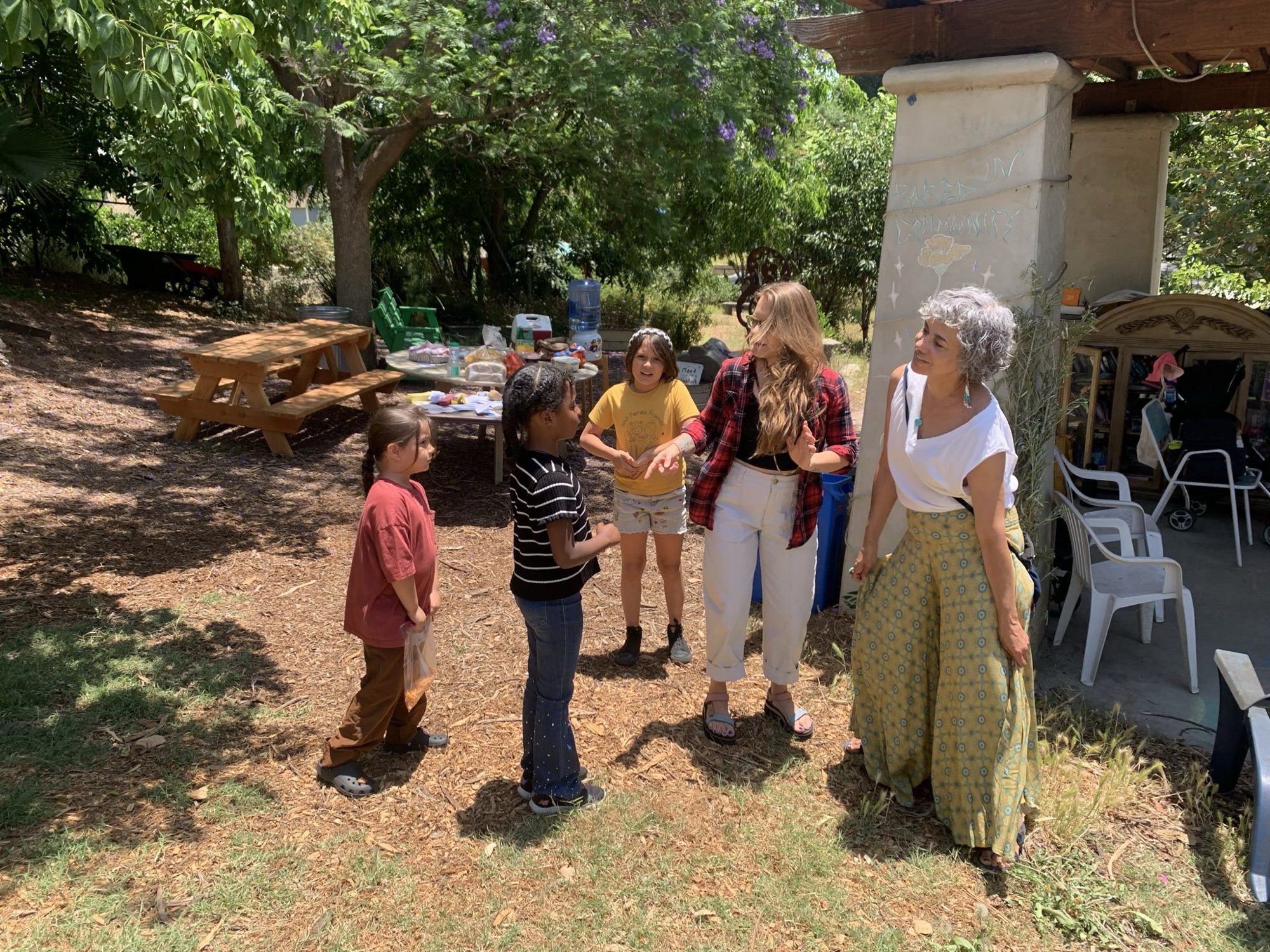
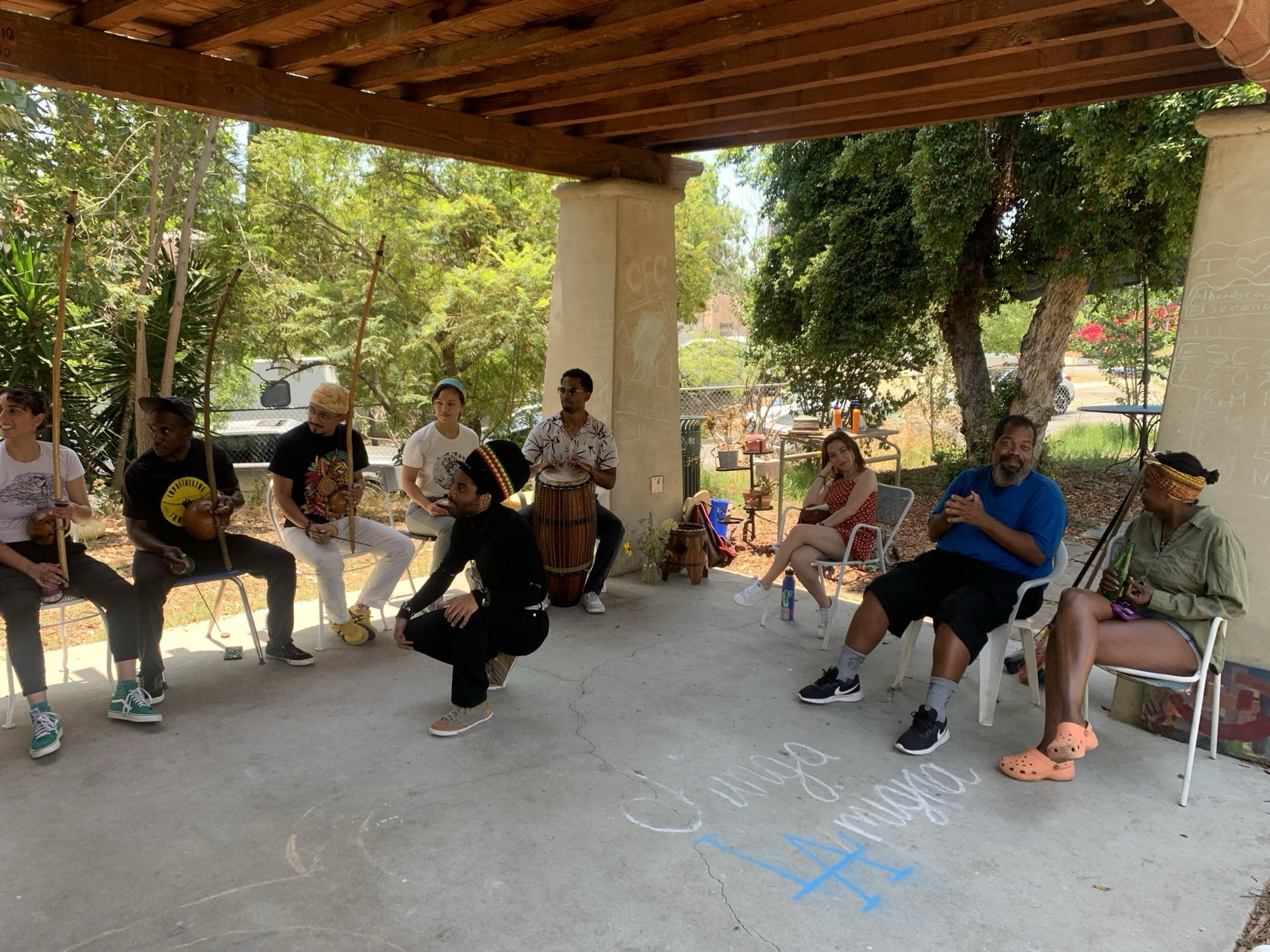
Now, as I said in another POST, we had a Roda and Potluck today. It was a beautiful display of love, brotherhood, and solidarity among all participants, creating an atmosphere rich in cultural heritage and community spirit.

The energy was palpable as we gathered together to share not only food but also stories and laughter, fostering connections that bridge our differences. The rhythm of Capoeira Angola echoed through the space, inviting everyone to join in the movements, transcending barriers and uniting us through the art form that we all cherish. Witnessing such harmony and joy inspired a sense of gratitude for the shared experiences and the vibrant tapestry of our collective journey.

We must all come together in recognition of the sacrifices made by those who came before us, acknowledging their struggles and the legacies they left behind. It is vital to honor the ancestors who bravely faced the adversities of their time, enduring hardships and injustices that many cannot fathom today. Remember the ancestors who fought against oppression and dreamed of a brighter future for us all, envisioning a world where equality and justice reign.

Recall the tireless efforts and the relentless spirit that fueled their fight, paving the way for progress and change. Remember the debt that is owed, not only to those who suffered under slavery but also to those who continue to fight against injustice today, standing up for the marginalized and voicing the concerns of the unheard.

Their courage serves as an inspiration, reminding us of the importance of advocacy and activism. As we reflect on their unwavering spirit, we are called to action, encouraging a collective movement where every voice matters. And remember ALL who owe it, for the responsibility to uplift and empower one another lies within each of us. This duty demands that we not only raise awareness of the challenges faced by marginalized communities but also actively engage in solutions that foster change.

And in that spirit, I’d like to discuss the ICE raids a little bit. At the Roda, our sister soldier Eva recently left some informative flyers from an organization called Union Del Barrio, which is dedicated to empowering ordinary citizens with the knowledge and skills they need to protect themselves and their communities from invasive ICE raids.

These flyers outline critical training sessions and resources designed to raise awareness about immigrants’ rights and ensure that individuals are prepared to respond effectively in challenging situations. I highly encourage everyone to click HERE to check them out and delve deeper into the fantastic initiatives they are actively involved in, as well as to discover various ways you can contribute to their crucial mission and support the fight for justice and dignity for all community members.

Together, as we work towards a more just and equitable world, we must commit to listening, learning, and building bridges across divides. By fostering a community in which everyone, regardless of their background, can thrive and flourish in harmony, we create a shared environment where mutual respect and collaboration flourish, paving the way for future generations to inherit a brighter, more inclusive society.

O VÍDEO DO DIA DA CAPOEIRA ANGOLA (6/8/25)

There are a plethora of Capoeira Angola videos which showcase the vibrant culture and community aspects of this martial art, featuring intricate movements and traditional music that create a captivating atmosphere. These recordings reveal various styles and insights from masters, highlighting the historical contexts of struggle and celebration inherent in this Brazilian tradition. The dedication of practitioners emphasizes the art’s beauty and resilience, as performances convey perseverance and cultural pride, while also demonstrating the importance of camaraderie and respect that fosters connections among diverse individuals.

In today’s installment, YouTuber THE ETHNIC EXPLORER takes a day to explore the rich history and vibrant culture of Capoeira de Angola. He heads down to the historic Jackson Ward of Richmond, Virginia, a neighborhood known for its deep roots in African American heritage, to meet up with a diverse group of angoleiros who share a passion for this unique martial art and its accompanying music and dance. Joining them in the roda, he not only witnesses the incredible skill and camaraderie among the practitioners but also learns about the traditions and philosophies that underpin Capoeira de Angola.

I really like to see stories like this, as they shed light on aspects of culture that often go unnoticed in our fast-paced world. When I first encountered Capoeira, it was an eye-opening experience for me in the sense that I’ve never encountered anything quite like it before; the energy, rhythm, and sense of community were palpable, making me feel as if I had stepped into a vibrant world where history and art intertwined seamlessly. Watching this mini-documentary, I was not only happy to see this man’s experience but also deeply moved by the passion and dedication of everyone involved in this beautiful art form. It stirred in me a longing to delve deeper into the stories behind such cultural expressions.

Cheers to experiencing new things in life and continuing the spirit of exploration of many things, for it is through such journeys that we gain a deeper understanding of our shared humanity and the beauty of different cultures, embracing the lessons they impart and the connections they foster among us all, encouraging unity in diversity. As we step outside of our comfort zones and delve into the unknown, we discover not only the richness of other traditions but also reflect upon our own beliefs and values, enriching our perspectives. These experiences open our hearts and minds, allowing us to foster empathy and compassion, as we learn to appreciate the intricacies of life lived through different lenses, ultimately paving the way for a more harmonious coexistence in this wonderfully diverse world we inhabit.

I JUST HAD THE BEST WEEKEND EVER!

Greetings!

Last Friday morning (5/30/25), I arrived in Oakland for the long-awaited 10th anniversary celebration of Grupo No balanco D’Angola, a prestigious Capoeira Angola group that has made significant contributions to the community, which I previously wrote about in detail (Click HERE). The atmosphere was charged with anticipation as friends, families, and Capoeira enthusiasts gathered to honor a decade of dedication to this unique art form. The weekend was filled with excitement and learning, featuring a series of fascinating workshops led by the renowned Mestre Moraes and his talented student Mestre Kenji, who hails from Japan. Master Moraes’s deep knowledge and passion for Capoeira Angola shone through as he expertly guided us through various drills and practices. These workshops focused on fundamental movements, intricate techniques, principles, and the essential music of Capoeira Angola, immersing participants in the rich cultural heritage of this beautiful art form. As we practiced, the energy of the group soared, fostering a spirit of camaraderie that transcended borders and backgrounds. On the last day, there was a roda and a barbecue in the host Sergio’s backyard, where laughter and celebration echoed, allowing all to connect, share stories, and reflect on their journey within the world of Capoeira. The warmth of the community and the joy of movement created lasting memories that would resonate long after the event concluded.

Hence, this blog post.

A highlight of the event was undoubtedly Mestre Moraes taking the time to share his personal insights about his transformative journey in Capoeira, including anecdotes that resonate deeply with both seasoned practitioners and novices alike. He emphasized what it truly means to be a dedicated and authentic angoleiro, offering wisdom that is both inspiring and enlightening for everyone involved. Additionally, the sense of community and camaraderie that blossomed throughout the weekend made the experience even more memorable and impactful for all who attended.

And it’s always great to see some of the Capoeira Angola fam from SoCal…

In case you’re wondering, the guy next to me is Brian Shields, a dedicated student of Capoeira Angola with Ngolo Preto Velho, based in the San Bernadino area.

You’re not gonna see pictures or videos of this event on this blog, basically because I went there to celebrate and to LEARN, not for some photo ops. However, I will show you some photos of the individuals below.

Of course, the man to the far left in this picture needs no introduction, but I’m gonna do it anyway.

MESTRE MORAES, who began training in Capoeira de Angola at age 7, founded Grupo Capoeira Angola Pelourinho (GCAP) in 1980 to preserve traditional teachings and return to capoeira’s philosophical and African roots, particularly from Angola. He aimed to create a space free from commercial influences, honoring his mentors’ legacy while preserving capoeira’s authenticity. GCAP serves as a guardian of capoeira’s history and as a platform for education and cultural exchange, promoting understanding among practitioners through workshops and community events, thereby reinforcing cultural identity in a changing world.

Yes the video is in Portuguese, but like I always say, if you’re in Capoeira and you don’t know Portuguese, then you should learn.

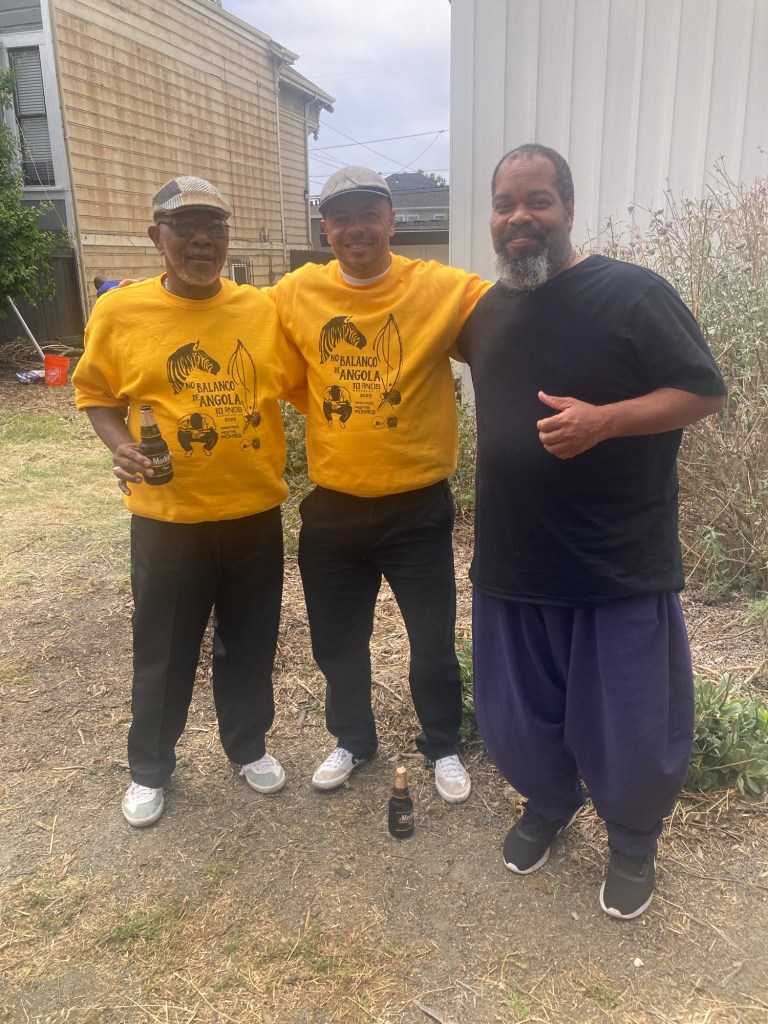
The man between me and Mestre Moraes is Contra Mestre Sergio Bittencort Ferreira, founder of Grupo No Balanco D’Angola and main host of the event. He grew up in Belo Horizonte, a city rich in culture and tradition, where he began practicing Capoeira Angola with GCAP at a young age. His early experiences in this vibrant environment ignited a deep passion for the art form, and he quickly became an accomplished capoeirista. Over the years, he has dedicated himself to not only mastering the techniques of Capoeira Angola but also to preserving its rich history and cultural significance. Through his teaching, he aims to inspire the next generation and ensure that the traditional elements of Capoeira Angola are transmitted and appreciated by all, thus fostering a vibrant legacy that celebrates its roots while embracing the future.

Here he is in action:

Now, the man standing next to me is Kenji Shibata, known as MESTRE KENJI.

He has dedicated over 20 years to promoting Capoeira angola in Japan through GCAP. His commitment to the art includes not only mastering its skills but also teaching and nurturing new practitioners, instilling values of discipline, respect, and community. He actively organizes workshops and cultural events that enhance understanding of Capoeira angola, bridging cultural gaps and ensuring its traditions are preserved. Kenji inspires students to embrace Capoeira as a means of personal growth, creating a supportive environment that fosters self-expression and cultural pride.

Now, my weekend cannot be complete by talking about this man here with me, Daniel Mattar, a very skilled Angoleiro, totally dedicated to Capoeira Angola, not to mention a great father and gentleman. His passion for Capoeira Angola is truly inspiring; it’s evident in the way he moves, blending agility and grace with resilience and strength.

Once again, I wish I knew more about his story in Capoeira Angola. I’m not even sure of what title he holds (I think it’s treinel, but I could be wrong). Man, I gotta learn to start interviewing people.

However, I do know that he hails from the vibrant city of Rio de Janeiro, a hub of cultural richness and diversity. Before he joined the respected Grupo No Balanco D’Angola, he was with the renowned Group Fundacao Internacional Capoeira Angola (FICA for short), where he honed his skills and embraced the deep philosophical roots of this beautiful art form. Daniel’s journey not only embodies the essence of Capoeira but also reflects his commitment to nurturing the next generation, as he often shares his knowledge and experiences with young practitioners, instilling in them the same love and respect for the traditions of Capoeira Angola that he holds dear.

Before I left Oakland to come back home, I took a moment to pay my respects to MESTRE THEMBA and the good people at Grupo Ngolo Preto Velho, who have also played significant roles in my journey and the community I cherish. Their wisdom and guidance have been invaluable, and visiting them always fills me with a sense of peace and gratitude.

What you’re seeing below is the sun rising in the early morning, casting a beautiful golden hue across the sky at Union Station in Downtown Los Angeles, an hour and a half before I made it home. The quiet of the early morning blended seamlessly with the hustle and bustle that awaited as the city began to wake, reminding me of the contrasting energies that exist in life.

Once again, I want to extend my heartfelt gratitude to Mestres Moraes and Kenji, CM Sergio, Alma (HAPPY BIRTHDAY TO THE BOTH OF YOU!!!), Daniel, Kofi, Jeff, and all of you at Grupo No Balanco D’Angola for all of the love and camaraderie you’ve shown us guests. Your warm hospitality has truly made our experience unforgettable, allowing us to feel like part of your vibrant community.

The passion you have for capoeira Angola is palpable and inspiring, igniting a shared enthusiasm that resonates deeply within all of us. It’s in the smiles we exchanged during practice, and the incredible connections we’ve made that showcase the essence of what you embody as a group. We deeply appreciate the dedication and effort you put into nurturing both your craft and your visitors, creating an atmosphere where everyone feels welcome and valued. Thank you for making our time together so enriching and memorable; we look forward to many more moments shared in the spirit of capoeira.

Axe!

Oh, and one more thing. Thank you Sergio for the beautiful event shirt:

Well it was beautiful until it took a 8 hour bus ride in my luggage. And I promise I’ll be wearing it in STYLE one day… After I lose some weight.

NO BALANCO D’ ANGOLA 10 ANOS

Greetings!

This is one of my favorite videos of MESTRE MORAES.

In this video, he, along with Mestres João Grande, Cobra Mansa, Mestre Themba, and Mestre Nego Gato, performed at the Center for Research in Black Culture in Schoemberg, New York, in 1990 in a wonderful display of skill, dexterity, and respect. This event marked a significant milestone as it was one of the 1st public demonstrations of Capoeira Angola here in the U.S.A., a style rich in history and cultural significance. FOR 45 YEARS NOW, he has dedicated his life to spreading this beautiful art of Capoeira Angola all over the world, inspiring countless practitioners and enthusiasts alike. His relentless passion has not only increased awareness of Capoeira but has also fostered a deeper appreciation for its roots and traditions.

Here he is below, in his first visit to the island nation of Japan, where he shared the rhythms and teachings of Capoeira,planting seeds, and creating connections with a new generation of students eager to learn about this vibrant martial art form and its philosophical underpinnings.

And speaking of new generations…

The man playing with Metsre moraes in this video, who is also featured in the previous video, is named Kenji Shibata, who is now recognized as MESTRE KENJI.

For over 20 years, he’s been holding it down for GCAP, helping to establish and grow Capoeira angola in his nation of Japan. With a deep commitment to the art form, Kenji has dedicated himself not only to mastering the skills inherent to Capoeira but also to teaching and nurturing a new generation of practitioners, instilling in them the values of discipline, respect, and community that are fundamental to this unique martial art.

Through his relentless efforts, Kenji has played an instrumental role in bridging cultural gaps and promoting the rich traditions of Capoeira angola in Japan, solidifying its place within the global Capoeira community and ensuring that its teachings and heritage are preserved for future generations. His dedication goes beyond mere practice, as he tirelessly organizes workshops, cultural exchanges, and community events that foster understanding and appreciation for this vibrant art form.

As he continues to inspire those around him, Kenji remains a beacon of passion and perseverance, championing the art that has transformed not only his life but also the lives of countless others in his country. His influence is felt in the hearts of many, as he imparts the values of discipline, creativity, and respect that Capoeira embodies, encouraging his students to embrace the dance as a means of personal growth and cultural pride. By creating a supportive environment, Kenji empowers individuals to express themselves and connect with their roots, ensuring that the spirit of Capoeira angola thrives in Japan for years to come.

So, you may be asking me, “Why bring these 2 amazing mestres up now, John?”

Yeah, like I really need a reason to blog about 2 AMAZING Capoeira Angola Mestres on my blog about CAPOEIRA ANGOLA.

However, the reason I’m blogging about them now is because on the weekend of May 30th – June 1st, BOTH mestres are coming to the Bay Area for Grupo No Balanco D’Angola’s 10th year celebration, and I’m gonna be there!

It will be a full weekend of Capoeira Angola, where you will have the unique opportunity to learn from renowned Mestres Moraes and Kenji. This event promises to be an immersive experience, filled with workshops, performances, and community gatherings that honor the rich history and cultural significance of Capoeira.

We will be celebrating not only 10 years of No Balanço D’Angola but also the dedication and passion that our community has shown in keeping this beloved tradition alive for future generations. Over the past decade, we have witnessed a remarkable journey filled with unforgettable moments, extraordinary performances, and a deep sense of unity among practitioners and supporters alike. This milestone is a testament to the hard work and commitment of everyone involved, from their talented instructors like Contramestre Sergio Ferreira, to their enthusiastic students. Their growth is not merely quantitative; it reflects an ever-deepening connection to our roots and an unwavering commitment to excellence.

Don’t miss the chance to be part of this vibrant celebration that showcases the spirit and artistry of Capoeira Angola! Join us as we honor the rich cultural heritage of our art form, immersing ourselves in the rhythms, movements, and values that define us, all while inspiring a new generation to carry on the legacy that has brought us all together. Your participation is not just welcomed; it is essential as we forge ahead, ensuring that the flame of our passion continues to burn brightly for years to come.

I hope to see you there!!!

BASIC ELEMENTS OF CAPOEIRA: THE RASTEIRA

“There are not more than five musical notes, yet the combinations of these five give rise to more melodies than can ever be heard. There are not more than five primary colours, yet in combination, they produce more hues than can ever been seen. There are not more than five cardinal tastes, yet combinations of
them yield more flavours than can ever be tasted.”
― Sun Tzu, The Art of War

Capoeira Angola is a defensive martial art known for its intricate trap-like defenses designed to catch opponents off guard and provide fluidity in movement. It encompasses 8 basic defenses, each with unique unexpected attacks and counter-attacks based on the opponent’s positioning, which are essential for creating opportunities during a confrontation. Mastery of these movements enables capoeiristas to defend against individuals carrying various weapons, including sticks, clubs, knives, and potentially even firearms with the appropriate skills; by understanding the principles of anatomy, timing, and rhythm, practitioners can enhance their ability to react swiftly and effectively. Furthermore, the art form emphasizes not only physical technique but also the mental aspects of strategy and awareness, allowing capoeiristas to anticipate an opponent’s actions and respond accordingly, making it a holistic approach to self-defense that integrates body and mind.

Today, I’m gonna “type” about one of the most fundamental techniques, one of the “trademarks” if you will, of Capoeira Angola, the RASTEIRA.

“When you understand the rasteira you are very close to understanding the philosophy behind the art form known as capoeira. […] The rasteira represents the victory of knowledge over brute force, of shrewdness over strength. It is the weapon of the weak against the strong, of the oppressed against the oppressor.”

— Nestor Capoeira

Rasteira is a foot sweep technique in capoeira that typically counters high kicks and disrupts the opponent’s balance by using their own force against them. It is fundamental in traditional capoeira and is a hallmark of an exceptional capoeirista, alongside the meia lua de compasso. Developed from the Angolan martial art engolo, rasteira can be executed from various positions.

The rasteira takedown is a defensive move performed by capoeiristas to counter an opponent’s attack, typically targeting their support leg during kicks. It involves instinctively evading the strike while sweeping the leg, often causing the attacker to fall on their back, which can be dangerous if they’re untrained. Mastering the rasteira enables one to effectively deal with aggressive opponents, and it is said, “The harder they come, the harder they fall.”

In friendly contexts, one can feign the move without actual contact, but targeting hands during handstands or cartwheels can result in serious injuries and should be avoided. Engaging in such playful interactions might seem harmless, yet the risk of causing an accident remains significant, especially if the individual performing the maneuver is not fully aware of their surroundings. It is crucial to emphasize safety and proper technique, as even a slight miscalculation during these activities can lead to falls or strains. Therefore, participants should exercise caution and communicate effectively about their intentions to ensure a safe and enjoyable experience for everyone involved.

The rasteira can be performed with one, two, or no hands on the ground. The variations of rasteira include:

  • crouching sweep (rasteira do chão)
  • back crouching sweep (rasteira de costas)
  • standing sweep (banda or rasteira em pé)
  • back standing sweep (banda de costas)

Crouching sweep (rasteira)

The Crouching sweep, known as rasteira or rasteira do chão, is a fundamental move in capoeira. To execute it, the capoeirista drops to one leg, balancing with their arms, and bends their trunk close to their thigh. They then extend the opposite leg and make a circular motion to sweep the opponent’s foot, aiming to hook their ankle or leg and topple them if they do not react quickly enough.

Back crouching sweep (rasteira de costas)

Rasteira de costas (back sweep) is a quick crouching sweep executed from a backward rotation, aiming at the back of the opponent’s ankle in less than a second. This maneuver resembles a low Rabo de arraia and is referred to as encruzilhada (crossroads) by some authors, found in the game of batuque, while others recognize it in ngolo.

Standing sweep (rasteira em pé)

The standing sweep is primarily used against direct kicks like martelo (roundhouse kick), and is effective when the opponent’s weight is on one leg, though it’s rarely successful. To execute it, position your foot behind their supporting leg and twist to sweep their foot off the ground. This technique is also referred to as banda or banda de frente, with the latter sometimes indicating a different method that involves using the knee of the attacking leg to push the opponent’s legs forward.

Back standing sweep (banda de costas)

Banda de costas (back band) is a takedown technique where the player thrusts forward to land on one foot and performs a back sweep using their heel to trip the opponent, leading to a loss of balance and a fall. It is most effective when sweeping both legs but is challenging against experienced opponents. This technique often serves as a counter against kicks like queixada and armada or during unexpected moments in a game.

Grass cutter (corta-capim)

Corta-capim (grass cutter) is a specific foot sweep technique often used in uneven fights, where one person confronts multiple opponents. The capoeirista lowers their body to one leg and violently extends the other leg to sweep the opponent. From queda de quatro, the fighter sweeps one leg in a semi-circle to target the opponent’s planted foot, similar to a rasteira, also aiming to lock onto the opponent’s foot for effective takedowns.

As a child, Mestre João Grande saw some guys doing corta capim in the street, and heard: “Do that movement to a person and the person will fall.” That sparked his lifelong interest in capoeira.

This very special takedown of old capoeira is used mostly as a floreo today.

Rasteiras de Mao

Rasteira is a simple yet effective capoeira move that involves placing your hands firmly on the ground while using your legs to create momentum. As you rotate your leg at a 180º angle, the objective is to strategically knock down the opponent, creating an opening for follow-up maneuvers. This move not only showcases agility but also requires precise timing and body control, making it a fundamental technique in the capoeira practitioner’s repertoire. Mastering the rasteira can greatly enhance one’s ability to fluidly transition between offensive and defensive postures during a match.

BASIC ELEMENTS OF CAPOEIRA: THE ROLE

“There are not more than five musical notes, yet the combinations of these five give rise to more melodies than can ever be heard. There are not more than five primary colours, yet in combination, they produce more hues than can ever been seen. There are not more than five cardinal tastes, yet combinations of
them yield more flavours than can ever be tasted.”
― Sun Tzu, The Art of War

Capoeira Angola is a defensive martial art that combines a rich cultural history with physical agility and mental discipline. It features 8 basic defenses, each designed with specific techniques that incorporate unique attacks and counters, empowering practitioners to effectively defend against various weapons. This dynamic art form not only emphasizes the importance of movement and rhythm but also teaches the value of strategy and adaptability in combat situations. By mastering these techniques, individuals can gain confidence in their ability to protect themselves while simultaneously enjoying the artistic expression that Capoeira Angola offers in its fluid and graceful movements.

And today, we’re gonna talk about the ROLE.

Rolê is a basic movement in the Roda, performed from Ginga or esquivas, where the capoeirista spins to the side, staying low and watchful of the opponent’s movements. During the rotation, he maintains eye contact with the adversary through his legs, which is crucial for anticipating their next actions and maintaining defensive readiness. This continuous visual connection not only enhances the capoeirista’s awareness of his surroundings but also establishes a psychological edge over the opponent.

The rolê can end in various positions such as roxana, Negativa, or other esquivas, each presenting unique defensive or offensive opportunities for countering or retreating, providing capoeiristas with a multitude of strategic options. Among its numerous variations, the Rolê de Cabeça stands out distinctly, as it involves placing the head on the ground, which not only enables smooth transitions into inverted techniques like the aú or even the macaco but also allows practitioners to execute dazzling aerial maneuvers that captivate audiences and instill fear in opponents. This versatility expands the repertoire of movements within the game, making it vital for practitioners to explore every facet of the rolê and its applications.

Moreover, mastery of the rolê and its various transitions is fundamental for any aspiring capoeirista, as it enhances agility and fluidity in their movements while simultaneously improving balance and spatial awareness. This foundational skill serves not only as a technical basis for performance but also as a gateway to deeper levels of expression within the art form. As practitioners become more skilled, the rolê allows them to experiment with different rhythms and styles, creating a unique signature in their practice. This expanded use of the rolê enables a dynamic and unpredictable style during combat, fostering an environment where creativity thrives and adaptability becomes key to overcoming challenges faced within the roda. Additionally, engaging in the rolê can cultivate a sense of camaraderie among capoeiristas, facilitating a shared journey of growth and mutual support as they explore the limitless possibilities inherent in capoeira.

BAHIA DE TODOS OS SANTOS “(Bahia, the bay of all saints)”

Este é um documentário abrangente sobre a vibrante cidade de Salvador, focando especificamente nas semanas animadas do Carnaval de 1974, uma época em que as ruas explodiam em música, cor e expressão cultural. O filme é inspirado no livro homônimo do renomado autor brasileiro Jorge Amado, mostrando a rica história e tradições da cidade durante este período festivo. Através de entrevistas com os moradores, filmes de arquivo e narrativas cativantes, o documentário busca capturar a essência de Salvador, destacando a importância do Carnaval não apenas como uma celebração, mas também como um reflexo da herança diversa e do espírito comunitário da cidade.

(This is a comprehensive documentary about the vibrant city of Salvador, focusing specifically on the lively weeks of the Carnival in 1974, a time when the streets burst with music, color, and cultural expression. The film draws inspiration from the eponymous book by the renowned Brazilian author Jorge Amado, showcasing the rich history and traditions of the city during this festive period. Through interviews with locals, archival footage, and captivating narratives, the documentary aims to capture the essence of Salvador, highlighting the significance of Carnival not only as a celebration but also as a reflection of the city’s diverse heritage and community spirit.)

Sinopse: Escrito em 1944, Bahia de Todos os Santos é um relato sobre a cidade de Salvador publicado no ano seguinte. Canto de louvor a cidade da Bahia, o livro evita, por isso, o pitoresco dos guias turísticos. Passa em revista as belezas e as qualidades da capital baiana, e faz Questão de abordar também suas missões e dores. Jorge Amado compõe aqui um guia das ruas e dos mistérios de São Salvador da Bahia de Todos os Santos, a cidade da Bahia, ?negra por excelência?, fundada em 1549. O autor descreve os bairros proletários e os nobres, as feiras e os mercados, as inúmeras ladeiras e ruas da cidade e principalmente os personagens míticos da cidade de são Salvador. A adaptação da obra de Jorge Amado para os anos 70 encontrou dificuldade para encontrar os novos personagens dos batuques do candomblé, os mestres dos saveiros, as Mães de Santo dos terreiros, os artesões do Mercado Modelo, os malandros da Baixa dos Sapateiros. O escritor recomenda que não se tente decifrar os segredos da cidade, pois seus mistérios envolvem por completo o corpo, a alma e o coração dos baianos. Mas os personagens estavam lá¡ e fomos encontrar Mário Cravo, Gilberto Gil, Mestre Pastinha, Mestre Waldemar, e em pleno Carnaval o Trio Elétrico de Dodô´ e Osmar e até mesmo os capitães de Areia dos novos tempos.

(Synopsis: Written in 1944, Bahia de Todos os Santos is a narrative about the city of Salvador published the following year. A song of praise to the city of Bahia, the book avoids the picturesque nature of tourist guides. It reviews the beauty and qualities of the capital of Bahia and also addresses its missions and pains. Jorge Amado composes here a guide to the streets and the mysteries of São Salvador da Bahia de Todos os Santos, the city of Bahia, “black by excellence,” founded in 1549. The author describes the working-class and noble neighborhoods, the fairs and markets, the countless hills and streets of the city, and especially the mythical characters of the city of São Salvador. The adaptation of Jorge Amado’s work for the 1970s faced difficulty in finding the new characters from the candomblé rhythms, the masters of the saveiros, the Mães de Santo from the terreiros, the artisans of Mercado Modelo, and the tricksters from Baixa dos Sapateiros. The writer recommends that one should not try to decipher the secrets of the city, as its mysteries completely involve the body, soul, and heart of the Bahian people. But the characters were there! We found Mário Cravo, Gilberto Gil, Mestre Pastinha, Mestre Waldemar, and during Carnival, the Trio Elétrico of Dodô and Osmar, and even the captains of Areia from the new times.)

Bahia de todos os santos
Bahia dos orixás
Bahia de menininha
Menininha do gantois

Bahia de todos os santos
Bahia dos orixás
Bahia de menininha
Menininha do gantois

Bahia dos angoleiros
Bahia dos regional
Bahia dos angoleiros
No mercado popular

Bahia dos angoleiros
Bahia dos regional
Bahia dos angoleiros
No mercado popular

Bahia de João Pequeno
Bahia de Curió
Bahia de Boca Rica
Mestre Lua de Bobó

Bahia de João Pequeno
Bahia de Curió
Bahia de Boca Rica
Mestre Lua de Bobó

All Saint’s Bahia
The Orixás Bahia
Little girl’s Bahia
Little girl of the gantois

All Saint’s Bahia
The Orixás Bahia
Little girl’s Bahia
Little girl of the gantois

The angoleiros’ Bahia
The regional’s Bahia
The angoleiro’s Bahia
At the public market

The angoleiros’ Bahia
The regional’s Bahia
The angoleiro’s Bahia
At the public market

João Pequeno’s Bahia
Curió’s Bahia
Boca Rica’s Bahia
Mestre Lua de Bobó’s Bahia

João Pequeno’s Bahia
Curió’s Bahia
Boca Rica’s Bahia
Mestre Lua de Bobó’s Bahia

CAPOEIRA ANGOLA WITH MESTRE COBRA MANSA

Just saw this short documentary and I had to post it… I might have posted it before, but in case I didn’t… well, here it is. In case I did, well.. Here it is again.


This is a small documentary excerpt from a workshop that Master Cobra Mansa held at Towson University in May 2012. This short film not only highlights the life of Master Cobra, a beloved figure in the Capoeira community, but it also delves into the rich history and cultural significance of Capoeira itself. Viewers will gain insight into the Black Resistance Movement, which forged pathways for empowerment and resilience among marginalized communities, as well as the foundational principles of Kilombo Tenode, a concept that embodies Pre-maculture practices within Capoeira Angola.

This captivating documentary skillfully captures the essence of interconnected themes through a series of engaging interviews, vibrant demonstrations, and rich storytelling, inviting audiences from all walks of life to reflect deeply on the remarkable and enduring legacy of Master Cobra’s teachings and their profound impact on individuals and communities alike. Through its meticulously curated visuals and narratives, the film not only highlights the transformative power of Master Cobra’s philosophy but also explores how these teachings have transcended generations, fostering a sense of unity and purpose. Audience members are encouraged to embark on a personal journey of introspection, as they witness firsthand the inspiring stories of those who have embraced these teachings, ultimately showcasing the universal truths that bind us together in our shared human experience.

Shout out to YouTube channel Movimento Popular Da Capoeira for uploading this informative and engaging video that showcases the beauty and richness of Capoeira, a Brazilian martial art that combines elements of dance, acrobatics, and music. Their dedication to promoting this cultural heritage is truly commendable. If you’re interested in exploring more about Capoeira and its vibrant community, you can click HERE to go to their channel, where you’ll find a treasure trove of content that not only highlights the techniques and history of the art but also features interviews with practitioners and learners alike, making it a fantastic resource for both enthusiasts and newcomers.