SELF DEFENSE SERIES (11/13/24): WHY LEARN STICKFIGHTING?

Welcome to the Self Defense series, where we talk about self-defense. The subject of Self-defense is very important, as it not only empowers individuals but also enhances their awareness of personal safety. In today’s world, being equipped with the knowledge and skills to protect oneself is essential, given the increasing concerns regarding safety in various environments. We will explore different techniques, strategies, and the mental aspects of self-defense, aiming to provide you with valuable insights that can be applied in real-life situations. Join us as we delve deeper into this vital topic, ensuring you feel confident and prepared to face any potential challenges.

So, as the title says, “why should we learn stick fighting?” Well, we’re gonna try to answer that question with this article.

Let’s do this.
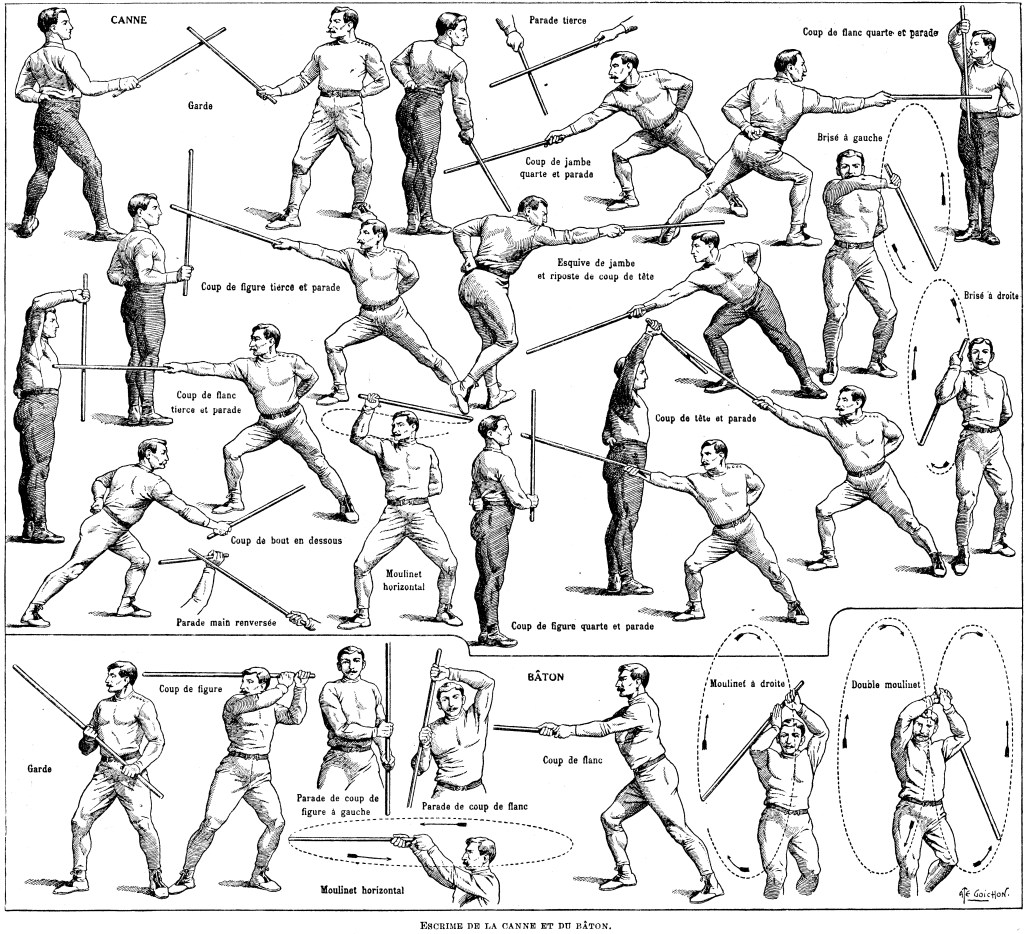
 

Studying stick fighting remains relevant despite the prevalence of firearms, as it offers practical benefits such as using a cane for support and self-defense. This ancient art form not only enhances physical fitness, agility, and reflexes, but also promotes mental discipline and strategic thinking, which are crucial in both combat and daily life. Additionally, stick fighting allows practitioners to connect with their cultural roots, providing valuable insights into historical combat techniques and the evolution of martial arts. This deeper understanding fosters a sense of respect for traditions and heritage that many modern disciplines lack. Moreover, the discipline fostered through martial arts can positively impact personal and professional life; skills such as focus, perseverance, and respect learned during training can enhance performance in various aspects of life, making the knowledge gained from studying stick fighting empowering and enriching. Embracing this practice can therefore lead not only to improved self-defense capabilities but also a more balanced and fulfilling life overall, encouraging individuals to build resilience and confidence in the face of challenges.


The study of the stick establishes foundational skills and dexterity for using various weapons, as sticks are commonly available in our environment compared to firearms and other weaponry. This accessibility not only encourages individuals to engage in training with an object that is both versatile and familiar, but also fosters creativity in weapon handling. Practicing with sticks allows for the development of core motor skills, balance, and coordination, which are transferable to a wide range of combat techniques.


Moreover, the simplicity of the stick serves as an accessible and versatile platform for experimentation, allowing practitioners to engage in a broad spectrum of techniques while fostering their creativity. This adaptability enables individuals to explore diverse styles and applications, whether they are focusing on traditional martial arts forms or innovative approaches that incorporate elements from various disciplines. As a result, the continuous practice and exploration not only lead to a nuanced understanding of fundamental movements but also cultivate a sense of mastery over the stick as a weapon. Ultimately, this process enhances their overall martial proficiency, equipping them with the skills needed to effectively respond to dynamic combat situations while encouraging personal growth and confidence in their abilities.

The stick serves as a versatile defensive tool for individuals who may be uncomfortable carrying more lethal options like firearms or knives due to the associated violence and potential legal ramifications; it provides them with a sense of security that is crucial in uncertain situations without crossing their personal psychological boundaries or ethical concerns. This simple yet effective instrument can empower people by allowing them to feel more prepared and confident, enabling them to navigate their environments with a degree of assurance. Furthermore, the stick is often seen as a less aggressive option, which can facilitate a non-confrontational approach to self-defense, thereby reducing the likelihood of escalating a situation into violence. By opting for a blunt weapon, individuals can maintain a sense of responsibility and control while still being ready to protect themselves if necessary.


Walking sticks are invaluable tools that provide essential stability and support, particularly for those navigating the often challenging and unpredictable conditions of uneven terrain. These instruments are especially beneficial for elderly individuals or those with mobility issues, as they help prevent falls and enhance overall confidence during movement. In addition to their primary function of assisting with balance, walking sticks can also act as a deterrent against aggressive animals. Their presence alone may discourage potential threats, and with a simple gesture, they can signal a protective stance. Beyond their defensive capabilities, walking sticks serve various practical uses, such as aiding in the clearing of paths overgrown with brush or even functioning as makeshift tent poles during outdoor adventures, showcasing their versatility in nature.


The stick serves various defensive purposes, including smashing, stabbing, binding, and tripping, and may be combined with hand and elbow techniques for enhanced effectiveness in close combat situations. Its versatility allows it to be employed in multiple ways, adapting to the unique dynamics of each encounter. The effectiveness of the stick depends significantly on its characteristics, such as length, weight, and type of wood, as these factors contribute to the force and control exerted during defensive maneuvers. While some strikes can be lethal if applied with sufficient force and precision, targeting non-lethal areas such as elbows, shins, and knees enables practitioners to engage in self-defense without inflicting fatal consequences. This approach prioritizes de-escalation and minimizing harm, thereby allowing individuals to protect themselves effectively while adhering to moral and ethical standards. Training and proper targeting play critical roles in influencing the lethality of its use, as a well-trained user is able to exploit the stick’s attributes to deliver precise and effective defensive actions. Legally, it can be viewed as a dangerous weapon, necessitating careful judgment and responsibility before use, as well as an understanding of the legal implications surrounding its application in various situations, ensuring that self-defense remains within the bounds of the law and societal norms.

The stick is a useful yet imperfect self-defense weapon that relies on the user’s skill and situational awareness. It can enhance defensive strategies, whether by creating distance from an aggressor or deflecting strikes. With proper training, individuals can learn techniques to maximize the stick’s potential, making it a versatile tool that complements other self-defense methods.

SELF DEFENSE SERIES (11/8/24) Once again, Knife Defense

Welcome to the Self Defense series, where we talk about it. The subject of Self-defense is very important, as it not only empowers individuals but also enhances their awareness of personal safety. In today’s world, being equipped with the knowledge and skills to protect oneself is essential, given the increasing concerns regarding safety in various environments. We will explore different techniques, strategies, and the mental aspects of self-defense, aiming to provide you with valuable insights that can be applied in real-life situations. Join us as we delve deeper into this vital topic, ensuring you feel confident and prepared to face any potential challenges.


Knife defense. Yes, we’re revisiting this topic because it holds significant relevance in today’s world. With incidents of knife attacks unfortunately becoming more common, understanding the techniques and strategies for self-defense is extremely important. Everyone should be equipped with the knowledge to protect themselves and their loved ones in potentially dangerous situations. Proper training can enhance awareness, improve reflexes, and provide the mental fortitude needed to react effectively under pressure. Additionally, exploring various defensive maneuvers and the psychology behind confrontations can empower individuals to respond wisely and safely.


I posted some videos to serve as resources for practical skills to handle a knife attack, covering self-defense techniques, situational awareness, and escape methods. By practicing these skills, you can enhance your confidence and preparedness for dangerous encounters, and I encourage sharing these resources with others to promote community safety awareness.

In this 1st video, special forces instructor Paulo GN Rubio of FUNKER TACTICAL, in a moment of reckless aggression, attempted to stab a United States Marine and 20-year Law Enforcement Officer with full intent and energy, wielding the knife like it was an extension of his own being. No warning! This was an impulsive action carried out with alarming fervor, full of intention and power! Each movement was raw, unrefined, and dangerously unrehearsed. Did he survive the attack? Watch and see as the events unfold!


After enduring this harrowing and humbling experience, he left Paul with 20 invaluable life-saving lessons about the complex nature of knife defense. It never looks as pretty as some would have you believe; the reality is often gritty and chaotic. Here is a no-nonsense approach to dealing with a bladed opponent, emphasizing the importance of preparation, awareness, and the mental fortitude required to endure such encounters.

These life-saving lesions are listed below:

  • DO NOT COLLECT FANCY TECHNIQUES!
  • SIMPLIFY KNIFE ATTACKS AS ABOVE OR BELOW 90 DEGREE ANGLES.
  • INCORPORATE “CONSEQUENCES” IN YOUR KNIFE TRAINING.
  • IN A FIGHT, EXPECT THAT YOU’RE GONNA GET HURT SOMEHOW.
  • GROSS MOTOR MOVEMENTS OVER FINE MOTOR MOVEMENTS.
  • BOTH THUMBS DOWN, CREATES INCIDENTAL DEFENSE FROM FOREARMS.
  • TECHNIQUES FAIL, FOCUS ON PRINCIPLES & KEEP GOING!
  • PUSHING FORWARD PREVENTS RECOIL AND RE-STAB!
  • WHAT IFS EXIST ONLY IN DEMOS. THEY DISAPPEAR WITH LIVE ENERGY.
  • FIGHTS MOVE, WE MOVE. REMEMBER THIS!
  • REMEMBER, YOU’RE GONNA GET CUT!
  • JUJITSU PRINCIPLE: STAY TIGHT!
  • IT’S NOT EASY TO SWITCH KNIFE HANDS! I’S JUST NOT.
  • SUPPORT HANDS KEEP WORKING! STRIKE OR ENFORCE CONTROL.
  • PROTECT YOUR VITALS.
  • RUN AWAY OR CRASH IN! ALL IN OR ALL OUT.
  • ISOLATE SOMETHING SMALL WITH SOMETHING BIG.
  • IMPACT WITH INTENT & AGGRESSION AT EVERY OPPORTUNITY.
  • USE ALL AVAILABLE TOOLS TO END THE FIGHT.

If you appreciated this free lesson, please say thanks to Sal by clicking on his Instagram account and giving him a follow. It means a lot to him to see support from learners like you, and by following his account, you’ll gain access to more valuable insights and resources that can enhance your knowledge even further. Here it is:   / ido_consulting

Now in this 2nd video, Paulo Rubio is himself being interviewed by Jesse Enkamp, aka THE KARATE NERD, as he shares some of his extensive experience and knowledge about this subject.


He emphasizes what truly works in self-defense scenarios and, just as importantly, what doesn’t work, helping you to avoid common pitfalls that many individuals face when confronted with threatening situations. By providing clear demonstrations, the training allows you to understand not only the actions to take but also the mindset needed for effective self-defense.

Thanks to FMJ Shooting Range, a hub for firearms training and self-defense courses: https://www.fmjskytte.se/english/, you have the opportunity to train in a supportive environment that prioritizes real-world self-defense. Train with Paulo GN Rubio: https://www.trainwithgn.com/, where you can refine your skills further and gain confidence in your ability to respond effectively in high-stress situations. Reinforce your knowledge through hands-on experience, supported by expert insights and drills that prepare you for the realities of knife encounters.

Knives, as well as other weapons, have been developed and used extensively by Capoeiristas for centuries, playing a significant role in various combat styles and self-defense techniques within the practice.


Although they may have fallen out of use in recent years due to the modern emphasis on unarmed techniques, some schools still place a strong focus on developing and refining these skills. The integration of weapon training not only enhances a practitioner’s overall proficiency but also helps them understand the principles of movement, timing, and distance in a more comprehensive way. Moreover, this traditional aspect of Capoeira helps preserve the cultural heritage and history associated with the art, ensuring that future generations remain connected to its rich legacy.


Knife defense is more than just the simplistic notions of “run away” or “expect to get cut”; it involves a comprehensive understanding of situational awareness, risk assessment, and techniques to either de-escalate a confrontation or effectively protect oneself should an attack occur. It requires training in recognizing potential threats before they escalate, as well as developing reflexes and strategies to respond swiftly and efficiently to an assailant’s movements.

Furthermore, awareness of the environment, the use of improvised barriers, and maintaining a calm demeanor play crucial roles in surviving such confrontations, making knife defense a multifaceted discipline that goes well beyond mere survival instincts. It involves a deep understanding of the surroundings, allowing individuals to identify potential escape routes and obstacles that can be utilized to their advantage. Additionally, the ability to create improvised barriers—from everyday objects like chairs to more substantial obstacles—can provide essential protection during a potentially life-threatening encounter. Coupled with this, cultivating a calm demeanor can significantly enhance one’s decision-making process, enabling the individual to react with clarity instead of panic, ultimately transforming a desperate situation into a more manageable challenge. It is this blend of mental preparedness, environmental awareness, and tactical response that elevates knife defense into an art form, requiring both psychological fortitude and physical dexterity.

HAPPY INDEPENDENCE DAY, ANGOLA!!!


Observed annually on the 11th of November in Angola, Independence Day is a holiday that celebrates the significant anniversary of the Republic of Angola’s independence from Portugal, marking the end of a long and arduous struggle for freedom. This country’s connection to the Portuguese Empire dates back several centuries, with colonial rule deeply impacting its culture, economy, and social structure. However, with the culmination of intense resistance and a protracted liberation movement, Angola achieved its hard-fought independence in 1975.

Because this is the national holiday of Angola, it’s a day when most people take the opportunity to reflect on their rich heritage and the sacrifices made for liberation, enjoying a well-deserved day off as schools, businesses, and government agencies are typically closed for the occasion. It’s also a day on which vibrant holiday celebrations take place all across the country, including parades, music festivals, and cultural dances, showcasing the diversity and resilience of the Angolan people. Citizens from every walk of life come together in unity, enthusiastically celebrating their independence and expressing their pride in their national identity, reinforcing a sense of belonging and hope for the future.

DOMESTIC VIOLENCE SERIES (11/8/24) For those who are living “under the sword” of their abusers

Welcome to the domestic violence series, where we raise awareness about the particularly insidious nature of domestic abuse and its lasting impact on individuals’ mental and emotional well-being. Understanding the signs of domestic violence and providing support to those affected is crucial. Through education and open conversation, we strive to create a safer environment free from the shadow of domestic abuse, emphasizing the importance of not only defending oneself but also defending others.

In today’s installment, we have this short song .


Sometimes, victims of domestic violence find it difficult to seek help because they are often in constant close quarters with their abusers, making escape feel nearly impossible. This feeling of entrapment can lead to isolation from friends and family, further exacerbating their situation. In this context, it’s crucial to highlight available resources and safe strategies for reaching out for assistance. This little video showcases one effective way that victims can discreetly get away from their abusers, offering practical tips and insight into establishing a safety plan. By empowering victims with knowledge and resources, we can help them break free from the cycle of violence and begin the journey toward healing and recovery.

If you, or anyone you know needs assistance, National Domestic Violence Hotline Free · Confidential · Hours: Available 24 hours

Call 1-800-799-SAFE (7233)

You’re not alone

CORRUPT POLICE FILES (11/8/24)

The majority of police in the world are good men and women who serve their communities with honor and dignity. Unfortunately, there are bad police officers who abuse the law and hurt their communities. Multiple factors contribute to the differences among law enforcement officers, and it is crucial to address those factors to ensure the safety and well-being of all individuals within society.

These are their stories.

In this installment we have THE FRIDAY CRIME REPORT, from prof. black truth.


In 2020, Andre Hill was tragically executed by a career criminal while being confronted by Columbus police, an incident that shocked the community and raised questions about public safety and police conduct. The aftermath of this event highlighted significant concerns regarding the justice system; it took a staggering three months for authorities to file charges against the perpetrator, sparking outrage and calls for accountability from citizens and activists alike. Over the next four years, the legal proceedings unfolded slowly, emphasizing the complexities and delays often associated with such cases, ultimately leading to a conviction that, while welcomed by some, could never fully bring back Andre Hill or heal the wounds inflicted on his family and friends.

Shoutout to the professor for creating this informative and engaging video. His insights and teaching style truly make complex topics more accessible and enjoyable to learn. To see more from him, please click HERE and browse through his channel, where you can explore a wealth of knowledge on various subjects, as well as watch more of his innovative content that inspires curiosity and critical thinking among viewers.

So, Election day has come and gone in the U.S.A…


And now, once again, we’re in the Trump era.

So, what does this mean?

Well, the impact of Trump’s second presidency, I believe, is a clear and present threat to all of us, as it undermines the very foundations of democracy and civil liberties that we hold dear. This alarming rise of authoritarianism not only endangers the diverse fabric of our society but also promotes an atmosphere of fear and division among communities.

However, I’m a Capoeirista, and historically, the Capoeirista has always not only survived, but THRIVED no matter how oppressive the system of government in place. This resilience can be traced back to the heart of Brazil’s colonial past, where enslaved Africans, stripped of their freedom and dignity, ingeniously adapted their traditions and cultures into a unique form of expression and resistance. Through the art of capoeira, they forged a powerful connection not only among themselves but also created a legacy that would inspire future generations to stand against injustice and fight for their freedom.


Capoeira became more than just a means of combat; it evolved into a symbol of cultural identity, unity, and an indomitable spirit that resonated with those who practiced it. This vibrant tradition of ours has allowed practitioners to navigate through adversity while celebrating their heritage, fostering community and solidarity in the face of oppression, and advocating for our rights in a challenging world. To this day, it serves as a testament to their enduring strength, turning pain into power and transforming struggle into a profound expression of joy and resilience.

One thing is certain. With democratic institutions weakening and the voices of dissent being stifled, we must remain vigilant, united, and proactive in safeguarding our rights. This involves not only standing up for our beliefs in the face of oppression but also fostering an environment where open dialogue and diverse perspectives are encouraged and respected. By actively participating in civic duties, such as voting and community organizing, we can reclaim our agency and influence the trajectory of our society.

It is our collective responsibility to educate ourselves and others about the importance of democracy, and to challenge any attempts to undermine it, Ensuring that future generations inherit a society where freedom and justice prevail requires our unwavering commitment and continuous effort to champion equality, inclusivity, and accountability in all spheres of public life.

HAPPY HALLOWEEN!!!

Well, we all know what today is. However, rather than get in a costume and go trick or treating, I’d thought I’d share with you this hilarious “Scary” video that teaches you a few survival strategies in it… well, if you can spot them.

Now, horror movies rarely take place in urban areas, and it’s no wonder why, because people from the hood have pretty good survival instincts honed by their environment, so the characters would have a pretty tough time navigating these streets. Just imagine how the classic horror movie tropes—like the hapless teenager who wanders off alone or the group that decides to investigate a strange noise—would fare in an area where quick thinking and street smarts are essential for survival.

In this video, they analyzed what would happen if they took a trip there, encountering locals who are more than capable of defending themselves against any supernatural threat. Picture this: your typical horror movie characters, armed with stereotypes and clichéd behaviors, trying to fit in while hilariously failing to understand the social cues and dynamics of the hood. So, with that being said, welcome to………… IF HORROR MOVIE CHARACTERS WENT TO THE HOOD!


Now truth be told, the only inaccuracy of this video that I see is the villain being Michael Myers. That dude NEVER dies. He’s been ran over, jumped by an entire neighborhood with axes and weapons, burned, AND SHOT MULTIPLE TIMES. Bro is supernatural in every sense of the word. He somehow defies all odds and conventional logic, always rising back up from the ashes, ready to wreak havoc once again.

Don’t believe me? Check it out.


I mean, in the context of the story, no matter what you throw at him, he just keeps coming, like an unstoppable force of nature. Imagine him trying to navigate the hood – he would stroll through, seemingly invincible, leaving everyone in sheer disbelief. The sheer idea that he would even be phased by any of the dangers found in urban settings is just absurd; he would NOT die in the hood, not when he has survived all those horrific encounters over the years. It’s almost as if the laws of physics and mortality simply do not apply to him.

Now maybe you guys out there saw some other inaccuracies, but I didn’t.

Anyway, HAPPY HALLOWEEN!!!

BASIC ELEMENTS OF CAPOEIRA: THE AU

“There are not more than five musical notes, yet the combinations of these five give rise to more melodies than can ever be heard. There are not more than five primary colours, yet in combination, they produce more hues than can ever been seen. There are not more than five cardinal tastes, yet combinations of
them yield more flavours than can ever be tasted.”
― Sun Tzu, The Art of War

Capoeira Angola is a defensive martial art known for its intricate trap-like defenses designed to catch opponents off guard. It encompasses 8 basic defenses, each with unique unexpected attacks and counter attacks based on the opponent’s positioning. Mastery of these movements enables capoeiristas to defend against individuals carrying various weapons, including sticks, clubs, knives, and potentially even firearms with the appropriate skills.

And one of those movements is the AU.


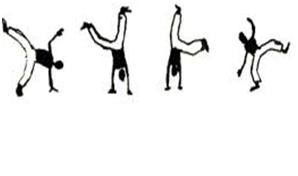
The Aú (Pronounced “a-oo”), is capoeira’s answer to the cartwheel. However, In capoeira the cartwheel is done differently than a cartwheel in gymnastics.

An aú is a fundamental movement in capoeira that is not only performed slowly with bent arms and legs to maintain a low profile but also embodies the essence of fluidity and grace inherent in this martial art. First, in capoeira, a person must be able to see their opponent at all times. So instead of looking at the ground, a capoeirista must look forward or at his/her opponent while doing au. Also, players can pause in a handstand position, which adds an element of creativity and surprise to their practice while simultaneously being acutely aware of potential attacks from their opponents.

Emphasis is placed on observing the other player closely to respond quickly to threats, honing both reflexes and strategic thinking. Although primarily for mobility and evasion, there are numerous variations of the aú that allow for unpredictable strikes and dynamic movements, showcasing agility and adaptability in the heat of action. This versatility makes the aú a vital skill for capoeiristas, serving as a bridge between defense and offense. The aú symbolizes both a tactical maneuver and artistic expression, reflecting capoeira’s dual nature as a combat sport and cultural dance, where each movement tells a story and every encounter is a dance of life, where rhythm, timing, and respect intertwine in a beautiful display of human connection and athletic prowess.

The 2 most used variations of the Au are the open Au, and the closed Au.

Open cartwheel (Aú aberto)


In this Au, the free arm arcs gracefully over the head in the direction of motion, creating a sense of fluidity in the movement. The leg extended furthest leaves the ground first, kicking off to provide essential momentum that aids in the execution of the skill. As the action unfolds, the reaching hand extends toward the far side, aiming to enhance balance and control, while bending the elbows provides necessary support for weight distribution as both legs extend over the body in a poised manner. While inverted, the body should be fully extended and streamlined to maximize stability and reduce drag. One foot touches the ground gently first, followed by the other, with the arms lifted purposefully for protection once they no longer support weight, ensuring a safe and graceful transition back to a stable position. This intricate sequence not only showcases strength and flexibility but also emphasizes the importance of timing and coordination in achieving a smooth and elegant maneuver.

Closed cartwheel (Aú fechado)


In this au, the free arm moves gracefully over the head, highlighting fluidity, while the leg furthest from the body initiates movement, providing momentum for a seamless transition across the dance floor. This movement is not merely mechanical; it embodies an artistic expression, where each motion tells a story of strength and grace. The reaching hand stabilizes the movement, enhancing balance, as bent arms support the body’s weight while the legs pass over, creating a visual synergy that captivates the audience. Meanwhile, the core engages, ensuring that the body remains closed and protected during the maneuver, with one foot touching the ground first, followed smoothly by the other. This careful choreography culminates in a display of strength and agility, leaving onlookers in awe as the performer glides effortlessly, embodying the perfect harmony between power and elegance.

Of course, there are many other variations to discover and explore, which you can read more about by clicking HERE. These variations not only enhance your understanding of the subject but also invite you to delve into different perspectives and techniques that you may not be familiar with. Each variation offers unique insights and applications that can enrich your knowledge base, making your learning experience more comprehensive and enjoyable. Whether you are a beginner or someone with more experience, understanding these alternatives will greatly benefit your journey.

MALICIA AS A GAME OF POWER (10/28/24)

Welcome to MALICIA AS A GAME OF POWER. This blog series aims to delve deep into the realm of Strategy. Throughout the series, we will explore various aspects of dealing with certain people, offering insights on effective communication, conflict resolution, and building meaningful connections. Additionally, we will provide valuable tips on avoiding scammers, protecting oneself from online fraud, and maintaining a secure online presence.

Navigating the world we live in can be challenging. In this series, we will share practical guidance on making informed decisions, embracing opportunities, and overcoming obstacles on the path to success. Whether it’s negotiation, identifying manipulation, or honing leadership skills, this series will equip you with the knowledge to thrive in interpersonal dynamics and strategic decision-making. We will also explore personal branding, self-presentation, and managing online reputation, empowering you to craft a compelling image in today’s digital world. Join us as we unravel the complexities of power dynamics and relations, arming you with the expertise to emerge victorious in your pursuits.

In this installment, we will explore the 12th law of power in the book, the 48 laws of power by Robert Greene. You can but a copy by clicking HERE.


One sincere move will cover over a dozen dishonest ones, creating a profound impact that can reshape perceptions and build trust in a world often marred by deceit. In a society where skepticism reigns, honesty can bring down the guard of suspicious people, fostering an atmosphere where genuine connections can form in the most unexpected circumstances. This powerful act of sincerity opens doors to authentic relationships, encouraging individuals to share their vulnerabilities and experiences without fear of judgment. When you approach others with transparency and integrity, you not only open their shield with honesty but also set a precedent that encourages reciprocal openness, creating an environment where they feel safe to lower their defenses. As people begin to feel valued and understood, the foundation of mutual respect solidifies, enabling deeper discussions and collaborative efforts that can lead to greater understanding and compassion among individuals.

Once that barrier is removed, it becomes possible to engage in deeper conversations or, in a more manipulative sense, to deceive. This strategic use of vulnerability and truth invites a complexity in interactions that can ultimately lead to either strengthens or undermines relationships, depending on the intent behind the initial honest gesture. The rawness of shared experiences can create a profound sense of connection, fostering empathy and understanding between individuals. However, this openness also carries the risk of exploitation; when someone presents themselves as vulnerable, it can be an invitation for others to take advantage of their honesty. Furthermore, the dynamics at play often hinge on the context and the history of the relationship, making each interaction unique. As individuals navigate these intricacies, the potential for miscommunication increases, adding another layer to the already delicate dance of human connection. Ultimately, the balance struck between authenticity and manipulation shapes the very foundation of trust and connection in interpersonal relationships.

The 12th Law of Power, Through the Eyes of an Angoleiro: A Study in Strategic Obliquity

—–Part I: The Law According to Power

Robert Greene’s 12th Law is an instruction in sophisticated deception. It dictates that to truly manipulate someone, a continuous pattern of deceit is often less effective than strategic, momentary honesty and calculated acts of generosity.

The Core Principle:

  • Selective Honesty: A single, genuine act of truthfulness—especially one that seems to go against your own self-interest—builds immense trust. It creates the illusion that you are a person of integrity, lowering the target’s guard for the inevitable larger deception that follows.
  • Calculated Generosity: A sudden, unexpected gift or favor is an investment. It not only establishes a sense of obligation (the universal human desire to reciprocate) but also paints the manipulator as benevolent and non-threatening.
  • The Disarming Effect: The combination of these two elements dissolves suspicion. The “victim” (or opponent) is blinded by the veneer of goodwill and openness, making them psychologically and emotionally vulnerable to the actual strategic move.

—–Part II: The Angoleiro’s Interpretation: The Roda as a Laboratory of Strategy

The Angoleiro operates within the roda (the Capoeira circle) where the movements are slow, low to the ground, and deeply rooted in Malandro (trickster) strategy. Unlike the rapid, acrobatic movements of Capoeira Regional, Angola is a protracted game of mental and physical chess. The 12th Law, therefore, is not about outright manipulation, but about Strategic Obliquity—achieving an objective indirectly.1. Selective Honesty: The Ginga as a Truthful Facade

In Capoeira Angola, Ginga is the foundational, rhythmic swaying movement. It is the Angoleiro’s dialogue with the space and the opponent.

  • The Honest Reveal: The Angoleiro might intentionally present a vulnerability—a slight overcommitment to a movement, a momentarily exposed flank, or a predictable rhythm. This is a form of selective honesty. It says, “Look, I am flawed; I am predictable in this moment.”
  • The Disarming Effect: This “honest” reveal is a bait. The opponent, seeing an opening, is drawn in and speeds up their attack. The Angoleiro has truthfully shown them a possible action, but the true intent lies in the reversal or counter-attack that the opponent’s reaction enables. The honesty of the bait disarms the opponent’s caution, causing them to abandon their own strategic patience.

2. Calculated Generosity: The Offer of Space and Time

Generosity in the roda is often expressed as the deliberate offering of space or time.

  • The “Generous” Movement: An Angoleiro may perform a slow, beautiful, almost theatrical movement (floreio) or hold a position that appears to concede ground, giving the opponent ample time to respond. This is the calculated favor. It is a “gift” of initiative.
  • The Strategic Obligation: The opponent feels compelled to accept this gift by attacking or making a move. However, the generous posture is not a retreat; it is a meticulously crafted trap. The seemingly slow movement is a highly unstable equilibrium, allowing the Angoleiro to execute a lightning-fast transition (chapa, rasteira, or cabeçada) the moment the opponent commits to the attack. The generosity forces a commitment that is then exploited.

Part III: The Philosophical Convergence

The application of the 12th Law by the Angoleiro transcends mere manipulation; it speaks to the deeper philosophical foundations of Capoeira Angola.

Greene’s Law of PowerAngoleiro’s Strategy (in the Roda)Underlying Principle
Use Selective HonestyFeigning Vulnerability (The Bait)Control is achieved by directing the opponent’s perception of reality.
Generosity to DisarmOffering Initiative/Space (The Trap)The quickest way to defeat a patient opponent is to force them into impatience.
Goal: Long-Term ControlGoal: Mastering the Flow of the GameThe true power is not in the strike, but in the opponent’s reaction to your action.

Ultimately, the 12th Law, when interpreted through the profound philosophical lens of an Angoleiro—a practitioner of the traditional and foundational style of Capoeira Angola—transcends a simple directive. It crystallizes into a practical lesson in malandragem, which is far more than mere street smarts; it is the art of the cultivated trickster, the strategic rogue who operates in the nuanced space between overt action and veiled intent.

This principle is fundamentally not about the vulgarity of outright lying, but rather about the sophisticated presentation of a perceived truth that is meticulously crafted to serve a larger, overarching strategic falsehood or deception. The Angoleiro, in the execution of their game, consciously employs the inherent aesthetic qualities of Capoeira Angola—its striking beauty, its deliberate slowness, and the deceptive aura of apparent openness and vulnerability. These characteristics are not weaknesses; they are the bait.
By inviting the opponent into a false sense of security, the Angoleiro seduces them into a fatal strategic miscalculation. The slow, grounded movements, the seemingly unguarded stances, and the theatrical flourishes of the dance are all part of an elaborate psychological ruse. This masterful control of perception ensures that the true source of power, the decisive counter-movement, remains completely obscured. Power, in this context, does not arrive from a predictable, direct confrontation. Instead, like the sudden and devastating rabo de arraia (the whip-like stingray kick, a hallmark of Capoeira Angola), it manifests from an unseen angle and materializes at the most unexpected, surgically precise moment, completely dismantling the opponent’s strategy and position. The 12th Law, therefore, is the code of the strategic illusionist, where the dance is the mask and the rhythm is the countdown to an unforeseen consequence.

TODAY IN BLACK MEDIA(10/19/24)

Well, better late than never…


In the latest example of Desantis-inspired anti-black hate crimes, a Florida “couple” exhibited deeply troubling behavior as they spent months on end racially harassing and threatening their black neighbors, creating an atmosphere of fear and hostility within the community. Their relentless campaign included intimidating gestures, racial slurs shouted from their property, and attempts to isolate the families they targeted. The situation escalated dramatically when one of the individuals, caught in a moment of violent rage, assaulted an innocent 11-year-old child, further highlighting the pervasive nature of racism and the dangerous consequences it can have on vulnerable individuals in our society.

This incident not only underlines the urgent need for vigilance and intervention in the face of such hate but also calls into question the broader societal structures that allow such actions to persist unchecked. It exemplifies how deeply ingrained prejudices can manifest in alarming ways, leaving communities shattered and vulnerable. As society grapples with the repercussions of such acts, it becomes increasingly clear that complacency is not an option; rather, we must actively engage in dialogues that promote understanding and tolerance. Furthermore, addressing these systemic issues requires a collective effort from individuals, communities, and institutions to foster an environment where dignity and respect for all are upheld. Only through concerted action can we hope to dismantle the foundations of hate and build a more inclusive society that values diversity.

Shout out to the professor for uploading this video. Click HERE to go to his YouTube channel.