
I may not be an older woman, but I’ll be there for you!


Este é um documentário abrangente sobre a vibrante cidade de Salvador, focando especificamente nas semanas animadas do Carnaval de 1974, uma época em que as ruas explodiam em música, cor e expressão cultural. O filme é inspirado no livro homônimo do renomado autor brasileiro Jorge Amado, mostrando a rica história e tradições da cidade durante este período festivo. Através de entrevistas com os moradores, filmes de arquivo e narrativas cativantes, o documentário busca capturar a essência de Salvador, destacando a importância do Carnaval não apenas como uma celebração, mas também como um reflexo da herança diversa e do espírito comunitário da cidade.
(This is a comprehensive documentary about the vibrant city of Salvador, focusing specifically on the lively weeks of the Carnival in 1974, a time when the streets burst with music, color, and cultural expression. The film draws inspiration from the eponymous book by the renowned Brazilian author Jorge Amado, showcasing the rich history and traditions of the city during this festive period. Through interviews with locals, archival footage, and captivating narratives, the documentary aims to capture the essence of Salvador, highlighting the significance of Carnival not only as a celebration but also as a reflection of the city’s diverse heritage and community spirit.)
Sinopse: Escrito em 1944, Bahia de Todos os Santos é um relato sobre a cidade de Salvador publicado no ano seguinte. Canto de louvor a cidade da Bahia, o livro evita, por isso, o pitoresco dos guias turísticos. Passa em revista as belezas e as qualidades da capital baiana, e faz Questão de abordar também suas missões e dores. Jorge Amado compõe aqui um guia das ruas e dos mistérios de São Salvador da Bahia de Todos os Santos, a cidade da Bahia, ?negra por excelência?, fundada em 1549. O autor descreve os bairros proletários e os nobres, as feiras e os mercados, as inúmeras ladeiras e ruas da cidade e principalmente os personagens míticos da cidade de são Salvador. A adaptação da obra de Jorge Amado para os anos 70 encontrou dificuldade para encontrar os novos personagens dos batuques do candomblé, os mestres dos saveiros, as Mães de Santo dos terreiros, os artesões do Mercado Modelo, os malandros da Baixa dos Sapateiros. O escritor recomenda que não se tente decifrar os segredos da cidade, pois seus mistérios envolvem por completo o corpo, a alma e o coração dos baianos. Mas os personagens estavam lá¡ e fomos encontrar Mário Cravo, Gilberto Gil, Mestre Pastinha, Mestre Waldemar, e em pleno Carnaval o Trio Elétrico de Dodô´ e Osmar e até mesmo os capitães de Areia dos novos tempos.
(Synopsis: Written in 1944, Bahia de Todos os Santos is a narrative about the city of Salvador published the following year. A song of praise to the city of Bahia, the book avoids the picturesque nature of tourist guides. It reviews the beauty and qualities of the capital of Bahia and also addresses its missions and pains. Jorge Amado composes here a guide to the streets and the mysteries of São Salvador da Bahia de Todos os Santos, the city of Bahia, “black by excellence,” founded in 1549. The author describes the working-class and noble neighborhoods, the fairs and markets, the countless hills and streets of the city, and especially the mythical characters of the city of São Salvador. The adaptation of Jorge Amado’s work for the 1970s faced difficulty in finding the new characters from the candomblé rhythms, the masters of the saveiros, the Mães de Santo from the terreiros, the artisans of Mercado Modelo, and the tricksters from Baixa dos Sapateiros. The writer recommends that one should not try to decipher the secrets of the city, as its mysteries completely involve the body, soul, and heart of the Bahian people. But the characters were there! We found Mário Cravo, Gilberto Gil, Mestre Pastinha, Mestre Waldemar, and during Carnival, the Trio Elétrico of Dodô and Osmar, and even the captains of Areia from the new times.)
Bahia de todos os santos
Bahia dos orixás
Bahia de menininha
Menininha do gantois
Bahia de todos os santos
Bahia dos orixás
Bahia de menininha
Menininha do gantois
Bahia dos angoleiros
Bahia dos regional
Bahia dos angoleiros
No mercado popular
Bahia dos angoleiros
Bahia dos regional
Bahia dos angoleiros
No mercado popular
Bahia de João Pequeno
Bahia de Curió
Bahia de Boca Rica
Mestre Lua de Bobó
Bahia de João Pequeno
Bahia de Curió
Bahia de Boca Rica
Mestre Lua de Bobó
All Saint’s Bahia
The Orixás Bahia
Little girl’s Bahia
Little girl of the gantois
All Saint’s Bahia
The Orixás Bahia
Little girl’s Bahia
Little girl of the gantois
The angoleiros’ Bahia
The regional’s Bahia
The angoleiro’s Bahia
At the public market
The angoleiros’ Bahia
The regional’s Bahia
The angoleiro’s Bahia
At the public market
João Pequeno’s Bahia
Curió’s Bahia
Boca Rica’s Bahia
Mestre Lua de Bobó’s Bahia
João Pequeno’s Bahia
Curió’s Bahia
Boca Rica’s Bahia
Mestre Lua de Bobó’s Bahia
Welcome to the domestic violence series, where we raise awareness about the particularly insidious nature of domestic abuse and its lasting impact on individuals’ mental and emotional well-being. Understanding the signs of domestic violence and providing support to those affected is crucial. Through education and open conversation, we strive to create a safer environment free from the shadow of domestic abuse, emphasizing the importance of not only defending oneself but also defending others.
In today’s installment, we have these 2 thought-provoking Public Service Announcements that aim to raise awareness about this critical social issue affecting our community.
These very powerful words resonate deeply when discussing the pervasive issue of domestic violence. They highlight the unacceptable nature of abusive behavior, regardless of the setting. It serves as a stark reminder that such actions should not be tolerated in any environment, emphasizing the importance of accountability and the need for a supportive community.
Victims must know they are not alone, and that there is a collective responsibility to foster a culture where everyone feels safe and respected, both at home and in society. This sense of community is essential, as it empowers individuals to share their experiences and seek help without fear of judgment or stigma. By standing together, we can dismantle the cycles of abuse and create pathways to healing and justice. It is crucial for us to actively engage in discussions that raise awareness about the impacts of abuse, encourage empathy, and support preventative measures. Furthermore, establishing support networks that include trained professionals and compassionate allies can significantly enhance the recovery journey for victims. Together, we can cultivate an environment that not only protects the vulnerable but also promotes resilience, understanding, and hope for a better future.
If you, or anyone you know needs assistance, National Domestic Violence Hotline Free · Confidential · Hours: Available 24 hours
Call 1-800-799-SAFE (7233)
Welcome to TODAY IN BLACK MEDIA, the go-to source for news, cultural events, and thought-provoking discussions from an African American perspective. Our platform is dedicated to shedding light on the rich tapestry of black experiences, amplifying diverse voices, and celebrating the achievements of the black community worldwide.
Join us as we explore the latest developments, delve into thought-provoking analyses, and showcase the vibrant cultural manifestations that shape our collective identity. Whether you’re passionate about current affairs, arts and entertainment, or social justice issues, you’ll find compelling content that resonates with you.
In today’s installment…
When liars keep losing debates, they inevitably begin lying about words themselves, bending their meanings to suit their agendas. This phenomenon has become increasingly prevalent in today’s discourse, where the manipulation of language serves as a tool for disinformation. This is what we’ve seen with terms like “woke” and “critical race theory” in recent years; these phrases have been twisted and distorted to incite confusion or provoke outrage among the public. As a result, rather than engaging in constructive dialogue regarding the issues these concepts represent, discussions devolve into a battlefield of rhetoric where true understanding is overshadowed by sensationalized interpretations and reductive arguments. This linguistic warfare not only undermines the integrity of meaningful conversation but also leaves society grappling with divisive narratives that cloud critical thought and impede collective progress.
When you allow liars to take words, you’re also allowing them to take ideas as well, manipulating the very foundation of our discourse and influencing how we understand complex issues. This erosion of language not only undermines honest discussion but also creates an environment where misinformation thrives, making it increasingly difficult for society to engage in constructive dialogue about race, equity, and justice. As we become more reliant on these distorted narratives, we risk losing sight of the truth, which is essential for a healthy democratic process. This confusion leads to polarized views, diminishing our capacity to empathize with others and work toward collective solutions. Furthermore, the impact of such deception extends beyond immediate conversations; it seeps into our cultural frameworks and institutions, thereby shaping policies and societal norms in ways that may perpetuate inequality and division. In turn, this makes it crucial for individuals to be vigilant and discerning in their engagement with information, fostering a culture that values truthfulness and clarity to combat the ongoing threat of misrepresentation and deceit.
Shoutout to the professor for his engaging video that makes complex topics accessible, fostering genuine interest in the subject. Click HERE to explore his channel for innovative content that inspires curiosity and provides resources for real-world applications, making education enjoyable.
Welcome to MARTIAL ARTS THEATER, a platform for martial arts enthusiasts to explore a wide range of disciplines. From traditional styles like karate and taekwondo to lesser-known techniques such as Krav Maga and Muay Thai, we offer diverse content for seasoned martial artists and those intrigued by combat. Delving into the history, philosophy, and techniques of each martial art, we celebrate the discipline, dedication, and diversity embodied in these practices. Join us on this captivating journey through the world of martial arts.
In this installment, we have this amazing episode of INSIDE FIGHTING.
In this video, we dive into the fascinating journey of Kung Fu master John Wai, the esteemed founder of John Wai Academy, who has successfully adapted the ancient arts of Wing Chun and Choy Lay Fut for modern MMA competition. By intricately blending the precision and efficiency of Wing Chun’s close-range striking with the raw power and fluidity of Choy Lay Fut’s circular movements, John Wai has developed a truly unique fighting system that masterfully combines traditional Kung Fu with contemporary combat sports. Watch as he passionately breaks down how these time-honored techniques integrate seamlessly with the essentials of modern MMA—Brazilian Jiu-Jitsu, wrestling, and boxing, emphasizing the importance of understanding not only your own techniques but also those of your opponent.
From clinch control and counter-striking to footwork and dynamic transitions, John Wai’s accomplished fight team is proving that traditional martial arts can not only survive but truly thrive in the cage when combined with a deep understanding of modern techniques and strategy. The unique synergy of centuries-old practices with contemporary fighting styles offers a refreshing perspective that enhances performance and effectiveness in real combat situations. Whether you’re a lifelong fan of Kung Fu or a newly minted enthusiast of MMA, this video showcases not just the nuances of fighting but also how innovation and tradition can work hand-in-hand to craft a winning strategy in the ever-evolving world of mixed martial arts.
Delve into the philosophy that underpins John Wai’s approach, as he highlights the significance of adaptability and mental fortitude along with physical skill, demonstrating that a fighter’s mindset is equally as critical as their technical abilities. As you watch the intricacies of the training sessions unfold, you’ll discover the dedication and discipline required to master this unique blend of styles. Don’t miss out on this one-of-a-kind fusion of ancient wisdom and modern-day combat, which promises to inspire both practitioners and spectators alike, encouraging a deeper appreciation for the art and science involved in becoming a complete martial artist.
Make sure to click HERE and check out John Wai Academy, where you can discover a wide range of martial arts techniques and training methods designed to enhance both your physical fitness and self-defense skills. John Wai Academy offers an engaging community, expert instruction, and valuable resources for practitioners of all levels, ensuring that everyone can benefit from the art of martial arts. Don’t miss out on this opportunity to elevate your training and join a thriving network of martial arts enthusiasts!
Welcome to MALICIA AS A GAME OF POWER. This blog series aims to delve deep into the realm of Strategy. Throughout the series, we will explore various aspects of dealing with certain people, offering insights on effective communication, conflict resolution, and building meaningful connections. Additionally, we will provide valuable tips on avoiding scammers, protecting oneself from online fraud, and maintaining a secure online presence.
Navigating the world we live in can be challenging. In this series, we will share practical guidance on making informed decisions, embracing opportunities, and overcoming obstacles on the path to success. Whether it’s negotiation, identifying manipulation, or honing leadership skills, this series will equip you with the knowledge to thrive in interpersonal dynamics and strategic decision-making. We will also explore personal branding, self-presentation, and managing online reputation, empowering you to craft a compelling image in today’s digital world. Join us as we unravel the complexities of power dynamics and relations, arming you with the expertise to emerge victorious in your pursuits.
In this installment, we will explore the 13th law of power in the book, the 48 laws of power by Robert Greene. You can but a copy by clicking HERE.
LAW 13 APPEAL TO PEOPLES SELF INTEREST:
This principle highlights the importance of understanding that individuals are often motivated by their own interests and desires, rather than altruistic intentions. When seeking assistance, it is vital to frame your request in a manner that aligns with the other person’s personal goals or benefits. By effectively demonstrating how your needs can overlap with what they stand to gain, you can create a compelling argument that resonates with their motivations. This approach not only increases the likelihood of receiving support but also fosters a sense of collaboration and mutual benefit. Additionally, it encourages the building of stronger relationships, as both parties feel validated and understood. Being attentive to the other person’s ambitions and values can further enhance your ability to tailor your message, making it more persuasive and relevant to their situation. Ultimately, recognizing and appealing to individual interests is a powerful strategy that can lead to successful outcomes in requests for assistance.
This strategic approach not only increases the likelihood of receiving the help you require but also fosters a mutually beneficial relationship, where both parties feel valued and understood. By establishing a clear understanding of each other’s needs and expectations, you create an atmosphere of trust and cooperation that can significantly enhance the quality of interactions. Remember, appealing to self-interest is not merely about exploitation; it’s about recognizing the inherent motivations that drive action, which can lead to fruitful collaborations. Such collaborations are built on empathy and respect, ultimately allowing both sides to thrive as they work together towards common goals. When parties genuinely acknowledge each other’s perspectives, they pave the way for innovative solutions and shared success that can benefit everyone involved in the long run.
The 13th Law of Power: A Capoeirista’s Perspective on Manobra and Malandragem
The title, “The 13th Law of Power through the eyes of an angoleiro,” proposes a fascinating and deeply layered exploration. It suggests a philosophical reinterpretation of the conventional laws of power, as often presented in popular literature, filtered through the specific lens of Capoeira Angola.
The Angoleiro’s World: Power Beyond the Obvious
An angoleiro is a practitioner of Capoeira Angola, the traditional, more grounded, and ritualistic form of the Afro-Brazilian art. Unlike the flashier, more acrobatic Regional style, Angola is characterized by low, deceptive movements, strategic pauses, and a heavy reliance on malícia (malice, cunning, or street smarts). The angoleiro operates in the chão (the ground), where every movement is a question and every response is a calculated risk. For this practitioner, power is rarely brute force; it is the art of strategic positioning and psychological warfare within the roda (the Capoeira circle).
Reimagining the 13th Law: The Art of the Manobra
While classical texts on power often focus on grand, theatrical gestures, the angoleiro‘s “13th Law” is intrinsically linked to the concept of manobra.
Manobra (Maneuver, Tactic, Strategic Move): In Capoeira, a manobra is a deceptive move—a feint that sets up a decisive blow, a low sweep that appears to be a defensive position, or a sudden, explosive change in tempo. It is the ability to control the opponent’s perception of reality.
The Angoleiro’s 13th Law of Power: Control Perception, Not Just Position.
The elaboration of this law can be seen in three core tenets:
Conclusion: The Grounded Authority
The angoleiro‘s interpretation of the 13th Law of Power transcends the often cold, grand architecture of Machiavellian philosophy, pulling it away from the courts of princes and grounding it firmly in the gritty, essential struggle of life as played out in the roda and the streets. It is a philosophy of authority that is not inherited, bought, or bestowed through an arbitrary title, but one that is forged in the crucible of continuous engagement. True power, in this view, is derived from three interconnected sources: deep, embodied knowledge (saber), psychological insight into an opponent’s motivations and fears, and the strategic mastery of one’s own appearance and tempo—the ability to be simultaneously present and elusive.
Power, then, is not a static state of being but the continuous, low-to-the-ground jogo (game)—a perpetual, intricate dance where the stakes are genuine and the consequences immediate. Survival and dominance in this arena are secured not by brute force, but by cunning manobra (maneuver) and the authentic, streetwise wisdom encapsulated in malandragem. This concept of malandragem is key; it signifies a rogue intelligence, a skillful blend of charm, opportunism, and strategic unpredictability that allows the practitioner to navigate and exploit the rigidities and expectations of the social and physical environment. The angoleiro does not seek to overwhelm; he seeks to outlast, outthink, and ultimately, to define the rhythm of the engagement, making his opponent’s strength his own fatigue.
While this doesn’t directly apply to his series, I do believe this is related in several significant ways that warrant further discussion. The themes explored in his work often intersect with broader societal issues, creating a rich tapestry of narrative and meaning.
Additionally, the nuances within his storytelling can be seen as reflections of contemporary challenges that resonate deeply with audiences, urging them to think critically about their own experiences in relation to the themes presented. Thus, even though it may not seem immediately relevant, the connections that can be drawn enrich the overall understanding and appreciation of his series.
A while ago, I posted this video with a message that I’ll be posting more about this subject in the future.
Well, today is that day.
One of my pet peeves is these fake “Prank” videos on YouTube, especially the so-called, “GOLD DIGGER PRANKS.” These videos have gained substantial traction, drawing viewers in with their sensational titles and exaggerated scenarios that often lack authenticity. Today, we’re gonna analyze the fake gold digger pranks seen prevalently throughout YouTube, where the art of deception is not just a storyline but a recurring theme that compromises integrity.
In the following videos, SPENCER CORNELIA breaks down these “Gold Digger” prank videos extensively, dissecting the narratives presented and revealing the calculated strategies behind them. In the breakdown, he delves into human psychology, exploring how these videos manipulate perceptions of female attraction and the behavioral traits that would turn any woman off. Through this analysis, he highlights why this is clearly a scripted video, exposing the disconnection between reality and the manufactured drama portrayed, which ultimately misleads the audience and perpetuates harmful stereotypes.
In this 1st video, we have HOOMANTV, who uploads “prank” videos that have gained immense popularity across social media platforms. In each of his elaborate productions, he employs a detailed script, flashy vehicles like Ferrari and other luxurious supercars, along with paid actresses who convincingly play their parts to pull off his stunts. Although I still don’t understand how he manages to maintain this illusion, it is fascinating to see that most of his millions of followers seem to genuinely believe that his “pranks” are real and spontaneous adventures.
This phenomenon raises questions about the nature of reality in entertainment and the depths of audience engagement in the digital age. As viewers navigate an endless stream of content, the distinctions between reality and entertainment become increasingly blurred, prompting deeper reflections on how this affects perception and understanding. For a deeper analysis, check out Spencer’s breakdown here, where he examines the techniques and psychological tactics used by content creators like Hooman to capture and hold viewer attention. Through strategic use of narrative devices, manipulation of emotional cues, and the deployment of interactive elements, these creators craft experiences that not only entertain but also resonate with audiences on a personal level, forging connections that enhance viewer loyalty and engagement. As such, the impact of these methods extends far beyond mere spectacle, inviting us to reconsider our own roles as consumers in this evolving landscape.
In the 2nd video, a dating expert from FRESH AND FIT highlights how fake gold digger pranks misrepresent real interactions between men and women. While intended for entertainment, these videos can perpetuate harmful stereotypes and create misguided expectations among young men about women’s behavior. Such misconceptions can lead to a distorted view of relationships, where men might start to believe that women are primarily motivated by financial gain, rather than genuine connections or shared interests. Furthermore, the sensationalism of these pranks can foster a culture of distrust between genders, making it more difficult for people to engage in authentic and meaningful relationships. By presenting exaggerated scenarios, these videos oversimplify the complexities of human interaction, ultimately contributing to broader social issues that hinder understanding and empathy.
The videos highlight a person with poor gaming skills, which serves to emphasize the contradiction in the Fresh And Fit duo’s claims as dating experts within the manosphere, a community that often fosters negative views and stereotypes about women. This situation raises important questions about the validity of their advice and the damaging implications it can have on aspiring men. They not only promote an ideology that emphasizes superficial tactics for attracting women but also actively sell courses designed to teach these empty methods.
This approach perpetuates unrealistic standards and misunderstandings in dating, contributing to a culture that values appearance and status over genuine connection and emotional intelligence. In an age dominated by social media, where curated images and highlight reels often serve as benchmarks for attraction, countless individuals are left feeling inadequate or pressured to conform to these superficial ideals. As a result, many individuals may find themselves struggling with relationships that lack depth and authenticity, ultimately hindering their ability to form healthier, more meaningful connections in their romantic lives. This disconnection can lead to cycles of temporary relationships that are rooted in illusion rather than truth, fostering feelings of loneliness and despair as people navigate through a landscape where genuine emotion is frequently overshadowed by mere aesthetics.
The majority of police in the world are good men and women who serve their communities with honor and dignity. Unfortunately, there are bad police officers who abuse the law and hurt their communities. Multiple factors contribute to the differences among law enforcement officers, and it is crucial to address those factors to ensure the safety and well-being of all individuals within society.
These are their stories.
In this installment we have THE FRIDAY CRIME REPORT, from prof. black truth.
Just last week, we covered the tragic 2020 murder of Andre Hill, a well-respected member of his community, who was unjustly killed by Ohio police. His death sparked widespread outrage and ignited conversations about systemic racism within law enforcement.
And this week, we continue to shed light on this troubling issue as we document how Ohio police are still killing black citizens, raising serious concerns about the safety and treatment of marginalized communities. Our examination reveals a disturbing pattern of violence that has persisted over the years, calling for urgent reforms and accountability within the police force. This troubling trend does not only affect the individuals involved but also instills fear within entire communities, as many residents are left questioning their own safety and the integrity of those sworn to protect them. The collective pain and outrage echo the voices of those demanding justice and equality for all, emphasizing the need for systemic change that addresses deeply rooted issues of racism and discrimination in law enforcement practices. As we delve deeper into these incidents, it becomes clear that the time for action is not just necessary but overdue, urging policymakers and community leaders to confront these challenges head-on and advocate for a future where every citizen can feel safe and valued.
Shoutout to the professor for his engaging video that makes complex topics accessible to students and learners of all backgrounds. His teaching style not only demystifies challenging concepts but also fosters a genuine interest in the subject matter. Click HERE to explore his channel for more innovative content that inspires curiosity and critical thinking; you’ll find a treasure trove of resources designed to ignite a passion for learning, encourage discussions, and provide insights into real-world applications of theoretical concepts, making education a stimulating journey rather than a chore.
Welcome to the Self Defense series, where we talk about self-defense. The subject of Self-defense is very important, as it not only empowers individuals but also enhances their awareness of personal safety. In today’s world, being equipped with the knowledge and skills to protect oneself is essential, given the increasing concerns regarding safety in various environments. We will explore different techniques, strategies, and the mental aspects of self-defense, aiming to provide you with valuable insights that can be applied in real-life situations. Join us as we delve deeper into this vital topic, ensuring you feel confident and prepared to face any potential challenges.
So, as the title says, “why should we learn stick fighting?” Well, we’re gonna try to answer that question with this article.
Let’s do this.
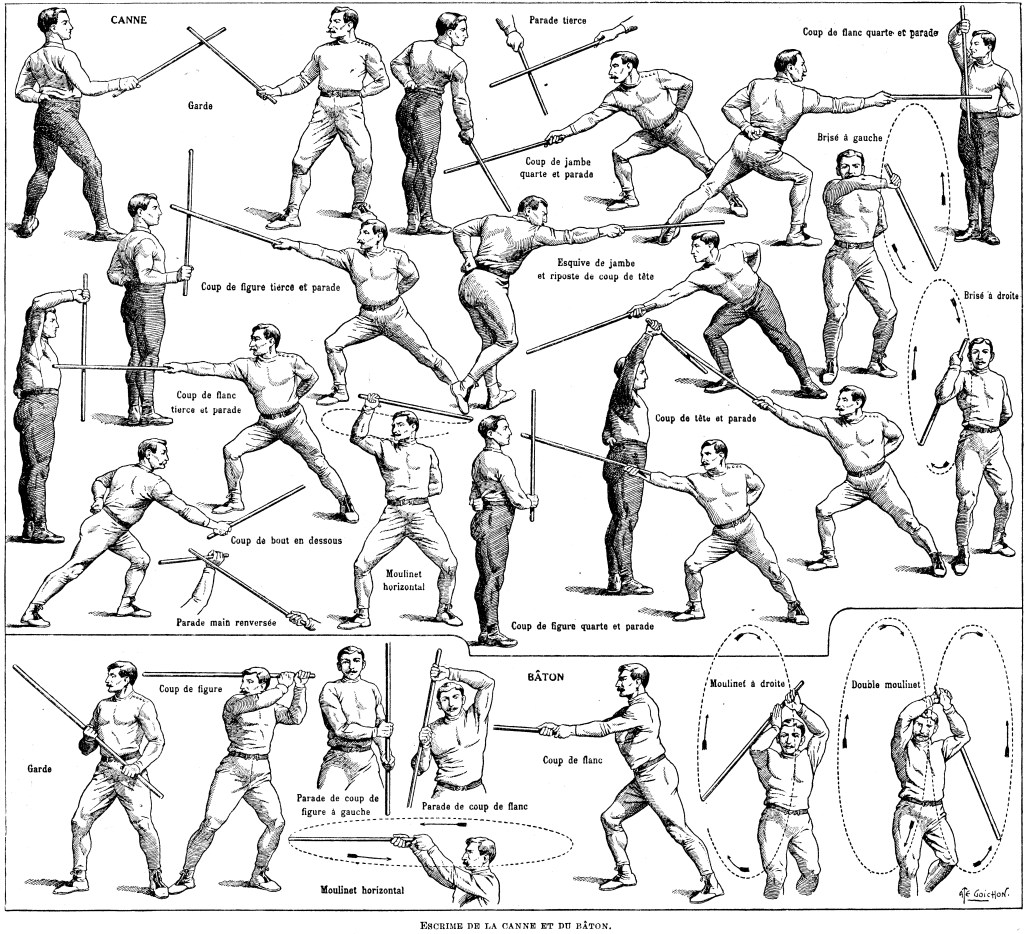
Studying stick fighting remains relevant despite the prevalence of firearms, as it offers practical benefits such as using a cane for support and self-defense. This ancient art form not only enhances physical fitness, agility, and reflexes, but also promotes mental discipline and strategic thinking, which are crucial in both combat and daily life. Additionally, stick fighting allows practitioners to connect with their cultural roots, providing valuable insights into historical combat techniques and the evolution of martial arts. This deeper understanding fosters a sense of respect for traditions and heritage that many modern disciplines lack. Moreover, the discipline fostered through martial arts can positively impact personal and professional life; skills such as focus, perseverance, and respect learned during training can enhance performance in various aspects of life, making the knowledge gained from studying stick fighting empowering and enriching. Embracing this practice can therefore lead not only to improved self-defense capabilities but also a more balanced and fulfilling life overall, encouraging individuals to build resilience and confidence in the face of challenges.
The study of the stick establishes foundational skills and dexterity for using various weapons, as sticks are commonly available in our environment compared to firearms and other weaponry. This accessibility not only encourages individuals to engage in training with an object that is both versatile and familiar, but also fosters creativity in weapon handling. Practicing with sticks allows for the development of core motor skills, balance, and coordination, which are transferable to a wide range of combat techniques.
Moreover, the simplicity of the stick serves as an accessible and versatile platform for experimentation, allowing practitioners to engage in a broad spectrum of techniques while fostering their creativity. This adaptability enables individuals to explore diverse styles and applications, whether they are focusing on traditional martial arts forms or innovative approaches that incorporate elements from various disciplines. As a result, the continuous practice and exploration not only lead to a nuanced understanding of fundamental movements but also cultivate a sense of mastery over the stick as a weapon. Ultimately, this process enhances their overall martial proficiency, equipping them with the skills needed to effectively respond to dynamic combat situations while encouraging personal growth and confidence in their abilities.
The stick serves as a versatile defensive tool for individuals who may be uncomfortable carrying more lethal options like firearms or knives due to the associated violence and potential legal ramifications; it provides them with a sense of security that is crucial in uncertain situations without crossing their personal psychological boundaries or ethical concerns. This simple yet effective instrument can empower people by allowing them to feel more prepared and confident, enabling them to navigate their environments with a degree of assurance. Furthermore, the stick is often seen as a less aggressive option, which can facilitate a non-confrontational approach to self-defense, thereby reducing the likelihood of escalating a situation into violence. By opting for a blunt weapon, individuals can maintain a sense of responsibility and control while still being ready to protect themselves if necessary.

Walking sticks are invaluable tools that provide essential stability and support, particularly for those navigating the often challenging and unpredictable conditions of uneven terrain. These instruments are especially beneficial for elderly individuals or those with mobility issues, as they help prevent falls and enhance overall confidence during movement. In addition to their primary function of assisting with balance, walking sticks can also act as a deterrent against aggressive animals. Their presence alone may discourage potential threats, and with a simple gesture, they can signal a protective stance. Beyond their defensive capabilities, walking sticks serve various practical uses, such as aiding in the clearing of paths overgrown with brush or even functioning as makeshift tent poles during outdoor adventures, showcasing their versatility in nature.
The stick serves various defensive purposes, including smashing, stabbing, binding, and tripping, and may be combined with hand and elbow techniques for enhanced effectiveness in close combat situations. Its versatility allows it to be employed in multiple ways, adapting to the unique dynamics of each encounter. The effectiveness of the stick depends significantly on its characteristics, such as length, weight, and type of wood, as these factors contribute to the force and control exerted during defensive maneuvers. While some strikes can be lethal if applied with sufficient force and precision, targeting non-lethal areas such as elbows, shins, and knees enables practitioners to engage in self-defense without inflicting fatal consequences. This approach prioritizes de-escalation and minimizing harm, thereby allowing individuals to protect themselves effectively while adhering to moral and ethical standards. Training and proper targeting play critical roles in influencing the lethality of its use, as a well-trained user is able to exploit the stick’s attributes to deliver precise and effective defensive actions. Legally, it can be viewed as a dangerous weapon, necessitating careful judgment and responsibility before use, as well as an understanding of the legal implications surrounding its application in various situations, ensuring that self-defense remains within the bounds of the law and societal norms.
The stick is a useful yet imperfect self-defense weapon that relies on the user’s skill and situational awareness. It can enhance defensive strategies, whether by creating distance from an aggressor or deflecting strikes. With proper training, individuals can learn techniques to maximize the stick’s potential, making it a versatile tool that complements other self-defense methods.

Welcome to the Self Defense series, where we talk about it. The subject of Self-defense is very important, as it not only empowers individuals but also enhances their awareness of personal safety. In today’s world, being equipped with the knowledge and skills to protect oneself is essential, given the increasing concerns regarding safety in various environments. We will explore different techniques, strategies, and the mental aspects of self-defense, aiming to provide you with valuable insights that can be applied in real-life situations. Join us as we delve deeper into this vital topic, ensuring you feel confident and prepared to face any potential challenges.

Knife defense. Yes, we’re revisiting this topic because it holds significant relevance in today’s world. With incidents of knife attacks unfortunately becoming more common, understanding the techniques and strategies for self-defense is extremely important. Everyone should be equipped with the knowledge to protect themselves and their loved ones in potentially dangerous situations. Proper training can enhance awareness, improve reflexes, and provide the mental fortitude needed to react effectively under pressure. Additionally, exploring various defensive maneuvers and the psychology behind confrontations can empower individuals to respond wisely and safely.
I posted some videos to serve as resources for practical skills to handle a knife attack, covering self-defense techniques, situational awareness, and escape methods. By practicing these skills, you can enhance your confidence and preparedness for dangerous encounters, and I encourage sharing these resources with others to promote community safety awareness.
In this 1st video, special forces instructor Paulo GN Rubio of FUNKER TACTICAL, in a moment of reckless aggression, attempted to stab a United States Marine and 20-year Law Enforcement Officer with full intent and energy, wielding the knife like it was an extension of his own being. No warning! This was an impulsive action carried out with alarming fervor, full of intention and power! Each movement was raw, unrefined, and dangerously unrehearsed. Did he survive the attack? Watch and see as the events unfold!
After enduring this harrowing and humbling experience, he left Paul with 20 invaluable life-saving lessons about the complex nature of knife defense. It never looks as pretty as some would have you believe; the reality is often gritty and chaotic. Here is a no-nonsense approach to dealing with a bladed opponent, emphasizing the importance of preparation, awareness, and the mental fortitude required to endure such encounters.
These life-saving lesions are listed below:
If you appreciated this free lesson, please say thanks to Sal by clicking on his Instagram account and giving him a follow. It means a lot to him to see support from learners like you, and by following his account, you’ll gain access to more valuable insights and resources that can enhance your knowledge even further. Here it is: / ido_consulting
Now in this 2nd video, Paulo Rubio is himself being interviewed by Jesse Enkamp, aka THE KARATE NERD, as he shares some of his extensive experience and knowledge about this subject.
He emphasizes what truly works in self-defense scenarios and, just as importantly, what doesn’t work, helping you to avoid common pitfalls that many individuals face when confronted with threatening situations. By providing clear demonstrations, the training allows you to understand not only the actions to take but also the mindset needed for effective self-defense.
Thanks to FMJ Shooting Range, a hub for firearms training and self-defense courses: https://www.fmjskytte.se/english/, you have the opportunity to train in a supportive environment that prioritizes real-world self-defense. Train with Paulo GN Rubio: https://www.trainwithgn.com/, where you can refine your skills further and gain confidence in your ability to respond effectively in high-stress situations. Reinforce your knowledge through hands-on experience, supported by expert insights and drills that prepare you for the realities of knife encounters.
Knives, as well as other weapons, have been developed and used extensively by Capoeiristas for centuries, playing a significant role in various combat styles and self-defense techniques within the practice.
Although they may have fallen out of use in recent years due to the modern emphasis on unarmed techniques, some schools still place a strong focus on developing and refining these skills. The integration of weapon training not only enhances a practitioner’s overall proficiency but also helps them understand the principles of movement, timing, and distance in a more comprehensive way. Moreover, this traditional aspect of Capoeira helps preserve the cultural heritage and history associated with the art, ensuring that future generations remain connected to its rich legacy.
Knife defense is more than just the simplistic notions of “run away” or “expect to get cut”; it involves a comprehensive understanding of situational awareness, risk assessment, and techniques to either de-escalate a confrontation or effectively protect oneself should an attack occur. It requires training in recognizing potential threats before they escalate, as well as developing reflexes and strategies to respond swiftly and efficiently to an assailant’s movements.
Furthermore, awareness of the environment, the use of improvised barriers, and maintaining a calm demeanor play crucial roles in surviving such confrontations, making knife defense a multifaceted discipline that goes well beyond mere survival instincts. It involves a deep understanding of the surroundings, allowing individuals to identify potential escape routes and obstacles that can be utilized to their advantage. Additionally, the ability to create improvised barriers—from everyday objects like chairs to more substantial obstacles—can provide essential protection during a potentially life-threatening encounter. Coupled with this, cultivating a calm demeanor can significantly enhance one’s decision-making process, enabling the individual to react with clarity instead of panic, ultimately transforming a desperate situation into a more manageable challenge. It is this blend of mental preparedness, environmental awareness, and tactical response that elevates knife defense into an art form, requiring both psychological fortitude and physical dexterity.

 Jogo Corpo Fechado