The Indispensable Voice: “The Moment of Truth’s Friday Crime Report” with Professor Black Truth
A Cornerstone of Critical Media Commentary
“The Moment of Truth’s Friday Crime Report” is not merely a program; it is a vital public service and a cornerstone of critical media commentary. A program of paramount importance and consistently powerful insight, it delivers an essential, unvarnished perspective that is often missing from the broader public discourse.
Broadcast reliably every Friday morning, the timing itself carries a profound, tacit suggestion: the unflinching pursuit of truth, particularly difficult truth, is worth the anticipation and the weekly commitment of its dedicated audience. The show is expertly hosted by the respected, brilliant, and unflinching voice of PROFESSOR BLACK TRUTH. His leadership provides the program with a gravitas and an analytical rigor that sets it apart.Beyond the Headlines:
Deep Societal Analysis
The program transcends the function of a simple weekly news recap or a summary of crime events. Instead, it stands as an essential, critical platform dedicated to a deep, analytical, and uncompromising exploration of the intricate forces that shape our society, justice system, and economy.
Professor Black Truth focuses his incisive analysis on the systemic issues—the societal, judicial, and economic forces—that disproportionately, and often devastatingly, impact the Black community. It is a necessary corrective to the often-simplistic or intentionally misleading narratives propagated by mainstream media. The show consistently offers a perspective that is frequently marginalized, obscured, or actively suppressed by dominant media structures, providing a space for truth, context, and intellectual honesty.
Today’s Essential Installment: A Case Study in Crisis
Today’s installment exemplifies the show’s commitment to tackling difficult, complex, and tragic realities.
In a horrifying case of domestic and familial devastation, the program delves into the actions of Jenna Strouble. Last month, Ms. Strouble reportedly made the calculated decision to kill her boyfriend and his parents. More chillingly, the case reveals a further layer of premeditation: she also planned to kill her own parents. The stated motive for this extended spree was to ensure that, upon her children’s resulting or eventual custody placement, no one—specifically her own parents—would be available to gain legal guardianship. This disturbing case serves as a point of departure for Professor Black Truth to analyze the confluence of mental health, socio-economic desperation, and the systemic failures that allow such tragedies to metastasize.
Support the Mission: Sustaining the Unflinching Voice
The vital work of Professor Black Truth and “The Moment of Truth’s Friday Crime Report” is sustained by the community it serves. To continue providing this essential, critical analysis and to amplify this indispensable voice, listeners are encouraged to offer financial support.
Support Professor Black Truth’s Independent Journalism:
Today, April 1st, marks the beginning of Black Media Appreciation Month! We at Jogo Fechado are excited to invite you to join us in celebrating the vital role that independent, Black-led media plays in our community and in the broader world. This month is dedicated to recognizing the pioneers, the platforms, and the content creators who provide authentic, unfiltered perspectives for the Black grassroots.
To kick off this important month, we have a special message from The Professor to all of us gathered here in cyberspace.
Why New Black Media Appreciation Matters: A Foundation for Empowerment and Self-Determination
The establishment and sustained appreciation of independent Black media is far more than a cultural preference; it represents a foundational necessity driven by the unwavering principle of Black grassroots self-determination.
As the Black grassroots, we think and act for ourselves. This core, inalienable right to self-governance in thought and action is the very reason why we have diligently established, supported, and continue to evolve our own robust media ecosystems. For generations, the landscape of traditional and mainstream media has proven insufficient—and often actively detrimental—to the well-being of the Black community. These dominant narratives frequently fail to represent the full spectrum of our nuanced experiences, complex priorities, and diverse voices. Worse still, they often engage in misrepresentation, stereotyping, or the outright erasure of issues vital to our survival and prosperity.
New Black Media steps into this critical void, serving a dual, essential function: it acts as a truthful mirror for our community to see itself reflected with dignity and accuracy, and it operates as a powerful megaphone to project our lived truths, demands, and achievements into the wider public discourse.
This media infrastructure provides a platform for essential dialogue, allowing for internal community conversations that prioritize Black liberation and development. It moves beyond simply reporting on events to providing deep analysis rooted in a historical and cultural context that the mainstream either ignores or cannot comprehend. By controlling the narrative, New Black Media empowers the community to define its own agenda, celebrate its own heroes, critique its own challenges, and mobilize for collective action without external filters, ultimately strengthening the foundation for social, political, and economic empowerment.
This appreciation month is our opportunity to honor and celebrate:
The People: The independent journalists, content creators, podcasters, writers, producers, and community activists who dedicate their time, resources, and passion to building these platforms. They are the intellectual architects and the truth-tellers of our generation.
The Events: The critical discussions, organizing efforts, and community-building initiatives that are amplified and facilitated through this media. Black media is the essential infrastructure for grassroots thought and action.
The Empowerment: The direct impact this media has on our collective consciousness, providing education, fostering critical thinking, promoting economic self-sufficiency, and driving political engagement. By having our own narratives, we are better equipped to challenge systemic injustice and build a stronger future.
Supporting these platforms is an act of communal investment. It ensures the longevity and independence of the voices that truly speak for us.
Support The Professor’s Work
The work of The Professor and the community he serves relies on the direct support of those who value independent Black thought and analysis. If you appreciate the commitment to truth, the critical insight, and the educational content provided, please consider supporting the mission through the following platforms:
The Indispensable Voice: “The Moment of Truth’s Friday Crime Report” with Professor Black Truth
“The Moment of Truth’s Friday Crime Report,” a program of paramount importance and consistently powerful insight, is a cornerstone of critical media commentary. Broadcast reliably every Friday morning—a timing that tacitly suggests profound truth is worth the anticipation—the show is expertly hosted by the respected and unflinching voice of PROFESSOR BLACK TRUTH.
The program is not merely a summary of weekly events; it stands as an essential, critical platform dedicated to a deep, analytical, and uncompromising exploration of the intricate societal, judicial, and economic forces that disproportionately and often devastatingly impact the Black community. It serves as a necessary corrective to mainstream narratives, offering a perspective often marginalized or intentionally obscured by dominant media structures.Today’s Essential Installment: Unmasking Vicious Racial Hatred
In today’s compelling installment, the report delves into a recent, harrowing incident that starkly illustrates the persistence and brazenness of racial hatred in America. The segment focuses on a shocking act of violence and racial terrorism in New York:
A few weeks ago, a pair of individuals, identified as racists and conspicuously wearing MAGA hats, accosted a Black woman on the street. The encounter quickly escalated from verbal assault—in which they subjected her to vile racial slurs—to an act of physical violence and symbolic destruction. Appallingly, the assailants then set her shoes on fire while they were still on her feet, a malicious and terrifying attack.A Dedication to Unfiltered Truth
This segment, and the entire program, is a profound “shoutout to the professor for creating and posting this video.” It serves as a crucial, documented testament, demonstrating that the forces which harm the Black community extend far beyond the narrow scope and selective focus of the white-dominated media landscape. Professor Black Truth consistently illuminates the deep-seated systemic and overt racist threats that many mainstream outlets choose to ignore, downplay, or misrepresent.
His work provides an invaluable, unvarnished look at the realities of racial injustice, demanding accountability and offering a space for genuine dialogue and community support.
Support the Essential Work of Professor Black Truth:
To ensure the continued production of this critical reporting, the Professor accepts support through the following platforms:
The foundation of public safety rests on the integrity of its law enforcement. The vast majority of police officers, worldwide, are dedicated men and women who fulfill their duties with a profound sense of honor, commitment, and dignity, serving as vital protectors of their communities. They are the first line of defense, often risking their lives to uphold the law and maintain civil order.
Unfortunately, this crucial profession is occasionally marred by the actions of a few bad actors. These officers abuse the power entrusted to them, violate the very laws they swore to enforce, and inflict harm on the communities they are meant to protect. Such behavior not only causes direct injury but also erodes the indispensable public trust necessary for effective policing.
The disparities in conduct among law enforcement personnel are not random; they are the result of multiple, interwoven factors. These contributing elements include inadequate or biased training protocols, systemic issues within police department cultures, lack of sufficient mental health and stress management support, ineffective internal accountability mechanisms, and societal pressures that disproportionately affect officers. Addressing these complex factors is not merely an optional reform; it is an absolute imperative to ensure the safety, well-being, and constitutional rights of all individuals within society. Comprehensive reform must focus on enhanced screening, continuous ethical and de-escalation training, robust oversight, and fostering a culture of transparency and accountability from the top down.
The following accounts delve into the darker side of law enforcement, where the protectors become the perpetrators.
These are their stories—tales of officers who crossed the line and betrayed their badge.
In this installment, we shine a spotlight on officers whose gender did not exempt them from accountability:
When FEMALE Cops Get CAUGHT Breaking The Law!
The public holds police officers, regardless of gender, to an exceptionally high standard. They are entrusted with upholding the law, ensuring public safety, and embodying justice. When female officers—or any officer—are caught on camera or through internal investigations engaging in criminal activity, the breach of trust is profound and the public’s reaction is often intense.The Double Standard and Media Scrutiny
The Double Standard and Media Scrutiny
Instances of female law enforcement officers being arrested, investigated, or convicted for offenses like theft, excessive force, drug offenses, misuse of power, or even violent crimes tend to draw significant media attention. This disproportionate focus can be attributed to several factors:
Breach of Trust: The uniform is a symbol of authority. When the person wearing it is the one violating the very laws they swore to protect, it creates a deep sense of betrayal.
Novelty Factor: While police misconduct is a recurring news topic, the arrest of a female officer can be perceived as less common, leading to greater sensationalism.
Erosion of Confidence: These incidents not only damage the reputation of the individual officer but can also contribute to a broader distrust in the police department, particularly around issues of accountability and internal oversight.
The Scope of Misconduct
The offenses committed by female officers can span a wide range, often reflecting the same types of crimes committed by officers of any gender, but are compounded by the power of their position:
Abuse of Authority: This can include planting evidence, making false arrests, misusing police databases for personal reasons, or coercing citizens.
Financial Crimes: Theft from crime scenes, embezzlement from police funds or unions, and fraudulent activities are not uncommon.
Substance Abuse and Related Offenses: Being caught with illegal drugs or driving under the influence (DUI) while off-duty can immediately end a career.
Crimes of Passion/Domestic Issues: High-stress jobs can sometimes lead to officers being involved in domestic violence or other violent crimes that cross into their professional lives.
Accountability and Aftermath
When female cops are caught breaking the law, the immediate actions taken by the department are crucial for maintaining public confidence. These steps typically include:
Administrative Leave: The officer is usually placed on immediate paid or unpaid leave pending the outcome of the investigation.
Internal Affairs Investigation (IA): The department’s IA division launches a thorough internal inquiry to determine if department policies were violated.
Criminal Prosecution: Depending on the severity of the offense, the officer faces criminal charges brought by the District Attorney’s office.
Disciplinary Action: If found guilty internally, the officer faces a range of penalties, from suspension and demotion to, most often, termination of employment and decertification, which bars them from working in law enforcement again.
The consequences are not merely professional; they are intensely personal, leading to public shaming, legal penalties, and the destruction of a career built on public service.
Capoeira Angola, standing far beyond the simplified labels of a mere martial art or a traditional folk dance, is a profound, dynamic, and multifaceted cultural practice. Its genesis is inextricably linked to the brutal socio-historical crucible of transatlantic slavery in Brazil. It emerged as a clandestine, holistic technology for liberation, serving simultaneously as a covert training regimen for physical combat, a vital means of spiritual and cultural preservation, and a highly sophisticated medium for political communication and communal solidarity. Within the ruthlessly oppressive structures of colonial and later, post-colonial Brazil, Capoeira Angola functioned as a critical infrastructure for survival, community formation, and coordinated, decentralized mobilization against a state apparatus systemically and violently dedicated to the subjugation, repression, and erasure of African and Afro-Brazilian populations.
Historically forged in the relentless heat of chattel slavery, colonial violence, and persistent resistance across Brazil’s vast plantations and burgeoning urban centers, Capoeira Angola embodies a system that is at once covert yet intensely potent. It is simultaneously a system of highly effective, holistic self-defense, a sophisticated form of non-verbal and coded communication, a vital mechanism for meticulously preserving ancestral knowledge systems, and a powerful, centrifugal engine for profound community solidarity and collective self-determination. This singular, complex synthesis allowed enslaved and deeply marginalized populations to effectively resist the brutal, omnipresent structures of colonial and state control, whose explicit objective was to strip them utterly of their culture, dignity, and fundamental human autonomy. The fluid, often deceptive movements, seamlessly integrated with complex musical rhythms and song, acted as an ingenious cultural camouflage. This disguise masked combative, strategic training as a seemingly harmless celebratory dance or game, thereby enabling its continuous practice to persist and flourish even under the constant, immediate threat of severe torture, death, and state prohibition. In this crucial way, Capoeira Angola transcended a simple set of techniques; it became a living, embodied, and transmitted archive of resistance, passing down critical tactical knowledge, historical memory, and an unyielding spirit of defiance across successive generations.
The enduring historical trajectory of Capoeira Angola vividly illuminates its consistent function as a continuous, adaptable site of resistance. The seemingly playful and ceremonial nature of the roda—the circle where Capoeira is played, a sacred space of practice—is, in fact, a masterful, multi-layered act of political camouflage. It conceals highly sophisticated fighting techniques, intricate strategic planning, and coded messages embedded within the music, the narrative songs (Ladainhas and corridos), and the physical movements themselves. This living tradition not only persists but actively thrives today, providing a practical, embodied, and analytical framework for critical engagement with contemporary, modernized forms of state violence, pervasive systemic racism, and crippling social inequality. By actively reclaiming, preserving, and practicing this art, participants engage in a profound and active process to confront, negotiate with, and ultimately dismantle the deep-seated psychic and physical legacies of historical trauma and ongoing, contemporary repression.
The practice itself offers a unique, replicable, and culturally resonant framework for effective, community-based mobilization:
Community Building and Essential Cohesion: The roda (the circle in which Capoeira is played) is intentionally structured as a micro-society built upon explicit principles of mutual respect, active cooperation, and collective responsibility for all participants’ well-being. This inherently collaborative structure directly and powerfully counters the state’s historical and ongoing attempts to atomize, isolate, and divide oppressed communities. By cultivating deep and visceral interdependence, the roda fosters the essential cohesion, trust, and shared language needed for effective political and social action.
Strategic Subtlety and Political Cunning (Malícia): The characteristically deceptive and elusive movements of Capoeira Angola—which often deliberately appear as dance, music, or playful interaction—viscerally instruct practitioners in the critical value of strategic subtlety, known as malícia. This historical necessity of masking resistance—of making a powerful action look like a simple game—translates directly into methodologies for covert organizing, navigating pervasive state surveillance and infiltration, and developing adaptable resistance strategies that effectively evade overt detection by oppressive state apparatuses and intelligence gathering.
Embodiment of Historical Resistance and Blueprint for Uprising: The narrative songs (Ladainhas, corridos, and others) and the oral traditions preserved within Capoeira Angola serve as powerful cultural vehicles. They transmit the concrete historical memory of successful uprisings, the autonomous sovereignty of maroon communities (quilombos), and the inspiring narratives of figures who bravely and successfully challenged the violent status quo. This continuous cultural transmission keeps the spirit and, crucially, the practical historical blueprints of resistance alive, providing both moral inspiration and a practical historical template for contemporary struggles against injustice.
Physical and Mental Discipline for Sustained Conflict: Beyond its symbolic power, Capoeira Angola holistically trains the body and mind for sustained engagement with profound adversity and conflict. The rigorous physical demands of the practice systematically build physical and psychological resilience, while the emphasis on improvisation, quick and decentralized decision-making, and maintaining composure and emotional balance under intense pressure (the “game” within the roda) prepares individuals for the often high-stakes demands of non-violent direct action, community defense, and the inherent risks associated with protesting and challenging entrenched state authority.
Capoeira Angola and Transformative Justice: A Methodology for Resistance
Pod mapping and skill sharing are foundational practices within the frameworks of transformative justice and mutual aid, designed specifically to cultivate resilient, self-reliant communities. These methodologies, which emerged significantly from the work of organizations like the Bay Area TransformativeJustice Collective (BATJC) and activists such as Mia Mingus, empower individuals to identify, utilize, and strengthen their internal support networks. The core objective is to create systems capable of addressing harm, crisis, and chronic needs autonomously, deliberately bypassing reliance on punitive and often harmful state institutions, notably the police and prison systems.
Pod Mapping: Visualizing Interdependence and Care
Pod mapping is a rigorous, often visual, exercise used to articulate and solidify the network of individuals one can reliably call upon for both long-term (chronic) and immediate (acute) needs. This identified group constitutes one’s “pod”—a localized, intensely trusted support ecosystem.
The Structure: The exercise typically places the individual’s name at the center of a diagram. Surrounding circles categorize the degree of trust and commitment within the network:
Immediate Pod (Solid Circles): This is the core, deeply vetted group of people with whom a deep sense of trust is shared, and who can be relied upon unconditionally in a crisis. This includes partners, immediate family, chosen family, and profoundly trusted friends or neighbors.
Movable People (Dotted Circles): These individuals represent potential pod members. While trusted, their inclusion requires further intentional relationship-building, clear conversations about boundaries, expectations, and commitment to specific support roles.
Community Resources (Large Circles): These are the broader networks, organizations, spiritual centers, or mutual aid societies that offer specialized or general support, such as food banks, tenant organizing groups, or trauma-informed therapy collectives.
The Purpose: The process is diagnostic and preventative. It explicitly reveals gaps or imbalances in one’s care network, offers a deeper understanding of how care and resources flow across larger communal networks, and ensures a proactive “emergency contact list” and corresponding plan are in place well before a crisis manifests.
Skill Sharing: Enhancing Collective Capacity and Self-Reliance
Skill sharing, in conjunction with pod mapping, ensures that a diverse array of practical, emotional, and technical needs can be met through deeply embedded mutual support, minimizing the need to look externally for critical assistance.
Identifying Assets: A crucial step during the pod mapping process is the meticulous inventory of the specific skills each member possesses and is willing to share. These assets are expansive, ranging from practical abilities like active listening, conflict resolution, first aid, childcare, and basic legal observation to technical skills like administrative help, grant writing, or digital security.
Mutual Benefit and Reciprocity: A foundational philosophical principle of mutual aid is the recognition that the act of being a “support giver” is just as powerful and generative as being a receiver. This reciprocal exchange fosters deeper, more equitable connections, builds collective self-worth, and strengthens the foundation for long-term political collaboration.
Building Competency: Resilient communities actively commit to holding intentional “skill shares” or workshops. These sessions are designed to teach one another essential transformative justice tools, practical safety planning methodologies, de-escalation techniques, and advanced communication skills, ensuring that the pod’s capacity to sustain itself and respond to harm is continuously expanding and evolving.
The Capoeira Angola Paradigm: A Historical Methodology for Resilience
The historical, philosophical, and operational principles embedded within Capoeira Angola—its emphasis on cooperative learning, deep mutual support, intuitive adaptation, and immediate collective response—offer a potent, living methodology directly applicable to contemporary organizing focused on community resilience, sustainable mutual aid, and holistic safety.
Radical Skill Sharing and the Roda
The traditional structure and pedagogy of the roda are inherently a radical, de-hierarchized skill-sharing model.
Decentralized Knowledge Transfer: Highly experienced practitioners (mestres and contramestres) transmit critical knowledge not through formal, prescriptive, or hierarchical classroom lessons, but through direct, embodied interaction, intuitive correction, communal storytelling, and the immersive experience of “playing” together. This decentralized, organic knowledge transfer ensures that essential survival, cultural, and combative skills are spread rapidly, deeply, and organically throughout the community.
Contemporary Relevance: This process mirrors the vital necessity of widely distributed expertise in contemporary social movements. In a protest setting or crisis, skills such as de-escalation, rapid legal observation, psychological first aid, and critical media communication must be widely and reliably distributed across the entire network, much like the decentralized mastery required to maintain the integrity of a roda.
Historical Precedent for Pod Mapping: The Roda and the Quilombo
Capoeira Angola offers a profound historical and theoretical precedent for “pod mapping”—the contemporary practice of creating proactive, reliable support networks within small, intensely trusted groups (“pods”) for autonomously handling crises and security concerns.
The Roda as a High-Stakes Pod: The roda itself functions as a temporary, high-stakes, intensely focused pod. All surrounding participants are collectively responsible for the immediate physical safety and strategic support of those playing within the circle. The collective maintenance of the rhythm (batuque), the watchful, supportive eyes of the surrounding community, and the strategic, guiding interventions of the berimbau player all powerfully reflect the principle of deep, localized, and dynamic interdependence required in a successful pod.
The Quilombo as the Ultimate Historical Pod Map: The historical organization of enslaved Africans and the formation of autonomous runaway communities (quilombos) around shared defense, resource pooling, and collective security represents the ultimate historical “pod map.” In this context, Capoeira Angola acted as the central, shared, and secret technology—the critical, non-state asset—for group defense, strategic communication, and self-determination against the oppressive state. The quilombo demonstrates that collective liberation is achievable only when an intensely mapped, highly skilled, and mutually committed community organizes its resources outside of state control.
The Quilombo: A Paradigm of Black Autonomy, Collective Defense, and Non-State Sovereignty
The concept of the QUILOMBO—the autonomous communities forged by runaway enslaved Africans, primarily in Brazil—transcends simple historical footnote to become the ultimate, real-world blueprint for radical collective mobilization and resistance. These settlements were not merely temporary shelters; they were sophisticated, sovereign micro-nations built entirely outside the genocidal control of the colonial state. In their foundational structure, the quilombos represent the highest historical realization of a “pod map”—a tightly integrated, self-sustaining network organized around shared principles of defense, resource equity, and mutual commitment to collective survival.
The historical significance of the Quilombo in Brazil is profound. Far more than mere settlements, they were powerful, self-governing communities established by enslaved and marginalized people, primarily of African descent, who had successfully escaped the brutal system of Portuguese chattel slavery. These hidden, often fortified, societies flourished across Brazil from the 16th century onward, serving as beacons of resistance, maroonage, and alternative social organization. They were, in essence, independent republics within the colonial territory, actively rejecting the socio-political and economic structures of the state. The most famous and long-lasting was Palmares, which endured for nearly a century and at its peak housed over 30,000 people, demonstrating a profound capacity for complex statecraft and self-defense against relentless colonial assault.
Life within a quilombo was an active attempt to reconstruct African social and political traditions, mixing them with Indigenous practices and new creolized forms born of shared struggle. The internal structure was often highly organized, emphasizing communal ownership of land and resources, democratic decision-making, and collective security. They cultivated land, engaging in diverse and sustainable agricultural practices to ensure self-sufficiency, and established sophisticated trade networks, often exchanging goods and intelligence with sympathetic settlers, marginalized laborers, and other quilombos. This economic and political self-determination fundamentally separated them from the colonial system.
Capoeira Angola: The Non-State Technology of Survival
Within this revolutionary framework, Capoeira Angola emerged as far more than a cultural practice or simple physical exercise. It functioned as the essential, shared, and deeply secret technology—the critical, non-state asset—that ensured the quilombo‘s survival. This complex art form, disguised as a dance or game, was in reality a comprehensive system for group defense, strategic communication (using movement and rhythm), psychological warfare, and the physical enactment of self-determination. It was the central pillar of military and political education, meticulously developed to counter the oppressive tactics and superior weaponry of the Portuguese and later, Brazilian, state forces.
Crucially for the quilombo‘s defense, they developed sophisticated methods of defense, including this martial art, intricate signaling systems, and expert use of the challenging local terrain. The very existence of the quilombo represented a profound rejection of colonial authority and the fundamental illegitimacy of slavery, marking them as the primary organizational structure for mobilization and resistance against the repressive state apparatus of the time. They were living proof that freedom was not a gift to be granted but a condition to be seized and defended.
The Enduring Legacy and Contemporary Application of Quilombo Methodology
The enduring legacy of the quilombo, particularly the most famous and enduring, Palmares, conclusively demonstrates that true collective liberation is not an abstract ideal but an achievable state. This achievement, however, hinges on several non-negotiable conditions: the formation of an intensely mapped community (one with a profound knowledge of its members, its environment, and its adversaries), the cultivation of highly skilled and non-transferable abilities (like those encoded in Capoeira Angola), and the complete and mutually committed organization of all critical resources and defense capabilities outside the control of the state apparatus. The quilombo, therefore, stands as a powerful and enduring historical testament to the necessity of autonomous Black self-organization and the profound efficacy of non-state, community-based resistance against legacies of state repression and enslavement.
The spirit and methodology of quilombo resistance provide a vital, actionable framework for contemporary mobilization. Integrating the core principles of Capoeira Angola into contemporary organizing—specifically through structured, continuous skill-sharing and the development of robust, trust-based pod maps—allows activists, community organizers, and community members to forge connections rooted in profound trust, shared historical consciousness, and deep physical and cultural resilience.
Capoeira Angola, a cultural and physical practice forged in the fires of the quilombos, embodies this resistance. Its circular formation (the roda) inherently promotes decentralized leadership, collective awareness, and mutual support—a perfect microcosm of the quilombo‘s social structure. Its movements, which mask martial efficacy within dance and ritual, teach practitioners to navigate conflict with strategic subtlety and adaptability. This structured physical and philosophical training prepares individuals not just for isolated acts of protest, but for sustained, collective action that prioritizes mutual aid and survival. By embedding this practice, and by building “pod maps”—small, highly trusted affinity groups that function as modern quilombo cells—we actively and powerfully counter the isolating, atomizing, and destructive effects of systemic state repression and historical marginalization. This methodology directly translates the historical defense mechanism of the quilombo into a contemporary strategy for community safety, political mobilization, and cultural persistence.
By profoundly grounding themselves in the philosophical depth, the complex physical and verbal vocabulary, and the enduring historical narrative of Capoeira Angola, marginalized communities are equipped to forge robust, culturally resonant, adaptable, and enduring methodologies for actively confronting and ultimately dismantling the interwoven tapestry of historical inequities and the contemporary, evolving mechanisms of systemic violence. This violence manifests today through aggressive state policing, political disenfranchisement, economic exploitation, and structural marginalization.
Capoeira Angola, at its core, is far more than a simple, codified physical fighting system; it is a profound, holistic, and comprehensive cultural technology. It operates as an intricately woven strategy that fundamentally champions the realization of collective liberation and uncompromising socio-political self-determination for marginalized communities.
Its profound, enduring utility is located not in the superficial mastery of its acrobatic and combative movements, but in its unparalleled capacity to cultivate a suite of essential, interconnected tools for survival and freedom. These tools include the development of an unwavering, almost monastic discipline; a deep, organic mechanism for collaborative community building and mutual aid; an advanced, anticipatory strategic thinking that mirrors both martial and social maneuvering; and the cultivation of a powerful, embodied, and living sense of historical consciousness that connects practitioners directly to their ancestors’ struggles and triumphs.
Theroda—the circle of participants that is the central performance space—is the ultimate functional and transformative microcosm for political and social organizing. It is a sacred, consecrated site where the practice of active resistance is not a theoretical exercise but a continuous, physical reality. Within this circle, cultural memory, often suppressed and distorted by the state, is meticulously preserved, rehearsed, and celebrated through music, movement, and narrative. The essential, practical, and intuitive tools necessary for navigating, subverting, and ultimately overcoming the omnipresent mechanisms of oppressive state control and surveillance are intensely honed, physically embodied, and faithfully passed down, generation to generation, in a way that written history cannot capture.
This total practice, encompassing music, philosophy, strategy, and physical confrontation, serves as a living, breathing, and embodied archive of resistance against historical trauma and contemporary subjugation. More than just a repository of memory, Capoeira Angola functions as a dynamic, practical blueprint—an executable methodology—for achieving genuine, self-determined, and ultimately sustainable freedom from the pervasive structures of state repression and cultural erasure. It is a pedagogy of the oppressed, transforming practitioners into agents of change through movement and shared experience.
Those of you who frequently read this blog may be wondering why I don’t write too much about Afro-Brazilians or the intricate dynamics of race in Brazil. It’s a question I’ve been meaning to address, but the fact is, race in Brazil is a confusing, loaded topic.
This complexity is the “elephant in the room” for any outsider—and often for Brazilians themselves—trying to understand the nation’s social fabric. Unlike the often more rigid, binary racial classifications found in countries like the United States, Brazil operates on a nuanced spectrum, a legacy of centuries of miscegenation and a cultural mythology of “racial democracy.” This mythology suggests that racial harmony prevails and that class, not color, is the primary divider. While appealing on the surface, this concept obscures deep, systemic inequalities.
Why is it so complicated? Well…
The confusion often begins at the level of the individual and the family. Consider the striking example of a single family, where perception is fluid and self-identification is not uniform. As seen in the work of journalists like Stephanie Nolen, you might find a sister, like Jessica, who says she is preta (Black), while her cousin, perhaps with only slightly lighter skin or different hair texture, insists she is branca (white) or, more commonly, parda (brown or mixed).
This fluidity stems from a historical continuum of classification. The Brazilian Institute of Geography and Statistics (IBGE) officially recognizes five categories: branca (white), preta (black), parda (brown/mixed), amarela (yellow/Asian), and indígena (Indigenous). However, social practice is far more granular, encompassing hundreds of informal terms, such as morena (dark-haired, often a polite euphemism for mixed race), sarará (light-skinned with red or blond curls), and cabra (a very dark mixed person). These terms are context-dependent and often influenced by factors like education, wealth, and social standing. A person considered “Black” in a primarily white neighborhood might be categorized as “brown” in a predominantly Black community. This complex, subjective system makes any discussion of race immediately fraught with personal and political implications.
So… What is it like to be Black in Brazil?
As a Black man born and raised in the United States, I’m looking from the outside in when it comes to the daily reality of race in Brazil. My understanding is necessarily filtered through videos, articles, and the powerful personal accounts that people choose to share with me.
What becomes abundantly clear is that despite the official narrative of a colorblind society, an underlying, pervasive racism shapes the lives of Afro-Brazilians. The acclaimed actor Douglas Silva, in his poignant Ted Talk, asks a question that resonates with the experience of millions:
Does my skin color automatically make me a bandit?
Unfortunately, in Brazil, the data and lived experience often suggest this is the tragic reality. Afro-Brazilians, who constitute more than half of the nation’s population when combining pretos and pardos, face disproportionate social exclusion and violence, with systemic barriers that persist across various facets of society. They are grossly underrepresented in higher education, in positions of corporate or political power, and on the covers of major magazines that typically highlight the successes of others. Conversely, they are overrepresented in the country’s favelas, prisons, and among the victims of police brutality, highlighting a stark and painful contrast to the prevailing narrative of progress and equality.
The color of one’s skin often becomes a proxy for presumed criminality, particularly for Black men, who find themselves at the intersection of stigma and bias in their daily lives. The pervasive prejudice means that a young Black man walking in a middle-class neighborhood is far more likely to be stopped and searched by police than a white peer, leading to an ongoing cycle of mistrust and fear. This systemic suspicion and prejudice is the harsh counterpoint to the romanticized ideal of mestiçagem (racial mixing), which tends to overshadow the reality of ongoing inequalities. It confirms that the “elephant in the room” is not just about confusion over labels, but about the enduring, painful legacy of slavery and a society that has yet to truly reckon with racial inequality, requiring urgent and meaningful discussions and actions to address these centuries-old injustices.
The Crucial Platform: The Friday Crime Report with Professor Black Truth
The “Friday Crime Report,” typically airing on Friday mornings, is far more than a routine news broadcast; it is a vital, unflinching academic and activist platform dedicated to the deep exploration of the structural and societal forces that disproportionately impact the Black community. Hosted by the insightful Professor Black Truth, the program serves as an essential counter-narrative to mainstream reporting, which often sensationalizes crime while neglecting its systemic roots.Dissecting Systemic Injustice
The core mission of the Report is the meticulous dissection of fundamental structural injustices. This includes a robust examination of:
Systemic Racism: Moving beyond individual prejudice, the program analyzes how policies, institutions, and cultural practices—from housing to healthcare to education—are fundamentally skewed against Black people, generating cycles of disadvantage that manifest in crime statistics.
Economic Inequality: The broadcast links the wealth gap and chronic underinvestment in Black communities to the environment of desperation and limited opportunity. It meticulously traces the line from historical disenfranchisement to contemporary economic precarity.
Police Brutality and Injustice: The “Friday Crime Report” moves past surface-level incident reports to offer a profound examination of the failures within the criminal justice system. It highlights discriminatory policing practices, prosecutorial biases, and sentencing disparities, positioning these issues not as isolated events but as hallmarks of a broken system.
A Catalyst for Engagement and Reform
The ultimate objective of the “Friday Crime Report” transcends mere awareness or critique; it is designed to be a catalyst for engagement and reform. Professor Black Truth provides listeners with facts and analysis, but the program’s true power lies in its focus on practical, tangible solutions.
Fostering Active Community Engagement: The Report is a forum for discussion, debate, and mobilization, actively encouraging listeners to participate in local governance and advocacy efforts.
Highlighting Actionable Steps: Crucially, the program does not leave listeners feeling helpless. It emphasizes actionable steps—practical, grassroots measures that individuals and communities can implement immediately. This focus on grassroots advocacy is designed to empower listeners, equipping them to become effective agents of positive change and to confront injustices directly in their neighborhoods and local institutions.
Today’s Critical Installment
The current episode underscores the persistent failures of the justice system:
Last month, a deeply troubling incident occurred where a career criminal violently attacked a Black citizen without any discernible provocation. This assault was captured on video, providing clear evidence of the unprovoked violence. Following the attack, police recommended a serious charge of 2nd Degree Assault. However, in a decision that is sadly illustrative of broader systemic leniency towards certain offenders, the District Attorney intervened. The DA determined that the police’s recommended charge was “too harsh” for this racist thug, signaling a profound miscarriage of justice and a devaluation of the Black victim’s experience.
This case is presented as a crucial example of how the system fails to deliver justice, even when the facts are undeniable, reinforcing the necessity of the “Friday Crime Report” platform.
Support Prof Black Truth’s Work:
Your support ensures this vital independent analysis can continue to expose systemic injustices and promote community empowerment.
The insidious, pervasive narrative often whispered, sometimes shouted, within and about Black communities—the “Ghetto Lie”—is not merely a social construct; it is a complex, multi-generational affliction actively undermining progress and leading to catastrophic outcomes. This “lie” is the toxic amalgamation of historical trauma, systemic disenfranchisement, and a dangerous cycle of self-fulfilling prophecy, tragically masquerading as an unavoidable, innate cultural reality. It is the sophisticated mechanism by which external oppression is converted into internal surrender.
This destructive ideology posits that the pathology associated with deeply impoverished, inner-city neighborhoods—characterized by high rates of single-parent households, poor educational outcomes, joblessness, and violence—is an inherent part of Black identity, rather than the symptom of socio-economic and structural oppression. By internalizing this lie, the focus shifts disastrously from demanding systemic change and equitable resources to merely managing the “symptoms” or, worse, accepting them as the natural order. The structural architects of disadvantage are thus absolved, and the victims are made to blame themselves for the conditions imposed upon them.
Before I go on with this post, we at Jogo de Corpo Fechado would like to to take a moment to give a huge, well-deserved shoutout to Black Stories Untold. They are the incredible creators and dedicated historians responsible for the powerful and insightful video that we’ve featured or linked to within this post. Their commitment to uncovering, documenting, and sharing marginalized narratives is truly invaluable.
Their work, and the specific video you’ve just engaged with, provides essential context and a critical perspective that often goes overlooked. We strongly encourage you to explore their channel further.
If you found the video as compelling and necessary as we did, we know that your support would mean a great deal to the team at Black Stories Untold. Producing high-quality, deeply researched content takes a considerable amount of time, effort, and resources.
There are many ways to show your appreciation and help them continue this vital work:
Contribute Directly:If you are in a position to do so, a direct financial contribution to their efforts is the most impactful way to support their production and research costs.
Engage with Their Content:If contributing financially isn’t possible right now, your engagement is still incredibly valuable. A simple “Like” on their videos and hitting the “Subscribe” button on their channel are crucial ways to support them. It helps increase their visibility, ensures their content reaches a wider audience, and provides them with the motivation to keep producing excellent material.
Thank you for watching and thank you for considering supporting Black Stories Untold!
Now, let’s continue.
The Core Components of the Ghetto Lie: An Anatomy of Deception
The Ghetto Lie is not a monolithic myth; it is composed of several reinforcing pillars, each designed to chip away at Black agency and potential:
1. The Myth of Innate Pathology: The Denial of Historical Context
This component falsely asserts that issues like academic disengagement, casual violence, and disdain for authority are cultural norms passed down through generations, rather than coping mechanisms developed in hostile, resource-starved environments. This fatalistic view systematically ignores the robust history of Black intellectualism, family structure, and community resilience that existed prior to and outside of concentrated poverty created by redlining, discriminatory housing covenants, and the brutal economic shock of deindustrialization.
The truth is that concentrated urban poverty—the geographical space the “ghetto” describes—was engineered through policy and prejudice. By framing the resulting behaviors as inherent “pathology,” the Lie distracts from the poverty and lack of opportunity that are the true root causes. This intellectual sleight of hand transforms a political and economic problem into a cultural and moral failing.
2. The Attack on the Black Family: Normalizing Instability
The most damaging facet is the normalization of fractured family units. While acknowledging the historical impact of slavery and Jim Crow on family separation, the Ghetto Lie elevates the single-parent, often matriarchal, structure from a necessity born of economic struggle and male incarceration to the accepted standard. This minimizes the critical, measurable role of present fathers and stable nuclear or extended families in providing economic stability, emotional security, and effective socialization for children. The consequence is a vicious cycle of poverty replication, where the very structure needed to escape generational poverty is systematically undermined and pathologized. The message becomes: your family is broken by design, not by external pressure.
3. The Culture of Anti-Intellectualism and Anti-Achievement: The Internal Censor
This lie creates a crushing societal pressure that often labels educational excellence, articulate speech, and professional ambition as “acting white.” This phenomenon, deeply rooted in the historical reality that Black success was often met with white violence, economic exclusion, or institutional sabotage, now functions as an internal mechanism of suppression. The fear of social ostracization or the desire to maintain community credibility limits educational attainment and upward mobility, creating a self-imposed ceiling on ambition. It is a defense mechanism turned destructive, leading to the tragic waste of millions of bright minds whose potential is sacrificed on the altar of manufactured authenticity.
4. The Normalization of Interpersonal Violence: Absolving External Responsibility
By accepting the high murder and crime rates within concentrated Black communities as simply “how things are,” the Ghetto Lie drains the collective will to fight for safer streets, better policing, and adequate mental health resources. It frames the violence exclusively as Black-on-Black crime—a self-inflicted wound—thereby absolving external institutions (government, education, law enforcement, healthcare) of their foundational responsibility to protect and serve these citizens equitably. This narrative weaponizes tragedy, using the symptoms of systemic neglect as justification for further neglect and punitive control (e.g., mass incarceration), rather than investment and restoration.
The Killing Mechanism: The Slow, Systemic Loss of Potential
The consequence of this internalized narrative is nothing less than the slow, systemic killing of potential. The Ghetto Lie kills:
Educational Opportunity: By lowering expectations in schools, fostering environments where academic rigor is mocked, and pushing students out of the classroom and into the school-to-prison pipeline.
Economic Mobility: By discouraging the disciplined effort, networking, and cultural code-switching often required to navigate professional, largely white-dominated, corporate spaces.
Physical Safety and Well-being: By allowing endemic violence and unchecked mental health crises to persist without the unified community and political action needed to stop them.
The Black Soul: By convincing individuals that their highest aspiration should be to merely survive their hostile environment, rather than to master it, transform their world, and realize their full, inherent brilliance.
The Economy of Dysfunction: Profit and Perception
Today, we are ripping the mask off the lie that has been insidiously poisoning our community’s soul for decades—the systemic fiction that has defined our struggle and obscured our brilliance. This is the harrowing story of how power structures meticulously convinced the world, and disturbingly, segments of our own people, that the term “ghetto” is synonymous with “Black.” This dangerous conflation is a masterful piece of social engineering, designed to erase the rich, complex tapestry of our culture and replace it with a single, devastating stereotype of deprivation and despair.
This narrative of pathology is not organic; it is meticulously cultivated because it is profitable. We must confront the uncomfortable truth: billion-dollar corporations and entrenched institutions are not merely observing our dysfunction—they are actively feeding off it. From predatory lending practices, exploitative housing markets, and the booming private prison and surveillance industries to the targeted marketing of harmful, addictive products (alcohol, tobacco, high-fat foods), a vast, complex economy thrives on keeping our communities marginalized, fragmented, and in a state of perpetual crisis. Our perceived dysfunction is their quarterly dividend; our instability is their investment opportunity.
The ultimate tragedy is the internal toll this constant assault has taken. We have, consciously or unconsciously, allowed the relentless, sensationalized media focus on our worst moments—the crime, the poverty, the division—to drown out the soaring symphony of our greatest achievements. The brilliance of our scientists, the passion of our artists, the resilience of our families, the political victories won through generations of struggle—these foundational truths are constantly obscured by a spotlight fixed only on our failures. We are allowing their narrative, the one that defines us by our deficits rather than our potential, to become the loudest voice in the room, threatening to silence the historical chorus of Black excellence and achievement forever.
The Path Forward: Refuting the Lie with Truth and Action
To save Black America and truly unlock its potential, the Ghetto Lie must be confronted and refuted with a forceful and uncompromising embrace of high standards, educational rigor, family stability, and an insistence on equitable societal investment in these communities.
The path forward requires replacing the lie of innate pathology with the truth of unfulfilled potential. This demands a dual approach: demanding external structural reform while simultaneously fostering internal cultural strength. We must aggressively dismantle the systems of inequity (housing, education, justice) while nurturing the values of excellence, scholarship, entrepreneurship, and stable family formation within our own communities, not as an appeal to external validation, but as the inherent, historical standard of Black life. The lie has been told long enough. The time for truth, potential, and collective action is now.
The apprehension and hostility often displayed by certain segments of “nerd culture” toward Black people is a complex phenomenon, rooted not merely in isolated prejudice but in systemic anxieties over ownership, narrative control, and accountability. This fear is multifaceted and manifests across various subcultures, from gaming and comics to fantasy and anime.
1. The Perceived Threat to Ownership and Exclusivity
For decades, many core pillars of nerd culture—including tabletop role-playing games, superhero comic books, and high fantasy epics—were overwhelmingly marketed to and consumed by white, often male, audiences. This created a powerful, albeit artificial, sense of cultural ownership and exclusivity. The established “old guard” came to view themselves as the authentic inheritors and exclusive guardians of the lore, traditions, and community spaces.
When Black people enter these spaces in visible numbers—as successful creators, influential interpreters, central protagonists, or vocal fans—it is often defensively interpreted by these gatekeepers as an intrusion or a challenge to their established hierarchy and comfortable racial default. This defensive posture is fueled by the fear of “losing” what they believe is their exclusive property. The reaction is frequently aggressive, manifesting in toxic gatekeeping and harassment campaigns intended to maintain the perception of a white-dominated community. The perceived “dilution” of the cultural space is a deep-seated anxiety, revealing a desire to keep the community insular and homogeneous.
2. A Historical Pattern of Whitewashing and Exclusion
The root of this discomfort lies in a history where Black characters were systematically marginalized. They were often:
Nonexistent: Absent from narratives entirely.
Tokenized: Relegated to single, minor, or often stereotypical roles.
Erased: Actively minimized or had their importance stripped through practices like whitewashing.
As major media franchises begin to intentionally embrace substantive diversity—introducing well-developed Black protagonists, adapting established white characters as Black, or centering Black experiences—a vocal minority of the fandom reacts with vitriol. This resistance is frequently masked by arguments about “fidelity to the source material” or “historical accuracy,” even when discussing fictional worlds containing magic, dragons, or faster-than-light travel. This reveals a fundamental discomfort with seeing Black people centered in imaginative narratives that were long presumed to be white by default. The deeper fear is the loss of a perpetually white imaginative landscape, where the comfort of racial homogeneity in fantasy and escapism is unchallenged.
3. Resistance to Change and Aversion to Systemic Confrontation
Nerd culture is not immune to the broader societal issues of racism, misogyny, and prejudice. Yet, it has often cultivated a resistant environment where critical analysis of these issues is aggressively dismissed. Any attempt to point out tokenism, harmful tropes, or a lack of representation is typically framed as “bringing politics” into a space supposedly reserved purely for “escapism.”
Black fans, critics, and creators who challenge the status quo are frequently labeled as aggressors, “social justice warriors,” or “ruiners of fun.” The defensive reaction is a profound fear of introspection and accountability. By maintaining a facade of neutrality or political apathy, the community effectively preserves the status quo of white dominance, prioritizing the comfort of the dominant group over the inclusion and safety of marginalized fans. The resistance is not just to change in the media itself, but to the necessary self-examination and dismantling of systemic bias within the community structure.
4. A Pervasive, Year-Round Reality
From the highly visible spectacle of Cosplay competitions and the widespread global media of Anime and Video Games to the often-anonymous realms of online forums and V-Tubers, overt and insidious forms of racism are a deeply entrenched and exhausting reality. This pervasive negativity extends beyond isolated incidents; it is manifested through systemic underrepresentation, coded prejudice in narrative arcs, and actively hostile environments for Black creators and fans.
This cultural dynamic is particularly disappointing given that these subcultures often self-identify as havens for the marginalized and outsiders. Yet, they frequently reproduce the very same oppressive societal structures they claim to reject. In a period of heightened global reckoning with race and identity, the commitment to substantive change within these fan-driven worlds remains tepid. Conversations about inclusion are often met with aggressive, immediate backlash—a clear, powerful indicator of the deeply guarded, often racially-charged status quo.
The “scared” is, ultimately, a multilayered anxiety: the fear of losing exclusive ownership, the fear of a historically white narrative center shifting, and the fear of being forced to acknowledge and dismantle systemic racism within a community beloved for its perceived sanctuary. This defensive, toxic posture manifests as a chilling effect on the participation and creative expression of Black fans and creators, revealing far more about the fragility and insecurity of the established, dominant elements of nerd culture than it does about the Black people who simply seek to exist within the worlds they love.
The issues of Black representation, Black excellence, and Black criticism are not seasonal; they are fundamental, continuous, and demand sustained, year-round attention and action. The struggle is not for a temporary acknowledgment but for permanent, equitable space.
The Quilombos represent one of the most remarkable and enduring examples of self-liberation and societal reconstruction in the history of the Americas. Born from the brutal reality of the transatlantic slave trade, these communities were not merely temporary hideouts but fully functioning, complex societies established by enslaved and marginalized people, primarily of African descent, who had escaped the Portuguese colonial plantations. Their existence was a direct and powerful act of resistance against the institution of slavery and the entire colonial system.
Origins and Formation
The term “quilombo” is derived from the Kimbundu word kilombo, which originally referred to a youth war-camp or settlement in Angola. In Brazil, it became the umbrella term for any settlement founded by escaped slaves (escravos fugidos), though Indigenous peoples and marginalized Europeans were also sometimes included.
Quilombos began to appear shortly after the large-scale introduction of African slavery into Brazil in the 16th century. Life on the sugar, tobacco, and gold plantations was extraordinarily harsh, characterized by relentless labor, violence, and systematic dehumanization.
These settlements were strategically located in remote, difficult-to-access areas: deep in the dense Mata Atlântica (Atlantic Forest), in mountainous terrain, or in the vast, arid interior (sertão). This geographical isolation was crucial for defense and survival, making it difficult for colonial capitães do mato (bush captains or slave hunters) to find and destroy them.
Societal Structure and Culture
Quilombos were pioneering examples of a new social order, blending various African cultural traditions with Indigenous knowledge and the necessities of their unique situation.
Political Structure: Many Quilombos developed complex political systems, often led by a king or queen (Zumbi being the most famous leader) or a council of elders. Decisions were made communally, reflecting a strong emphasis on egalitarianism, though military organization and clear lines of command were also vital for defense.
Economic Life: Self-sufficiency was the cornerstone of the Quilombo economy. They practiced subsistence agriculture, growing essential crops like manioc, beans, corn, and sweet potatoes, often employing techniques learned from local Indigenous groups. They also engaged in hunting, fishing, and foraging. Furthermore, many Quilombos engaged in commerce with neighboring colonial towns, trading surplus goods, and sometimes even raiding plantations for tools, weapons, and to free more enslaved people.
Culture and Spirituality: Quilombos were vital reservoirs of African culture, preserving languages, religions, music, and art that were systematically suppressed on the plantations. Candomblé, Capoeira (a dance-fight form), and a rich oral tradition flourished within these free spaces, serving as a source of identity, community cohesion, and spiritual resilience.
Palmares: The Most Famous Quilombo
The historical phenomenon of the Quilombo—a community established by formerly enslaved and marginalized people, often in remote, difficult-to-reach areas—is best exemplified by the magnificent and enduring Quilombo dos Palmares. This self-governing republic, often referred to simply as Palmares, was not a temporary refuge but a genuine new society that thrived for nearly a century, roughly from 1594 to 1694. It was situated strategically in the rugged, forested terrain of the Serra da Barriga region, which lies in the interior of what is now the Brazilian state of Alagoas.
Click HERE to watch a movie about Palmares, And click HERE to check out some Capoeira videos, and some Afro-Brazilian cinema.
At its zenith, Palmares was far more than a single village. It functioned as a sophisticated confederation of autonomous settlements, known as mocambos (a term derived from the Bantu language, signifying a hideout or settlement). This network of communities boasted an impressive population that, according to various estimates, ranged from 10,000 to as many as 30,000 residents. This population base was comprised primarily of escaped slaves (known as quilombolas), but also included Indigenous peoples and even poor white settlers who sought refuge and freedom within its borders. Its size and organization rendered Palmares a power comparable to—and in some cases, even larger than—the colonial towns established by the Portuguese along the coast.
Palmares was a genuine proto-state forged by people who had been stripped of their freedom. It developed a complex political and social structure, led by a succession of formidable figures. The early leadership included Ganga Zumba, an imposing king or chief who oversaw the confederation’s diplomatic and military affairs. Following his reign, his nephew, Zumbi (meaning ‘immortal’ or ‘ghost’), rose to prominence. Zumbi rejected attempts at a negotiated peace with the Portuguese, insisting on absolute freedom for all Palmarinos and for any enslaved person who reached the Quilombo. Under his charismatic and uncompromising leadership, Palmares became the definitive symbol of Black autonomy and resistance in the Americas.
The very existence of Palmares was a direct challenge to the economic and social foundation of the Portuguese colony—the institution of slavery. Its continued survival was an intolerable affront to colonial authority. Consequently, Palmares faced repeated, brutal military assaults over its history. Its final, tragic end came in 1694, when the Portuguese Crown—tired of the constant threat Palmares posed—funded a massive military expedition. This force was led by the notorious bandeirante Domingos Jorge Velho, a ruthless frontiersman and professional slave hunter.
Though Palmares itself was ultimately conquered, the profound spirit of resistance that it embodied did not immediately extinguish. Following the final, overwhelming assault by Portuguese forces, Zumbi, the last and most iconic leader of the quilombo, managed to evade capture. For nearly a year, he continued a desperate and arduous guerrilla war, utilizing the familiar, dense terrain of the Serra da Barriga to strike against the colonial power. This final, heroic struggle demonstrated an unwavering commitment to the ideals of freedom Palmares represented.
However, the immense resources of the Portuguese crown were not to be denied. Zumbi was eventually captured and, in a brutal act of public terror intended to utterly crush the morale of the enslaved population, he was executed in 1695. His head was severed and displayed in the town of Recife. This gruesome end, far from diminishing his impact, cemented his place not merely as a historical figure, but as a legendary and enduring icon. Zumbi has become the ultimate symbol of Black resistance, the struggle for freedom, and the fight against oppression in Brazil—a figure whose name echoes across centuries as a call to defiance.
Crucially, the government forces, despite their victory over the main settlement, were never truly able to claim a complete and total destruction of the Palmares movement. The deeply ingrained culture of resistance and the decentralized nature of the quilombo meant that the fight simply morphed and persisted. Other courageous warriors took Zumbi’s place, continuing the difficult struggle. A notable example is Camuanga, who carried on the resistance until his death in 1709. The ongoing presence of former Palmares residents and their descendants, coupled with the constant influx of new fugitives, ensured that the region remained a hotbed of anti-colonial activity.
In fact, the last recorded instance of organized resistance in the area that was once Palmares did not occur until 1797—over a century after Zumbi’s execution—underscoring the extraordinary longevity and deep-rooted legacy of this revolutionary settlement. The resilience displayed by the communities in and around Palmares serves as a powerful testament to their unwavering spirit and determination to seek freedom in the face of oppression. Palmares, therefore, was not a failure but a spark that continued to ignite resistance for generations, inspiring countless individuals to rise up against the injustices they faced, fostering a continuous struggle for liberation that echoed through the ages and laid the groundwork for future movements against tyranny and inequality.
Legacy and Modern Significance
Although thousands of Quilombos were eventually destroyed by colonial forces, their spirit and legacy survived. Today, the descendants of these communities, known as Quilombolas, live in officially recognized QuilomboCommunities (Comunidades Quilombolas) across Brazil.
The struggle of the modern Quilombola movement is centered on land rights, cultural preservation, and recognition of their unique historical and social contributions. Article 68 of the 1988 Brazilian Constitution grants these communities the right to the definitive ownership of the lands they historically occupied, transforming the Quilombo from a historical phenomenon of resistance into a contemporary legal and political reality. The Quilombo, therefore, remains the essential blueprint for self-determination and the creation of a just society in the face of systemic adversity.
How do you create a quilombo village or group of villages?
The question of “How do you create a quilombo village or group of villages?” delves into a complex historical, social, and political process rooted in the resistance of enslaved and marginalized people in Brazil, primarily during the colonial and imperial periods, but with enduring relevance today.
A quilombo was fundamentally a settlement, often hidden and fortified, founded by self-liberated (runaway) slaves (escravos fugidos), but also including indigenous peoples, poor whites, and other social outcasts seeking autonomy and freedom from the oppressive plantation system (latifúndio) and the broader colonial society.
The creation of a quilombo involved several critical, interlinked stages and factors:
I. The Initial Act of Resistance and Escape (The Genesis)
The Decision to Flee: The primary catalyst was the intolerable brutality, dehumanization, and exploitation of the slave regime. The decision to flee was a high-risk, often communal, act of radical self-determination.
Formation of Escape Groups: Escapes were organized either individually, in small family units, or, most effectively, in pre-planned, larger groups. These groups needed leaders, often those with practical knowledge (e.g., survival skills, navigation, or martial training).
Routes and Resources: Escapees utilized detailed local knowledge—often provided by indigenous allies, sympathetic individuals, or their own labor experience—to navigate dense forests (Mata Atlântica), swamps, and rugged terrain, avoiding capitães do mato (slave hunters). They carried minimal supplies, relying on foraging and survival skills.
II. Site Selection and Initial Settlement
Strategic Location: The chosen site was paramount for survival. It needed:
Isolation and Concealment: Deep in remote, inaccessible areas (mountaintops, dense jungles, hidden valleys, or river islands) to deter discovery and attack.
Defensibility: Natural barriers (cliffs, rivers, thick undergrowth) that could be augmented with man-made fortifications like palisades, traps, and strategically cleared lines of fire.
Resource Access: Proximity to potable water, fertile land for subsistence farming, and materials for construction.
Construction of the Mocambo (Huts): The initial settlement often consisted of simple huts (mocambos) built quickly from local materials. Over time, these settlements would become more structured, sometimes developing a central meeting area, larger community structures, and specialized areas for crafting and storage.
III. Establishing Social and Economic Autonomy
Subsistence Agriculture: Immediate focus was on securing a food supply. Quilombolas cleared land using slash-and-burn techniques (roça) to plant staple crops such as manioc (cassava), corn, beans, and sweet potatoes. This farming was often diversified and hidden among the natural vegetation to make aerial or distant observation difficult.
Internal Governance:Quilombos developed their own internal systems of governance and social order, often blending African political traditions, indigenous practices, and responses to the new environment. Leadership could be hereditary, military, or based on religious or moral authority, with figures like the legendary Zumbi of Palmares.
Defense and Security: A standing defense force was critical. Quilombolas employed guerilla warfare tactics, utilizing their knowledge of the terrain, bows and arrows, spears, and eventually, stolen or bartered firearms. They established extensive watch systems and maintained high vigilance against incursions.
IV. Expansion and Maintenance (The Quilombo Network)
Inter-Quilombo Relations: To increase security and resilience, individual quilombos often formed alliances, creating networks or “groups of villages.” These networks shared intelligence, provided mutual aid, facilitated trade, and coordinated defense against major expeditions launched by colonial forces. The Republic of Palmares (Quilombo dos Palmares) stands as the most famous example of such a large, organized polity.
Maintaining Population: New members arrived continuously through ongoing escapes from plantations. The quilombos also grew through births within the community and, in some cases, through the capture or voluntary inclusion of indigenous people or other marginalized groups.
External Relations and Trade: While aiming for self-sufficiency, quilombos often needed goods (metal tools, salt, ammunition) that they couldn’t produce. They engaged in clandestine trade with poor settlers, small farmers, or even corrupt officials, exchanging agricultural surplus, crafts, or items stolen from plantations. Raids on plantations were also conducted to liberate others, acquire tools, and disrupt the slave economy.
V. Endurance and Legacy (Modern Quilombos)
The historical model of quilombo creation has evolved into the modern context. Today, Comunidades Quilombolas are recognized as ethnic and racial groups with their own specific historical trajectory, territorial relations, and presumption of Black ancestry related to resistance to historical oppression.
The modern “creation” of a quilombo focuses less on physical escape and more on territorial recognition and cultural preservation:
Self-Recognition: A community must self-identify as a quilombo based on its history and relationship to the land.
Legal Process: In Brazil, communities must undergo a complex legal and anthropological process—certified by the Palmares Cultural Foundation (FCP)—to gain official recognition and, crucially, to secure communal land titles (titulação), protecting them from eviction and guaranteeing their collective rights as mandated by the 1988 Brazilian Constitution.
Thus, creating a quilombo historically involved a radical, military, and social transformation from enslaved status to autonomous community; in the contemporary sense, it involves the political assertion of identity and the legal struggle for territory and cultural rights.
The Quilombo and the Roots of Capoeira
Was Capoeira created and/or practiced in the quilombos?
The relationship between the quilombos—the independent settlements formed by runaway enslaved people in Brazil—and the creation and practice of Capoeira is one of the most debated and essential topics in the study of Afro-Brazilian culture and martial arts. While definitive written records from the quilombos themselves are scarce, the overwhelming historical and cultural consensus supports the idea that the quilombos, particularly the largest and most famous, Palmares, were the fertile ground where Capoeira as a distinct art form was forged.
The Quilombo as a Cultural Crucible
The quilombos were not merely places of refuge; they were sovereign, self-governing societies created from scratch, designed to sustain life, resist capture, and preserve an African-rooted identity. This required the development of sophisticated means of self-defense.
Necessity of Self-Defense: Every resident of a quilombo was a potential soldier. The settlements were under constant threat of attack by the capitães-do-mato (bush captains) and organized military expeditions. A fighting system that was both highly effective and capable of being practiced secretly was not a luxury but a fundamental requirement for survival.
Cultural Synthesis: The populations of the quilombos were drawn from various African ethnic groups (Kongo, Angolan, Yoruba, etc.) and often included indigenous peoples and impoverished Europeans. The fighting forms, dances, music, and religious practices of these diverse groups were brought together and synthesized into new, distinctly Brazilian forms. Capoeira is believed to be the ultimate expression of this synthesis—blending African circle dances and fighting techniques with Brazilian necessity.
The Element of Deception: One of the most powerful arguments for Capoeira’s quilombo origin is its characteristic use of deception. The fighting movements are often masked within the movements of a dance or a ritualistic game (jogo). This technique of dissimulation was vital: practicing an overt martial art would have immediately exposed the quilombo’s inhabitants to greater danger and confirmed their military threat to the Portuguese. By disguising fighting as brincadeira (play) or dance, the practitioners could train in the open without giving away their true capabilities.
Historical Evidence and Scholarly Debate
While direct documentary proof (a diary entry reading, “Today, we invented Capoeira”) is absent, several lines of evidence point to the quilombo thesis:
Oral Tradition: The oral history passed down through generations of Capoeira masters (Mestres) consistently traces the art’s origins to the communities of resistance.
The Mandinga Connection: Early descriptions of the fighting style often refer to it as “Mandinga,” “Jogo de Mandinga,” or “brincadeira de Angola”—all terms that strongly connect the art to Central West African traditions prevalent among those taken to Brazil, particularly those who formed the core of Palmares.
Location and Early Practice: The earliest documented evidence of Capoeira being practiced openly appears in the major urban centers, such as Rio de Janeiro and Salvador, in the 18th and 19th centuries, often associated with the communities of libertos (freedmen) and the urban poor, many of whom were descendants of those who had passed through or been influenced by the quilombos. They brought the fighting tradition with them as they migrated or were resettled.
The evidence overwhelmingly supports the conclusion that Capoeira was indeed forged and developed within the quilombos. These independent, self-governing communities—established by formerly enslaved people in remote, often inhospitable areas of colonial Brazil—were not merely settlements; they were crucible environments perfectly suited for the gestation of a sophisticated and clandestine martial art.
The existence of quilombos provided a unique confluence of factors necessary for Capoeira’s emergence:
1. Intense External Pressure and the Need for Secrecy
The paramount factor was the relentless, existential threat posed by colonial authorities and the capitães-do-mato (bush captains) tasked with their destruction. Survival depended on the ability to repel armed incursions. This intense external pressure demanded an effective, highly adaptable fighting system. However, openly practicing a martial art would have been suicidal, immediately drawing the full wrath of the Portuguese crown. This necessity for concealment drove the innovation of integrating combat techniques into seemingly innocuous cultural forms. The fluid, dance-like movements, the music, and the songs could have served as a brilliant camouflage, allowing practitioners to hone deadly skills in plain sight. The roda (circle) itself became a laboratory of resistance disguised as a festival.
2. A Diverse and Concentrated Cultural Foundation
The quilombos drew people from a multitude of African ethnic groups, each bringing their own distinct cultural, religious, and combative traditions. From the wrestling styles of Angola (such as Engolo) and the ritual dances of various Central and West African cultures, the quilombo synthesized a rich tapestry of movement and knowledge. This diverse cultural foundation was essential. Rather than simply preserving one tradition, the quilombo environment fostered a dynamic exchange and refinement process, transforming disparate African fighting games and dances into the uniquely deceptive and sophisticated martial art we recognize today. The integration of music, particularly the berimbau, was crucial, acting as both an auditory guide and a code for signaling danger or the intensity of the fight, further masking its martial purpose.
3. The Quilombo as a Laboratory of Resistance
The isolation of the quilombos granted a critical measure of autonomy and the necessary time and space for this cultural synthesis and evolution. They were, in essence, independent “laboratories of resistance.” Within their borders, practitioners could experiment with, develop, and perfect the movements, strikes, sweeps, and feints that define Capoeira, passing the knowledge down in a concentrated environment free from direct colonial observation. This extended period of development, driven by a clear need for self-defense and community cohesion, solidified Capoeira’s dual nature: an elusive, powerful, embodied testament to human resilience and the unrelenting fight for freedom, inextricably linked to the quilombo’s legacy.
In conclusion, the path to establishing and sustaining a successful Quilombo—a free territory and new society born out of resistance—is fraught with peril and demands an unyielding commitment to both internal cohesion and external vigilance. The very act of creating a new social order when surrounded by those who view your existence as a threat requires a complete paradigm shift, moving from a mindset of individual survival to one of collective, revolutionary self-determination.
The essential facts borne out by historical precedent and the foundational principles of this guide can be summarized thus:
Unity is the Ultimate Defense: A Quilombo’s primary strength is the absolute solidarity of its members. Every individual must internalize the understanding that a threat to one is a threat to the whole. Internal dissension, rivalry, or a failure to adhere to the core tenets of the new society—equitable distribution of resources, mutual aid, and democratic self-governance—will prove more fatal than any external attack. Trust must be earned, maintained, and constantly reinforced through transparent decision-making and shared sacrifice.
Resource Independence is Non-Negotiable: A society dependent on its enemies for food, water, or material goods is a society living on borrowed time. The immediate and sustained focus must be on achieving complete self-sufficiency. This includes the development of resilient, diversified agriculture; secure and managed water sources; and localized production of essential tools, medicines, and defensive materials. Dependence is a vulnerability that will inevitably be exploited.
The Environment is a Strategic Ally: The founders of a Quilombo must intimately understand and utilize the surrounding terrain for both camouflage and defense. The land is not merely a place to live, but a living partner in resistance. This involves mastering natural defenses, establishing complex and deceptive travel routes, and using the landscape to monitor and thwart enemy movements.
Constant Vigilance and Intelligence Gathering: Because everyone outside the boundary is a potential enemy, the community cannot afford complacency. A robust, layered, and disciplined security system—including a rapid-response defensive force and an intelligence network dedicated to identifying infiltrators, anticipating attacks, and tracking external political and military developments—is indispensable. The enemy will probe for weaknesses, and the Quilombo must be prepared to respond immediately and decisively to maintain the integrity of its borders and its internal order.
A New Culture of Resilience: More than just a fortress, a Quilombo is a cultural experiment. Its survival depends on cultivating a new social fabric that actively replaces the corrosive values of the old world (hierarchy, exploitation, selfishness) with a regenerative ethos of community, equality, and shared purpose. This requires constant educational efforts, the establishment of rituals that reinforce communal identity, and a commitment to justice that resolves conflicts internally without resorting to the oppressive methods of the outside world.
In essence, creating a new society from the ground up, under continuous pressure, is the ultimate act of defiant creation. It requires not just the courage to fight, but the wisdom to build, and the relentless discipline to maintain the essential balance between freedom and security. The Quilombo is the living proof that a better world is possible, provided its members never lose sight of the fact that their collective survival is a daily, revolutionary undertaking.

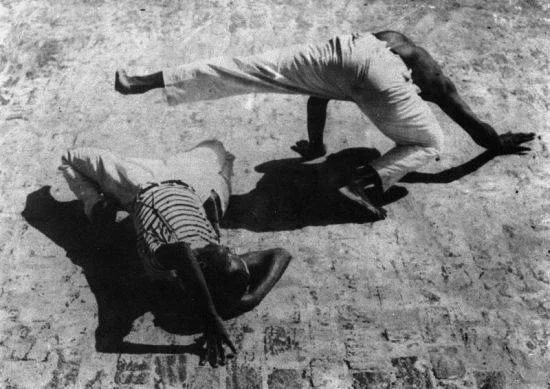


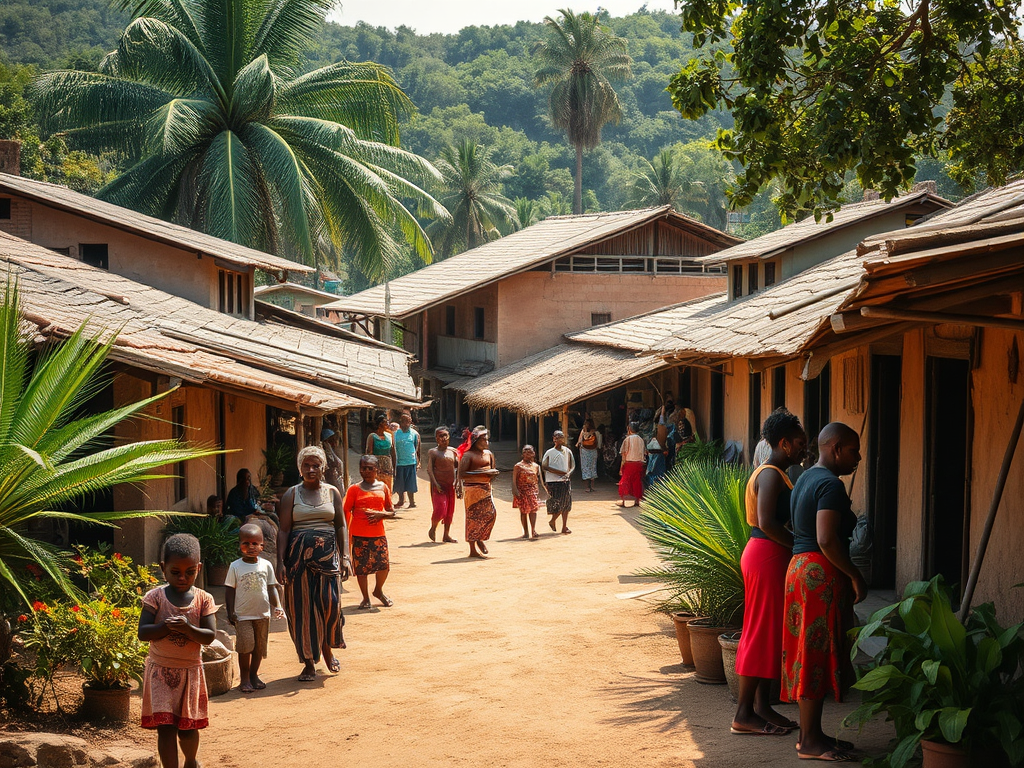
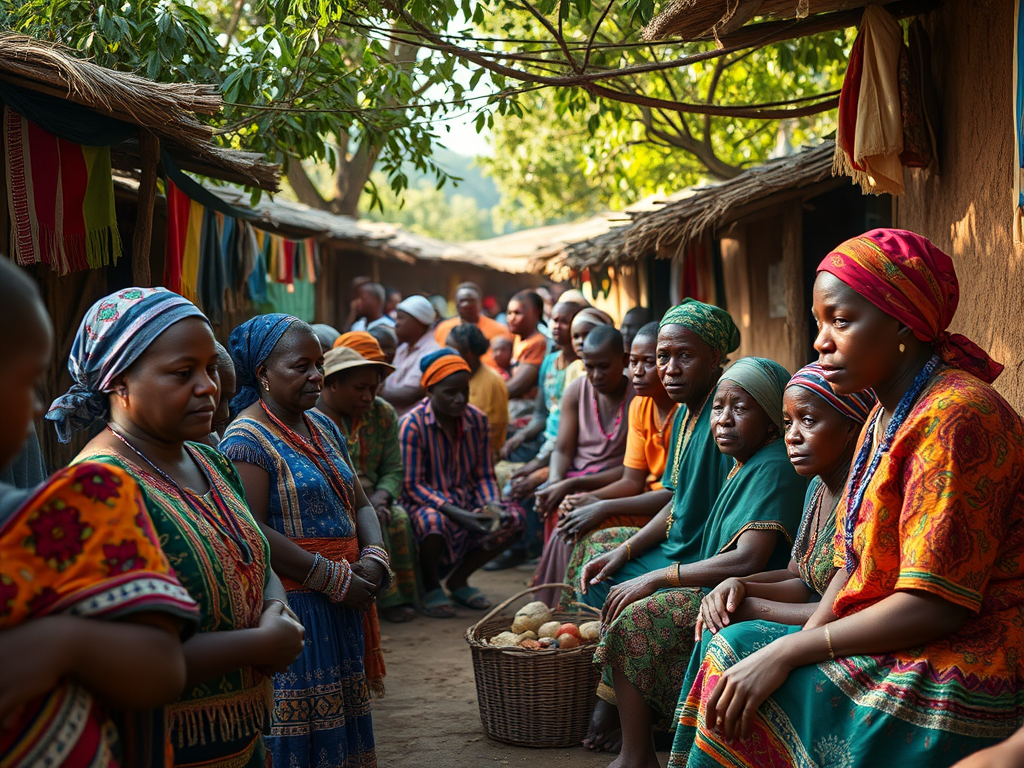

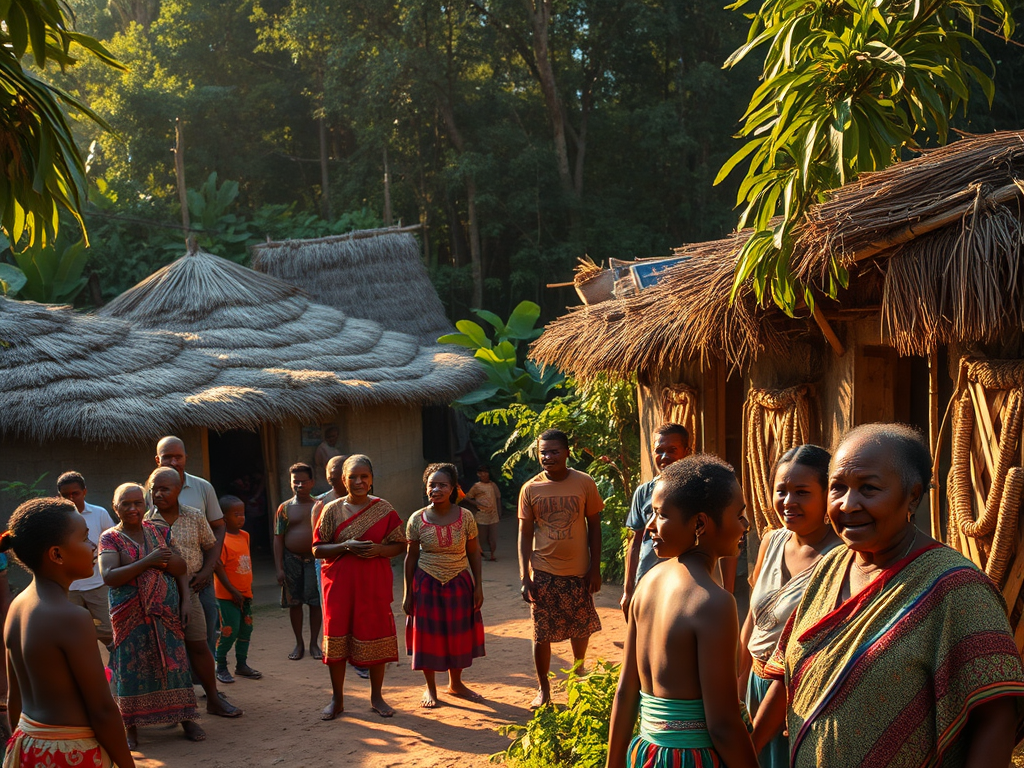

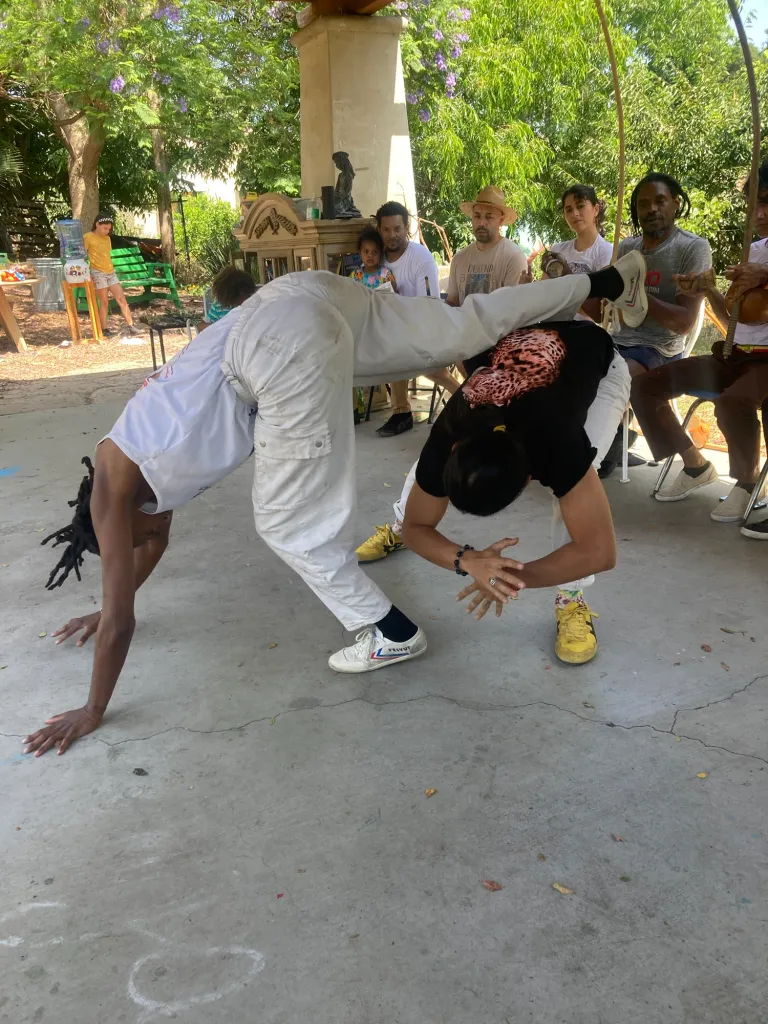
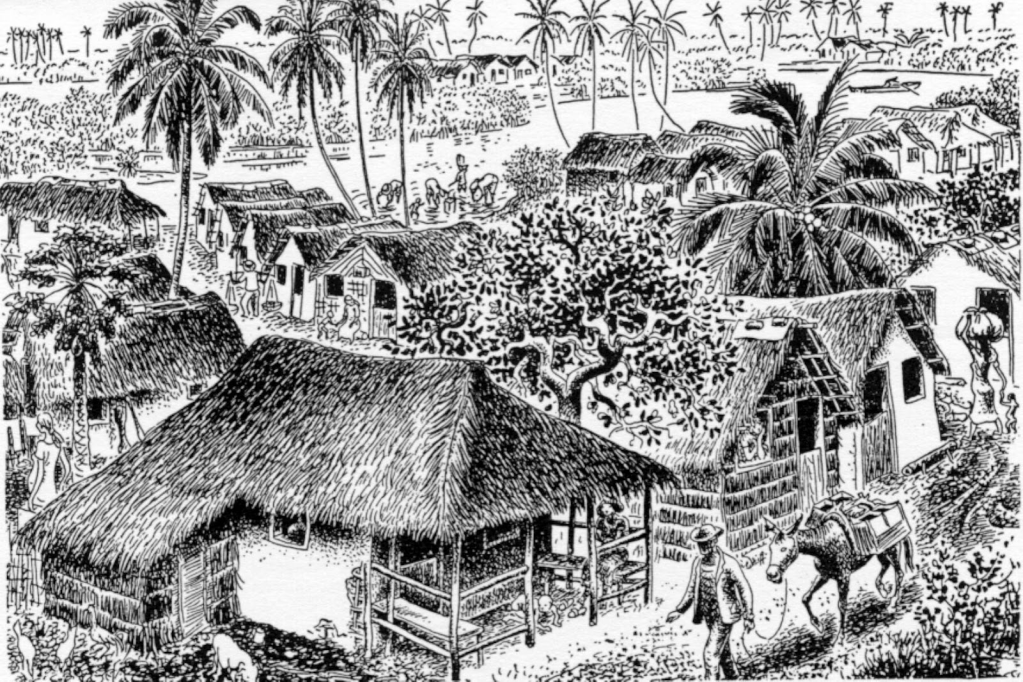
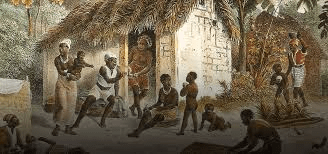
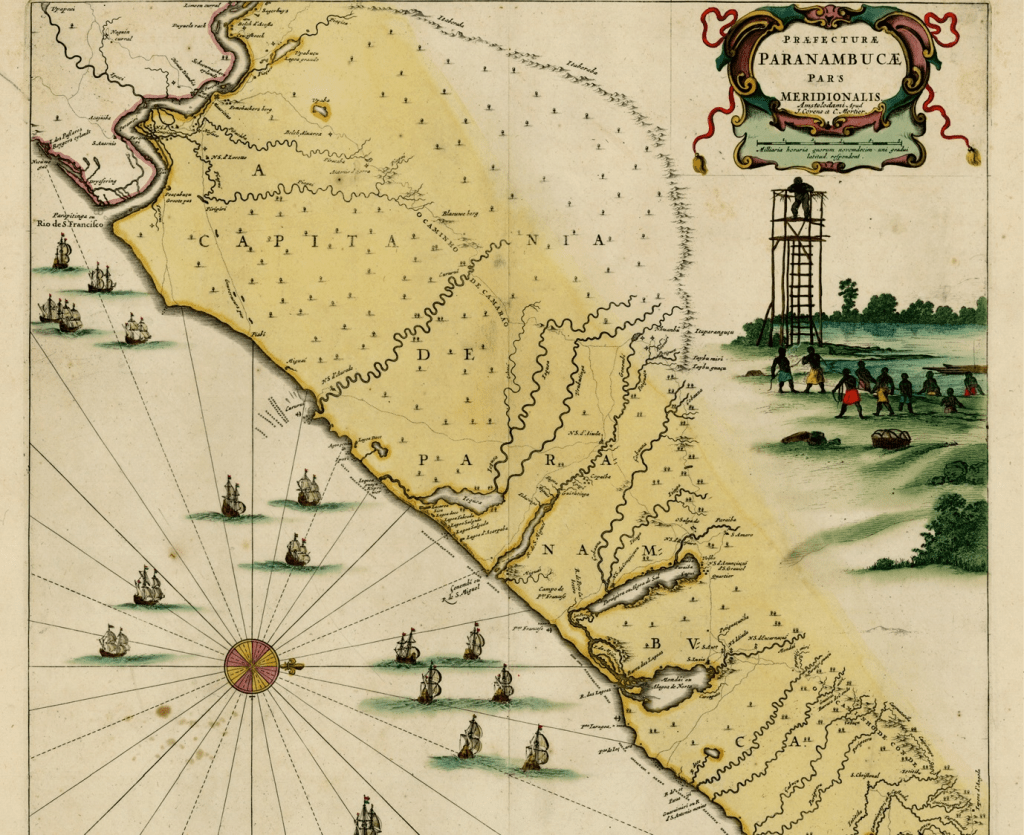
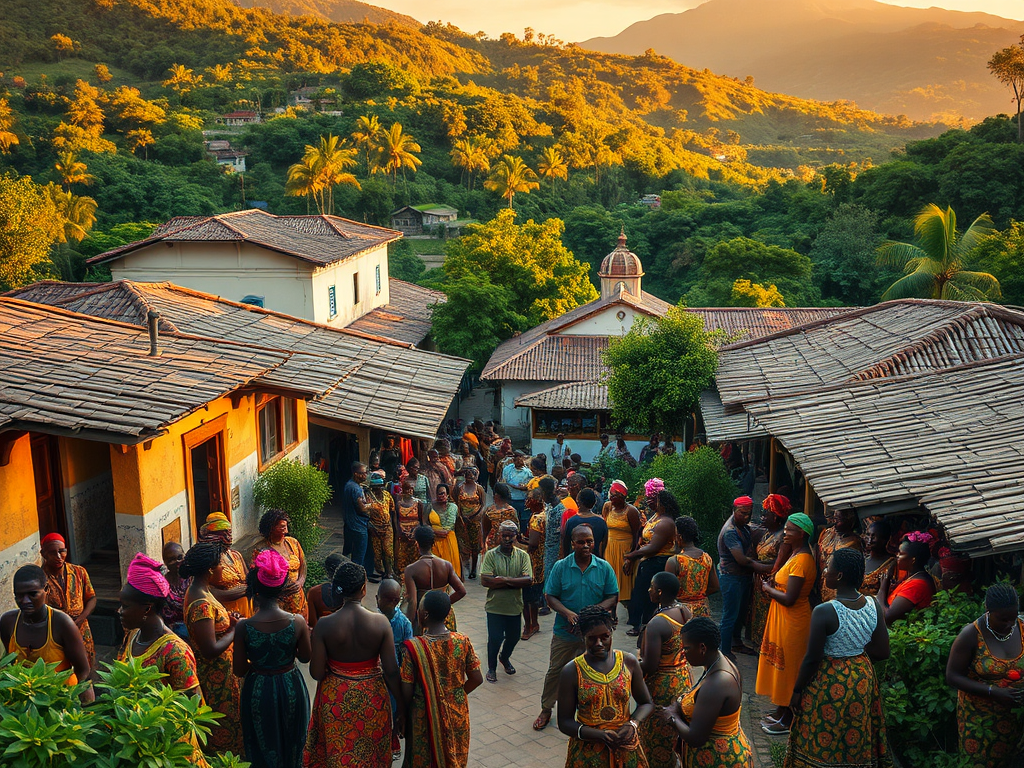

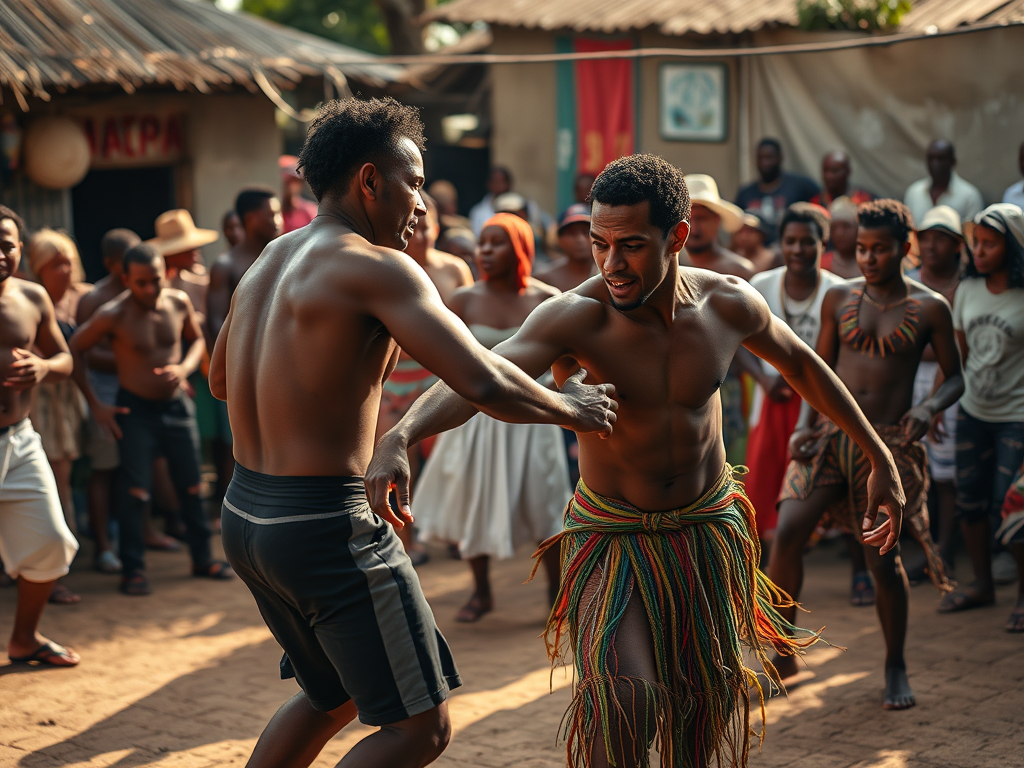
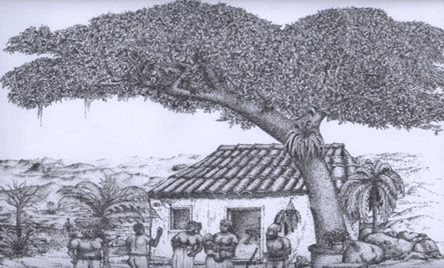
 Jogo Corpo Fechado