This Capoeira Angola documentary “O pulo do gato” explores the rich traditions and cultural significance of this captivating Afro-Brazilian martial art form, delving into its historical roots and the philosophies that underpin its practice.
Through the vibrant footage of authentic Capoeira performances, viewers are transported into the heart of the Capoeira community, gaining insight into the deep sense of identity and resilience that this art fosters among its students. As the rhythm of the music intertwines with the graceful movements of the practitioners, it becomes evident how deeply rooted Capoeira is in cultural heritage, allowing participants to not only express themselves physically but also to connect with their ancestry. The energy of the Capoeira circle, or “roda,” reveals a communal spirit where collaboration and respect are paramount, highlighting the shared journey of each individual. Furthermore, the intricate blend of martial arts, dance, and music not only serves as a form of self-defense but also as a powerful vehicle for personal growth and confidence-building, which transcends the barriers of language and geography, uniting practitioners from diverse backgrounds in a celebration of life and artistry.
Este é um documentário abrangente sobre a vibrante cidade de Salvador, focando especificamente nas semanas animadas do Carnaval de 1974, uma época em que as ruas explodiam em música, cor e expressão cultural. O filme é inspirado no livro homônimo do renomado autor brasileiro Jorge Amado, mostrando a rica história e tradições da cidade durante este período festivo. Através de entrevistas com os moradores, filmes de arquivo e narrativas cativantes, o documentário busca capturar a essência de Salvador, destacando a importância do Carnaval não apenas como uma celebração, mas também como um reflexo da herança diversa e do espírito comunitário da cidade.
(This is a comprehensive documentary about the vibrant city of Salvador, focusing specifically on the lively weeks of the Carnival in 1974, a time when the streets burst with music, color, and cultural expression. The film draws inspiration from the eponymous book by the renowned Brazilian author Jorge Amado, showcasing the rich history and traditions of the city during this festive period. Through interviews with locals, archival footage, and captivating narratives, the documentary aims to capture the essence of Salvador, highlighting the significance of Carnival not only as a celebration but also as a reflection of the city’s diverse heritage and community spirit.)
(Synopsis: Written in 1944, Bahia de Todos os Santos is a narrative about the city of Salvador published the following year. A song of praise to the city of Bahia, the book avoids the picturesque nature of tourist guides. It reviews the beauty and qualities of the capital of Bahia and also addresses its missions and pains. Jorge Amado composes here a guide to the streets and the mysteries of São Salvador da Bahia de Todos os Santos, the city of Bahia, “black by excellence,” founded in 1549. The author describes the working-class and noble neighborhoods, the fairs and markets, the countless hills and streets of the city, and especially the mythical characters of the city of São Salvador. The adaptation of Jorge Amado’s work for the 1970s faced difficulty in finding the new characters from the candomblé rhythms, the masters of the saveiros, the Mães de Santo from the terreiros, the artisans of Mercado Modelo, and the tricksters from Baixa dos Sapateiros. The writer recommends that one should not try to decipher the secrets of the city, as its mysteries completely involve the body, soul, and heart of the Bahian people. But the characters were there! We found Mário Cravo, Gilberto Gil, Mestre Pastinha, Mestre Waldemar, and during Carnival, the Trio Elétrico of Dodô and Osmar, and even the captains of Areia from the new times.)
Bahia de todos os santos Bahia dos orixás Bahia de menininha Menininha do gantois
Bahia dos angoleiros Bahia dos regional Bahia dos angoleiros No mercado popular
Bahia de João Pequeno Bahia de Curió Bahia de Boca Rica Mestre Lua de Bobó
All Saint’s Bahia The Orixás Bahia Little girl’s Bahia Little girl of the gantois
The angoleiros’ Bahia The regional’s Bahia The angoleiro’s Bahia At the public market
João Pequeno’s Bahia Curió’s Bahia Boca Rica’s Bahia Mestre Lua de Bobó’s Bahia
Welcome to the Self Defense series, where we talk about it. The subject of Self-defense is very important, as it not only empowers individuals but also enhances their awareness of personal safety. In today’s world, being equipped with the knowledge and skills to protect oneself is essential, given the increasing concerns regarding safety in various environments. We will explore different techniques, strategies, and the mental aspects of self-defense, aiming to provide you with valuable insights that can be applied in real-life situations. Join us as we delve deeper into this vital topic, ensuring you feel confident and prepared to face any potential challenges.
Knife defense. Yes, we’re revisiting this topic because it holds significant relevance in today’s world. With incidents of knife attacks unfortunately becoming more common, understanding the techniques and strategies for self-defense is extremely important. Everyone should be equipped with the knowledge to protect themselves and their loved ones in potentially dangerous situations. Proper training can enhance awareness, improve reflexes, and provide the mental fortitude needed to react effectively under pressure. Additionally, exploring various defensive maneuvers and the psychology behind confrontations can empower individuals to respond wisely and safely.
I posted some videos to serve as resources for practical skills to handle a knife attack, covering self-defense techniques, situational awareness, and escape methods. By practicing these skills, you can enhance your confidence and preparedness for dangerous encounters, and I encourage sharing these resources with others to promote community safety awareness.
In this 1st video, special forces instructor Paulo GN Rubio of FUNKER TACTICAL, in a moment of reckless aggression, attempted to stab a United States Marine and 20-year Law Enforcement Officer with full intent and energy, wielding the knife like it was an extension of his own being. No warning! This was an impulsive action carried out with alarming fervor, full of intention and power! Each movement was raw, unrefined, and dangerously unrehearsed. Did he survive the attack? Watch and see as the events unfold!
After enduring this harrowing and humbling experience, he left Paul with 20 invaluable life-saving lessons about the complex nature of knife defense. It never looks as pretty as some would have you believe; the reality is often gritty and chaotic. Here is a no-nonsense approach to dealing with a bladed opponent, emphasizing the importance of preparation, awareness, and the mental fortitude required to endure such encounters.
These life-saving lesions are listed below:
DO NOT COLLECT FANCY TECHNIQUES!
SIMPLIFY KNIFE ATTACKS AS ABOVE OR BELOW 90 DEGREE ANGLES.
INCORPORATE “CONSEQUENCES” IN YOUR KNIFE TRAINING.
IN A FIGHT, EXPECT THAT YOU’RE GONNA GET HURT SOMEHOW.
GROSS MOTOR MOVEMENTS OVER FINE MOTOR MOVEMENTS.
BOTH THUMBS DOWN, CREATES INCIDENTAL DEFENSE FROM FOREARMS.
TECHNIQUES FAIL, FOCUS ON PRINCIPLES & KEEP GOING!
PUSHING FORWARD PREVENTS RECOIL AND RE-STAB!
WHAT IFS EXIST ONLY IN DEMOS. THEY DISAPPEAR WITH LIVE ENERGY.
FIGHTS MOVE, WE MOVE. REMEMBER THIS!
REMEMBER, YOU’RE GONNA GET CUT!
JUJITSU PRINCIPLE: STAY TIGHT!
IT’S NOT EASY TO SWITCH KNIFE HANDS! I’S JUST NOT.
SUPPORT HANDS KEEP WORKING! STRIKE OR ENFORCE CONTROL.
PROTECT YOUR VITALS.
RUN AWAY OR CRASH IN! ALL IN OR ALL OUT.
ISOLATE SOMETHING SMALL WITH SOMETHING BIG.
IMPACT WITH INTENT & AGGRESSION AT EVERY OPPORTUNITY.
USE ALL AVAILABLE TOOLS TO END THE FIGHT.
If you appreciated this free lesson, please say thanks to Sal by clicking on his Instagram account and giving him a follow. It means a lot to him to see support from learners like you, and by following his account, you’ll gain access to more valuable insights and resources that can enhance your knowledge even further. Here it is: / ido_consulting
Now in this 2nd video, Paulo Rubio is himself being interviewed by Jesse Enkamp, aka THE KARATE NERD, as he shares some of his extensive experience and knowledge about this subject.
He emphasizes what truly works in self-defense scenarios and, just as importantly, what doesn’t work, helping you to avoid common pitfalls that many individuals face when confronted with threatening situations. By providing clear demonstrations, the training allows you to understand not only the actions to take but also the mindset needed for effective self-defense.
Thanks to FMJ Shooting Range, a hub for firearms training and self-defense courses: https://www.fmjskytte.se/english/, you have the opportunity to train in a supportive environment that prioritizes real-world self-defense. Train with Paulo GN Rubio: https://www.trainwithgn.com/, where you can refine your skills further and gain confidence in your ability to respond effectively in high-stress situations. Reinforce your knowledge through hands-on experience, supported by expert insights and drills that prepare you for the realities of knife encounters.
Knives, as well as other weapons, have been developed and used extensively by Capoeiristas for centuries, playing a significant role in various combat styles and self-defense techniques within the practice.
Although they may have fallen out of use in recent years due to the modern emphasis on unarmed techniques, some schools still place a strong focus on developing and refining these skills. The integration of weapon training not only enhances a practitioner’s overall proficiency but also helps them understand the principles of movement, timing, and distance in a more comprehensive way. Moreover, this traditional aspect of Capoeira helps preserve the cultural heritage and history associated with the art, ensuring that future generations remain connected to its rich legacy.
Knife defense is more than just the simplistic notions of “run away” or “expect to get cut”; it involves a comprehensive understanding of situational awareness, risk assessment, and techniques to either de-escalate a confrontation or effectively protect oneself should an attack occur. It requires training in recognizing potential threats before they escalate, as well as developing reflexes and strategies to respond swiftly and efficiently to an assailant’s movements.
Furthermore, awareness of the environment, the use of improvised barriers, and maintaining a calm demeanor play crucial roles in surviving such confrontations, making knife defense a multifaceted discipline that goes well beyond mere survival instincts. It involves a deep understanding of the surroundings, allowing individuals to identify potential escape routes and obstacles that can be utilized to their advantage. Additionally, the ability to create improvised barriers—from everyday objects like chairs to more substantial obstacles—can provide essential protection during a potentially life-threatening encounter. Coupled with this, cultivating a calm demeanor can significantly enhance one’s decision-making process, enabling the individual to react with clarity instead of panic, ultimately transforming a desperate situation into a more manageable challenge. It is this blend of mental preparedness, environmental awareness, and tactical response that elevates knife defense into an art form, requiring both psychological fortitude and physical dexterity.
Well, the impact of Trump’s second presidency, I believe, is a clear and present threat to all of us, as it undermines the very foundations of democracy and civil liberties that we hold dear. This alarming rise of authoritarianism not only endangers the diverse fabric of our society but also promotes an atmosphere of fear and division among communities.
However, I’m a Capoeirista, and historically, the Capoeirista has always not only survived, but THRIVED no matter how oppressive the system of government in place. This resilience can be traced back to the heart of Brazil’s colonial past, where enslaved Africans, stripped of their freedom and dignity, ingeniously adapted their traditions and cultures into a unique form of expression and resistance. Through the art of capoeira, they forged a powerful connection not only among themselves but also created a legacy that would inspire future generations to stand against injustice and fight for their freedom.
Capoeira became more than just a means of combat; it evolved into a symbol of cultural identity, unity, and an indomitable spirit that resonated with those who practiced it. This vibrant tradition of ours has allowed practitioners to navigate through adversity while celebrating their heritage, fostering community and solidarity in the face of oppression, and advocating for our rights in a challenging world. To this day, it serves as a testament to their enduring strength, turning pain into power and transforming struggle into a profound expression of joy and resilience.
One thing is certain. With democratic institutions weakening and the voices of dissent being stifled, we must remain vigilant, united, and proactive in safeguarding our rights. This involves not only standing up for our beliefs in the face of oppression but also fostering an environment where open dialogue and diverse perspectives are encouraged and respected. By actively participating in civic duties, such as voting and community organizing, we can reclaim our agency and influence the trajectory of our society.
It is our collective responsibility to educate ourselves and others about the importance of democracy, and to challenge any attempts to undermine it, Ensuring that future generations inherit a society where freedom and justice prevail requires our unwavering commitment and continuous effort to champion equality, inclusivity, and accountability in all spheres of public life.
“There are not more than five musical notes, yet the combinations of these five give rise to more melodies than can ever be heard. There are not more than five primary colours, yet in combination, they produce more hues than can ever been seen. There are not more than five cardinal tastes, yet combinations of them yield more flavours than can ever be tasted.” ― Sun Tzu, The Art of War“
Capoeira Angola is a defensive martial art known for its intricate trap-like defenses designed to catch opponents off guard. It encompasses 8 basic defenses, each with unique unexpected attacks and counter attacks based on the opponent’s positioning. Mastery of these movements enables capoeiristas to defend against individuals carrying various weapons, including sticks, clubs, knives, and potentially even firearms with the appropriate skills.
And one of those movements is the AU.
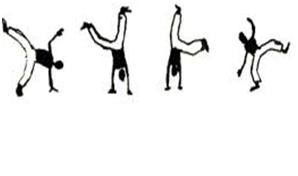
The Aú (Pronounced “a-oo”), is capoeira’s answer to the cartwheel. However, In capoeira the cartwheel is done differently than a cartwheel in gymnastics.
An aú is a fundamental movement in capoeira that is not only performed slowly with bent arms and legs to maintain a low profile but also embodies the essence of fluidity and grace inherent in this martial art. First, in capoeira, a person must be able to see their opponent at all times. So instead of looking at the ground, a capoeirista must look forward or at his/her opponent while doing au. Also, players can pause in a handstand position, which adds an element of creativity and surprise to their practice while simultaneously being acutely aware of potential attacks from their opponents.
Emphasis is placed on observing the other player closely to respond quickly to threats, honing both reflexes and strategic thinking. Although primarily for mobility and evasion, there are numerous variations of the aú that allow for unpredictable strikes and dynamic movements, showcasing agility and adaptability in the heat of action. This versatility makes the aú a vital skill for capoeiristas, serving as a bridge between defense and offense. The aú symbolizes both a tactical maneuver and artistic expression, reflecting capoeira’s dual nature as a combat sport and cultural dance, where each movement tells a story and every encounter is a dance of life, where rhythm, timing, and respect intertwine in a beautiful display of human connection and athletic prowess.
The 2 most used variations of the Au are the open Au, and the closed Au.
Open cartwheel (Aú aberto)
In this Au, the free arm arcs gracefully over the head in the direction of motion, creating a sense of fluidity in the movement. The leg extended furthest leaves the ground first, kicking off to provide essential momentum that aids in the execution of the skill. As the action unfolds, the reaching hand extends toward the far side, aiming to enhance balance and control, while bending the elbows provides necessary support for weight distribution as both legs extend over the body in a poised manner. While inverted, the body should be fully extended and streamlined to maximize stability and reduce drag. One foot touches the ground gently first, followed by the other, with the arms lifted purposefully for protection once they no longer support weight, ensuring a safe and graceful transition back to a stable position. This intricate sequence not only showcases strength and flexibility but also emphasizes the importance of timing and coordination in achieving a smooth and elegant maneuver.
Closed cartwheel (Aú fechado)
In this au, the free arm moves gracefully over the head, highlighting fluidity, while the leg furthest from the body initiates movement, providing momentum for a seamless transition across the dance floor. This movement is not merely mechanical; it embodies an artistic expression, where each motion tells a story of strength and grace. The reaching hand stabilizes the movement, enhancing balance, as bent arms support the body’s weight while the legs pass over, creating a visual synergy that captivates the audience. Meanwhile, the core engages, ensuring that the body remains closed and protected during the maneuver, with one foot touching the ground first, followed smoothly by the other. This careful choreography culminates in a display of strength and agility, leaving onlookers in awe as the performer glides effortlessly, embodying the perfect harmony between power and elegance.
Of course, there are many other variations to discover and explore, which you can read more about by clicking HERE. These variations not only enhance your understanding of the subject but also invite you to delve into different perspectives and techniques that you may not be familiar with. Each variation offers unique insights and applications that can enrich your knowledge base, making your learning experience more comprehensive and enjoyable. Whether you are a beginner or someone with more experience, understanding these alternatives will greatly benefit your journey.
Just saw this short documentary and I had to post it… I might have posted it before, but in case I didn’t… well, here it is. In case I did, well.. Here it is again.
This is a small documentary excerpt from a workshop that Master Cobra Mansa held at Towson University in May 2012. This short film not only highlights the life of Master Cobra, a beloved figure in the Capoeira community, but it also delves into the rich history and cultural significance of Capoeira itself. Viewers will gain insight into the Black Resistance Movement, which forged pathways for empowerment and resilience among marginalized communities, as well as the foundational principles of Kilombo Tenode, a concept that embodies Pre-maculture practices within Capoeira Angola.
This captivating documentary skillfully captures the essence of interconnected themes through a series of engaging interviews, vibrant demonstrations, and rich storytelling, inviting audiences from all walks of life to reflect deeply on the remarkable and enduring legacy of Master Cobra’s teachings and their profound impact on individuals and communities alike. Through its meticulously curated visuals and narratives, the film not only highlights the transformative power of Master Cobra’s philosophy but also explores how these teachings have transcended generations, fostering a sense of unity and purpose. Audience members are encouraged to embark on a personal journey of introspection, as they witness firsthand the inspiring stories of those who have embraced these teachings, ultimately showcasing the universal truths that bind us together in our shared human experience.
Shout out to YouTube channel Movimento Popular Da Capoeira for uploading this informative and engaging video that showcases the beauty and richness of Capoeira, a Brazilian martial art that combines elements of dance, acrobatics, and music. Their dedication to promoting this cultural heritage is truly commendable. If you’re interested in exploring more about Capoeira and its vibrant community, you can click HERE to go to their channel, where you’ll find a treasure trove of content that not only highlights the techniques and history of the art but also features interviews with practitioners and learners alike, making it a fantastic resource for both enthusiasts and newcomers.
“There are not more than five musical notes, yet the combinations of these five give rise to more melodies than can ever be heard. There are not more than five primary colours, yet in combination, they produce more hues than can ever been seen. There are not more than five cardinal tastes, yet combinations of them yield more flavours than can ever be tasted.” ― Sun Tzu, The Art of War“
Capoeira Angola is a defensive martial art known for its intricate trap-like defenses designed to catch opponents off guard. It encompasses 8 basic defenses, each with unique unexpected attacks and counter attacks based on the opponent’s positioning. Mastery of these movements enables capoeiristas to defend against individuals carrying various weapons, including sticks, clubs, knives, and potentially even firearms with the appropriate skills.
In this installment, I will introduce you to another fundamental technique and concept of Capoeira… The Esquiva.
The Esquiva are integral to the game of capoeira. Not only do they serve to avoid kicks, but they also help set up attacks and allow for fluid movement around the roda.
In fact, mastering the esquiva is crucial for any capoeirista, as it provides both defensive and offensive benefits. Capoeira as a martial art depends on constant movement; thus, when you esquiva, you are not merely dodging an incoming strike, but also creating opportunities for counterattacks.
This dynamic motion enables practitioners to navigate the roda with grace and agility, enhancing their overall strategy in not just evasion, but in engaging with opponents effectively. The interplay of dodging and moving becomes a dance, reflecting the rhythm and energy of capoeira, where every movement is a conversation between the players, a dialogue of skill and intention. Each esquiva not only serves a defensive purpose but also invites opportunities for counterattacks and creative expressions of style, making it vital in maintaining one’s presence in the game. This intricate ballet of motion empowers the capoeirista to adapt and respond, ensuring that they remain fluid and unpredictable while also embodying the rich cultural heritage that capoeira represents, thus making each esquiva an essential component in the art of self-defense and expression.