I woke up, and this video popped up on my feed, and I knew I had to share this with you.
Rather than posting up some limited commentary, I’ve decided to just post the original YouTube description:
From a grainy 1954 filmstrip to the sharp wit of animated satire, from verses spoken in dim-lit poetry lounges to the piercing honesty of hip hop and candid interviews — this is the story of an unbroken thread.
Selling to the Negro. The Boondocks. Kanye West on Def Poetry Jam. Jay-Z’s The Story of O.J. Tupac Shakur speaking truth in 1992 about greed, power, and the American dream.
Across seventy years, these moments echo each other — each one revealing how race, wealth, identity, and image are braided into the fabric of America’s imagination. We see how ads once courted Black consumers with a smile, how satire stripped fame to its bones, how music and poetry wrestled with the cost of success, and how artists have fought — and sometimes surrendered — to the very systems they question.
This isn’t just history. It’s the same story retold in different tongues, from the polished pitch of Madison Avenue to the raw beats of the block.
The past and present stand face to face here, leaving us with one lingering question: has anything truly changed?
You know what’s really scary? Some of the things that was taught in that old film about negro spending habits are some of the same things my mother would teach me about buying things.
Last Friday morning (5/30/25), I arrived in Oakland for the long-awaited 10th anniversary celebration of Grupo No balanco D’Angola, a prestigious Capoeira Angola group that has made significant contributions to the community, which I previously wrote about in detail (Click HERE). The atmosphere was charged with anticipation as friends, families, and Capoeira enthusiasts gathered to honor a decade of dedication to this unique art form. The weekend was filled with excitement and learning, featuring a series of fascinating workshops led by the renowned Mestre Moraes and his talented student Mestre Kenji, who hails from Japan. Master Moraes’s deep knowledge and passion for Capoeira Angola shone through as he expertly guided us through various drills and practices. These workshops focused on fundamental movements, intricate techniques, principles, and the essential music of Capoeira Angola, immersing participants in the rich cultural heritage of this beautiful art form. As we practiced, the energy of the group soared, fostering a spirit of camaraderie that transcended borders and backgrounds. On the last day, there was a roda and a barbecue in the host Sergio’s backyard, where laughter and celebration echoed, allowing all to connect, share stories, and reflect on their journey within the world of Capoeira. The warmth of the community and the joy of movement created lasting memories that would resonate long after the event concluded.
Hence, this blog post.
A highlight of the event was undoubtedly Mestre Moraes taking the time to share his personal insights about his transformative journey in Capoeira, including anecdotes that resonate deeply with both seasoned practitioners and novices alike. He emphasized what it truly means to be a dedicated and authentic angoleiro, offering wisdom that is both inspiring and enlightening for everyone involved. Additionally, the sense of community and camaraderie that blossomed throughout the weekend made the experience even more memorable and impactful for all who attended.
And it’s always great to see some of the Capoeira Angola fam from SoCal…
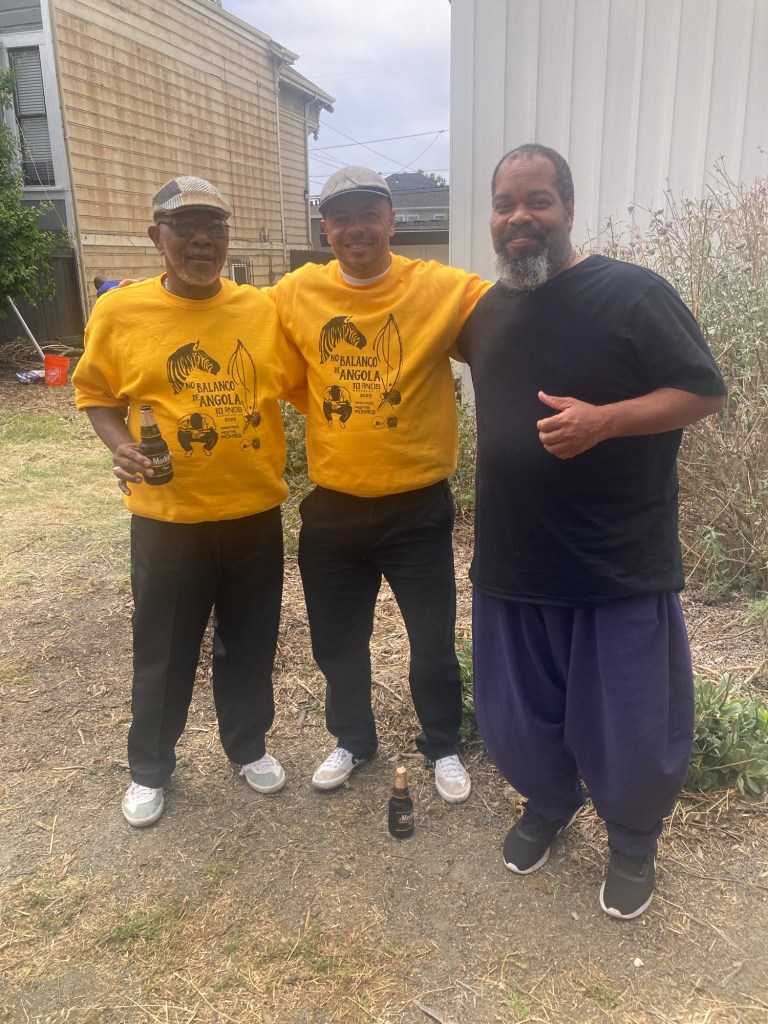
In case you’re wondering, the guy next to me is Brian Shields, a dedicated student of Capoeira Angola with Ngolo Preto Velho, based in the San Bernadino area.
You’re not gonna see pictures or videos of this event on this blog, basically because I went there to celebrate and to LEARN, not for some photo ops. However, I will show you some photos of the individuals below.
Of course, the man to the far left in this picture needs no introduction, but I’m gonna do it anyway.
MESTRE MORAES, who began training in Capoeira de Angola at age 7, founded Grupo Capoeira Angola Pelourinho (GCAP) in 1980 to preserve traditional teachings and return to capoeira’s philosophical and African roots, particularly from Angola. He aimed to create a space free from commercial influences, honoring his mentors’ legacy while preserving capoeira’s authenticity. GCAP serves as a guardian of capoeira’s history and as a platform for education and cultural exchange, promoting understanding among practitioners through workshops and community events, thereby reinforcing cultural identity in a changing world.
Yes the video is in Portuguese, but like I always say, if you’re in Capoeira and you don’t know Portuguese, then you should learn.
The man between me and Mestre Moraes is Contra Mestre Sergio Bittencort Ferreira, founder of Grupo No Balanco D’Angola and main host of the event. He grew up in Belo Horizonte, a city rich in culture and tradition, where he began practicing Capoeira Angola with GCAP at a young age. His early experiences in this vibrant environment ignited a deep passion for the art form, and he quickly became an accomplished capoeirista. Over the years, he has dedicated himself to not only mastering the techniques of Capoeira Angola but also to preserving its rich history and cultural significance. Through his teaching, he aims to inspire the next generation and ensure that the traditional elements of Capoeira Angola are transmitted and appreciated by all, thus fostering a vibrant legacy that celebrates its roots while embracing the future.
Here he is in action:
Now, the man standing next to me is Kenji Shibata, known as MESTRE KENJI.
He has dedicated over 20 years to promoting Capoeira angola in Japan through GCAP. His commitment to the art includes not only mastering its skills but also teaching and nurturing new practitioners, instilling values of discipline, respect, and community. He actively organizes workshops and cultural events that enhance understanding of Capoeira angola, bridging cultural gaps and ensuring its traditions are preserved. Kenji inspires students to embrace Capoeira as a means of personal growth, creating a supportive environment that fosters self-expression and cultural pride.
Now, my weekend cannot be complete by talking about this man here with me, Daniel Mattar, a very skilled Angoleiro, totally dedicated to Capoeira Angola, not to mention a great father and gentleman. His passion for Capoeira Angola is truly inspiring; it’s evident in the way he moves, blending agility and grace with resilience and strength.
Once again, I wish I knew more about his story in Capoeira Angola. I’m not even sure of what title he holds (I think it’s treinel, but I could be wrong). Man, I gotta learn to start interviewing people.
However, I do know that he hails from the vibrant city of Rio de Janeiro, a hub of cultural richness and diversity. Before he joined the respected Grupo No Balanco D’Angola, he was with the renowned Group Fundacao Internacional Capoeira Angola (FICA for short), where he honed his skills and embraced the deep philosophical roots of this beautiful art form. Daniel’s journey not only embodies the essence of Capoeira but also reflects his commitment to nurturing the next generation, as he often shares his knowledge and experiences with young practitioners, instilling in them the same love and respect for the traditions of Capoeira Angola that he holds dear.
Before I left Oakland to come back home, I took a moment to pay my respects to MESTRE THEMBA and the good people at Grupo Ngolo Preto Velho, who have also played significant roles in my journey and the community I cherish. Their wisdom and guidance have been invaluable, and visiting them always fills me with a sense of peace and gratitude.
What you’re seeing below is the sun rising in the early morning, casting a beautiful golden hue across the sky at Union Station in Downtown Los Angeles, an hour and a half before I made it home. The quiet of the early morning blended seamlessly with the hustle and bustle that awaited as the city began to wake, reminding me of the contrasting energies that exist in life.
Once again, I want to extend my heartfelt gratitude to Mestres Moraes and Kenji, CM Sergio, Alma (HAPPY BIRTHDAY TO THE BOTH OF YOU!!!), Daniel, Kofi, Jeff, and all of you at Grupo No Balanco D’Angola for all of the love and camaraderie you’ve shown us guests. Your warm hospitality has truly made our experience unforgettable, allowing us to feel like part of your vibrant community.
The passion you have for capoeira Angola is palpable and inspiring, igniting a shared enthusiasm that resonates deeply within all of us. It’s in the smiles we exchanged during practice, and the incredible connections we’ve made that showcase the essence of what you embody as a group. We deeply appreciate the dedication and effort you put into nurturing both your craft and your visitors, creating an atmosphere where everyone feels welcome and valued. Thank you for making our time together so enriching and memorable; we look forward to many more moments shared in the spirit of capoeira.
Axe!
Oh, and one more thing. Thank you Sergio for the beautiful event shirt:
Well it was beautiful until it took a 8 hour bus ride in my luggage. And I promise I’ll be wearing it in STYLE one day… After I lose some weight.
The Nottoway Plantation fire has righteous people celebrating the destruction of a symbol of oppression, while the white media wants us to mourn this as some “loss of history.” Instead of honoring a place that has long represented the painful legacy of slavery and exploitation, many individuals are choosing to see this event as a necessary step toward healing and embracing a future free from the chains of the past.
Well, the professor decided to post this story to refute that lie, highlighting the importance of recognizing the true history behind such locations and advocating for the voices of those who suffered rather than the preservation of a problematic narrative that only serves to glorify the oppressors. This act of storytelling not only seeks to correct misconceptions but also to honor the memories of those whose experiences have often been overlooked in mainstream historical accounts. By shedding light on this issue, the professor aims to provoke critical conversations about history, heritage, and the ongoing struggle for justice and equality, urging others to engage in dialogue that challenges established narratives and fosters a deeper understanding of the complexities of our past.
The professor believes that by confronting uncomfortable truths, we can begin to heal and work towards a more equitable future, where all stories are told, and all voices are heard. This commitment to historical integrity serves as a powerful reminder of our collective responsibility to ensure that the lessons of the past inform our actions in the present and future.
Shoutout to Professor BLACK TRUTH for his engaging stories that connect with diverse audiences. His narrative style offers thought-provoking insights, challenging conventional thinking and sparking meaningful discussions. Check out his channel HERE for critical analyses on various pressing issues that broaden understanding and promote reflection.
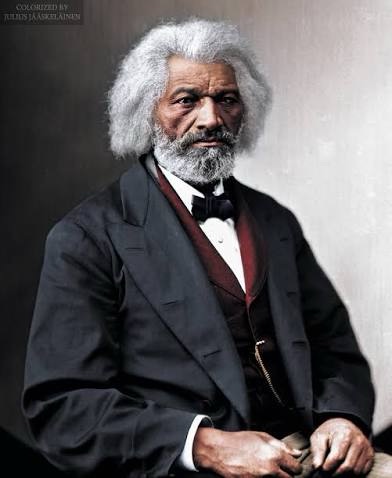
I am glad to know that the story of your eventful life has been written by a kind lady, and that the same is soon to be published. You ask for what you do not need when you call upon me for a word of commendation. I need such words from you far more than you can need them from me, especially where your superior labors and devotion to the cause of the lately enslaved of our land are known as I know them.
The difference between us is very marked. Most that I have done and suffered in the service of our cause has been in public, and I have received much encouragement at every step of the way. You, on the other hand, have labored in a private way. I have wrought in the day – you in the night. I have had the applause of the crowd and the satisfaction that comes of being approved by the multitude, while the most that you have done has been witnessed by a few trembling, scarred, and foot-sore bondmen and women, whom you have led out of the house of bondage, and whose heartfelt, “God bless you,” has been your only reward.
The midnight sky and the silent stars have been the witnesses of your devotion to freedom and of your heroism. Excepting John Brown – of sacred memory – I know of no one who has willingly encountered more perils and hardships to serve our enslaved people than you have. Much that you have done would seem improbable to those who do not know you as I know you. It is to me a great pleasure and a great privilege to bear testimony for your character and your works, and to say to those to whom you may come, that I regard you in every way truthful and trustworthy.
This series examines the modern malandro in contemporary society, showcasing their resourcefulness, charm, and adaptability as they navigate urban life while evading deception and addressing issues like economic disparities and social justice. While linked to Capoeira, the individuals featured are diverse and possess unique stories. The series highlights their resilience and clever tactics, celebrating their ingenuity and spirit, while inviting readers to engage with their lives to gain insight into navigating the complexities of contemporary urban environments.
In today’s installment…
Okay, I realize this is a scene from the movie Zombie land, and not a real person… But this is how a MALANDRO operates. The gas station attendant, with a sly smile, thought he would get away with pocketing $3000 for the seemingly mundane transaction, completely underestimating the situational awareness of those around him. So the $400 he gave to the little girl was nothing more than a minimal sacrifice, a mere distraction to keep her quiet and compliant. It showcased the lengths to which he would go to secure his gain, reflecting a calculated mindset often seen in the most cunning of swindlers. The best cons not only deceive but also make the victim want to participate, creating a web of manipulation that entices their targets to willingly engage in the deception. This creates a false sense of partnership, leaving the victim oblivious to the true motives at play, often resulting in their own misfortune.
Like I said, this series was created to show scams like these, so hopefully, you don’t fall for them. By shedding light on the tactics and strategies employed by scammers, we aim to empower viewers with the knowledge they need to recognize and avoid becoming victims. Through real-life examples and expert insights, we hope to raise awareness and promote vigilance in our audience, ensuring they can navigate the complexities of today’s digital landscape with confidence. Remember, staying informed is your best defense against these deceitful schemes.
I know I cover the definition of a Malandro on one of the permament PAGES, but I want to go over it again, to clarify what this series is about.
What is a Malandro? In Capoeira circles, there is a lot of things said about what a malandro is, representing a unique cultural archetype that embodies a blend of cunning, charm, and grace. The malandro is often seen as a trickster, one who navigates through both the complexities of life and the movements within the Capoeira game with a certain finesse that captivates those around them. This character is more than just a performer; they possess an innate ability to read the energy of the roda, adjusting their strategies and movements to flow seamlessly with the rhythm of the game and the interactions with other players.
They often use their wit and cleverness to turn challenges into opportunities, showcasing a playful resilience that draws admiration and respect from those around them. This ability to adapt and thrive in various situations not only highlights their intelligence but also reflects a deep-seated understanding of human nature and social dynamics. The essence of a malandro is deeply intertwined with the philosophy of Capoeira, which celebrates not only martial skill but also artistic expression and social commentary. This dance-fight form serves as a medium for the malandro to communicate stories, convey emotions, and reflect on societal issues, weaving together movement and meaning in a captivating way. By embracing both physicality and creativity, the malandro emerges as a vital figure in the cultural tapestry of this Brazilian art form, embodying the spirit of resistance and the joy of life, inspiring others to appreciate the richness of their heritage and the importance of community.
I created the “Malandros in Action” series, so we can explore the “Modern malandro” in contemporary society, examining their cunning strategies to evade deception and navigate the complexities of urban life. Although the malandro has a deep connection to the rich traditions of Capoeira, most of the individuals I’m showcasing are not capoeiristas, which allows us to broaden our understanding of this archetype. These individuals, often characterized by their resourcefulness and charm, harness their unique skills to outsmart conventional systems, deftly maneuvering through societal expectations and constraints. Their presence is not just about physical prowess; it also embodies a philosophy of resilience and adaptability, making the Malandro an essential figure in the Capoeira community and beyond. Through engaging storytelling and in-depth analysis, we’re delving into the intricate web of social dynamics that enables them to thrive, revealing not just the challenges they face but also the clever tactics they employ to turn obstacles into opportunities and ensure their survival in a constantly shifting landscape.
By examining various case studies and personal narratives, we can highlight how the modern malandro navigates issues such as economic disparities, cultural identity, and social justice, all while fostering a sense of community and collaboration among peers. This series will not only celebrate their ingenuity but also provoke thought about the broader implications of their actions within the urban framework, ultimately enriching our appreciation for their multifaceted existence.
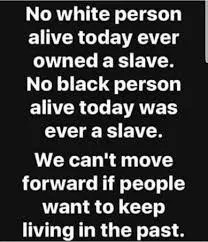
Every Friday, PROFESSOR BLACK TRUTH posts videos appropiately named “The Friday Crime Report”. I decided to post them here on this platform, because I want to show you how “bad things” still happens to black people in this country. You see, people still like to tell us things like the following…
To show that bad things that happen to black people was somehow “All in the Past”. Well, rather than talk about why this meme and ones like it piss me off, I like to show examples of why this meme is bulls*it.
In today’s installment…
The DA of Clay County, Zachary Thompson, failed to prosecute Andrew Lester for the attempted murder of 16-year-old Ralph Yarl, who tragically died without serving any prison time as a consequence of the violent act. This lack of accountability raises serious concerns about the justice system in the area, especially as Thompson is also reportedly delaying the prosecution of other cases related to racial killings, which further exacerbates community fears and distrust. Many residents are voicing their frustration and demanding justice, as they believe that such negligence not only harms the victims’ families but also undermines the very foundation of the legal system designed to protect them.
The community remains on edge, feeling that their safety is compromised and fearing that offenders may continue to act without consequence, leading to an atmosphere of impunity that can have dire implications for public safety and the rule of law. In this climate, it becomes increasingly vital for local leaders to address these concerns transparently and effectively to restore faith among the residents in their judicial processes.
Many residents believe that such inaction reflects a broader pattern of negligence and bias, undermining the pursuit of justice for victims of racially motivated violence and highlighting the urgent need for reform within the local prosecutorial office. This growing sentiment among the community members has led to intensified calls for accountability, urging officials to address systemic issues that have persisted for far too long.
As the community grapples with the painful consequences of these injustices, activists and concerned citizens band together, advocating for transparent policies and increased support for victims. They argue that without meaningful changes, the cycle of violence and impunity will continue, perpetuating a climate of fear and distrust. It is essential that the prosecutorial office reevaluates its approach, prioritizing equity and justice to restore faith amongst the residents they serve.
Shout out to The Professor for making this informative and engaging video, which sheds light on various important topics that resonate with many viewers. For more content like this, be sure to click HERE and check out his YouTube channel, where you’ll find a treasure trove of thought-provoking analyses, and a community of like-minded individuals eager to explore the world of knowledge together.
In this post, I explore the combination of two blog series, MALANDROS IN ACTION and MARTIAL ARTS THEATER, through a remarkable 1980s comedy that features a witty character, Nicky Finn, who navigates various situations with street smarts and charm. Nicky’s adventurous spirit and unorthodox problem-solving methods not only entertain but also highlight the complexities of urban life during that era. As one of the first portrayals of a malandro I encountered, I was captivated by his cleverness and adaptability, all while remaining blissfully unaware of the term malandro. This character exemplifies the quintessential rogue archetype, and his journey provides a lens through which we can examine the interplay between humor and heroism in a rapidly changing world. Through Nicky Finn’s escapades, the nuances of the malandro culture begin to unfold, offering insights into both personal ambition and the dynamics of community.
Well, I think so anyway.
“Madonna is sexy and funny – a very engaging comedian,” Vincent Canby of The New York Times wrote of her work in Who’s That Girl. The music/movie superstar displays kicky comic flair and sings four terrific soundtrack tunes (Causing a Commotion, The Look of Love, Can’t Stop and the title song). Griffin Dunne co-stars as an uptight, soon-to-wed attorney whose mild lifestyle swerves into the path of uproarious oncoming traffic courtesy of Nikki. This frisky caper proves screwball comedy is alive and swell.
MW SYNOPSIS: A year after “Shanghai Surprise,” Madonna stars in the comedy “Who’s That Girl?” as the spirited and determined Nikki Finn, who has just been released from prison after serving time for a wrongful conviction for murder. In her quest for freedom and justice, Nikki is drawn into a whirlwind of chaos and unexpected encounters.
Wealthy lawyer Loudon, who is poised to marry the snobby and status-obsessed Wendy, is assigned the challenging task of escorting Nikki out of town under the watchful eye of her disapproving father-in-law, the powerful Simon Worthington, who is determined to keep his family’s reputation intact. However, instead of a smooth transition, Nikki, fueled by a desire for revenge and a burning need for answers about her mysterious friend Johnny, intertwines herself into Loudon’s meticulously planned life.
This leads to a series of chaotic events that not only upend Loudon’s relationships but also force him to confront his own desires and values. Among the madness is a runaway Cougar, part of an elaborate scheme by Loudon’s eccentric boss, Montgomery Bell, that adds another layer of hilarity and urgency. As tensions rise and the stakes get higher, Loudon finds himself in a comical yet profound dilemma, ultimately having to choose between the secure life he envisioned with Wendy and the wild, unpredictable adventure that Nikki represents.
Before I go into this post, I want all of you out there to know that the topic of race and racism in brazil is a very loaded and confusing topic. Why? well, watch the vkideo below.
Synopsis of the video: Jessica says she’s black. Her cousin says she’s white. This difference in their self-identification highlights the complex tapestry of racial identity that exists in Brazil, a country notorious for its diverse population and the myriad shades of skin tones within it.
Stephanie Nolen spends time with one family to find out just how complicated race in Brazil can be, delving into the historical context and cultural nuances that shape these identities. Through her exploration, she uncovers stories of resilience and pride, as well as the ongoing challenges that individuals face in a society still grappling with its colonial past and the implications of colorism on personal and communal relationships. By engaging in candid conversations with family members across generations, Nolen reveals how the legacy of slavery continues to influence social dynamics, personal aspirations, and community ties.
Now the video below, heartbreaking as it can be to some of us, hits close to home for me.
In this touching video, a Brazilian social influencer tries to convince her black grandmother that she is beautiful, sharing heartfelt words and personal stories to uplift her spirit. The grandmother, however, remains skeptical and struggles to embrace this affirmation due to the deep-rooted beliefs shaped by all the racist things she’s heard and experienced as a black woman in Brazil throughout her life.
The influencer gently recounts moments of pride and resilience within their family’s history, drawing attention to the stories of her ancestors who overcame adversity and celebrated their unique identities throughout generations. By sharing these cherished memories, she hopes to spark a profound sense of self-love and appreciation in her grandmother’s heart, encouraging her to reflect on the legacy of strength that runs through their bloodline. This narrative emphasizes that beauty comes in many forms, whether it is through cultural practices, shared traditions, or personal triumphs, and is inherently tied to one’s identity and heritage. She passionately believes that recognizing this interconnectedness can foster a deeper understanding of oneself, allowing her grandmother—and others—to embrace their own worth and the rich tapestry of their background.
Now the reason this nits close to home for me is all the “Yo mama’s so black“jokes, and all the reminders that in the not so distant past, and even in our present, blackness equated to ugliness. The darker someone’s skin was, the worse they were treated, often subjected to cruel stereotypes and derogatory comments that permeated everyday life. These so-called jokes were not just harmless humor; they were deeply rooted in historical prejudice and societal norms that devalued the beauty and worth of those with darker complexions. It pains me to reflect on how these narratives have shaped perceptions, reinforcing a damaging hierarchy based on skin tone.
This experience highlights the urgent need for a broader understanding of beauty that celebrates diversity rather than diminishes it, urging society to challenge and dismantle these harmful stereotypes that continue to persist today.
In this series, we celebrate the heroes of Africa and the African Diaspora who have significantly impacted politics, arts, sciences, and social justice, aiming to inspire future generations by exploring their struggles, triumphs, and lasting legacies while fostering a deeper understanding of African heritage and community in the pursuit of equality and justice. These remarkable individuals have not only challenged the status quo but also paved the way for transformative movements that resonate across the globe. By delving into their stories, we uncover the tenacity and creativity that fueled their quests for change, showcasing the richness of diverse experiences and perspectives. In doing so, we invite readers to reflect on the ongoing journey toward equity and to recognize the vital role that cultural heritage plays in shaping a just society. Through this exploration, we hope to ignite passion and purpose in younger generations, encouraging them to carry forward the torch of activism and advocacy in their own communities.
In today’s installment, we honor Dr. Yosef Ben-Jochannan, a distinguished scholar, historian, and author whose profound contributions have left an indelible mark on the field of African history and its connection to global civilization. His tireless dedication to uncovering the truths of African heritage has inspired countless individuals to delve deeper into understanding their roots and cultural legacy.
Throughout his life, Dr. Ben-Jochannan has sought to challenge the conventional narratives that often overlook the rich history of African peoples, emphasizing the importance of reclaiming one’s identity and understanding the broader implications of history on contemporary society. He believes that much of the historical discourse has been dominated by Eurocentric perspectives that fail to acknowledge the significant contributions of African civilizations. His work continues to illuminate the paths of knowledge and empowerment, encouraging new generations to embrace their heritage with pride and determination.
By sharing his insights and fostering critical discussions, he inspires individuals to delve deeper into their roots, recognizing the strength that comes from a well-understood past. In his lectures, writings, and community engagements, Dr. Ben-Jochannan champions the notion that understanding one’s history is not just about pride, but also about forging a path forward in a world that often seeks to erase such narratives. Through his tireless efforts, he serves as a beacon of hope and a catalyst for change, urging society to acknowledge and celebrate the diverse tapestry of human experience, thereby fostering a more inclusive and comprehensive understanding of our shared history.
Shout out to Professor Black Truth for creating engaging videos that simplify complex topics, making learning enjoyable. His unique teaching style captivates viewers, and his channel HERE provides innovative educational content for deeper understanding.






 Jogo Corpo Fechado