Hello, I would like to introduce to you one of my teachers, and inspirations, Jelani Lateef.
Jelani Lateef is a dedicated teaching artist and capoeirista who actively engages in capoeira Angola and storytelling. He has recently lost his home in the Eaton Fire, which he was renovating for an art studio. His teachings emphasize not only the physical practice but also the cultural significance of the art form, exploring its rich history and the stories woven into each movement.
By integrating elements of personal narrative and cultural exchange, he has encouraged myself, as well as others, to appreciate capoeira Angola not just as a martial art but as a living, breathing tradition that connects people across generations.
Your support will help him continue his journey, enabling him to reach more individuals and cultivate a deeper appreciation for this vibrant cultural practice.
Hi, I guess this is where I talk about my New Year’s resolutions, or at least where this website is concerned.
This blog is dedicated to the arts and culture of Africa and its diaspora, focusing on Capoeira Angola as both a physical art form and a deep cultural expression with a rich history. Within this vibrant realm, there are many issues and genres surrounding it, and I aim to explore every facet in detail. That means delving deep into the intricate dance movements, the powerful self-defense techniques, the soulful music, and the meaningful rituals that bring communities together, creating an environment of unity and shared identity. Each element not only serves a purpose but also tells a story, revealing the importance of oral traditions and the historical context that shapes these practices.
As I examine the evolution of Capoeira Angola, I will highlight its roots in African cultures and how they have intermingled with various influences throughout history. Each aspect reflects the diverse culture and historical significance of this extraordinary practice, showcasing how it allows individuals to connect with their roots and each other across generations, fostering a sense of belonging while celebrating the vibrancy of their heritage. Furthermore, I plan to look into contemporary adaptations and how younger generations are keeping this tradition alive, ensuring that the essence of Capoeira Angola continues to thrive and inspire future artists and cultural advocates around the world.
Right now, let’s start 2025 with Mestre Pastinha, the father of Capoeira Angola, whose legacy continues to inspire and shape the practice of this art form. His teachings not only emphasize the importance of physical prowess but also highlight the cultural roots of Capoeira, encompassing music, dance, and the historical struggles of the Afro-Brazilian community.
By revisiting his philosophy and techniques, we can deepen our understanding of Capoeira as a powerful tool for self-expression and social connection, fostering a sense of unity in our communities as we embrace the new year ahead.
This Capoeira Angola documentary “O pulo do gato” explores the rich traditions and cultural significance of this captivating Afro-Brazilian martial art form, delving into its historical roots and the philosophies that underpin its practice.
Through the vibrant footage of authentic Capoeira performances, viewers are transported into the heart of the Capoeira community, gaining insight into the deep sense of identity and resilience that this art fosters among its students. As the rhythm of the music intertwines with the graceful movements of the practitioners, it becomes evident how deeply rooted Capoeira is in cultural heritage, allowing participants to not only express themselves physically but also to connect with their ancestry. The energy of the Capoeira circle, or “roda,” reveals a communal spirit where collaboration and respect are paramount, highlighting the shared journey of each individual. Furthermore, the intricate blend of martial arts, dance, and music not only serves as a form of self-defense but also as a powerful vehicle for personal growth and confidence-building, which transcends the barriers of language and geography, uniting practitioners from diverse backgrounds in a celebration of life and artistry.
Kobina Ackon, known as Wode Maya, is a notable Ghanaian Vlogger and YouTuber renowned for his engaging and insightful videos that showcase African culture and lifestyle. With a degree in Aeronautical Engineering from Shenyang Aerospace University, China, he successfully combines his technical knowledge with his passion for storytelling. Over the years, he has established a thriving niche in social media content creation, captivating audiences with his unique perspective and relatable content. His channel has experienced tremendous growth, amassing over a million subscribers in just a few years, a testament to his ability to connect with viewers and shed light on the beauty and vibrancy of the African continent. As an advocate for positive representation, Wode Maya aims to inspire the youth and foster a greater appreciation for African heritage through his work.
Click HERE to visit his YouTube channel for engaging videos that highlight his exceptional talents and provide valuable insights on various topics, from cultural experiences to personal growth. Through his unique storytelling and vibrant personality, he captivates viewers while fostering a deeper understanding of diverse perspectives, making the channel a must-visit for anyone eager to be inspired and entertained. Whether you’re looking for entertaining lifestyle content, educational discussions, or just a dose of positivity, Wode Maya’s videos consistently deliver an enriching experience that keeps audiences coming back for more.
So, why am I posting Wode Maya’s videos here?
The image of Africa has been distorted globally, leading to misconceptions that fail to capture the true essence of this vibrant continent. However, efforts are underway to change these narratives through engaging YouTube videos that provide authentic insights into the region’s diverse culture, rich history, and remarkable achievements. By highlighting local stories, traditions, and the unique lifestyles of various communities, these videos aim not only to dismantle stereotypes but also to enrich global perceptions of the African experience, showcasing the continent’s rich tapestry of languages, art forms, and culinary delights. Through this medium, viewers are invited to explore the continent’s natural beauty, from the breathtaking landscapes of the savannahs to the bustling markets steeped in cultural significance, all of which contribute to a more nuanced and appreciative understanding of Africa’s multifaceted identity. In doing so, these videos play a crucial role in fostering connections, sparking curiosity, and promoting a deeper conversation about the continent’s place in the global narrative.
These narratives ensure that African voices tell their own history, celebrating unsung heroes and fostering appreciation for diverse cultures that have often been overlooked. This reclamation process empowers future generations by instilling a sense of pride in their heritage and identity, while simultaneously encouraging a more nuanced understanding of Africa, emphasizing its resilience and innovation across various sectors, including technology, arts, and social movements. As these authentic representations circulate and gain traction, they contribute to a broader dialogue that challenges prevailing misconceptions and highlights the continent’s vibrant potential. Moreover, the promotion of these stories not only preserves the rich tapestry of Africa’s past but also paves the way for new narratives that showcase the continent’s dynamic present and promising future. By actively engaging young people in the storytelling process, we not only enrich their cultural education but also inspire them to become agents of change, capable of driving social progress. This interconnected approach fosters a deep appreciation for the continent’s diverse narratives, empowering individuals to take ownership of their stories and advocate for their communities on both local and global stages. Ultimately, these efforts create a more inclusive and accurate representation of Africa that resonates with audiences worldwide, encouraging a collective journey towards healing and understanding.
Many discussions on global religious and spiritual practices often overlook Sub-Saharan Africa, and when addressed, it is usually negatively; this series aims to change that perception by highlighting the rich tapestry of beliefs and traditions that thrive in this region. From the diverse array of indigenous faiths to the profound influence of world religions such as Christianity and Islam, Sub-Saharan Africa is home to a vibrant cultural heritage that reflects a deep connection to spirituality and community. By showcasing the unique rituals, philosophies, and the stories of practitioners from various backgrounds, we hope to foster a greater appreciation for the complexity and beauty of spiritual life in this often-misunderstood part of the world.
In this installment…
About 45 percent of all Africans transported throughout the Americas during the transatlantic slave trade arrived from West Central Africa, including the Kongo, a region rich in cultural heritage and historical significance. This area was not only characterized by its vibrant societies and complex political structures but also by its diverse languages, art forms, and traditions that reflected the deep-rooted connections of its people to their land.
The Kongo played a pivotal role in trade networks, facilitating the exchange of goods, culture, and ideas long before the onset of the slave trade. Furthermore, the experiences and contributions of those who came from this region have profoundly influenced the cultural landscapes of the Americas, giving rise to unique blends of African, European, and Indigenous traditions that continue to resonate in music, religion, and culinary practices today.
Kôngo spirituality includes a wide variety of concepts grouped around two areas of application: divine practice and human practice. This intricate system encompasses not only rituals and beliefs but also the profound relationship between the spiritual and the material realms, reflecting the interconnectedness of life.
This lecture aims to elucidate this wealth, with regard to Palo and Bukôngo as two different schools of Kôngo spirituality, both of which offer unique perspectives and methodologies for understanding the universe and one’s place within it. The richness of Kôngo spirituality is rooted in ancient traditions and oral histories that convey wisdom through generations.
This elucidation will be attained through the interpretation of the divine initiatory process through the Kôngo cosmogram, a vital tool that visually represents the spiritual journey and its stages, allowing practitioners to navigate their path with clarity and purpose. By delving into these elements, the lecture will highlight the significance of both the divine and human aspects in the pursuit of spiritual enlightenment within the Kôngo tradition.
Este é um documentário abrangente sobre a vibrante cidade de Salvador, focando especificamente nas semanas animadas do Carnaval de 1974, uma época em que as ruas explodiam em música, cor e expressão cultural. O filme é inspirado no livro homônimo do renomado autor brasileiro Jorge Amado, mostrando a rica história e tradições da cidade durante este período festivo. Através de entrevistas com os moradores, filmes de arquivo e narrativas cativantes, o documentário busca capturar a essência de Salvador, destacando a importância do Carnaval não apenas como uma celebração, mas também como um reflexo da herança diversa e do espírito comunitário da cidade.
(This is a comprehensive documentary about the vibrant city of Salvador, focusing specifically on the lively weeks of the Carnival in 1974, a time when the streets burst with music, color, and cultural expression. The film draws inspiration from the eponymous book by the renowned Brazilian author Jorge Amado, showcasing the rich history and traditions of the city during this festive period. Through interviews with locals, archival footage, and captivating narratives, the documentary aims to capture the essence of Salvador, highlighting the significance of Carnival not only as a celebration but also as a reflection of the city’s diverse heritage and community spirit.)
(Synopsis: Written in 1944, Bahia de Todos os Santos is a narrative about the city of Salvador published the following year. A song of praise to the city of Bahia, the book avoids the picturesque nature of tourist guides. It reviews the beauty and qualities of the capital of Bahia and also addresses its missions and pains. Jorge Amado composes here a guide to the streets and the mysteries of São Salvador da Bahia de Todos os Santos, the city of Bahia, “black by excellence,” founded in 1549. The author describes the working-class and noble neighborhoods, the fairs and markets, the countless hills and streets of the city, and especially the mythical characters of the city of São Salvador. The adaptation of Jorge Amado’s work for the 1970s faced difficulty in finding the new characters from the candomblé rhythms, the masters of the saveiros, the Mães de Santo from the terreiros, the artisans of Mercado Modelo, and the tricksters from Baixa dos Sapateiros. The writer recommends that one should not try to decipher the secrets of the city, as its mysteries completely involve the body, soul, and heart of the Bahian people. But the characters were there! We found Mário Cravo, Gilberto Gil, Mestre Pastinha, Mestre Waldemar, and during Carnival, the Trio Elétrico of Dodô and Osmar, and even the captains of Areia from the new times.)
Bahia de todos os santos Bahia dos orixás Bahia de menininha Menininha do gantois
Bahia de todos os santos Bahia dos orixás Bahia de menininha Menininha do gantois
Bahia dos angoleiros Bahia dos regional Bahia dos angoleiros No mercado popular
Bahia dos angoleiros Bahia dos regional Bahia dos angoleiros No mercado popular
Bahia de João Pequeno Bahia de Curió Bahia de Boca Rica Mestre Lua de Bobó
Bahia de João Pequeno Bahia de Curió Bahia de Boca Rica Mestre Lua de Bobó
All Saint’s Bahia The Orixás Bahia Little girl’s Bahia Little girl of the gantois
All Saint’s Bahia The Orixás Bahia Little girl’s Bahia Little girl of the gantois
The angoleiros’ Bahia The regional’s Bahia The angoleiro’s Bahia At the public market
The angoleiros’ Bahia The regional’s Bahia The angoleiro’s Bahia At the public market
João Pequeno’s Bahia Curió’s Bahia Boca Rica’s Bahia Mestre Lua de Bobó’s Bahia
João Pequeno’s Bahia Curió’s Bahia Boca Rica’s Bahia Mestre Lua de Bobó’s Bahia
Observed annually on the 11th of November in Angola, Independence Day is a holiday that celebrates the significant anniversary of the Republic of Angola’s independence from Portugal, marking the end of a long and arduous struggle for freedom. This country’s connection to the Portuguese Empire dates back several centuries, with colonial rule deeply impacting its culture, economy, and social structure. However, with the culmination of intense resistance and a protracted liberation movement, Angola achieved its hard-fought independence in 1975.
Because this is the national holiday of Angola, it’s a day when most people take the opportunity to reflect on their rich heritage and the sacrifices made for liberation, enjoying a well-deserved day off as schools, businesses, and government agencies are typically closed for the occasion. It’s also a day on which vibrant holiday celebrations take place all across the country, including parades, music festivals, and cultural dances, showcasing the diversity and resilience of the Angolan people. Citizens from every walk of life come together in unity, enthusiastically celebrating their independence and expressing their pride in their national identity, reinforcing a sense of belonging and hope for the future.
Just saw this short documentary and I had to post it… I might have posted it before, but in case I didn’t… well, here it is. In case I did, well.. Here it is again.
This is a small documentary excerpt from a workshop that Master Cobra Mansa held at Towson University in May 2012. This short film not only highlights the life of Master Cobra, a beloved figure in the Capoeira community, but it also delves into the rich history and cultural significance of Capoeira itself. Viewers will gain insight into the Black Resistance Movement, which forged pathways for empowerment and resilience among marginalized communities, as well as the foundational principles of Kilombo Tenode, a concept that embodies Pre-maculture practices within Capoeira Angola.
This captivating documentary skillfully captures the essence of interconnected themes through a series of engaging interviews, vibrant demonstrations, and rich storytelling, inviting audiences from all walks of life to reflect deeply on the remarkable and enduring legacy of Master Cobra’s teachings and their profound impact on individuals and communities alike. Through its meticulously curated visuals and narratives, the film not only highlights the transformative power of Master Cobra’s philosophy but also explores how these teachings have transcended generations, fostering a sense of unity and purpose. Audience members are encouraged to embark on a personal journey of introspection, as they witness firsthand the inspiring stories of those who have embraced these teachings, ultimately showcasing the universal truths that bind us together in our shared human experience.
Shout out to YouTube channel Movimento Popular Da Capoeira for uploading this informative and engaging video that showcases the beauty and richness of Capoeira, a Brazilian martial art that combines elements of dance, acrobatics, and music. Their dedication to promoting this cultural heritage is truly commendable. If you’re interested in exploring more about Capoeira and its vibrant community, you can click HERE to go to their channel, where you’ll find a treasure trove of content that not only highlights the techniques and history of the art but also features interviews with practitioners and learners alike, making it a fantastic resource for both enthusiasts and newcomers.
“There are not more than five musical notes, yet the combinations of these five give rise to more melodies than can ever be heard. There are not more than five primary colours, yet in combination, they produce more hues than can ever been seen. There are not more than five cardinal tastes, yet combinations of them yield more flavours than can ever be tasted.” ― Sun Tzu, The Art of War“
Capoeira Angola is a defensive martial art known for its intricate trap-like defenses designed to catch opponents off guard. It encompasses 8 basic defenses, each with unique unexpected attacks and counter attacks based on the opponent’s positioning. Mastery of these movements enables capoeiristas to defend against individuals carrying various weapons, including sticks, clubs, knives, and potentially even firearms with the appropriate skills.
For those of you out there who don’t know about Capoeira Angola, what you’re watching above is the most fundamental technique and concept of Capoeira: the GINGA.
This unique movement serves as the heartbeat of Capoeira, allowing practitioners to flow seamlessly between offense and defense while maintaining rhythm and connection to the music. The GINGA not only embodies the essence of the art form but also offers a means of communication between participants, engaging them in a dynamic dialogue of movement. As one shifts from side to side, the body becomes a vessel of expression, showcasing agility, creativity, and cultural heritage. Mastering the GINGA is essential for anyone looking to delve deeper into the rich world of Capoeira Angola and truly appreciate its beauty and history.
Now, here’s a video of my friend Cheyenne Amen, giving you a more detailed definition of what the ginga is, along with its historical significance and how it is practiced in various contexts. In this video, Cheyenne breaks down the movements and techniques involved, demonstrating not just the physical aspects of the ginga, but also its cultural importance and its role in performances and martial arts.
And here is Da’Mon Stith of Austin Warrior Arts, demonstrating the dynamic and fluid movement of the Ginga within the context of combat. As he showcases this foundational step, he emphasizes its importance not only as a form of footwork but also as a way to create distance, maintain balance, and set up for various striking or defensive maneuvers.
So, why do we do the ginga? what advantages can a capoeirista gain from the ginga? Well…
The ginga not only enables you to move fluidly from one spot to another, while maintaining a suitable posture to defend or attack at all times, but it also serves as a fundamental building block of capoeira’s dynamic movement. With the ginga, you have the ability to change your position seamlessly, and even encircle a stationary opponent, thereby putting them at a disadvantage. Furthermore, since your body is already in motion, this allows you to deliver quicker and more powerful blows, enhancing your ability to react with greater speed when defending yourself against incoming attacks. As you continuously change your position, you’re not presenting your opponent with a fixed, stationary target; instead, you resemble a shadow, elusive and unpredictable, much like bobbing and weaving in boxing.
This unpredictability can be crucial in the heat of the fight, as it keeps your opponent guessing and hesitant. Additionally, the ginga lulls an opponent into a state of expectancy, a psychological advantage that a skilled capoeirista can exploit by swaying instead of stepping back. In this way, they can achieve the opposite profile of the fighter, thus cleverly delivering their attack from an unexpected angle. Although the primary purpose of the ginga is defensive, it also serves as the initial position for unleashing powerful offensive blows. Moreover, the leg that steps back can strike with significantly more power when it’s quickly brought forward than if it remains planted, creating an explosive counter-attack that can catch even the most seasoned opponents off guard. This interplay of motion and strategy highlights the beauty and complexity of capoeira, making it a unique blend of art, sport, and fight.
Now, I want to discuss the most important aspect of the ginga: making the ginga you own.
You see, over the last several decades, Capoeira has been subject to a process of standardization that has led to a homogenization of styles and techniques. While this standardization has facilitated its propagation across different regions and cultures, making it more accessible to new practitioners, and easier to learn, it has also attenuated many parts of its essence, dulling the vibrancy and authenticity that once characterized it.
It is crucial that we find ways to celebrate individuality within Capoeira, allowing each practitioner to connect with their heritage and express themselves fully. By doing so, we not only honor the traditions and teachings passed down through generations, but we also foster an environment where creativity thrives, enabling practitioners to innovate and reinterpret the art form in ways that resonate with their personal experiences. Moreover, embracing diversity within the practice of Capoeira can lead to a more vibrant and dynamic community, where shared stories and varied styles enhance the overall experience, strengthening the bond among practitioners while preserving the intricate history that gives Capoeira its unique identity.
The ginga, more than simply being a 2 step footwork pattern, is meant to reflect something intrinsic about how you move, how you embody the art, and about your personality. It serves as a fundamental expression of rhythm and balance, intertwining both grace and strength. In groups where practitioners are allowed to express Capoeira more naturally, you see this unique embodiment manifest in a variety of fluid movements and improvisations that tell individual stories, enriching the art form as a whole. Each movement speaks volumes, echoing the experiences and emotions of its practitioner, revealing a deep connection to cultural roots and personal journeys. When you watch old footage of Capoeira, you see this richness and diversity alive in the participants, each one bringing their own flair, spirit, and history to the art, contributing to a vibrant tapestry of life that celebrates both the past and the present.
The interplay of styles and expressions not only showcases the individual’s creativity but also fosters a sense of community and shared identity, making Capoeira a living, breathing organism that evolves with every practitioner.
So, if the “spirit” is lost, how do you get it back?
As far as I’m concerned, the solution is partly one of recognizing the purpose of the ginga and the movement philosophy that is implicit in Capoeira itself, which encourages freedom and personal interpretation of movement. This recognition is not just about understanding the movements; it is also about embracing the idea that every practitioner brings their essence into the practice, enriching the overall experience.
The second part involves learning or re-learning this philosophy and consistently practicing in this way to internalize it as part of one’s training. It requires dedication and an open mind, a willingness to explore the boundaries of one’s comfort zone and to challenge the status quo of movement. Again, in some settings, this more expressive style may be unwelcome, especially in environments fixed on “tradition” and rigid forms that do not allow room for innovation or personal flair. Hence, part of the solution is to actively seek out and train with mestres and groups that embrace such an innovative and open approach to movement. These mentors can provide invaluable insights and guidance, fostering a richer learning experience and a deeper connection to the art form, ultimately creating a community that celebrates diversity in expression and encourages its members to flourish as both individuals and artists.
A Deeper Dive into the Ginga
The foundational, rhythmic movement known as the ginga is arguably the most essential and recognizable element of Capoeira Angola. Far from a simple back-and-forth footwork pattern, the ginga is the Capoeirista’s constant state of motion—a dynamic ‘resting’ position that serves as the wellspring for all attacks, defenses, and evasions. It is the heartbeat of the jogo (the game) and an ever-present conversation with the opponent and the music.
The true nature of the ginga is multi-faceted:
The Catalyst for Movement: The continuous side-to-side and slight forward/backward shifting keeps the body loose, unpredictable, and ready to launch an explosive kick, dodge a counter-attack, or quickly transition into an acrobatic aú (cartwheel).
A Defensive Screen: The constant swaying makes the target area ambiguous and difficult for the opponent to accurately gauge distance and timing, effectively disrupting their attack strategy.
Rhythm and Connection: Performed in perfect synchrony with the berimbau‘s toque (rhythm), the ginga connects the player to the roda (the ring) and the tradition. It is a physical manifestation of the music itself.
To truly understand the depth of this movement, Today (1/22/26) I have published a comprehensive and much more detailed article specifically analyzing the nuances, history, and application of the ginga. This new article delves into the subtle variations, common mistakes, and the philosophy behind this core Capoeira movement. You can read this expanded analysis by clicking HERE.
Once again, join WODE MAYA as he shows us the amazing country of Brazil, through his eyes, bringing to life its vibrant culture, stunning landscapes, and rich history. This journey is particularly important as it reflects the dynamic spirit of different cultures interwoven with the essence of Brazil.
The image of AFRICA has been DISTORTED around the WORLD, often clouded by stereotypes and misconceptions that fail to capture the continent’s true essence and diversity. It is crucial to confront these misrepresentations by showcasing the vast array of traditions, languages, and histories that enrich the African experience. We are CHANGING the NARRATIVES via YOUTUBE videos One Country At a Time, sharing authentic stories that celebrate the achievements and resilience of African communities.
By focusing on the positive contributions and innovative solutions arising from the continent, we aim to inspire a new generation of thinkers. Until the HISTORY of AFRICA is told by AFRICANS, the story of GREATNESS will always GLORIFY the IMPERIALISTS, and the voices of the continent will remain silenced. It is imperative that we elevate these narratives, creating a more balanced understanding of Africa’s profound impact on global history and culture, inviting everyone to discover the beauty and complexity that defines this land. By uncovering these rich stories, we pave the way for a deeper appreciation of Africa’s role on the world stage, fostering greater unity and collaboration among diverse cultures.


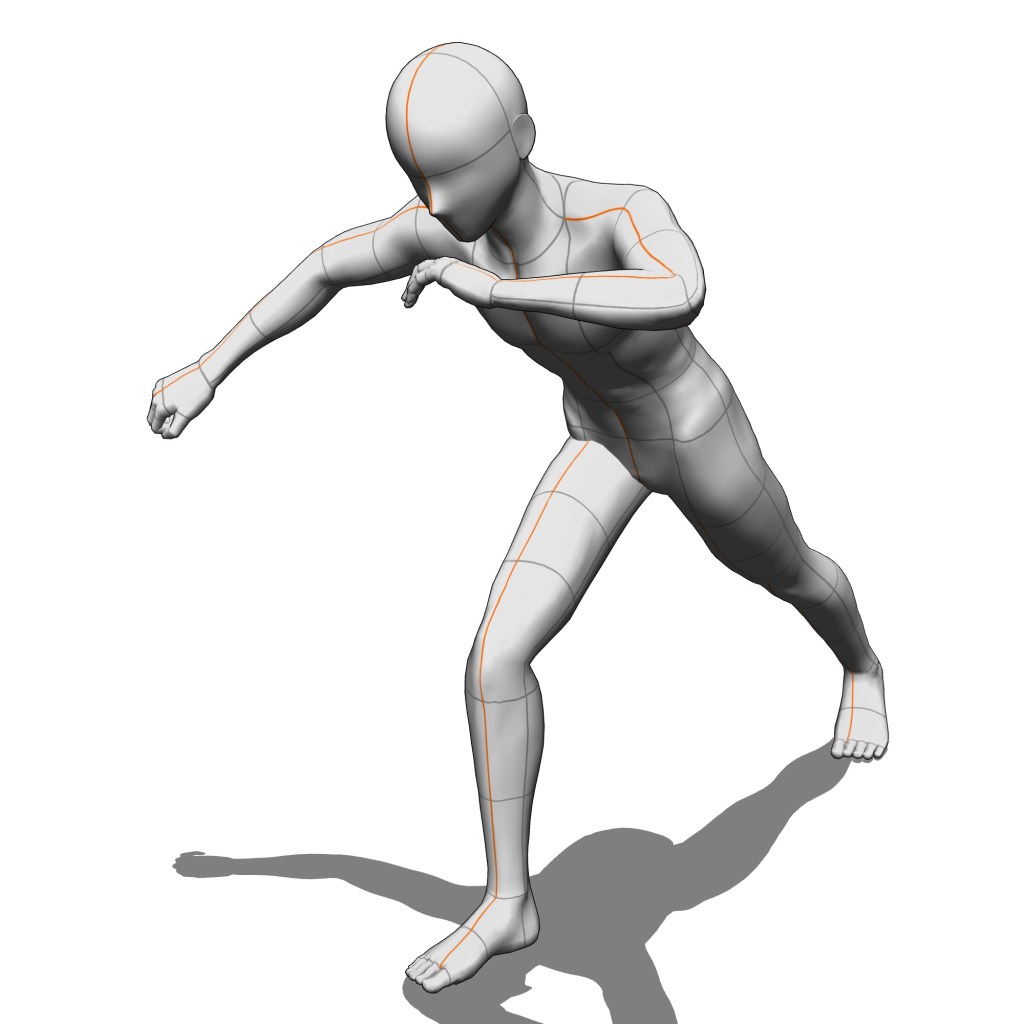

 Jogo Corpo Fechado