Welcome to MARTIAL ARTS THEATER, a platform for martial arts enthusiasts to explore a wide range of disciplines. From traditional styles like karate and taekwondo to lesser-known techniques such as Krav Maga and Muay Thai, we offer diverse content for seasoned martial artists and those intrigued by combat. Delving into the history, philosophy, and techniques of each martial art, we celebrate the discipline, dedication, and diversity embodied in these practices. Join us on this captivating journey through the world of martial arts.
In this installment, we have this short biopic about the legendary Jack Johnson.
Jack Johnson, the first ever black boxing champion, became a legendary figure not only for his prowess in the ring but also for his unyielding spirit in the face of racism. As he fought his way to the top, he faced immense challenges and hostility, both inside and outside the boxing arena. His journey was marked by a series of hard-fought battles against not just his opponents but also the societal prejudices of the early 20th century. Johnson’s remarkable speed, power, and tactical skill made him a formidable force among his contemporaries, yet it was his bold personality and refusal to conform to the racial stereotypes of his time that truly set him apart. He often found himself at the center of heated public debates, as many white boxers and promoters sought to undermine his accomplishments, viewing his success as a direct threat to the status quo. Despite the relentless racism directed at him, Johnson maintained a defiant attitude, proudly embracing his identity and using his fame to challenge racial injustices.
Johnson’s story is one of being fearless and bold; he shattered racial barriers and defied societal norms, becoming a symbol of resilience that resonates with many. His triumphs inspired countless individuals to stand up against oppression, emboldening them to express their voices and demand change. Through his unwavering commitment to justice, he not only paved the way for future generations but also ignited a movement that emphasized the importance of equality and human rights. His legacy continues to influence activists around the world, making him an enduring icon in the ongoing fight for justice, demonstrating that with courage and determination, obstacles can be overcome.
“There are not more than five musical notes, yet the combinations of these five give rise to more melodies than can ever be heard. There are not more than five primary colours, yet in combination, they produce more hues than can ever been seen. There are not more than five cardinal tastes, yet combinations of them yield more flavours than can ever be tasted.” ― Sun Tzu, The Art of War“
Capoeira Angola is a defensive martial art known for its intricate trap-like defenses designed to catch opponents off guard. It encompasses 8 basic defenses, each with unique unexpected attacks and counter attacks based on the opponent’s positioning. Mastery of these movements enables capoeiristas to defend against individuals carrying various weapons, including sticks, clubs, knives, and potentially even firearms with the appropriate skills.
For those of you out there who don’t know about Capoeira Angola, what you’re watching above is the most fundamental technique and concept of Capoeira: the GINGA.
This unique movement serves as the heartbeat of Capoeira, allowing practitioners to flow seamlessly between offense and defense while maintaining rhythm and connection to the music. The GINGA not only embodies the essence of the art form but also offers a means of communication between participants, engaging them in a dynamic dialogue of movement. As one shifts from side to side, the body becomes a vessel of expression, showcasing agility, creativity, and cultural heritage. Mastering the GINGA is essential for anyone looking to delve deeper into the rich world of Capoeira Angola and truly appreciate its beauty and history.
Now, here’s a video of my friend Cheyenne Amen, giving you a more detailed definition of what the ginga is, along with its historical significance and how it is practiced in various contexts. In this video, Cheyenne breaks down the movements and techniques involved, demonstrating not just the physical aspects of the ginga, but also its cultural importance and its role in performances and martial arts.
And here is Da’Mon Stith of Austin Warrior Arts, demonstrating the dynamic and fluid movement of the Ginga within the context of combat. As he showcases this foundational step, he emphasizes its importance not only as a form of footwork but also as a way to create distance, maintain balance, and set up for various striking or defensive maneuvers.
So, why do we do the ginga? what advantages can a capoeirista gain from the ginga? Well…
The ginga not only enables you to move fluidly from one spot to another, while maintaining a suitable posture to defend or attack at all times, but it also serves as a fundamental building block of capoeira’s dynamic movement. With the ginga, you have the ability to change your position seamlessly, and even encircle a stationary opponent, thereby putting them at a disadvantage. Furthermore, since your body is already in motion, this allows you to deliver quicker and more powerful blows, enhancing your ability to react with greater speed when defending yourself against incoming attacks. As you continuously change your position, you’re not presenting your opponent with a fixed, stationary target; instead, you resemble a shadow, elusive and unpredictable, much like bobbing and weaving in boxing.
This unpredictability can be crucial in the heat of the fight, as it keeps your opponent guessing and hesitant. Additionally, the ginga lulls an opponent into a state of expectancy, a psychological advantage that a skilled capoeirista can exploit by swaying instead of stepping back. In this way, they can achieve the opposite profile of the fighter, thus cleverly delivering their attack from an unexpected angle. Although the primary purpose of the ginga is defensive, it also serves as the initial position for unleashing powerful offensive blows. Moreover, the leg that steps back can strike with significantly more power when it’s quickly brought forward than if it remains planted, creating an explosive counter-attack that can catch even the most seasoned opponents off guard. This interplay of motion and strategy highlights the beauty and complexity of capoeira, making it a unique blend of art, sport, and fight.
Now, I want to discuss the most important aspect of the ginga: making the ginga you own.
You see, over the last several decades, Capoeira has been subject to a process of standardization that has led to a homogenization of styles and techniques. While this standardization has facilitated its propagation across different regions and cultures, making it more accessible to new practitioners, and easier to learn, it has also attenuated many parts of its essence, dulling the vibrancy and authenticity that once characterized it.
It is crucial that we find ways to celebrate individuality within Capoeira, allowing each practitioner to connect with their heritage and express themselves fully. By doing so, we not only honor the traditions and teachings passed down through generations, but we also foster an environment where creativity thrives, enabling practitioners to innovate and reinterpret the art form in ways that resonate with their personal experiences. Moreover, embracing diversity within the practice of Capoeira can lead to a more vibrant and dynamic community, where shared stories and varied styles enhance the overall experience, strengthening the bond among practitioners while preserving the intricate history that gives Capoeira its unique identity.
The ginga, more than simply being a 2 step footwork pattern, is meant to reflect something intrinsic about how you move, how you embody the art, and about your personality. It serves as a fundamental expression of rhythm and balance, intertwining both grace and strength. In groups where practitioners are allowed to express Capoeira more naturally, you see this unique embodiment manifest in a variety of fluid movements and improvisations that tell individual stories, enriching the art form as a whole. Each movement speaks volumes, echoing the experiences and emotions of its practitioner, revealing a deep connection to cultural roots and personal journeys. When you watch old footage of Capoeira, you see this richness and diversity alive in the participants, each one bringing their own flair, spirit, and history to the art, contributing to a vibrant tapestry of life that celebrates both the past and the present.
The interplay of styles and expressions not only showcases the individual’s creativity but also fosters a sense of community and shared identity, making Capoeira a living, breathing organism that evolves with every practitioner.
So, if the “spirit” is lost, how do you get it back?
As far as I’m concerned, the solution is partly one of recognizing the purpose of the ginga and the movement philosophy that is implicit in Capoeira itself, which encourages freedom and personal interpretation of movement. This recognition is not just about understanding the movements; it is also about embracing the idea that every practitioner brings their essence into the practice, enriching the overall experience.
The second part involves learning or re-learning this philosophy and consistently practicing in this way to internalize it as part of one’s training. It requires dedication and an open mind, a willingness to explore the boundaries of one’s comfort zone and to challenge the status quo of movement. Again, in some settings, this more expressive style may be unwelcome, especially in environments fixed on “tradition” and rigid forms that do not allow room for innovation or personal flair. Hence, part of the solution is to actively seek out and train with mestres and groups that embrace such an innovative and open approach to movement. These mentors can provide invaluable insights and guidance, fostering a richer learning experience and a deeper connection to the art form, ultimately creating a community that celebrates diversity in expression and encourages its members to flourish as both individuals and artists.
A Deeper Dive into the Ginga
The foundational, rhythmic movement known as the ginga is arguably the most essential and recognizable element of Capoeira Angola. Far from a simple back-and-forth footwork pattern, the ginga is the Capoeirista’s constant state of motion—a dynamic ‘resting’ position that serves as the wellspring for all attacks, defenses, and evasions. It is the heartbeat of the jogo (the game) and an ever-present conversation with the opponent and the music.
The true nature of the ginga is multi-faceted:
The Catalyst for Movement: The continuous side-to-side and slight forward/backward shifting keeps the body loose, unpredictable, and ready to launch an explosive kick, dodge a counter-attack, or quickly transition into an acrobatic aú (cartwheel).
A Defensive Screen: The constant swaying makes the target area ambiguous and difficult for the opponent to accurately gauge distance and timing, effectively disrupting their attack strategy.
Rhythm and Connection: Performed in perfect synchrony with the berimbau‘s toque (rhythm), the ginga connects the player to the roda (the ring) and the tradition. It is a physical manifestation of the music itself.
To truly understand the depth of this movement, Today (1/22/26) I have published a comprehensive and much more detailed article specifically analyzing the nuances, history, and application of the ginga. This new article delves into the subtle variations, common mistakes, and the philosophy behind this core Capoeira movement. You can read this expanded analysis by clicking HERE.
In this thought-provoking video, Shahid Bolsen explore the shocking truth about the West’s relationship with Africa. For over 800 years, the West has maintained a ruthlessly extractive economic relationship with Africa, exploiting its natural resources and human capital to fuel its own growth and prosperity. From chattel slavery to neocolonialism, the West has consistently prioritized its own interests over the well-being of African nations and peoples. He examines how this centuries-long pattern of exploitation has enabled the West to impersonate a superior civilization, and how it has maintained its grip on power despite the rise of new global players like BRICS.
He also looks at the ways in which the West has worked to undermine African independence and sovereignty, from regime change to economic manipulation, often disguising these actions under the pretense of democracy and development. These tactics have perpetuated a cycle of dependency that stifles true growth and self-determination in various African nations. However, there is an undeniable sense of hope for change on the horizon.
As global power dynamics shift and new options emerge, African nations have an unprecedented opportunity to break free from the West’s stranglehold and forge their own sustainable paths to development and prosperity. This moment is critical; will they seize it with the courage and unity required to disrupt the status quo, or will they continue to be held back by the West’s neocolonial grip that has historically limited their potential? The choices made in the coming years will determine not only the economic trajectories of these nations but also their ability to foster self-reliance and innovation. By embracing partnerships that prioritize mutual respect and benefit, African countries can harness their abundant resources, youthful populations, and rich cultural heritage. It is an essential turning point where they must advocate for policies that reflect their unique needs and aspirations, while actively participating in the global arena as equal players rather than as subjects of foreign influence. The journey towards reclaiming agency and dignity involves collaborative efforts, visionary leadership, and the unwavering commitment to nurturing a future that genuinely embodies the aspirations of their people.
Watch to learn more about the West’s 800-year-old secret and the future of Africa in a rapidly changing world, where the voices of African leaders and citizens are rising to challenge the narratives imposed upon them.
Once again, join WODE MAYA as he shows us the amazing country of Brazil, through his eyes, bringing to life its vibrant culture, stunning landscapes, and rich history. This journey is particularly important as it reflects the dynamic spirit of different cultures interwoven with the essence of Brazil.
The image of AFRICA has been DISTORTED around the WORLD, often clouded by stereotypes and misconceptions that fail to capture the continent’s true essence and diversity. It is crucial to confront these misrepresentations by showcasing the vast array of traditions, languages, and histories that enrich the African experience. We are CHANGING the NARRATIVES via YOUTUBE videos One Country At a Time, sharing authentic stories that celebrate the achievements and resilience of African communities.
By focusing on the positive contributions and innovative solutions arising from the continent, we aim to inspire a new generation of thinkers. Until the HISTORY of AFRICA is told by AFRICANS, the story of GREATNESS will always GLORIFY the IMPERIALISTS, and the voices of the continent will remain silenced. It is imperative that we elevate these narratives, creating a more balanced understanding of Africa’s profound impact on global history and culture, inviting everyone to discover the beauty and complexity that defines this land. By uncovering these rich stories, we pave the way for a deeper appreciation of Africa’s role on the world stage, fostering greater unity and collaboration among diverse cultures.
Just a reminder to those of you who enjoy watching and playing Capoeira… Never forget why capoeira and related arts were created in the first place. The origins of Capoeira are deeply rooted in the history of resistance and resilience, born out of the struggles of enslaved Africans in Brazil. It was not just a form of dance but a means of self-defense, a cultural expression, and a way to unite communities. As you practice and participate in this beautiful art form, reflect on its rich heritage and the spirit of freedom it embodies. Embrace the rhythm, the movements, and the camaraderie, but always remember the significance behind each kick, each spin, and each beat of the berimbau. It’s this understanding that enriches the experience and honors those who came before us.
In this video, we explore the dark and tragic history of the transatlantic slave trade, focusing on the countries that built their wealth and power through the exploitation of African people. This inhumane venture was not only a moral failing but also a systematic process that dismantled countless communities across the African continent, causing deep cultural disruptions and the loss of ancestral heritage. From the European nations that initiated and expanded the trade to the colonies that fueled their economies on the backs of enslaved labor, we examine how black slavery created immense fortunes for some while leaving a legacy of injustice and inequality that persists to this day. We also delve into the personal stories of those affected, shedding light on the resilience and resistance of the enslaved, who fought against their circumstances in various forms, from open rebellion to subtle acts of defiance. By understanding this complex history, we can confront the ongoing ramifications of the slave trade and work toward reconciliation and healing in modern society.
The heart-wrenching stories of those who resisted, escaped, and fought against this oppression reveal the indomitable spirit of human resilience, showcasing the incredible bravery and determination that existed even in the darkest of times. Join us as we uncover the harsh realities and lasting impacts of this brutal chapter in history, exploring the specific ways in which the profits from this exploitation still resonate in today’s global economy and perpetuate systemic inequalities that continue to affect millions around the world. These narratives not only highlight individual acts of courage but also reflect a collective struggle for dignity, freedom, and justice that transcends generations.
By bringing to light the connections between past injustices and present-day issues, we aim to foster a deeper understanding of how we can collectively work towards a more just and equitable future. This understanding is essential, as it not only highlights the impact of historical events on current societal structures but also illustrates the importance of recognizing our shared responsibility in addressing these challenges. Emphasizing the importance of education, awareness, and advocacy, we believe that these elements are crucial in dismantling the lingering legacies of oppression and inequality that still challenge our society today. By engaging in open dialogues and encouraging critical thinking, we can empower individuals to take informed actions, fostering a culture of empathy and respect. As we create spaces for marginalized voices and experiences to be heard, we cultivate a community that is dedicated to justice and inclusive progress, striving together to formulate solutions that will lead us toward a brighter and more equitable future for all.
In a PREVIOUS POST, I said I was gonna tell you guys about the song the guys in white were singing in that scene.
Well, today’s the day.
Possibly the most emblematic of all Capoeira songs, Paranauê is a song that every Capoeirista must know, as it encapsulates the spirit and culture of this vibrant martial art. It’s one of the most famous capoeira songs, resonating with enthusiasts even before it gained widespread popularity through the movie “Only the Strong,” where they sang that song to everyone’s delight. The infectious rhythm and powerful lyrics invite participants to embrace the essence of capoeira, creating a sense of unity and celebration.
And despite consisting of only one word, I know when some of you first heard the song and tried to sing along with the chorus, you were singing “Banana way…”, don’t lie. This humorous mix-up has become a fond memory for many, highlighting how capoeira not only teaches physical prowess but also fosters a sense of community and joy among practitioners.
So what is the history and meaning behind this song?
As with pretty much all capoeira history, no one really knows for sure it’s exact origin.
Now before I go on, I just want to point out that there are other versions of this song, each offering a unique interpretation and style that may resonate differently with listeners. Some provide a more upbeat tempo, while others focus on the emotional depth of the lyrics.
I’m posting this one because they include the lyrics in the video, allowing you to fully engage with the song’s message and meaning as you listen. This can enhance your experience, helping you appreciate not only the melody but also the story it tells through its words, making it more relatable and enjoyable for audiences of all backgrounds.
Parana is the name of a state in Brazil, known for its rich cultural heritage and stunning landscapes. It has come to represent freedom, a theme deeply ingrained in the spirit of the Brazilian people, and is used symbolically in many capoeira songs that celebrate resilience and bravery. One of Capoeira’s most famous and popular songs, “Paranaue,” is particularly renowned among practitioners and enthusiasts alike.
This song essentially refers to the WAR OF PARAGUAY, a significant conflict that took place between Paraguay and Brazil during the late 19th century.
Since logically the masters and rulers did not want to be on the front line, they deployed a large number of slaves to fight for them with an enticing incentive lifeline; an offer of freedom in case they returned alive after bravely battling the enemy. The slaves, often skilled in various forms of combat, had an added advantage in hand-to-hand combat due to their capoeira skills, which enabled many of them to not only survive but to return alive and share their experiences.
Following the harrowing battles, on the way back, from the tumultuous and chaotic front lines, the now ex-slaves gathered on the scenic banks of the Parana river, where they gave vent to their feelings through this beautiful and poignant song that encapsulated their struggles and triumphs. Despite the underlying tragedy of the war, during which almost seventy-five percent of Paraguayans lost their lives in brutal confrontations, it emerged as an important milestone in the life of the slaves of Brazil, marking a pivotal point in their quest for freedom and recognition. This song is not just a reflection of sorrow; it carries with it the resilience and enduring spirit of those who fought for their dignity. Today, it is commemorated to this day throughout the country, serving as a reminder of the sacrifices made and the cultural legacy forged in the fires of conflict.
There is also another “origin story” for this song, which gives credit to the creation of the song to Mestre Genaro. Apparently, one day his friend Mestre Paraná (Osvaldo Lisboa dos Santos) did not appear at the roda of Mestre Arthur Emídio, where he was expected, leaving everyone curious about his absence.
Mestre Genaro spontaneously began to sing “Paraná ê, Paraná ê, Paraná! ê cadê você Paraná, Paraná ê, Paraná…”
The second story not quite so romantic as the first one, although it may possibly be the more accurate version.
So, Which version is correct?
Well, who knows? Maybe it just took Mestre Genaro to invent the unmistakable melody for the chorus, which was then combined with the original verses referring to the war, creating a powerful narrative that resonated deeply with listeners.
This innovative blend of music and storytelling not only highlights the struggles faced during that tumultuous time but also brings forth the collective emotions of a community yearning for resilience and unity. Or perhaps it could be that this remarkable combination of a great tune, infused with the rich history and emotional weight of the story, that made Paranauê such a timeless classic, captivating generations with its heartfelt message and stirring harmonies that echo long after the last note fades away.
Welcome to MARTIAL ARTS THEATER, a platform for martial arts enthusiasts to explore a wide range of disciplines. From traditional styles like karate and taekwondo to lesser-known techniques such as Krav Maga and Muay Thai, we offer diverse content for seasoned martial artists and those intrigued by combat. Delving into the history, philosophy, and techniques of each martial art, we celebrate the discipline, dedication, and diversity embodied in these practices. Join us on this captivating journey through the world of martial arts.
In this installment, We have this amazing video, Ties That Bind, Lazos Que Unen: Afro-Diasporic Stick Fighting, Luchas de Palo en las Américas.
A couple of years ago, a rich and engaging conversation took place between Mestre DENNIS NEWSOME from San Diego, Maestro Carlos Padilla from Puerto Rico, and Maestro Doctor Detroit. This dynamic discussion was part of the SO-CAL Kokobale tour, which aimed to explore and celebrate the cultural significance of Afro-Diasporic traditions.
During this extraordinary tour, Hector Luis Rivera, the esteemed director of Taller Bula and Peace Inside Out, hosted a bilingual virtual conversation that dives deep into the fascinating world of Afro-Diasporic Stick Fighting. This event provided an insightful exchange of ideas, shared unique perspectives, and educated participants about the historical roots and contemporary practices of this martial art form, fostering a greater understanding of its cultural heritage and significance in today’s society.
At first, I wasn’t gonna post this here on my blog, because one of the speakers, Maestro Carlos Padilla, has been outed as someone who doesn’t know as much about the art he teaches (Cocobale) as he claims to (Read all about it HERE).
As educators and mentors, it is crucial that we hold ourselves accountable and ensure that what we impart is rooted in genuine knowledge and experience.
However, the reason I decided to post this video here was because it conveys a huge amount of wisdom about the martial arts and culture from the African Diaspora. Such wisdom must be preserved and perpetuated, as it offers profound insights into the rich history and traditions that have shaped not only martial practices but also the identity of communities across the globe.
Understanding these arts goes beyond physical techniques; it encompasses values, respect, and a sense of belonging that connect us all, weaving a rich tapestry of cultural expression that speaks to the essence of our shared humanity. By sharing this video, I hope to inspire others to explore, learn about, and appreciate the depth and significance of these cultural elements, which are not merely art forms but rather important vehicles for storytelling and community bonding. Through this exploration, we can foster a deeper understanding of our roots and those of others, ensuring that they are passed on to future generations, allowing young minds to connect with their heritage while also appreciating the diversity that surrounds them in an ever-changing world.
Kobina Ackon known widely by the brand name, Wode Maya is a Ghanaian freelance Vlogger / YouTuber. With a degree in Aeronautical Engineering from Shenyang Aerospace University, China, Wode Maya has, over the years been able to create a niche for himself in the area of Social Media Content creation and in a space of a few years; his channel grew in popularity, attracting over a Million subscribers.
Click HERE to check out his YouTube channel, where you can find a variety of engaging and entertaining videos that showcase his unique talents and insights, along with valuable content that keeps you informed and inspired.
The image of Africa has been distorted around the world, and we are actively changing the narratives via YouTube videos, one country at a time. These videos serve not only as a means of entertainment but as powerful tools for education and enlightenment, offering authentic perspectives on the rich culture, history, and contributions of the African continent. By showcasing local stories, art, and traditions, we aim to dismantle stereotypes and present an accurate portrayal of various nations, their peoples, and their achievements.
Until the history of Africa is told by Africans themselves, the story of greatness will always glorify the imperialists, overshadowing the true heroes and unsung champions of the continent’s past. These individuals, whose contributions and sacrifices have often been buried beneath colonial narratives, deserve recognition and celebration. By sharing our voices and storytelling traditions, we aim to reclaim our narrative, weaving together the rich tapestry of our diverse cultures, experiences, and histories. This collective effort not only fosters a deeper understanding and appreciation for African societies but also empowers future generations to connect with their roots and heritage. Through this process of reclamation, we dismantle the stereotypes that have long persisted, highlighting the resilience, innovation, and achievements of African peoples, and encouraging a more nuanced view of our continent within the global narrative.
I just got home from a monthly Capoeira Angola Roda we have here in L.A., ad was surfing the web when I saw this You Tube video called CAPOEIRA ANGOLA: RELÍQUIAS DA VELHA BAHIA (CAPOEIRA ANGOLA: RELICS OF OLD BAHIA).
I’m not sure when this video was taken, but it shows a small window in time, a time in Bahia Brazil when the revered Mestres of the “Velha Guarda” (Old Guard) of Capoeira Angola were young, and a glimpse of how Capoeira was played in those days.
I hope you enjoy the video, and I will be posting up more videos like these in the future.

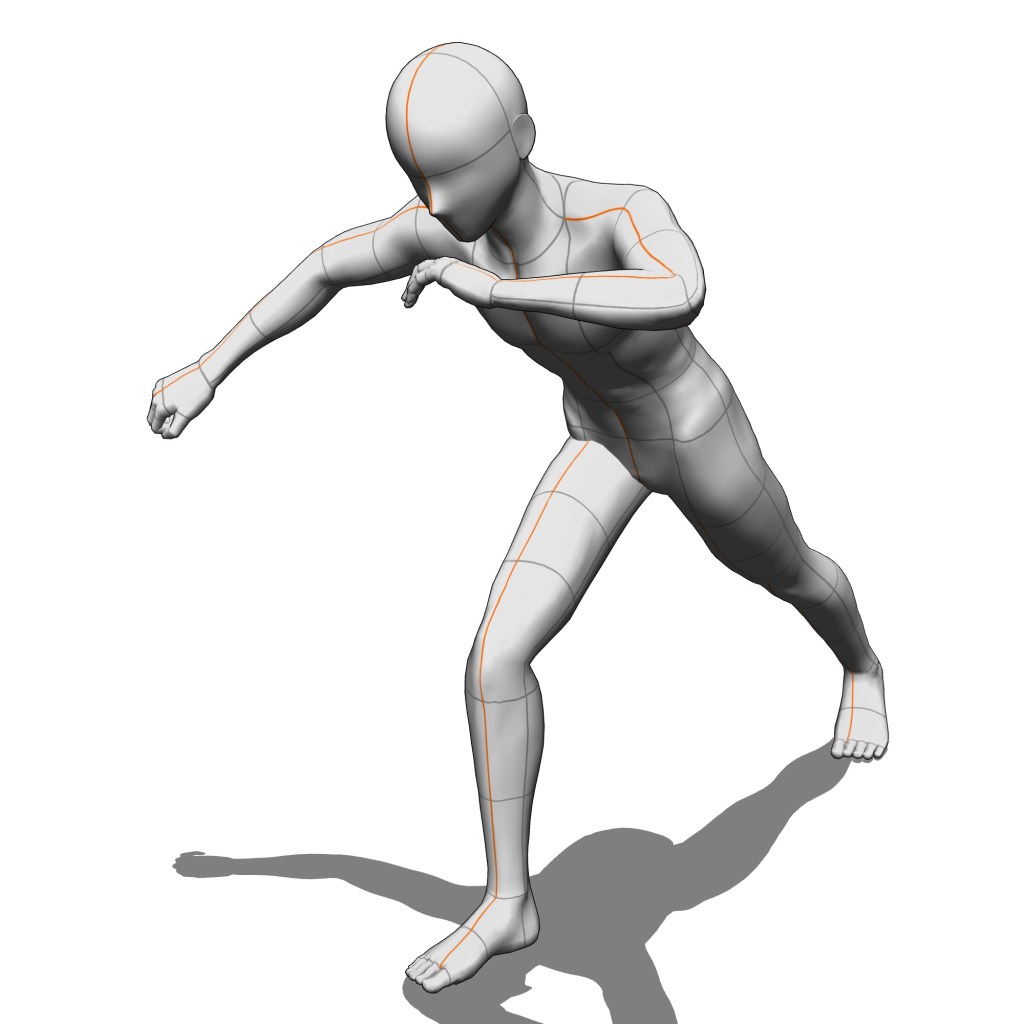

 Jogo Corpo Fechado