Welcome to MARTIAL ARTS THEATER, a platform for martial arts enthusiasts to explore a wide range of disciplines. From traditional styles like karate and taekwondo to lesser-known techniques such as Krav Maga and Muay Thai, we offer diverse content for seasoned martial artists and those intrigued by combat. Delving into the history, philosophy, and techniques of each martial art, we celebrate the discipline, dedication, and diversity embodied in these practices. Join us on this captivating journey through the world of martial arts.
In this installment, we have this short biopic about the legendary Jack Johnson.
Jack Johnson, the first ever black boxing champion, became a legendary figure not only for his prowess in the ring but also for his unyielding spirit in the face of racism. As he fought his way to the top, he faced immense challenges and hostility, both inside and outside the boxing arena. His journey was marked by a series of hard-fought battles against not just his opponents but also the societal prejudices of the early 20th century. Johnson’s remarkable speed, power, and tactical skill made him a formidable force among his contemporaries, yet it was his bold personality and refusal to conform to the racial stereotypes of his time that truly set him apart. He often found himself at the center of heated public debates, as many white boxers and promoters sought to undermine his accomplishments, viewing his success as a direct threat to the status quo. Despite the relentless racism directed at him, Johnson maintained a defiant attitude, proudly embracing his identity and using his fame to challenge racial injustices.
Johnson’s story is one of being fearless and bold; he shattered racial barriers and defied societal norms, becoming a symbol of resilience that resonates with many. His triumphs inspired countless individuals to stand up against oppression, emboldening them to express their voices and demand change. Through his unwavering commitment to justice, he not only paved the way for future generations but also ignited a movement that emphasized the importance of equality and human rights. His legacy continues to influence activists around the world, making him an enduring icon in the ongoing fight for justice, demonstrating that with courage and determination, obstacles can be overcome.
I’m changing the name of the “SCAMS AND SCAMMERS” series, into “MALANDROS IN ACTION”, where we delve into what I would like to call the “Modern malandro”, in today’s society. We will cover soe of the strategies they use with the hope that we don’t fall for them.
I cover the definition of a Malandro in another PAGE, but to summarize:
A malandro embodies cunning and trickery, skillfully navigating life through deception in various realms like love and business. This archetype is celebrated for resourcefulness yet condemned for a lack of morals, often depicted in folklore as a cautionary figure or symbol of rebellion. While typically associated with self-serving behavior, a malandro may use malandragem not to harm others but to escape unfair situations, even if it involves illegalities.
In fiction, malandragem serves as a wit device, characteristic of an antihero.
So, in this installment…
Today’s new era of con artists aren’t the hardened, film noir criminals of the past; they’re slick, manipulative social media scammers, or glamorous-looking hustlers determined to fake it until they make it. These modern tricksters are adept at crafting a polished persona online, utilizing platforms such as Instagram and TikTok to curate elaborate narratives that captivate unsuspecting followers. They seek power through first creating an image or idea around themselves, enticing others with promises of wealth, success, and happiness that seem within reach.
Con artistry is not just a desperate act; it’s about gaming the system to accrue influence and status, and then leveraging that into concrete gains. As they manipulate sentiments and exploit trust, the lines between authenticity and fabrication blur, creating a complex landscape where deception flourishes. This phenomenon has become even more pronounced in the digital age, where social media and online platforms serve as fertile ground for skilled manipulators to thrive. The accessibility of information allows con artists to craft meticulously tailored narratives that ensnare their targets, making it increasingly difficult for individuals to discern truth from fiction. Here’s our take on the modern con artist, and whether today’s scams and hustles are just becoming something we’re all expected to take part in, blurring the distinction between right and wrong in a society increasingly enthralled by the illusion of success. As we reflect on this unsettling trend, it raises critical questions about our collective moral compass and the values we hold dear in an era where the perception of success often trumps authenticity.
Welcome to MALICIA AS A GAME OF POWER. This blog series aims to delve deep into the realm of Strategy. Throughout the series, we will explore various aspects of dealing with certain people, offering insights on effective communication, conflict resolution, and building meaningful connections. Additionally, we will provide valuable tips on avoiding scammers, protecting oneself from online fraud, and maintaining a secure online presence.
Navigating the world we live in can be challenging. In this series, we will share practical guidance on making informed decisions, embracing opportunities, and overcoming obstacles on the path to success. Whether it’s negotiation, identifying manipulation, or honing leadership skills, this series will equip you with the knowledge to thrive in interpersonal dynamics and strategic decision-making. We will also explore personal branding, self-presentation, and managing online reputation, empowering you to craft a compelling image in today’s digital world. Join us as we unravel the complexities of power dynamics and relations, arming you with the expertise to emerge victorious in your pursuits.
In this installment, we will explore the 11th law of power in the book, the 48 laws of power by Robert Greene. You can but a copy by clicking HERE.
Law 11: LEARN TO KEEP PEOPLE DEPENDENT ON YOU
 :
To maintain your independence, you must always be needed and wanted. The more you are relied on, the more freedom you have to shape your own life and decisions. Make people depend on you for their happiness and prosperity, offering them solutions to their problems and fulfilling their needs, and you have nothing to fear about losing your position. Your presence becomes essential in their lives, creating a bond that both empowers you and binds them to you. In this dynamic, it is crucial to cultivate your own skills and knowledge continuously, as this will enhance your value to others and ensure that they see you as an indispensable part of their journey.
By fostering genuine relationships built on trust and support, you not only strengthen your own foundation but also create a network of connections that can elevate you further. Always remember that your influence grows not just from what you can do for others, but also from the authentic way you interact with them, making them feel valued and understood in return.
Never teach them enough so that they can do without you; instead, cultivate an environment where they see you as their indispensable guide and supporter, someone who is always available to offer wisdom and assistance. By doing so, you ensure that their reliance on you only deepens over time, fostering loyalty and a strong sense of attachment that transcends mere guidance. In this way, you create a bond that is not just professional but personal, allowing them to turn to you for advice and solutions even in the most complex situations. This reliance is beneficial for both parties, as it reinforces their respect for your knowledge and expertise while providing you with a continuous platform to impart your influence.
By nurturing this relationship, you not only secure your own autonomy and significance but also create a dynamic where your influence continues to grow, reinforcing your role as a key figure in their lives and further solidifying your own power, ultimately creating a legacy of guidance that will benefit future generations.
The Angoleiro’s Philosophy of Dependence: The Necessity of the Other
For an Angoleiro, dependence is not about manipulative control; it is about establishing oneself as an indispensable resource. The very nature of Capoeira Angola—a dialogue, a conversation played out through movement, music, and ritual—demands the presence and active participation of others.
The Mastery of Specific, Rare Skills (Os Segredos – The Secrets):
Indispensable Knowledge: An Angoleiro seeks out and masters aspects of the art that others neglect or find difficult. This could be the deep, historical knowledge of the toques (rhythms), the ability to repair, tune, or craft a perfect berimbau (the primary instrument), or a profound understanding of the forgotten movimentos (movements) and their practical applications.
The Power of the Instrumentalist: The person who truly masters the berimbau and leads the bateria (orchestra) is the heart of the roda. By controlling the rhythm and the songs, they control the energy, speed, and even the “mood” of the game. The roda depends completely on this person to exist and thrive, granting them a subtle but undeniable form of authority.
The Keeper of the Culture: The Angoleiro ensures they are the go-to source for authentic ritual, history, and Portuguese song lyrics, making their presence necessary for the group to maintain its cultural integrity and depth.
Creating a Resource Economy within the Group:
The Teacher’s Hook: A wise teacher (Mestre) never gives all their knowledge away at once. They dispense it in measured, sometimes cryptic, doses. This creates a powerful desire in the student to remain close, to continue learning, and to demonstrate loyalty for the next piece of the puzzle. The student depends on the Mestre for their growth and initiation into deeper levels of the art.
The Utility of the Student: Conversely, the Mestre can make themselves dependent on the student in a positive way. They may assign a student the specific task of organizing events, maintaining the space (Academia), or managing the instruments. By assigning crucial, non-transferable responsibilities, the Mestre ensures the student feels valued and necessary, solidifying the student’s commitment.
The Dynamic of the Roda (The Game):
Setting the Stage for the Other: In the game itself, the best Angoleiro is one who sets up their partner perfectly, either for a beautiful exchange or a clever trap. A player who consistently provides an engaging, challenging, and meaningful game—who makes their opponent look good, or who is the only one capable of truly testing them—becomes a highly sought-after partner. Their presence in the roda elevates the entire experience, making others dependent on their participation for the game to be worthwhile.
The Warning: Avoiding the Trap of Complete Control The Angoleiro understands that this dependence must be managed carefully. If one becomes too necessary, the burden can become heavy, leading to resentment or even an attempt to overthrow the dependency structure. Therefore, the dependence cultivated is one of specialized utility, not total servitude. It is a reciprocal, necessary relationship that benefits the whole community, ensuring the Angoleiro remains central without stifling the growth of others. The goal is to be the indispensable pivot around which the roda turns, not the anchor that prevents it from moving.
“There are not more than five musical notes, yet the combinations of these five give rise to more melodies than can ever be heard. There are not more than five primary colours, yet in combination, they produce more hues than can ever been seen. There are not more than five cardinal tastes, yet combinations of them yield more flavours than can ever be tasted.” ― Sun Tzu, The Art of War“
Capoeira Angola is a defensive martial art known for its intricate trap-like defenses designed to catch opponents off guard. It encompasses 8 basic defenses, each with unique unexpected attacks and counter attacks based on the opponent’s positioning. Mastery of these movements enables capoeiristas to defend against individuals carrying various weapons, including sticks, clubs, knives, and potentially even firearms with the appropriate skills.
For those of you out there who don’t know about Capoeira Angola, what you’re watching above is the most fundamental technique and concept of Capoeira: the GINGA.
This unique movement serves as the heartbeat of Capoeira, allowing practitioners to flow seamlessly between offense and defense while maintaining rhythm and connection to the music. The GINGA not only embodies the essence of the art form but also offers a means of communication between participants, engaging them in a dynamic dialogue of movement. As one shifts from side to side, the body becomes a vessel of expression, showcasing agility, creativity, and cultural heritage. Mastering the GINGA is essential for anyone looking to delve deeper into the rich world of Capoeira Angola and truly appreciate its beauty and history.
Now, here’s a video of my friend Cheyenne Amen, giving you a more detailed definition of what the ginga is, along with its historical significance and how it is practiced in various contexts. In this video, Cheyenne breaks down the movements and techniques involved, demonstrating not just the physical aspects of the ginga, but also its cultural importance and its role in performances and martial arts.
And here is Da’Mon Stith of Austin Warrior Arts, demonstrating the dynamic and fluid movement of the Ginga within the context of combat. As he showcases this foundational step, he emphasizes its importance not only as a form of footwork but also as a way to create distance, maintain balance, and set up for various striking or defensive maneuvers.
So, why do we do the ginga? what advantages can a capoeirista gain from the ginga? Well…
The ginga not only enables you to move fluidly from one spot to another, while maintaining a suitable posture to defend or attack at all times, but it also serves as a fundamental building block of capoeira’s dynamic movement. With the ginga, you have the ability to change your position seamlessly, and even encircle a stationary opponent, thereby putting them at a disadvantage. Furthermore, since your body is already in motion, this allows you to deliver quicker and more powerful blows, enhancing your ability to react with greater speed when defending yourself against incoming attacks. As you continuously change your position, you’re not presenting your opponent with a fixed, stationary target; instead, you resemble a shadow, elusive and unpredictable, much like bobbing and weaving in boxing.
This unpredictability can be crucial in the heat of the fight, as it keeps your opponent guessing and hesitant. Additionally, the ginga lulls an opponent into a state of expectancy, a psychological advantage that a skilled capoeirista can exploit by swaying instead of stepping back. In this way, they can achieve the opposite profile of the fighter, thus cleverly delivering their attack from an unexpected angle. Although the primary purpose of the ginga is defensive, it also serves as the initial position for unleashing powerful offensive blows. Moreover, the leg that steps back can strike with significantly more power when it’s quickly brought forward than if it remains planted, creating an explosive counter-attack that can catch even the most seasoned opponents off guard. This interplay of motion and strategy highlights the beauty and complexity of capoeira, making it a unique blend of art, sport, and fight.
Now, I want to discuss the most important aspect of the ginga: making the ginga you own.
You see, over the last several decades, Capoeira has been subject to a process of standardization that has led to a homogenization of styles and techniques. While this standardization has facilitated its propagation across different regions and cultures, making it more accessible to new practitioners, and easier to learn, it has also attenuated many parts of its essence, dulling the vibrancy and authenticity that once characterized it.
It is crucial that we find ways to celebrate individuality within Capoeira, allowing each practitioner to connect with their heritage and express themselves fully. By doing so, we not only honor the traditions and teachings passed down through generations, but we also foster an environment where creativity thrives, enabling practitioners to innovate and reinterpret the art form in ways that resonate with their personal experiences. Moreover, embracing diversity within the practice of Capoeira can lead to a more vibrant and dynamic community, where shared stories and varied styles enhance the overall experience, strengthening the bond among practitioners while preserving the intricate history that gives Capoeira its unique identity.
The ginga, more than simply being a 2 step footwork pattern, is meant to reflect something intrinsic about how you move, how you embody the art, and about your personality. It serves as a fundamental expression of rhythm and balance, intertwining both grace and strength. In groups where practitioners are allowed to express Capoeira more naturally, you see this unique embodiment manifest in a variety of fluid movements and improvisations that tell individual stories, enriching the art form as a whole. Each movement speaks volumes, echoing the experiences and emotions of its practitioner, revealing a deep connection to cultural roots and personal journeys. When you watch old footage of Capoeira, you see this richness and diversity alive in the participants, each one bringing their own flair, spirit, and history to the art, contributing to a vibrant tapestry of life that celebrates both the past and the present.
The interplay of styles and expressions not only showcases the individual’s creativity but also fosters a sense of community and shared identity, making Capoeira a living, breathing organism that evolves with every practitioner.
So, if the “spirit” is lost, how do you get it back?
As far as I’m concerned, the solution is partly one of recognizing the purpose of the ginga and the movement philosophy that is implicit in Capoeira itself, which encourages freedom and personal interpretation of movement. This recognition is not just about understanding the movements; it is also about embracing the idea that every practitioner brings their essence into the practice, enriching the overall experience.
The second part involves learning or re-learning this philosophy and consistently practicing in this way to internalize it as part of one’s training. It requires dedication and an open mind, a willingness to explore the boundaries of one’s comfort zone and to challenge the status quo of movement. Again, in some settings, this more expressive style may be unwelcome, especially in environments fixed on “tradition” and rigid forms that do not allow room for innovation or personal flair. Hence, part of the solution is to actively seek out and train with mestres and groups that embrace such an innovative and open approach to movement. These mentors can provide invaluable insights and guidance, fostering a richer learning experience and a deeper connection to the art form, ultimately creating a community that celebrates diversity in expression and encourages its members to flourish as both individuals and artists.
A Deeper Dive into the Ginga
The foundational, rhythmic movement known as the ginga is arguably the most essential and recognizable element of Capoeira Angola. Far from a simple back-and-forth footwork pattern, the ginga is the Capoeirista’s constant state of motion—a dynamic ‘resting’ position that serves as the wellspring for all attacks, defenses, and evasions. It is the heartbeat of the jogo (the game) and an ever-present conversation with the opponent and the music.
The true nature of the ginga is multi-faceted:
The Catalyst for Movement: The continuous side-to-side and slight forward/backward shifting keeps the body loose, unpredictable, and ready to launch an explosive kick, dodge a counter-attack, or quickly transition into an acrobatic aú (cartwheel).
A Defensive Screen: The constant swaying makes the target area ambiguous and difficult for the opponent to accurately gauge distance and timing, effectively disrupting their attack strategy.
Rhythm and Connection: Performed in perfect synchrony with the berimbau‘s toque (rhythm), the ginga connects the player to the roda (the ring) and the tradition. It is a physical manifestation of the music itself.
To truly understand the depth of this movement, Today (1/22/26) I have published a comprehensive and much more detailed article specifically analyzing the nuances, history, and application of the ginga. This new article delves into the subtle variations, common mistakes, and the philosophy behind this core Capoeira movement. You can read this expanded analysis by clicking HERE.
As the title of this blog implies, I was web-surfing, and I came across this gem of a video from a new series called “No Skinny Jeans Allowed: A Conversation for Black Men” by the IJAKADI AFRICAN MARTIAL ARTS YouTube channel. This series aims to address various societal expectations and challenges faced by Black men today, providing a platform for open dialogue and introspection. The video features inspiring discussions, thought-provoking insights, and personal anecdotes from a diverse group of speakers who share their experiences and perspectives on masculinity, style, and cultural identity. It’s an enriching experience that offers not just entertainment but also important lessons about self-acceptance and the power of authenticity in a world that often imposes rigid standards.
This series stands as a vital platform where they delve into the pressing issues plaguing us as men of African descent, addressing African collective identity and the societal pressures we of the Afro-diaspora often face. There are common struggles and challenges we all encounter, from mental health to societal expectations, that can leave us feeling isolated, underscoring the urgent need for us to come together and unify in our shared experiences.
In this insightful episode, Dr. Kamau Rashid, a African Martial Artist, brings a wealth of knowledge and understanding to the conversation as they explore a whole host of topics that affect our community, such as the impact of systemic racism, the role of cultural heritage in shaping our identities, and the importance of mentorship in empowering the next generation. Dr. Rashid’s perspective will undoubtedly enrich this discussion, shedding light on the significance of self-expression and resilience among black men, as well as providing practical strategies for navigating the complexities of our lives. By engaging in these dialogues, we not only elevate our understanding but also foster a sense of belonging and solidarity, paving the way for healing and growth within our communities.
Please tune in, enjoy, subscribe, and share this vital resource with others who may benefit from this dialogue!
In this thought-provoking video, Shahid Bolsen explore the shocking truth about the West’s relationship with Africa. For over 800 years, the West has maintained a ruthlessly extractive economic relationship with Africa, exploiting its natural resources and human capital to fuel its own growth and prosperity. From chattel slavery to neocolonialism, the West has consistently prioritized its own interests over the well-being of African nations and peoples. He examines how this centuries-long pattern of exploitation has enabled the West to impersonate a superior civilization, and how it has maintained its grip on power despite the rise of new global players like BRICS.
He also looks at the ways in which the West has worked to undermine African independence and sovereignty, from regime change to economic manipulation, often disguising these actions under the pretense of democracy and development. These tactics have perpetuated a cycle of dependency that stifles true growth and self-determination in various African nations. However, there is an undeniable sense of hope for change on the horizon.
As global power dynamics shift and new options emerge, African nations have an unprecedented opportunity to break free from the West’s stranglehold and forge their own sustainable paths to development and prosperity. This moment is critical; will they seize it with the courage and unity required to disrupt the status quo, or will they continue to be held back by the West’s neocolonial grip that has historically limited their potential? The choices made in the coming years will determine not only the economic trajectories of these nations but also their ability to foster self-reliance and innovation. By embracing partnerships that prioritize mutual respect and benefit, African countries can harness their abundant resources, youthful populations, and rich cultural heritage. It is an essential turning point where they must advocate for policies that reflect their unique needs and aspirations, while actively participating in the global arena as equal players rather than as subjects of foreign influence. The journey towards reclaiming agency and dignity involves collaborative efforts, visionary leadership, and the unwavering commitment to nurturing a future that genuinely embodies the aspirations of their people.
Watch to learn more about the West’s 800-year-old secret and the future of Africa in a rapidly changing world, where the voices of African leaders and citizens are rising to challenge the narratives imposed upon them.
Once again, join WODE MAYA as he shows us the amazing country of Brazil, through his eyes, bringing to life its vibrant culture, stunning landscapes, and rich history. This journey is particularly important as it reflects the dynamic spirit of different cultures interwoven with the essence of Brazil.
The image of AFRICA has been DISTORTED around the WORLD, often clouded by stereotypes and misconceptions that fail to capture the continent’s true essence and diversity. It is crucial to confront these misrepresentations by showcasing the vast array of traditions, languages, and histories that enrich the African experience. We are CHANGING the NARRATIVES via YOUTUBE videos One Country At a Time, sharing authentic stories that celebrate the achievements and resilience of African communities.
By focusing on the positive contributions and innovative solutions arising from the continent, we aim to inspire a new generation of thinkers. Until the HISTORY of AFRICA is told by AFRICANS, the story of GREATNESS will always GLORIFY the IMPERIALISTS, and the voices of the continent will remain silenced. It is imperative that we elevate these narratives, creating a more balanced understanding of Africa’s profound impact on global history and culture, inviting everyone to discover the beauty and complexity that defines this land. By uncovering these rich stories, we pave the way for a deeper appreciation of Africa’s role on the world stage, fostering greater unity and collaboration among diverse cultures.
Just a reminder to those of you who enjoy watching and playing Capoeira… Never forget why capoeira and related arts were created in the first place. The origins of Capoeira are deeply rooted in the history of resistance and resilience, born out of the struggles of enslaved Africans in Brazil. It was not just a form of dance but a means of self-defense, a cultural expression, and a way to unite communities. As you practice and participate in this beautiful art form, reflect on its rich heritage and the spirit of freedom it embodies. Embrace the rhythm, the movements, and the camaraderie, but always remember the significance behind each kick, each spin, and each beat of the berimbau. It’s this understanding that enriches the experience and honors those who came before us.
In this video, we explore the dark and tragic history of the transatlantic slave trade, focusing on the countries that built their wealth and power through the exploitation of African people. This inhumane venture was not only a moral failing but also a systematic process that dismantled countless communities across the African continent, causing deep cultural disruptions and the loss of ancestral heritage. From the European nations that initiated and expanded the trade to the colonies that fueled their economies on the backs of enslaved labor, we examine how black slavery created immense fortunes for some while leaving a legacy of injustice and inequality that persists to this day. We also delve into the personal stories of those affected, shedding light on the resilience and resistance of the enslaved, who fought against their circumstances in various forms, from open rebellion to subtle acts of defiance. By understanding this complex history, we can confront the ongoing ramifications of the slave trade and work toward reconciliation and healing in modern society.
The heart-wrenching stories of those who resisted, escaped, and fought against this oppression reveal the indomitable spirit of human resilience, showcasing the incredible bravery and determination that existed even in the darkest of times. Join us as we uncover the harsh realities and lasting impacts of this brutal chapter in history, exploring the specific ways in which the profits from this exploitation still resonate in today’s global economy and perpetuate systemic inequalities that continue to affect millions around the world. These narratives not only highlight individual acts of courage but also reflect a collective struggle for dignity, freedom, and justice that transcends generations.
By bringing to light the connections between past injustices and present-day issues, we aim to foster a deeper understanding of how we can collectively work towards a more just and equitable future. This understanding is essential, as it not only highlights the impact of historical events on current societal structures but also illustrates the importance of recognizing our shared responsibility in addressing these challenges. Emphasizing the importance of education, awareness, and advocacy, we believe that these elements are crucial in dismantling the lingering legacies of oppression and inequality that still challenge our society today. By engaging in open dialogues and encouraging critical thinking, we can empower individuals to take informed actions, fostering a culture of empathy and respect. As we create spaces for marginalized voices and experiences to be heard, we cultivate a community that is dedicated to justice and inclusive progress, striving together to formulate solutions that will lead us toward a brighter and more equitable future for all.
Welcome to TODAY IN BLACK MEDIA, the go-to source for news, cultural events, and thought-provoking discussions from an African American perspective. Our platform is dedicated to shedding light on the rich tapestry of black experiences, amplifying diverse voices, and celebrating the achievements of the black community worldwide.
Join us as we explore the latest developments, delve into thought-provoking analyses, and showcase the vibrant cultural manifestations that shape our collective identity. Whether you’re passionate about current affairs, arts and entertainment, or social justice issues, you’ll find compelling content that resonates with you.
In today’s installment,
When you hear about Brazil, the most common things that come to mind are its natural beauty and cultural riches. The country boasts the Amazon Rainforest, the Pantanal wetlands, and breathtaking beaches like Copacabana and Ipanema in Rio de Janeiro, each drawing millions of visitors eager to experience their stunning landscapes and unique ecosystems. These iconic landscapes are often featured in travel documentaries, advertisements, and films, contributing to Brazil’s image as a paradise for nature enthusiasts and adventure seekers alike. Travelers can engage in a plethora of activities ranging from hiking through lush rainforests to enjoying sun-soaked days on golden sandy shores, making memories that last a lifetime. The vibrant cultural scene is equally enticing, with the country being famous for its music genres like samba and bossa nova, which pulse with rhythm and joy, as well as its lively Carnival celebrations that showcase a mix of color, dance, and enthusiasm that captivates both locals and tourists. To complement this, Brazilian cuisine tantalizes the palate with dishes rich in flavors, incorporating a variety of ingredients that reflect the country’s diverse cultural heritage.
However, while these highlights paint a picturesque image of Brazil, it is essential to recognize that this is all but a facade that fails to portray the real issues with a country that has its ties to the Atlantic Slave Trade, a historical tragedy that still resonates today through socio-economic disparities, cultural struggles, and efforts for reconciliation that continue to shape the nation’s identity. The lingering effects of this dark chapter in history are evident in the stark socio-economic inequalities that persist across various demographics, where marginalized communities often face limited access to education, healthcare, and employment opportunities. Additionally, Brazil’s vibrant cultural tapestry, which celebrates its rich African heritage, is marred by ongoing racial discrimination and prejudice that challenge the nation’s commitment to unity and equality.
As the country grapples with these complex legacies, the ongoing dialogues surrounding racial justice and cultural awareness have sparked a revitalized movement for social change, encouraging citizens to confront historical injustices and work towards a more equitable future for all Brazilians. Ultimately, the path to reconciliation remains fraught with difficulties, yet it is a crucial journey that holds the potential to redefine what it means to be Brazilian in a contemporary society marked by both vibrant diversity and painful histories.
I don’t know if I’m gonna make this into a series yet, but i kinda like the idea.
As of this writing (10/10/2024), there’s been a huge shakeup with the arrest of Diddy. The comedian Kat Williams predicted it…
Or so they say. I’m gonna share my own thoughts about Kat Williams and his mind-blowing interview with Shannon Sharpe in another blog. But now, let’s talk about Diddy.
To me, what’s going on with Diddy right now is a symptom of a very large problem in this society, highlighting the ongoing struggles within the entertainment industry and the broader cultural context. This situation reflects not just individual actions but also the systemic issues that allow such behavior to flourish, from the pressure to maintain a certain public persona to the lack of accountability that often accompanies fame. Moreover, it underscores the pervasive influence of celebrity culture, where the line between personal responsibility and public expectation often blurs, leading to a troubling normalization of misconduct.
As we observe the unfolding events, which seem to shift our cultural landscape almost daily, we must recognize the profound implications they have on societal values, especially in relation to the normalization of problematic behavior that often goes unchecked. This normalization is not just concerning in a vacuum; it seeps into the very fabric of our daily lives, influencing how we interact with each other and reshaping our expectations. Furthermore, the necessity for a collective reckoning becomes increasingly apparent, as it is essential in encouraging healthier practices and attitudes that can instigate meaningful change. Only through open dialogue and critical self-reflection can we hope to address the underlying issues that perpetuate these harmful behaviors and pave the way for a more empathetic society.
As we explore these dynamics, it’s crucial to consider how media portrayal and audience complicity contribute to this environment, creating an ecosystem where problematic behavior can be overlooked or excused in favor of entertainment value. In this context, the conversations surrounding accountability, especially for those in positions of power, become increasingly vital, prompting society to reflect on the ethical implications of fame and its impact on both individuals and the cultural fabric at large.

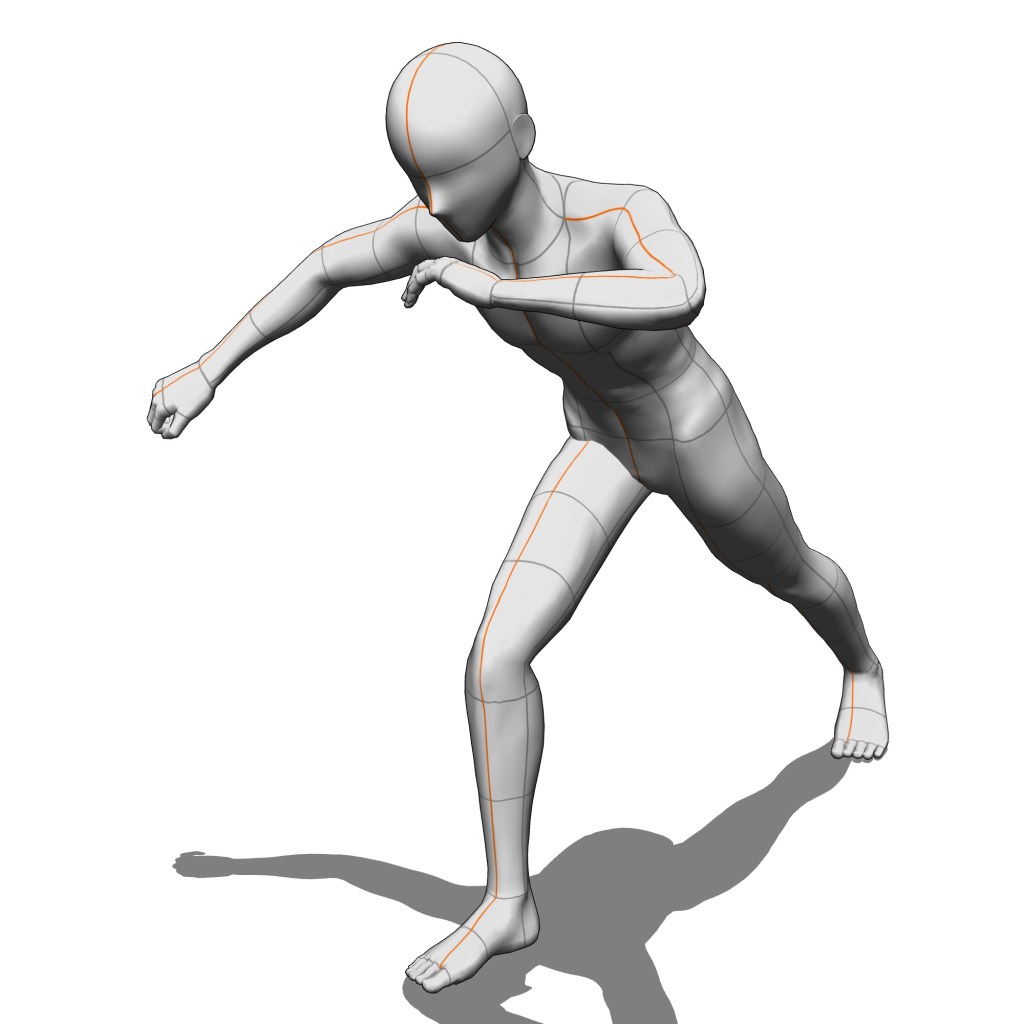

 Jogo Corpo Fechado